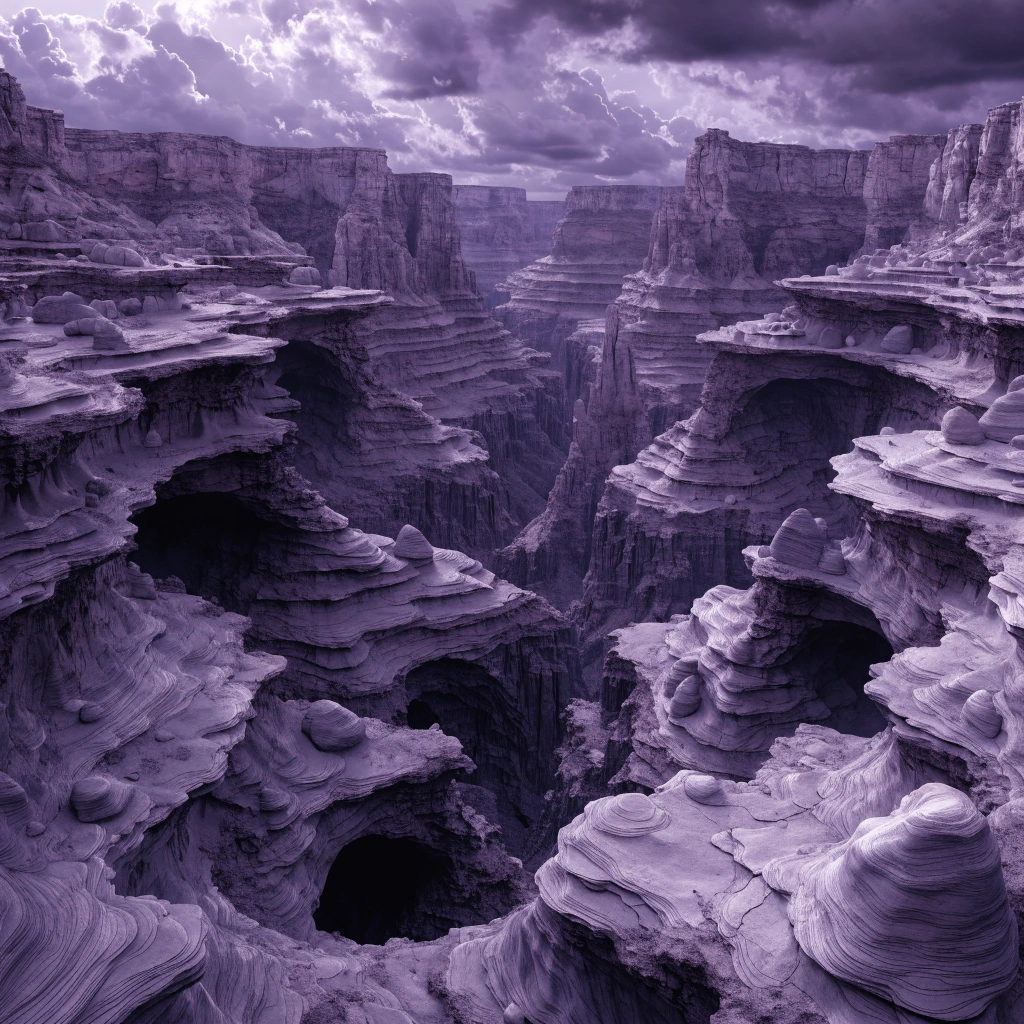
The Big Copper Canyon
Copper Canyon is in Mexico. It is in the mountains. This place is very big. It has six small canyons together. It is bigger and deeper than the Grand Canyon in the USA.
The walls of the canyon are green. The name is Copper Canyon because the walls look like copper. Many people visit this place every year. They take a famous train. The train goes through the high mountains.
The canyon is very beautiful. You can see many green trees and colorful birds. It is a great place for a holiday.
문법 스포트라이트
패턴: Present Simple 'to be'
"Copper Canyon is in Mexico."
We use 'is' with singular subjects like names or 'it'. This pattern describes facts and locations.
패턴: Present Simple 'has'
"It has six small canyons together."
Use 'has' with the subject 'it' to show what something contains. It is the singular form of 'have'.
이해도를 테스트하세요
10 질문 · A1 초급 · 무료 미리보기 1회
이 기사에서 배운 내용을 테스트하세요. 모든 질문에 답하여 XP를 획득하세요!
Where is Copper Canyon?
문제별 결과
Where is Copper Canyon?
내 답변:
정답: In Mexico
Copper Canyon is smaller than the Grand Canyon.
내 답변:
정답: 거짓
What is a 'train'?
내 답변:
정답: A long vehicle on tracks
The walls of the canyon are _____.
내 답변:
정답: green
The Amazing Copper Canyon of Mexico
Copper Canyon is a beautiful place in northwestern Mexico. It is in the Sierra Madre mountains. Many people think it is only one canyon, but it is actually a group of six canyons. It is very big. In fact, it is four times larger than the Grand Canyon in the United States!
The name 'Copper Canyon' is interesting. There is not much copper mining there today. The name comes from the walls of the canyon. They have a green and copper color. Because the mountains are very high, the views are amazing.
Visitors often take a famous train called 'El Chepe.' The train travels through the mountains and over many bridges. It is the best way to see the landscape. The Rarámuri people also live in these canyons. They are famous because they can run very long distances. Last year, many tourists visited this place because they wanted to see the deep valleys and meet the local people.
문법 스포트라이트
패턴: Comparatives (Adjective + -er + than)
"In fact, it is four times larger than the Grand Canyon in the United States!"
We use the comparative form to compare two things. For short adjectives like 'large', we add '-r' or '-er' and use 'than' after it.
패턴: Past Simple (Regular Verbs)
"Last year, many tourists visited this place because they wanted to see the deep valleys."
We use the past simple to talk about finished actions in the past. For regular verbs, we add '-ed' to the base form of the verb.
이해도를 테스트하세요
11 질문 · A2 초등급 · 무료 미리보기 1회
이 기사에서 배운 내용을 테스트하세요. 모든 질문에 답하여 XP를 획득하세요!
How many canyons are in the Copper Canyon system?
문제별 결과
How many canyons are in the Copper Canyon system?
내 답변:
정답: Six
Copper Canyon is smaller than the Grand Canyon in the USA.
내 답변:
정답: 거짓
What does the word 'deep' mean?
내 답변:
정답: Going a long way down from the surface
The famous train travels over many _____.
내 답변:
정답: bridges
Why is it called 'Copper Canyon'?
내 답변:
정답: Because the canyon walls have a copper color
Discovering the Wonders of Copper Canyon
Copper Canyon, which is located in the Sierra Madre mountains of Mexico, has become a popular destination for travelers who love nature. Although many people compare it to the Grand Canyon in the United States, Copper Canyon is actually a system of six different canyons. These canyons have been formed over millions of years by six rivers. Together, they are four times larger than the Grand Canyon and even deeper in some places.
The area was named "Copper Canyon" because of the greenish color of the canyon walls. These walls are covered in moss and trees, which create a beautiful copper-like appearance. This landscape is not just a natural wonder; it is also the home of the Rarámuri people. They are famous for their amazing long-distance running abilities and have lived in these mountains for centuries.
One of the best ways to explore this region is by taking the "El Chepe" train. This famous train journey has been enjoyed by thousands of tourists every year. The train crosses many bridges and goes through deep tunnels, offering views that are absolutely breathtaking. Many stops are made along the route, allowing visitors to meet local people and buy traditional crafts.
In recent years, more eco-tourism projects have been developed to protect the environment. Travelers are encouraged to respect the local culture while they enjoy the hiking trails. If you are looking for an adventure that combines history, culture, and nature, Copper Canyon is a place that should not be missed.
문법 스포트라이트
패턴: Present Perfect Passive
"These canyons have been formed over millions of years by six rivers."
We use the present perfect passive (have/has + been + past participle) to talk about past actions that have a result in the present, where the focus is on the object receiving the action.
패턴: Relative Clauses
"Copper Canyon, which is located in the Sierra Madre mountains of Mexico, has become a popular destination."
Relative clauses starting with 'which' or 'who' provide extra information about a noun. In this case, 'which' adds geographic details about the canyon.
이해도를 테스트하세요
11 질문 · B1 중급 · 무료 미리보기 1회
이 기사에서 배운 내용을 테스트하세요. 모든 질문에 답하여 XP를 획득하세요!
How does Copper Canyon compare to the Grand Canyon?
문제별 결과
How does Copper Canyon compare to the Grand Canyon?
내 답변:
정답: It is four times larger and deeper
The canyon was named after the copper mines found in the area.
내 답변:
정답: 거짓
What does 'breathtaking' mean in the text?
내 답변:
정답: Extremely beautiful or impressive
The famous train used to explore the region is called El _____.
내 답변:
정답: Chepe
What are the Rarámuri people famous for?
내 답변:
정답: Long-distance running
The Majestic Depths of Mexico’s Copper Canyon
Situated within the Sierra Madre Occidental range of northwestern Mexico, the Copper Canyon—or Barrancas del Cobre—represents a geological phenomenon of unparalleled scale. Although frequently compared to the Grand Canyon in the United States, this majestic system actually comprises six distinct canyons. Collectively, they cover an area four times larger and reach depths significantly greater than their American counterpart. Interestingly, the name does not originate from copper mining activities but rather from the distinctive copper-green hue of the lichen covering the canyon walls. This rugged landscape offers more than just breathtaking views; it provides a unique insight into the complex interplay between geology and culture.
The region is not merely a geological wonder; it is also the ancestral home of the Rarámuri people, also known as the Tarahumara. Renowned for their extraordinary long-distance running abilities, the Rarámuri have maintained a traditional lifestyle that is deeply intertwined with the rugged terrain. Historically, they have inhabited caves and small wooden cabins, navigating the steep slopes with remarkable agility. Their presence adds a profound cultural dimension to the landscape, prompting visitors to reflect on the relationship between human endurance and the natural environment. To witness their way of life is to understand the resilience required to thrive in such an unforgiving climate.
Accessing this remote wilderness has been significantly facilitated by the Ferrocarril Chihuahua al Pacífico, affectionately known as 'El Chepe.' This engineering marvel traverses dozens of bridges and tunnels, offering passengers breathtaking vistas of the descending cliffs. However, the rise in tourism has sparked a debate regarding environmental sustainability. While the influx of visitors provides essential economic benefits to the local communities, it simultaneously poses a threat to the delicate ecosystem and the preservation of indigenous traditions. Consequently, there is a growing consensus that tourism must be managed responsibly to avoid degrading the very beauty people come to see.
In conclusion, the Copper Canyon serves as a testament to the raw power of nature and the resilience of human culture. It is a destination that demands both admiration and respect. As global travelers increasingly seek authentic experiences, the challenge lies in balancing the promotion of such wonders with the imperative of conservation. Only through careful management can we ensure that the Copper Canyon remains a vibrant and untouched sanctuary for future generations to witness.
문법 스포트라이트
패턴: Participle Phrases for Providing Context
"Situated within the Sierra Madre Occidental range of northwestern Mexico, the Copper Canyon represents a geological phenomenon."
The past participle 'Situated' begins a phrase that describes the subject. This is used in formal writing to provide background information efficiently without starting a new sentence.
패턴: Passive Voice for Formal Tone
"Accessing this remote wilderness has been significantly facilitated by the Ferrocarril Chihuahua al Pacífico."
The present perfect passive (has been + past participle) focuses the attention on the process of access rather than the people who built the railway. It is common in academic and descriptive texts.
패턴: Inversion with Negative/Restrictive Expressions
"Only through careful management can we ensure that the Copper Canyon remains a vibrant sanctuary."
When a sentence begins with 'Only through' or 'Only by', the auxiliary verb (can) comes before the subject (we). This structure is used to add emphasis to a specific condition.
이해도를 테스트하세요
11 질문 · B2 중상급 · 무료 미리보기 1회
이 기사에서 배운 내용을 테스트하세요. 모든 질문에 답하여 XP를 획득하세요!
Why is the canyon named 'Copper'?
문제별 결과
Why is the canyon named 'Copper'?
내 답변:
정답: Due to the color of the local plants and lichen
The Copper Canyon is smaller in total area than the Grand Canyon in the US.
내 답변:
정답: 거짓
What does 'traverse' mean in the context of the article?
내 답변:
정답: To travel across or through
The Rarámuri people are famous for their long-distance running _____.
내 답변:
정답: abilities
What is the main concern regarding the rise of tourism in the region?
내 답변:
정답: The potential damage to the ecosystem and local traditions
멕시코의 숨겨진 보석: 구리 캐년의 웅장함과 그 의미
멕시코 북서부 시에라 마드레 옥시덴탈 산맥 깊숙이 자리한 바라카스 델 코브레, 즉 구리 캐년은 그 어떤 수식어로도 온전히 담아내기 어려운 지형적 경이로움을 선사합니다. 흔히 미국의 그랜드 캐년과 비견되곤 하나, 구리 캐년은 사실 여섯 개의 개별적인 협곡들이 모여 이루어진 시스템으로, 그 규모는 그랜드 캐년의 네 배에 달하며 깊이 또한 월등합니다. '구리'라는 이름은 채광 활동에서 유래한 것이 아니라, 협곡 벽면이 띠는 특유의 청록색 구릿빛에서 비롯된 것입니다. 이곳의 험준한 지형은 단순한 자연경관을 넘어, 오랜 세월 타라후마라족(라라무리족) 원주민의 삶의 터전이자 그들의 고유한 문화와 전통이 숨 쉬는 곳이기도 합니다.
구리 캐년의 웅장함은 단순히 그 거대한 규모에만 있는 것이 아닙니다. 수백만 년에 걸친 지각 변동과 침식 작용으로 빚어진 이 협곡은, 보는 이로 하여금 자연의 압도적인 힘과 시간의 흐름을 동시에 느끼게 합니다. 협곡 깊은 곳으로는 비취색 강물이 흐르고, 사막 기후와 아열대 기후가 공존하는 독특한 생태계는 다양한 동식물의 보금자리가 되어줍니다. 이러한 생태학적 다양성은 구리 캐년이 지닌 또 다른 중요한 가치이며, 이는 곧 인류가 보존해야 할 소중한 자산임을 역설하는 바입니다.
하지만 이처럼 경이로운 자연유산에도 불구하고, 구리 캐년은 개발과 보존이라는 딜레마에 직면해 있습니다. 관광객 유치를 위한 인프라 확충은 지역 경제 활성화에 기여할 수 있을지언정, 자칫하면 취약한 생태계를 교란하고 원주민 문화에 부정적인 영향을 미칠 수 있다는 우려가 제기됩니다. 지속 가능한 관광 모델을 구축하고, 지역 주민의 의견을 수렴하여 개발 계획을 수립하는 것이야말로 이곳의 미래를 좌우할 핵심적인 과제라 할 수 있습니다. 자연의 훼손 없이 그 가치를 알리고, 원주민의 삶의 방식을 존중하는 방식으로의 접근이 무엇보다 중요함은 두말할 나위 없습니다.
구리 캐년을 방문하는 이들은 단순히 멕시코의 한 지역을 여행하는 것을 넘어, 자연과 인간, 그리고 역사가 얽힌 심오한 이야기를 마주하게 됩니다. 거대한 협곡이 품고 있는 아름다움은 물론이거니와, 그 안에서 살아가는 사람들의 지혜와 자연과의 공존 방식으로부터 얻을 수 있는 통찰은 현대인에게 깊은 울림을 줍니다. 어쩌면 구리 캐년은 우리에게 자연을 대하는 태도와 삶의 본질에 대해 다시 한번 성찰할 기회를 제공하는 것일지도 모릅니다. 이 땅의 숨결을 느끼고, 그 안에 담긴 무한한 가치를 깨닫는 것, 이것이 바로 구리 캐년이 우리에게 던지는 메시지일 것입니다.
문법 스포트라이트
패턴: ~을/를 따름이다
"이러한 생태학적 다양성은 구리 캐년이 지닌 또 다른 중요한 가치이며, 이는 곧 인류가 보존해야 할 소중한 자산임을 역설하는 바입니다."
이 표현은 앞선 내용이 어떤 결과를 주장하거나 강조하는 데 사용됨을 나타냅니다. 주로 '어떤 결론에 도달했다'거나 '어떤 사실을 강조한다'는 의미로 쓰이며, 공식적인 글이나 논평에서 자주 볼 수 있습니다. 동사 뒤에 '~는 바이다' 형태로 사용되기도 합니다.
패턴: ~을/를 지언정
"관광객 유치를 위한 인프라 확충은 지역 경제 활성화에 기여할 수 있을지언정, 자칫하면 취약한 생태계를 교란하고 원주민 문화에 부정적인 영향을 미칠 수 있다는 우려가 제기됩니다."
이 문법은 앞선 내용이 어느 정도 인정되거나 가능성이 있음을 나타내지만, 그보다 뒤에 오는 내용이 더 중요하거나 부정적인 결과를 초래할 수 있음을 강조할 때 사용됩니다. '비록 ~할지라도', '설령 ~하더라도'와 비슷한 의미로 쓰이며, 주로 반대되는 상황이나 우려를 표현할 때 유용합니다.
패턴: ~은/는 두말할 나위 없다
"자연의 훼손 없이 그 가치를 알리고, 원주민의 삶의 방식을 존중하는 방식으로의 접근이 무엇보다 중요함은 두말할 나위 없습니다."
이 표현은 어떤 사실이나 상황이 너무나 명백하고 당연해서 굳이 다시 말할 필요도 없음을 강조할 때 사용됩니다. '말할 필요도 없이', '당연히'와 같은 의미로, 주장의 설득력을 높이는 데 효과적입니다. 주로 명사나 '-음' 명사형 뒤에 붙어 사용됩니다.
이해도를 테스트하세요
12 질문 · C1 고급 · 무료 미리보기 1회
이 기사에서 배운 내용을 테스트하세요. 모든 질문에 답하여 XP를 획득하세요!
구리 캐년이 '구리'라는 이름을 얻게 된 주된 이유는 무엇입니까?
문제별 결과
구리 캐년이 '구리'라는 이름을 얻게 된 주된 이유는 무엇입니까?
내 답변:
정답: 협곡 벽면이 청록색 구릿빛을 띠기 때문에
구리 캐년은 미국의 그랜드 캐년보다 규모가 작지만 더 깊습니다.
내 답변:
정답: 거짓
'압도적'의 의미로 가장 적절한 것은 무엇입니까?
내 답변:
정답: 다른 것을 누를 만큼 뛰어나거나 강한
구리 캐년은 멕시코 북서부 시에라 마드레 옥시덴탈 산맥 깊숙이 자리한 지형적 _____을 선사합니다.
내 답변:
정답: 경이로움
구리 캐년의 독특한 생태계가 다양한 동식물의 보금자리가 되는 이유는 무엇입니까?
내 답변:
정답: 사막 기후와 아열대 기후가 공존하기 때문에
이 글은 구리 캐년의 개발이 지역 경제에 항상 긍정적인 영향만을 미친다고 주장합니다.
내 답변:
정답: 거짓
The Sublime Topography of the Barrancas del Cobre: A Geological and Cultural Synthesis
Were one to contemplate the sheer magnitude of the Sierra Madre Occidental in northwestern Mexico, the Barrancas del Cobre, or Copper Canyon, would emerge not as a singular entity but as a profound geological synthesis. It is a labyrinthine network of six distinct ravines, a topographical masterpiece that arguably dwarfs the Grand Canyon in both verticality and breadth. Should the traveler expect a landscape defined by industrial extraction, they would be quickly disabused of such notions; the nomenclature derives not from the presence of ore, but from the verdant, copper-toned lichen that clings to the basaltic precipices. This rugged landscape, forged through millennia of volcanic activity and subsequent fluvial erosion, presents an environment where the sublime and the precarious coexist in a delicate equilibrium.
Not only is the canyon a geological marvel, but it also serves as the ancestral domain of the Rarámuri people, whose resilience is inextricably linked to the verticality of their surroundings. To observe the Rarámuri navigate these abyssal depths is to witness a form of human endurance that transcends modern athletic paradigms. Their presence underscores a cultural continuity that has withstood the encroachments of colonial and modern influences alike. One might posit that the canyon acts as a natural fortress, preserving a way of life that remains largely opaque to the casual observer. It is imperative that any scholarly analysis of the region acknowledge this symbiotic relationship between the indigenous populace and the chasm’s daunting geography.
Transportation through this formidable terrain was revolutionized by the Ferrocarril Chihuahua al Pacífico, colloquially known as El Chepe. This feat of engineering, which traverses dozens of bridges and tunnels, provides a jarring juxtaposition between industrial ingenuity and the raw, untamed wilderness. As the train ascends toward the alpine heights, the vegetation shifts from subtropical deciduous forests to coniferous woodlands, illustrating the profound ecological diversity contained within a single canyon system. It is through this transit that the ephemeral nature of human infrastructure becomes most apparent when contrasted against the enduring basalt of the Sierra Madre.
Furthermore, the canyon’s depth—plunging over 1,800 meters in certain sectors—creates a unique microclimate. While the rim may be shrouded in snow during the winter months, the floor often retains a tropical warmth, fostering a vestige of flora and fauna that would otherwise perish at such latitudes. This thermal inversion is a testament to the canyon’s complexity as a self-contained biosphere. However, this ecological sanctuary is not without its vulnerabilities. Anthropogenic factors, ranging from climate change to unregulated tourism, threaten the delicate balance of this majestic rift.
In conclusion, the Barrancas del Cobre stands as a testament to the transformative power of natural forces. It is a place where the geological past and the cultural present are woven into a tapestry of staggering complexity. Whether viewed through the lens of geomorphology, anthropology, or mere aesthetic appreciation, the canyon demands a level of intellectual engagement that few other terrestrial features can elicit. To truly comprehend the Copper Canyon is to accept the limitations of human scale and to marvel at the enduring resilience of both the earth and those who have long called its depths home.
문법 스포트라이트
패턴: Inverted Conditional (Subjunctive)
"Were one to contemplate the sheer magnitude of the Sierra Madre Occidental in northwestern Mexico, the Barrancas del Cobre, or Copper Canyon, would emerge not as a singular entity but as a profound geological synthesis."
This formal structure replaces 'If one were to...' by inverting the verb and subject. It is used in C2 level prose to express a hypothetical situation with a high degree of formality and elegance.
패턴: Negative Inversion
"Not only is the canyon a geological marvel, but it also serves as the ancestral domain of the Rarámuri people."
When a sentence begins with a negative or restrictive adverbial like 'Not only,' the auxiliary verb and subject must be inverted. This structure emphasizes the dual nature of the subject.
패턴: Subjunctive of Importance
"It is imperative that any scholarly analysis of the region acknowledge this symbiotic relationship between the indigenous populace and the chasm’s daunting geography."
After adjectives of necessity or importance (imperative, crucial, essential), the base form of the verb (acknowledge) is used in a 'that' clause. This is a hallmark of formal, academic English.
이해도를 테스트하세요
12 질문 · C2 마스터 · 무료 미리보기 1회
이 기사에서 배운 내용을 테스트하세요. 모든 질문에 답하여 XP를 획득하세요!
What is the primary reason the canyon is referred to as 'Copper'?
문제별 결과
What is the primary reason the canyon is referred to as 'Copper'?
내 답변:
정답: The specific color of the lichen on the canyon walls.
The Copper Canyon is actually a single ravine that is four times larger than the Grand Canyon.
내 답변:
정답: 거짓
Which word best describes the complex, maze-like nature of the canyon system?
내 답변:
정답: Labyrinthine
The canyon floor often retains a _____ warmth, even when the rim is covered in snow.
내 답변:
정답: tropical
How does the author characterize the relationship between the Rarámuri and the canyon?
내 답변:
정답: As an inextricably linked symbiotic relationship.
The El Chepe railway transition showcases ecological shifts from subtropical to coniferous forests.
내 답변:
정답: 참

