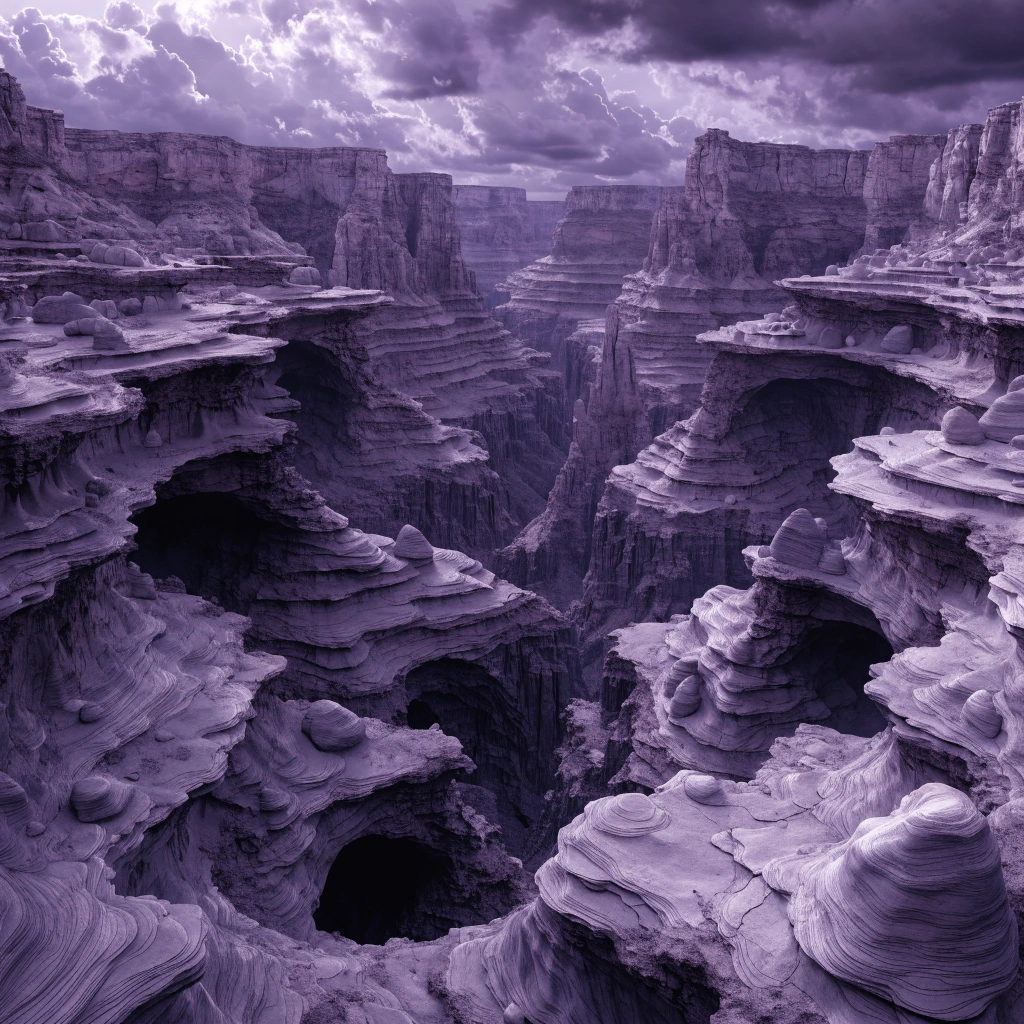
The Big Copper Canyon
Copper Canyon is in Mexico. It is in the mountains. This place is very big. It has six small canyons together. It is bigger and deeper than the Grand Canyon in the USA.
The walls of the canyon are green. The name is Copper Canyon because the walls look like copper. Many people visit this place every year. They take a famous train. The train goes through the high mountains.
The canyon is very beautiful. You can see many green trees and colorful birds. It is a great place for a holiday.
文法スポットライト
パターン: Present Simple 'to be'
"Copper Canyon is in Mexico."
We use 'is' with singular subjects like names or 'it'. This pattern describes facts and locations.
パターン: Present Simple 'has'
"It has six small canyons together."
Use 'has' with the subject 'it' to show what something contains. It is the singular form of 'have'.
理解度をチェック
10 問 · A1 初級 · 無料プレビュー 1回
この記事で学んだことをテストしよう。全問正解してXPを獲得!
Where is Copper Canyon?
問題の内訳
Where is Copper Canyon?
あなたの回答:
正解: In Mexico
Copper Canyon is smaller than the Grand Canyon.
あなたの回答:
正解: 間違い
What is a 'train'?
あなたの回答:
正解: A long vehicle on tracks
The walls of the canyon are _____.
あなたの回答:
正解: green
メキシコの「銅の渓谷」
メキシコの北西に、とても有名な場所があります。その名前は「銅の渓谷」です。スペイン語では「バランカス・デル・コブレ」と言います。 この渓谷は、アメリカのグランドキャニオンとよく比べられます。でも、銅の渓谷はグランドキャニオンよりずっと大きくて、深いです。これは一つの渓谷ではなくて、六つの渓谷が集まってできた大きなシステムです。 なぜ「銅の渓谷」という名前なのでしょうか。その理由は、渓谷の壁の色です。壁は緑色と銅のような色をしています。鉱山とは関係ありません。この場所はとても自然豊かで、美しい景色がたくさんあります。 多くの人がこの美しい景色を見るために訪れます。電車に乗って、渓谷の中を進むこともできます。メキシコで、この大きな自然を感じてみませんか。
文法スポットライト
パターン: 〜より〜です
"銅の渓谷はグランドキャニオンよりずっと大きくて、深いです。"
このパターンは、二つのものを比べて、どちらがより〜であるかを言うときに使います。「AはBよりCです」で「AはBよりもっとCです」という意味になります。
パターン: 〜からです
"その理由は、渓谷の壁の色です。壁は緑色と銅のような色をしています。鉱山とは関係ありません。"
このパターンは、理由や原因を説明するときに使います。「〜から」は「〜なので」と同じように使えます。文の最後に「です」をつけて丁寧に言います。
理解度をチェック
11 問 · A2 初級 · 無料プレビュー 1回
この記事で学んだことをテストしよう。全問正解してXPを獲得!
「銅の渓谷」はメキシコのどこにありますか。
問題の内訳
「銅の渓谷」はメキシコのどこにありますか。
あなたの回答:
正解: 北西
「銅の渓谷」はアメリカのグランドキャニオンより小さいです。
あなたの回答:
正解: 間違い
「渓谷」の意味は何ですか。
あなたの回答:
正解: 深くて細長い谷
「銅の渓谷」は一つの渓谷ではなくて、六つの渓谷が____できた大きなシステムです。
あなたの回答:
正解: 集まって
なぜ「銅の渓谷」という名前ですか。
あなたの回答:
正解: 壁の色が緑と銅のようだからです。
Discovering the Wonders of Copper Canyon
Copper Canyon, which is located in the Sierra Madre mountains of Mexico, has become a popular destination for travelers who love nature. Although many people compare it to the Grand Canyon in the United States, Copper Canyon is actually a system of six different canyons. These canyons have been formed over millions of years by six rivers. Together, they are four times larger than the Grand Canyon and even deeper in some places.
The area was named "Copper Canyon" because of the greenish color of the canyon walls. These walls are covered in moss and trees, which create a beautiful copper-like appearance. This landscape is not just a natural wonder; it is also the home of the Rarámuri people. They are famous for their amazing long-distance running abilities and have lived in these mountains for centuries.
One of the best ways to explore this region is by taking the "El Chepe" train. This famous train journey has been enjoyed by thousands of tourists every year. The train crosses many bridges and goes through deep tunnels, offering views that are absolutely breathtaking. Many stops are made along the route, allowing visitors to meet local people and buy traditional crafts.
In recent years, more eco-tourism projects have been developed to protect the environment. Travelers are encouraged to respect the local culture while they enjoy the hiking trails. If you are looking for an adventure that combines history, culture, and nature, Copper Canyon is a place that should not be missed.
文法スポットライト
パターン: Present Perfect Passive
"These canyons have been formed over millions of years by six rivers."
We use the present perfect passive (have/has + been + past participle) to talk about past actions that have a result in the present, where the focus is on the object receiving the action.
パターン: Relative Clauses
"Copper Canyon, which is located in the Sierra Madre mountains of Mexico, has become a popular destination."
Relative clauses starting with 'which' or 'who' provide extra information about a noun. In this case, 'which' adds geographic details about the canyon.
理解度をチェック
11 問 · B1 中級 · 無料プレビュー 1回
この記事で学んだことをテストしよう。全問正解してXPを獲得!
How does Copper Canyon compare to the Grand Canyon?
問題の内訳
How does Copper Canyon compare to the Grand Canyon?
あなたの回答:
正解: It is four times larger and deeper
The canyon was named after the copper mines found in the area.
あなたの回答:
正解: 間違い
What does 'breathtaking' mean in the text?
あなたの回答:
正解: Extremely beautiful or impressive
The famous train used to explore the region is called El _____.
あなたの回答:
正解: Chepe
What are the Rarámuri people famous for?
あなたの回答:
正解: Long-distance running
メキシコの秘境「銅の渓谷」:バラカ・デル・コブレの壮大なる自然
メキシコ北西部に位置するシエラ・マドレ・オクシデンタル山脈の奥深くには、息をのむような絶景が広がっています。それが「バラカ・デル・コブレ」、通称「銅の渓谷」として知られる壮大な大峡谷群です。しばしばアメリカのグランドキャニオンと比較されますが、銅の渓谷は実際には六つの異なる峡谷から構成されており、その総面積はグランドキャニオンの四倍にも及び、深さにおいても遙かに上回るとされています。この地名が「銅」と冠されているのは、鉱山が豊富だからではなく、渓谷の岩肌が帯びる緑がかった銅色に由来しています。
この広大な渓谷群は、数百万年にもわたる河川の浸食と地殻変動によって形成された、まさに地球の息吹を感じさせる地形です。険しい断崖絶壁と深い谷が織りなすその景観は、訪れる者を圧倒する迫力を持っています。多様な生態系が育まれており、多種多様な植物や野生動物が生息しています。特に、この地域にはララムリ族(タラウマラ族とも呼ばれる)と呼ばれる先住民が脈々と伝統的な生活を守りながら暮らしており、彼らの独特な文化はこの渓谷のもう一つの魅力となっています。
銅の渓谷を体験する最も有名な方法の一つに、チワワ太平洋鉄道、通称「チェペ鉄道」の旅が挙げられます。これはメキシコで最も風光明媚な鉄道の一つとして知られ、険しい山岳地帯を縫うように走り、数多くのトンネルと橋を通過しながら、息をのむような渓谷のパノラマを提供します。車窓からは、時折、ララムリ族の村や彼らが生活する様子を垣間見ることができ、単なる自然探訪に留まらない、文化的な発見の旅となるでしょう。
この渓谷は、単なる地理的な特徴以上のものです。それは、自然の力強さと時間の流れ、そして人類の文化が交錯する場所であり、訪れる人々に深い感動と考察を促します。その壮大なスケールと独特の美しさは、一度訪れたら忘れられない記憶として心に刻まれるに違いありません。銅の渓谷は、まさにメキシコが世界に誇るべき自然遺産であり、その保護と持続可能な観光開発が現代において重要な課題であると言えるでしょう。
文法スポットライト
パターン: 〜とされる
"その総面積はグランドキャニオンの四倍にも及び、深さにおいても遙かに上回るとされています。"
「〜とされる」は、「〜と考えられている」「〜と言われている」という意味で、客観的な事実や一般的な見解を述べる際に使われます。情報源を特定せず、広く認識されていることを伝える表現です。
パターン: 〜に留まらない
"単なる自然探訪に留まらない、文化的な発見の旅となるでしょう。"
「〜に留まらない」は、「〜だけでなく、それ以上である」「〜の範囲を超えている」という意味を表します。ある状況や状態が、特定の範囲やレベルに限定されないことを強調する際に用いられます。
パターン: 〜ではなく〜に由来する
"この地名が「銅」と冠されているのは、鉱山が豊富だからではなく、渓谷の岩肌が帯びる緑がかった銅色に由来しています。"
「〜ではなく〜に由来する」は、ある事柄の原因や起源が「A」ではなく「B」にあることを明確に説明する際に用いられます。「AではなくB」の形で対比を示し、正確な情報を提供します。
理解度をチェック
11 問 · B2 中上級 · 無料プレビュー 1回
この記事で学んだことをテストしよう。全問正解してXPを獲得!
銅の渓谷は、主に何によって形成されたと考えられていますか?
問題の内訳
銅の渓谷は、主に何によって形成されたと考えられていますか?
あなたの回答:
正解: 河川の浸食と地殻変動
銅の渓谷という名前は、この地域に豊富な銅鉱山があることに由来しています。
あなたの回答:
正解: 間違い
記事中の「壮大」という言葉に最も近い意味を持つものはどれですか?
あなたの回答:
正解: 規模が非常に大きく、立派な
銅の渓谷には、ララムリ族と呼ばれる_____が伝統的な生活を守りながら暮らしています。
あなたの回答:
正解: 先住民
チェペ鉄道は、どのような場所を走ることで知られていますか?
あなたの回答:
正解: 険しい山岳地帯
The Verdant Abyss: Deciphering the Majesty of Mexico’s Copper Canyon
Rarely has nature sculpted a landscape as intimidating yet inviting as the Barrancas del Cobre. Tucked within the rugged folds of the Sierra Madre Occidental in northwestern Mexico, this labyrinthine network of six distinct canyons represents a geological marvel that significantly dwarfs the more globally renowned Grand Canyon. While the latter is celebrated for its arid, monochromatic grandeur, the Copper Canyon offers a verdant tapestry of biodiversity, ranging from high-altitude alpine forests at its precipitous rims to lush, subtropical climates in its deepest recesses. It is the sheer scale of this geological system—four times the size and significantly deeper than its northern counterpart—that often leaves visitors in a state of existential contemplation.
The nomenclature of the region is frequently misunderstood by the uninitiated; the 'Copper' epithet derives not from the historical extraction of ore, but from the copper-green hue of the lichen-clad canyon walls. This aesthetic sublimity, however, is merely the backdrop to a complex human narrative. For centuries, the indomitable Rarámuri people have inhabited these crags, their culture defined by an extraordinary resilience and a legendary capacity for long-distance running across the rugged terrain. Their presence raises a fundamental question regarding the intersection of modern tourism and indigenous sovereignty. The preservation of indigenous autonomy remains a contentious point within the discourse of regional development, particularly as infrastructure projects seek to capitalize on the area's burgeoning popularity.
One cannot discuss the canyon without acknowledging the Ferrocarril Chihuahua al Pacífico, affectionately known as El Chepe. This monumental engineering feat, which traverses 86 tunnels and 37 bridges, serves as the primary conduit for international travelers. Yet, the railway is a double-edged sword. While it facilitates necessary economic growth and provides a lifeline for remote communities, it also accelerates the potential erosion of traditional lifestyles and the commodification of culture. What defines the current era of the Copper Canyon is this precarious equilibrium between the inevitability of modernization and the conservation of a unique, ancestral heritage.
Furthermore, the environmental integrity of the canyons is under constant scrutiny by global ecologists. Climate change and localized deforestation threaten the delicate ecosystems that have thrived in geographic isolation for millennia. The ingenuity required to navigate these terrains, both by the indigenous inhabitants and the diverse wildlife, is mirrored in the biological adaptations of the local flora. From the endemic pines of the heights to the tropical fruit trees of the depths, the canyon is a biological sanctuary. Ultimately, the Copper Canyon is not merely a destination for the intrepid traveler but a living testament to the endurance of nature and culture alike. Only by acknowledging the multifaceted challenges facing the region can we hope to safeguard its last vestige of true wilderness for future generations. The responsibility lies in a nuanced approach to travel—one that prioritizes ecological stewardship over mere spectacle.
文法スポットライト
パターン: Negative Inversion
"Rarely has nature sculpted a landscape as intimidating yet inviting as the Barrancas del Cobre."
Inversion is used after negative or restrictive adverbs (like 'rarely') to add emphasis. The auxiliary verb comes before the subject.
パターン: Cleft Sentences
"It is the sheer scale of this geological system that often leaves visitors in a state of existential contemplation."
Cleft sentences use 'It is/was... that' to focus on a specific part of the information. Here, it emphasizes the 'sheer scale' as the primary cause of awe.
パターン: Nominalisation
"The preservation of indigenous autonomy remains a contentious point within the discourse of regional development."
Nominalisation involves turning verbs or adjectives into nouns (e.g., 'preserve' to 'preservation'). This creates a more formal, academic tone suitable for C1 analysis.
理解度をチェック
12 問 · C1 上級 · 無料プレビュー 1回
この記事で学んだことをテストしよう。全問正解してXPを獲得!
What is the primary reason the canyon system is named 'Copper'?
問題の内訳
What is the primary reason the canyon system is named 'Copper'?
あなたの回答:
正解: The specific color of the lichen on the walls
The Copper Canyon is geographically smaller but deeper than the Grand Canyon.
あなたの回答:
正解: 間違い
Which word describes the quality of being awe-inspiringly beautiful?
あなたの回答:
正解: Sublimity
The culture of the Rarámuri is defined by an extraordinary _____ and a capacity for running.
あなたの回答:
正解: resilience
How does the author characterize the 'El Chepe' railway?
あなたの回答:
正解: A complex tool that brings both benefits and challenges
The article suggests that current tourism strategies should prioritize ecological care over spectacle.
あなたの回答:
正解: 正しい
The Sublime Topography of the Barrancas del Cobre: A Geological and Cultural Synthesis
Were one to contemplate the sheer magnitude of the Sierra Madre Occidental in northwestern Mexico, the Barrancas del Cobre, or Copper Canyon, would emerge not as a singular entity but as a profound geological synthesis. It is a labyrinthine network of six distinct ravines, a topographical masterpiece that arguably dwarfs the Grand Canyon in both verticality and breadth. Should the traveler expect a landscape defined by industrial extraction, they would be quickly disabused of such notions; the nomenclature derives not from the presence of ore, but from the verdant, copper-toned lichen that clings to the basaltic precipices. This rugged landscape, forged through millennia of volcanic activity and subsequent fluvial erosion, presents an environment where the sublime and the precarious coexist in a delicate equilibrium.
Not only is the canyon a geological marvel, but it also serves as the ancestral domain of the Rarámuri people, whose resilience is inextricably linked to the verticality of their surroundings. To observe the Rarámuri navigate these abyssal depths is to witness a form of human endurance that transcends modern athletic paradigms. Their presence underscores a cultural continuity that has withstood the encroachments of colonial and modern influences alike. One might posit that the canyon acts as a natural fortress, preserving a way of life that remains largely opaque to the casual observer. It is imperative that any scholarly analysis of the region acknowledge this symbiotic relationship between the indigenous populace and the chasm’s daunting geography.
Transportation through this formidable terrain was revolutionized by the Ferrocarril Chihuahua al Pacífico, colloquially known as El Chepe. This feat of engineering, which traverses dozens of bridges and tunnels, provides a jarring juxtaposition between industrial ingenuity and the raw, untamed wilderness. As the train ascends toward the alpine heights, the vegetation shifts from subtropical deciduous forests to coniferous woodlands, illustrating the profound ecological diversity contained within a single canyon system. It is through this transit that the ephemeral nature of human infrastructure becomes most apparent when contrasted against the enduring basalt of the Sierra Madre.
Furthermore, the canyon’s depth—plunging over 1,800 meters in certain sectors—creates a unique microclimate. While the rim may be shrouded in snow during the winter months, the floor often retains a tropical warmth, fostering a vestige of flora and fauna that would otherwise perish at such latitudes. This thermal inversion is a testament to the canyon’s complexity as a self-contained biosphere. However, this ecological sanctuary is not without its vulnerabilities. Anthropogenic factors, ranging from climate change to unregulated tourism, threaten the delicate balance of this majestic rift.
In conclusion, the Barrancas del Cobre stands as a testament to the transformative power of natural forces. It is a place where the geological past and the cultural present are woven into a tapestry of staggering complexity. Whether viewed through the lens of geomorphology, anthropology, or mere aesthetic appreciation, the canyon demands a level of intellectual engagement that few other terrestrial features can elicit. To truly comprehend the Copper Canyon is to accept the limitations of human scale and to marvel at the enduring resilience of both the earth and those who have long called its depths home.
文法スポットライト
パターン: Inverted Conditional (Subjunctive)
"Were one to contemplate the sheer magnitude of the Sierra Madre Occidental in northwestern Mexico, the Barrancas del Cobre, or Copper Canyon, would emerge not as a singular entity but as a profound geological synthesis."
This formal structure replaces 'If one were to...' by inverting the verb and subject. It is used in C2 level prose to express a hypothetical situation with a high degree of formality and elegance.
パターン: Negative Inversion
"Not only is the canyon a geological marvel, but it also serves as the ancestral domain of the Rarámuri people."
When a sentence begins with a negative or restrictive adverbial like 'Not only,' the auxiliary verb and subject must be inverted. This structure emphasizes the dual nature of the subject.
パターン: Subjunctive of Importance
"It is imperative that any scholarly analysis of the region acknowledge this symbiotic relationship between the indigenous populace and the chasm’s daunting geography."
After adjectives of necessity or importance (imperative, crucial, essential), the base form of the verb (acknowledge) is used in a 'that' clause. This is a hallmark of formal, academic English.
理解度をチェック
12 問 · C2 マスター · 無料プレビュー 1回
この記事で学んだことをテストしよう。全問正解してXPを獲得!
What is the primary reason the canyon is referred to as 'Copper'?
問題の内訳
What is the primary reason the canyon is referred to as 'Copper'?
あなたの回答:
正解: The specific color of the lichen on the canyon walls.
The Copper Canyon is actually a single ravine that is four times larger than the Grand Canyon.
あなたの回答:
正解: 間違い
Which word best describes the complex, maze-like nature of the canyon system?
あなたの回答:
正解: Labyrinthine
The canyon floor often retains a _____ warmth, even when the rim is covered in snow.
あなたの回答:
正解: tropical
How does the author characterize the relationship between the Rarámuri and the canyon?
あなたの回答:
正解: As an inextricably linked symbiotic relationship.
The El Chepe railway transition showcases ecological shifts from subtropical to coniferous forests.
あなたの回答:
正解: 正しい

