









lions 30초 만에
- Lions are social big cats that live in family groups called prides, primarily found in the African savanna and parts of India.
- They are apex predators, meaning they sit at the top of the food chain and hunt a variety of large herbivores.
- Male lions are easily recognized by their thick manes, while females are the main hunters and caregivers for the cubs.
- Lions are culturally significant symbols of strength and bravery, appearing in sports, literature, and national emblems worldwide.
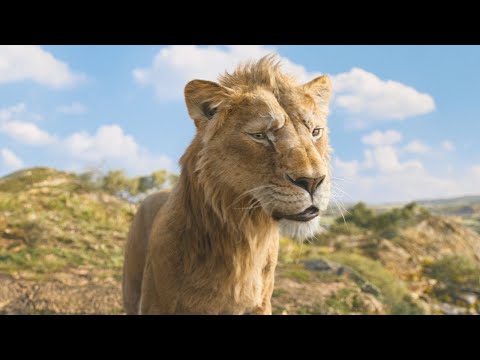
The term lions serves as the plural designation for one of the most iconic and formidable apex predators on the planet, the Panthera leo. When we speak of lions, we are typically referring to a group of large, muscular felines that are renowned for their social structure, physical prowess, and symbolic significance across human history. Unlike most other cat species, lions are uniquely social, living in complex family units known as prides. This social nature is a primary reason why the plural form is so frequently utilized in biological, ecological, and casual conversations. When you visit a safari park or watch a nature documentary, you are rarely observing a solitary individual; instead, you are observing lions interacting, hunting, and resting together. The word encompasses both the majestic males, characterized by their impressive manes, and the sleek, agile females who perform the majority of the pride's hunting duties. In a broader linguistic context, lions are often used to represent courage, royalty, and strength, appearing in idioms and metaphors that transcend their biological reality.
- Biological Classification
- Lions belong to the genus Panthera, which includes other big cats like tigers, leopards, and jaguars. They are the only cats that exhibit significant sexual dimorphism, meaning males and females look strikingly different.
The pride of lions moved silently through the tall golden grass of the Serengeti, their eyes fixed on the distant herd of zebras.
In everyday language, people use the word lions when discussing wildlife conservation, African geography, or even sports teams. Because lions are considered 'charismatic megafauna,' they are a central focus of environmental efforts. You will hear scientists discuss the declining populations of lions in the wild due to habitat loss and human-wildlife conflict. Conversely, in a metaphorical sense, a leader might be described as having the heart of a lion, or a brave group of people might be called lions. The plural form is essential here because it suggests a collective strength or a shared characteristic among a group. Whether discussing the actual animals in the Gir Forest of India or the vast plains of Sub-Saharan Africa, the word evokes a sense of awe and respect. It is a word that carries weight, often associated with the 'King of Beasts' title, suggesting a hierarchy in the natural world where these creatures sit at the very top.
- Social Structure
- A pride of lions typically consists of several related females, their cubs, and a small number of adult males who protect the territory from intruders.
Young lions spend much of their time playing, which helps them develop the essential skills they will need for hunting later in life.
Furthermore, the word lions is frequently encountered in cultural and historical contexts. From the stone lions guarding the entrances of ancient Chinese palaces to the heraldic lions on European coats of arms, the plural form represents a standard of excellence and guardianship. In literature, lions often play central roles, such as Aslan in 'The Chronicles of Narnia' or the various characters in 'The Lion King'. These representations solidify the word in our vocabulary as more than just a biological label; it is a symbol of power. When people talk about 'the lions' in a historical sense, they might be referring to the gladiatorial arenas of Rome where these animals were used in spectacles. Thus, the word bridges the gap between natural science and human mythology, making it a versatile and deeply embedded term in the English language.
- Geographic Range
- While most lions live in Africa, a small population of Asiatic lions survives in the Gir Forest National Park in Gujarat, India, representing a distinct subspecies.
Many tourists travel to Kenya specifically to see lions in their natural habitat during the Great Migration.
The roar of the lions could be heard from over five miles away, echoing across the silent savanna at dusk.
Conservationists are worried that the genetic diversity of wild lions is decreasing as their territories become fragmented.
Using the word lions correctly involves understanding its role as a plural count noun. In most sentences, it will take a plural verb form (e.g., 'lions are' rather than 'lions is'). It is often preceded by determiners like 'the', 'some', 'many', or 'those'. For instance, when describing a general fact, you might say, 'Lions are carnivorous mammals.' When referring to a specific group you are looking at, you would say, 'The lions are sleeping under the acacia tree.' The word is versatile and can function as the subject of a sentence, the object of a verb, or part of a prepositional phrase. Because lions are social animals, sentences often involve verbs related to group activities such as hunting, roaming, or resting. You might also use the word in possessive form, 'lions' manes', to describe features belonging to the group.
- Subject-Verb Agreement
- Always ensure that the verb matches the plural nature of the word. Example: 'Lions hunt in groups' is correct, while 'Lions hunts in groups' is incorrect.
While male lions defend the territory, the females are the primary hunters for the pride.
In more complex sentence structures, lions can be used to illustrate comparisons or within conditional statements. For example, 'If lions were to disappear from the ecosystem, the population of herbivores would explode, leading to overgrazing.' This uses the plural form to discuss a hypothetical ecological scenario. You can also use the word in the passive voice: 'Lions are often depicted as symbols of courage in heraldry.' Here, the focus is on how the animals are represented by humans. Adjectives frequently paired with lions include 'majestic', 'ferocious', 'wild', 'social', and 'vulnerable'. These modifiers help provide a clearer picture of the specific context in which the lions are being discussed, whether it is their physical beauty, their predatory nature, or their conservation status.
- Collective Nouns
- The most common collective noun is 'pride', but you might also see 'sault' or 'troop' in very specific or archaic contexts, though 'pride' is standard.
We watched as two young lions wrestled in the grass, practicing the pouncing techniques they would need as adults.
Sentences can also incorporate lions into prepositional phrases to provide more detail. 'The documentary focused on the lives of lions in the Okavango Delta.' This specifies the location and the subject. In creative writing, you might use the word to create atmosphere: 'The night was filled with the distant, haunting calls of lions.' Here, the plural form emphasizes the presence of multiple animals, increasing the sense of danger or wildness. Additionally, when talking about statistics or scientific data, the word is used to quantify: 'There are estimated to be fewer than 25,000 lions remaining in the wild today.' This usage is crucial for conveying the urgency of conservation efforts. By mastering these different sentence patterns, you can communicate effectively about lions in both academic and casual settings.
- Common Adjectives
- Majestic, predatory, territorial, social, tawny-coated, maned, fierce, vulnerable, noble, powerful.
Ancient civilizations often carved statues of lions to guard the tombs of their kings and queens.
The zookeepers provided the lions with enrichment activities to keep them mentally and physically active.
Because lions are at the top of the food chain, they have no natural predators other than humans.
The word lions is ubiquitous in various media and real-life scenarios. One of the most common places to hear it is in educational settings, particularly in biology or geography classes when discussing the African savanna or animal behavior. Teachers and professors use the term to explain the concept of a 'keystone species' or to describe the hierarchy of the animal kingdom. Children also encounter the word early in their education through alphabet books ('L is for Lion') and animal-themed lessons. In these contexts, the word is usually associated with basic facts about their diet, habitat, and physical appearance. Nature documentaries, such as those produced by National Geographic or the BBC, are another primary source where the word is heard frequently. Narrators like David Attenborough often describe the intricate lives of lions, using the plural form to refer to the pride as a whole or the species in general.
- Media and Entertainment
- Movies like 'The Lion King' and 'The Chronicles of Narnia' have made the word a household name, often personifying lions with human-like traits and emotions.
In the documentary, the narrator explained how lions coordinate their movements to ambush prey during the night.
In the world of sports, the word lions is a very popular choice for team names and mascots. This is due to the animal's association with strength, bravery, and dominance. For example, the Detroit Lions in the NFL, the British and Irish Lions in rugby union, and various national football teams like the 'Three Lions' of England. Fans and sports commentators use the word constantly when discussing game strategies, player performance, or team history. In this context, 'lions' becomes a symbol of the team's identity and spirit. You might hear a commentator say, 'The Lions are looking particularly fierce on the field today,' using the animal's reputation to describe the athletes' competitive drive. This cultural adoption of the word extends to business and branding as well, where companies use 'lion' in their names or logos to project an image of leadership and reliability.
- Sports and Branding
- Many organizations choose lions as their symbol to convey a message of power, heritage, and excellence to their audience.
The crowd roared with excitement as the lions scored a touchdown in the final minutes of the game.
Finally, you will encounter the word lions in news reports and articles concerning wildlife conservation and environmental issues. Journalists use the term when reporting on the status of endangered species, the impact of climate change on habitats, or successful breeding programs in zoos. In these reports, the word often carries a tone of concern or urgency. You might read a headline like 'New Protections Announced for African Lions' or 'Lions Returning to Former Habitats in Rwanda.' These stories highlight the ongoing relationship between humans and these magnificent creatures. Whether it is a travel blog describing a safari experience, a scientific journal detailing behavioral studies, or a news clip about a local zoo, the word lions is a key part of our global conversation about the natural world and our place within it.
- Conservation News
- News outlets frequently cover the challenges facing lions, such as poaching and the loss of prey species due to human encroachment.
The article highlighted the success of a new sanctuary that provides a safe haven for lions rescued from circuses.
During the lecture, the biologist discussed how lions use their sense of smell to track prey over long distances.
The travel brochure promised that visitors would have the chance to see lions in the wild during the guided safari tour.
One of the most frequent mistakes learners make with the word lions involves confusion between different species that share the name. For instance, 'mountain lions' (also known as cougars or pumas) and 'sea lions' (marine mammals) are not actually part of the Panthera leo species. Using 'lions' to refer to these animals without the qualifying adjective can lead to significant misunderstandings, especially in scientific or geographic contexts. It is important to specify which type of 'lion' you are talking about if it isn't the African or Asiatic variety. Another common error is related to the collective noun. While 'a group of lions' is grammatically correct, using the specific term 'a pride of lions' is much more natural and expected in fluent English. Failing to use 'pride' can make a speaker sound less proficient in the language.
- Species Confusion
- Avoid calling cougars 'lions' in a context where people might expect you to mean the African big cat. Use 'mountain lions' instead.
Incorrect: We saw many lions swimming in the ocean. Correct: We saw many sea lions swimming in the ocean.
Grammatical errors also occur with the possessive form of the plural. Many students struggle with where to place the apostrophe. For a single lion, it is 'the lion's roar,' but for multiple lions, it must be 'the lions' roar.' Placing the apostrophe before the 's' when referring to a group is a common mistake in written English. Additionally, there is sometimes confusion regarding the roles of male and female lions. People often assume all lions have manes, but this is only true for adult males. When writing or speaking about 'lions' hunting, it is more accurate to specify that the lionesses (female lions) do most of the work, although using the general term 'lions' is not technically wrong. However, being specific shows a deeper understanding of the subject matter.
- Apostrophe Placement
- Singular: The lion's mane. Plural: The lions' manes. This is a very common error even for native speakers.
Incorrect: The lion's were hunting together. Correct: The lions were hunting together.
Finally, learners sometimes over-generalize the habitat of lions. A common misconception is that lions live in the 'jungle'. In reality, lions primarily inhabit savannas, grasslands, and open woodlands. Referring to them as 'kings of the jungle' is a popular idiom, but using it in a factual or scientific context is technically incorrect. If you are writing a report or giving a presentation, it is better to use 'savanna' or 'grassland' to describe where lions live. Also, be careful with the pluralization of 'lion' when it is part of a compound word or a specific name. For example, 'Lionfishes' is not the standard plural for the fish species (it's usually just 'lionfish'), and 'Antlions' refers to a completely different type of insect. Keeping these distinctions in mind will help you use the word lions more accurately and professionally.
- Habitat Accuracy
- Lions live in savannas, not jungles. The phrase 'King of the Jungle' is a misnomer that has stuck in popular culture.
Incorrect: Lions are the kings of the jungle. Correct: Lions are the apex predators of the African savanna.
The documentary corrected the myth that lions live in dense tropical rainforests.
Many people mistakenly think that all lions have manes, but only the males grow them.
When discussing lions, it is often useful to have a repertoire of similar words and alternatives to enrich your descriptions or provide more specific information. The most direct synonyms are often related to their biological classification. You might refer to them as 'big cats,' a category that also includes tigers, leopards, and jaguars. In a more formal or scientific context, you might use the term 'felids' or 'pantherines.' If you want to emphasize their role in the ecosystem, words like 'predators,' 'carnivores,' or 'apex predators' are excellent choices. These terms highlight their position at the top of the food chain and their dietary habits. For a more poetic or literary feel, you could use 'beasts' or 'monarchs of the plains,' though these are less common in everyday speech.
- Lions vs. Tigers
- Lions are social and live in prides, whereas tigers are solitary hunters. Lions are generally found in open savannas, while tigers prefer dense forests and jungles.
While both are big cats, lions and tigers have very different social structures and hunting styles.
There are also terms that describe specific types of lions or groups. As mentioned before, 'lionesses' is the specific plural for females, and 'cubs' for the young. 'Subadults' is a term used by biologists to describe lions that are no longer cubs but not yet fully mature. If you are talking about a group, 'pride' is the most accurate collective noun. In terms of alternatives, if you are speaking metaphorically, you might use 'brave souls' or 'warriors' to evoke the same sense of courage associated with lions. In sports, 'the team' or 'the squad' are functional alternatives, though they lack the specific imagery of the mascot. Understanding these alternatives allows you to tailor your language to your audience, whether you are writing a scientific paper, a blog post, or a fictional story.
- Lions vs. Leopards
- Leopards are much smaller than lions and are famous for their ability to climb trees, a skill that adult lions rarely utilize due to their weight.
In the competition for food, lions will often drive leopards away from their kills.
Another set of similar words comes from the different names given to lions in various regions or subspecies. For example, 'Asiatic lions' and 'African lions' are the two main geographic groups. Within Africa, you might hear about 'Kalahari lions' or 'Transvaal lions,' which are regional populations with slight physical differences. Using these specific names can add precision to your writing. Additionally, when comparing lions to other predators, you might use 'hyenas' or 'wild dogs,' as these animals often compete with lions for the same prey. Understanding the relationship between these species helps in creating a more comprehensive picture of the savanna ecosystem. By choosing the right word—whether it's the general 'lions' or a more specific term like 'lionesses'—you can communicate your ideas with greater clarity and impact.
- Lions vs. Cougars
- Despite the name 'mountain lion,' cougars are more closely related to smaller cats like the lynx than they are to the true lions of Africa and Asia.
The guide explained that lions are the only big cats that live in large, stable family groups.
Many people find it fascinating that lions spend up to twenty hours a day resting or sleeping.
The researchers compared the hunting success rates of lions hunting alone versus those hunting in a pride.
How Formal Is It?
재미있는 사실
The word has been remarkably stable for thousands of years, showing how central this animal has been to human culture.
발음 가이드
- Pronouncing the 'o' too clearly (it should be a schwa sound /ə/).
- Making the 's' sound like an 's' instead of a 'z'.
- Adding an extra syllable like 'li-on-es'.
- Confusing the pronunciation with 'lines'.
- Swallowing the 'l' sound at the beginning.
난이도
The word is very common and easy to recognize in text.
Spelling is simple, but plural possessive can be tricky.
Pronunciation is straightforward for most learners.
The word is distinct and easy to hear in conversation.
다음에 무엇을 배울까
선수 학습
다음에 배울 것
고급
알아야 할 문법
Plural Nouns
One lion, two lions.
Collective Nouns
A pride of lions.
Plural Possessive
The lions' territory.
Subject-Verb Agreement
Lions are (not is) big.
Zero Article for Generalizations
Lions live in Africa (not The lions live in Africa).
수준별 예문
I see two lions at the zoo.
Je vois deux lions au zoo.
Uses 'lions' as a simple plural object.
Lions are big and brown.
Les lions sont grands et bruns.
Plural subject with the verb 'are'.
Do you like lions?
Aimes-tu les lions ?
Question form using the plural 'lions'.
Lions have loud roars.
Les lions ont des rugissements puissants.
Plural subject with the verb 'have'.
The lions are sleeping now.
Les lions dorment maintenant.
Present continuous tense with a plural subject.
Lions live in Africa.
Les lions vivent en Afrique.
General fact using the plural 'lions'.
There are many lions here.
Il y a beaucoup de lions ici.
Use of 'there are' with a plural noun.
Look at those lions!
Regarde ces lions !
Imperative sentence with a plural object.
Lions live in groups called prides.
Les lions vivent en groupes appelés troupes.
Introduction of the collective noun 'pride'.
Male lions have long hair called a mane.
Les lions mâles ont de longs poils appelés crinière.
Descriptive sentence with specific terminology.
Lions are stronger than most other animals.
Les lions sont plus forts que la plupart des autres animaux.
Comparative structure 'stronger than'.
Female lions do most of the hunting.
Les lionnes font la majeure partie de la chasse.
Specifying roles within the plural group.
Lions usually hunt at night or early in the morning.
Les lions chassent généralement la nuit ou tôt le matin.
Use of frequency adverbs like 'usually'.
We saw some lions during our safari trip.
Nous avons vu des lions pendant notre safari.
Past simple tense with 'some lions'.
Lions can run very fast for short distances.
Les lions peuvent courir très vite sur de courtes distances.
Modal verb 'can' expressing ability.
Are lions dangerous to humans?
Les lions sont-ils dangereux pour les humains ?
Interrogative form with an adjective.
Lions are considered a vulnerable species by conservationists.
Les lions sont considérés comme une espèce vulnérable par les protecteurs de la nature.
Passive voice 'are considered'.
The number of wild lions has decreased significantly over the years.
Le nombre de lions sauvages a considérablement diminué au fil des ans.
Present perfect tense with 'has decreased'.
Lions play a crucial role in maintaining the balance of nature.
Les lions jouent un rôle crucial dans le maintien de l'équilibre de la nature.
Gerund 'maintaining' after a preposition.
Many people travel to Africa to see lions in their natural habitat.
Beaucoup de gens voyagent en Afrique pour voir des lions dans leur habitat naturel.
Infinitive of purpose 'to see'.
Lions are often featured in ancient myths and legends.
Les lions sont souvent présents dans les mythes et légendes anciens.
Adverb 'often' placed within the passive structure.
It is fascinating to observe how lions interact with each other.
Il est fascinant d'observer comment les lions interagissent entre eux.
Expletive 'it' construction with an infinitive phrase.
Lions use their powerful roars to communicate across long distances.
Les lions utilisent leurs rugissements puissants pour communiquer sur de longues distances.
Use of 'to communicate' as an infinitive of purpose.
Conservation programs aim to protect lions from poaching.
Les programmes de conservation visent à protéger les lions du braconnage.
Verb 'aim' followed by an infinitive.
The social structure of lions is unique among all feline species.
La structure sociale des lions est unique parmi toutes les espèces de félins.
Prepositional phrase 'among all feline species'.
Lions are apex predators, meaning they have no natural enemies.
Les lions sont des superprédateurs, ce qui signifie qu'ils n'ont pas d'ennemis naturels.
Participial phrase 'meaning they have...'.
Despite their reputation, lions spend most of their day resting.
Malgré leur réputation, les lions passent la majeure partie de leur journée à se reposer.
Concession clause starting with 'Despite'.
The territorial behavior of lions is essential for their survival.
Le comportement territorial des lions est essentiel à leur survie.
Adjective 'territorial' modifying 'behavior'.
Lions have been used as symbols of royalty for centuries.
Les lions sont utilisés comme symboles de la royauté depuis des siècles.
Present perfect passive 'have been used'.
Researchers are studying how lions adapt to changing environments.
Les chercheurs étudient comment les lions s'adaptent aux environnements changeants.
Indirect question 'how lions adapt...'.
The extinction of lions would lead to an overpopulation of herbivores.
L'extinction des lions entraînerait une surpopulation d'herbivores.
Conditional 'would lead' expressing a hypothetical result.
Lions are known for their incredible strength and agility.
Les lions sont connus pour leur force et leur agilité incroyables.
Passive voice 'are known for'.
The genetic isolation of certain populations of lions is a major concern.
L'isolement génétique de certaines populations de lions est une préoccupation majeure.
Complex noun phrase as the subject.
Lions exhibit complex cooperative behaviors during large-scale hunts.
Les lions manifestent des comportements de coopération complexes lors de chasses à grande échelle.
Use of 'exhibit' as a formal alternative to 'show'.
The cultural iconography of lions spans across various civilizations.
L'iconographie culturelle des lions s'étend à travers diverses civilisations.
Formal vocabulary like 'iconography' and 'spans'.
Anthropogenic factors are the primary drivers of the decline in lions.
Les facteurs anthropiques sont les principaux moteurs du déclin des lions.
Technical term 'anthropogenic' (human-caused).
Lions possess a highly developed sense of social intelligence.
Les lions possèdent un sens très développé de l'intelligence sociale.
Formal verb 'possess' and compound noun 'social intelligence'.
The majestic stature of lions has inspired countless works of art.
La stature majestueuse des lions a inspiré d'innombrables œuvres d'art.
Present perfect tense with 'has inspired'.
Ethologists are intrigued by the vocalizations used by lions to maintain pride cohesion.
Les éthologues sont intrigués par les vocalisations utilisées par les lions pour maintenir la cohésion de la troupe.
Passive voice followed by a 'to' infinitive of purpose.
The reintroduction of lions into former habitats requires careful planning.
La réintroduction de lions dans d'anciens habitats nécessite une planification minutieuse.
Gerund 'planning' as the object of the verb.
The lionization of the species in popular culture often obscures the harsh realities of their survival.
L'héroïsation de l'espèce dans la culture populaire occulte souvent les dures réalités de leur survie.
Use of the abstract noun 'lionization'.
Lions serve as a quintessential example of sexual dimorphism in the animal kingdom.
Les lions constituent un exemple quintessentiel de dimorphisme sexuel dans le règne animal.
Academic vocabulary: 'quintessential', 'sexual dimorphism'.
The intricate dynamics within a pride of lions reflect a sophisticated evolutionary strategy.
La dynamique complexe au sein d'une troupe de lions reflète une stratégie évolutive sophistiquée.
Subject-verb agreement with a collective noun phrase.
Lions' predatory prowess is mitigated by the increasing scarcity of their natural prey.
Les prouesses prédatrices des lions sont atténuées par la rareté croissante de leurs proies naturelles.
Passive voice with 'mitigated' and plural possessive 'lions''.
The historical persecution of lions has led to significant genetic bottlenecks.
La persécution historique des lions a conduit à d'importants goulots d'étranglement génétiques.
Technical term 'genetic bottlenecks'.
Lions occupy a prominent place in the collective psyche as emblems of indomitable spirit.
Les lions occupent une place de choix dans le psychisme collectif en tant qu'emblèmes d'un esprit indomptable.
Metaphorical usage with formal terms like 'collective psyche'.
The divergent evolutionary paths of African and Asiatic lions are a subject of intense study.
Les chemins évolutifs divergents des lions d'Afrique et d'Asie font l'objet d'une étude intense.
Plural subject 'paths' with the verb 'are'.
Lions' roars are not merely displays of power but are functionally vital for territorial demarcation.
Les rugissements des lions ne sont pas seulement des démonstrations de puissance, ils sont fonctionnellement vitaux pour la démarcation territoriale.
Not merely... but... structure with formal vocabulary.
자주 쓰는 조합
자주 쓰는 구문
— The standard collective noun for a group of lions. It emphasizes their social structure.
A pride of lions usually consists of related females and a few males.
— Often used to refer to the dominant male in a pride or a legendary figure.
Mufasa was the king of the lions in the famous movie.
— A simile used to describe people who are brave or fierce.
The soldiers fought like lions to defend their country.
— A common pairing when talking about big cats or dangerous animals.
The zoo has a special exhibit for lions and tigers.
— A common activity for tourists on safari or visitors at a zoo.
We spent the whole afternoon watching the lions play.
— Refers to the characteristic sound made by these animals.
The roar of the lions woke us up early in the morning.
— Refers to lions kept in zoos, sanctuaries, or circuses.
Lions in captivity often live longer than those in the wild.
— A slogan used by conservation organizations to raise awareness.
The 'Save the Lions' campaign has raised millions of dollars.
— The natural environment where lions live, such as the savanna.
Protecting the lions' habitat is key to their survival.
— Usually refers to zookeepers providing food for the animals.
It is dangerous for anyone else to try and feed the lions.
자주 혼동되는 단어
These are actually cougars and are not part of the same genus as African lions.
These are marine mammals (pinnipeds) and are not cats at all.
While both are big cats, they have different habitats and social structures.
관용어 및 표현
— The largest or best part of something when it is divided up.
She did the lion's share of the work on the project.
Common— To put someone in a difficult or dangerous situation without any support.
The manager threw the new employee to the lions by making him give the presentation alone.
Informal— Very brave and courageous.
The lion-hearted captain led his team to victory against all odds.
Literary— To confront a powerful or dangerous person in their own territory.
I decided to beard the lion in his den and ask the CEO for a raise.
Formal/Old-fashioned— An obstacle or danger that prevents someone from doing something.
The lack of funding was a lion in the path of our research.
Literary— To deliberately put yourself in a very dangerous situation.
Going into that neighborhood at night is like placing your head in the lion's mouth.
Informal— To start something in a very loud or aggressive way but end it quietly.
The month of March often comes in like a lion and goes out like a lamb.
Common— It is better to be alive and humble than to be a dead hero.
He chose to retreat; after all, better a live dog than a dead lion.
Proverb— A famous song lyric often used to refer to a time of peace or quiet.
The camp was silent; it seemed the lion sleeps tonight.
Pop Culture— A person who is very popular and influential in social circles.
He was a social lion, always invited to the best parties.
Informal혼동하기 쉬운
Similar spelling and pronunciation.
Lines are long marks; lions are animals.
Draw two lines. See two lions.
Similar spelling.
Loins refers to a part of the body; lions are animals.
The meat comes from the loins. The lions are hunting.
Both are African big cats.
Leopards have spots and climb trees; lions live in prides.
Leopards are solitary. Lions are social.
Both are wild cats.
Lynx are much smaller and live in colder climates.
The lynx has tufted ears. Lions have manes.
Same word used for different things.
One refers to animals, the other to a group of athletes.
The lions are in the zoo. The Lions are in the stadium.
문장 패턴
I like [lions].
I like lions.
[Lions] live in [place].
Lions live in Africa.
[Lions] are [adjective] animals.
Lions are social animals.
The [lions] were [verb-ing] when [event].
The lions were sleeping when the rain started.
Despite being [adjective], [lions] [verb].
Despite being powerful, lions spend much of their time resting.
The [noun] of [lions] is [adjective].
The social structure of lions is fascinating.
Many people [verb] [lions].
Many people fear lions.
There are [number] [lions].
There are five lions.
어휘 가족
명사
동사
형용사
관련
사용법
Very common in both casual and academic English.
-
Lions lives in the jungle.
→
Lions live in the savanna.
Lions are not jungle animals; they prefer open grasslands. Also, 'lions' is plural, so use 'live'.
-
I saw a lions at the zoo.
→
I saw a lion at the zoo. / I saw some lions at the zoo.
You cannot use 'a' with a plural noun like 'lions'.
-
The lion's are sleeping.
→
The lions are sleeping.
Do not use an apostrophe for a simple plural. Only use it for possession.
-
Mountain lions are the same as African lions.
→
Mountain lions are a different species.
Mountain lions (cougars) are not part of the same genus as the lions found in Africa.
-
A group of lions is called a pack.
→
A group of lions is called a pride.
Wolves live in packs; lions live in prides.
팁
Plural Agreement
Always use 'are' with 'lions'. For example: 'Lions are amazing.' Never say 'Lions is amazing.'
Use 'Pride'
To sound more natural, use the word 'pride' when talking about a group of lions.
Possessive Form
Remember the apostrophe placement: 'lions' manes' for many lions, 'lion's mane' for one.
Habitat Check
Lions live in savannas, not jungles. Use 'savanna' in your writing for better accuracy.
Pronunciation
The 'o' in 'lions' is very soft, almost like it's not there. Focus on the 'li' and 'unz' sounds.
Symbolism
Lions often represent courage. You can use 'lion-hearted' to describe a very brave person.
Gender Difference
If you see a big cat with a mane, it's a male lion. If it has no mane, it's likely a female (lioness).
Wild Animals
Always remember that wild lions are dangerous predators and should only be viewed from a safe distance.
Word Family
Learn related words like 'lioness' and 'cub' to expand your vocabulary about lions.
Sports Teams
Many sports teams are called 'The Lions'. Check the context to see if people mean the team or the animal.
암기하기
기억법
Lions Live in Large Levels of Land (L-I-O-N-S).
시각적 연상
Imagine a group of lions wearing crowns, sitting in a circle on the golden grass of Africa.
Word Web
챌린지
Try to use the word 'lions' in three different sentences today: one about a zoo, one about a movie, and one about a sports team.
어원
The word 'lions' comes from the Old French 'lion', which was derived from the Latin 'leo' (genitive 'leonis'). This Latin term was borrowed from the Ancient Greek 'leōn'.
원래 의미: The original meaning in all these languages referred specifically to the large big cat species.
Indo-European (via Latin and Greek).문화적 맥락
When discussing lions, be mindful of the difference between wild lions and those in captivity, as animal welfare is a sensitive topic for many.
In the UK and USA, lions are often associated with bravery and are common mascots for schools and professional sports teams.
실생활에서 연습하기
실제 사용 상황
At the Zoo
- Where are the lions?
- Look at the lions!
- The lions are eating.
- Don't touch the lions.
Nature Documentary
- The lions are hunting.
- A pride of lions.
- Lions in the wild.
- The king of lions.
Sports
- Go Lions!
- The Lions won the game.
- The Detroit Lions.
- He plays for the Lions.
Stories/Books
- The brave lions.
- The lion and the mouse.
- Once there were lions.
- The lions' kingdom.
Conservation
- Save the lions.
- Lions are endangered.
- Protecting wild lions.
- The future of lions.
대화 시작하기
"Have you ever seen lions in a zoo or in the wild?"
"What is your favorite movie that features lions as characters?"
"Why do you think lions are called the kings of the jungle?"
"Do you think it is important to protect lions from extinction?"
"Which do you think is stronger, lions or tigers?"
일기 주제
Imagine you are on a safari and you see a pride of lions for the first time. Describe what you see and how you feel.
Write a story about a group of lions that have to work together to solve a problem in the savanna.
Why do you think humans have used lions as symbols of power for thousands of years?
If you could be one of the lions in a pride, what would your role be and why?
Discuss the pros and cons of keeping lions in zoos for educational purposes.
자주 묻는 질문
10 질문Most lions live in Sub-Saharan Africa, specifically in savannas and grasslands. A small population also lives in the Gir Forest of India. They do not live in the jungle.
A group of lions is called a pride. Prides usually consist of related females, their cubs, and a few adult males who protect the group.
No, only adult male lions have manes. The mane protects their neck during fights and makes them look larger and more intimidating to rivals.
Lions are carnivores and primarily eat large herbivores like zebras, wildebeests, buffalo, and antelopes. They are apex predators.
Lions are currently classified as 'vulnerable' by the IUCN. Their population is decreasing due to habitat loss, poaching, and conflict with humans.
A lion's roar is incredibly loud and can be heard from up to 8 kilometers (5 miles) away. They use it to communicate and mark their territory.
In a pride, the female lions (lionesses) do most of the hunting. They often work together in teams to ambush and take down large prey.
In the wild, lions typically live for 10 to 14 years. In captivity, they can live much longer, sometimes reaching 20 years or more.
While they are not as agile as leopards, lions can climb trees, especially when they are young or if they are trying to reach a safe spot or a kill.
This is a popular nickname that likely comes from their powerful appearance and status as top predators, even though they actually live in savannas, not jungles.
셀프 테스트 200 질문
Write a sentence describing what lions look like.
Well written! Good try! Check the sample answer below.
Describe the social structure of a pride of lions.
Well written! Good try! Check the sample answer below.
Why are lions important to the ecosystem?
Well written! Good try! Check the sample answer below.
Compare lions and tigers in three sentences.
Well written! Good try! Check the sample answer below.
Write a short story about a lion cub's first hunt.
Well written! Good try! Check the sample answer below.
Explain the idiom 'the lion's share' with an example.
Well written! Good try! Check the sample answer below.
Discuss the challenges of lion conservation.
Well written! Good try! Check the sample answer below.
Describe a visit to a zoo to see the lions.
Well written! Good try! Check the sample answer below.
What does 'lion-hearted' mean to you?
Well written! Good try! Check the sample answer below.
Write a dialogue between two people on a safari seeing lions.
Well written! Good try! Check the sample answer below.
How have lions been used as symbols in history?
Well written! Good try! Check the sample answer below.
Should lions be kept in zoos? Give your opinion.
Well written! Good try! Check the sample answer below.
Describe the difference between male and female lions.
Well written! Good try! Check the sample answer below.
Write a poem about the roar of the lions.
Well written! Good try! Check the sample answer below.
Explain why lions are called apex predators.
Well written! Good try! Check the sample answer below.
What would happen if lions went extinct?
Well written! Good try! Check the sample answer below.
Describe the habitat of African lions.
Well written! Good try! Check the sample answer below.
Write a news headline about a new lion sanctuary.
Well written! Good try! Check the sample answer below.
How do lions communicate with each other?
Well written! Good try! Check the sample answer below.
Write a letter to a conservation group about protecting lions.
Well written! Good try! Check the sample answer below.
Tell me about the last time you saw lions.
Read this aloud:
당신의 답변:
Speech recognition is not supported in your browser. Try Chrome or Edge.
Describe a lion to a friend who has never seen one.
Read this aloud:
당신의 답변:
Speech recognition is not supported in your browser. Try Chrome or Edge.
Explain why lions live in groups.
Read this aloud:
당신의 답변:
Speech recognition is not supported in your browser. Try Chrome or Edge.
What is your favorite fact about lions?
Read this aloud:
당신의 답변:
Speech recognition is not supported in your browser. Try Chrome or Edge.
Talk about the importance of protecting wild lions.
Read this aloud:
당신의 답변:
Speech recognition is not supported in your browser. Try Chrome or Edge.
How do lions differ from other big cats?
Read this aloud:
당신의 답변:
Speech recognition is not supported in your browser. Try Chrome or Edge.
Describe the role of a male lion in a pride.
Read this aloud:
당신의 답변:
Speech recognition is not supported in your browser. Try Chrome or Edge.
Do you think lions are the true kings of the animals?
Read this aloud:
당신의 답변:
Speech recognition is not supported in your browser. Try Chrome or Edge.
Talk about a movie or book that features lions.
Read this aloud:
당신의 답변:
Speech recognition is not supported in your browser. Try Chrome or Edge.
What would you do if you saw lions on a safari?
Read this aloud:
당신의 답변:
Speech recognition is not supported in your browser. Try Chrome or Edge.
Explain the meaning of 'the lion's share'.
Read this aloud:
당신의 답변:
Speech recognition is not supported in your browser. Try Chrome or Edge.
Discuss the pros and cons of zoos for lions.
Read this aloud:
당신의 답변:
Speech recognition is not supported in your browser. Try Chrome or Edge.
How do lions communicate with their pride?
Read this aloud:
당신의 답변:
Speech recognition is not supported in your browser. Try Chrome or Edge.
Why are lions used as mascots for sports teams?
Read this aloud:
당신의 답변:
Speech recognition is not supported in your browser. Try Chrome or Edge.
Talk about the habitat of lions.
Read this aloud:
당신의 답변:
Speech recognition is not supported in your browser. Try Chrome or Edge.
What makes lions unique among felines?
Read this aloud:
당신의 답변:
Speech recognition is not supported in your browser. Try Chrome or Edge.
Describe the physical features of a lion.
Read this aloud:
당신의 답변:
Speech recognition is not supported in your browser. Try Chrome or Edge.
How do lions hunt their prey?
Read this aloud:
당신의 답변:
Speech recognition is not supported in your browser. Try Chrome or Edge.
Talk about the conservation status of lions.
Read this aloud:
당신의 답변:
Speech recognition is not supported in your browser. Try Chrome or Edge.
What is the most interesting thing about lions' roars?
Read this aloud:
당신의 답변:
Speech recognition is not supported in your browser. Try Chrome or Edge.
Listen: 'The lions are sleeping under the tree.' Where are the lions?
Listen: 'A pride of lions is approaching.' What is approaching?
Listen: 'The male lions have thick manes.' Who has thick manes?
Listen: 'Lions hunt zebras and wildebeests.' What do lions hunt?
Listen: 'The roar of the lions echoed through the night.' What echoed?
Listen: 'Conservationists are worried about the lions.' Who is worried?
Listen: 'The lions' territory spans fifty miles.' How large is the territory?
Listen: 'Lionesses are the primary hunters.' Who are the primary hunters?
Listen: 'The cubs are playing in the grass.' What are the cubs doing?
Listen: 'Lions are apex predators in the savanna.' Where are they apex predators?
Listen: 'The lions were rescued from a circus.' Where were they rescued from?
Listen: 'The lion's share of the work is done.' How much work is done?
Listen: 'Lions spend 20 hours resting.' How many hours do they rest?
Listen: 'The lions are protected by law.' What protects the lions?
Listen: 'The lions' manes protect their necks.' What do the manes protect?
/ 200 correct
Perfect score!
Summary
Lions are unique among big cats for their social nature and are vital to their ecosystems as apex predators. An example of their importance is how they control zebra populations to prevent overgrazing.
- Lions are social big cats that live in family groups called prides, primarily found in the African savanna and parts of India.
- They are apex predators, meaning they sit at the top of the food chain and hunt a variety of large herbivores.
- Male lions are easily recognized by their thick manes, while females are the main hunters and caregivers for the cubs.
- Lions are culturally significant symbols of strength and bravery, appearing in sports, literature, and national emblems worldwide.
Plural Agreement
Always use 'are' with 'lions'. For example: 'Lions are amazing.' Never say 'Lions is amazing.'
Use 'Pride'
To sound more natural, use the word 'pride' when talking about a group of lions.
Possessive Form
Remember the apostrophe placement: 'lions' manes' for many lions, 'lion's mane' for one.
Habitat Check
Lions live in savannas, not jungles. Use 'savanna' in your writing for better accuracy.
예시
The lions rested in the shade during the hottest part of the day.
관련 콘텐츠

관련 표현
Animals 관련 단어
albatross
B2거대한 바닷새; 비유적으로, 무거운 짐이나 장애물.
animal
A1동물은 움직일 수 있고 다른 유기물을 섭취하여 에너지를 얻는 생물입니다.
animals
A1동물은 유기물을 섭취하며 스스로 움직일 수 있는 다세포 생물입니다.
ant
A1개미는 군집 생활을 하는 아주 작은 사회적 곤충입니다.
antelope
C1영양은 사슴과 비슷하게 생긴 날랜 포유류로, 갈라지지 않는 영구적인 뿔이 특징입니다. 주로 아프리카와 아시아의 초원에 삽니다.
antiarchal
C1데본기 동안 살았던 멸종된 판피어류인 동갑목(Antiarchi)에 관한 것.
antler
C2사슴의 뿔은 매년 떨어지고 다시 자라는 나뭇가지 모양의 골질 구조물입니다. 이것은 주로 짝짓기 시즌에 서열 다툼을 위해 사용됩니다.
ants
A1개미는 고도로 조직된 군집 생활을 하는 작은 사회적 곤충입니다.
ape
B2누군가나 무언가를 어설프게 또는 생각 없이 흉내 내다.
arboreal
B2수목성 동물은 대부분의 시간을 나무 위에서 보냅니다.

