









humorous in 30 Seconds
- Humorous is an adjective used to describe things that are funny, amusing, or comic, often in a clever or witty way.
- It is a more formal alternative to 'funny' and is frequently used in media reviews, literature, and professional settings.
- The word originates from the Latin 'humor', which referred to bodily fluids that were once thought to control a person's temperament.
- Commonly used with nouns like 'story', 'remark', 'anecdote', and 'tone', it helps specify the type of amusement being described.
The word humorous is a sophisticated adjective used to describe anything that provokes laughter, provides amusement, or displays a sense of the comic. While it is a close synonym to the common word 'funny', 'humorous' often carries a slightly more formal or intellectual weight. It suggests that the amusement is derived from a clever observation, a witty remark, or a well-constructed story rather than just a simple physical prank or a silly face. When you call a book or a speaker humorous, you are acknowledging their ability to perceive and communicate the absurdities of life in a way that is entertaining. This term is frequently used in literary criticism, formal reviews, and professional settings where 'funny' might feel too casual. It encompasses a wide range of styles, from the dry and understated to the broad and satirical.
- Etymological Root
- Derived from the Latin 'humor', meaning moisture or fluid, based on the ancient medical theory of the four humors that determined a person's temperament.
- Social Function
- Humorous interactions serve as social 'lubricant', easing tensions and building rapport between individuals in both personal and professional environments.
The professor's humorous anecdotes about his early research failures made the lecture much more engaging for the students.
In contemporary usage, being described as humorous is a significant compliment. It implies a level of social intelligence and a refined perspective on the world. A humorous person doesn't just tell jokes; they find the irony in everyday situations. This quality is highly valued in leaders and public speakers because it humanizes them and makes their message more palatable. Whether it is a humorous observation about the weather or a humorous take on a complex political situation, the goal is to create a shared moment of levity. It is important to note that humor is subjective; what one person finds humorous, another might find confusing or even offensive, which is why the context of the humor is always critical.
She wrote a humorous column for the local newspaper that highlighted the quirks of small-town life.
The movie was a humorous look at the difficulties of modern dating in the digital age.
- Register and Tone
- 'Humorous' is neutral to formal. It is the standard term in academic writing, journalism, and literature to describe comedic elements.
Despite the serious subject matter, the author included several humorous characters to provide relief.
The comedian's humorous delivery turned a mundane story into a highlight of the evening.
- Synonym Nuance
- Unlike 'hilarious', which implies extreme laughter, 'humorous' can describe something that simply brings a gentle smile or internal amusement.
Using humorous correctly involves understanding its role as an adjective that modifies nouns or follows linking verbs. It is most commonly placed before the noun it describes, such as in 'a humorous story' or 'a humorous remark'. In these instances, it provides a specific quality to the noun, signaling to the listener or reader that the content is intended to be lighthearted or funny. It can also be used after verbs like 'be', 'seem', or 'appear' to describe the subject of the sentence. For example, 'The situation was humorous' or 'His comments seemed humorous at the time'. This flexibility allows it to be integrated into various sentence structures, from simple descriptions to complex narrative analyses.
- Attributive Use
- Placed directly before a noun: 'He gave a humorous speech that everyone enjoyed.'
- Predicative Use
- Following a linking verb: 'The irony of the situation was quite humorous.'
Mark Twain is celebrated for his humorous writing style and sharp social commentary.
Adverbs are often used to modify 'humorous' to indicate the degree or type of humor. Phrases like 'highly humorous', 'mildly humorous', or 'darkly humorous' provide more depth to the description. 'Highly humorous' suggests something that is very funny, while 'darkly humorous' refers to humor that finds amusement in grim or tragic subjects. Furthermore, 'humorous' can be used to describe non-human things that possess a quality of comedy, such as a 'humorous illustration' or a 'humorous misunderstanding'. It is a versatile tool for any writer looking to add nuance to their descriptions of comedy. When writing, consider the target audience; 'humorous' is an excellent choice for essays, reports, and professional emails where you want to maintain a level of decorum while still being descriptive.
The play is a humorous take on the complexities of family dynamics during the holidays.
She found it humorous that they both wore the same outfit to the party.
- Comparative and Superlative
- Use 'more humorous' and 'most humorous'. Example: 'This is the most humorous book I have read this year.'
His humorous attempt at baking resulted in a cake that looked like a deflated balloon.
The article provides a humorous perspective on the evolution of office culture.
- Negative Construction
- Use 'not humorous' or 'humorless'. Example: 'The critic found the film's attempts at being funny to be entirely not humorous.'
You will encounter the word humorous in a variety of contexts, ranging from media reviews to everyday conversation. In the world of journalism and media, critics often use it to describe the tone of a film, book, or television show. A 'humorous memoir' or a 'humorous sitcom' are common phrases in entertainment news. In academic and literary circles, 'humorous' is the preferred term for discussing the comedic elements of a text. For instance, a literature professor might analyze the 'humorous undertones' in a Shakespearean play. This word is also prevalent in formal speeches and presentations. A speaker might start with a 'humorous anecdote' to break the ice and build a connection with the audience. In professional settings, you might see it in performance reviews or feedback, such as 'He has a humorous approach to problem-solving that helps the team stay positive'.
- Media Reviews
- 'The new romantic comedy offers a humorous and heartfelt look at modern relationships.'
- Public Speaking
- 'I'd like to share a humorous story from my first day on the job.'
The podcast is known for its humorous take on current events and pop culture.
In social media and online content, 'humorous' is often used in titles or descriptions to attract viewers looking for entertainment. YouTube videos might be titled 'Humorous Moments in Sports' or 'A Humorous Guide to Cooking'. In everyday life, people use it to describe a situation that was funny in retrospect. You might tell a friend, 'It wasn't funny at the time, but looking back, it was quite humorous'. It is also a common word in the descriptions of greeting cards, which are often categorized as 'humorous' or 'sentimental'. In literature, authors like P.G. Wodehouse or Douglas Adams are frequently described as 'humorous writers'. Understanding the contexts in which 'humorous' appears helps you grasp its nuance—it is a word that bridges the gap between simple laughter and intellectual appreciation of the comic.
The museum's humorous exhibit on the history of underwear was a surprise hit with visitors.
The wedding toast was a perfect blend of sentimental memories and humorous jabs.
- Literature and Art
- 'The artist is famous for his humorous caricatures of political figures.'
I found the humorous illustrations in the children's book to be very charming.
The company's humorous advertising campaign went viral on social media.
- Retrospective Reflection
- 'It was a humorous coincidence that we both ended up at the same remote airport.'
One of the most common mistakes learners make is confusing humorous with 'funny' in terms of their usage range. While they are often interchangeable, 'funny' can also mean 'odd' or 'suspicious' (e.g., 'There's a funny smell in the kitchen'), whereas 'humorous' only refers to things that are amusing or comic. Using 'humorous' to describe a strange smell would be incorrect. Another frequent error is the confusion between 'humorous' and 'humored'. 'Humorous' is an adjective describing a thing or person, while 'humored' is the past tense of the verb 'to humor', which means to go along with someone's wishes to keep them happy. For example, 'He was a humorous man' is correct, but 'He was humored by the story' means something different—it means someone indulged him. Learners also sometimes struggle with the spelling, often forgetting the second 'u' (humorous vs. humerous), though 'humerous' is actually a misspelling of 'humerus', the bone in the upper arm.
- Humorous vs. Funny
- Don't use 'humorous' for 'strange'. Correct: 'That's a funny (strange) noise.' Incorrect: 'That's a humorous noise.'
- Humorous vs. Humored
- 'Humorous' describes a quality; 'humored' describes an action of indulgence.
Incorrect: He told a humerous joke. Correct: He told a humorous joke.
Another nuance involves the difference between 'humorous' and 'witty'. While 'humorous' is a broad term for anything funny, 'witty' specifically refers to humor that is quick, clever, and involves verbal play. A person can be humorous without being witty (e.g., through physical comedy), but a witty person is almost always humorous. Additionally, be careful with the word 'humane'. It sounds similar but means showing compassion or benevolence, which is entirely unrelated to humor. Finally, avoid overusing 'humorous' in very informal settings where 'funny' or 'hilarious' would be more natural. Calling a friend's simple joke 'humorous' might sound overly formal or even sarcastic depending on your tone. Understanding these distinctions will help you use the word with precision and avoid common pitfalls in both writing and speaking.
Incorrect: The cat's behavior was very humane. Correct: The cat's behavior was very humorous.
The humorous situation arose from a simple misunderstanding of the directions.
- Humorous vs. Witty
- 'Humorous' is the broad category; 'witty' is a specific, clever type of humor.
She gave a humorous account of her travels, but it wasn't particularly witty.
The humorous ending of the story took everyone by surprise.
- Confusion with 'Humorist'
- A 'humorist' is a person who writes or performs humorous material. 'Humorous' is the adjective that describes their work.
While humorous is a versatile word, English offers many alternatives that can provide more specific meaning depending on the type of humor being described. 'Funny' is the most common alternative, suitable for almost any situation but lacking the formal touch of 'humorous'. If you want to describe humor that is clever and quick, 'witty' is the perfect choice. For something that is extremely funny and causes loud laughter, 'hilarious' is more appropriate. If the humor is a bit strange, quirky, or old-fashioned, you might use 'droll'. 'Comical' often suggests something that is funny in a slightly ridiculous or absurd way, often involving physical actions. 'Facetious' is used when someone is being humorous about a serious subject, often in a way that might be seen as inappropriate or annoying. Understanding these nuances allows you to choose the exact word that fits the tone of your message.
- Funny vs. Humorous
- 'Funny' is casual and broad; 'humorous' is more formal and specific to comedy.
- Hilarious vs. Humorous
- 'Hilarious' implies intense laughter; 'humorous' can be a gentle or intellectual amusement.
The sitcom is humorous, but it isn't exactly hilarious.
Other alternatives include 'amusing', which is slightly weaker than 'humorous' and suggests something that just keeps one entertained. 'Jocular' describes a person who is habitually playful or fond of joking. 'Lighthearted' refers to humor that is not serious or heavy. In a literary context, you might use 'satirical' if the humor is used to criticize or mock someone's weaknesses or vices. 'Ironic' is used when the humor comes from a contrast between expectations and reality. By expanding your vocabulary beyond 'humorous', you can more accurately convey the specific flavor of the comedy you are experiencing or describing. For example, a 'humorous' speech is good, but a 'witty' speech is even better if the goal was to show off intelligence. A 'comical' mistake is funny to watch, while a 'droll' remark might only get a small, knowing smile from those who understand the reference.
His humorous stories often have a droll, understated quality.
The book provides a humorous yet satirical look at corporate life.
- Witty vs. Humorous
- 'Witty' implies a high level of verbal intelligence; 'humorous' is more general.
The humorous banter between the two leads is the best part of the movie.
It was a humorous attempt to lighten the mood, but it fell flat.
- Droll vs. Humorous
- 'Droll' suggests a dry, eccentric, or whimsical kind of humor.
How Formal Is It?
Fun Fact
The transition from 'bodily fluid' to 'funny' happened because an imbalance of these 'humors' was thought to cause different temperaments. A person with a 'good humor' was well-balanced and pleasant, eventually leading to the modern sense of being funny.
Pronunciation Guide
- Pronouncing it as 'hyu-MOR-us' (stressing the second syllable).
- Confusing the pronunciation with 'humerus' (the bone), though they are homophones.
- Omitting the 'h' sound at the beginning.
- Over-emphasizing the 'o' in the middle.
- Pronouncing the ending as 'oos' instead of 'uhs'.
Difficulty Rating
Common in literature and media, but the spelling can be tricky.
Requires understanding of register to use instead of 'funny'.
Easy to use in conversation once the pronunciation is mastered.
Easily recognized in context.
What to Learn Next
Prerequisites
Learn Next
Advanced
Grammar to Know
Adjective Placement
A humorous story (before noun).
Linking Verbs
The story was humorous (after verb).
Adverbial Modification
It was very humorous.
Comparative Forms
This is more humorous than that.
Noun-Adjective Relationship
His humor (noun) is humorous (adjective).
Examples by Level
The funny clown was very humorous.
Klovnen var meget morsom.
Adjective modifying a noun.
I like humorous books.
Jeg liker morsomme bøker.
Plural noun modified by an adjective.
He is a humorous man.
Han er en morsom mann.
Subject-verb-complement structure.
That story is humorous.
Den historien er morsom.
Predicative adjective.
She told a humorous joke.
Hun fortalte en morsom vits.
Simple past tense.
We saw a humorous movie.
Vi så en morsom film.
Direct object modified by an adjective.
The cat's face is humorous.
Kattens ansikt er morsomt.
Possessive noun.
Is the teacher humorous?
Er læreren morsom?
Interrogative sentence.
The teacher told a humorous story about her dog.
Læreren fortalte en morsom historie om hunden sin.
Prepositional phrase adding detail.
I found the humorous parts of the play very good.
Jeg syntes de morsomme delene av stykket var veldig gode.
Noun phrase as a direct object.
He has a very humorous way of speaking.
Han har en veldig morsom måte å snakke på.
Adverb 'very' modifying the adjective.
The book is full of humorous illustrations.
Boken er full av morsomme illustrasjoner.
Adjective modifying a plural noun.
She wrote a humorous card for her friend's birthday.
Hun skrev et morsomt kort til vennens bursdag.
Adjective in a compound sentence.
The situation was humorous, even if it was a mistake.
Situasjonen var morsom, selv om det var en feil.
Contrastive conjunction 'even if'.
I like his humorous personality.
Jeg liker hans morsomme personlighet.
Possessive adjective.
They shared many humorous memories from their trip.
De delte mange morsomme minner fra turen.
Adjective modifying 'memories'.
The author uses a humorous tone to make the topic easier to understand.
Forfatteren bruker en humoristisk tone for å gjøre emnet lettere å forstå.
Infinitive of purpose.
It was a humorous coincidence that we both wore the same shirt.
Det var et humoristisk sammentreff at vi begge hadde på oss samme skjorte.
Expletive 'it' as a dummy subject.
The speaker's humorous remarks helped the audience relax.
Talerens humoristiske bemerkninger hjalp publikum med å slappe av.
Possessive noun modifying the subject.
I enjoyed the humorous banter between the two main characters.
Jeg likte den humoristiske småpraten mellom de to hovedpersonene.
Prepositional phrase 'between...'
The article provides a humorous look at the challenges of working from home.
Artikkelen gir et humoristisk blikk på utfordringene ved å jobbe hjemmefra.
Gerund phrase 'working from home'.
She is known for her humorous observations about daily life.
Hun er kjent for sine humoristiske observasjoner om dagliglivet.
Passive voice 'is known for'.
The movie was humorous, but it also had a serious message.
Filmen var humoristisk, men den hadde også et seriøst budskap.
Coordinating conjunction 'but'.
He made a humorous attempt to fix the broken chair.
Han gjorde et humoristisk forsøk på å reparere den ødelagte stolen.
Adjective modifying 'attempt'.
The play is a humorous critique of modern political systems.
Skuespillet er en humoristisk kritikk av moderne politiske systemer.
Noun phrase as a subject complement.
Despite the tragic events, the novel contains several humorous passages.
Til tross for de tragiske hendelsene, inneholder romanen flere humoristiske avsnitt.
Prepositional phrase 'Despite...'.
His humorous approach to the problem helped diffuse the tension in the room.
Hans humoristiske tilnærming til problemet hjalp til med å dempe spenningen i rommet.
Gerund as part of the predicate.
The comedian's humorous delivery is what sets him apart from others.
Komikerens humoristiske fremføring er det som skiller ham fra andre.
Relative clause 'what sets him apart'.
The advertisement used a humorous scenario to attract younger customers.
Annonsen brukte et humoristisk scenario for å tiltrekke seg yngre kunder.
Infinitive of purpose.
She found the situation humorous, although her colleagues did not.
Hun syntes situasjonen var humoristisk, selv om kollegene hennes ikke gjorde det.
Concessive clause 'although...'.
The book offers a humorous yet insightful perspective on cultural differences.
Boken tilbyr et humoristisk, men likevel innsiktsfullt perspektiv på kulturforskjeller.
Adjective-adjective pairing with 'yet'.
It was a humorous misunderstanding that led to their first meeting.
Det var en humoristisk misforståelse som førte til deres første møte.
Cleft sentence structure.
The author’s humorous detachment allows the reader to observe the characters objectively.
Forfatterens humoristiske distanse lar leseren observere karakterene objektivt.
Abstract noun modified by an adjective.
The film masterfully blends tragic elements with humorous interludes.
Filmen blander mesterlig tragiske elementer med humoristiske mellomspill.
Adverbial modification of the verb.
Her humorous portrayal of the CEO was both daring and accurate.
Hennes humoristiske fremstilling av administrerende direktør var både dristig og nøyaktig.
Correlative conjunction 'both... and'.
The essay provides a humorous exploration of the absurdities of bureaucracy.
Essayet gir en humoristisk utforskning av byråkratiets absurditeter.
Complex noun phrase.
He managed to maintain a humorous outlook despite the professional setbacks.
Han klarte å opprettholde et humoristisk perspektiv til tross for de profesjonelle motgangene.
Infinitive phrase as a direct object.
The satirical magazine is famous for its humorous take on current global affairs.
Det satiriske magasinet er kjent for sitt humoristiske blikk på aktuelle globale anliggender.
Adjective modifying 'take'.
The humorous subtext of the conversation was lost on most of the participants.
Samtalens humoristiske undertone gikk de fleste deltakerne hus forbi.
Passive voice 'was lost on'.
She used humorous anecdotes to humanize the complex scientific data.
Hun brukte humoristiske anekdoter for å menneskeliggjøre de komplekse vitenskapelige dataene.
Infinitive of purpose.
The novel's humorous undercurrent serves to mitigate the bleakness of its central theme.
Romanens humoristiske understrøm tjener til å dempe dysterheten i dens sentrale tema.
Subject-verb-infinitive structure.
His humorous sensibilities are deeply rooted in the traditions of 18th-century satire.
Hans humoristiske sans er dypt forankret i tradisjonene fra 1700-tallets satire.
Passive voice with a prepositional phrase.
The playwright employs a humorous juxtaposition of high and low culture.
Dramatikeren benytter en humoristisk sammenstilling av høy- og lavkultur.
Complex noun phrase as a direct object.
The humorous nuances of the dialect are often difficult to translate accurately.
Dialektens humoristiske nyanser er ofte vanskelige å oversette nøyaktig.
Adjective modifying 'nuances'.
She possesses a humorous wit that is as sharp as it is entertaining.
Hun besitter et humoristisk vidd som er like skarpt som det er underholdende.
Comparative structure 'as... as'.
The humorous elements in his work often mask a profound sense of melancholy.
De humoristiske elementene i arbeidet hans maskerer ofte en dyp følelse av melankoli.
Subject-verb-object structure.
The article's humorous tone is a deliberate rhetorical strategy to engage skeptical readers.
Artikkelens humoristiske tone er en bevisst retorisk strategi for å engasjere skeptiske lesere.
Noun phrase as a subject complement.
The humorous interplay between the characters provides a necessary relief from the drama.
Det humoristiske samspillet mellom karakterene gir et nødvendig avbrekk fra dramaet.
Adjective modifying 'interplay'.
Synonyms
Antonyms
Common Collocations
Common Phrases
— A funny or amusing perspective on a particular subject.
The movie is a humorous take on the classic fairy tale.
— An ability to perceive or appreciate what is funny.
He has a keen sense of the humorous in everyday life.
— The purpose of being funny or causing amusement.
His comments were made with humorous intent.
— The result of something being funny.
The contrast was used to great humorous effect.
— A style or mood that is funny or amusing.
The discussion continued in a humorous vein.
— A funny representation of someone or something.
The actor gave a humorous portrayal of the king.
— A funny description of an event.
She gave a humorous account of her first day at work.
— A funny conversation between two or more people.
There was a humorous exchange between the two rivals.
— A funny and unexpected change in a story.
The ending had a humorous twist that no one expected.
Often Confused With
Funny can mean 'strange', but humorous only means 'amusing'.
Humored is a verb meaning 'indulged'; humorous is an adjective.
Humane means 'compassionate'; it is not related to humor.
Idioms & Expressions
— To make someone laugh or find something very humorous.
That joke really tickled my funny bone.
informal— To find something humorous or to enjoy oneself.
We had a good laugh at the situation.
informal— To show that you find something humorous by smiling, often when trying to stay serious.
He couldn't help but crack a smile at her humorous remark.
informal— To say something in a humorous or ironic way, not intended to be taken seriously.
His comments about the boss were strictly tongue in cheek.
neutral— A person or thing that is the object of humorous ridicule.
He became the laughing stock of the office after the mistake.
neutral— A form of humor that is presented in a matter-of-fact, serious way.
She is known for her dry humor and sharp wit.
neutral— Humor that makes fun of a life-threatening, disastrous, or terrifying situation.
The soldiers used gallows humor to cope with the danger.
neutral— To make humorous remarks about someone or something in a playful way.
The comedian likes to poke fun at celebrities.
informal— To suddenly start laughing because something is very humorous.
The whole class burst out laughing at the humorous mistake.
informal— To find something humorous in a situation that might otherwise be upsetting.
Eventually, she was able to see the funny side of the accident.
neutralEasily Confused
Homophones
Humerus is a bone; humorous is an adjective.
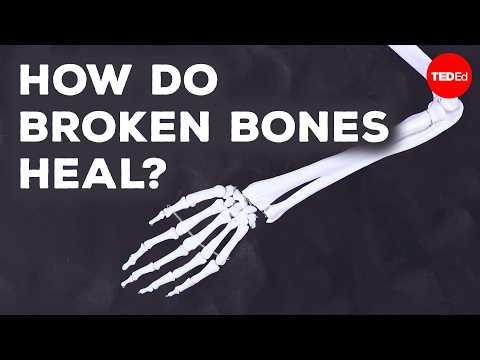
I broke my humerus, which wasn't humorous at all.
Similar meaning
Witty is specifically about clever verbal humor.
His humorous stories were good, but his witty remarks were better.
Similar meaning
Amusing is slightly weaker and less focused on laughter.
The game was amusing, but the movie was humorous.
Similar meaning
Comical often implies ridiculous or physical humor.
The clown's comical fall made everyone laugh.
Degree of humor
Hilarious is much stronger than humorous.
The humorous play had some hilarious moments.
Sentence Patterns
The [noun] is humorous.
The cat is humorous.
I like [adjective] [noun].
I like humorous stories.
He told a [adjective] [noun] about [topic].
He told a humorous story about his dog.
The [noun] was [adverb] humorous.
The movie was highly humorous.
Despite [noun], the [noun] was humorous.
Despite the rain, the party was humorous.
The [noun]'s [adjective] [noun] is [adjective].
The author's humorous detachment is effective.
It was [adjective] that [clause].
It was humorous that we both forgot our keys.
She has a [adjective] [noun].
She has a humorous personality.
Word Family
Nouns
Verbs
Adjectives
Related
How to Use It
High in written English, medium-high in spoken English.
-
Using 'humorous' to mean 'strange'.
→
Using 'funny' for 'strange'.
Humorous only refers to comedy.
-
Spelling it as 'humerous'.
→
Spelling it as 'humorous'.
'Humerous' is a misspelling of the bone 'humerus'.
-
Confusing 'humorous' with 'humane'.
→
Using 'humane' for compassion.
They sound similar but have different meanings.
-
Using 'humored' as an adjective.
→
Using 'humorous' as an adjective.
'Humored' is a verb form.
-
Stressing the wrong syllable.
→
Stressing the first syllable.
It should be HYU-muh-ruhs.
Tips
Vary Your Words
Try using 'humorous' instead of 'funny' in your next essay to sound more professional.
Double U
Remember that 'humorous' has two 'u's. Think of 'humor' + 'ous'.
The 'H' is Key
Make sure to pronounce the 'h' at the beginning clearly.
Context is King
Use 'humorous' for things intended to be funny, not for things that are just 'weird'.
Adjective Only
Remember that 'humorous' is an adjective. Use 'humor' for the noun.
Add Adverbs
Use adverbs like 'highly' or 'mildly' to give more detail to 'humorous'.
Complimenting
Calling someone 'humorous' is a great way to compliment their social skills.
Look for Irony
When you see 'humorous' in a book, look for the irony or wit in the text.
Tone Matters
Sometimes 'humorous' can be used sarcastically, so listen to the speaker's tone.
Reviews
'Humorous' is a perfect word for writing movie or book reviews.
Memorize It
Mnemonic
Think of a 'HUM' (a happy sound) and 'OUR' (shared by us). A humorous story makes 'us hum' with laughter.
Visual Association
Imagine a funny bone (the humerus) laughing. Since 'humorous' and 'humerus' sound the same, the laughing bone can help you remember the word.
Word Web
Challenge
Try to use 'humorous' in three different sentences today: one about a book, one about a person, and one about a situation you experienced.
Word Origin
The word 'humorous' comes from the Middle English 'humour', which was borrowed from the Old French 'humour'. This, in turn, derived from the Latin 'humor', meaning 'moisture' or 'fluid'.
Original meaning: In ancient and medieval medicine, 'humor' referred to the four bodily fluids (blood, phlegm, yellow bile, and black bile) that were believed to determine a person's physical and mental health.
Indo-European > Italic > Latin > Romance > French > English.Cultural Context
Be careful when using humor in professional or multicultural settings, as what is humorous to one person may be offensive to another.
British humor is often described as 'dry' or 'understated', while American humor is sometimes seen as more 'direct' or 'enthusiastic'. Both are frequently called 'humorous'.
Practice in Real Life
Real-World Contexts
Literature
- humorous narrator
- humorous passages
- humorous style
- humorous elements
Movies/TV
- humorous sitcom
- humorous dialogue
- humorous performance
- humorous scene
Workplace
- humorous approach
- humorous remark
- humorous presentation
- humorous feedback
Socializing
- humorous anecdote
- humorous story
- humorous observation
- humorous banter
Journalism
- humorous column
- humorous take
- humorous perspective
- humorous commentary
Conversation Starters
"What is the most humorous book you have ever read?"
"Can you share a humorous story from your childhood?"
"Do you prefer humorous movies or serious dramas?"
"Who is the most humorous person you know?"
"Have you ever had a humorous misunderstanding in a foreign country?"
Journal Prompts
Write about a humorous situation that happened to you recently.
Describe a humorous character from a book or movie and why they are funny.
Reflect on how a humorous perspective can help in difficult times.
Write a humorous account of a mundane task, like doing the laundry.
Discuss the importance of being humorous in social situations.
Frequently Asked Questions
10 questionsMostly, yes. However, 'humorous' is more formal and only means 'amusing', while 'funny' can also mean 'strange'.
It is spelled H-U-M-O-R-O-U-S. Don't forget the second 'u'!
Yes, you can say someone is a 'humorous person' to mean they are funny or have a good sense of humor.
The adverb form is 'humorously'. For example: 'He smiled humorously at the mistake.'
It is more formal than 'funny', making it suitable for writing and professional contexts.
It refers to humor that finds amusement in sad, grim, or serious subjects.
Yes, though 'comical' is often used for physical humor, 'humorous' is also correct.
Yes, it is the standard term used to discuss comedy in literature and media studies.
The most direct opposites are 'serious' or 'humorless'.
Yes, it is a very common word in English, especially in books and newspapers.
Test Yourself 190 questions
Write a sentence using 'humorous' to describe a book you like.
Well written! Good try! Check the sample answer below.
Describe a humorous person you know using at least two adjectives.
Well written! Good try! Check the sample answer below.
Write a short humorous anecdote about a misunderstanding.
Well written! Good try! Check the sample answer below.
Compare 'funny' and 'humorous' in two sentences.
Well written! Good try! Check the sample answer below.
Write a movie review using the word 'humorous'.
Well written! Good try! Check the sample answer below.
Describe a humorous situation at work or school.
Well written! Good try! Check the sample answer below.
Write a sentence using 'highly humorous'.
Well written! Good try! Check the sample answer below.
Explain why a certain character in a movie is humorous.
Well written! Good try! Check the sample answer below.
Write a humorous greeting card message.
Well written! Good try! Check the sample answer below.
Use 'humorous' and 'witty' in the same sentence.
Well written! Good try! Check the sample answer below.
Write a sentence about a humorous mistake you made.
Well written! Good try! Check the sample answer below.
Describe a humorous illustration you have seen.
Well written! Good try! Check the sample answer below.
Write a sentence using 'humorous' in a formal tone.
Well written! Good try! Check the sample answer below.
Explain the difference between 'humorous' and 'humerus'.
Well written! Good try! Check the sample answer below.
Write a sentence using 'darkly humorous'.
Well written! Good try! Check the sample answer below.
Describe a humorous coincidence.
Well written! Good try! Check the sample answer below.
Write a sentence using 'humorous' to describe a speech.
Well written! Good try! Check the sample answer below.
Use 'humorous' to describe a cat's behavior.
Well written! Good try! Check the sample answer below.
Write a sentence using 'humorous' and 'serious' as a contrast.
Well written! Good try! Check the sample answer below.
Describe a humorous take on a classic story.
Well written! Good try! Check the sample answer below.
Pronounce the word 'humorous' clearly.
Read this aloud:
You said:
Speech recognition is not supported in your browser. Try Chrome or Edge.
Tell a humorous story from your last vacation.
Read this aloud:
You said:
Speech recognition is not supported in your browser. Try Chrome or Edge.
Describe a humorous movie you saw recently.
Read this aloud:
You said:
Speech recognition is not supported in your browser. Try Chrome or Edge.
Explain why you find a certain comedian humorous.
Read this aloud:
You said:
Speech recognition is not supported in your browser. Try Chrome or Edge.
Use 'humorous' in a sentence about your best friend.
Read this aloud:
You said:
Speech recognition is not supported in your browser. Try Chrome or Edge.
Discuss the difference between 'funny' and 'humorous' aloud.
Read this aloud:
You said:
Speech recognition is not supported in your browser. Try Chrome or Edge.
Give a humorous remark about the weather today.
Read this aloud:
You said:
Speech recognition is not supported in your browser. Try Chrome or Edge.
Tell a humorous anecdote about a pet.
Read this aloud:
You said:
Speech recognition is not supported in your browser. Try Chrome or Edge.
Describe a humorous character from a TV show.
Read this aloud:
You said:
Speech recognition is not supported in your browser. Try Chrome or Edge.
Explain what 'darkly humorous' means to a partner.
Read this aloud:
You said:
Speech recognition is not supported in your browser. Try Chrome or Edge.
Use 'humorous' to describe a funny mistake you made.
Read this aloud:
You said:
Speech recognition is not supported in your browser. Try Chrome or Edge.
Discuss if you think a 'humorous' person is more successful.
Read this aloud:
You said:
Speech recognition is not supported in your browser. Try Chrome or Edge.
Describe a humorous book cover you have seen.
Read this aloud:
You said:
Speech recognition is not supported in your browser. Try Chrome or Edge.
Tell a humorous joke in English.
Read this aloud:
You said:
Speech recognition is not supported in your browser. Try Chrome or Edge.
Explain the phrase 'tickle your funny bone'.
Read this aloud:
You said:
Speech recognition is not supported in your browser. Try Chrome or Edge.
Describe a humorous situation you saw in public.
Read this aloud:
You said:
Speech recognition is not supported in your browser. Try Chrome or Edge.
Use 'humorous' in a formal-sounding sentence.
Read this aloud:
You said:
Speech recognition is not supported in your browser. Try Chrome or Edge.
Discuss why some people are more humorous than others.
Read this aloud:
You said:
Speech recognition is not supported in your browser. Try Chrome or Edge.
Describe a humorous take on a traditional holiday.
Read this aloud:
You said:
Speech recognition is not supported in your browser. Try Chrome or Edge.
Explain why 'humorous' is a useful word to know.
Read this aloud:
You said:
Speech recognition is not supported in your browser. Try Chrome or Edge.
Listen to a sentence and identify if 'humorous' is used correctly.
Listen for the stress in 'humorous' and repeat it.
Identify the word 'humorous' in a short audio clip of a movie review.
Listen to a joke and decide if it was 'humorous' or 'serious'.
Listen to the difference between 'humorous' and 'humerus'.
Identify the adverb 'humorously' in a spoken sentence.
Listen to a description of a person and decide if they are 'humorous'.
Listen for 'humorous' in a podcast segment.
Listen to a speech and identify the 'humorous anecdote'.
Listen to a list of words and pick out 'humorous'.
Listen to a conversation and identify the 'humorous banter'.
Listen for the word 'humorous' in a news report about a comedian.
Listen to a sentence and write down the word that modifies 'humorous'.
Listen to a dialogue and identify the 'humorous misunderstanding'.
Listen to a speaker and decide if their tone is 'humorous'.
/ 190 correct
Perfect score!
Summary
The word 'humorous' is a versatile adjective that elevates your descriptions of comedy from simple 'funny' to a more refined level. For example, 'The speaker's humorous anecdote broke the ice,' shows how it can be used to describe a clever social tool.
- Humorous is an adjective used to describe things that are funny, amusing, or comic, often in a clever or witty way.
- It is a more formal alternative to 'funny' and is frequently used in media reviews, literature, and professional settings.
- The word originates from the Latin 'humor', which referred to bodily fluids that were once thought to control a person's temperament.
- Commonly used with nouns like 'story', 'remark', 'anecdote', and 'tone', it helps specify the type of amusement being described.
Vary Your Words
Try using 'humorous' instead of 'funny' in your next essay to sound more professional.
Double U
Remember that 'humorous' has two 'u's. Think of 'humor' + 'ous'.
The 'H' is Key
Make sure to pronounce the 'h' at the beginning clearly.
Context is King
Use 'humorous' for things intended to be funny, not for things that are just 'weird'.
Example
He told a humorous story that made everyone laugh.
Related Content

Learn it in Context
This Word in Other Languages
More emotions words
good
A1positive
laugh
A2To make sounds showing amusement or happiness.
thirsty
A2Feeling a need or desire to drink.
sadness
A2The state of being sad.
great
A1excellent
like
A2To find agreeable, enjoyable, or satisfactory.
joyful
B1Feeling, expressing, or causing great pleasure and happiness.
happiness
A2The state of being happy.
amuse
A2To make someone laugh or smile.
dear
A2Regarded with deep affection; beloved.

