









overdose in 30 Seconds
- An overdose occurs when a person consumes a toxic amount of a substance, leading to severe health consequences or death.
- The word functions as both a noun (the event) and a verb (the action of taking too much).
- It is commonly used in medical, legal, and social contexts, but also metaphorically to describe any overwhelming excess.
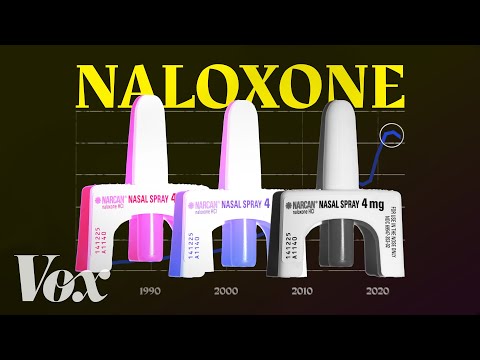
- Immediate medical intervention, such as the use of antidotes like Naloxone, is often required to treat a literal overdose.
The term overdose is a compound word that combines the prefix 'over-' (meaning too much or exceeding) with the noun 'dose' (a measured amount of medicine). At its core, it refers to the consumption of a substance in quantities that exceed safe or recommended limits, leading to physiological distress or toxicity. While most commonly associated with pharmaceuticals and illicit drugs, the word has evolved to encompass a broad range of contexts, from medical emergencies to metaphorical descriptions of excess in daily life. In a clinical setting, an overdose is a critical event requiring immediate intervention. It signifies that the body's metabolic and excretory systems are overwhelmed by the chemical influx, resulting in a breakdown of normal biological functions. This can manifest as respiratory depression, cardiac arrest, or neurological impairment. Understanding the gravity of this word is essential for anyone navigating healthcare, safety, or social discussions.
- Medical Context
- In hospitals, doctors use 'overdose' to describe a patient who has ingested toxic levels of a substance, whether accidentally or intentionally. It is a diagnosis that triggers specific protocols like the administration of an antidote.
The emergency room staff acted quickly to stabilize the patient after a suspected overdose of prescription painkillers.
Beyond the sterile environment of a clinic, the word permeates social and political discourse, particularly regarding the 'overdose crisis' or 'opioid epidemic.' Here, it describes a systemic issue affecting communities. However, the word also has a lighter, metaphorical side. You might hear someone say they had an 'overdose of cuteness' after looking at puppy photos, or an 'overdose of work' after a long week. This flexibility makes it a versatile tool in the English language. When used metaphorically, it retains the core meaning of 'too much,' but loses the life-threatening connotation. It is important to distinguish between these registers to avoid sounding overly dramatic or insensitive. For instance, using 'overdose' to describe eating too much cake is common in informal speech, but in a formal report about health, it must strictly refer to chemical substances.
- Metaphorical Usage
- This refers to an overwhelming amount of a non-physical thing, such as information, emotion, or sensory input. It implies that the person can no longer process what they are receiving.
I think I've had an overdose of reality TV this weekend; I need to read a book.
The history of the word dates back to the early 20th century, coinciding with the rise of modern pharmacology. As medicines became more potent and standardized, the danger of taking too much became a public health concern. Today, the word is a staple in news headlines, medical journals, and casual conversation. It carries a weight of responsibility, reminding us of the thin line between a therapeutic dose and a lethal one. Whether discussing the tragic loss of a celebrity or the feeling of being overwhelmed by data, 'overdose' captures the essence of excess in its most visceral form. It is a word that demands attention and respect, reflecting the complexities of our relationship with the substances and experiences we consume.
- Social Implication
- The word often carries a stigma when associated with addiction, but in recent years, public health advocates have worked to frame it as a medical emergency rather than a moral failing.
Community programs now provide kits to reverse an overdose and save lives.
In conclusion, 'overdose' is a powerful noun and verb that describes the tipping point where 'more' becomes 'too much.' Its usage spans from the life-saving urgency of a trauma center to the hyperbolic complaints of a student overwhelmed by homework. By mastering its nuances, you can communicate more effectively about health, safety, and the various ways we experience the world's abundance.
Using the word overdose correctly requires an understanding of its dual role as both a noun and a verb. As a noun, it functions as the object or subject of a sentence, often preceded by an adjective like 'accidental,' 'intentional,' or 'fatal.' As a verb, it describes the action of taking too much of something. The grammatical patterns vary depending on the context, and mastering these patterns is key to sounding natural in English. Let's explore the various ways to integrate this word into your writing and speech, ensuring you convey the intended level of seriousness or hyperbole.
- Noun Form: The Event
- When used as a noun, 'overdose' typically follows verbs like 'suffer,' 'have,' 'prevent,' or 'treat.' It can also be used as a compound noun, such as 'drug overdose.'
The coroner's report confirmed that the cause of death was an accidental overdose.
When you use 'overdose' as a verb, it is an intransitive verb, meaning it doesn't necessarily need a direct object, but it is almost always followed by the preposition 'on.' For example, 'He overdosed' is a complete sentence, but 'He overdosed on aspirin' provides necessary detail. This 'on' construction is vital for clarity. In metaphorical contexts, the same rule applies: 'I think I'm overdosing on holiday music.' This consistency across literal and figurative meanings makes the word easier to remember and apply in different situations.
- Verb Form: The Action
- The verb form is often used in the past tense ('overdosed') or the present continuous ('overdosing'). It describes the state of having taken too much.
If you take more than the prescribed amount, you might overdose and require hospitalization.
In formal writing, such as medical reports or news articles, 'overdose' is often accompanied by precise terminology. You might see phrases like 'massive overdose,' 'near-fatal overdose,' or 'suspected overdose.' These modifiers help specify the severity of the situation. In contrast, informal usage often pairs 'overdose' with common nouns to create a sense of being overwhelmed. Phrases like 'information overdose' or 'sugar overdose' are common in digital culture and casual conversation. The key is to match the intensity of the word to the context of your sentence.
- Adjectival Modifiers
- Common adjectives used with the noun 'overdose' include: accidental, intentional, fatal, lethal, massive, slight, and chronic.
The patient survived a massive overdose thanks to the quick administration of Narcan.
Finally, consider the passive voice. While less common, you might see 'overdose' used in sentences like 'The system was overdosed with data.' This emphasizes the effect on the system rather than the action of an agent. Whether you are writing a thriller novel, a medical case study, or a text message to a friend, 'overdose' provides a specific, high-impact way to describe the consequences of excess. By paying attention to these grammatical structures, you can use the word with confidence and precision.
The word overdose is ubiquitous in modern English, appearing in a wide array of environments from the high-stakes world of emergency medicine to the mundane chatter of social media. Understanding where you are likely to encounter this word will help you grasp its different connotations and levels of urgency. In the news, 'overdose' is a frequent headline word, often linked to the ongoing opioid crisis. Journalists use it to report on statistics, policy changes, and tragic events. In these contexts, the word is heavy with social and political significance, often sparking debates about healthcare and law enforcement.
- In the News
- Headlines like 'Overdose deaths reach record highs' or 'New legislation aims to curb accidental overdoses' are common in major publications like The New York Times or The Guardian.
The documentary explored the devastating impact of the overdose epidemic on small rural towns.
In medical dramas and true crime podcasts, 'overdose' is a central plot device. Characters might 'overdose' to escape a situation, or a detective might discover an 'overdose' that turns out to be a murder. These fictional portrayals often emphasize the physical symptoms—the blue lips, the shallow breathing—making the word synonymous with a race against time. If you watch shows like 'Grey's Anatomy' or 'House,' you will hear the word used with clinical precision, often followed by orders for specific medications like naloxone. This reinforces the word's status as a technical term within the healthcare industry.
- On Social Media
- Users often use 'overdose' hyperbolically. A fan might say they are 'overdosing on excitement' for a new movie release, or a gamer might complain about an 'overdose of lag' in a match.
I'm having a total overdose of nostalgia looking at these old high school photos!
In the workplace, particularly in tech or marketing, you might hear about 'information overdose' or 'data overdose.' This refers to the feeling of being overwhelmed by too much input, leading to a paralysis of decision-making. Managers might warn against 'overdosing' the client with too many options. This usage highlights the word's transition from a purely biological term to a psychological and cognitive one. It describes a state where the 'system' (whether a human brain or a corporate strategy) is failing due to excess. Whether you're in a boardroom, a hospital, or scrolling through Twitter, 'overdose' is a word that signals a boundary has been crossed.
- In Literature
- Authors use 'overdose' to describe characters who are consumed by an emotion, such as an 'overdose of grief' or an 'overdose of ambition,' suggesting that even good things can be destructive in excess.
The protagonist's overdose of pride eventually led to his tragic downfall in the final act.
Ultimately, 'overdose' is a word that reflects the anxieties and excesses of our time. It is a warning, a diagnosis, and a colorful exaggeration all rolled into one. By recognizing these different contexts, you can better interpret the world around you and use the word with the appropriate level of impact.
While overdose is a relatively straightforward word, learners often make specific errors in its grammar, spelling, and usage. One of the most common mistakes is confusing the noun and verb forms, or failing to use the correct preposition. Because 'overdose' is a serious word, using it incorrectly can lead to confusion or even appear insensitive. Let's break down the most frequent pitfalls so you can avoid them in your own communication. Precision is especially important here because of the word's medical and social weight.
- Preposition Errors
- Many learners try to use 'with' or 'from' after the verb 'overdose.' However, the standard English preposition is 'on.' Incorrect: 'He overdosed with pills.' Correct: 'He overdosed on pills.'
Incorrect: She overdosed from caffeine. Correct: She overdosed on caffeine.
Another common mistake is spelling. Some people forget the 'e' at the end of 'dose' or double the 's' unnecessarily. Remember that 'overdose' is simply 'over' + 'dose.' Additionally, some learners confuse 'overdose' with 'overuse.' While they are related, they are not interchangeable. 'Overuse' means to use something too much or too often (like overusing a muscle), while 'overdose' specifically refers to taking a toxic amount of a substance in a single instance or over a short period. You can overuse your phone, but you can't really 'overdose' on it unless you are being very metaphorical.
- Noun vs. Verb Confusion
- Learners sometimes use 'overdose' as a verb when they mean the noun. For example, 'He had an overdose' is correct, but 'He had an overdosed' is incorrect.
Correct: The overdose was fatal. Incorrect: The overdosed was fatal.
In metaphorical usage, the mistake is often one of tone. Using 'overdose' to describe something trivial in a very formal or somber setting can be seen as poor taste. For example, in a business meeting about a serious budget deficit, saying 'we have an overdose of expenses' might sound unprofessional. It is better to use words like 'excess,' 'surplus,' or 'overage.' Conversely, in very casual settings, failing to use 'overdose' when you want to emphasize extreme excess might make your speech sound a bit flat. The key is to match the word to the 'vibe' of the conversation.
- Countability Issues
- While 'overdose' can be uncountable in some abstract contexts, it is almost always countable when referring to specific incidents. Don't say 'There was much overdose'; say 'There were many overdoses.'
The city saw a 20% increase in overdoses last year.
By keeping these common errors in mind, you can ensure that your use of 'overdose' is both grammatically correct and socially appropriate. Whether you are discussing a medical emergency or a metaphorical excess of information, precision in language reflects a deeper understanding of the world.
The English language offers several synonyms and related terms for overdose, each with its own specific nuance and register. Depending on whether you are speaking in a medical, legal, or casual context, you might choose a different word to express the idea of 'too much.' Understanding these alternatives will help you expand your vocabulary and choose the most precise word for any given situation. Let's compare 'overdose' with some of its closest relatives to see how they differ in meaning and usage.
- Overdose vs. Poisoning
- 'Overdose' specifically refers to taking too much of a substance that might be safe in smaller amounts. 'Poisoning' refers to the ingestion of a substance that is inherently toxic, like arsenic or bleach.
While an overdose involves too much medicine, lead poisoning involves a substance that shouldn't be in the body at all.
Another related term is 'toxicity.' This is a more technical, scientific word that describes the degree to which a substance can damage an organism. You might say a drug has 'high toxicity,' whereas 'overdose' describes the event of taking that drug in a toxic amount. In formal medical writing, 'toxicity' is often preferred. On the other hand, 'intoxication' usually refers to the state of being under the influence of alcohol or drugs, but not necessarily to a dangerous or lethal degree. You can be intoxicated without having an overdose, though the two can certainly overlap.
- Overdose vs. Excess
- 'Excess' is a much broader term. While an overdose is a type of excess, 'excess' can apply to anything—money, food, light, or noise—without the specific medical connotation of 'overdose.'
The party was an exercise in excess, but no one actually suffered an overdose.
In metaphorical contexts, you might use 'glut,' 'surfeit,' or 'plethora.' A 'glut of information' sounds more sophisticated than an 'overdose of information.' A 'surfeit of riches' implies an uncomfortably large amount. 'Plethora' is often used to mean a large or excessive amount of something, usually in a neutral or slightly positive way. Choosing the right synonym allows you to control the 'temperature' of your sentence—making it sound more clinical, more poetic, or more casual as needed.
- Comparison Table
-
- Overdose: Specific to drugs/substances; implies danger.
- Overuse: Specific to frequency; implies wear/inefficiency.
- Overkill: Specific to effort; implies unnecessary force.
- Toxicity: Specific to chemistry; implies harmful properties.
Using a sledgehammer to crack a nut is overkill, not an overdose.
By exploring these alternatives, you gain a more nuanced understanding of how English speakers describe the concept of 'too much.' Whether you are writing a medical paper or a personal blog post, having a range of synonyms at your disposal will make your writing more engaging and precise. Remember, the best word is not always the most common one, but the one that fits the context perfectly.
How Formal Is It?
Fun Fact
The word 'dose' comes from the Greek 'dosis', which literally means 'a giving'. So an overdose is literally 'too much giving'.
Pronunciation Guide
- Pronouncing 'dose' like 'doze' (with a 'z' sound). It should be a sharp 's' sound.
- Putting the stress on the second syllable for the noun.
- Dropping the 'r' sound in American English.
- Shortening the 'o' sounds.
- Confusing the pronunciation with 'overdoes' (from the verb 'do').
Difficulty Rating
Easy to recognize in context.
Requires correct preposition 'on' and spelling.
Clear pronunciation but watch the 's' sound.
Common in news and TV dramas.
What to Learn Next
Prerequisites
Learn Next
Advanced
Grammar to Know
Verb + Preposition 'on'
She overdosed on vitamins.
Noun + Preposition 'of'
An overdose of sugar.
Compound Nouns
The drug overdose was reported.
Passive Voice with 'by'
The body was overwhelmed by the overdose.
Adjective placement
A fatal overdose (Adjective + Noun).
Examples by Level
He took an overdose of medicine.
Il a pris une overdose de médicaments.
Noun: 'an overdose'.
An overdose is very dangerous.
Une overdose est très dangereuse.
Subject of the sentence.
Call the doctor for an overdose.
Appelez le médecin pour une overdose.
Object of the preposition 'for'.
Too many pills can cause an overdose.
Trop de pilules peuvent causer une overdose.
Direct object of 'cause'.
She is in the hospital after an overdose.
Elle est à l'hôpital après une overdose.
Prepositional phrase 'after an overdose'.
Do not take an overdose.
Ne prenez pas d'overdose.
Imperative sentence.
The baby had an accidental overdose.
Le bébé a fait une overdose accidentelle.
Adjective 'accidental' modifies 'overdose'.
Is an overdose a medical emergency?
Une overdose est-elle une urgence médicale ?
Interrogative sentence.
He overdosed on his sleeping pills.
Il a fait une overdose de ses somnifères.
Verb: 'overdosed on'.
Be careful not to overdose on caffeine.
Faites attention à ne pas faire d'overdose de caféine.
Infinitive verb phrase.
I had an overdose of sugar today.
J'ai eu une overdose de sucre aujourd'hui.
Metaphorical noun use.
The singer died from a drug overdose.
Le chanteur est mort d'une overdose de drogue.
Compound noun 'drug overdose'.
Can you overdose on vitamins?
Peut-on faire une overdose de vitamines ?
Modal verb 'can' + base verb.
She almost overdosed last night.
Elle a failli faire une overdose hier soir.
Adverb 'almost' modifies the verb.
The doctor treated the overdose quickly.
Le médecin a traité l'overdose rapidement.
Past tense verb 'treated'.
They are learning about overdose prevention.
Ils apprennent la prévention des overdoses.
Noun adjunct 'overdose prevention'.
The community is struggling with an overdose crisis.
La communauté est aux prises avec une crise des overdoses.
Noun phrase 'overdose crisis'.
He accidentally overdosed because the labels were confusing.
Il a fait une overdose accidentelle parce que les étiquettes étaient déroutantes.
Adverb 'accidentally' modifies the verb.
If you take too much, you will overdose.
Si vous en prenez trop, vous ferez une overdose.
First conditional sentence.
She suffered a near-fatal overdose last year.
Elle a subi une overdose presque fatale l'année dernière.
Compound adjective 'near-fatal'.
The news reported another overdose in the city center.
Les informations ont rapporté une autre overdose dans le centre-ville.
Countable noun 'another overdose'.
I think I'm overdosing on social media lately.
Je pense que je fais une overdose de réseaux sociaux ces derniers temps.
Present continuous verb 'overdosing'.
The hospital has a special unit for overdose patients.
L'hôpital dispose d'une unité spéciale pour les patients victimes d'overdose.
Noun used as an adjective 'overdose patients'.
He was lucky to survive the overdose.
Il a eu de la chance de survivre à l'overdose.
Infinitive phrase 'to survive the overdose'.
The sudden spike in overdoses prompted a public health warning.
La soudaine augmentation des overdoses a déclenché une alerte de santé publique.
Plural noun 'overdoses'.
It is possible to overdose on over-the-counter medications.
Il est possible de faire une overdose de médicaments en vente libre.
Infinitive subject 'to overdose'.
The film provides an overdose of action but lacks a good story.
Le film offre une overdose d'action mais manque d'une bonne histoire.
Metaphorical noun phrase.
Medical professionals are trained to recognize the signs of an overdose.
Les professionnels de la santé sont formés pour reconnaître les signes d'une overdose.
Passive voice 'are trained'.
He was admitted to the ICU following a massive overdose.
Il a été admis en réanimation suite à une overdose massive.
Prepositional phrase 'following a massive overdose'.
The government is investing in overdose reversal drugs like Naloxone.
Le gouvernement investit dans des médicaments d'inversion d'overdose comme la Naloxone.
Noun phrase 'overdose reversal drugs'.
She felt an overdose of guilt after lying to her parents.
Elle a ressenti une overdose de culpabilité après avoir menti à ses parents.
Abstract noun 'guilt' following 'overdose of'.
The study examined the long-term effects of non-fatal overdoses.
L'étude a examiné les effets à long terme des overdoses non fatales.
Adjective 'non-fatal' modifies 'overdoses'.
The protagonist's overdose serves as a turning point in the novel.
L'overdose du protagoniste sert de tournant dans le roman.
Possessive noun 'protagonist's overdose'.
There is a fine line between a therapeutic dose and a potential overdose.
Il y a une frontière ténue entre une dose thérapeutique et une overdose potentielle.
Contrast between 'therapeutic dose' and 'overdose'.
The city's response to the overdose epidemic has been criticized as inadequate.
La réponse de la ville à l'épidémie d'overdoses a été critiquée comme étant inadéquate.
Complex sentence with passive voice.
He warned that an overdose of regulation could stifle innovation.
Il a averti qu'une overdose de réglementation pourrait étouffer l'innovation.
Metaphorical use in a political/economic context.
The toxicological report indicated a multidrug overdose.
Le rapport toxicologique indiquait une overdose poly-médicamenteuse.
Technical term 'multidrug overdose'.
She was struggling with an overdose of sensory input in the crowded mall.
Elle luttait contre une overdose de stimuli sensoriels dans le centre commercial bondé.
Abstract noun phrase 'sensory input'.
The policy aims to decriminalize minor possession to reduce overdose deaths.
La politique vise à décriminaliser la possession mineure pour réduire les décès par overdose.
Infinitive of purpose 'to reduce'.
The artist's work is an intentional overdose of color and texture.
L'œuvre de l'artiste est une overdose intentionnelle de couleurs et de textures.
Metaphorical use in art criticism.
The pharmacological complexity of the overdose baffled the attending physicians.
La complexité pharmacologique de l'overdose a dérouté les médecins traitants.
Subject with complex noun phrase.
One might argue that modern society is suffering from an overdose of cynicism.
On pourrait soutenir que la société moderne souffre d'une overdose de cynisme.
Subjunctive/Modal 'might argue'.
The legal implications of a self-inflicted overdose vary significantly by jurisdiction.
Les implications juridiques d'une overdose auto-infligée varient considérablement selon la juridiction.
Adjective 'self-inflicted' modifies 'overdose'.
The narrative arc culminates in a tragic, albeit predictable, overdose.
L'arc narratif culmine dans une overdose tragique, bien que prévisible.
Parenthetical 'albeit predictable'.
He analyzed the socio-economic determinants that correlate with high overdose rates.
Il a analysé les déterminants socio-économiques qui sont en corrélation avec des taux d'overdose élevés.
Relative clause 'that correlate with...'.
The sheer overdose of data made it impossible to derive a meaningful conclusion.
L'overdose pure et simple de données a rendu impossible toute conclusion significative.
Adjective 'sheer' for emphasis.
The patient's physiology was overwhelmed by the sheer magnitude of the overdose.
La physiologie du patient a été submergée par l'ampleur même de l'overdose.
Passive voice with 'overwhelmed by'.
The documentary critiques the pharmaceutical industry's role in the overdose crisis.
Le documentaire critique le rôle de l'industrie pharmaceutique dans la crise des overdoses.
Possessive 'industry's role'.
Common Collocations
Common Phrases
— To take too much of something, literal or metaphorical.
Don't overdose on coffee before the meeting.
— To experience the physical effects of taking too much.
He suffered an overdose last night.
— When it is believed someone took too much but not yet confirmed.
The police are investigating a suspected overdose.
— A sudden, often unpleasant realization of the truth.
Coming back from vacation was an overdose of reality.
— A playful way to say something is extremely cute.
That kitten video is an overdose of cuteness.
— To take actions to stop an overdose from happening.
Education is key to prevent an overdose.
— To provide medical care to someone who took too much.
Doctors worked for hours to treat the overdose.
— Being overwhelmed by too many facts or data.
The presentation was an overdose of information.
— Taking slightly too much of a substance over a long period.
He suffered from a chronic overdose of vitamin A.
Often Confused With
Overuse means using something too often; overdose means taking a toxic amount at once.
Poisoning involves inherently toxic substances; overdose involves too much of any substance.
Overdoes is a form of the verb 'overdo' (to do too much), while overdose is about substances.
Idioms & Expressions
— To spend too much time or focus on small, unimportant parts.
Don't overdose on the details; just give me the summary.
informal— A variation of 'a taste of one's own medicine,' implying an extreme version.
He was so rude that getting ignored was an overdose of his own medicine.
informal— To spend an excessive amount of time thinking about the past.
Looking at old yearbooks is an overdose on nostalgia.
informal— To be unrealistically or excessively positive.
Her overdose on optimism made her ignore the obvious risks.
neutral— To be negatively affected by having too much attention or celebrity.
The young actor suffered an overdose on fame and quit the industry.
neutral— To become corrupt or arrogant due to having too much authority.
The dictator's overdose on power led to his downfall.
formal— To eat so much candy or sweets that one feels hyper or sick.
The kids had an overdose on sugar at the birthday party.
informal— When something is so focused on looking good that it loses its function.
The movie was an overdose on style over substance.
neutral— To receive so many suggestions that one becomes confused.
I'm having an overdose on advice; I just need to decide for myself.
informal— To be involved in or witness too much emotional conflict.
I need a break from this group; it's an overdose on drama.
informalEasily Confused
Similar sound and meaning of 'too much'.
'Overdo' is about actions (overdoing a workout); 'overdose' is about substances (overdosing on pills).
Don't overdo the exercise, or you might hurt yourself.
Both relate to the amount of medicine.
'Dosage' is the prescribed amount; 'overdose' is the excessive amount.
The correct dosage is two pills a day.
Both involve substances affecting the body.
'Intoxication' is being under the influence; 'overdose' is a dangerous excess.
Alcohol intoxication can lead to an overdose.
Both relate to harmful substances.
'Toxicity' is a property of the substance; 'overdose' is the event of taking too much.
The toxicity of the chemical was very high.
Often occur together in news stories.
'Addiction' is a long-term dependency; 'overdose' is a single acute event.
His addiction eventually led to a near-fatal overdose.
Sentence Patterns
Subject + had + an overdose.
He had an overdose.
Subject + overdosed + on + [Noun].
She overdosed on coffee.
It was + an + [Adjective] + overdose.
It was an accidental overdose.
Subject + suffered + an overdose + of + [Noun].
He suffered an overdose of painkillers.
The [Noun] + was + caused by + an overdose.
The death was caused by an overdose.
An overdose + of + [Abstract Noun] + led to + [Result].
An overdose of pride led to his fall.
There is a risk of + overdose + when + [Condition].
There is a risk of overdose when mixing drugs.
The study + focuses on + overdose + prevention.
The study focuses on overdose prevention.
Word Family
Nouns
Verbs
Adjectives
Related
How to Use It
High in news, medical, and casual contexts.
-
He overdosed with aspirin.
→
He overdosed on aspirin.
The verb 'overdose' always takes the preposition 'on'.
-
She had an overdosed.
→
She had an overdose.
Use the noun form 'overdose' after 'had an'.
-
There was much overdose in the city.
→
There were many overdoses in the city.
Overdose is a countable noun when referring to incidents.
-
He overdozed on pills.
→
He overdosed on pills.
The word is spelled with an 's', not a 'z'.
-
The overdose of the car was bad.
→
The overuse of the car was bad.
Use 'overuse' for mechanical things or frequency, not 'overdose'.
Tips
Read Labels
Always read the label on medicine bottles to avoid an accidental overdose. Check the dosage and the timing carefully.
Metaphorical Use
Use 'overdose' metaphorically to add emphasis to your speech. For example, 'I'm having an overdose of cuteness' sounds more fun than 'This is very cute.'
Preposition 'On'
Remember to use 'on' with the verb form. 'He overdosed on...' is the only correct way to say it.
Avoid Clichés
While 'overdose of information' is common, try using 'glut' or 'surfeit' in formal writing to sound more professional.
Pronunciation
Focus on the 's' sound at the end of 'dose'. It should be sharp and clear, not a 'z' sound.
Sensitivity
Be careful when using 'overdose' in jokes. It is a very serious topic for many people who have been affected by it.
Antidotes
Learn about Naloxone if you live in an area with high overdose rates; it can save lives.
Word Family
Connect 'overdose' with 'dosage' and 'dose' to remember the whole family of words.
Check the Tone
If the tone is serious, the meaning is likely medical. If the tone is light, it's likely metaphorical.
Variety
Don't repeat 'overdose' too much in a paragraph. Use synonyms like 'excess' or 'toxicity' to keep your writing interesting.
Memorize It
Mnemonic
Think of 'OVER' the limit and a 'DOSE' of medicine. If you go OVER the DOSE, you OVERDOSE.
Visual Association
Imagine a bottle of pills overflowing and a big red 'X' over it.
Word Web
Challenge
Write three sentences: one about medicine, one about sugar, and one about work, all using 'overdose'.
Word Origin
The word 'overdose' first appeared in English in the early 20th century, around 1900-1905. It is a combination of the prefix 'over-' and the noun 'dose'.
Original meaning: To take an excessive amount of medicine.
Germanic (over) and Greek/Latin (dose).Cultural Context
Be careful when using this word around people who may have lost loved ones to addiction; it can be a triggering term.
The 'Opioid Epidemic' is a frequent context for this word in the US, Canada, and the UK.
Practice in Real Life
Real-World Contexts
Medical Emergency
- Call 911
- Check for breathing
- Administer Naloxone
- Stay with the patient
News Reporting
- Record high rates
- Public health crisis
- Fatal incident
- Suspected cause
Casual Conversation
- Overdose of fun
- Too much of a good thing
- Feeling overwhelmed
- Sugar rush
Workplace
- Information overload
- Data overdose
- Burnout
- Too many tasks
Legal/Police
- Controlled substance
- Crime scene
- Coroner's report
- Evidence of use
Conversation Starters
"Have you ever felt like you had an overdose of information after a long meeting?"
"What do you think is the best way for a city to prevent drug overdoses?"
"Do you think people use the word 'overdose' too lightly in casual conversation?"
"What are some common signs of a caffeine overdose that people should know?"
"How has the news coverage of the overdose crisis changed in your country?"
Journal Prompts
Describe a time when you experienced an 'overdose of nostalgia.' What triggered it?
Write about the importance of following medical instructions to avoid an accidental overdose.
Do you think the metaphorical use of 'overdose' diminishes the seriousness of the medical term?
Reflect on a situation where an 'overdose of caution' helped you avoid a mistake.
Discuss the role of education in reducing the number of fatal overdoses in society.
Frequently Asked Questions
10 questionsYes, it is called water intoxication or hyponatremia. It happens when you drink so much water that it dilutes the sodium in your blood to dangerous levels.
An accidental overdose happens by mistake, like misreading a label. An intentional overdose is when someone takes too much on purpose, often to harm themselves.
In a literal medical sense, yes, it is always dangerous. Metaphorically, it can be used for good things like 'an overdose of happiness,' but it still implies 'too much' to handle.
You should call emergency services immediately. Do not wait for symptoms to get worse. If you have an antidote like Naloxone and are trained, use it.
Yes, especially fat-soluble vitamins like A, D, E, and K, which stay in your body longer. Always follow the recommended daily allowance.
Yes, you can say 'one overdose' or 'many overdoses.' It refers to specific incidents.
'OD' is a common slang abbreviation for 'overdose,' used as both a noun and a verb.
Yes, pets can overdose on human medications or toxic foods like chocolate if they eat too much.
Because of the very high number of deaths and the fact that many overdoses involve powerful synthetic drugs like fentanyl.
Treatment depends on the substance but can include pumping the stomach, giving activated charcoal, or administering a specific antidote.
Test Yourself 200 questions
Write a sentence using 'overdose' as a verb about drinking too much coffee.
Well written! Good try! Check the sample answer below.
Write a sentence using 'accidental overdose' in a medical context.
Well written! Good try! Check the sample answer below.
Explain the difference between 'overdose' and 'overuse' in two sentences.
Well written! Good try! Check the sample answer below.
Write a metaphorical sentence using 'overdose of information'.
Well written! Good try! Check the sample answer below.
Write a sentence about a 'fatal overdose' using the past tense.
Well written! Good try! Check the sample answer below.
Create a dialogue between a doctor and a patient about the risk of overdose.
Well written! Good try! Check the sample answer below.
Write a sentence using 'overdose' to describe a movie or a book.
Well written! Good try! Check the sample answer below.
Use 'overdose on nostalgia' in a sentence about looking at old photos.
Well written! Good try! Check the sample answer below.
Write a formal sentence about 'overdose prevention'.
Well written! Good try! Check the sample answer below.
Write a sentence using 'overdose' as a noun and 'overdosed' as a verb.
Well written! Good try! Check the sample answer below.
Describe the symptoms of a caffeine overdose.
Well written! Good try! Check the sample answer below.
Write a sentence about an 'intentional overdose'.
Well written! Good try! Check the sample answer below.
Use 'overdose of cuteness' in a sentence about a pet.
Well written! Good try! Check the sample answer below.
Write a sentence using 'near-fatal overdose'.
Well written! Good try! Check the sample answer below.
Write a sentence about 'information overdose' in the workplace.
Well written! Good try! Check the sample answer below.
Explain why 'overdose' is a compound word.
Well written! Good try! Check the sample answer below.
Write a sentence about 'overdose reversal'.
Well written! Good try! Check the sample answer below.
Use 'overdose of pride' in a sentence about a fictional character.
Well written! Good try! Check the sample answer below.
Write a sentence about the 'overdose crisis'.
Well written! Good try! Check the sample answer below.
Write a sentence using 'overdose' in the future tense.
Well written! Good try! Check the sample answer below.
Pronounce 'overdose' correctly, stressing the first syllable.
Read this aloud:
You said:
Speech recognition is not supported in your browser. Try Chrome or Edge.
Use 'overdose on' in a sentence about your favorite food.
Read this aloud:
You said:
Speech recognition is not supported in your browser. Try Chrome or Edge.
Explain what an 'accidental overdose' is to a friend.
Read this aloud:
You said:
Speech recognition is not supported in your browser. Try Chrome or Edge.
Tell a short story about an 'overdose of work'.
Read this aloud:
You said:
Speech recognition is not supported in your browser. Try Chrome or Edge.
Discuss why 'overdose prevention' is important in cities.
Read this aloud:
You said:
Speech recognition is not supported in your browser. Try Chrome or Edge.
Use 'overdose of nostalgia' in a sentence about a movie.
Read this aloud:
You said:
Speech recognition is not supported in your browser. Try Chrome or Edge.
Explain the difference between 'overdose' and 'poisoning'.
Read this aloud:
You said:
Speech recognition is not supported in your browser. Try Chrome or Edge.
How would you describe an 'overdose of information'?
Read this aloud:
You said:
Speech recognition is not supported in your browser. Try Chrome or Edge.
Say 'He overdosed on caffeine' three times quickly.
Read this aloud:
You said:
Speech recognition is not supported in your browser. Try Chrome or Edge.
What would you do if you saw a 'suspected overdose'?
Read this aloud:
You said:
Speech recognition is not supported in your browser. Try Chrome or Edge.
Use 'massive overdose' in a sentence.
Read this aloud:
You said:
Speech recognition is not supported in your browser. Try Chrome or Edge.
Explain the word 'fatal' in 'fatal overdose'.
Read this aloud:
You said:
Speech recognition is not supported in your browser. Try Chrome or Edge.
Talk about an 'overdose of sugar' at a party.
Read this aloud:
You said:
Speech recognition is not supported in your browser. Try Chrome or Edge.
Use 'overdose of pride' to describe a character in a story.
Read this aloud:
You said:
Speech recognition is not supported in your browser. Try Chrome or Edge.
What is 'overdose reversal'?
Read this aloud:
You said:
Speech recognition is not supported in your browser. Try Chrome or Edge.
Use 'overdose on the details' in a work context.
Read this aloud:
You said:
Speech recognition is not supported in your browser. Try Chrome or Edge.
Describe a 'near-fatal overdose'.
Read this aloud:
You said:
Speech recognition is not supported in your browser. Try Chrome or Edge.
Is 'overdose' a common word in your language?
Read this aloud:
You said:
Speech recognition is not supported in your browser. Try Chrome or Edge.
Explain 'chronic overdose'.
Read this aloud:
You said:
Speech recognition is not supported in your browser. Try Chrome or Edge.
Use 'overdose of reality' in a sentence.
Read this aloud:
You said:
Speech recognition is not supported in your browser. Try Chrome or Edge.
Listen to the sentence: 'He overdosed on sleeping pills.' What did he take too much of?
Listen: 'The overdose was accidental.' Was it on purpose?
Listen: 'There's an overdose of information here.' How does the speaker feel?
Listen: 'The fatal overdose occurred at midnight.' When did the person die?
Listen: 'She survived a near-fatal overdose.' Did she die?
Listen: 'Call 911 for a suspected overdose.' What should you do?
Listen: 'He's overdosing on the details.' Is he being general or specific?
Listen: 'The overdose reversal drug was effective.' Did the drug work?
Listen: 'An overdose of pride led to his fall.' What caused his fall?
Listen: 'The toxicology report showed an overdose.' What kind of report was it?
Listen: 'Don't overdose on sugar.' What is the advice?
Listen: 'The city is facing an overdose crisis.' What is the problem?
Listen: 'He was hospitalized for an overdose.' Where is he now?
Listen: 'The massive overdose was shocking.' Was it a small amount?
Listen: 'It was an intentional overdose.' Why did it happen?
/ 200 correct
Perfect score!
Summary
The word 'overdose' describes the dangerous state of exceeding safe limits, whether in medicine or life. For example, 'He suffered an accidental overdose of painkillers,' highlights the life-threatening nature of the term.
- An overdose occurs when a person consumes a toxic amount of a substance, leading to severe health consequences or death.
- The word functions as both a noun (the event) and a verb (the action of taking too much).
- It is commonly used in medical, legal, and social contexts, but also metaphorically to describe any overwhelming excess.
- Immediate medical intervention, such as the use of antidotes like Naloxone, is often required to treat a literal overdose.
Read Labels
Always read the label on medicine bottles to avoid an accidental overdose. Check the dosage and the timing carefully.
Metaphorical Use
Use 'overdose' metaphorically to add emphasis to your speech. For example, 'I'm having an overdose of cuteness' sounds more fun than 'This is very cute.'
Preposition 'On'
Remember to use 'on' with the verb form. 'He overdosed on...' is the only correct way to say it.
Avoid Clichés
While 'overdose of information' is common, try using 'glut' or 'surfeit' in formal writing to sound more professional.
Example
The celebrity's death was caused by a drug overdose.
Related Content
See it in Videos
More Health words
abortion
B2The medical termination of a pregnancy before the fetus is capable of independent life. It can also describe the premature failure or ending of a plan, project, or mission.
abortions
C1The plural form of 'abortion', referring to the deliberate or spontaneous termination of pregnancies before the fetus can survive independently. In medical contexts, it denotes the removal or expulsion of an embryo or fetus from the uterus.
abrasion
B2A surface injury caused by skin being rubbed or scraped against a rough surface, or the process of wearing away a material through friction. It typically refers to superficial damage rather than deep wounds or complete destruction.
acuity
B2Acuity refers to the sharpness or keenness of thought, vision, or hearing. It describes the ability to perceive small details clearly or to understand complex situations quickly and accurately.
acute
B2Describes a problem or situation that is very serious, severe, or intense, often occurring suddenly. It can also refer to senses or mental abilities that are highly developed, sharp, and sensitive to detail.
addictary
C1To systematically induce a state of physiological or psychological dependence in a subject through repetitive exposure or habitual engagement. It describes the active process of making someone or something prone to a compulsive habit or substance.
addicted
B1Being physically or mentally dependent on a particular substance, activity, or behavior, and unable to stop it without suffering adverse effects. It typically involves a compulsive need that overrides other interests or responsibilities.
addiction
B2Addiction is a chronic and complex condition characterized by the compulsive use of a substance or engagement in a behavior despite harmful consequences. It involves a lack of control over the activity and can manifest as both physical and psychological dependence.
adrenaline
B2A hormone produced by the body during times of stress, fear, or excitement that increases heart rate and energy levels. It is often associated with the 'fight or flight' response and the feeling of a physical 'rush'.
advivcy
C1Relating to the active promotion of vitality, health, and sustained life within a professional, clinical, or structural framework. It describes a proactive and life-affirming stance in guidance or treatment intended to revitalize a system or individual.

