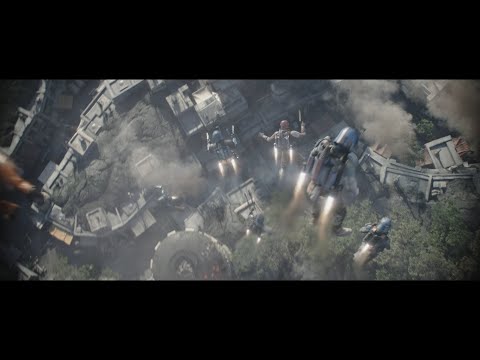
fighters em 30 segundos
- Fighters refers to people engaged in physical combat, such as boxers, MMA athletes, or soldiers in a military conflict.
- The term is also used metaphorically for individuals who show great determination and resilience when facing personal or social challenges.
- In a military context, 'fighters' can also refer to fast, maneuverable aircraft designed for air-to-air combat.
- It is a plural noun that carries connotations of bravery, strength, and persistence, depending on the specific context of its use.
The term fighters is a versatile noun that primarily refers to individuals who participate in physical combat or struggle. In its most literal sense, it describes professionals in combat sports such as boxing, mixed martial arts, or wrestling. These individuals train rigorously to compete in a ring or cage, using their physical strength and technique to overcome opponents. Beyond the sporting arena, the word is frequently used in military and historical contexts to describe soldiers, warriors, or insurgents who engage in armed conflict to defend a territory, uphold an ideology, or overthrow an oppressive regime. This usage carries a weight of bravery, duty, and sometimes controversy, depending on the perspective of the observer.
- Professional Combatants
- People who earn a living through regulated physical contests, such as prize fighters or professional kickboxers.
- Military Personnel
- Soldiers or members of a resistance group who take up arms in a war or conflict.
- Metaphorical Resilience
- Individuals who demonstrate extraordinary persistence and courage when facing illness, personal hardship, or social injustice.
In a metaphorical sense, calling someone one of the many fighters in life is a high compliment. It suggests that the person does not give up easily when faced with adversity. For example, a patient battling a chronic illness is often described as a fighter, highlighting their mental fortitude and will to survive. Similarly, social activists who spend years campaigning for human rights are seen as fighters for justice. This figurative application broadens the word's scope from physical violence to emotional and moral endurance, making it a powerful descriptor of the human spirit's resilience.
The legendary fighters entered the arena to the roar of thousands of excited fans.
History remembers the freedom fighters who risked everything for their nation's independence.
Despite the odds, the cancer patients proved to be incredible fighters throughout their treatment.
Fire fighters rushed into the burning building to save the trapped residents.
The street fighters settled their dispute in a back alley far from the police.
Furthermore, the word can also refer to inanimate objects, specifically military aircraft. A 'fighter jet' or simply 'fighters' in an aviation context refers to fast, maneuverable planes designed for air-to-air combat. This technological application highlights the word's association with speed, aggression, and tactical superiority. Whether discussing a person's character, a professional athlete, or a sophisticated piece of military hardware, the core essence of 'fighters' remains rooted in the act of engaging in a struggle to achieve a specific outcome, often against significant opposition.
Using the word fighters correctly requires an understanding of its plural nature and the context of the struggle being described. As a plural noun, it always takes a plural verb (e.g., 'The fighters are ready'). When you are talking about people, you can modify the noun with adjectives to specify what kind of struggle they are involved in. For instance, 'brave fighters' emphasizes courage, while 'skilled fighters' emphasizes technique and training. In a sentence, 'fighters' often functions as the subject performing an action or the object of an action taken by others.
- Subject Position
- The fighters entered the stadium to a standing ovation from the crowd.
- Object Position
- The general commanded his fighters to hold the line at all costs.
- Possessive Form
- The fighters' determination was evident in their bruised but resolute faces.
When using 'fighters' in a metaphorical sense, it is common to pair it with the preposition 'for' or 'against'. For example, 'fighters for equality' or 'fighters against poverty'. This helps to define the cause or the enemy. In these contexts, the word elevates the person's efforts, suggesting that their work is not just a job or a hobby, but a serious battle. It adds a layer of intensity and nobility to the description of their actions. You might say, 'They are true fighters for the environment,' which sounds much more impactful than simply saying 'They care about the environment.'
Many young fighters dream of winning a world championship title one day.
The resistance fighters operated in secret to undermine the enemy's plans.
The squadron of fighters took off from the aircraft carrier at dawn.
We need more fighters like her in our local government to push for change.
The fire fighters worked tirelessly for eighteen hours to contain the blaze.
Finally, consider the tone of your sentence. 'Fighters' can be used in a gritty, realistic way (e.g., 'The fighters were covered in mud and blood') or in an inspirational way (e.g., 'They are the fighters of our generation'). The surrounding vocabulary will dictate how the word is perceived. Using strong verbs like 'struggle,' 'clash,' 'strive,' or 'defend' in conjunction with 'fighters' will reinforce the sense of conflict and effort inherent in the word. Whether you are writing a sports report, a historical novel, or a motivational speech, 'fighters' provides a robust way to describe those who do not back down.
In contemporary society, you will encounter the word fighters across a variety of media and everyday conversations. One of the most common places is in sports broadcasting. Commentators for boxing matches or UFC events use the word constantly to refer to the athletes. You'll hear phrases like 'both fighters are looking strong in the third round' or 'this fighter has a remarkable reach advantage.' In this context, the word is neutral and professional, serving as the standard term for the participants in the sport.
- News and Journalism
- Reports on global conflicts often mention 'rebel fighters' or 'foreign fighters' involved in civil wars or insurgencies.
- Medical Contexts
- Doctors and families might describe a patient who is responding well to treatment as a 'real fighter.'
- Entertainment and Gaming
- Video games, particularly in the 'fighting game' genre (like Street Fighter), use the term to describe the playable characters.
Another frequent setting is in news reports regarding international conflicts. Journalists use 'fighters' to describe non-state actors or members of paramilitary groups. For example, 'Fighters from the northern region have crossed the border.' This usage is often chosen because it is more descriptive than 'soldiers' (which implies a formal national army) but less judgmental than 'terrorists' or 'insurgents,' although those terms are often used interchangeably depending on the political stance of the news outlet. It provides a way to describe people engaged in combat without necessarily validating their cause.
The sports commentator shouted, 'These two fighters are giving us the performance of a lifetime!'
The news anchor reported on the group of fighters seeking asylum at the border.
In the movie, the protagonist joins a group of underground fighters to learn how to defend himself.
The documentary highlighted the lives of forest fire fighters during the summer season.
Fans of the game were excited to see the new roster of fighters announced for the sequel.
You will also hear 'fighters' in motivational speeches and self-help contexts. Speakers often encourage their audience to be 'fighters' in their own lives—to fight for their dreams, their families, or their health. In this sense, the word is used to evoke a sense of proactive agency and resilience. It is a call to action, urging people to move from a passive state to an active one. Whether it is a coach talking to a team at halftime or a community leader rallying people for a cause, 'fighters' serves as a rallying cry for perseverance and dedication.
One common mistake when using the word fighters is confusing it with other terms for people involved in conflict, such as 'soldiers' or 'warriors.' While there is overlap, the terms are not always interchangeable. 'Soldiers' specifically refers to members of a formal, state-sanctioned military. Using 'fighters' to describe a national army might sound slightly informal or even disrespectful in some contexts. Conversely, calling members of a small, informal rebel group 'soldiers' might be technically inaccurate. Understanding the level of formality and the official status of the group is key to choosing the right word.
- Fighters vs. Soldiers
- Use 'soldiers' for official military personnel; use 'fighters' for combatants in sports or informal groups.
- Fighters vs. Arguers
- Don't use 'fighters' for people having a verbal disagreement; it implies physical violence or a deep life struggle.
- Pluralization Errors
- Remember that 'fighters' is the plural form; the singular is 'fighter.' Avoid saying 'a fighters.'
Another mistake is using 'fighters' to describe people who are simply having a verbal argument or a minor disagreement. If two friends are shouting at each other, calling them 'fighters' might be seen as an exaggeration or a misuse of the term, unless you are speaking very figuratively. In such cases, 'arguers' or 'disputants' is more appropriate. 'Fighters' carries a connotation of significant struggle, physical engagement, or a life-altering battle. Using it for trivial matters can diminish the word's power and lead to confusion about the severity of the situation being described.
Incorrect: The two fighters argued about who should pay for the coffee.
Correct: The two friends argued about who should pay for the coffee.
Incorrect: He is a brave fighters for his country.
Correct: He is a brave fighter for his country.
Correct: They are brave fighters for their country.
Lastly, be mindful of the difference between 'fighters' (the people) and 'fighting' (the action). While they are related, they function differently in a sentence. 'The fighters are fighting' is a correct sentence where the first is a noun and the second is a verb. Mixing these up can lead to grammatically incorrect sentences like 'The fighting are ready,' which is incorrect because 'fighting' is a singular gerund or noun in that context. Always ensure your subject and verb agree in number and that you are using the noun form when referring to the individuals themselves.
Depending on the context, there are many alternatives to the word fighters that can provide more precision or a different tone. If you are talking about professional sports, 'combatants,' 'pugilists' (specifically for boxers), or 'contenders' are excellent choices. 'Combatants' is a more formal and clinical term, often used in official reports or academic writing about conflict. 'Pugilists' is a slightly old-fashioned but sophisticated term for boxers. 'Contenders' suggests that the fighters are competing for a specific title or prize, adding a sense of ambition to the description.
- Combatants vs. Fighters
- 'Combatants' is more formal and often used in legal or military analysis; 'fighters' is more common in general speech.
- Warriors vs. Fighters
- 'Warriors' often has a historical or noble connotation, implying a way of life or a specific culture (e.g., Samurai warriors).
- Activists vs. Fighters
- When referring to social causes, 'activists' is more precise, though 'fighters' can be used for added emphasis.
In a military or historical context, you might use 'warriors,' 'soldiers,' 'troops,' or 'insurgents.' 'Warriors' carries a sense of tradition, honor, and often refers to historical groups like the Vikings or Spartans. 'Soldiers' and 'troops' are the standard terms for modern, organized military forces. 'Insurgents' or 'guerrillas' are used for those fighting against an established government, often using unconventional tactics. Choosing the right word here is crucial for historical accuracy and for conveying the correct political nuance of the conflict you are describing.
The combatants were separated by the referee after the bell rang.
Ancient warriors often followed a strict code of conduct on the battlefield.
The political activists organized a peaceful protest in the city center.
The insurgents launched a surprise attack on the military outpost.
The pugilists displayed incredible footwork during the championship match.
For metaphorical uses, 'advocates,' 'champions,' or 'survivors' can be used. 'Advocates' and 'champions' are great for people who support a cause (e.g., 'a champion of civil rights'). 'Survivors' is often used for people who have overcome a major health crisis or trauma, though 'fighters' is also common in that context to emphasize their active role in recovery. By varying your vocabulary, you can avoid repetition and provide a more nuanced and engaging description of the people you are talking about, whether they are in a boxing ring, on a battlefield, or fighting for a better world.
How Formal Is It?
Curiosidade
The 'gh' in 'fighters' used to be pronounced as a guttural sound, similar to the 'ch' in the Scottish word 'loch.' Over centuries, this sound disappeared from English speech but remained in the spelling.
Guia de pronúncia
- Pronouncing the 'gh' (it is silent).
- Forgetting the 's' at the end for the plural form.
- Confusing the vowel sound with 'fit' (it should be a long 'i').
- Over-emphasizing the 't' in American English.
- Mixing up the 'z' sound at the end with an 's' sound.
Nível de dificuldade
The word is common and easy to recognize in most texts.
Requires understanding of plural forms and contextual nuances.
Pronunciation is straightforward once the silent 'gh' is learned.
Easily understood in sports and news broadcasts.
O que aprender depois
Pré-requisitos
Aprenda a seguir
Avançado
Gramática essencial
Plural Noun Agreement
The fighters *are* (not is) ready.
Possessive Plural
The fighters' (not fighter's) equipment was checked.
Compound Nouns
Firefighters is often written as one word, but 'fire fighters' is also used.
Articles with Plural Nouns
Fighters (general) vs. The fighters (specific).
Adjective Placement
The *brave* fighters (adjective before the noun).
Exemplos por nível
The fighters are in the ring.
Les combattants sont sur le ring.
Plural noun 'fighters' with plural verb 'are'.
I see two fighters.
Je vois deux combattants.
Direct object of the verb 'see'.
The fighters are strong.
Les combattants sont forts.
Adjective 'strong' describing the noun 'fighters'.
Are they fighters?
Sont-ils des combattants ?
Interrogative sentence structure.
The fighters wear gloves.
Les combattants portent des gants.
Present simple tense for a general fact.
Look at the fighters!
Regardez les combattants !
Imperative sentence.
The fighters are fast.
Les combattants sont rapides.
Subject-complement structure.
Ten fighters are here.
Dix combattants sont ici.
Number 'ten' modifying the noun 'fighters'.
Fire fighters save people from fires.
Les pompiers sauvent les gens des incendies.
Compound noun 'fire fighters'.
He likes watching the fighters on TV.
Il aime regarder les combattants à la télé.
Gerund 'watching' followed by the object 'fighters'.
The fighters are very brave.
Les combattants sont très courageux.
Adverb 'very' modifying the adjective 'brave'.
There are many fighters in this game.
Il y a beaucoup de combattants dans ce jeu.
'There are' used for plural existence.
The fighters train every day.
Les combattants s'entraînent tous les jours.
Frequency expression 'every day'.
Who are your favorite fighters?
Qui sont vos combattants préférés ?
Possessive adjective 'your' and adjective 'favorite'.
The fighters won the match.
Les combattants ont gagné le match.
Past simple tense of 'win'.
We saw the fighters at the gym.
Nous avons vu les combattants au gymnase.
Prepositional phrase 'at the gym'.
The freedom fighters struggled for years.
Les combattants de la liberté ont lutté pendant des années.
Specific term 'freedom fighters'.
She is one of the best fighters I know.
Elle est l'une des meilleures combattantes que je connaisse.
Superlative 'best' and relative clause 'I know'.
The fighters were exhausted after the battle.
Les combattants étaient épuisés après la bataille.
Passive-like adjective 'exhausted'.
Many people are natural fighters when things get hard.
Beaucoup de gens sont des combattants nés quand les choses deviennent difficiles.
Metaphorical use of 'fighters'.
The documentary is about street fighters in the city.
Le documentaire porte sur les combattants de rue dans la ville.
Preposition 'about' introducing the topic.
The fighters' uniforms were covered in dust.
Les uniformes des combattants étaient couverts de poussière.
Possessive plural 'fighters''.
They are fighters for environmental protection.
Ce sont des combattants pour la protection de l'environnement.
Prepositional phrase 'for environmental protection'.
The fighters prepared for the upcoming tournament.
Les combattants se sont préparés pour le tournoi à venir.
Verb 'prepared' with preposition 'for'.
The squadron of fighters patrolled the border.
L'escadrille de chasseurs patrouillait la frontière.
'Fighters' referring to aircraft.
He described the patients as incredible fighters.
Il a décrit les patients comme d'incroyables combattants.
Reporting verb 'described' with 'as'.
The resistance fighters used guerrilla tactics.
Les combattants de la résistance ont utilisé des tactiques de guérilla.
Compound noun 'resistance fighters'.
Professional fighters must maintain a strict diet.
Les combattants professionnels doivent suivre un régime strict.
Modal verb 'must' for obligation.
The movie depicts the lives of prize fighters in the 1920s.
Le film dépeint la vie des boxeurs professionnels dans les années 1920.
Specific term 'prize fighters'.
Fighters from both sides agreed to a temporary truce.
Les combattants des deux camps ont convenu d'une trêve temporaire.
Phrase 'from both sides' modifying 'fighters'.
She is a fighter for women's rights in her community.
Elle est une combattante pour les droits des femmes dans sa communauté.
Singular 'fighter' in a metaphorical sense.
The fighters' courage inspired the entire nation.
Le courage des combattants a inspiré la nation entière.
Possessive plural 'fighters'' as the subject's modifier.
The term 'fighters' can be politically charged in modern journalism.
Le terme « combattants » peut être politiquement chargé dans le journalisme moderne.
Abstract discussion of the word's usage.
The transition from fighters to civilians is often difficult after a war.
Le passage de l'état de combattant à celui de civil est souvent difficile après une guerre.
Noun phrase 'transition from fighters to civilians'.
The fighters displayed a level of discipline that was unexpected.
Les combattants ont fait preuve d'un niveau de discipline inattendu.
Relative clause 'that was unexpected'.
Economic fighters are those who strive to change the financial system.
Les combattants économiques sont ceux qui s'efforcent de changer le système financier.
Metaphorical extension to economics.
The historical narrative often glorifies certain fighters while ignoring others.
Le récit historique glorifie souvent certains combattants tout en en ignorant d'autres.
Complex sentence with a contrastive clause.
The fighters' resilience in the face of overwhelming odds was remarkable.
La résilience des combattants face à des chances écrasantes était remarquable.
Abstract noun 'resilience' modified by a possessive.
The international community debated whether to arm the local fighters.
La communauté internationale a débattu de l'opportunité d'armer les combattants locaux.
Infinitive phrase 'whether to arm'.
The fighters were motivated by a deep sense of social injustice.
Les combattants étaient motivés par un profond sentiment d'injustice sociale.
Passive voice 'were motivated by'.
The ontological status of 'fighters' in modern warfare is increasingly blurred.
Le statut ontologique des « combattants » dans la guerre moderne est de plus en plus flou.
Highly academic and abstract usage.
The poem serves as an elegy for the fallen fighters of the revolution.
Le poème sert d'élégie pour les combattants tombés de la révolution.
Literary context and specialized vocabulary.
The fighters' ethos was rooted in an ancient code of honor and sacrifice.
L'ethos des combattants était enraciné dans un ancien code d'honneur et de sacrifice.
Use of 'ethos' and 'rooted in'.
One must distinguish between ideological fighters and mere mercenaries.
Il faut distinguer les combattants idéologiques des simples mercenaires.
Formal 'one must' and 'distinguish between'.
The fighters' strategic maneuvers were analyzed by military historians for decades.
Les manœuvres stratégiques des combattants ont été analysées par les historiens militaires pendant des décennies.
Complex passive structure with a time duration.
The portrayal of fighters in contemporary cinema often lacks psychological depth.
La représentation des combattants dans le cinéma contemporain manque souvent de profondeur psychologique.
Critical analysis of media representation.
The fighters' plight garnered significant attention from international NGOs.
Le sort des combattants a attiré une attention considérable de la part des ONG internationales.
Use of 'plight' and 'garnered'.
The fighters' legacy continues to shape the political landscape of the region.
L'héritage des combattants continue de façonner le paysage politique de la région.
Metaphorical use of 'legacy' and 'shape'.
Colocações comuns
Frases Comuns
— People who have a natural tendency to fight or struggle for what they want.
Those kids are born fighters; they never give up on a challenge.
— Individuals who possess an innate ability or instinct for combat or resilience.
Some animals are natural fighters when protecting their young.
— People who have received specific instruction in combat techniques.
The police were dealing with highly trained fighters.
— People who participate in illegal or secret fighting competitions.
He spent his youth among underground fighters in the city.
— Experienced fighters who have participated in many battles or matches.
The seasoned fighters knew how to conserve their energy.
— People who fight for sport but not as a professional career.
The local gym hosts a night for amateur fighters every Friday.
— Members of a small independent group taking part in irregular fighting.
The guerrilla fighters used the dense jungle to their advantage.
— Athletes who are paid to compete in combat sports.
Professional fighters often have very short careers.
— Fighters who are at the beginning of their careers or lives.
The academy is dedicated to training young fighters.
— Fighters who show no fear in the face of danger.
The fearless fighters charged into the enemy's camp.
Frequentemente confundido com
Soldiers are specifically members of a formal army, while fighters can be anyone in a struggle.
Warriors often implies a historical or noble context, whereas fighters is more general.
Arguers have verbal disagreements; fighters usually implies physical or significant struggle.
Expressões idiomáticas
— To use the same methods as your opponent in order to defeat them.
If they are going to play dirty, we'll have to fight fire with fire.
informal— Someone who has been determined and strong-willed since birth.
Even as a baby, she was a born fighter.
informal— To continue a struggle until one side is completely defeated.
The two teams are in a fight to the finish for the championship.
neutral— To try to do something that is very unlikely to succeed.
He's fighting a losing battle trying to convince them to change.
neutral— To fight very fiercely and with all one's strength.
They fought tooth and nail to keep their home.
informal— To struggle very hard to stay alive, especially during an illness.
The victim is in the hospital fighting for his life.
neutral— To continue to struggle for something that is morally right.
She has spent her whole life fighting the good fight for equality.
literary— To avoid doing something because you are nervous or afraid.
He always fights shy of making big decisions.
informal— To move through a crowd or an obstacle by pushing or struggling.
I had to fight my way through the crowd to get to the exit.
neutral— To survive a difficult situation so that you can try again later.
We lost this round, but we'll live to fight another day.
informalFácil de confundir
Both come from the same root and describe conflict.
'Fighters' is a noun referring to the people; 'fighting' is a verb or a noun referring to the action.
The fighters (people) are fighting (action).
Similar spelling and sound.
'Fighters' are people who fight; 'frighteners' are things or people that cause fear.
The fighters were not afraid of the frighteners in the dark.
Similar sound in some accents.
'Fighters' engage in combat; 'fitters' are people who fit or install things (like pipes).
The pipe fitters worked in the same building as the fighters.
Rare word, but similar sound.
'Fighters' fight; 'flighters' (rarely used) might refer to things that fly or flee.
The fighters chased the flighters away.
Often shortened to 'fighters' in context.
'Firefighters' specifically fight fires; 'fighters' is a broader term.
All firefighters are fighters, but not all fighters are firefighters.
Padrões de frases
The [Noun] are [Adjective].
The fighters are strong.
I like [Verb-ing] the [Noun].
I like watching the fighters.
They are [Noun] for [Cause].
They are fighters for peace.
The [Noun] of [Noun] [Verb].
The squadron of fighters took off.
Despite the [Noun], the [Noun] [Verb].
Despite the odds, the fighters won.
The [Noun]'s [Abstract Noun] was [Adjective].
The fighters' resilience was unparalleled.
He is a [Adjective] [Noun].
He is a natural fighter.
The [Noun] were [Verb-ed] by [Noun].
The fighters were inspired by their leader.
Família de palavras
Substantivos
Verbos
Adjetivos
Relacionado
Como usar
Common in sports, news, and motivational contexts.
-
The fighters is ready.
→
The fighters are ready.
'Fighters' is a plural noun and requires the plural verb 'are.'
-
He is a brave fighters.
→
He is a brave fighter.
Use the singular 'fighter' when referring to only one person.
-
The fighter's were tired.
→
The fighters were tired.
Do not use an apostrophe for a simple plural. Only use it for possession.
-
They are fighters of the fire.
→
They are fire fighters.
'Fire fighters' (or firefighters) is the standard compound noun for this profession.
-
The fighters argued about the movie.
→
The friends argued about the movie.
'Fighters' implies a more serious or physical struggle than a simple argument.
Dicas
Plural Agreement
Since 'fighters' is plural, make sure your verbs and pronouns match. Use 'they,' 'them,' 'their,' and 'are' instead of 'he/she,' 'him/her,' 'his/her,' and 'is.'
Use Adjectives
Enhance the word with adjectives like 'brave,' 'skilled,' 'determined,' or 'exhausted' to give your reader a clearer picture of the people you are describing.
Silent GH
Don't let the 'gh' confuse you. It's silent! Focus on the 'i' and 't' sounds when pronouncing or remembering how to spell the word.
Metaphorical Power
Use 'fighters' metaphorically to show deep respect for someone's strength of character. It's a powerful way to describe survivors and activists.
Be Sensitive
Be careful with 'freedom fighters' in international contexts. It's a term that carries a lot of political weight and can be seen differently by different people.
Planes vs. Pilots
In military talk, 'fighters' can mean the planes themselves. If someone says 'the fighters are in the air,' they usually mean the aircraft, not the people.
Vary Your Words
If you've used 'fighters' several times, try switching to 'combatants,' 'warriors,' or 'contenders' to keep your writing interesting.
The Ending Sound
The 's' at the end of 'fighters' often sounds like a 'z.' Practicing this 'z' sound will make your English sound more natural.
Learn Idioms
Phrases like 'fight fire with fire' or 'a born fighter' are very common. Learning them will help you understand native speakers better.
Memorize
Mnemônico
Think of 'F' for 'Force,' 'I' for 'Intensity,' 'G' for 'Grit,' 'H' for 'Hardship,' 'T' for 'Toughness.' Fighters have all of these!
Associação visual
Imagine two boxers in a ring or a group of soldiers standing together. This helps you remember the plural 'fighters.'
Word Web
Desafio
Try to use the word 'fighters' in three different ways today: once for sports, once for a job, and once for a person's character.
Origem da palavra
The word 'fighters' comes from the Old English 'feohtan,' which means to fight, strive, or contend. It is related to the Middle Dutch 'vechten' and the Old High German 'fehtan.' The suffix '-er' was added to denote a person who performs the action, and the 's' makes it plural.
Significado original: The original meaning was simply 'those who engage in physical combat.'
GermanicContexto cultural
Be mindful when using 'fighters' in political contexts, as it can imply a lack of official status or a specific ideological leaning.
In the UK and US, 'fire fighters' is the standard term, replacing the older 'firemen' to be more gender-neutral.
Pratique na vida real
Contextos reais
Sports
- The fighters are in the ring.
- A heavyweight fighter.
- The fighter's reach.
- Professional fighters.
Military
- Resistance fighters.
- Rebel fighters.
- Fighter jets.
- Enemy fighters.
Emergency Services
- Volunteer fire fighters.
- The fire fighters' station.
- Brave fire fighters.
- Forest fire fighters.
Personal Character
- A real fighter.
- Born fighters.
- Fighters for justice.
- They are fighters.
Medical
- Cancer fighters.
- A fighter's spirit.
- She is a fighter.
- The patients are fighters.
Iniciadores de conversa
"Who do you think are the most legendary fighters in history?"
"Do you enjoy watching professional fighters in sports like boxing or MMA?"
"In what ways can someone be a 'fighter' without using physical violence?"
"Have you ever met any fire fighters and heard their stories?"
"What qualities do you think all successful fighters share?"
Temas para diário
Describe a time when you had to be a fighter to overcome a difficult situation in your life.
Write about a historical group of fighters that you find particularly inspiring and explain why.
If you were a professional fighter, what would your training routine and mindset look like?
Discuss the difference between being a physical fighter and a fighter for a social cause.
Reflect on the term 'freedom fighters' and how its meaning can change depending on who is using it.
Perguntas frequentes
10 perguntasYes, in a military context, 'fighters' is common shorthand for fighter aircraft or fighter jets. For example, 'The carrier launched its fighters.' This is a very common usage in aviation and military history.
Not necessarily. While it often implies bravery and resilience, it can also describe people involved in illegal brawls or violent insurgencies. The connotation depends entirely on the context and the cause they are fighting for.
'Combatants' is a more formal, often legal term used to describe people taking part in a war. 'Fighters' is more general and can be used for sports, personal struggles, or informal groups. In a news report, 'combatants' sounds more objective.
It's better to use 'arguers' or say they 'fight a lot.' Using 'fighters' usually implies something more serious than just verbal disagreements, like physical combat or a major life struggle. Using it for small arguments might sound like an exaggeration.
Both 'firefighters' (one word) and 'fire fighters' (two words) are used, but 'firefighters' is more common in modern English. Most dictionaries list it as a single word. However, in some contexts or older texts, you might see it separated.
You don't! The 'gh' is completely silent in modern English. The word is pronounced 'FY-terz.' This is a common feature in English words like 'light,' 'night,' and 'thought' where the 'gh' is a remnant of older pronunciations.
It refers to people who take part in a violent struggle to achieve political freedom for their country or group. It is a subjective term; people who support them call them freedom fighters, while their opponents might call them rebels or terrorists.
Yes, it can describe animals that are aggressive or used in fights, such as 'fighting dogs' or 'fighting cocks.' It can also describe an animal's spirit, like a sick pet that is 'a real fighter' and trying to get better.
It's sometimes used metaphorically to describe competitive companies or employees who are very determined. For example, 'We are fighters in this market.' However, it's more common in sports, military, and personal contexts.
The singular form is 'fighter.' You use 'fighter' for one person and 'fighters' for two or more. For example, 'He is a fighter' vs. 'They are fighters.' Always remember to add the 's' when talking about a group.
Teste-se 200 perguntas
Write a short paragraph about your favorite professional fighter.
Well written! Good try! Check the sample answer below.
Describe a situation where you had to be a 'fighter' in your own life.
Well written! Good try! Check the sample answer below.
Compare the terms 'freedom fighter' and 'insurgent.'
Well written! Good try! Check the sample answer below.
Write a dialogue between two fire fighters after a long day of work.
Well written! Good try! Check the sample answer below.
Explain why the word 'fighters' is often used to describe cancer patients.
Well written! Good try! Check the sample answer below.
Write a poem about ancient warriors and modern fighters.
Well written! Good try! Check the sample answer below.
Describe the training routine of a professional MMA fighter.
Well written! Good try! Check the sample answer below.
Discuss the role of resistance fighters in historical conflicts.
Well written! Good try! Check the sample answer below.
Write a news headline using the word 'fighters.'
Well written! Good try! Check the sample answer below.
Explain the idiom 'fight fire with fire' in your own words.
Well written! Good try! Check the sample answer below.
Write a letter of appreciation to a group of local fire fighters.
Well written! Good try! Check the sample answer below.
Describe the physical and mental qualities needed to be a fighter.
Well written! Good try! Check the sample answer below.
Write a story about a young person who dreams of becoming a fighter.
Well written! Good try! Check the sample answer below.
Discuss the ethical implications of professional fighting sports.
Well written! Good try! Check the sample answer below.
Write a short essay on the evolution of fighter aircraft.
Well written! Good try! Check the sample answer below.
Describe a 'fighter for justice' from history.
Well written! Good try! Check the sample answer below.
Write a motivational speech encouraging people to be fighters.
Well written! Good try! Check the sample answer below.
Explain the difference between a fighter and a soldier.
Well written! Good try! Check the sample answer below.
Write a review of a movie that features fighters.
Well written! Good try! Check the sample answer below.
Describe the atmosphere in a stadium before a big fight.
Well written! Good try! Check the sample answer below.
Describe a famous fighter you admire and explain why.
Read this aloud:
Você disse:
Speech recognition is not supported in your browser. Try Chrome or Edge.
Discuss the pros and cons of combat sports like MMA.
Read this aloud:
Você disse:
Speech recognition is not supported in your browser. Try Chrome or Edge.
Tell a story about a time you had to be a fighter.
Read this aloud:
Você disse:
Speech recognition is not supported in your browser. Try Chrome or Edge.
Explain the role of fire fighters in your community.
Read this aloud:
Você disse:
Speech recognition is not supported in your browser. Try Chrome or Edge.
Debate whether 'freedom fighter' is a positive or negative term.
Read this aloud:
Você disse:
Speech recognition is not supported in your browser. Try Chrome or Edge.
Give a short presentation on the history of fighter aircraft.
Read this aloud:
Você disse:
Speech recognition is not supported in your browser. Try Chrome or Edge.
Describe the qualities of a 'natural fighter.'
Read this aloud:
Você disse:
Speech recognition is not supported in your browser. Try Chrome or Edge.
Role-play a conversation between a coach and a young fighter.
Read this aloud:
Você disse:
Speech recognition is not supported in your browser. Try Chrome or Edge.
Discuss the importance of resilience in everyday life.
Read this aloud:
Você disse:
Speech recognition is not supported in your browser. Try Chrome or Edge.
Explain the meaning of the idiom 'fight tooth and nail.'
Read this aloud:
Você disse:
Speech recognition is not supported in your browser. Try Chrome or Edge.
Describe a movie or book that features brave fighters.
Read this aloud:
Você disse:
Speech recognition is not supported in your browser. Try Chrome or Edge.
Talk about the challenges faced by professional fighters.
Read this aloud:
Você disse:
Speech recognition is not supported in your browser. Try Chrome or Edge.
Explain why some people are called 'fighters for justice.'
Read this aloud:
Você disse:
Speech recognition is not supported in your browser. Try Chrome or Edge.
Discuss the portrayal of fighters in video games.
Read this aloud:
Você disse:
Speech recognition is not supported in your browser. Try Chrome or Edge.
Tell a joke or a story involving a fighter.
Read this aloud:
Você disse:
Speech recognition is not supported in your browser. Try Chrome or Edge.
Describe the training needed to become a fire fighter.
Read this aloud:
Você disse:
Speech recognition is not supported in your browser. Try Chrome or Edge.
Discuss the difference between a fighter and a bully.
Read this aloud:
Você disse:
Speech recognition is not supported in your browser. Try Chrome or Edge.
Explain how the word 'fighters' can be used metaphorically.
Read this aloud:
Você disse:
Speech recognition is not supported in your browser. Try Chrome or Edge.
Describe a historical battle and the fighters involved.
Read this aloud:
Você disse:
Speech recognition is not supported in your browser. Try Chrome or Edge.
Talk about what it means to 'fight the good fight.'
Read this aloud:
Você disse:
Speech recognition is not supported in your browser. Try Chrome or Edge.
Listen to a sports commentary and identify the names of the fighters.
Listen to a news report about a conflict and note the use of 'fighters.'
Listen to a motivational speech and identify the metaphorical use of 'fighters.'
Listen to a documentary about fire fighters and list their duties.
Listen to a conversation about a 'born fighter' and identify the speaker's tone.
Listen to a podcast about the history of fighter jets.
Listen to an interview with a professional fighter about their training.
Listen to a song that uses the word 'fighters' and explain its meaning.
Listen to a debate about 'freedom fighters' and summarize the main points.
Listen to a medical professional talk about 'resilient fighters.'
Listen to a radio play about ancient warriors.
Listen to a weather report about forest fire fighters.
Listen to a teacher explaining the word 'fighters' to a class.
Listen to a group of friends discussing a boxing match.
Listen to a commercial for a new fighting game.
/ 200 correct
Perfect score!
Summary
The word 'fighters' describes individuals who do not back down from a struggle, whether it is a physical match in a ring, a military battle, or a personal challenge like overcoming an illness. Example: 'The community hailed the activists as true fighters for social justice.'
- Fighters refers to people engaged in physical combat, such as boxers, MMA athletes, or soldiers in a military conflict.
- The term is also used metaphorically for individuals who show great determination and resilience when facing personal or social challenges.
- In a military context, 'fighters' can also refer to fast, maneuverable aircraft designed for air-to-air combat.
- It is a plural noun that carries connotations of bravery, strength, and persistence, depending on the specific context of its use.
Context is Key
Always consider the context. In a hospital, 'fighters' refers to resilient patients. In a stadium, it refers to athletes. In a war zone, it refers to soldiers or rebels.
Plural Agreement
Since 'fighters' is plural, make sure your verbs and pronouns match. Use 'they,' 'them,' 'their,' and 'are' instead of 'he/she,' 'him/her,' 'his/her,' and 'is.'
Use Adjectives
Enhance the word with adjectives like 'brave,' 'skilled,' 'determined,' or 'exhausted' to give your reader a clearer picture of the people you are describing.
Silent GH
Don't let the 'gh' confuse you. It's silent! Focus on the 'i' and 't' sounds when pronouncing or remembering how to spell the word.