A1 noun #4,634 mais comum 5 min de leitura

fish

A fish is an animal. It lives in water. A fish has scales and fins. It breathes with gills.

We can also eat fish. When we eat fish, it is the meat from this animal. Fish is a healthy food.

A 'fish' can refer to a cold-blooded aquatic vertebrate, distinguished by its gills for breathing, fins for propulsion, and typically a scaly body. These creatures inhabit various aquatic environments, from freshwater rivers to the deepest parts of the ocean.

Beyond its biological definition, 'fish' also commonly denotes the flesh of such animals when prepared for human consumption. It is a staple food source globally, prized for its nutritional value and diverse culinary applications.

The term "fish," while seemingly straightforward, carries a nuanced duality in its application, reflecting both its biological classification and its culinary transformation. At its core, it denotes an aquatic vertebrate characterized by gills, fins, and a scaled epidermis, embodying a significant branch of marine and freshwater fauna. However, in common parlance and particularly within gastronomic contexts, "fish" transcends its zoological definition to refer specifically to the edible flesh of these creatures once prepared for human consumption. This semantic bifurcation highlights how language adapts to differentiate between the living organism in its natural habitat and its processed form as a foodstuff. Understanding this distinction is crucial for precise communication, preventing ambiguity when discussing ichthyology versus culinary practices.

§ Definition

Noun
A fish is an animal that lives in water, has scales and fins, and breathes through gills. As a food item, it refers to the flesh of these animals eaten by humans.

§ Examples of 'Fish' in Sentences

I saw a colorful fish swimming in the ocean.

For dinner, we had grilled fish with vegetables.

The aquarium has many different kinds of fish.

My cat loves to watch the fish in the pond.

Do you prefer to eat fresh or frozen fish?

§ Where you actually hear this word

The word 'fish' is very common and you will hear it in many different contexts. Here are some places where you might encounter it:

  • At Home: You might talk about eating 'fish' for dinner, or have a 'fish' in a pet tank.
  • At School: In science classes, you might learn about different types of 'fish' and their habitats. Children's books often feature 'fish' as characters.
  • At Work: If you work in a restaurant, a grocery store, or a fishery, you'll hear 'fish' mentioned frequently. Even in an office setting, people might discuss what they had for lunch, which could include 'fish'.
  • In the News: News reports often cover topics related to 'fish', such as fishing industries, environmental concerns about ocean life, or new scientific discoveries about marine animals.
  • In Restaurants and Markets: When ordering food, you'll see 'fish' on menus. In markets, 'fish' is sold fresh or frozen.
  • In Conversations: People casually discuss 'fish' when talking about hobbies like fishing, or when sharing recipes.
  • In Movies and TV Shows: 'Fish' appear in documentaries about nature, animated films, and even in general conversation among characters.

Understanding the word 'fish' is fundamental for A1 level English learners because it's a basic animal and food item that comes up in daily life. Knowing how to use it correctly in sentences and recognizing it in different contexts will greatly help your comprehension and communication skills.

§ Introduction to Common Mistakes

The word 'fish' is quite common in English, and while its basic meaning seems straightforward, learners often encounter a few tricky spots. These can range from its plural form to its use as a verb or an adjective. Understanding these nuances is key to using 'fish' accurately and naturally in conversation and writing.

§ Mistake 1: Plural Form Confusion

One of the most frequent errors learners make is with the plural form of 'fish'. Many students instinctively try to add an '-es' to make it 'fishes', similar to 'boxes' or 'bushes'. While 'fishes' is technically correct in certain specific contexts (when referring to different *species* of fish), for the vast majority of everyday uses, the plural form is simply 'fish'.

DEFINITION
The standard plural form of 'fish' is 'fish' when referring to multiple individual fish of the same or unknown species. 'Fishes' is used when emphasizing different *types* or *species* of fish.

I saw many fish in the ocean.

The aquarium had various fishes from around the world.

§ Mistake 2: Confusing 'Fish' (animal) with 'Fish' (food)

Another common point of confusion arises because 'fish' can refer to the living animal or the food item. Learners sometimes struggle with when to use 'fish' as a countable noun versus an uncountable noun, especially in the context of meals.

DEFINITION
When 'fish' refers to the animal, it can be countable (one fish, two fish). When it refers to the flesh eaten as food, it's typically uncountable.

We had fish for dinner last night.

The chef cooked a whole fish.

However, when talking about different *portions* or *types* of fish as food, you might hear 'fishes' used, though 'pieces of fish' or 'types of fish' are more common. For example, 'The restaurant offers several fishes on its menu' is less natural than 'The restaurant offers several types of fish on its menu.'

§ Mistake 3: Using 'Fish' as a Verb Incorrectly

'Fish' can also be a verb, meaning to try to catch fish. Learners sometimes misuse this by adding unnecessary prepositions or using it in contexts where a different verb would be more appropriate.

DEFINITION
To 'fish' means to attempt to catch fish, typically with a rod and line, or a net.

We are going to fish in the lake this weekend.

The past tense and past participle of the verb 'to fish' is 'fished'.

They fished all day but caught nothing.

§ Mistake 4: Using 'Fish' as an Adjective

While 'fish' can be part of compound nouns (e.g., 'fish tank', 'fish market'), it generally doesn't act as a standalone adjective modifying another noun directly in the same way that words like 'red' or 'big' do. Learners sometimes try to use it this way, leading to unnatural-sounding phrases.

DEFINITION
'Fish' primarily acts as a noun (animal or food) or a verb (to catch fish). When describing something related to fish, it often forms part of a compound noun or requires an adjective like 'fishy'.
  • Incorrect: "I like fish soup." (While sometimes heard, 'fish soup' is a compound noun, not 'fish' acting as an adjective directly.)
  • Correct: "I like fish soup." (Here, 'fish' functions as part of a compound noun describing the type of soup.)
  • Correct: "The smell was very fishy." (Here, 'fishy' is the adjective.)

§ Conclusion

Mastering the word 'fish' involves understanding its various roles as a noun (both countable and uncountable), its specific plural forms, and its use as a verb. By paying attention to these common pitfalls, A1 learners can significantly improve their accuracy and confidence when using this versatile word in English.

How Formal Is It?

Formal

"The aquatic vertebrate is a fascinating creature, known for its streamlined body and specialized respiratory organs."

Neutro

"Many people enjoy eating fish as a healthy source of protein."

Informal

"I caught a big fella down by the river this morning!"

Child friendly

"Look at the little swimmy in the pond, it's so fast!"

Gíria

"We're going to catch some fin-flappers for dinner tonight."

Gramática essencial

Nouns can be countable or uncountable. 'Fish' can be both. When referring to individual animals, it's countable (one fish, two fish). When referring to the food item, it's uncountable (I like fish).

I saw many colorful fish in the aquarium. We are having fish for dinner tonight.

The indefinite article 'a' is used before singular countable nouns that start with a consonant sound. 'An' is used before singular countable nouns that start with a vowel sound. 'A fish' is correct because 'fish' starts with a consonant sound.

I saw a fish swimming in the pond. She ate an apple.

The definite article 'the' is used to refer to a specific noun or something already mentioned. It can be used with both countable and uncountable nouns.

The fish I caught was very big. The fish in this restaurant is delicious.

Plural forms of nouns are usually made by adding '-s' or '-es'. However, some nouns have irregular plural forms. 'Fish' is an irregular plural, remaining 'fish' for multiple animals.

There is one fish in the bowl. There are three fish in the bowl.

Possessive nouns show ownership or relationship and are typically formed by adding an apostrophe and 's' to a singular noun, or just an apostrophe to a plural noun ending in 's'.

The fish's scales were shiny. The fishermen's nets were full of fish.

Exemplos por nível

1

I like to eat fish for dinner.

Me gusta comer pescado para cenar.

Here 'fish' is used as a food item, and it is uncountable.

2

We saw a colorful fish in the aquarium.

Vimos un pez colorido en el acuario.

Here 'fish' is used as an animal, and it is countable and singular.

3

My dad caught a big fish yesterday.

Mi papá pescó un pez grande ayer.

Here 'fish' is used as an animal, and it is countable and singular. The past tense of 'catch' is 'caught'.

4

There are many different kinds of fish in the ocean.

Hay muchos tipos diferentes de peces en el océano.

Here 'fish' is used as an animal, and it is countable and plural. The plural of 'fish' can be 'fish' or 'fishes' depending on context, but 'fish' is more common for different kinds.

5

She doesn't like the taste of fish.

A ella no le gusta el sabor del pescado.

Here 'fish' is used as a food item, and it is uncountable.

6

The cat tried to catch the fish in the pond.

El gato intentó atrapar el pez en el estanque.

Here 'fish' is used as an animal, and it is countable and singular. The past tense of 'try' is 'tried'.

7

We had grilled fish with vegetables.

Comimos pescado a la parrilla con verduras.

Here 'fish' is used as a food item, and it is uncountable. 'Grilled' is an adjective describing the fish.

8

Look at all the tiny fish swimming in the river!

¡Mira todos los peces pequeños nadando en el río!

Here 'fish' is used as an animal, and it is countable and plural. 'Tiny' is an adjective describing the fish.

1

The sheer diversity of marine life, from the smallest plankton to the largest whale, is truly astounding; among them, the vibrant coral reef fish stand out with their dazzling colors and intricate patterns, making them a favorite subject for underwater photographers.

Coral reef fish are known for their vibrant colors.

Here, 'fish' is used as a plural noun to refer to multiple individual fish of different species. No 's' is added.

2

Sustainable fishing practices are crucial for maintaining healthy ocean ecosystems; otherwise, overfishing could lead to a significant decline in fish populations, impacting not only the environment but also the livelihoods of communities that depend on the sea.

Overfishing can reduce fish populations.

In this context, 'fish' refers to the collective population of fish, used as an uncountable noun.

3

When preparing a gourmet meal, selecting the freshest fish is paramount; discerning chefs often look for clear eyes, firm flesh, and a mild, oceanic scent to ensure the highest quality and flavor.

Fresh fish is important for gourmet meals.

'Fish' is used here as an uncountable noun, referring to the flesh of the animal consumed as food.

4

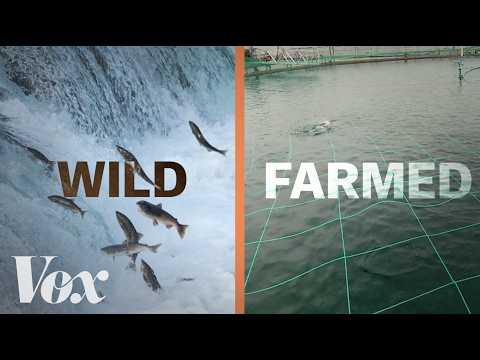
Aquaculture, the farming of aquatic organisms, has become an increasingly important method for producing fish for human consumption, helping to meet the global demand for seafood while alleviating pressure on wild stocks.

Aquaculture produces fish for eating.

Similar to the previous example, 'fish' is used as an uncountable noun, referring to the food item.

5

The anadromous journey of salmon, where they migrate from the ocean to freshwater rivers to spawn, is one of nature's most remarkable feats, demonstrating the incredible resilience and navigational instincts of these powerful fish.

Salmon are powerful fish.

Here, 'fish' is used as a plural noun to refer to multiple individual salmon. No 's' is added.

6

Many cultures have traditional dishes where fish plays a central role, from Japanese sushi and sashimi to Mediterranean grilled whole fish, showcasing the versatility and cultural significance of this protein source.

Fish is a central ingredient in many traditional dishes.

'Fish' is used as an uncountable noun, referring to the food item.

7

The symbiotic relationship between clownfish and sea anemones is a fascinating example of marine cooperation; the clownfish gains protection from predators within the anemone's stinging tentacles, while the anemone benefits from the clownfish's cleaning services and protection.

Clownfish live with sea anemones.

In this sentence, 'clownfish' is used as a plural noun, without an 's' to denote multiple individuals of the species.

8

Researchers are studying the effects of microplastics on marine life, finding that many fish ingest these tiny particles, which can have detrimental health impacts and potentially enter the human food chain.

Microplastics affect fish.

Here, 'fish' is used as a plural noun, referring to multiple individual fish ingesting microplastics.

1

The marine biologist meticulously documented the migratory patterns of various fish species in the Pacific Ocean, noting how environmental changes impacted their breeding cycles.

meticulously documented: carefully recorded; migratory patterns: movement routes; breeding cycles: reproduction periods.

Here, 'fish species' uses 'fish' as both singular and plural, common when referring to types of fish. 'Impacted' is used as a verb.

2

After the torrential downpour, the river swelled, carrying an abundance of debris and, surprisingly, several large fish that had been dislodged from their usual habitats.

torrential downpour: very heavy rain; swelled: increased in size; abundance of debris: a lot of rubbish; dislodged: moved from their place.

'Several large fish' demonstrates 'fish' as a plural noun without an 's' when referring to multiple individual fish.

3

The chef's signature dish, a pan-seared sea bass with a delicate lemon-butter sauce, perfectly showcased the versatility and exquisite flavor of fresh fish.

signature dish: a chef's special; pan-seared: cooked quickly in a pan with a little fat; sea bass: a type of fish; delicate: subtle; versatility: adaptability; exquisite flavor: superb taste.

'Fresh fish' refers to fish as a food item, where 'fish' is uncountable.

4

Despite the prevailing economic downturn, the local fish market continued to thrive, a testament to the community's unwavering appreciation for sustainable seafood.

prevailing economic downturn: current bad economic situation; thrive: prosper; testament: proof; unwavering appreciation: strong admiration; sustainable seafood: fish caught in an environmentally friendly way.

'Fish market' uses 'fish' as an adjective modifying 'market'.

5

Conservationists are increasingly concerned about the overfishing of certain species, which threatens to decimate marine ecosystems and disrupt the delicate balance of aquatic life.

Conservationists: people who protect nature; overfishing: catching too many fish; decimate: severely damage; marine ecosystems: ocean environments; disrupt: upset; delicate balance: fragile equilibrium.

'Overfishing' is a compound word, indicating excessive fishing.

6

The ancient proverb, 'Give a man a fish and you feed him for a day; teach a man to fish and you feed him for a lifetime,' encapsulates a fundamental principle of self-sufficiency.

ancient proverb: old saying; encapsulates: summarizes; fundamental principle: basic idea; self-sufficiency: ability to provide for oneself.

Here, 'fish' is used as a verb ('to fish') meaning to catch fish, and also as a noun ('a fish') referring to a single animal.

7

Employing advanced sonar technology, the research vessel located a large school of fish, providing invaluable data for stock assessment and population studies.

Employing: using; advanced sonar technology: sophisticated sound-based detection; research vessel: scientific ship; located: found; large school of fish: a group of fish; invaluable data: extremely useful information; stock assessment: evaluation of fish populations; population studies: research into the number of fish.

'School of fish' is a collective noun phrase for a group of fish.

8

The subtle aroma of grilled fish wafted from the seaside restaurant, enticing passersby with the promise of a delectable culinary experience.

subtle aroma: delicate smell; grilled fish: fish cooked over heat; wafted: floated; enticing: tempting; passersby: people walking past; delectable: delicious; culinary experience: eating experience.

'Grilled fish' uses 'fish' as a food item, similar to 'fresh fish'.

Sinônimos

sea creature aquatic animal seafood finfish marine life

Antônimos

mammal land animal

Expressões idiomáticas

"a cold fish"

Someone who is unfriendly, unemotional, and shows little warmth.

He's a bit of a cold fish, so don't expect too much conversation.

informal

"drink like a fish"

To drink a lot of alcohol.

At the party, he was drinking like a fish.

informal

"fish for compliments"

To try to subtly get someone to praise you.

She kept mentioning her new dress, clearly fishing for compliments.

neutral

"a big fish in a small pond"

An important person in a small community or organization.

After moving to the smaller company, he became a big fish in a small pond.

neutral

"like a fish out of water"

Feeling uncomfortable and out of place in a particular situation.

At the black-tie event, I felt like a fish out of water in my casual clothes.

neutral

"neither fish nor fowl"

Something that doesn't fit into any particular category; something that is difficult to classify.

The new product was neither fish nor fowl, so customers weren't sure what to make of it.

neutral

"there are plenty of other fish in the sea"

There are many other potential partners or opportunities available.

Don't worry about that one job rejection; there are plenty of other fish in the sea.

informal

"to fish in troubled waters"

To try to gain an advantage from a difficult or chaotic situation.

Some politicians are always fishing in troubled waters, trying to stir up conflict for their own gain.

neutral

"to have other fish to fry"

To have other, more important things to do.

I can't help you with that right now, I have other fish to fry.

informal

"to fish or cut bait"

To either take action or give up; to make a decision.

It's time to fish or cut bait on this project; we can't keep delaying.

informal

Como usar

When referring to a single aquatic animal, use "a fish." For multiple fish of the same species, the plural is also "fish." If you're talking about different species of fish, you can use "fishes," though this is less common in everyday conversation. When referring to fish as food, it's generally an uncountable noun: "I like to eat fish." If you're talking about different types or servings of fish as food, you might hear "two fish dishes" or "various fishes on the menu," but this is less frequent. Phrasal verbs and idioms: * fish for compliments: To try to get people to praise you. * Example: "She was fishing for compliments when she asked if her new dress looked good." * fish out: To pull something out of water or a container. * Example: "He fished his keys out of his pocket." * a big fish in a small pond: An important person in a small community or organization. * Example: "He was a big fish in a small pond at his old company, but now he's just another employee at the new one." * drink like a fish: To drink a lot of alcohol. * Example: "He was drinking like a fish at the party last night." * have bigger fish to fry: To have more important things to do. * Example: "I can't worry about that small problem right now; I have bigger fish to fry." * a fish out of water: Someone who is uncomfortable in a particular situation. * Example: "She felt like a fish out of water at the formal dinner party."

Erros comuns

1. Using "fishes" for multiple fish of the same species: * Incorrect: "I saw many fishes in the aquarium." * Correct: "I saw many fish in the aquarium." (Unless you are specifically referring to multiple species) 2. Confusing fish (animal) with fish (food) when counting: * When talking about the animal, you can say "one fish," "two fish," etc. * When talking about fish as food, it's usually uncountable, so you wouldn't say "I ate two fishes." You'd say "I ate two servings of fish" or "I ate two different kinds of fish." 3. Incorrect verb agreement with "fish" as a plural: * Incorrect: "The fish swims in the ocean." (if referring to multiple fish) * Correct: "The fish swim in the ocean." (When referring to multiple fish as a group) 4. Misusing articles: * Incorrect: "I like fish." (if you mean a specific fish) * Correct: "I like the fish." (if you mean a particular fish you are eating or seeing) * Correct: "I like fish." (if you like fish in general as a food) 5. Confusing "fisher" with "fisherman": * "Fisher" is an older or more formal term for someone who catches fish, or a fishing boat. "Fisherman" is more common for a person. * Example: "The fisherman cast his net." 6. Grammar in idioms: Make sure to use the correct prepositions and verb forms in idioms. * Incorrect: "He was fishing for praise." * Correct: "He was fishing for compliments."

Dicas

Look for Visuals

When learning a new word like 'fish', try to associate it with an image. Think of a picture of a fish swimming in the water.

Use it in a Simple Sentence

Create a very basic sentence with the word. For 'fish', you could say: 'I see a fish.' or 'I like to eat fish.'

Identify if it's a Noun or Verb

Understand the word's function. Here, 'fish' is a noun, meaning it's a person, place, or thing (an animal, or a food item).

Practice Pronunciation

Say the word 'fish' out loud several times. Listen to how native speakers pronounce it if possible.

Connect to Other Words

Think of related words or concepts. For 'fish', you might think of 'water,' 'ocean,' 'swim,' 'eat,' or 'scales.'

Write it Down

Practice writing the word 'fish'. This helps reinforce memory and spelling.

Think of Examples

Recall different types of 'fish' you know, like salmon or tuna, or think about activities involving 'fish', such as fishing.

Explain it to Someone

Try to explain the definition of 'fish' to someone else. This active recall strengthens your understanding.

Use Flashcards

Create a flashcard with the word 'fish' on one side and its definition and a small drawing on the other.

Review Regularly

Come back to the word 'fish' and its definition periodically to ensure it stays fresh in your memory. Repetition is key!

Teste-se 120 perguntas

fill blank A1

A ___ lives in water.

Correto! Quase. Resposta certa: fish

A fish is an animal that lives in water.

fill blank A1

Fish have ___ to help them swim.

Correto! Quase. Resposta certa: fins

Fish have fins to help them swim.

fill blank A1

Many fish have ___ on their bodies.

Correto! Quase. Resposta certa: scales

Fish have scales on their bodies.

fill blank A1

Fish breathe with their ___.

Correto! Quase. Resposta certa: gills

Fish breathe through gills.

fill blank A1

I like to eat ___ for dinner.

Correto! Quase. Resposta certa: fish

Fish can be eaten as a food item.

fill blank A1

The ___ swims in the ocean.

Correto! Quase. Resposta certa: fish

A fish swims in the ocean.

multiple choice A1

Which of these animals lives in water and has fins?

Correto! Quase. Resposta certa: A fish

Fish live in water and have fins, as stated in the definition.

multiple choice A1

What do fish use to breathe?

Correto! Quase. Resposta certa: Gills

The definition says that fish breathe through gills.

multiple choice A1

When we eat fish, what part of the animal are we eating?

Correto! Quase. Resposta certa: Its flesh

As a food item, fish refers to the flesh of these animals eaten by humans.

true false A1

A fish is an animal that lives on land.

Correto! Quase. Resposta certa: Falso

The definition states that a fish is an animal that lives in water.

true false A1

Fish have scales and fins.

Correto! Quase. Resposta certa: Verdadeiro

The definition says that a fish has scales and fins.

true false A1

Humans eat fish for its scales.

Correto! Quase. Resposta certa: Falso

Humans eat the flesh of fish, not its scales.

listening A1

Think about where fish live.

Correto! Quase. Resposta certa: Fish live in water.
Correto! Quase. Resposta certa:
listening A1

Consider what someone might eat.

Correto! Quase. Resposta certa: I like to eat fish for dinner.
Correto! Quase. Resposta certa:
listening A1

What body parts do fish have?

Correto! Quase. Resposta certa: A fish has fins and scales.
Correto! Quase. Resposta certa:
speaking A1

Read this aloud:

Fish breathe through gills.

Focus: gills

Correto! Quase. Resposta certa:
speaking A1

Read this aloud:

Do you like to eat fish?

Focus: fish

Correto! Quase. Resposta certa:
speaking A1

Read this aloud:

Fish swim in the ocean.

Focus: swim

Correto! Quase. Resposta certa:
writing A1

Write a short sentence about an animal that lives in water and has fins.

Well written! Good try! Check the sample answer below.

Sample answer

A fish lives in the water and has fins.

Correto! Quase. Resposta certa:
writing A1

Complete the sentence: I like to eat ___ for dinner.

Well written! Good try! Check the sample answer below.

Sample answer

I like to eat fish for dinner.

Correto! Quase. Resposta certa:
writing A1

Write one sentence describing what a fish breathes with.

Well written! Good try! Check the sample answer below.

Sample answer

A fish breathes with gills.

Correto! Quase. Resposta certa:
reading A1

Where does a fish live?

Read this passage:

A fish is an animal. It lives in the water. It has scales and fins. People often eat fish for dinner.

Where does a fish live?

Correto! Quase. Resposta certa: In the water

The passage states, 'It lives in the water.'

Correto! Quase. Resposta certa: In the water

The passage states, 'It lives in the water.'

reading A1

What kind of animal is a fish?

Read this passage:

Many animals live in the ocean. Whales are big animals. Fish are small animals. They all live in the water.

What kind of animal is a fish?

Correto! Quase. Resposta certa: Small

The passage says, 'Fish are small animals.'

Correto! Quase. Resposta certa: Small

The passage says, 'Fish are small animals.'

reading A1

What did the brother eat at the restaurant?

Read this passage:

My family went to a restaurant. We ate chicken and rice. My brother ate a lot of fish. It was very tasty.

What did the brother eat at the restaurant?

Correto! Quase. Resposta certa: Fish

The passage states, 'My brother ate a lot of fish.'

Correto! Quase. Resposta certa: Fish

The passage states, 'My brother ate a lot of fish.'

multiple choice A2

Which of these animals lives in water and has fins?

Correto! Quase. Resposta certa: A fish

Fish are animals that live in water and have fins, as stated in the definition.

multiple choice A2

What do fish use to breathe?

Correto! Quase. Resposta certa: Gills

The definition explains that fish breathe through gills.

multiple choice A2

When we eat 'fish' as a food item, what are we eating?

Correto! Quase. Resposta certa: The flesh of the animal

As a food item, 'fish' refers to the flesh of these animals eaten by humans.

true false A2

A fish lives on land.

Correto! Quase. Resposta certa: Falso

The definition says that a fish is an animal that lives in water, not on land.

true false A2

All fish have fur.

Correto! Quase. Resposta certa: Falso

The definition states fish have scales, not fur.

true false A2

Humans can eat fish.

Correto! Quase. Resposta certa: Verdadeiro

The definition mentions that as a food item, fish refers to the flesh of these animals eaten by humans.

writing A2

Write two sentences describing what a fish is, focusing on where it lives and what it has on its body.

Well written! Good try! Check the sample answer below.

Sample answer

A fish is an animal that lives in the water. It has scales and fins.

Correto! Quase. Resposta certa:
writing A2

Imagine you went fishing. Write two sentences about what you did with the fish you caught.

Well written! Good try! Check the sample answer below.

Sample answer

I caught a big fish in the lake. My mom cooked it for dinner.

Correto! Quase. Resposta certa:
writing A2

Write a short sentence about why people eat fish.

Well written! Good try! Check the sample answer below.

Sample answer

People eat fish because it is good food and healthy.

Correto! Quase. Resposta certa:
reading A2

What did the family eat for lunch?

Read this passage:

My family went to the ocean last summer. We saw many animals in the water. My little brother liked to watch the colorful fish swim near the rocks. We also ate some delicious fish for lunch at a restaurant.

What did the family eat for lunch?

Correto! Quase. Resposta certa: fish

The passage states, 'We also ate some delicious fish for lunch at a restaurant.'

Correto! Quase. Resposta certa: fish

The passage states, 'We also ate some delicious fish for lunch at a restaurant.'

reading A2

How do fish breathe?

Read this passage:

Fish live in different places, like rivers, lakes, and the ocean. They use their fins to swim and their gills to breathe. Some fish are small, and some are very big. Many people enjoy eating fish because it is good for them.

How do fish breathe?

Correto! Quase. Resposta certa: with their gills

The passage mentions, 'They use their fins to swim and their gills to breathe.'

Correto! Quase. Resposta certa: with their gills

The passage mentions, 'They use their fins to swim and their gills to breathe.'

reading A2

What color are the scales of the pet fish?

Read this passage:

My friend has a pet fish. It lives in a small tank in his room. He feeds it every day. The fish has orange and white scales and a pretty tail. It swims around happily in the water.

What color are the scales of the pet fish?

Correto! Quase. Resposta certa: orange and white

The passage says, 'The fish has orange and white scales and a pretty tail.'

Correto! Quase. Resposta certa: orange and white

The passage says, 'The fish has orange and white scales and a pretty tail.'

sentence order A2

Toque nas palavras abaixo para montar a frase
Correto! Quase. Resposta certa: The fish swims in the river.

This sentence describes where the fish lives.

sentence order A2

Toque nas palavras abaixo para montar a frase
Correto! Quase. Resposta certa: I like to eat fish for dinner.

This sentence talks about fish as a food item.

sentence order A2

Toque nas palavras abaixo para montar a frase
Correto! Quase. Resposta certa: My dad went fishing and caught a big fish.

This sentence uses 'fish' to refer to the animal caught.

multiple choice B1

Which of these is NOT a characteristic of most fish?

Correto! Quase. Resposta certa: They breathe through lungs.

Fish breathe through gills, not lungs. Mammals and some other animals breathe through lungs.

multiple choice B1

When 'fish' is used as a food item, what does it refer to?

Correto! Quase. Resposta certa: The flesh of aquatic animals eaten by humans.

As a food item, 'fish' specifically means the meat of these animals that people consume.

multiple choice B1

Which sentence correctly uses 'fish' as a noun referring to the animal?

Correto! Quase. Resposta certa: The fisherman caught a large fish.

In this sentence, 'fish' refers to the living creature that was caught. In the other sentences, it refers to fish as food.

true false B1

All animals that live in water are considered fish.

Correto! Quase. Resposta certa: Falso

No, this is false. While fish live in water, there are many other aquatic animals that are not fish, such as whales, dolphins, and crabs.

true false B1

Fish use gills to breathe underwater.

Correto! Quase. Resposta certa: Verdadeiro

This is true. Gills are the respiratory organs that allow fish to extract oxygen from water.

true false B1

When people eat 'fish', they are consuming the scales and fins of the animal.

Correto! Quase. Resposta certa: Falso

This is false. When people eat 'fish', they are consuming the flesh or meat of the animal, not the scales and fins.

listening B1

Listen for what the fisherman caught.

Correto! Quase. Resposta certa: The fisherman caught a large fish in his net.
Correto! Quase. Resposta certa:
listening B1

Listen for the speaker's favorite dinner.

Correto! Quase. Resposta certa: I love to eat grilled fish with vegetables for dinner.
Correto! Quase. Resposta certa:
listening B1

Listen for where many fish live.

Correto! Quase. Resposta certa: Many different kinds of fish live in the ocean.
Correto! Quase. Resposta certa:
speaking B1

Read this aloud:

Can you describe your favorite type of fish to eat?

Focus: favorite, describe

Correto! Quase. Resposta certa:
speaking B1

Read this aloud:

Imagine you are at a restaurant. How would you order a fish dish?

Focus: restaurant, order

Correto! Quase. Resposta certa:
speaking B1

Read this aloud:

What are some popular ways to cook fish in your country?

Focus: popular, cook

Correto! Quase. Resposta certa:
fill blank B2

The marine biologist spent years studying the migratory patterns of different species of ___ in the Pacific Ocean.

Correto! Quase. Resposta certa: fish

The context of 'migratory patterns' and 'Pacific Ocean' strongly suggests 'fish' as marine biologists study aquatic life.

fill blank B2

Despite its delicious flavor, some people avoid eating too much ___ due to concerns about mercury levels.

Correto! Quase. Resposta certa: fish

The phrase 'mercury levels' is commonly associated with the consumption of 'fish'.

fill blank B2

The clear mountain stream was teeming with ___ that shimmered in the sunlight, a testament to the clean water.

Correto! Quase. Resposta certa: fish

A 'stream teeming with fish' is a common image, and 'shimmered in the sunlight' fits the appearance of fish scales.

fill blank B2

For a truly authentic culinary experience, one must try the local specialty: freshly caught and grilled ___.

Correto! Quase. Resposta certa: fish

'Freshly caught and grilled' is a common way to prepare 'fish' as a culinary specialty.

fill blank B2

Scientists are increasingly concerned about the impact of plastic pollution on marine life, especially on smaller species of ___.

Correto! Quase. Resposta certa: fish

Plastic pollution in oceans primarily affects 'marine life', with 'fish' being a major component of that ecosystem.

fill blank B2

The restaurant's signature dish is a delicate pan-seared ___ served with a lemon-butter sauce.

Correto! Quase. Resposta certa: fish

'Pan-seared' and served with a 'lemon-butter sauce' are classic preparations for 'fish' dishes.

multiple choice B2

The marine biologist spent years studying the migratory patterns of various fish species in the Pacific Ocean. Which of the following best describes a 'fish' in this context?

Correto! Quase. Resposta certa: Any aquatic animal with fins and scales.

In biology, 'fish' refers to aquatic animals characterized by scales, fins, and gill respiration, differentiating them from other marine life.

multiple choice B2

After a successful fishing trip, they brought home several large salmon. In this scenario, 'fish' is primarily understood as:

Correto! Quase. Resposta certa: The raw flesh of aquatic animals prepared for consumption.

When discussing 'fish' brought home from a fishing trip, the term typically refers to the caught aquatic animals as food items.

multiple choice B2

Despite the severe drought, the small pond still managed to sustain a few hardy fish. What characteristic is essential for these creatures to survive in water?

Correto! Quase. Resposta certa: Respiration through gills.

Fish are aquatic animals that breathe underwater using gills, which is a fundamental characteristic for their survival in water.

true false B2

All fish have prominent scales that are easily visible.

Correto! Quase. Resposta certa: Falso

While many fish have scales, some species, like eels or catfishes, have greatly reduced or absent scales.

true false B2

The term 'fish' can refer to both a living aquatic animal and its flesh prepared for human consumption.

Correto! Quase. Resposta certa: Verdadeiro

The definition provided explicitly states that 'fish' refers to both the living animal and, as a food item, its flesh.

true false B2

Fish are the only animals that possess gills for breathing underwater.

Correto! Quase. Resposta certa: Falso

While fish are well-known for gills, other aquatic animals such as crabs and some amphibians also possess gills.

listening B2

Listen for the type of animal the fisherman wants to catch.

Correto! Quase. Resposta certa: The fisherman cast his line into the tranquil waters, hoping to catch a prize-winning fish.
Correto! Quase. Resposta certa:
listening B2

Identify what kind of food item is being prepared.

Correto! Quase. Resposta certa: For a healthy dinner, I often grill a piece of salmon, which is a very popular type of fish.
Correto! Quase. Resposta certa:
listening B2

Focus on the environment where these particular fish live.

Correto! Quase. Resposta certa: Marine biologists are studying the unique behaviors of deep-sea fish that have adapted to extreme pressure.
Correto! Quase. Resposta certa:
speaking B2

Read this aloud:

Can you describe a traditional dish from your culture that uses fish as a main ingredient?

Focus: fish

Correto! Quase. Resposta certa:
speaking B2

Read this aloud:

Imagine you are at a seafood restaurant. Order a fish dish and ask one question about its preparation.

Focus: fish, preparation

Correto! Quase. Resposta certa:
speaking B2

Read this aloud:

Discuss the environmental impact of overfishing and suggest potential solutions.

Focus: overfishing, solutions

Correto! Quase. Resposta certa:
writing B2

Imagine you are describing a unique type of fish you encountered during a deep-sea dive. Describe its appearance, behavior, and any special adaptations it might have. Use descriptive language.

Well written! Good try! Check the sample answer below.

Sample answer

During my recent deep-sea dive, I stumbled upon a truly mesmerizing creature, a species of fish I'd never seen before. It had iridescent, sapphire-blue scales that shimmered even in the dim light of the ocean depths. Its fins, unusually broad and translucent, allowed it to glide effortlessly through the water, almost like a manta ray. Instead of typical gills, it possessed a series of bioluminescent slits that pulsed with a soft, green light, presumably aiding in oxygen absorption in low-light conditions. I observed it camouflaging itself expertly against the rocky seafloor, a testament to its predatory nature, patiently waiting for unsuspecting prey to pass by.

Correto! Quase. Resposta certa:
writing B2

Write a short paragraph discussing the cultural significance of fish as a food source in different societies. Consider traditions, dietary customs, and economic impact.

Well written! Good try! Check the sample answer below.

Sample answer

Fish holds immense cultural significance as a food source across various societies, often deeply intertwined with their history and geography. In many coastal communities, fishing is not just an industry but a way of life, shaping local traditions and economies. From the elaborate sushi preparations in Japan to the hearty fish and chips in the UK, culinary practices often reflect the abundance and type of fish available. Furthermore, certain fish species are revered in religious ceremonies or hold symbolic meaning, highlighting their role beyond mere sustenance. The sustainability of fishing practices has also become a critical concern, impacting both environmental health and the future of these cultural connections.

Correto! Quase. Resposta certa:
writing B2

You are writing a blog post about the importance of protecting marine life. Focus on the role of fish in the ocean ecosystem and the consequences of overfishing.

Well written! Good try! Check the sample answer below.

Sample answer

The ocean, a vast and mysterious realm, is home to an incredible diversity of marine life, with fish playing a pivotal role in maintaining its delicate balance. As both predators and prey, fish are essential components of the marine food chain, influencing the populations of countless other species. However, the alarming issue of overfishing poses a severe threat to this intricate ecosystem. When fish stocks are depleted beyond their ability to regenerate, it can lead to cascading effects, disrupting the entire food chain and jeopardizing biodiversity. Protecting marine life, especially fish, is not just about preserving individual species; it's about safeguarding the health of our planet's largest ecosystem and ensuring its ability to support life for future generations. Conservation efforts, sustainable fishing practices, and global cooperation are crucial to reversing this trend.

Correto! Quase. Resposta certa:
reading B2

What is one of the potential environmental challenges associated with aquaculture?

Read this passage:

In many parts of the world, aquaculture, or fish farming, has become a significant industry. While it offers a solution to increasing global demand for seafood and can reduce pressure on wild fish populations, it also presents environmental challenges. These challenges include the potential for pollution from waste products, the spread of diseases to wild fish, and the use of antibiotics.

What is one of the potential environmental challenges associated with aquaculture?

Correto! Quase. Resposta certa: It might contribute to pollution and disease transmission.

The passage states that aquaculture 'presents environmental challenges' including 'pollution from waste products' and 'the spread of diseases to wild fish.'

Correto! Quase. Resposta certa: It might contribute to pollution and disease transmission.

The passage states that aquaculture 'presents environmental challenges' including 'pollution from waste products' and 'the spread of diseases to wild fish.'

reading B2

What does the passage suggest about salmon's migration?

Read this passage:

The anadromous nature of salmon, meaning they migrate from saltwater to freshwater to spawn, is a remarkable biological phenomenon. This incredible journey requires immense energy and presents numerous obstacles, from predators to challenging river currents. Their ability to adapt to both environments highlights their unique evolutionary success.

What does the passage suggest about salmon's migration?

Correto! Quase. Resposta certa: It is a complex and energy-intensive process.

The passage describes the journey as 'incredible' and requiring 'immense energy' with 'numerous obstacles,' indicating its complexity and energy demands.

Correto! Quase. Resposta certa: It is a complex and energy-intensive process.

The passage describes the journey as 'incredible' and requiring 'immense energy' with 'numerous obstacles,' indicating its complexity and energy demands.

reading B2

What is the primary hunting method of the deep-sea anglerfish?

Read this passage:

The deep-sea anglerfish is renowned for its unique hunting strategy, utilizing a bioluminescent lure on its head to attract prey in the dark abyss. This adaptation allows it to ambush unsuspecting smaller fish and crustaceans, making it an efficient predator in an environment where food is scarce. Its appearance, often described as grotesque, is perfectly suited for its predatory lifestyle.

What is the primary hunting method of the deep-sea anglerfish?

Correto! Quase. Resposta certa: Using a glowing lure to attract prey.

The passage explicitly states that the anglerfish 'utilizing a bioluminescent lure on its head to attract prey.'

Correto! Quase. Resposta certa: Using a glowing lure to attract prey.

The passage explicitly states that the anglerfish 'utilizing a bioluminescent lure on its head to attract prey.'

sentence order B2

Toque nas palavras abaixo para montar a frase
Correto! Quase. Resposta certa: Sustainable fishing practices are crucial for maintaining healthy marine ecosystems.

This sentence discusses the importance of responsible fishing methods for environmental health.

sentence order B2

Toque nas palavras abaixo para montar a frase
Correto! Quase. Resposta certa: The government has implemented strict regulations to prevent overfishing in coastal waters.

This sentence describes government action to protect fish populations from excessive fishing.

sentence order B2

Toque nas palavras abaixo para montar a frase
Correto! Quase. Resposta certa: Many restaurants now source their fish from local aquaculture farms to ensure freshness.

This sentence explains where restaurants are getting their fish to ensure quality.

multiple choice C1

The marine biologist's research delves into the intricate migratory patterns of various fish species, uncovering how environmental factors influence their long-distance journeys. Which of the following best describes the primary focus of the biologist's study?

Correto! Quase. Resposta certa: The complex navigation strategies employed by different fish.

The sentence explicitly mentions 'intricate migratory patterns' and 'how environmental factors influence their long-distance journeys', directly indicating a focus on the navigation and movement of fish.

multiple choice C1

Despite concerted conservation efforts, several endemic fish populations in the river basin remain critically endangered due to persistent habitat degradation and illegal poaching. What is the main reason for the precarious state of these fish populations?

Correto! Quase. Resposta certa: Ongoing environmental damage and unauthorized hunting.

The sentence states 'persistent habitat degradation and illegal poaching' as the reasons for the fish populations being critically endangered.

multiple choice C1

The culinary artist meticulously prepared a delicate fish dish, pairing it with a subtle lemon-dill sauce to enhance its natural flavors without overpowering them. What was the chef's primary intention in preparing this dish?

Correto! Quase. Resposta certa: To complement and elevate the inherent taste of the fish.

The phrase 'to enhance its natural flavors without overpowering them' clearly indicates the chef's intention to complement the fish's taste.

true false C1

The term 'fish' can exclusively refer to an aquatic animal with gills, fins, and scales, never to the flesh of such an animal consumed as food.

Correto! Quase. Resposta certa: Falso

The definition explicitly states: 'As a food item, it refers to the flesh of these animals eaten by humans.' Therefore, the statement is false.

true false C1

All animals that reside in water are, by definition, considered fish.

Correto! Quase. Resposta certa: Falso

The definition specifies that a fish 'has scales and fins, and breathes through gills.' Not all aquatic animals possess these specific characteristics (e.g., whales, dolphins, jellyfish).

true false C1

When 'fish' is used in a culinary context, it specifically denotes the prepared meat of an aquatic animal for human consumption.

Correto! Quase. Resposta certa: Verdadeiro

The definition clearly states: 'As a food item, it refers to the flesh of these animals eaten by humans.' This aligns with the statement.

writing C1

Discuss the ethical implications of commercial fishing practices on marine ecosystems and the global food supply. Consider concepts such as overfishing, bycatch, and sustainable aquaculture.

Well written! Good try! Check the sample answer below.

Sample answer

Commercial fishing practices present a multifaceted ethical dilemma, profoundly impacting marine ecosystems and the long-term viability of the global food supply. Overfishing, driven by increasing demand and technological advancements, has depleted fish stocks to critical levels, disrupting delicate food webs and biodiversity. The indiscriminate nature of certain fishing methods often results in significant bycatch, where non-target species, including endangered marine life, are inadvertently caught and discarded. While sustainable aquaculture offers a potential solution by reducing pressure on wild populations, it introduces its own set of environmental concerns, such as habitat destruction, water pollution, and the potential for disease transmission. Addressing these challenges necessitates a global commitment to stricter regulations, consumer awareness, and the development of innovative, eco-friendly fishing technologies to ensure the health of our oceans and food security for future generations.

Correto! Quase. Resposta certa:
writing C1

Imagine you are a marine biologist. Write an excerpt from your research journal detailing a newly discovered species of deep-sea fish. Describe its unique adaptations to its environment, its potential ecological role, and any challenges you foresee in studying it.

Well written! Good try! Check the sample answer below.

Sample answer

Journal Entry: Expedition to the Marianas Trench - October 26th, 2023. Today marked an extraordinary discovery: a previously unknown species of fish, tentatively named 'Abyssal Glimmerfin' (Genus: Lumina profunda). This creature, observed near a newly active hydrothermal vent system at 8,500 meters, exhibits astonishing adaptations. Its skin, almost translucent, is studded with bioluminescent photophores that pulsate with an ethereal blue light, likely used for attracting prey in the perpetual darkness and potentially for communication. Its skeletal structure is remarkably flexible, allowing it to withstand immense hydrostatic pressures, and its large, upward-facing eyes suggest it preys on organisms drifting down from shallower waters. Ecologically, its presence indicates a more complex trophic structure within these extreme environments than previously understood, perhaps acting as a crucial link in the chemosynthetic food web. The primary challenge in studying the Glimmerfin lies in replicating its extreme habitat conditions in a laboratory setting and developing non-invasive observation techniques to understand its behavior without disturbing its fragile ecosystem. Further research is imperative to unlock the secrets of its survival.

Correto! Quase. Resposta certa:
writing C1

Compose an argumentative essay discussing whether the consumption of fish is more beneficial or detrimental to human health, considering both nutritional advantages and potential risks like mercury contamination or microplastic ingestion.

Well written! Good try! Check the sample answer below.

Sample answer

The debate surrounding the health implications of fish consumption is complex, presenting a dichotomy of nutritional benefits against potential environmental contaminants. On one hand, fish, particularly fatty varieties, are celebrated for their rich omega-3 fatty acid content, crucial for cardiovascular health, cognitive function, and reducing inflammation. They also provide essential vitamins and minerals like Vitamin D and selenium, making them a valuable component of a balanced diet. However, these advantages are increasingly overshadowed by concerns regarding mercury contamination, particularly in larger, predatory fish. Mercury, a neurotoxin, can accumulate in the human body, posing risks to neurological development in children and overall health. Furthermore, the pervasive issue of microplastic pollution in marine environments means that fish, as part of the food chain, inevitably ingest these particles, which are then transferred to humans upon consumption. While the long-term health effects of microplastic ingestion are still being researched, the potential for endocrine disruption and other adverse outcomes cannot be ignored. Therefore, while the nutritional merits of fish are undeniable, consumers must exercise discernment, opting for smaller, sustainably sourced species and being mindful of intake frequency to mitigate potential risks. The optimal approach to fish consumption lies in informed choices that balance health benefits with environmental realities.

Correto! Quase. Resposta certa:
reading C1

What is the primary reason the Coelacanth is considered a 'living fossil'?

Read this passage:

The elusive Coelacanth, once thought to be extinct for millions of years, was rediscovered in 1938 off the coast of South Africa. This 'living fossil' possesses a unique lobed fin structure, distinct from the ray-finned fish that dominate modern oceans. Its discovery profoundly impacted evolutionary biology, providing a tangible link to ancient fish species and challenging prevailing theories about the diversification of vertebrate life. Despite its scientific significance, the Coelacanth remains an endangered species, facing threats from deep-sea trawling and incidental capture.

What is the primary reason the Coelacanth is considered a 'living fossil'?

Correto! Quase. Resposta certa: It has a unique lobed fin structure resembling ancient fish.

The passage explicitly states that the Coelacanth's 'unique lobed fin structure' is 'distinct from the ray-finned fish that dominate modern oceans' and that its discovery provided 'a tangible link to ancient fish species,' which is the essence of being a 'living fossil'.

Correto! Quase. Resposta certa: It has a unique lobed fin structure resembling ancient fish.

The passage explicitly states that the Coelacanth's 'unique lobed fin structure' is 'distinct from the ray-finned fish that dominate modern oceans' and that its discovery provided 'a tangible link to ancient fish species,' which is the essence of being a 'living fossil'.

reading C1

Which of the following is NOT presented as a threat to coral reefs?

Read this passage:

Coral reefs, often dubbed the 'rainforests of the sea,' are incredibly diverse ecosystems supporting a quarter of all marine life, including countless fish species. These vibrant underwater structures are built by tiny polyps that secrete calcium carbonate. However, they are under severe threat from climate change, ocean acidification, and pollution. Rising ocean temperatures cause coral bleaching, while increased acidity hinders their ability to form skeletons. The degradation of coral reefs has cascading effects, jeopardizing the habitats and food sources of numerous fish populations, and ultimately impacting coastal communities that rely on these ecosystems for sustenance and tourism.

Which of the following is NOT presented as a threat to coral reefs?

Correto! Quase. Resposta certa: Overfishing of certain fish species

The passage lists 'climate change, ocean acidification, and pollution' as threats to coral reefs. While overfishing can impact fish populations within reefs, the passage does not directly state that overfishing itself is a threat to the coral reef structure or health, but rather an impact of reef degradation.

Correto! Quase. Resposta certa: Overfishing of certain fish species

The passage lists 'climate change, ocean acidification, and pollution' as threats to coral reefs. While overfishing can impact fish populations within reefs, the passage does not directly state that overfishing itself is a threat to the coral reef structure or health, but rather an impact of reef degradation.

reading C1

What is the primary benefit of fish schooling mentioned in the passage?

Read this passage:

The phenomenon of fish schooling, where thousands of individual fish swim in a coordinated manner, is a remarkable example of collective animal behavior. This synchronized movement offers numerous advantages, including enhanced protection against predators, increased foraging efficiency, and improved hydrodynamic performance. Within a school, individual fish respond to the movements of their nearest neighbors, leading to emergent patterns that appear highly organized despite the lack of a central leader. Scientists study schooling behavior to understand complex systems and apply principles to robotics and artificial intelligence.

What is the primary benefit of fish schooling mentioned in the passage?

Correto! Quase. Resposta certa: To gain protection from predators and improve foraging.

The passage explicitly states that schooling 'offers numerous advantages, including enhanced protection against predators, increased foraging efficiency, and improved hydrodynamic performance.'

Correto! Quase. Resposta certa: To gain protection from predators and improve foraging.

The passage explicitly states that schooling 'offers numerous advantages, including enhanced protection against predators, increased foraging efficiency, and improved hydrodynamic performance.'

fill blank C2

The CEO's decision to divest in the struggling subsidiary was a shrewd move, demonstrating a keen understanding of market dynamics and avoiding a financial quagmire. It was a classic example of cutting bait to save the _________.

Correto! Quase. Resposta certa: ship

The idiom 'cut bait to save the ship' means to abandon a failing venture to prevent further losses to the main enterprise.

fill blank C2

Despite numerous setbacks, the intrepid explorer remained undeterred, exhibiting an unwavering resolve that seemed to defy the very laws of nature. His tenacity was truly a testament to the adage: there are plenty of other _________ in the sea.

Correto! Quase. Resposta certa: fish

The idiom 'there are plenty of other fish in the sea' means that there are many other opportunities or suitable people available, implying that one shouldn't dwell on a single loss or disappointment.

fill blank C2

The politician's grand pronouncements were ultimately revealed to be nothing more than empty rhetoric, designed to sway public opinion without any genuine commitment to action. It was a classic case of _________ for compliments.

Correto! Quase. Resposta certa: fishing

To 'fish for compliments' means to subtly try to elicit praise or flattery from others.

fill blank C2

The newly appointed manager, with his innovative ideas and unconventional approach, found himself feeling like a _________ out of water in the traditional, bureaucratic corporate environment.

Correto! Quase. Resposta certa: fish

To feel 'like a fish out of water' means to feel uncomfortable and out of place in an unfamiliar situation.

fill blank C2

The intricate details of the financial scandal were shrouded in secrecy, and try as the investigative journalists might, they found it incredibly difficult to _________ out the truth from the labyrinthine web of deceit.

Correto! Quase. Resposta certa: worm

To 'worm something out' means to obtain information or a secret from someone with difficulty or by subtle means.

fill blank C2

Despite the prevailing sentiment of discontent among the populace, the ruling party continued to peddle its disingenuous narrative, hoping to convince everyone that everything was '_________, just perfect,' even as the economy teetered on the brink.

Correto! Quase. Resposta certa: hunky-dory

The phrase 'hunky-dory' means that everything is going well; all is fine and satisfactory. The full idiom is 'everything is hunky-dory'.

multiple choice C2

The pervasive scent of brine and the cacophony of gulls invariably evoke memories of the bustling fish market, where the day's fresh catch was displayed with an almost theatrical flourish. In this context, 'fish' primarily refers to:

Correto! Quase. Resposta certa: The culinary product derived from these animals.

The context of 'fish market' and 'fresh catch' strongly indicates a reference to fish as a food item, prepared for consumption.

multiple choice C2

Despite the prevailing sentiment that the deep sea remains largely unexplored, the sheer diversity of fish species discovered in recent expeditions continues to astound marine biologists. Here, 'fish' denotes:

Correto! Quase. Resposta certa: The biological classification of a group of aquatic vertebrates.

The phrase 'diversity of fish species' in a scientific context ('marine biologists') clearly points to the biological definition of fish as a class of animals, not just a food item.

multiple choice C2

The adage, 'There are plenty of other fish in the sea,' is often used to console someone after a romantic setback. In this idiomatic expression, 'fish' symbolically represents:

Correto! Quase. Resposta certa: Alternative romantic partners.

This is a common idiom where 'fish' metaphorically stands for potential romantic partners, suggesting that there are many other suitable individuals available.

true false C2

When one speaks of 'fishing for compliments,' the term 'fish' is being used in its literal sense, referring to the act of catching aquatic animals.

Correto! Quase. Resposta certa: Falso

To 'fish for compliments' is an idiom meaning to try to subtly elicit praise, not literally to catch fish. The term is used metaphorically.

true false C2

A connoisseur of sushi would invariably be discussing 'fish' in its capacity as a prepared food item, rather than as a living creature.

Correto! Quase. Resposta certa: Verdadeiro

Sushi is a dish made from prepared seafood, so a connoisseur discussing it would be referring to fish as a food item.

true false C2

The phrase 'to feel like a fish out of water' implies a sense of profound discomfort or awkwardness in an unfamiliar environment, directly relating to the aquatic nature of fish.

Correto! Quase. Resposta certa: Verdadeiro

The idiom 'a fish out of water' is a direct metaphor for feeling uncomfortable or out of place, drawing on the biological need for fish to be in water.

writing C2

Compose a critical essay dissecting the metaphorical implications of 'fish out of water' in contemporary socio-political discourse, referencing at least two distinct literary or philosophical traditions. Your essay should be between 250-300 words.

Well written! Good try! Check the sample answer below.

Sample answer

The idiom 'fish out of water' transcends its literal zoological origin to become a powerful metaphor for alienation and dislocation within complex socio-political landscapes. In contemporary discourse, this metaphor can be applied to diverse scenarios, from individuals navigating unfamiliar cultural norms to nation-states grappling with shifting global power dynamics. Drawing from existentialist philosophy, particularly the works of Camus and Sartre, the 'fish out of water' can be seen as an embodiment of the absurd, an individual thrust into an indifferent universe where pre-established meaning is absent. Their struggle to breathe, to adapt, mirrors humanity's search for purpose in a seemingly meaningless existence. Conversely, from a post-colonial perspective, as articulated by thinkers like Homi Bhabha, the 'fish out of water' can represent the diasporic subject, caught between two cultures, never fully belonging to either. This liminality, while potentially disorienting, can also be a source of hybridity and resistance. The metaphor thus serves as a potent tool for critiquing power structures and understanding the nuances of belonging and exclusion in an increasingly interconnected yet fragmented world. Its enduring relevance lies in its ability to encapsulate the universal experience of confronting the unfamiliar and the subsequent psychological and social ramifications.

Correto! Quase. Resposta certa:
writing C2

You are a marine biologist presenting at an international conference. Write an abstract (150-200 words) for your research paper, titled 'The Impact of Microplastic Ingestion on Pelagic Fish Species: A Longitudinal Study.' Focus on methodology, key findings, and implications.

Well written! Good try! Check the sample answer below.

Sample answer

This longitudinal study investigates the pervasive impact of microplastic ingestion on several key pelagic fish species across diverse oceanic regions. Our methodology involved the analysis of stomach contents from over 1,500 specimens collected bi-annually over a five-year period, alongside advanced spectroscopic techniques to identify polymer types. Key findings reveal a statistically significant increase in microplastic accumulation within the digestive tracts of all studied species, with polypropylene and polyethylene being the most prevalent polymers. Furthermore, histological examinations indicated inflammatory responses and compromised nutrient absorption in affected individuals, correlating with observed reductions in growth rates and reproductive success. These findings underscore the urgent need for comprehensive mitigation strategies to address ocean plastic pollution, as the bioaccumulation of microplastics poses a severe threat to pelagic ecosystems and, by extension, human food security. The study highlights potential trophic transfer risks and emphasizes the critical importance of interdisciplinary collaboration to safeguard marine biodiversity.

Correto! Quase. Resposta certa:
writing C2

Draft a compelling op-ed (200-250 words) for a national newspaper arguing for stricter regulations on commercial fishing practices to prevent overfishing and protect marine biodiversity. Your op-ed should include a strong thesis statement, supporting arguments, and a call to action.

Well written! Good try! Check the sample answer below.

Sample answer

The relentless pursuit of seafood has pushed our oceans to the brink, with alarming rates of overfishing threatening marine biodiversity and the delicate balance of aquatic ecosystems. It is imperative that governments implement stricter, globally coordinated regulations on commercial fishing practices to avert an ecological catastrophe. Current policies, often influenced by short-term economic gains, fail to adequately address the long-term sustainability of fish stocks. We are witnessing the depletion of crucial species, leading to cascading effects throughout the food web and jeopardizing the health of entire oceans. By prioritizing profit over preservation, we are not only destroying invaluable natural resources but also undermining the livelihoods of future generations. Robust measures such as enforceable catch limits, expansion of marine protected areas, and a decisive shift towards selective fishing gear are no longer optional, but essential. We must demand accountability from industrial fishing fleets and advocate for policies that genuinely safeguard our marine heritage. The time to act decisively is now, before the vast, silent depths of our oceans become truly empty.

Correto! Quase. Resposta certa:
reading C2

Which of the following best describes the main idea of the passage?

Read this passage:

In a remarkable display of evolutionary adaptation, some fish species have developed the capacity to survive for extended periods outside of water, employing a range of physiological and behavioral mechanisms. Mudskippers, for instance, utilize their pectoral fins to 'walk' on land and breathe through their skin and specialized gill chambers, enabling them to forage for food in mangrove environments. Similarly, lungfish possess lung-like organs, allowing them to breathe atmospheric oxygen when their aquatic habitats dry up, entering a state of estivation until water returns. These adaptations highlight the extraordinary plasticity of life and offer profound insights into the transitional phases of vertebrate evolution from aquatic to terrestrial existence.

Which of the following best describes the main idea of the passage?

Correto! Quase. Resposta certa: Certain fish species exhibit extraordinary adaptations to survive out of water.

The passage details how specific fish species, like mudskippers and lungfish, have developed unique ways to live outside water, emphasizing the concept of evolutionary adaptation.

Correto! Quase. Resposta certa: Certain fish species exhibit extraordinary adaptations to survive out of water.

The passage details how specific fish species, like mudskippers and lungfish, have developed unique ways to live outside water, emphasizing the concept of evolutionary adaptation.

reading C2

According to the passage, what is a primary challenge in the sustainable management of fish stocks?

Read this passage:

The concept of 'fish stocks' and their sustainable management is a complex interplay of ecological science, economic pressures, and international policy. Overfishing, driven by technological advancements in fishing gear and increasing global demand, has led to a precipitous decline in numerous commercially important species. Implementing effective quotas, establishing marine protected areas, and fostering consumer awareness regarding sustainable seafood choices are critical components of any successful strategy. However, the transient nature of fish populations and the challenges of enforcing regulations across vast oceanic territories continue to pose significant hurdles, necessitating collaborative efforts and innovative solutions on a global scale.

According to the passage, what is a primary challenge in the sustainable management of fish stocks?

Correto! Quase. Resposta certa: Difficulties in enforcing regulations across vast oceanic territories.

The passage explicitly states that 'the challenges of enforcing regulations across vast oceanic territories continue to pose significant hurdles' in sustainable fish stock management.

Correto! Quase. Resposta certa: Difficulties in enforcing regulations across vast oceanic territories.

The passage explicitly states that 'the challenges of enforcing regulations across vast oceanic territories continue to pose significant hurdles' in sustainable fish stock management.

reading C2

What is the primary reason for the unchecked proliferation of lionfish in the Atlantic?

Read this passage:

Invasive species, such as the lionfish in the Atlantic, represent a grave threat to native marine ecosystems. Originally from the Indo-Pacific, lionfish were introduced to the Atlantic through accidental or intentional releases and have since proliferated unchecked due to a lack of natural predators. Their voracious appetite and rapid reproductive rates decimate local fish populations, leading to significant disruptions in food webs and threatening biodiversity. Efforts to control lionfish populations include targeted culling programs and promoting their consumption, yet the long-term ecological damage remains a pressing concern, highlighting the delicate interconnectedness of aquatic environments and the profound impact of human activities.

What is the primary reason for the unchecked proliferation of lionfish in the Atlantic?

Correto! Quase. Resposta certa: A lack of natural predators in the Atlantic.

The passage states that lionfish have 'proliferated unchecked due to a lack of natural predators' in the Atlantic.

Correto! Quase. Resposta certa: A lack of natural predators in the Atlantic.

The passage states that lionfish have 'proliferated unchecked due to a lack of natural predators' in the Atlantic.

sentence order C2

Toque nas palavras abaixo para montar a frase
Correto! Quase. Resposta certa: The repercussions of overfishing are global and far-reaching

This sentence discusses the widespread impact of overfishing, using advanced vocabulary and a complex sentence structure appropriate for C2 level.

sentence order C2

Toque nas palavras abaixo para montar a frase
Correto! Quase. Resposta certa: Sustainable aquaculture practices are pivotal for marine ecosystem preservation

This sentence highlights the importance of sustainable fishing methods, employing specialized vocabulary relevant to environmental science and a nuanced understanding of ecological balance.

sentence order C2

Toque nas palavras abaixo para montar a frase
Correto! Quase. Resposta certa: The ephemeral nature of certain fish populations poses a conundrum for conservationists

This sentence explores the transient aspect of some fish populations, using sophisticated vocabulary and a metaphorical expression to convey a complex ecological challenge.

/ 120 correct

Perfect score!

Conteúdo relacionado

Mais palavras de Food

tasting

B1

O ato de provar pequenas porções de comida ou bebida para avaliar o sabor. Também pode se referir a um evento social onde se degusta vários itens.

macaroni

B1

Um tipo de massa seca em forma de tubos pequenos e curvos, famoso no prato 'macarrão com queijo'.

blackcurrant

B2

Que tem o sabor, o aroma ou a cor roxa escura característica da groselha preta.

blueberry

B2

Uma pequena baga redonda e comestível, de cor azul ou roxa. É conhecida como 'superalimento' pelos seus nutrientes.

bourbon

B2

Refere-se à antiga casa real francesa dos Bourbon ou a alguém muito conservador e apegado a ideias tradicionais.

steak

A1

Um bife é uma fatia grossa de carne, geralmente bovina, grelhada ou frita. É um prato muito popular em restaurantes.

appetite

C1

Appetite refers to a natural desire to satisfy a bodily need, most commonly for food. In a broader sense, it describes a strong desire or liking for a specific activity, experience, or object, such as power or knowledge.

bland

C1

Describing something that lacks strong features, characteristics, or flavor, and is therefore uninteresting or dull. It is frequently used to describe food that is tasteless, personalities that lack excitement, or artistic works that are mediocre and uninspiring.

additive

B2

A substance added to something in small quantities to improve, strengthen, or preserve it. It is most commonly used in the context of food processing, fuel production, and industrial manufacturing to enhance specific qualities like flavor, shelf life, or performance.

aquaculture

B2

To farm aquatic organisms such as fish, shellfish, and plants in controlled environments. This practice involves cultivating freshwater and saltwater populations under managed conditions rather than harvesting them from the wild.

Foi útil?
Nenhum comentário ainda. Seja o primeiro a compartilhar suas ideias!