墨西哥的汽车工业
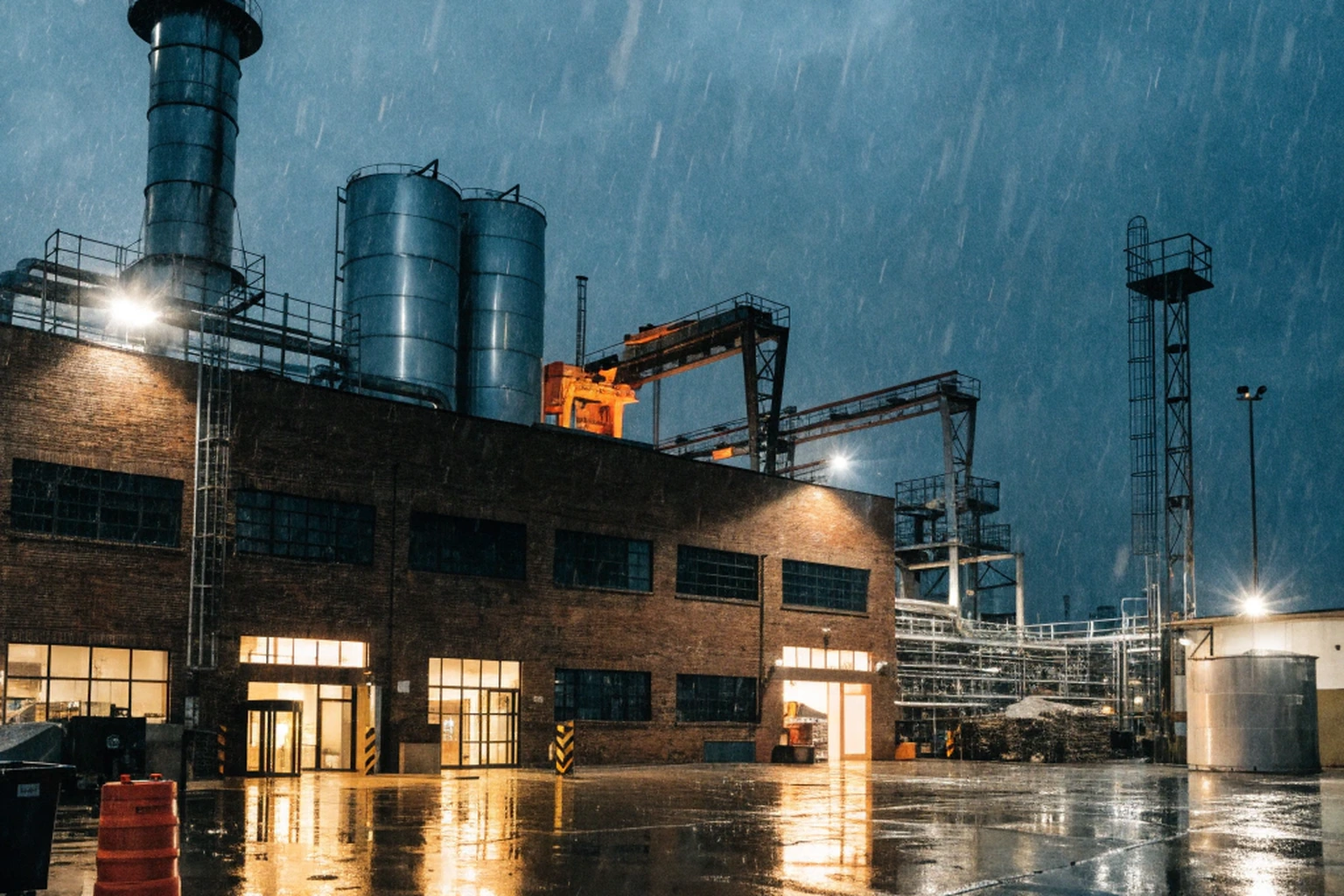
墨西哥有很多汽车工厂。这些工厂生产很多汽车。大众、福特和丰田等公司在这里制造汽车。墨西哥的汽车出口到很多国家。
汽车工业对墨西哥的经济很重要。它给很多人提供工作。墨西哥是世界第七大汽车生产国。这是一个很大的汽车制造中心。
墨西哥的经济因为汽车工业变得更好。
语法聚焦
句型: 有 + 数量词 + 名词 (yǒu + shùliàngcí + míngcí)
"墨西哥有很多汽车工厂。"
这个句型表示“拥有”或“存在”某个东西。 “有”后面可以加数量词和名词,说明有多少个东西,例如“很多”表示数量大。
句型: S + 对 + O + 很 + 形容词 (S + duì + O + hěn + xíngróngcí)
"汽车工业对墨西哥的经济很重要。"
这个句型表示某事物对另一事物的影响或重要性。 “对”后面是被影响的对象,然后是程度副词“很”和形容词,说明程度。
测试你的理解
10 个问题 · A1 初学 · 1 次免费预览
墨西哥:重要的汽车制造国
墨西哥是一个非常重要的汽车制造国。很多汽车公司都在这里生产汽车。从1990年代开始,墨西哥的汽车工业发展得很快。这是因为墨西哥和美国、加拿大有了新的贸易协议。这些协议帮助墨西哥生产更多汽车,然后把它们出口到别的国家。墨西哥的汽车出口量很大。
现在,墨西哥是世界上第七大客车生产国。它也是拉丁美洲最大的汽车生产国。像大众、通用、福特、宝马和丰田这些大公司,都在墨西哥有自己的工厂。这些工厂生产很多汽车,不仅给墨西哥带来了很多钱,也给很多人提供了工作机会。所以,汽车工业对墨西哥的经济非常重要,它是国家经济的“骨干”。
语法聚焦
句型: 因为...所以...
"因为墨西哥和美国、加拿大有了新的贸易协议,所以墨西哥的汽车工业发展得很快。"
“因为...所以...”用来表示原因和结果。它告诉我们一件事情发生的原因是什么,以及由此导致的结果是什么。通常“因为”后面跟原因,“所以”后面跟结果。
句型: 像...这些...
"像大众、通用、福特、宝马和丰田这些大公司,都在墨西哥有自己的工厂。"
“像...这些...”用来列举一些例子,说明一个普遍的类别。它表示“比如”或“例如”这些东西。这个结构可以帮助我们更清楚地说明所指的对象。
测试你的理解
11 个问题 · A2 基础 · 1 次免费预览
测试你从这篇文章中学到的知识。回答所有问题即可获得经验值!
题目详情
从什么时候开始,墨西哥的汽车工业发展得很快?
你的回答:
正确答案: 1990年代
墨西哥的汽车工业发展快是因为新的贸易协议。
你的回答:
正确答案: 正确
“出口”是什么意思?
你的回答:
正确答案: 把本国的产品卖到外国去
墨西哥是世界上第七大客车______国。
你的回答:
正确答案: 生产
汽车工业对墨西哥的经济为什么重要?
你的回答:
正确答案: 因为它出口很多产品,也给很多人工作
墨西哥:全球汽车制造强国
墨西哥的汽车工业不仅仅是一个行业,它更是这个国家工业经济的支柱,也是推动其出口增长的主要动力。从20世纪90年代开始,在北美自由贸易协定(NAFTA)及其后继者美墨加协定(USMCA)实施之后,墨西哥已经转型成为一个全球汽车制造强国。这个国家在全球供应链中扮演着越来越重要的角色。
今天,墨西哥在全球乘用车生产国中排名第七,并且是拉丁美洲最大的汽车生产国。许多国际知名汽车品牌,如大众、通用汽车、福特、宝马和丰田,都在墨西哥设有大型工厂。这些工厂每年生产数百万辆汽车,其中大部分汽车都被出口到美国和其他国家。墨西哥生产的汽车以其高质量和有竞争力的价格而闻名。
由于其优越的地理位置、较低的生产成本以及熟练的劳动力,墨西哥吸引了大量外国投资。汽车零部件的生产也在这里蓬勃发展,形成了一个完整的供应链。这个行业为墨西哥带来了巨大的经济效益。墨西哥政府也通过一些政策支持这个行业的发展,例如提供税收优惠和基础设施建设。
因此,墨西哥在国际汽车市场上扮演着非常重要的角色。它不仅为全球消费者提供了大量高质量的汽车,也为本国创造了数百万个就业机会。墨西哥汽车工业的未来看起来依然充满活力和潜力,预计将继续保持其在全球汽车生产中的领先地位。
语法聚焦
句型: 被 (bèi) 字句 (被动语态)
"其中大部分汽车都被出口到美国和其他国家。"
“被”字句表示被动语态,说明主语是动作的承受者。通常的结构是“主语 + 被 + 施动者(可省略)+ 动词 + 其他成分”。这个句型在中文中很常用,特别是在B1阶段。
句型: “的”字结构作定语 (修饰名词)
"推动其出口增长的主要动力。"
“的”字结构可以用来修饰名词,形成一个定语从句,使句子表达的意思更具体。它的基本结构是“修饰语 + 的 + 中心词”,修饰语可以是词、短语或句子。
测试你的理解
11 个问题 · B1 中级 · 1 次免费预览
测试你从这篇文章中学到的知识。回答所有问题即可获得经验值!
题目详情
根据文章,以下哪项是墨西哥汽车工业对国家经济最重要的作用?
你的回答:
正确答案: 它是工业经济的支柱和出口增长的动力
墨西哥在全球乘用车生产国中排名第七。
你的回答:
正确答案: 正确
“转型”在文章中的意思是什么?
你的回答:
正确答案: 改变原来的形式或发展方向
墨西哥的汽车工业是这个国家工业经济的______。
你的回答:
正确答案: 支柱
墨西哥吸引外国汽车投资的主要原因不包括以下哪项?
你的回答:
正确答案: 高昂的税收
Mexico: An Automotive Manufacturing Titan
When people think of Mexico, they often imagine beautiful beaches, ancient ruins, and a rich cultural heritage. However, in the global economy, Mexico is recognized for something entirely different: its robust industrial capacity. Specifically, the automotive industry has become the backbone of the nation's economy, driving significant growth and development over the last few decades.
Since the implementation of the North American Free Trade Agreement (NAFTA) in the 1990s, and its modern successor, the USMCA, Mexico has transformed into a manufacturing powerhouse. These trade agreements lowered barriers and encouraged foreign investment, allowing Mexico to integrate deeply into the North American supply chain. Consequently, the country is now the seventh-largest producer of passenger vehicles in the world and the undisputed leader in Latin America.
The success of this sector is not accidental; it is the result of strategic planning and geographic advantage. Mexico shares a long border with the United States, the world's largest consumer market. This proximity allows for lower transportation costs and faster delivery times compared to overseas competitors. Furthermore, the country has developed a skilled workforce and a complex infrastructure of suppliers that support major assembly plants.
Global automotive giants have taken notice. Companies such as Volkswagen, General Motors, Ford, BMW, and Toyota have established massive operations within the country. These facilities do not just assemble cars; they are also increasingly involved in engineering and design. The industry is pivotal to Mexico's export strategy, with vehicles and auto parts accounting for a substantial portion of total exports.
Looking ahead, the industry faces a new challenge: the transition to sustainability. As the world shifts towards electric vehicles (EVs), Mexico is adapting quickly. Significant investments are being made to retool factories for EV production, ensuring that the country remains a dominant player in the future of transportation. This evolution demonstrates that Mexico’s automotive sector is not only strong today but is also preparing effectively for the demands of tomorrow.
语法聚焦
句型: 现在完成时 (Present Perfect Simple)
"Specifically, the automotive industry has become the backbone of the nation's economy."
这种时态将过去的动作或状态与现在联系起来。在这里,它用来表明该行业的增长始于过去,并且在今天仍然相关且重要。
句型: 被动语态 (Passive Voice)
"Mexico is recognized for something entirely different."
当重点在于动作本身或动作的接受者(墨西哥),而不是执行动作的人时,就会使用被动语态。这在正式和学术写作中很常见。
句型: 语篇标记 (Discourse Markers)
"Furthermore, the country has developed a skilled workforce."
像 'Furthermore'(此外)这样的语篇标记有助于组织文本。它们向读者发出信号,表明正在添加额外的支持信息到前一个观点中。
测试你的理解
11 个问题 · B2 中高级 · 1 次免费预览
测试你从这篇文章中学到的知识。回答所有问题即可获得经验值!
题目详情
文中指出墨西哥汽车行业成功的主要原因是什么?
你的回答:
正确答案: 战略贸易协定和地理位置
墨西哥目前是世界上最大的乘用车生产国。
你的回答:
正确答案: 错误
文章中的 'pivotal' 是什么意思?
你的回答:
正确答案: 关键的或核心重要的
汽车工业被描述为国家经济的 _____。
你的回答:
正确答案: backbone
哪项协议被提及为北美自由贸易协定 (NAFTA) 的继承者?
你的回答:
正确答案: 美墨加协定 (USMCA)
Gearing Up: Mexico's Ascent as an Automotive Titan
The transformation of Mexico’s economy over the last three decades has been nothing short of remarkable. Once primarily reliant on oil exports and agriculture, the nation has metamorphosed into a global manufacturing powerhouse, with the automotive sector serving as its undisputed cornerstone. It was the implementation of the North American Free Trade Agreement (NAFTA) in the 1990s, and its modern successor the USMCA, that acted as the primary catalyst for this industrial revolution. Rarely has a single policy framework so fundamentally altered the economic trajectory of a developing nation, precipitating a shift from simple assembly to complex, high-value production.
Today, Mexico stands as the seventh-largest producer of passenger vehicles worldwide and the premier manufacturer in Latin America. The sheer scale of operations is staggering; global giants such as Volkswagen, General Motors, Ford, Toyota, and BMW have not merely established outposts but have integrated their Mexican facilities into their core global strategies. This integration goes beyond physical assembly. The burgeoning network of suppliers, clustered particularly in the Bajío region and northern states, has created a dense ecosystem where just-in-time delivery is not an aspiration but a standard operational reality. Had this intricate supply chain not been meticulously cultivated, the sector’s explosive growth would have been severely constrained.
Critically, the perception of Mexico as a destination solely for cheap labour is outdated. While competitive wages remain a lucrative draw for foreign direct investment, it is the technical prowess of the workforce that sustains the industry’s evolution. The government and private sector have collaborated to align higher education with industrial needs, resulting in a steady stream of qualified engineers and technicians. Consequently, multinational corporations are increasingly relocating their Research and Development (R&D) centres to Mexico. No longer are Mexican plants simply assembling parts designed elsewhere; they are now active participants in the design and engineering of next-generation vehicles.
However, the industry faces a significant paradigm shift with the advent of electromobility. The transition to electric vehicles (EVs) demands a radical overhaul of existing infrastructure and manufacturing processes. This pivot requires stringent adherence to new environmental standards and massive capital investment to retool production lines. Yet, the sector has demonstrated remarkable resilience. In the wake of global supply chain disruptions caused by the pandemic, the trend of 'nearshoring'—relocating production closer to the end market—has further bolstered Mexico’s position. Companies eager to mitigate the risks of transoceanic logistics are flocking to Mexico, reinforcing its status as an indispensable partner to the North American market.
Ultimately, the automotive industry in Mexico is a testament to the power of strategic economic integration. The sophistication of its manufacturing capabilities defies the simplistic narratives of the past. As the world moves towards a greener, more automated future, Mexico’s ability to adapt its industrial base will determine whether it remains a passenger in the global economy or continues to drive the vehicle of progress.
语法聚焦
句型: 否定副词倒装 (Inversion with Negative Adverbials)
"Rarely has a single policy framework so fundamentally altered the economic trajectory of a developing nation."
当句子以否定副词(如 'rarely', 'never', 'seldom')开头时,主语和助动词倒装以加强语气。这会营造出更正式和更有戏剧张力的语调。
句型: 分裂句 / 强调句 (Cleft Sentences)
"It was the implementation of the North American Free Trade Agreement (NAFTA)... that acted as the primary catalyst."
分裂句 (It was X that Y) 用于将注意力集中在句子的特定元素上。在这里,它强调正是北美自由贸易协定(NAFTA)——而不是其他东西——起到了主要的催化作用。
句型: 倒装条件句 / 第三条件句 (Inverted Conditional)
"Had this intricate supply chain not been meticulously cultivated, the sector’s explosive growth would have been severely constrained."
在正式英语中,可以通过倒装主语和助动词来省略条件句中的 'if'(例如用 'Had I known' 代替 'If I had known')。这种结构表示一种假设的过去情况。
测试你的理解
12 个问题 · C1 高级 · 1 次免费预览
测试你从这篇文章中学到的知识。回答所有问题即可获得经验值!
题目详情
根据文章,墨西哥工业转型的主要驱动力是什么?
你的回答:
正确答案: 北美自由贸易协定 (NAFTA) 等贸易协定的实施
墨西哥目前是世界上最大的乘用车生产国。
你的回答:
正确答案: 错误
文中 'catalyst' 的意思最接近哪个词?
你的回答:
正确答案: 刺激因素 (Stimulus)
汽车行业被描述为墨西哥制造业经济的 _____。
你的回答:
正确答案: cornerstone
为什么跨国公司将研发中心转移到墨西哥?
你的回答:
正确答案: 因为当地劳动力的技术实力
'burgeoning' 是什么意思?
你的回答:
正确答案: 迅速增长
墨西哥:北美汽车工业的崛起与全球战略地位
毋庸置疑,墨西哥的汽车工业已远非单纯的经济部门,它已然成为该国工业经济的坚实支柱,更是其出口导向型增长模式的核心驱动力。自上世纪九十年代北美自由贸易协定(NAFTA)生效以来,墨西哥便开启了其在全球制造业版图上的转型升级之路,直至今日,它已然蜕变为一个不折不扣的全球汽车制造强国。
揆诸现实,墨西哥目前在全球乘用车生产国中位列第七,同时亦是拉丁美洲地区最大的汽车生产国。福特、通用汽车、大众、宝马、丰田等国际汽车巨擘纷纷在此设立生产基地,其规模之宏大、技术之先进,无不彰显着墨西哥在全球汽车产业链中的关键地位。这种现象并非偶然,而是多重因素协同作用的必然结果。
首先,地理位置得天独厚是其核心优势。墨西哥与美国接壤,这不仅大大缩短了供应链距离,降低了物流成本,更使其能够迅速响应北美市场的需求变化。其次,劳动力成本相对较低且素质日益提升,为汽车制造商提供了极具竞争力的生产要素。再者,政府在税收、基础设施建设及贸易政策方面的持续支持,尤其是北美自由贸易协定及其继任者《美墨加协定》(USMCA)的实施,为外资企业提供了稳定且有利的营商环境,极大地促进了投资涌入。
这种产业集聚效应非但为墨西哥创造了数以百万计的就业岗位,亦带动了相关零部件、物流、技术服务等配套产业的蓬勃发展,形成了强大的产业集群。汽车出口所创造的巨额外汇收入,对稳定墨西哥的宏观经济、提升国民生活水平起到了举足轻重的作用。可以说,汽车工业的兴盛,不啻为墨西哥经济腾飞的强劲引擎。
然而,在全球经济瞬息万变的当下,墨西哥汽车工业亦面临着诸多挑战。地缘政治格局的演变、全球贸易保护主义的抬头以及向电动汽车转型的技术浪潮,都对其未来发展构成了深远影响。倘若墨西哥无法及时调整产业策略,加大对研发和高端制造的投入,并积极拥抱新能源汽车的趋势,则其在全球汽车版图中的优势地位恐将受到侵蚀。
展望未来,墨西哥汽车工业的持续繁荣,有赖于其能否在保持现有竞争力的同时,不断提升其在全球供应链中的附加值。这不仅意味着要吸引更多高技术含量、高附加值的投资,更需致力于培养创新能力,构建更加韧性、更具前瞻性的供应链体系。唯其如此,墨西哥方能巩固其作为北美乃至全球汽车制造业战略要地的地位,续写其工业辉煌篇章。
语法聚焦
句型: 毋庸置疑...
"毋庸置疑,墨西哥的汽车工业已远非单纯的经济部门,它已然成为该国工业经济的坚实支柱。"
“毋庸置疑”是一个 C2 级别常用的成语,意为“不必怀疑,事实清楚”。它常置于句首,用于强调某个事实或观点是显而易见的、不容置辩的,具有很强的肯定语气,常用于正式或学术语境中。
句型: 倘若...则...
"倘若墨西哥无法及时调整产业策略,加大对研发和高端制造的投入,并积极拥抱新能源汽车的趋势,则其在全球汽车版图中的优势地位恐将受到侵蚀。"
“倘若...则...”是一种高级的假设句式,其中“倘若”表示“如果”,用于提出假设条件;“则”则引出在假设条件成立时会产生的结果。这种结构比简单的“如果...就...”更具书面语色彩,常用于表达较为严肃或复杂的条件与结果关系,带有一定的推测或警告意味。
句型: 非但...亦...
"这种产业集聚效应非但为墨西哥创造了数以百万计的就业岗位,亦带动了相关零部件、物流、技术服务等配套产业的蓬勃发展。"
“非但...亦...”是“不但...而且...”的升级版,表达递进关系,强调不仅如此,还有更进一步的情况。“非但”意为“不只”,通常用于否定后接肯定;“亦”意为“也”,表示并列或递进。这种结构使语篇更具严谨性和正式感,适用于 C2 级别的书面表达。
测试你的理解
12 个问题 · C2 精通 · 1 次免费预览
测试你从这篇文章中学到的知识。回答所有问题即可获得经验值!
题目详情
根据文章,以下哪一项不是墨西哥汽车工业崛起的核心优势?
你的回答:
正确答案: 国内市场需求旺盛
文章指出,墨西哥目前是全球最大的乘用车生产国。
你的回答:
正确答案: 错误
“蜕变”在文中的含义最接近以下哪项?
你的回答:
正确答案: 发生根本性转变,变得更好
汽车出口所创造的巨额外汇收入,对稳定墨西哥的宏观经济、提升国民生活水平起到了_____的作用。
你的回答:
正确答案: 举足轻重
文章认为,墨西哥汽车工业未来发展面临的挑战不包括以下哪项?
你的回答:
正确答案: 国内汽车消费能力不足
《美墨加协定》的实施对墨西哥汽车工业的投资涌入起到了积极作用。
你的回答:
正确答案: 正确

