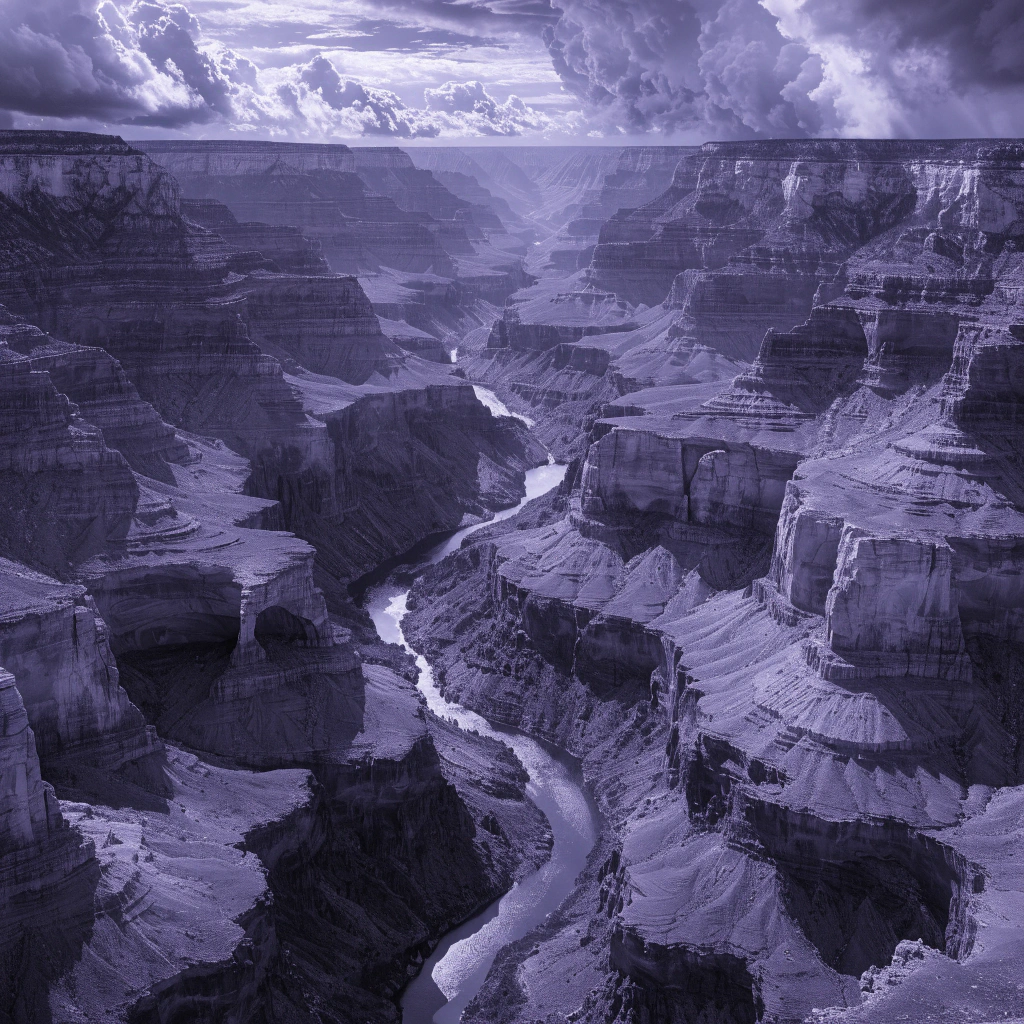
美国大峡谷
大峡谷在美国。它是一个非常有名和美丽的地方。很多人喜欢去大峡谷看。
大峡谷很大。它有很深的河谷和很多颜色的石头。一条大河在这里流过。这条河叫科罗拉多河。河水流了很多年,形成了大峡谷。
在大峡谷,你可以看到红色的山和绿色的树。天气好的时候,景色非常漂亮。这是一个很棒的公园,欢迎大家来这里玩。
语法聚焦
句型: 是 (shì) - 是 (to be)
"大峡谷在美国。它是一个非常有名和美丽的地方。"
“是”是汉语中最基本的动词之一,表示“是”或“等于”。它用来连接主语和它的身份、性质或类别。在A1级别,你常用“是”来介绍事物或描述它们是什么。
句型: 有 (yǒu) - 有 (to have; there is/are)
"它有很深的河谷和很多颜色的石头。"
“有”表示拥有某个东西,或者某个地方存在某个东西。在A1级别,你可以用“有”来描述一个地方有什么,或者一个人有什么东西。
美丽的美国大峡谷
大峡谷在美国的亚利桑那州。它是一个非常大的国家公园,也是世界上最有名的地方之一。很多人都知道大峡谷,因为它非常美丽和壮观。
大峡谷已经有很长的历史了。科罗拉多河用了很长时间,大概有几百万年,才慢慢地把它变成了现在的样子。在这里,你可以看到很多层不同颜色的岩石。这些颜色有红色、黄色和棕色,它们看起来很特别,像一幅巨大的画。
每年,有很多游客从世界各地来这里参观。他们喜欢看大峡谷的风景,觉得它非常美丽。你可以在峡谷边上往下看,也可以走下去,感受它的巨大。这是一个很特别的自然公园,因为它的景色非常独特。来这里,你会看到地球有多么神奇,它真是太棒了!
语法聚焦
句型: 因为...所以...
"很多人都知道大峡谷,因为它非常美丽和壮观。"
“因为”和“所以”是一对常用的连词,用来表示原因和结果。 “因为”放在原因前面,“所以”放在结果前面。在A2级别,它们可以帮助你连接两个简单的句子,说明事情发生的原因和结果。
句型: 是...的
"科罗拉多河用了很长时间,大概有几百万年,才慢慢地把它变成了现在的样子。"
“是...的”结构可以强调动作发生的时间、地点、方式或执行者。在这个句子中,它强调了“变成现在样子”是经过“很长时间”才完成的。这个结构常用于强调已经发生的事情的细节。
测试你的理解
11 个问题 · A2 基础 · 1 次免费预览
测试你从这篇文章中学到的知识。回答所有问题即可获得经验值!
题目详情
大峡谷在哪里?
你的回答:
正确答案: 在美国的亚利桑那州
大峡谷只有一种颜色。
你的回答:
正确答案: 错误
“游客”是什么意思?
你的回答:
正确答案: 去一个地方看风景或玩的人
大峡谷是一个非常大的_______公园。
你的回答:
正确答案: 国家
文章说大峡谷为什么有名?
你的回答:
正确答案: 因为它非常美丽和壮观
美国大峡谷国家公园:地球的壮丽时间线
美国大峡谷国家公园位于亚利桑那州北部,是地球上最著名的自然奇观之一。这个巨大的峡谷被科罗拉多河水经过至少六百万年的时间慢慢雕刻而成。它长约446公里,宽约29公里,最深的地方超过1.8公里。大峡谷不仅仅是一个壮丽的自然景观,它还是一本记录着地球历史的“活”书,向我们展示了地球地壳的演变过程。
在大峡谷的陡峭峭壁上,我们可以看到许多不同颜色的岩石层。这些暴露出来的岩石层就像地球地壳的垂直时间线,每一层都讲述着地球过去的故事。例如,有石灰岩、砂岩和板岩,它们记录了从20亿年前到2.5亿年前的地质变化。这些独特的景观每年都吸引了数百万来自世界各地的游客。许多游客都被这里宏伟的景色深深吸引。
游客们可以在大峡谷进行多种多样的活动。比如,他们可以沿着峡谷边缘的步道散步,欣赏日出和日落时峡谷颜色的变化。许多人会选择徒步走到峡谷底部,感受它的深度和广阔,或者乘坐直升机从空中俯瞰整个大峡谷。无论选择哪种方式,大峡谷的宏伟和美丽都会给人们留下深刻的印象。它提醒我们大自然的力量是多么伟大。许多人参观后都表示,大峡谷是他们迄今为止见过的最令人惊叹的地方。这个公园不仅是一个自然景点,更是一个值得我们去探索和学习的宝库。
语法聚焦
句型: 被 (bèi) + 动词 (passive voice)
"这个巨大的峡谷被科罗拉多河水经过至少六百万年的时间慢慢雕刻而成。"
“被”字句表示被动语态,说明主语是动作的承受者。它的基本结构是:主语 + 被 + 施动者(可选)+ 动词 + 其他成分,用来强调动作作用的对象。
句型: 的 (de) 用于定语从句
"这些暴露出来的岩石层就像地球地壳的垂直时间线。"
“的”字结构常用于修饰名词,形成定语从句。它把描述性的短语放在名词前面,用来具体说明名词的特征或属性,结构是:修饰语 + 的 + 名词。
测试你的理解
11 个问题 · B1 中级 · 1 次免费预览
测试你从这篇文章中学到的知识。回答所有问题即可获得经验值!
题目详情
大峡谷位于美国的哪个州?
你的回答:
正确答案: 亚利桑那州
大峡谷是由河流雕刻而成的。
你的回答:
正确答案: 正确
“宏伟”的意思是什么?
你的回答:
正确答案: 非常大和壮丽
大峡谷不仅仅是一个壮丽的自然景观,它还是一本记录着地球历史的“活”____。
你的回答:
正确答案: 书
游客在大峡谷可以进行哪些活动?
你的回答:
正确答案: 以上都是
The Grand Canyon: A Geological Masterpiece and Cultural Icon
Nestled in the high desert of northern Arizona, the Grand Canyon National Park stands as a testament to the sheer power of natural forces. Often cited as one of the seven natural wonders of the world, this immense chasm was carved over millions of years by the relentless flow of the Colorado River. While it is primarily celebrated for its breathtaking vistas, the canyon serves as a vertical timeline of the Earth's history, revealing nearly two billion years of geological evolution through its exposed layers of ancient rock.
Despite its arid appearance, the canyon supports a surprisingly diverse ecosystem. From the scorching depths of the inner gorge to the lush forests of the North Rim, various species have adapted to the unique microclimates found within. However, the park is not merely a biological or geological marvel; it is also a site of profound cultural significance. For centuries, indigenous tribes have inhabited the region, considering the canyon a sacred landscape. Their enduring connection to the land provides a vital perspective on human interaction with nature.
In the modern era, the Grand Canyon faces a delicate balancing act. As millions of tourists flock to its overlooks annually, the National Park Service must manage the environmental impact of such high-volume visitation. Issues such as water scarcity, noise pollution from air tours, and the preservation of historical artifacts are constantly being addressed. Furthermore, if the current trends of climate change continue, the region's fragile water resources could be significantly compromised.
Moreover, the canyon has long been a subject of scientific inquiry. Geologists continue to debate the exact age of the canyon's formation, with some arguing that parts of it are much older than the generally accepted six million years. Such academic discourse highlights the ongoing fascination with this natural wonder. To visit the Grand Canyon is to confront the vastness of time and the intricate beauty of our planet. Ultimately, it remains an indispensable resource for both education and inspiration, necessitating our collective commitment to its preservation for future generations.
语法聚焦
句型: Passive Voice (Past Simple)
"this immense chasm was carved over millions of years by the relentless flow of the Colorado River."
The passive voice is used here because the focus is on the canyon (the object) rather than the river (the agent). It is formed using the verb 'to be' plus the past participle.
句型: Present Perfect Simple
"indigenous tribes have inhabited the region, considering the canyon a sacred landscape."
This tense connects the past to the present, indicating that the tribes began living there in the past and still do. It is formed using 'have/has' + past participle.
句型: First Conditional
"if the current trends of climate change continue, the region's fragile water resources could be significantly compromised."
This structure is used to talk about possible future events and their results. It uses 'if' + present simple, followed by a modal verb like 'could' or 'will'.
测试你的理解
11 个问题 · B2 中高级 · 1 次免费预览
测试你从这篇文章中学到的知识。回答所有问题即可获得经验值!
What primary geological force is responsible for creating the Grand Canyon?
题目详情
What primary geological force is responsible for creating the Grand Canyon?
你的回答:
正确答案: The Colorado River
The Grand Canyon contains rock layers that represent nearly two billion years of Earth's history.
你的回答:
正确答案: 正确
What does the word 'arid' mean in the context of the article?
你的回答:
正确答案: Very dry
For centuries, indigenous tribes have considered the canyon a _____ landscape.
你的回答:
正确答案: sacred
What is one of the modern challenges mentioned regarding park management?
你的回答:
正确答案: High-volume visitation and tourism
The Stratified Silence: A Geological and Existential Inquiry into the Grand Canyon
It is within the stratified rock of the Grand Canyon that the Earth’s autobiography is most eloquently written. Located in the high desert of northern Arizona, this immense chasm is not merely a scenic vista but a vertical timeline of the Earth's crust. The persistent incision of the Colorado River, which has flowed for at least six million years, has exposed layers of limestone, sandstone, and shale that date back nearly two billion years. Seldom does a landscape provide such an unfiltered glimpse into the primordial history of our planet, offering a visceral reminder of the transience of human existence in the face of geological time.
The sheer scale of the canyon—stretching 277 miles in length and reaching depths of over a mile—defies easy categorisation. From a scientific perspective, the canyon is a masterclass in erosion and plate tectonics. The uplift of the Colorado Plateau, combined with the relentless energy of the river, created the perfect conditions for this deep carving. However, the aesthetic and existential impact is perhaps even more profound. The juxtaposition of the ancient, immovable stone against the ephemeral shifts in light and shadow at sunset creates a visual spectacle that has captivated explorers and indigenous populations for millennia. For the Hopi and Navajo nations, the canyon is not a mere geological curiosity but a sacred space imbued with ancestral significance.
Yet, the commercialisation of this natural wonder presents a profound quandary for those tasked with its stewardship. As tourism numbers swell, the dichotomy between ensuring accessibility and maintaining ecological integrity becomes increasingly stark. Anthropogenic influences, ranging from air pollution affecting visibility to the depletion of water resources, threaten the delicate balance of the canyon’s ecosystems. Critical analysis of current management strategies suggests that while tourism provides essential funding for conservation, the resultant footprint may be undermining the very environment it seeks to celebrate.
Furthermore, the discourse surrounding the Grand Canyon often oscillates between romanticism and pragmatism. While poets and painters attempt to capture its 'sublime' nature, urban planners and environmentalists must grapple with the logistical reality of millions of annual visitors. The nominalisation of geological processes into a 'tourist attraction' risks stripping the site of its raw, chaotic power. Ultimately, the Grand Canyon serves as a mirror; it reflects our capacity for awe, our desire to document the infinite, and our ongoing struggle to coexist with a world that operates on a timescale far beyond our own comprehension.
语法聚焦
句型: Cleft Sentences
"It is within the stratified rock of the Grand Canyon that the Earth’s autobiography is most eloquently written."
This structure uses 'It is... that' to emphasize the location (the stratified rock) as the most important part of the information. It adds a sophisticated, literary tone to the writing.
句型: Inversion
"Seldom does a landscape provide such an unfiltered glimpse into the primordial history of our planet."
Negative or restrictive adverbs like 'seldom' are placed at the beginning for emphasis, followed by the auxiliary verb and then the subject. This is common in formal C1-level academic and descriptive prose.
句型: Nominalisation
"The commercialisation of this natural wonder presents a profound quandary for those tasked with its stewardship."
The verb 'commercialise' is turned into the noun 'commercialisation'. This allows the writer to discuss complex concepts as abstract objects, making the text more concise and academic.
测试你的理解
12 个问题 · C1 高级 · 1 次免费预览
测试你从这篇文章中学到的知识。回答所有问题即可获得经验值!
What is the primary tension discussed in the third paragraph?
题目详情
What is the primary tension discussed in the third paragraph?
你的回答:
正确答案: The conflict between tourist access and environmental preservation.
The article suggests that the Grand Canyon's rock layers represent nearly two billion years of history.
你的回答:
正确答案: 正确
What does 'ephemeral' mean in the context of the article?
你的回答:
正确答案: Brief and fleeting.
The _____ of geological processes into a 'tourist attraction' might diminish its raw power.
你的回答:
正确答案: nominalisation
According to the text, how do the Hopi and Navajo view the Grand Canyon?
你的回答:
正确答案: As a sacred ancestral space.
Tourism provides no benefits to the canyon, only ecological damage.
你的回答:
正确答案: 错误
The Grand Canyon: A Vertical Chronicle of Deep Time and Geomorphological Sublimity
The Grand Canyon of Arizona is not merely a topographical incision in the Earth’s crust; it is an ontological challenge to our perception of time and space. As a profound testament to the relentless, erosive power of the Colorado River, the canyon serves as a vertical chronicle of geological epochs, revealing secrets hidden for aeons. To gaze upon its vast, polychromatic vistas is to confront the terrifyingly brief nature of human existence against the backdrop of deep time. Were one to traverse the depth of the canyon, one would essentially be descending through billions of years of petrological history, encountering the Great Unconformity—a temporal lacuna where hundreds of millions of years of rock are conspicuously absent, lost to the vagaries of erosion or tectonic shifts.
The canyon’s formation, while ostensibly simple in its fluvial mechanism, remains a subject of intense academic debate within the geomorphological community. Scholars posit that the modern canyon took shape approximately five to six million years ago, yet this assertion is frequently tempered by the existence of paleocanyons that may significantly predate this era. Such hedging is necessary, for the stratigraphy of the region is as complex as it is ancient. The Vishnu Basement Rocks, comprising the oldest layers at the canyon’s floor, date back nearly two billion years, providing a stark juxtaposition with the relatively youthful Kaibab Limestone crowning the rim. This verticality allows for a unique cross-section of the Earth's crust, offering a visual representation of the Proterozoic and Paleozoic eras that is virtually unparalleled elsewhere on the globe.
Beyond its geological significance, the Grand Canyon represents a confluence of diverse ecosystems, acting as a biological refuge for a plethora of species. From the arid, desert scrub of the inner canyon to the subalpine forests of the North Rim, the park encompasses a myriad of life zones. This biodiversity is maintained through a delicate equilibrium, one increasingly threatened by anthropogenic factors such as water diversion, pollution, and climate-induced shifts in precipitation patterns. It is imperative that conservation efforts be bolstered lest this ecological treasure succumb to the pressures of modernity. The introduction of invasive species and the alteration of the river’s temperature by upstream dams have already fundamentally shifted the riparian habitat, necessitating a paradigm shift in how we approach environmental stewardship in such a fragile landscape.
Furthermore, the human narrative of the canyon is inextricably linked to the indigenous peoples who have inhabited the region for millennia. For tribes such as the Havasupai, Hopi, and Navajo, the canyon is not a "wilderness" to be conquered or a mere aesthetic object, but a sacred ancestral home imbued with spiritual significance. Their stewardship reflects a symbiotic relationship with the land, a stark contrast to the early European explorers who perceived the chasm as an insurmountable obstacle or a resource to be exploited. The tension between preservation, cultural recognition, and mass tourism today echoes these historical shifts in perception. It is argued that any comprehensive understanding of the canyon must integrate these indigenous perspectives, moving beyond a purely Eurocentric scientific framework.
In conclusion, the Grand Canyon serves as a monumental memento mori, reminding us of the ephemeral nature of our species and the enduring legacy of the natural world. Its sheer scale and complexity defy linguistic encapsulation, rendering the philosophical concept of the 'sublime' tangible. Whether viewed through the lens of geomorphology, ecology, or cultural history, the canyon remains an unparalleled laboratory of the natural world. It demands not only our intellectual curiosity but also a profound respect for the processes that shape our planet. As we stand on the precipice of an uncertain environmental future, the canyon stands as a silent witness to the passage of time, urging us to consider our role in the grander tapestry of Earth's history.
语法聚焦
句型: The Subjunctive Mood
"It is imperative that conservation efforts be bolstered..."
The subjunctive mood is used in 'that' clauses following verbs or adjectives of necessity or urgency. In this structure, the base form of the verb (be) is used regardless of the subject.
句型: Inverted Conditional (Second Conditional)
"Were one to traverse the depth of the canyon..."
This is a formal alternative to 'If one were to traverse'. Inverting the subject and the verb 'were' makes the sentence more literary and academic in tone.
句型: Academic Hedging
"Scholars posit that the modern canyon took shape approximately five to six million years ago, yet this assertion is frequently tempered by the existence of paleocanyons that may significantly predate this era."
Hedging involves using cautious language (e.g., 'posit', 'tempered by', 'may') to avoid making over-generalized or absolute claims, which is essential in scholarly writing.
测试你的理解
12 个问题 · C2 精通 · 1 次免费预览
测试你从这篇文章中学到的知识。回答所有问题即可获得经验值!
What does the author suggest the Grand Canyon challenges in humans?
题目详情
What does the author suggest the Grand Canyon challenges in humans?
你的回答:
正确答案: Our perception of time and space
The 'Great Unconformity' refers to a section of rock where millions of years of history are missing.
你的回答:
正确答案: 正确
What does 'anthropogenic' mean in the context of the article?
你的回答:
正确答案: Caused by human activity
It is _____ that conservation efforts be bolstered to protect the ecosystem.
你的回答:
正确答案: imperative
How do indigenous perspectives on the canyon differ from early European explorers?
你的回答:
正确答案: Indigenous people viewed it as a sacred home, while Europeans saw it as an obstacle.
The oldest rocks in the canyon are located at the top of the rim.
你的回答:
正确答案: 错误

