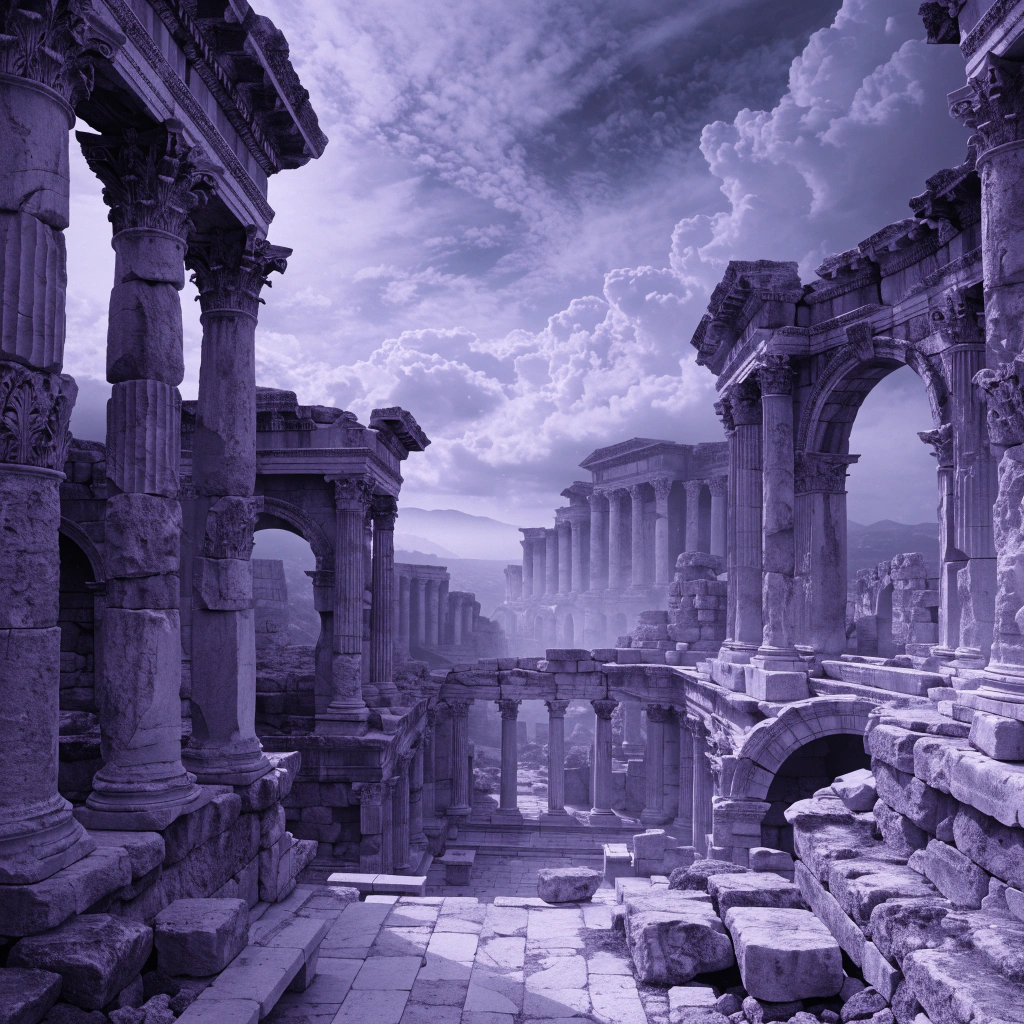
The Old City of Ephesus
Ephesus is a very old city in Turkey. It is near the sea. Today, many people visit this place. It is famous. Long ago, Ephesus was very big. More than 250,000 people lived here. There is a large library and a big theater. The library is beautiful. You can see many white stones and old buildings. It is a great place for a holiday. Turkey is a very interesting country. Visitors like to walk on the old streets.
تسليط الضوء على القواعد
نمط: Present Simple (be)
"Ephesus is a very old city in Turkey."
We use 'is' with singular subjects like 'Ephesus' to describe facts or states. It connects the subject to a description.
نمط: There is / There are
"There is a large library and a big theater."
We use 'There is' followed by a singular noun to say that something exists in a place. It is a common way to describe a location.
اختبر فهمك
10 أسئلة · A1 مبتدئ · معاينة مجانية واحدة
اختبر ما تعلمته من هذا المقال. أجب على جميع الأسئلة لكسب نقاط خبرة!
Where is Ephesus located?
هل تريد إنهاء الاختبار؟
9 أسئلة أخرى بانتظارك. سجّل مجاناً لفتح الاختبار الكامل وكسب نقاط خبرة!
سجل مجاناًلديك حساب بالفعل؟ دخول
تفصيل الأسئلة
Where is Ephesus located?
إجابتك:
الإجابة الصحيحة: In Turkey
Ephesus is a new city.
إجابتك:
الإجابة الصحيحة: خطأ
What does 'famous' mean?
إجابتك:
الإجابة الصحيحة: Well-known by many people
There is a large _____ and a big theater.
إجابتك:
الإجابة الصحيحة: library
Ephesus: A Great Ancient City
Ephesus is a very old city in Turkey. It is near the town of Selçuk. A long time ago, it was a famous port city. It was the second most important city in the Roman Empire. Only Rome was bigger and more powerful.
More than 250,000 people lived there in the first and second centuries. They were very rich because Ephesus was a center for trade. People from many countries came to buy and sell things. It was also a famous place for philosophy and learning.
One of the Seven Wonders of the Ancient World was in Ephesus. It was the Temple of Artemis. It was very large and beautiful. Today, only one column remains, but many tourists still visit the site.
Visitors can walk on the old streets today. They can see the Library of Celsus and a big theater. The theater was bigger than most modern stadiums. Ephesus is an amazing place because it tells us about history.
تسليط الضوء على القواعد
نمط: Past Simple (Regular and Irregular)
"More than 250,000 people lived there in the first and second centuries."
We use the past simple to talk about finished actions in the past. Regular verbs end in -ed (lived), while irregular verbs (came, was) have special forms.
نمط: Comparatives
"The theater was bigger than most modern stadiums."
We use 'adjective + er + than' to compare two things. For short words like 'big', we double the last letter before adding 'er'.
اختبر فهمك
11 أسئلة · A2 ابتدائي · معاينة مجانية واحدة
اختبر ما تعلمته من هذا المقال. أجب على جميع الأسئلة لكسب نقاط خبرة!
Where is the ancient city of Ephesus located?
هل تريد إنهاء الاختبار؟
10 أسئلة أخرى بانتظارك. سجّل مجاناً لفتح الاختبار الكامل وكسب نقاط خبرة!
سجل مجاناًلديك حساب بالفعل؟ دخول
تفصيل الأسئلة
Where is the ancient city of Ephesus located?
إجابتك:
الإجابة الصحيحة: In Turkey
Ephesus was the most important city in the Roman Empire.
إجابتك:
الإجابة الصحيحة: خطأ
What does 'ancient' mean?
إجابتك:
الإجابة الصحيحة: Very old
Ephesus was a center for ______, so many people came to buy and sell things.
إجابتك:
الإجابة الصحيحة: trade
How many people lived in Ephesus at its peak?
إجابتك:
الإجابة الصحيحة: 250,000
Exploring the Ancient Wonders of Ephesus
Ephesus, which is located near the town of Selçuk in Turkey, is one of the most famous archaeological sites in the world. In ancient times, it was a busy port city and the second most important city in the Roman Empire after Rome itself. More than 250,000 people lived there during its peak in the 1st and 2nd centuries AD. It was a place where trade and philosophy were very important for the community.
Many incredible buildings have been preserved for centuries. One of the most beautiful structures is the Library of Celsus. This library was built to store thousands of scrolls and to serve as a tomb for a Roman senator. Another impressive site is the Great Theatre, which could hold 25,000 spectators. This theatre was used for drama and gladiator fights. Walking through these ruins, visitors can imagine what life was like thousands of years ago.
The city is also famous because it was home to the Temple of Artemis. This temple was known as one of the Seven Wonders of the Ancient World. Unfortunately, only a single column has remained until today, but the site still feels magical. It shows how much the city has changed over time.
Ephesus has been studied by historians for many years. Today, it is protected as a UNESCO World Heritage site. Millions of tourists visit every year to walk on the ancient marble streets. Although the sea has moved away from the city over time, the ruins still show how powerful and wealthy Ephesus used to be. It is a place that has captured the imagination of travelers for generations.
تسليط الضوء على القواعد
نمط: Relative Clauses
"Ephesus, which is located near the town of Selçuk in Turkey, is one of the most famous archaeological sites in the world."
Relative clauses use 'which', 'who', or 'that' to give more information about a noun. In this sentence, 'which' provides extra details about the location of Ephesus.
نمط: Passive Voice
"Many incredible buildings have been preserved for centuries."
The passive voice is used when the focus is on the action or the object rather than the person doing it. It is formed using 'be' + past participle.
اختبر فهمك
11 أسئلة · B1 متوسط · معاينة مجانية واحدة
اختبر ما تعلمته من هذا المقال. أجب على جميع الأسئلة لكسب نقاط خبرة!
Which city was more important than Ephesus in the Roman Empire?
هل تريد إنهاء الاختبار؟
10 أسئلة أخرى بانتظارك. سجّل مجاناً لفتح الاختبار الكامل وكسب نقاط خبرة!
سجل مجاناًلديك حساب بالفعل؟ دخول
تفصيل الأسئلة
Which city was more important than Ephesus in the Roman Empire?
إجابتك:
الإجابة الصحيحة: Rome
The Great Theatre could hold up to 50,000 people.
إجابتك:
الإجابة الصحيحة: خطأ
What does 'ancient' mean?
إجابتك:
الإجابة الصحيحة: From the distant past
The Great Theatre was used for drama and gladiator _____.
إجابتك:
الإجابة الصحيحة: fights
What is the Library of Celsus used for today in the article's context?
إجابتك:
الإجابة الصحيحة: It is a preserved ruin and tomb
The Grandeur of Ephesus: A Window into Roman Civilization
Nestled on the western coast of modern-day Turkey, the ancient city of Ephesus stands as a monumental testament to the grandeur of the Roman Empire. Once a thriving metropolis, it served as a pivotal commercial and cultural bridge between the East and the West. At its zenith during the 1st and 2nd centuries AD, Ephesus was home to approximately 250,000 residents, making it one of the largest and most influential urban centers in the Mediterranean world.
The architectural brilliance of Ephesus is perhaps best exemplified by the Library of Celsus. Completed in 117 AD, this structure was not merely a repository for thousands of scrolls but also served as a monumental tomb for Gaius Julius Celsus Polemaeanus. Its intricate facade, which has been meticulously restored by archaeologists, continues to captivate visitors with its symbolic statues representing wisdom, virtue, and intelligence. Furthermore, the Great Theatre, capable of seating 25,000 spectators, illustrates the city’s vibrant social life, having hosted both dramatic performances and intense gladiatorial contests.
However, the significance of Ephesus extended far beyond its aesthetic appeal. It was a spiritual epicenter, housing the Temple of Artemis, which was celebrated as one of the Seven Wonders of the Ancient World. Although only a solitary column remains today, the temple's historical impact remains undeniable. The city's prosperity was largely dependent on its strategic harbor; however, as the centuries progressed, the Cayster River gradually silted up the port. This environmental shift, coupled with devastating earthquakes and changing trade routes, eventually led to the city's decline and ultimate abandonment.
Today, Ephesus is recognized as a UNESCO World Heritage site, offering invaluable insights into Greco-Roman urban planning and daily life. Walking through its marble-paved streets, one cannot help but reflect on the transient nature of even the most powerful civilizations. For modern scholars and tourists alike, Ephesus remains an enduring symbol of a bygone era that continues to shape our understanding of classical antiquity. Its preservation allows us to analyze how ancient societies managed urban growth and environmental challenges, providing lessons that remain relevant even in the contemporary world.
تسليط الضوء على القواعد
نمط: Passive Voice for Formal Description
"The architectural brilliance of Ephesus is perhaps best exemplified by the Library of Celsus."
In formal or academic writing, the passive voice is often used to emphasize the object or the action rather than the subject. It is formed using a form of the verb 'to be' followed by a past participle.
نمط: Participial Phrases as Sentence Openers
"Once a thriving metropolis, it served as a pivotal commercial and cultural bridge..."
This structure provides background information about the subject in a concise way. The phrase describes the noun that immediately follows the comma, allowing for more complex sentence structures.
نمط: Modal Verbs for Logical Conclusion
"one cannot help but reflect on the transient nature of even the most powerful civilizations."
The phrase 'cannot help but' is a formal way to express that an action or feeling is unavoidable or inevitable. It is used here to emphasize the emotional impact of the site.
اختبر فهمك
11 أسئلة · B2 فوق المتوسط · معاينة مجانية واحدة
اختبر ما تعلمته من هذا المقال. أجب على جميع الأسئلة لكسب نقاط خبرة!
What was the primary environmental cause of the decline of Ephesus?
هل تريد إنهاء الاختبار؟
10 أسئلة أخرى بانتظارك. سجّل مجاناً لفتح الاختبار الكامل وكسب نقاط خبرة!
سجل مجاناًلديك حساب بالفعل؟ دخول
تفصيل الأسئلة
What was the primary environmental cause of the decline of Ephesus?
إجابتك:
الإجابة الصحيحة: The silting of its harbor
Ephesus was the largest city in the Roman Empire during its peak.
إجابتك:
الإجابة الصحيحة: خطأ
What does 'zenith' mean in the context of the article?
إجابتك:
الإجابة الصحيحة: The highest point or peak of success
The Library of Celsus was not just for books; it was also a _____ for Gaius Julius Celsus Polemaeanus.
إجابتك:
الإجابة الصحيحة: tomb
How many people could the Great Theatre of Ephesus hold?
إجابتك:
الإجابة الصحيحة: 25,000
أفسس: مدينة الأباطرة والفلاسفة وشاهدة على عظمة الحضارة الرومانية
تُعدُّ أفسس، الواقعة على مقربة من مدينة سلجوق الحديثة على الساحل الأيجي لتركيا، من أروع الشواهد الحية على عظمة الحضارات القديمة. فقد كانت هذه المدينة الساحلية الصاخبة، في أوج ازدهارها، ثاني أهم مدن الإمبراطورية الرومانية بعد روما نفسها، ومحورًا لا غنى عنه للتجارة والفلسفة في العالم القديم. وما من زائر اليوم إلا ويُذهل من حجم الإنجازات المعمارية والهندسية التي تحكي قصصًا عن مجد غابر وعن حضارة تركت بصماتها الخالدة على وجه التاريخ.
بلغت أفسس ذروة مجدها خلال القرنين الأول والثاني الميلاديين، حيث احتضنت أكثر من ربع مليون نسمة، ما جعلها مركزًا سكانيًا وتجاريًا وثقافيًا لا يُضاهى. لم تكن المدينة مجرد ميناء مزدهر، بل كانت بوتقة تنصهر فيها الأفكار والفلسفات المختلفة، وملتقى للعلماء والتجار والفنانين من شتى أصقاع العالم. ولعل ما يميزها، فضلاً عن موقعها الاستراتيجي، هو التخطيط العمراني المُتقن الذي يعكس رؤية حضارية متقدمة، وهو ما يتجلى بوضوح في شوارعها المرصوفة ومبانيها الشاهقة.
من أبرز معالمها التي ما فتئت تُثير الإعجاب، وإن لم يبقَ منها سوى عمود واحد شامخ، معبد أرتميس الذي كان يُصنف ضمن عجائب الدنيا السبع القديمة. كان المعبد تحفة معمارية بكل المقاييس، يرمز إلى قوة المدينة وثراءها الروحي والمادي. أما مكتبة سيلسوس، فتقف شامخة اليوم كأيقونة لأفسس، بتصميمها الباذخ وواجهتها المزخرفة، لتشهد على شغف أهلها بالعلم والمعرفة. إنه لَمَشهدٌ عظيم أن تتخيل آلاف المخطوطات التي كانت تُحفظ بين جدرانها، والتي ربما كانت تحوي كنوزًا من الحكمة ضاعت مع مرور الزمن.
لا تقتصر روعة أفسس على هذين المعلمين فحسب، بل تمتد لتشمل المسرح الكبير الذي كان يتسع لعشرات الآلاف من المتفرجين، والأوديون، ومنازل التلال الفاخرة التي تُعطي لمحة عن الحياة اليومية للأثرياء. ولأفسس أهمية دينية جليلة أيضًا، إذ كانت مركزًا مبكرًا للمسيحية، حيث يُعتقد أن القديس بولس قد عاش وعمل فيها، وأن السيدة مريم العذراء قد قضت سنواتها الأخيرة في منزل قريب منها، وهو ما يضفي عليها طابعًا روحيًا فريدًا يجعلها مقصدًا للحجاج من مختلف بقاع العالم.
بيد أن دوام الحال من المحال، فمع تبدل مسارات التجارة وامتلاء مينائها بالغرين، إضافة إلى الزلازل المتكررة، بدأت أفسس في الانحدار التدريجي ابتداءً من القرن الثالث الميلادي. وما لبثت أن فقدت بريقها لتتحول إلى مجرد أطلال تُروى عنها الحكايات. غير أن هذه الأطلال، التي تُصنف اليوم ضمن مواقع التراث العالمي لليونسكو، لم تفقد قدرتها على إلهامنا. إنها تقف كشاهد صامت على صعود وسقوط الإمبراطوريات، وتذكير دائم بأن لا شيء يدوم سوى الأثر الطيب للعلم والفن والعمارة.
تسليط الضوء على القواعد
نمط: المصدر المؤول من 'أن' والفعل المضارع
"إنه لَمَشهدٌ عظيم **أن تتخيل** آلاف المخطوطات التي كانت تُحفظ بين جدرانها."
يُستخدم المصدر المؤول (أن + الفعل المضارع) لتحويل الجملة الفعلية إلى ما يشبه الاسم، فيُعرب حينها حسب موقعه في الجملة. في هذا المثال، 'أن تتخيل' في محل رفع فاعل للفعل 'لَمَشهدٌ عظيم'، أي 'تخيُّلُك آلاف المخطوطات'.
نمط: أسلوب الاستثناء بـ 'ما... إلا'
"وما من زائر اليوم **إلا ويُذهل** من حجم الإنجازات المعمارية والهندسية."
يُستخدم هذا الأسلوب للتأكيد على الحصر والنفي، حيث ينفي ما قبل 'إلا' ويؤكد ما بعدها. هنا، الجملة تعني أن كل زائر يرى هذه الإنجازات لا بد أن يُذهل بها، ولا يوجد زائر لا يُذهل.
نمط: أفعال المقاربة والرجاء والشروع (كاد وأخواتها)
"من أبرز معالمها التي **ما فتئت تُثير** الإعجاب، وإن لم يبقَ منها سوى عمود واحد شامخ، معبد أرتميس."
الفعل 'ما فتئ' من أخوات 'كاد' التي تدل على الاستمرارية والنفي (أي لم تتوقف عن). هذه الأفعال ترفع الاسم وتنصب الخبر الذي يكون جملة فعلية فعلها مضارع، وتُستخدم للدلالة على قرب وقوع الفعل أو استمراريته.
اختبر فهمك
12 أسئلة · C1 متقدم · معاينة مجانية واحدة
اختبر ما تعلمته من هذا المقال. أجب على جميع الأسئلة لكسب نقاط خبرة!
ما هو الموقع الذي احتلته مدينة أفسس ضمن الإمبراطورية الرومانية في أوج ازدهارها؟
هل تريد إنهاء الاختبار؟
11 أسئلة أخرى بانتظارك. سجّل مجاناً لفتح الاختبار الكامل وكسب نقاط خبرة!
سجل مجاناًلديك حساب بالفعل؟ دخول
تفصيل الأسئلة
ما هو الموقع الذي احتلته مدينة أفسس ضمن الإمبراطورية الرومانية في أوج ازدهارها؟
إجابتك:
الإجابة الصحيحة: ثاني أهم مدينة بعد روما
لا يزال معبد أرتميس قائماً بكامل عظمته حتى اليوم.
إجابتك:
الإجابة الصحيحة: خطأ
ماذا تعني كلمة 'شغف' في سياق النص؟
إجابتك:
الإجابة الصحيحة: حب عميق واهتمام كبير
أحد الأسباب الرئيسية لانحدار أفسس كان امتلاء مينائها بـ ______________.
إجابتك:
الإجابة الصحيحة: الغرين
ما الذي يميز مكتبة سيلسوس بشكل خاص حسب المقال؟
إجابتك:
الإجابة الصحيحة: تصميمها الباذخ وواجهتها المزخرفة
تُصنف أطلال أفسس حالياً ضمن مواقع التراث العالمي لليونسكو.
إجابتك:
الإجابة الصحيحة: صحيح
The Palimpsest of Antiquity: Deciphering the Socio-Political Stratigraphy of Ephesus
Ephesus, the crowning jewel of the Aegean littoral, stands as a hauntingly beautiful testament to the inexorable march of time and the transient nature of human hegemony. To contemplate the ruins of this Ionian metropolis is to engage with a historical palimpsest, where layers of Greek, Roman, and Byzantine influence overlap in a complex stratigraphy of cultural evolution. At its zenith during the first and second centuries AD, Ephesus was not merely a provincial capital; it was a flourishing nexus of trade and intellect, second only to Rome in its socio-economic prominence. This city, once home to a quarter of a million residents, serves as a profound case study in urban resilience and eventual obsolescence.
Were one to traverse the sun-drenched marble thoroughfares of the Curetes Way today, the sheer magnitude of its erstwhile grandeur would likely prove overwhelming. The architectural sophistication of the site epitomizes the Roman commitment to public erudition and the monumentalization of civic pride. Most notably, the Library of Celsus, with its meticulously reconstructed facade, functioned as a repository for thousands of scrolls, symbolizing the city’s role as an intellectual crucible. It was here that the philosophical tenets of the classical world were debated and refined, often under the influence of the 'weeping philosopher' Heraclitus, who famously posited that change is the only constant. It is through the lens of such intellectual output that we might best comprehend the symbiotic relationship between urban prosperity and the pursuit of knowledge.
However, the economic dominance of Ephesus was inextricably linked to its maritime accessibility, a factor that ultimately proved to be its Achilles' heel. The gradual silting of the Cayster River—a natural process that the inhabitants desperately sought to mitigate through extensive dredging—eventually severed the city from its lifeline to the sea. This environmental shift, coupled with the encroaching marshes and the subsequent malaria outbreaks, necessitated that the city adapt or perish. It was imperative that the municipal authorities maintain the port's viability, yet nature's slow encroachment proved insurmountable. This serves as a poignant reminder of the environmental vulnerabilities that can destabilize even the most robust civilizations, suggesting that geography is often destiny.
The religious landscape of Ephesus also underwent a profound paradigm shift that mirrors the broader transformations of the Mediterranean world. Once the site of the Temple of Artemis—one of the Seven Wonders of the Ancient World—the city transitioned from pagan polytheism to becoming a pivotal center for early Christianity. The transition to ecclesiastical dominance is etched into the very fabric of the ruins. The Great Theatre, which once echoed with the oratory of philosophers and the cheers of 25,000 spectators, witnessed the tumultuous clash between traditional beliefs and the nascent Christian faith during the silversmiths' riot against the Apostle Paul. The subsequent Council of Ephesus in 431 AD further solidified the city’s status within the Christian hierarchy, fundamentally altering its social stratigraphy.
Despite its eventual decline into a mere vestige of its former self, Ephesus remains an indispensable site for scholarly analysis. The Terrace Houses, with their exquisite frescoes and intricate mosaics, offer a rare glimpse into the private lives of the Ephesian elite, revealing a level of domestic luxury that rivaled that of Rome itself. These dwellings provide empirical evidence of the socio-economic stratification that underpinned the city's stability. One might argue that the city's true legacy lies not in its enduring stones, but in its capacity to provoke reflection on the precarious balance between man-made structures and the shifting sands of the natural world. The ephemeral nature of its glory notwithstanding, Ephesus continues to offer a profound meditation on the cycles of rise and fall that characterize the human experience.
تسليط الضوء على القواعد
نمط: Inverted Conditionals (Were... to)
"Were one to traverse the sun-drenched marble thoroughfares of the Curetes Way today, the sheer magnitude of its erstwhile grandeur would likely prove overwhelming."
This formal structure replaces 'If one were to traverse'. It is used in C2 level writing to express hypothetical situations with a high degree of formality and elegance.
نمط: Subjunctive Mood for Necessity
"It was imperative that the municipal authorities maintain the port's viability, yet nature's slow encroachment proved insurmountable."
The subjunctive 'maintain' (not maintains/maintained) follows adjectives of necessity like 'imperative'. It emphasizes the urgency or requirement of the action in a formal context.
نمط: Cleft Sentences for Emphasis
"It is through the lens of such intellectual output that we might best comprehend the symbiotic relationship between urban prosperity and the pursuit of knowledge."
A cleft sentence (It is... that...) is used to focus on a specific part of the sentence—in this case, the 'lens of intellectual output'—to highlight its importance.
اختبر فهمك
12 أسئلة · C2 إتقان · معاينة مجانية واحدة
اختبر ما تعلمته من هذا المقال. أجب على جميع الأسئلة لكسب نقاط خبرة!
What primary environmental factor contributed to the decline of Ephesus as a commercial powerhouse?
هل تريد إنهاء الاختبار؟
11 أسئلة أخرى بانتظارك. سجّل مجاناً لفتح الاختبار الكامل وكسب نقاط خبرة!
سجل مجاناًلديك حساب بالفعل؟ دخول
تفصيل الأسئلة
What primary environmental factor contributed to the decline of Ephesus as a commercial powerhouse?
إجابتك:
الإجابة الصحيحة: The gradual accumulation of sediment in the river, blocking sea access
The article suggests that Ephesus reached its peak population and influence during the Byzantine period.
إجابتك:
الإجابة الصحيحة: خطأ
What does the term 'palimpsest' imply in the context of the article?
إجابتك:
الإجابة الصحيحة: A location where multiple historical eras are layered upon one another
The author describes the city's glory as _____, emphasizing that it lasted only for a short time in the grand scale of history.
إجابتك:
الإجابة الصحيحة: ephemeral
According to the text, what did the Terrace Houses reveal about Ephesian society?
إجابتك:
الإجابة الصحيحة: The high level of luxury and social stratification among the elite
Heraclitus is mentioned as a philosopher who believed that change is the fundamental constant of the world.
إجابتك:
الإجابة الصحيحة: صحيح

