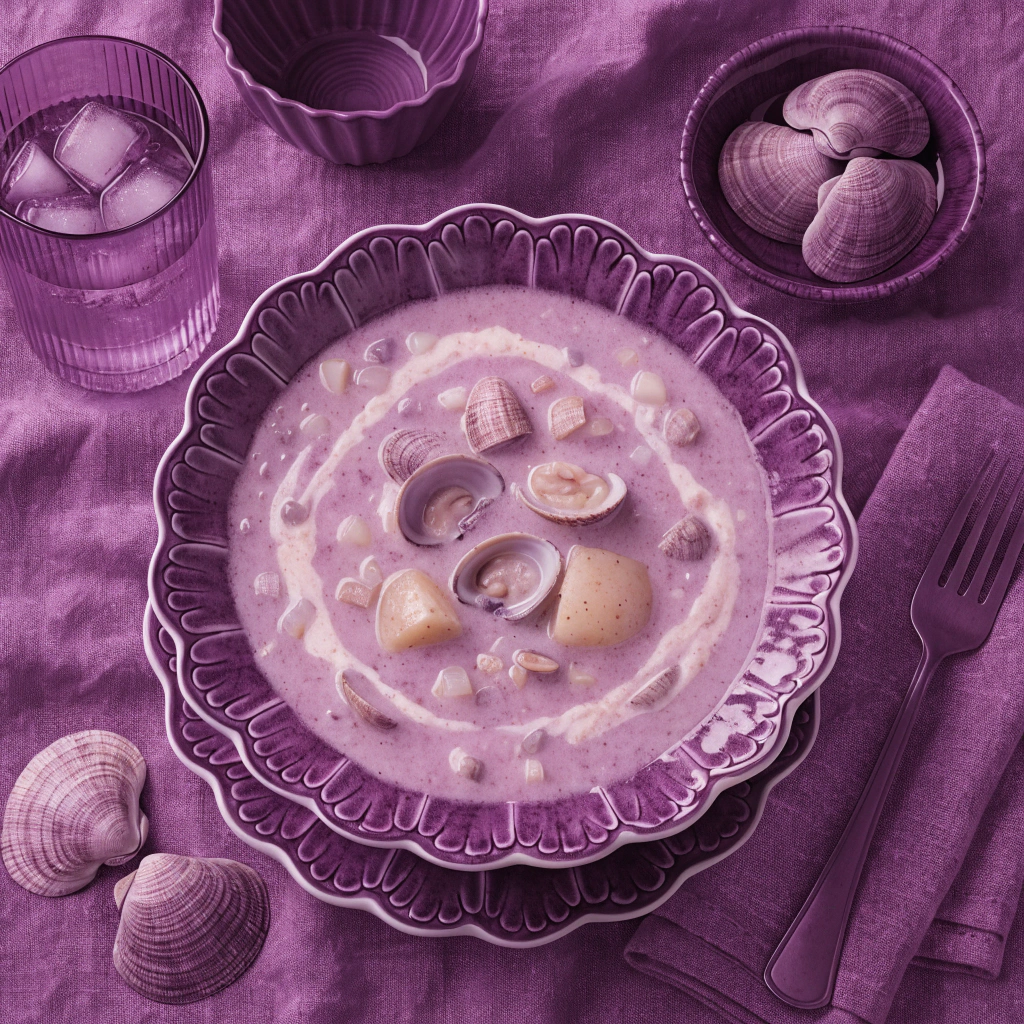
A Famous Soup from America
New England Clam Chowder is a very famous soup in America. It comes from the Northeast coast. People there love the ocean and seafood.
The soup has many ingredients. It has fresh clams from the cold water. It also has white potatoes and onions. The soup is white because it has milk or cream. It is very thick and warm.
Many people eat this soup in the winter. They eat it with small crackers. It is a traditional meal for families. It is delicious and popular.
تسليط الضوء على القواعد
نمط: Present Simple 'to be'
"New England Clam Chowder is a very famous soup in America."
We use 'is' for singular subjects to describe facts or states. In this sentence, it describes what the soup is.
نمط: Present Simple with 'have'
"The soup has many ingredients."
We use 'has' with singular nouns like 'the soup' to talk about possession or parts of something.
اختبر فهمك
10 أسئلة · A1 مبتدئ · معاينة مجانية واحدة
اختبر ما تعلمته من هذا المقال. أجب على جميع الأسئلة لكسب نقاط خبرة!
Where does the soup come from?
هل تريد إنهاء الاختبار؟
9 أسئلة أخرى بانتظارك. سجّل مجاناً لفتح الاختبار الكامل وكسب نقاط خبرة!
سجل مجاناًلديك حساب بالفعل؟ دخول
تفصيل الأسئلة
Where does the soup come from?
إجابتك:
الإجابة الصحيحة: The Northeast coast
The soup is red.
إجابتك:
الإجابة الصحيحة: خطأ
What does 'thick' mean?
إجابتك:
الإجابة الصحيحة: Heavy and not like water
Many people eat this soup in the _____.
إجابتك:
الإجابة الصحيحة: winter
A Classic American Soup: New England Clam Chowder
New England Clam Chowder is a very famous soup in the United States. It comes from the Northeast coast. This soup is a special symbol of the Atlantic Ocean. It is white, creamy, and very delicious.
The name 'chowder' probably comes from a French word for a large cooking pot. Many years ago, sailors from Europe arrived in America. They saw many fresh clams in the cold water. They mixed these clams with milk, potatoes, and onions. This soup became very popular because it was warm and filling for the workers.
Today, New England Clam Chowder is more famous than other regional soups. It is thicker and richer than vegetable soup because it uses heavy cream. People usually eat it with small, salty crackers called 'oyster crackers.' It is the best meal to eat on a cold, rainy day by the sea. Many families have their own special recipes for this traditional American dish.
تسليط الضوء على القواعد
نمط: Past Simple
"Many years ago, sailors from Europe arrived in America."
We use the past simple to talk about completed actions in the past. For regular verbs like 'arrive', we add '-ed' to the end.
نمط: Comparatives with 'More'
"New England Clam Chowder is more famous than other regional soups."
To compare two things with long adjectives (like 'famous'), we use 'more' + adjective + 'than'. It shows one thing has more of a quality than another.
اختبر فهمك
11 أسئلة · A2 ابتدائي · معاينة مجانية واحدة
اختبر ما تعلمته من هذا المقال. أجب على جميع الأسئلة لكسب نقاط خبرة!
Where does New England Clam Chowder come from?
هل تريد إنهاء الاختبار؟
10 أسئلة أخرى بانتظارك. سجّل مجاناً لفتح الاختبار الكامل وكسب نقاط خبرة!
سجل مجاناًلديك حساب بالفعل؟ دخول
تفصيل الأسئلة
Where does New England Clam Chowder come from?
إجابتك:
الإجابة الصحيحة: The Northeast coast
The name 'chowder' likely comes from a French word for a cooking pot.
إجابتك:
الإجابة الصحيحة: صحيح
What does the word 'filling' mean in the article?
إجابتك:
الإجابة الصحيحة: Makes you feel full
The soup is white and _____ because it uses heavy cream.
إجابتك:
الإجابة الصحيحة: creamy
What are 'oyster crackers'?
إجابتك:
الإجابة الصحيحة: Small, salty crackers
A Taste of the Coast: New England Clam Chowder
New England Clam Chowder is more than just a soup; it is a symbol of the American Northeast. This creamy dish, which is famous for its rich flavor, has been a favorite for centuries. It is often served in a bread bowl or with small, salty crackers called "oyster crackers."
The word "chowder" has an interesting history. It probably comes from the French word "chaudière," which was a large pot used by fishermen. In the past, sailors combined their fresh catch with whatever ingredients they had. Over time, the recipe was changed by settlers who found abundant clams along the Atlantic coast.
To make a traditional New England chowder, several ingredients are needed. These include fresh clams, potatoes, onions, and heavy cream. Unlike the version from Manhattan, New England chowder is never made with tomatoes. Many people believe that adding tomatoes to this soup is a serious mistake!
In modern times, this dish has become a popular comfort food across the United States. It is especially enjoyed during the cold winter months when people want something warm and filling. Although there are many different types of seafood stews, this specific recipe remains the most iconic. It represents the history and the rugged spirit of the people who live by the sea.
تسليط الضوء على القواعد
نمط: Relative Clauses
"This creamy dish, which is famous for its rich flavor, has been a favorite for centuries."
Relative clauses provide extra information about a noun. Here, 'which' introduces details about the dish without starting a new sentence.
نمط: Passive Voice
"To make a traditional New England chowder, several ingredients are needed."
The passive voice focuses on the action or the object rather than who is doing it. It is formed using 'to be' + the past participle.
اختبر فهمك
11 أسئلة · B1 متوسط · معاينة مجانية واحدة
اختبر ما تعلمته من هذا المقال. أجب على جميع الأسئلة لكسب نقاط خبرة!
What is the main difference between New England chowder and Manhattan chowder?
هل تريد إنهاء الاختبار؟
10 أسئلة أخرى بانتظارك. سجّل مجاناً لفتح الاختبار الكامل وكسب نقاط خبرة!
سجل مجاناًلديك حساب بالفعل؟ دخول
تفصيل الأسئلة
What is the main difference between New England chowder and Manhattan chowder?
إجابتك:
الإجابة الصحيحة: New England chowder never uses tomatoes.
The name 'chowder' likely comes from a French word for a large pot.
إجابتك:
الإجابة الصحيحة: صحيح
What does 'iconic' mean in the context of the article?
إجابتك:
الإجابة الصحيحة: Very famous and representative.
New England clam chowder is often served in a bread _____.
إجابتك:
الإجابة الصحيحة: bowl
Where did the settlers find many clams?
إجابتك:
الإجابة الصحيحة: Along the Atlantic coast.
A Taste of History: The Evolution of New England Clam Chowder
New England Clam Chowder stands as a definitive pillar of American culinary heritage, representing more than just a simple seafood stew. Its origins are deeply rooted in the history of the Northeastern United States, where the rugged Atlantic coastline provided an abundant supply of quahogs, which are hard-shell clams that were a staple for indigenous populations long before European arrival. The dish is thought to have derived its name from the French 'chaudière,' referring to the heavy iron cauldrons used by Breton fishermen to prepare communal meals.
The evolution of this soup reflects a fascinating intersection of cultures. As English and French settlers adapted to the new environment, they combined European techniques with local ingredients. Unlike its counterparts in other regions, the New England variety is characterized by its creamy, white base, typically composed of milk or heavy cream, potatoes, and salt pork. This specific composition has become a matter of regional pride, often leading to substantial debates regarding the authenticity of various recipes.
Perhaps the most famous of these debates involves the historical rivalry between New England and Manhattan clam chowders. While the New England version remains loyal to its dairy-based roots, the Manhattan style incorporates tomatoes, a variation that many traditionalists in the North consider a culinary transgression. In fact, the opposition to tomatoes was so intense that in 1939, a bill was introduced in the Maine legislature to effectively ban the use of tomatoes in clam chowder. Although the bill did not become law, it illustrates the profound cultural significance attached to this dish.
Today, clam chowder is celebrated not only as a comforting meal but also as a symbol of the resilience and resourcefulness of early coastal communities. To appreciate a bowl of authentic chowder is to engage with centuries of history. Consequently, many modern chefs continue to respect the traditional preparation methods, ensuring that the essence of the dish remains unchanged. Whether enjoyed in a sophisticated restaurant or a seaside shack, New England Clam Chowder continues to be a substantial part of the American identity, bridging the gap between the past and the present.
تسليط الضوء على القواعد
نمط: Passive Voice with 'It' and 'Thought'
"The dish is thought to have derived its name from the French 'chaudière'..."
This structure is used to report general beliefs or opinions in a formal way. It is formed by 'it' or the subject + the passive form of a reporting verb (think, believe, say) + to + infinitive.
نمط: Non-defining Relative Clauses
"...quahogs, which are hard-shell clams that were a staple for indigenous populations..."
These clauses provide extra information about a noun that is already identified. They are separated by commas and use 'which' for objects or animals.
نمط: Concessive Clauses with 'Although'
"Although the bill did not become law, it illustrates the profound cultural significance..."
Used to show contrast or a surprising connection between two ideas. 'Although' is followed by a subject and a verb.
اختبر فهمك
11 أسئلة · B2 فوق المتوسط · معاينة مجانية واحدة
اختبر ما تعلمته من هذا المقال. أجب على جميع الأسئلة لكسب نقاط خبرة!
Where does the word 'chowder' likely originate from?
هل تريد إنهاء الاختبار؟
10 أسئلة أخرى بانتظارك. سجّل مجاناً لفتح الاختبار الكامل وكسب نقاط خبرة!
سجل مجاناًلديك حساب بالفعل؟ دخول
تفصيل الأسئلة
Where does the word 'chowder' likely originate from?
إجابتك:
الإجابة الصحيحة: A French word for a heavy cauldron
The 1939 Maine bill successfully banned tomatoes in clam chowder.
إجابتك:
الإجابة الصحيحة: خطأ
Which word means 'originating naturally in a particular place'?
إجابتك:
الإجابة الصحيحة: Indigenous
The debate over ingredients has become a _____ part of the American identity.
إجابتك:
الإجابة الصحيحة: substantial
What distinguishes New England Clam Chowder from the Manhattan variety?
إجابتك:
الإجابة الصحيحة: The use of a creamy white base instead of tomatoes
A Culinary Anchor: The Sophisticated Legacy of New England Clam Chowder
Rarely does a dish evoke such intense provincial fervor as New England Clam Chowder, a culinary staple that serves as a shorthand for the rugged Atlantic coastline of the American Northeast. While many contemporary diners perceive it as a mere comfort food, it is, in fact, a complex historical artifact that mirrors the socio-economic evolution of the region. The etymological roots of the word 'chowder' likely trace back to the French 'chaudière,' referring to the heavy cauldrons utilized by Breton fishermen for their communal stews. This linguistic heritage suggests a shared maritime culture that crossed the Atlantic, eventually taking root in the rocky soils of New England.
It was the interaction between European settlers and the indigenous peoples of the Americas that catalyzed the evolution of this dish. The abundance of quahogs—hard-shell clams found in the frigid coastal waters—provided the necessary sustenance for early colonies, shifting the culinary focus from the fish stews of the Old World to the shellfish-centric identity of the New. These clams were not merely a food source; they were integral to the local economy and culture, with their shells even being used for wampum. As the colonies grew, so did the specific requirements for what constituted an 'authentic' chowder.
The codification of these culinary norms, however, was not without significant controversy. The divergence between the white, cream-based New England variety and the red, tomato-based Manhattan version sparked a cultural feud so profound that it reached the halls of government. In 1939, a Maine legislator proposed a bill to forbid the use of tomatoes in chowder, arguing that such an addition was a culinary sacrilege. Such legislative fervor underscores the degree to which regional identity is inextricably tied to the communal pot. To the New Englander, the inclusion of tomatoes was not merely a matter of taste, but a betrayal of historical purity.
Central to the sensory appeal of the dish is the careful juxtaposition of textures and flavors. The saltiness of the salt pork—a preservation necessity in the days before refrigeration—complements the sweetness of the clams. Potatoes, another staple of the region, provide a starchy thickness that anchors the soup. The nominalization of the cooking process—the transition from 'to stew' as an action to 'the stew' as a cultural icon—reflects a broader societal shift toward the institutionalization of heritage. Every ingredient serves a purpose, both culinary and historical, creating a layered narrative within a single bowl.
Furthermore, the resilience of New England Clam Chowder in the face of modern culinary globalization is remarkable. Despite the influx of international cuisines and the trend toward fusion cooking, the traditional recipe remains largely unchanged in its heartland. It serves as a culinary anchor, grounding the local population in a shared past while inviting outsiders to experience a taste of the Atlantic’s rugged history. Whether it is enjoyed in a sophisticated Boston establishment or a humble seaside shack, the chowder remains a testament to the enduring power of regional tradition and the nuanced history of the American Northeast.
تسليط الضوء على القواعد
نمط: Inversion
"Rarely does a dish evoke such intense provincial fervor as New England Clam Chowder..."
This pattern places the auxiliary verb before the subject after a negative or restrictive adverb. It is used in formal writing to emphasize the rarity or intensity of the action.
نمط: Cleft Sentences
"It was the interaction between European settlers and the indigenous peoples of the Americas that catalyzed the evolution of this dish."
Cleft sentences use the structure 'It + be + focus + relative clause' to highlight a specific piece of information. Here, it emphasizes the specific cause of the dish's evolution.
نمط: Nominalization
"The codification of these culinary norms, however, was not without significant controversy."
Nominalization turns verbs (codify) into nouns (codification). This creates a more formal, academic tone and allows the writer to discuss complex concepts as abstract entities.
اختبر فهمك
12 أسئلة · C1 متقدم · معاينة مجانية واحدة
اختبر ما تعلمته من هذا المقال. أجب على جميع الأسئلة لكسب نقاط خبرة!
What is the likely linguistic origin of the word 'chowder'?
هل تريد إنهاء الاختبار؟
11 أسئلة أخرى بانتظارك. سجّل مجاناً لفتح الاختبار الكامل وكسب نقاط خبرة!
سجل مجاناًلديك حساب بالفعل؟ دخول
تفصيل الأسئلة
What is the likely linguistic origin of the word 'chowder'?
إجابتك:
الإجابة الصحيحة: A French word for a heavy cauldron
In 1939, a Maine legislator attempted to legally ban the use of tomatoes in clam chowder.
إجابتك:
الإجابة الصحيحة: صحيح
What does the word 'sustenance' mean in the context of the article?
إجابتك:
الإجابة الصحيحة: Nourishment for survival
The author uses the word _____ to describe the capacity of the dish to remain unchanged despite globalization.
إجابتك:
الإجابة الصحيحة: resilience
What role did salt pork play in the original recipe?
إجابتك:
الإجابة الصحيحة: It was a flavor enhancer and a preservation necessity.
The article suggests that the New England variety of chowder is red and tomato-based.
إجابتك:
الإجابة الصحيحة: خطأ
حساء البطلينوس النيوانغلاندي: تأصيلٌ طهويٌ ومدلولاتٌ ثقافيةٌ
لا ريب أن حساء البطلينوس على طريقة نيو إنجلاند يتبوأ مكانة مرموقة في المشهد الطهوي الأمريكي، إذ يُمثل، في جوهره، اختزالاً ثقافياً للمنطقة الساحلية الوعرة في شمال شرق البلاد. إن هذا الطبق، الذي لا تزال جذوره التاريخية تتشابك مع روايات الهجرة والتكيف، ليس مجرد وجبة دافئة تُقدم في ليالي الشتاء القارسة، بل هو إرثٌ متجذرٌ يعكس تضافر الثقافات وتأثرها بالبيئة الطبيعية.
تُشير أغلب التأويلات اللغوية إلى أن كلمة "تشاودر" (Chowder) الإنجليزية مشتقةٌ من الكلمة الفرنسية "chaudière"، والتي تعني القدر الثقيل الكبير. هذا القدر، الذي كان رفيق صيادي الأسماك البريتونيين في رحلاتهم البحرية، لم يكن مجرد أداة طهي، بل كان مركزاً لتجمعاتهم، حيث كانوا يعدون فيه يخنات جماعية من صيدهم اليومي. وقد حمل هؤلاء الصيادون، مع غيرهم من المستوطنين الفرنسيين والإنجليز، هذا التقليد الطهوي معهم إلى الشواطئ الجديدة للقارة الأمريكية.
مع وصول المستوطنين إلى أمريكا الشمالية، واجهوا بيئة غنية بموارد لم تكن مألوفة تماماً لهم. فبينما كانوا يسعون لتكييف تقاليدهم الطهوية، اكتشفوا وفرة من البطلينوس ذي الصدفة الصلبة، المعروف محلياً باسم "كواهوغ" (Quahog)، والذي يزدهر في المياه الباردة قبالة سواحل نيو إنجلاند. لولا هذه الوفرة، ولولا مرونة التفكير لدى هؤلاء المستوطنين، لربما ما كان لحساء البطلينوس أن يأخذ شكله الأيقوني الذي نعرفه اليوم. لقد أضحت هذه المحاريات عنصراً محورياً في الحساء، مما أضفى عليه مذاقاً بحرياً مميزاً وقواماً غنياً.
إن تطور حساء البطلينوس النيوانغلاندي لم يكن مجرد سلسلة من التعديلات على وصفة قديمة؛ بل كان عملية استحواذ ثقافي وتأصيل لمكونات محلية ضمن إطار طهوي مستورد. فالحليب أو الكريمة، والبطاطس، والبصل، ولحم الخنزير المقدد (البانسيتا)، كلها مكونات تضافرت لتخلق توازناً فريداً بين الملوحة والحلاوة، وبين القوام الكريمي وقطع البطلينوس الطرية. هذا التوازن الدقيق هو ما يمنح الحساء طابعه المميز ويجعله يتجاوز مجرد كونه طبقاً إقليمياً ليصبح رمزاً للهوية الأمريكية الساحلية.
من الناحية الاجتماعية، ما فتئ حساء البطلينوس يمثل بؤرة للالتقاء والاحتفاء. إنه يُقدم في المطاعم الفاخرة وعلى موائد العائلات، وفي المهرجانات الساحلية التي تحتفي بالصيد والمأكولات البحرية. من شأن هذا الانتشار الواسع أن يدل على قدرة الطبق على تجاوز الانقسامات الاجتماعية والاقتصادية، ليصبح عنصراً موحداً في النسيج الثقافي للمنطقة. كما أن الجدل الدائر حول أفضل طريقة لإعداده – سواء بالكريمة السميكة أو بالحليب الخفيف، أو حتى مقارنته بالنسخة المعتمدة على الطماطم في مانهاتن – يبرهن على مدى عمق العلاقة العاطفية التي تربط الناس بهذا الحساء.
في الختام، يمكن القول إن حساء البطلينوس النيوانغلاندي ليس مجرد حساء؛ بل هو سردٌ تاريخيٌ وطهويٌ مُكثّفٌ، يجسد تاريخاً من الهجرة والتكيف والابتكار. إن تجلياته المتعددة، من كونه طبقاً محلياً بسيطاً إلى أيقونة ثقافية، تبرهن على أن الطعام، في أسمى أشكاله، يتعدى كونه مجرد تغذية ليصبح وعاءً يحمل في طياته قصص الأمم وتراثها الغني. وعليه، فإن كل ملعقة من هذا الحساء لا تقدم مذاقاً لذيذاً فحسب، بل تقدم أيضاً لمحة عن روح نيو إنجلاند، بكل ما تحمله من صلابة وجمال وتاريخ عريق.
تسليط الضوء على القواعد
نمط: لولا + اسم + لـ + فعل ماضٍ
"لولا هذه الوفرة، ولولا مرونة التفكير لدى هؤلاء المستوطنين، لربما ما كان لحساء البطلينوس أن يأخذ شكله الأيقوني الذي نعرفه اليوم."
يُستخدم هذا التركيب للتعبير عن الشرط المستحيل أو الافتراضي في الماضي، حيث تُشير "لولا" إلى وجود مانع منع وقوع حدث معين. الجملة التي تليها تبدأ بـ "لـ" وتُشير إلى النتيجة التي لم تحدث بسبب وجود ذلك المانع، مما يدل على أن الحدث كان سيقع لو لم يكن المانع موجوداً.
نمط: ما فتئ + اسم + فعل مضارع/خبر منصوب
"من الناحية الاجتماعية، ما فتئ حساء البطلينوس يمثل بؤرة للالتقاء والاحتفاء."
هذا النمط يُستخدم للتعبير عن الاستمرارية، بمعنى "لم يتوقف" أو "ظلّ" أو "لا يزال". وهو فعل ناقص يرفع الاسم وينصب الخبر، ويُفيد الدوام والاستمرار في الزمن الماضي أو الحاضر، مع إيحاء بأن الفعل كان مستمراً لفترة طويلة وما زال كذلك.
نمط: من شأن أن + فعل مضارع
"من شأن هذا الانتشار الواسع أن يدل على قدرة الطبق على تجاوز الانقسامات الاجتماعية والاقتصادية."
يُستخدم هذا التركيب للتعبير عن الإمكانية أو اللياقة أو القدرة على فعل شيء معين، أو للإشارة إلى أن شيئاً ما من المحتمل أن يؤدي إلى نتيجة معينة. يُفيد بأن الأمر أو الوضع الحالي يمتلك الخصائص أو الظروف التي تجعله قادراً على تحقيق الفعل المذكور أو أن ذلك هو المتوقع منه.
اختبر فهمك
12 أسئلة · C2 إتقان · معاينة مجانية واحدة
اختبر ما تعلمته من هذا المقال. أجب على جميع الأسئلة لكسب نقاط خبرة!
ما هو الأصل اللغوي الأرجح لكلمة "تشاودر"؟
هل تريد إنهاء الاختبار؟
11 أسئلة أخرى بانتظارك. سجّل مجاناً لفتح الاختبار الكامل وكسب نقاط خبرة!
سجل مجاناًلديك حساب بالفعل؟ دخول
تفصيل الأسئلة
ما هو الأصل اللغوي الأرجح لكلمة "تشاودر"؟
إجابتك:
الإجابة الصحيحة: كلمة فرنسية تعني "قدر الطهي"
البطلينوس ذو الصدفة الصلبة (كواهوغ) يزدهر في المياه الدافئة قبالة سواحل نيو إنجلاند.
إجابتك:
الإجابة الصحيحة: خطأ
ماذا تعني كلمة "مرموقة" في سياق النص؟
إجابتك:
الإجابة الصحيحة: ذات مكانة عالية ومحترمة
حساء البطلينوس النيوانغلاندي ليس مجرد وجبة دافئة، بل هو _____ متجذر يعكس تضافر الثقافات.
إجابتك:
الإجابة الصحيحة: إرثٌ
أي من المكونات التالية لم يُذكر كعنصر أساسي في حساء البطلينوس النيوانغلاندي؟
إجابتك:
الإجابة الصحيحة: الطماطم
الجدل حول طريقة إعداد حساء البطلينوس يدل على عدم أهميته الثقافية.
إجابتك:
الإجابة الصحيحة: خطأ

