









magma في 30 ثانية
- Magma is the term for molten rock found beneath the Earth's surface, consisting of liquid, crystals, and gases.
- It is the precursor to lava and the primary material for the formation of all igneous rocks.
- Magma forms in the mantle or crust due to heat, pressure changes, or the addition of volatiles like water.
- Its properties, like viscosity and temperature, determine whether a volcanic eruption will be gentle or explosive.
Magma is the fundamental substance of our planet's internal geological activity. It is defined as a molten or semi-molten mixture of rock-forming substances, gases, and water from the mantle or crust. The term magma is used specifically to describe this liquid rock while it remains beneath the Earth's surface. Once it breaks through the crust and reaches the surface, its name changes to lava. This distinction is crucial for geologists and students of earth science. Magma is not just simple melted rock; it is a complex fluid that contains various chemical elements such as silicon, oxygen, aluminum, iron, magnesium, calcium, sodium, and potassium. The behavior of magma is primarily dictated by its temperature, pressure, and chemical composition, particularly its silica content. When people discuss magma, they are often referring to the hidden power of volcanoes or the deep processes that create new land over millions of years. It is a word that evokes images of extreme heat and the raw power of nature. In scientific contexts, magma is categorized into different types based on its mineral makeup, such as basaltic, andesitic, and rhyolitic magmas. Each type has different properties that influence how it moves through the Earth and how it eventually erupts. For example, basaltic magma is very fluid and can travel long distances, while rhyolitic magma is thick and sticky, often leading to explosive eruptions. People use the word magma in educational settings, scientific research, and when discussing natural disasters related to volcanic activity. It is also a popular term in documentaries and science fiction when describing the interior of planets. Understanding magma helps us understand how the Earth's crust is formed and recycled through the process of plate tectonics.
- Geological Definition
- Magma is the molten rock material generated within the Earth, consisting of a liquid melt, solid crystals, and dissolved gases.
The geologist explained that the magma chamber was filling up deep below the mountain.
The formation of magma occurs through several processes. One common method is decompression melting, which happens when hot mantle rock rises and the pressure decreases, allowing it to melt even without an increase in temperature. Another process is flux melting, where water or other volatiles are added to the rock, lowering its melting point. This typically happens at subduction zones where one tectonic plate slides beneath another. The third primary method is heat-transfer melting, where existing magma heats the surrounding crustal rock until it also melts. These processes are constantly happening deep beneath our feet, fueling the volcanic systems that dot the globe. When magma stays underground for a long time, it cools slowly, allowing large crystals to grow and forming rocks like granite. This is known as intrusive or plutonic activity. If the magma finds a path to the surface, it becomes part of an extrusive or volcanic event. The study of magma is not just about rocks; it is about the history of our planet's thermal evolution. By analyzing the chemistry of magma, scientists can determine the conditions deep inside the Earth that are otherwise impossible to observe directly. This makes magma a vital 'messenger' from the deep Earth, providing clues about the composition and temperature of the mantle. In popular culture, magma is often depicted as a glowing red river, but in reality, its appearance can vary significantly depending on its temperature and mineral content. It can be a dull red, a bright orange, or even a blinding white-yellow when it is at its hottest. The sheer volume of magma produced by the Earth each year is staggering, contributing to the constant renewal of the seafloor at mid-ocean ridges and the growth of volcanic islands like Hawaii and Iceland.
- Chemical Composition
- Magma is primarily composed of silicate minerals, which determine its viscosity and eruption style.
The high viscosity of the magma caused the volcano to erupt with incredible force.
The lifecycle of magma is a continuous loop. It begins with the melting of solid rock, followed by its migration through the crust due to its lower density compared to the surrounding solid rock. As it rises, it may collect in magma chambers, where it can undergo differentiation—a process where different minerals crystallize at different temperatures, changing the remaining liquid's composition. This process can create a wide variety of igneous rocks from a single parent magma. Eventually, the magma either solidifies underground to form plutons and dikes or erupts as lava. Once solidified, these rocks will eventually be weathered, eroded, and potentially subducted back into the mantle to be melted once again, completing the rock cycle. This massive, slow-motion recycling system is what keeps the Earth geologically alive. Without the production and movement of magma, the Earth would be a geologically dead planet like the Moon. The presence of magma is also linked to the formation of many valuable mineral deposits, including gold, copper, and diamonds, which are often transported or concentrated by magmatic processes. Thus, magma is not only a geological curiosity but also a cornerstone of the global economy and our understanding of natural resources. When you hear the word magma, think of it as the lifeblood of the Earth's crust, a powerful and essential force that has been shaping our world for over four billion years. It represents the transition between the solid world we live on and the mysterious, high-pressure, high-temperature world that exists just a few dozen kilometers beneath our feet.
- Tectonic Role
- Magma generation at mid-ocean ridges is responsible for creating new oceanic crust and driving plate movement.
Scientists use seismic waves to map the location of magma reservoirs deep within the Earth.
The cooling of magma into solid rock is a process that can take thousands of years.
As the magma rises, the pressure drops, causing dissolved gases to form bubbles.
Using the word 'magma' correctly requires an understanding of its physical state and its location. Because magma is a mass noun, it is typically used in the singular form and does not often take an indefinite article like 'a' unless you are referring to a specific type or instance of it. For example, you would say 'The magma is hot,' rather than 'A magma is hot.' However, in technical writing, you might see 'a basaltic magma' to specify a particular composition. When writing about magma, it is common to use verbs that describe movement and state changes, such as 'rise,' 'flow,' 'cool,' 'solidify,' 'intrude,' and 'erupt.' Adjectives that frequently accompany magma include 'molten,' 'viscous,' 'fluid,' 'silica-rich,' 'underground,' and 'pressurized.' These words help to paint a more detailed picture of the magma's characteristics. For instance, 'The viscous magma moved slowly through the narrow cracks in the crust.' This sentence provides information about both the texture and the movement of the substance. In academic and scientific writing, the word is often used in compound terms like 'magma chamber,' 'magma reservoir,' 'magmatic intrusion,' and 'magma-water interaction.' These terms describe the various environments and processes associated with the substance. When discussing the transition from magma to lava, it is important to be precise. You might write, 'Once the magma breached the surface of the volcano, it was reclassified as lava.' This shows a clear understanding of the nomenclature. In more casual or descriptive writing, magma can be used to create a sense of intense heat or hidden danger. For example, 'The mountain sat quietly, unaware of the roiling magma deep within its belly.' This personification adds a dramatic flair to the geological description. It is also important to note that magma is almost always used in a literal sense. While some words like 'spark' or 'flood' have common metaphorical uses, 'magma' is rarely used figuratively, except perhaps to describe something that is intensely hot or under extreme pressure in a non-physical sense, such as 'the magma of public resentment.' However, such uses are rare and should be used with caution to avoid sounding overly technical or confusing.
- Subject-Verb Agreement
- Magma is an uncountable noun. Use singular verbs: 'The magma flows,' not 'The magma flow.'
The movement of magma can cause small earthquakes that scientists can detect.
When constructing sentences about magma, consider the stage of the rock cycle you are describing. If you are talking about the origin, focus on the mantle and pressure. 'Magma forms deep in the mantle due to intense heat and pressure.' If you are talking about its movement, focus on its density. 'Because it is less dense than the surrounding rock, the magma slowly rises toward the surface.' If you are talking about its cooling, focus on the resulting rock types. 'As the magma cools slowly underground, it forms large-grained rocks like granite.' These different focuses allow you to use the word in a variety of contexts while maintaining scientific accuracy. In complex sentences, you can use 'magma' as part of a prepositional phrase to provide more detail. 'The volcano's eruption was fueled by a massive reservoir of magma located five miles below the surface.' This sentence uses 'magma' to explain the cause of the eruption and provides a specific location. You can also use it in the possessive form, though it is less common. 'The magma's high gas content made the eruption particularly violent.' This attributes a quality directly to the substance. In summary, using 'magma' in a sentence involves more than just knowing it means 'hot rock.' It involves understanding its role as a dynamic, hidden force that acts as a precursor to many of the Earth's most visible geological events. By using specific adjectives and verbs, you can convey the power and complexity of this essential earth material.
- Technical Adjectives
- Common adjectives include: basaltic, rhyolitic, andesitic, mafic, felsic, and ultramafic.
The magma was so hot that it melted the surrounding limestone as it rose.
Furthermore, when comparing magma to other substances, use precise language. 'Unlike water, which has a low viscosity, magma can be as thick as toothpaste or as thin as olive oil, depending on its temperature.' This comparison helps the reader visualize the physical properties of the substance. In historical contexts, you might describe how ancient civilizations perceived the movement of magma. 'While they did not have the word magma, ancient peoples often attributed the movement of molten rock beneath the Earth to the actions of subterranean gods.' This adds a cultural dimension to your writing. In environmental science, you might discuss the impact of magma on the surrounding ecosystem. 'The heat from the rising magma can warm groundwater, creating hot springs and geysers that support unique biological communities.' This shows the far-reaching effects of magmatic activity beyond just volcanic eruptions. Finally, always ensure that the context makes it clear that the substance is underground. If the substance is flowing down the side of a mountain in your sentence, you should almost certainly be using the word 'lava' instead. This attention to detail is what distinguishes a knowledgeable writer from a novice. By mastering the use of 'magma' in various sentence structures, you can effectively communicate complex geological ideas to any audience, whether they are students, fellow scientists, or the general public.
- Common Verbs
- Magma can: rise, intrude, cool, crystallize, differentiate, and erupt.
The pressure of the trapped magma eventually cracked the Earth's crust.
Geologists can estimate the temperature of magma by studying the minerals it forms.
A large body of magma cooling underground is called a batholith.
The word 'magma' is a staple in several specific environments, ranging from the highly academic to the purely entertaining. Most people first encounter the word in a classroom setting, typically during middle school or high school earth science lessons. Teachers use the word to explain the rock cycle, the structure of the Earth, and the mechanics of volcanic eruptions. In these settings, you will hear phrases like 'magma chamber' and 'intrusive igneous rock.' If you pursue a degree in geology or volcanology, the word will become a daily part of your vocabulary. Professors and researchers use it to discuss complex theories of petrogenesis, mantle convection, and tectonic plate interactions. You will hear it at scientific conferences, in laboratories where rock samples are analyzed, and in the field when geologists are mapping volcanic regions. Beyond the classroom, 'magma' is a favorite word for creators of nature documentaries. Narrators on channels like National Geographic, Discovery, or the BBC often use the word with a sense of awe and drama to describe the hidden forces of nature. They might say, 'Deep beneath the tranquil surface of the park, a massive plume of magma is slowly rising, threatening to change the landscape forever.' This usage helps to capture the audience's imagination and emphasize the scale of geological processes. You will also hear the word in news reports, particularly when a volcano is showing signs of activity. Reporters might interview scientists from the United States Geological Survey (USGS) or other monitoring agencies who will use the word to describe the movement of molten rock detected by their instruments. They might report on 'magma intrusion' or 'magmatic inflation,' which are technical terms for magma moving into new areas underground. In these cases, the word is used to provide accurate information about potential hazards to the public. In the world of entertainment, 'magma' frequently appears in disaster movies, science fiction films, and video games. While these depictions are not always scientifically accurate, they reinforce the word's association with extreme heat and danger. You might hear a character shout, 'The magma is rising! We have to get out of here!' or see a video game level set in a 'magma cavern.' These popular culture references ensure that even people who have never studied geology are familiar with the term. Finally, you might hear the word in discussions about renewable energy, specifically geothermal energy. Engineers and environmentalists talk about tapping into the heat from magma bodies deep underground to generate clean electricity. In this context, magma is seen as a potential resource rather than just a natural hazard. Whether it is in a textbook, a documentary, a news report, or a movie, the word 'magma' always points to the incredible heat and power that resides within our planet.
- Educational Settings
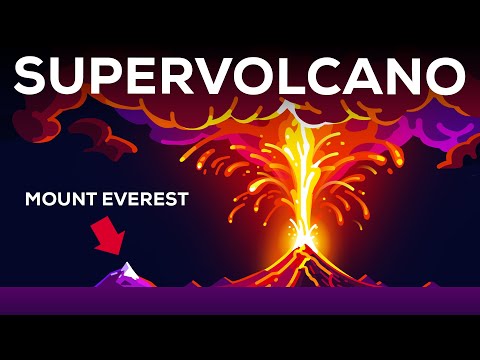
- Science classrooms, textbooks, and educational YouTube channels like SciShow or Kurzgesagt.
The documentary narrator spoke about the 'rivers of magma' that flow beneath the Earth's crust.
In addition to these common areas, you might also hear 'magma' in more specialized contexts. For instance, in the jewelry industry, the origin of certain gemstones is often linked to magmatic processes. A jeweler might explain that a particular sapphire or peridot was formed deep in the Earth and brought to the surface by a magma eruption millions of years ago. This adds a sense of history and value to the gemstone. In the field of planetary science, researchers use the word to describe the internal workings of other worlds. You might hear about the 'magma oceans' that are thought to have existed on the early Moon or the active magmatic systems on Jupiter's moon, Io. This expands the word's reach beyond our own planet and into the wider solar system. In some cases, the word is even used in branding and marketing. There are companies, products, and even sports teams that use the name 'Magma' to suggest power, heat, and intensity. While this is a metaphorical use, it relies on the common understanding of the word's literal meaning. You might see a 'Magma' brand of hot sauce or a 'Magma' model of a high-performance computer. These uses show how the word has permeated our language and culture. Even in literature, authors use the word to create vivid descriptions of hellish or primordial landscapes. A fantasy writer might describe a dragon's lair as being filled with the 'glow of ancient magma.' This helps to build a world that feels dangerous and ancient. In all these different places—from the laboratory to the movie theater—the word 'magma' remains a powerful symbol of the Earth's internal energy. It is a word that bridges the gap between hard science and human imagination, reminding us of the dynamic and often hidden world that exists beneath our feet. By paying attention to where you hear the word, you can gain a deeper appreciation for its many layers of meaning and the important role it plays in our understanding of the universe.
- Scientific Media
- Journals like 'Nature Geoscience,' 'Journal of Volcanology,' and science news websites like Phys.org.
The news anchor reported that magma was moving closer to the surface, prompting an evacuation order.
Furthermore, the word 'magma' is often heard in the context of climate change and Earth's long-term history. Scientists discuss how massive outpourings of magma in the past, known as Large Igneous Provinces, released huge amounts of carbon dioxide and other gases into the atmosphere, causing significant climate shifts and even mass extinctions. Hearing the word in this context connects geological processes to the broader story of life on Earth. In the field of engineering, specifically in the construction of tunnels or deep mines, engineers must account for the geothermal gradient—the increase in temperature as you go deeper—which is ultimately caused by the presence of magma and radioactive decay in the Earth's interior. They might use the word when discussing the challenges of working in high-temperature environments. In the world of art, some sculptors and glassblowers use the word to describe the molten state of their materials, drawing a parallel between their creative process and the Earth's natural forging. While not scientifically accurate, it shows the word's evocative power. In summary, 'magma' is a word that you will hear whenever the conversation turns to the deep, the hot, and the powerful. It is a word that carries the weight of billions of years of history and the potential for sudden, world-changing events. Whether you are listening to a lecture, watching a movie, or reading the news, the word 'magma' is a clear signal that you are dealing with the very heart of our planet's physical existence.
- Pop Culture References
- Movies like 'Volcano' or 'Dante's Peak,' and games like 'Minecraft' or 'Pokémon' (e.g., Magmar).
In the video game, players must navigate a treacherous path over a lake of glowing magma.
The professor used a diagram to show how magma circulates in the Earth's mantle.
During the museum tour, the guide pointed out a rock that was once magma deep inside a volcano.
One of the most frequent mistakes people make with the word 'magma' is confusing it with 'lava.' While both refer to molten rock, the distinction is entirely based on location. Magma is the term used for molten rock that is still underground, while lava is the term used once it reaches the surface. Using 'lava' to describe a magma chamber or 'magma' to describe a flow running down a hillside is technically incorrect and can lead to confusion in scientific discussions. Another common error is the belief that the entire mantle of the Earth is a sea of liquid magma. In reality, most of the mantle is solid rock that behaves plastically over long periods. Magma only forms in specific areas where conditions allow for partial melting. Describing the Earth as having a 'liquid center' (other than the outer core) is a common misconception that often involves the misuse of the word magma. In terms of grammar, 'magma' is an uncountable noun, so saying 'magmas' is generally incorrect unless you are referring to different chemical types or specific geological instances. For example, 'The magmas of these two volcanoes have different silica contents' is correct, but 'There were many magmas in the cave' is not. Pronunciation can also be a stumbling block. The word is pronounced 'MAG-muh,' with the stress on the first syllable. Some people mistakenly pronounce it with a long 'a' sound or stress the second syllable, which can make it harder for others to understand. Additionally, people sometimes confuse 'magma' with 'manga' (Japanese comics) or 'magnum' (a large bottle or a type of firearm) due to the similar spelling and sound. While these are very different things, the slip of the tongue is more common than you might think. Another mistake is assuming all magma is the same temperature. As mentioned earlier, the temperature of magma can vary by hundreds of degrees depending on its composition. Using the word as if it represents a single, uniform substance ignores the incredible diversity of magmatic systems. Finally, some people use 'magma' to describe any hot, liquid-like substance in a metaphorical sense, but this can often feel forced or overly dramatic. It is usually better to use more common words like 'molten' or 'fluid' unless the geological connection is clear. By avoiding these common pitfalls, you can use the word 'magma' with confidence and accuracy, whether you are writing a school report, discussing the news, or simply sharing your interest in the natural world.
- Magma vs. Lava
- Mistake: Calling molten rock on the surface 'magma.' Correct: It is 'lava' once it erupts.
Incorrect: The magma destroyed the houses near the volcano. Correct: The lava destroyed the houses.
Another subtle mistake is failing to distinguish between magma and the rocks it forms. Magma is the liquid state; once it cools and solidifies, it is no longer magma—it is igneous rock. You might hear someone say, 'The volcano is made of magma,' which is incorrect. The volcano is made of solid rock that was once magma or lava. Precision in these terms is important for clear communication. In writing, people sometimes over-capitalize the word 'magma,' treating it like a proper noun. Unless it is at the beginning of a sentence or part of a specific title, it should always be lowercase. Furthermore, when describing the movement of magma, people sometimes use the word 'flow' in a way that implies it moves as quickly as water. While some basaltic magmas can be quite fluid, many are extremely viscous and move very slowly, often only a few centimeters or meters per year. Using words like 'seep' or 'intrude' can often be more accurate than 'flow' when describing underground movement. There is also a tendency to associate magma only with destruction. While volcanic eruptions can be devastating, magma is also responsible for creating new land, fertile soil, and essential mineral resources. Focusing only on the negative aspects of magma can provide a skewed view of its geological importance. Lastly, avoid using 'magma' as a verb. You cannot 'magma' something; instead, you would say the rock 'melted into magma' or 'magmatic activity occurred.' Keeping these distinctions in mind will help you avoid the most common errors and ensure your use of the word is both scientifically and grammatically sound. Whether you are a student or a lifelong learner, mastering these details is a key part of building a strong vocabulary in the earth sciences.
- Countability Error
- Mistake: 'There were three magmas under the volcano.' Correct: 'There were three types of magma' or 'three magma bodies.'
Incorrect: The Earth's mantle is entirely made of magma. Correct: The mantle is mostly solid but contains pockets of magma.
One final area of confusion is the relationship between magma and heat. While magma is always hot, not everything that is hot and liquid is magma. For example, the Earth's outer core is liquid iron and nickel, but it is not called magma. Magma specifically refers to molten rock. Similarly, melted plastic or metal in a factory is not magma. Keeping the definition tied to 'rock-forming substances' is essential. Also, be careful with the word 'melt.' While geologists often use 'melt' as a synonym for magma, in general English, 'melt' is usually a verb. Using it as a noun (e.g., 'the melt rose through the crust') is a piece of professional jargon that might confuse a general audience. It is usually safer to stick with 'magma' unless you are writing for a scientific publication. By being mindful of these common mistakes, you can communicate more effectively and show a deeper understanding of the fascinating world of geology. Magma is a word with a very specific meaning, and using it correctly helps to maintain the clarity and integrity of scientific language. Whether you are discussing the latest volcanic eruption or the deep history of our planet, your precision will be appreciated by those who value accurate and clear communication.
- Spelling and Confusables
- Don't confuse 'magma' with 'manga' (comics) or 'magna' (as in Magna Carta).
Incorrect: The magma Carta was signed in 1215. Correct: The Magna Carta was signed in 1215.
Incorrect: I love reading Japanese magma. Correct: I love reading Japanese manga.
Incorrect: The magma was flowing down the side of the volcano. Correct: The lava was flowing down the side of the volcano.
When discussing magma, there are several related terms that can provide more specific information or serve as alternatives depending on the context. The most obvious related word is 'lava,' which we have already discussed as the surface equivalent of magma. Another important term is 'melt,' which geologists use to refer to the liquid portion of magma. While magma can contain solid crystals and gas bubbles, the 'melt' is specifically the molten rock part. In technical discussions, you might hear about 'partial melt,' which refers to the process where only some of the minerals in a rock melt, creating a magma with a different composition than the original rock. Another alternative is 'molten rock,' which is a more general term that can describe both magma and lava. This is a good choice if you want to avoid the technical distinction or if you are writing for a very young audience. 'Igneous material' is another broad term that covers magma, lava, and the rocks they form. If you are talking about magma that has pushed into existing rock layers, you might use the term 'intrusion' or 'intrusive body.' These words describe the act of magma moving into a space and the resulting geological feature. For example, 'The granite peak is actually a massive magmatic intrusion that was later exposed by erosion.' This provides a more detailed geological description than just saying 'magma.' In the context of volcanic eruptions, you might hear about 'tephra' or 'pyroclastic material,' which are the solid fragments of rock and ash that are ejected when magma explodes. While these are not magma themselves, they are the direct result of magmatic activity. 'Slurry' is sometimes used to describe very thick, crystal-rich magma that behaves more like a solid-liquid mixture. In very specific scientific contexts, you might encounter terms like 'pluton,' 'batholith,' 'dike,' and 'sill,' which are all names for different shapes and sizes of solidified magma bodies. Using these terms shows a high level of geological knowledge. For example, a 'dike' is a vertical sheet of magma that cuts across rock layers, while a 'sill' is a horizontal sheet that follows the layers. By using these specific alternatives, you can make your writing more precise and professional. However, for most general purposes, 'magma' remains the most clear and effective word to describe the molten rock beneath our feet. It is a word that everyone understands, yet it carries a wealth of scientific meaning. Whether you are comparing it to lava, describing it as a melt, or discussing its role in an intrusion, 'magma' is the central concept that ties all these terms together. Understanding the nuances between these similar words will help you navigate the complex language of geology and communicate your ideas with greater clarity and impact.
- Comparison: Magma vs. Lava
- Magma: Underground, contains more dissolved gases. Lava: Above ground, has lost most of its gases.
The magma cooled so slowly that it formed large, beautiful crystals of quartz and feldspar.
Beyond the physical state, you can also use terms that describe the chemical nature of the magma. 'Mafic' and 'felsic' are two such terms. Mafic magma is rich in magnesium and iron, usually dark in color, and very fluid. Felsic magma is rich in feldspar and silica, lighter in color, and very thick. Using these words instead of just 'magma' provides immediate information about how the substance will behave. For instance, 'The felsic magma trapped gases, leading to a massive explosion.' This is much more informative than 'The magma exploded.' Similarly, you can use 'ultramafic' to describe magma from very deep in the mantle or 'intermediate' for something in between. Another set of related words involves the process of cooling. 'Crystallization' is the process where magma turns into solid crystals. 'Fractionation' is when some crystals settle out of the magma, changing its overall chemistry. These are the 'verbs' of magmatic evolution. If you are talking about the source of the magma, you might use the term 'protolith,' which is the original solid rock that melted to form the magma. Understanding these relationships helps to build a comprehensive picture of the magmatic system. In a more general sense, you can use 'geothermal fluid' to describe the hot water and gases that are often associated with magma bodies. While not magma itself, these fluids are a key part of the overall system and are often what we interact with at the surface in the form of hot springs. In summary, while 'magma' is the core term, the world of geology offers a rich vocabulary of alternatives and related words that allow for extreme precision. By learning these terms and when to use them, you can elevate your communication from simple descriptions to sophisticated scientific analysis. Whether you are a student, a teacher, or just someone who loves the Earth, expanding your vocabulary in this way is a rewarding and enlightening process.
- Comparison: Magma vs. Molten Rock
- Magma is a specific geological term. Molten rock is a general description that can apply to anything from lava to industrial processes.
The intrusive magma forced its way between the layers of sedimentary rock, creating a sill.
Finally, it is worth mentioning the term 'magmatism,' which refers to the entire suite of processes related to the formation, movement, and solidification of magma. This is a very useful word when you want to talk about the geological activity of a whole region or time period. For example, 'The Cenozoic era was characterized by intense magmatism in the western United States.' This one word summarizes a vast amount of geological history. You might also hear about 'volcanism,' which is specifically the surface expression of magmatism. While they are related, magmatism is the broader term that includes everything happening underground. Another interesting term is 'xenolith,' which refers to a piece of foreign rock that gets trapped inside a magma body. These are like 'time capsules' that magma brings up from the deep Earth, providing scientists with direct samples of the mantle or lower crust. By understanding these terms, you can see magma not just as a substance, but as part of a complex and dynamic system that involves the entire planet. The vocabulary of magma is as diverse and fascinating as the substance itself, and mastering it is a key step in becoming a true student of the Earth. Whether you are using simple terms or advanced scientific jargon, the goal is always the same: to describe and understand the incredible forces that shape our world from the inside out.
- Comparison: Magma vs. Tephra
- Magma is the liquid precursor. Tephra is the solid, fragmented material (like ash or pumice) that results from an explosive eruption.
The chemical 'fingerprint' of the magma allowed researchers to trace it back to its source in the mantle.
Without the heat from magma, the Earth would have no volcanoes or plate tectonics.
The study of magma is a key part of modern earth science and planetary exploration.
How Formal Is It?
حقيقة ممتعة
Before it was a geological term, 'magma' was used by pharmacists to describe the thick dregs left over after making a medicine. It wasn't until around 1850 that it became the standard scientific term for molten rock underground.
دليل النطق
- Pronouncing it as 'MAUG-ma' with a long 'o' sound.
- Confusing it with 'manga' and saying 'MANG-ga.'
- Putting the stress on the second syllable: 'mag-MA.'
- Pronouncing the 'g' too softly, making it sound like 'mama.'
- Adding an extra 'n' and saying 'mag-num.'
مستوى الصعوبة
The word itself is easy, but the scientific context can be complex.
Requires remembering the distinction between magma and lava.
Simple pronunciation, but technical terms can be tricky.
Easy to recognize in documentaries and news reports.
ماذا تتعلّم بعد ذلك
المتطلبات الأساسية
تعلّم لاحقاً
متقدم
قواعد يجب معرفتها
Uncountable Nouns
We say 'much magma' not 'many magmas.'
Zero Article for Substances
Magma is essential for the rock cycle.
Passive Voice in Science
Magma is formed when rocks are heated.
Compound Nouns
The magma chamber is empty.
Participial Adjectives
The cooling magma formed granite.
أمثلة حسب المستوى
Magma is very hot rock under the ground.
Magma is very hot rock under the ground.
Magma is the subject of the sentence.
The volcano has magma inside it.
The volcano has magma inside it.
Magma is the object of the verb 'has'.
Magma is red and orange.
Magma is red and orange.
Adjectives 'red' and 'orange' describe the magma.
It is called magma when it is underground.
It is called magma when it is underground.
The sentence uses a passive structure 'is called'.
Magma is hotter than fire.
Magma is hotter than fire.
Comparative structure 'hotter than'.
Scientists look for magma.
Scientists look for magma.
Present simple tense.
The magma moves slowly.
The magma moves slowly.
Adverb 'slowly' describes the verb 'moves'.
Magma can turn into hard rock.
Magma can turn into hard rock.
Modal verb 'can' shows possibility.
Magma forms deep inside the Earth's crust.
Magma forms deep inside the Earth's crust.
Present simple tense for a scientific fact.
When magma cools, it becomes solid rock.
When magma cools, it becomes solid rock.
Zero conditional structure for general truths.
The magma chamber is located under the volcano.
The magma chamber is located under the volcano.
Passive voice 'is located'.
There is a lot of magma in the mantle.
There is a lot of magma in the mantle.
'There is' used with an uncountable noun.
Magma rises because it is lighter than solid rock.
Magma rises because it is lighter than solid rock.
Conjunction 'because' introduces a reason.
Geologists study the movement of magma.
Geologists study the movement of magma.
Noun phrase 'the movement of magma'.
Magma contains many different minerals.
Magma contains many different minerals.
Present simple tense.
The temperature of magma is very high.
The temperature of magma is very high.
Subject is 'the temperature of magma'.
The viscosity of the magma determines how easily it flows.
The viscosity of the magma determines how easily it flows.
Complex subject 'The viscosity of the magma'.
Magma is generated by the partial melting of rocks.
Magma is generated by the partial melting of rocks.
Passive voice 'is generated'.
If magma reaches the surface, it is reclassified as lava.
If magma reaches the surface, it is reclassified as lava.
First conditional structure.
The magma chamber acts as a reservoir for molten rock.
The magma chamber acts as a reservoir for molten rock.
Phrasal verb 'acts as'.
Different types of magma produce different types of volcanoes.
Different types of magma produce different types of volcanoes.
Plural subjects and objects.
The pressure of the magma can cause the ground to swell.
The pressure of the magma can cause the ground to swell.
Infinitive 'to swell' after 'cause'.
Magma often contains dissolved gases like carbon dioxide.
Magma often contains dissolved gases like carbon dioxide.
Adverb 'often' used for frequency.
Slowly cooling magma forms large mineral crystals.
Slowly cooling magma forms large mineral crystals.
Participial phrase 'Slowly cooling' modifying 'magma'.
Magmatic differentiation occurs when minerals crystallize and settle out of the magma.
Magmatic differentiation occurs when minerals crystallize and settle out of the magma.
Complex geological terminology.
The silica content of the magma is a primary factor in its eruptive style.
The silica content of the magma is a primary factor in its eruptive style.
Abstract noun 'factor' used in a scientific context.
Decompression melting is a common way that magma is produced at mid-ocean ridges.
Decompression melting is a common way that magma is produced at mid-ocean ridges.
Relative clause 'that magma is produced'.
Intrusive rocks are formed when magma solidifies beneath the Earth's surface.
Intrusive rocks are formed when magma solidifies beneath the Earth's surface.
Passive voice 'are formed'.
The magma's high gas content can lead to extremely explosive eruptions.
The magma's high gas content can lead to extremely explosive eruptions.
Possessive form 'magma's'.
Scientists monitor seismic activity to track the movement of magma.
Scientists monitor seismic activity to track the movement of magma.
Infinitive of purpose 'to track'.
Basaltic magma is characterized by its low viscosity and high temperature.
Basaltic magma is characterized by its low viscosity and high temperature.
Adjective 'basaltic' modifying 'magma'.
The interaction between magma and groundwater can cause steam explosions.
The interaction between magma and groundwater can cause steam explosions.
Noun phrase 'The interaction between magma and groundwater'.
The rheology of the magma is significantly influenced by the presence of volatiles.
The rheology of the magma is significantly influenced by the presence of volatiles.
Technical term 'rheology' and passive voice.
Fractional crystallization allows the remaining magma to become increasingly silicic.
Fractional crystallization allows the remaining magma to become increasingly silicic.
Adverb 'increasingly' modifying the adjective 'silicic'.
The magma's isotopic signature provides clues about its mantle source.
The magma's isotopic signature provides clues about its mantle source.
Possessive 'magma's' with a technical noun 'signature'.
Flux melting occurs when subducted water lowers the solidus of the mantle, creating magma.
Flux melting occurs when subducted water lowers the solidus of the mantle, creating magma.
Present participle 'creating' showing a result.
The ascent of magma is driven by the buoyancy difference between the melt and the host rock.
The ascent of magma is driven by the buoyancy difference between the melt and the host rock.
Passive voice 'is driven by'.
Magmatic intrusions can metamorphose the surrounding country rock through intense heat.
Magmatic intrusions can metamorphose the surrounding country rock through intense heat.
Technical verb 'metamorphose'.
The exsolution of gases from the magma is a critical trigger for volcanic activity.
The exsolution of gases from the magma is a critical trigger for volcanic activity.
Noun 'exsolution' used in a scientific context.
High-viscosity magmas are prone to fragmentation, leading to pyroclastic flows.
High-viscosity magmas are prone to fragmentation, leading to pyroclastic flows.
Adjective phrase 'prone to fragmentation'.
The petrogenesis of these igneous suites is inextricably linked to the evolution of the parent magma.
The petrogenesis of these igneous suites is inextricably linked to the evolution of the parent magma.
Advanced vocabulary 'petrogenesis' and 'inextricably'.
Thermodynamic modeling of magma mixing reveals complex non-linear cooling paths.
Thermodynamic modeling of magma mixing reveals complex non-linear cooling paths.
Gerund 'modeling' as the subject.
The solubility of water in silicate magma is a highly non-ideal function of pressure.
The solubility of water in silicate magma is a highly non-ideal function of pressure.
Mathematical/scientific phrasing 'function of pressure'.
Trace element partitioning between the magma and the solid phases is temperature-dependent.
Trace element partitioning between the magma and the solid phases is temperature-dependent.
Technical noun 'partitioning'.
Magma chambers may be better described as crystal mushes rather than simple liquid-filled vats.
Magma chambers may be better described as crystal mushes rather than simple liquid-filled vats.
Comparative structure 'rather than'.
The dyke-induced stress field facilitates the lateral migration of magma in rift zones.
The dyke-induced stress field facilitates the lateral migration of magma in rift zones.
Compound adjective 'dyke-induced'.
Redox conditions within the magma influence the speciation of sulfur and other volatiles.
Redox conditions within the magma influence the speciation of sulfur and other volatiles.
Technical term 'speciation'.
The residence time of magma in the crust is a pivotal parameter in volcanic hazard assessment.
The residence time of magma in the crust is a pivotal parameter in volcanic hazard assessment.
Noun phrase 'residence time'.
المرادفات
الأضداد
تلازمات شائعة
العبارات الشائعة
— The upward movement of molten rock through the Earth's crust. It often signals an impending eruption.
The rise of magma was detected by the monitoring station.
— The contact between molten rock and water, which can cause violent steam explosions. This is a common hazard in island volcanoes.
The magma-water interaction created a massive ash cloud.
— Small, isolated areas of molten rock within the Earth's mantle or crust. These are not as large as a full magma chamber.
The mantle contains small pockets of magma.
— The location or process that generates the molten rock. It is usually deep in the mantle.
Scientists are trying to identify the magma source for this volcano.
— The network of cracks and chambers through which magma moves underground. It is like the pipes in a building.
The volcano has a complex magma plumbing system.
— The process where gases escape from the molten rock as it rises and pressure decreases. This is like opening a soda bottle.
Magma degassing can be measured at the volcano's crater.
— When two different bodies of magma come together and blend. This can trigger an eruption.
Magma mixing occurred just before the explosion.
— The movement of magma from its source to a chamber or the surface. It involves complex fluid dynamics.
Magma transport is driven by buoyancy.
— How fast the molten rock loses heat. This determines the size of the crystals in the resulting rock.
A slow magma cooling rate leads to large crystals.
— The chemical and physical changes that magma undergoes over time. This is a key topic in petrology.
The magma evolution was tracked through mineral analysis.
يُخلط عادةً مع
Lava is on the surface; magma is underground.
Manga is a Japanese comic book; magma is molten rock.
Magnum is a size of bottle or a gun; magma is a geological substance.
تعبيرات اصطلاحية
— A hidden, intense feeling of anger that is building up and might eventually 'explode.' This is a rare metaphorical use.
Beneath his calm exterior, a magma of resentment was roiling.
literary— Used to describe something that is extremely hot, slow-moving, or unstoppable. It is often used for emphasis.
The hot sauce felt like magma in my mouth.
informal— An informal way to say something is incredibly hot. It is more intense than 'boiling hot.'
The pavement was magma-hot in the summer sun.
slang— To have a lot of creative energy or ideas that are building up and ready to be shared. This is a creative metaphor.
Her mind is a magma chamber of ideas for the new project.
creative— Describing a state of intense, turbulent movement or emotion. It suggests a powerful hidden force.
The crowd's emotions were roiling like magma before the protest.
literary— A poetic way to describe igneous rock, emphasizing its fiery origin. It is used to contrast the present with the past.
The mountains are made of frozen magma from a billion years ago.
poetic— A person who has a very intense, passionate, or fiery personality. It is a rare and dramatic description.
She had a magma heart that burned for justice.
literary— A metaphor for the underlying causes or hidden forces behind a visible event. It is used in social or political analysis.
Economic inequality is the magma beneath the surface of the current unrest.
analytical— To access a powerful source of energy or information. It is often used in the context of geothermal power or creative inspiration.
The artist finally managed to tap the magma of his childhood memories.
metaphorical— Describing a liquid that is very dense and slow-moving. It is a more evocative alternative to 'viscous.'
The mud was magma-thick after the heavy rains.
descriptiveسهل الخلط
Both are molten rock.
The only difference is location. Magma is subsurface, while lava is extrusive (on the surface).
The magma stayed in the chamber, so no lava was seen.
Geologists use them as synonyms.
Magma is the whole mixture (liquid, crystals, gas), while 'melt' is just the liquid part.
The magma contained 20% crystals and 80% melt.
People think the mantle is made of magma.
The mantle is a solid layer of the Earth; magma is just the small part of it that has melted.
Magma forms within the solid mantle.
Both relate to volcanic rock.
Magma is the liquid; igneous is the name of the solid rock that forms from it.
Magma cools to form igneous rock.
Both come out of volcanoes.
Magma is the liquid; tephra is the solid ash and rock thrown into the air.
The magma exploded into clouds of tephra.
أنماط الجُمل
Magma is [adjective].
Magma is hot.
Magma is found [prepositional phrase].
Magma is found under the ground.
When magma [verb], it [verb].
When magma cools, it becomes rock.
The [noun] of the magma [verb] the [noun].
The viscosity of the magma determines the eruption.
Magma, which [relative clause], [verb] [object].
Magma, which contains dissolved gases, drives volcanic activity.
The [adjective] evolution of magma is [adjective] by [noun].
The geochemical evolution of magma is governed by fractionation.
There is magma in the [noun].
There is magma in the volcano.
Scientists study [adjective] magma.
Scientists study rising magma.
عائلة الكلمة
الأسماء
الصفات
مرتبط
كيفية الاستخدام
Common in science and nature contexts, rare in daily life.
-
Using 'lava' for underground rock.
→
Using 'magma' for underground rock.
This is the most common error. If it's under the surface, it's magma.
-
Saying 'the magmas' for a single pool.
→
Saying 'the magma' or 'the magma body.'
Magma is uncountable. Use the plural only for different chemical types.
-
Thinking the mantle is all magma.
→
Knowing the mantle is mostly solid rock.
Magma only forms in small areas of the mantle where conditions are right.
-
Pronouncing it 'maug-ma.'
→
Pronouncing it 'mag-ma' (like magnet).
The 'a' sound should be short and sharp.
-
Confusing magma with the outer core.
→
Knowing magma is molten rock, while the core is molten metal.
They are different substances in different parts of the Earth.
نصائح
Use 'Magmatic'
If you want to describe something related to magma, use the adjective 'magmatic.' For example, 'magmatic activity' or 'magmatic rocks.'
Viscosity Matters
Remember that the thickness of magma (viscosity) is what decides if a volcano is dangerous or just a tourist attraction.
Uncountable Rule
Treat magma like water or sand. You don't usually say 'a magma' or 'magmas.' Just use 'magma' or 'some magma.'
The 'M' Rule
Magma starts with M, just like Mantle and Middle. This helps you remember it's the one in the middle of the Earth.
Be Precise
In scientific writing, using 'magma' instead of 'melted rock' shows that you have a better understanding of geology.
Listen for 'Chamber'
If you hear the word 'chamber' in a documentary, they are almost certainly talking about magma, not lava.
Stress the Start
Always say MAG-ma, never mag-MA. Correct stress makes you sound much more natural.
Global Word
The word 'magma' is used by scientists all over the world, so it's a great international word to know.
Game Logic
In games like Minecraft, 'lava' is everywhere, but real geologists would call it 'magma' if it's in a deep cave!
Not Just Liquid
Remember that magma can have solid bits (crystals) and gas bubbles in it, not just liquid rock.
احفظها
وسيلة تذكّر
Think of 'Magma' as 'Middle' and 'Lava' as 'Leaving.' Magma stays in the middle of the Earth, while lava is what you see when it leaves the ground.
ربط بصري
Imagine a giant pot of thick, bubbling red soup inside a dark cave. The soup is the magma, and the cave is the Earth's crust.
Word Web
تحدٍّ
Try to explain the difference between magma and lava to a friend using only five words. (Example: Magma inside, lava outside ground.)
أصل الكلمة
The word 'magma' comes from the Greek word 'magma,' which means 'thick unguent' or 'kneaded mass.' This Greek word is derived from 'massein,' meaning 'to knead.' It was originally used in medicine to describe a thick, pasty substance. In the eighteenth century, geologists adopted the term to describe the thick, molten rock found beneath the Earth's surface.
المعنى الأصلي: A thick, kneaded mass or paste.
Indo-European (Greek)السياق الثقافي
When discussing magma and volcanoes, be sensitive to communities that have suffered from volcanic disasters.
In English-speaking countries, magma is primarily a scientific term, but it is widely known through nature documentaries and disaster movies.
تدرّب في الحياة الواقعية
سياقات واقعية
Geology Class
- magma chamber
- rock cycle
- intrusive rock
- cooling rate
Volcanic Eruption News
- magma movement
- seismic activity
- underground pressure
- eruption warning
Nature Documentaries
- molten heart
- raw power
- deep beneath
- fiery river
Planetary Science
- magma ocean
- mantle plume
- tectonic activity
- core-mantle boundary
Geothermal Energy
- heat source
- magma body
- thermal energy
- renewable resource
بدايات محادثة
"Did you know that magma and lava are actually the same thing, just in different places?"
"Have you ever seen a documentary about how magma moves under the Earth?"
"What do you think would happen if a magma chamber opened up right under a city?"
"I wonder how scientists can tell where the magma is without actually seeing it."
"Do you think we will ever be able to use the heat from magma to power the whole world?"
مواضيع للكتابة اليومية
Imagine you are a scientist exploring a deep magma chamber in a special heat-proof ship. What do you see?
Write about a time you felt a 'magma of emotion' building up inside you. What caused it and did it 'erupt'?
Describe the journey of a piece of rock as it melts into magma and then cools back into a different kind of rock.
If you could control the movement of magma, how would you use that power to help the world?
Why do you think people are so fascinated by volcanoes and the magma that fuels them?
الأسئلة الشائعة
10 أسئلةNo, they are not exactly the same. While both are molten rock, magma is the term used when it is underground. Once it reaches the surface, it is called lava. This distinction is important for geologists to describe where the geological activity is happening.
Magma is incredibly hot, usually ranging from 700 to 1,300 degrees Celsius (1,292 to 2,372 degrees Fahrenheit). The exact temperature depends on its chemical composition. For example, basaltic magma is much hotter than rhyolitic magma.
Magma comes from the Earth's mantle or the lower part of the crust. It forms when rocks melt due to high temperatures, a decrease in pressure, or the addition of water, which lowers the melting point of the rock.
No, that is a common myth. Most of the Earth's mantle is solid rock, though it can flow very slowly over millions of years. Only the outer core is completely liquid (iron and nickel), and magma only exists in small pockets or chambers.
Not exactly. Diamonds form deep in the mantle under extreme pressure. Magma acts as a 'delivery truck' that carries the diamonds from the deep mantle up to the surface during rare, high-speed eruptions.
When magma cools, it solidifies and turns into igneous rock. If it cools slowly underground, it forms rocks with large crystals like granite. If it cools quickly on the surface as lava, it forms rocks with small crystals like basalt.
We cannot see magma directly because it is underground. However, we can see it when it erupts and becomes lava. Scientists use special cameras and sensors to 'see' magma chambers through the Earth's crust.
Some magma is very explosive, while some is not. Magma with a lot of silica and trapped gas is very thick and tends to explode. Magma with less silica is more liquid and flows out more gently.
Usually, magma moves very slowly underground, sometimes only a few centimeters a year. However, when it is rising toward the surface during an eruption, it can move much faster, causing earthquakes and ground swelling.
Magma glows red or orange because of its extreme heat, a phenomenon called incandescence. Just like a piece of metal glows when heated in a fire, rock glows when it becomes hot enough to melt.
اختبر نفسك 180 أسئلة
Write a sentence using the word 'magma' and the word 'hot'.
Well written! Good try! Check the sample answer below.
Explain the difference between magma and lava in two sentences.
Well written! Good try! Check the sample answer below.
Describe what happens to magma when it stays underground for a long time.
Well written! Good try! Check the sample answer below.
Compare and contrast mafic and felsic magma.
Well written! Good try! Check the sample answer below.
Discuss the role of volatiles in the generation and eruption of magma.
Well written! Good try! Check the sample answer below.
Analyze the thermodynamic factors that govern the partial melting of the mantle.
Well written! Good try! Check the sample answer below.
Where is magma? Write a short sentence.
Well written! Good try! Check the sample answer below.
Why does magma rise? Use the word 'dense' in your answer.
Well written! Good try! Check the sample answer below.
What is a magma chamber? Explain its purpose.
Well written! Good try! Check the sample answer below.
Explain how decompression melting works at mid-ocean ridges.
Well written! Good try! Check the sample answer below.
Explain the process of fractional crystallization in a magma reservoir.
Well written! Good try! Check the sample answer below.
Evaluate the impact of magmatic differentiation on the geochemical evolution of the crust.
Well written! Good try! Check the sample answer below.
What color is magma? Write a sentence.
Well written! Good try! Check the sample answer below.
What is an igneous rock? Mention magma in your answer.
Well written! Good try! Check the sample answer below.
How do scientists detect magma underground?
Well written! Good try! Check the sample answer below.
Describe the formation of a dike or a sill.
Well written! Good try! Check the sample answer below.
Discuss the relationship between magma viscosity and volcanic eruption styles.
Well written! Good try! Check the sample answer below.
Critique the 'magma ocean' hypothesis for the early Earth and Moon.
Well written! Good try! Check the sample answer below.
Write a sentence about a volcano and magma.
Well written! Good try! Check the sample answer below.
What happens to magma's temperature as it moves toward the surface?
Well written! Good try! Check the sample answer below.
Say the word 'magma' out loud three times. Focus on the 'MAG' sound.
Read this aloud:
قلت:
Speech recognition is not supported in your browser. Try Chrome or Edge.
Explain the difference between magma and lava to a partner.
Read this aloud:
قلت:
Speech recognition is not supported in your browser. Try Chrome or Edge.
Describe how magma forms in your own words.
Read this aloud:
قلت:
Speech recognition is not supported in your browser. Try Chrome or Edge.
Give a short presentation on the different types of magma.
Read this aloud:
قلت:
Speech recognition is not supported in your browser. Try Chrome or Edge.
Discuss the importance of magma in the Earth's rock cycle.
Read this aloud:
قلت:
Speech recognition is not supported in your browser. Try Chrome or Edge.
Debate the methods used to monitor magma movement underground.
Read this aloud:
قلت:
Speech recognition is not supported in your browser. Try Chrome or Edge.
Describe what magma looks like in a picture.
Read this aloud:
قلت:
Speech recognition is not supported in your browser. Try Chrome or Edge.
Tell a story about a volcano and the magma inside it.
Read this aloud:
قلت:
Speech recognition is not supported in your browser. Try Chrome or Edge.
Explain why magma is important for making new land.
Read this aloud:
قلت:
Speech recognition is not supported in your browser. Try Chrome or Edge.
Discuss the hazards associated with rising magma.
Read this aloud:
قلت:
Speech recognition is not supported in your browser. Try Chrome or Edge.
Analyze the role of magma in plate tectonics.
Read this aloud:
قلت:
Speech recognition is not supported in your browser. Try Chrome or Edge.
Present a summary of recent research on magma chambers.
Read this aloud:
قلت:
Speech recognition is not supported in your browser. Try Chrome or Edge.
Is magma hot or cold? Answer in a full sentence.
Read this aloud:
قلت:
Speech recognition is not supported in your browser. Try Chrome or Edge.
What happens when magma reaches the surface?
Read this aloud:
قلت:
Speech recognition is not supported in your browser. Try Chrome or Edge.
What are the three things that make up magma?
Read this aloud:
قلت:
Speech recognition is not supported in your browser. Try Chrome or Edge.
Explain the difference between a dike and a sill.
Read this aloud:
قلت:
Speech recognition is not supported in your browser. Try Chrome or Edge.
How does water affect the melting point of rock?
Read this aloud:
قلت:
Speech recognition is not supported in your browser. Try Chrome or Edge.
Discuss the geochemical signatures of mantle-derived magmas.
Read this aloud:
قلت:
Speech recognition is not supported in your browser. Try Chrome or Edge.
Where can you find magma?
Read this aloud:
قلت:
Speech recognition is not supported in your browser. Try Chrome or Edge.
What is the name of the rock that forms from magma?
Read this aloud:
قلت:
Speech recognition is not supported in your browser. Try Chrome or Edge.
Listen to the word: 'Magma'. Which syllable is stressed? (Answer: The first)
Listen to a description: 'It is hot, liquid rock under the ground.' What is it?
Listen for the word 'magma' in a nature documentary clip. How is it used?
Listen to a lecture on volcanoes. Identify the term for an underground magma pool.
Listen to a scientific podcast about petrology. What does the speaker say about viscosity?
Listen to a discussion on planetary differentiation. How is magma mentioned?
Listen: 'The magma is red.' What color is the magma?
Listen: 'Magma cools to make rock.' What does magma make?
Listen: 'The magma chamber is five miles deep.' How deep is the chamber?
Listen: 'Felsic magma is thick and sticky.' Describe felsic magma.
Listen: 'Degassing triggers the eruption.' What triggers the eruption?
Listen: 'The solidus is lowered by volatiles.' What lowers the solidus?
Listen: 'Magma is in the volcano.' Where is the magma?
Listen: 'Lava is outside, magma is inside.' Which one is inside?
Listen: 'Magma rises because it is light.' Why does it rise?
/ 180 correct
Perfect score!
Summary
The most important thing to remember is that magma is underground molten rock. Once it reaches the surface, it is called lava. For example, 'The magma chamber deep below the volcano is full, but no lava has erupted yet.'
- Magma is the term for molten rock found beneath the Earth's surface, consisting of liquid, crystals, and gases.
- It is the precursor to lava and the primary material for the formation of all igneous rocks.
- Magma forms in the mantle or crust due to heat, pressure changes, or the addition of volatiles like water.
- Its properties, like viscosity and temperature, determine whether a volcanic eruption will be gentle or explosive.
Use 'Magmatic'
If you want to describe something related to magma, use the adjective 'magmatic.' For example, 'magmatic activity' or 'magmatic rocks.'
Viscosity Matters
Remember that the thickness of magma (viscosity) is what decides if a volcano is dangerous or just a tourist attraction.
Uncountable Rule
Treat magma like water or sand. You don't usually say 'a magma' or 'magmas.' Just use 'magma' or 'some magma.'
The 'M' Rule
Magma starts with M, just like Mantle and Middle. This helps you remember it's the one in the middle of the Earth.
مثال
The teacher told the class that magma is found under the ground.
محتوى ذو صلة
شاهدها في الفيديوهات
تعلّمها في السياق
هذه الكلمة بلغات أخرى
مزيد من كلمات nature
sediment
A1الرواسب هي المادة الصلبة التي تستقر في قاع السائل.
hill
A2التل هو منطقة مرتفعة من الأرض، أصغر من الجبل.
lake
A1البحيرة هي مساحة كبيرة من المياه تحيط بها اليابسة من جميع الجهات.
swamp
A1المستنقع هو منطقة منخفضة من الأرض تكون دائماً رطبة جداً أو مغطاة بالماء.
mineral
A1المعدن هو مادة طبيعية توجد في الأرض وليست نباتاً أو حيواناً.
pollen
A1حبوب اللقاح هي مسحوق ناعم تنتجه الزهور.
pig
A2الخنزير هو حيوان ثديي مستأنس وحافر. الخنازير معروفة بذكائها واستخدامها في الزراعة.
cliff
A1المنحدر هو وجه صخري شديد الانحدار أو عمودي، يقع غالبًا عند حافة البحر أو الجبل.
stick
A2العصا هي قطعة خشبية طويلة ونحيفة.
tundra
A1التندرا هي منطقة واسعة وخالية من الأشجار في المناطق القطبية.

