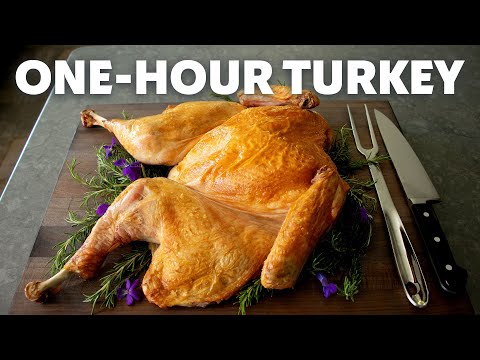
seasoned في 30 ثانية
- Seasoned means having a lot of experience in a specific field, implying wisdom and reliability.
- In cooking, it refers to food that has been flavored with salt, pepper, herbs, or spices.
- It also describes wood that has been dried and prepared for use in building or burning.
- The word suggests a process of maturation and refinement over a significant period of time.
- Professional Context
- In a business setting, calling someone 'seasoned' is a high compliment. It implies they are unflappable, wise, and possess a toolkit of skills that a novice lacks. It is often used in job descriptions when a company is looking for a leader who can navigate complex challenges without needing constant guidance.
The company hired a seasoned executive to lead the merger, knowing her twenty years of experience would be vital.
- Culinary Context
- In cooking, seasoning is the act of adding salt, pepper, or other spices. A 'seasoned' dish is one where the flavors are balanced and heightened. Furthermore, 'seasoning' a pan, especially cast iron, involves baking oil into the surface to create a non-stick coating.
The steak was perfectly seasoned with cracked black pepper and sea salt.
- Material Context
- Wood can also be 'seasoned.' This refers to the process of drying wood to reduce its moisture content, making it suitable for building or burning. Unseasoned wood is often called 'green' wood and is difficult to work with.
Always use seasoned firewood in your fireplace to prevent excessive smoke and creosote buildup.
A seasoned traveler knows that packing light is the key to a stress-free journey.
The seasoned wood didn't warp when the carpenter began crafting the table.
- Attributive Use (Before the Noun)
- This is the most common way to use 'seasoned' when referring to professionals or travelers. It functions as a descriptor of their character and skill level.
We need a seasoned investigator to look into these complex financial discrepancies.
- Predicative Use (After a Verb)
- When describing food or materials, 'seasoned' often follows a verb like 'is,' 'was,' or 'became.' This focuses on the state of the object.
The cast-iron skillet was well seasoned, making it perfectly non-stick for the eggs.
- Describing Experience
- When applying 'seasoned' to a person, it often pairs with nouns representing their role: professional, veteran, traveler, politician, or campaigner.
As a seasoned teacher, she knew exactly how to handle the disruptive student without raising her voice.
The seasoned politician knew how to dodge difficult questions during the press conference.
Only a seasoned climber would attempt to scale the north face in such treacherous weather.
- In the Workplace
- 'We need a seasoned project manager for the London office.' This implies they want someone who can handle the cultural and logistical complexities of an international move.
The CEO is a seasoned veteran of the tech industry, having survived three market crashes.
- In the Kitchen
- 'Is the soup seasoned?' This is a standard question in professional kitchens, checking if salt and acidity are balanced.
The chef insisted that the seasoned flour was the secret to the crispy chicken.
- In Sports and Entertainment
- Commentators might say, 'The seasoned quarterback didn't panic when the defense closed in.' This highlights his mental toughness earned over years of play.
After years on the road, the seasoned musician could perform the entire set in his sleep.
The seasoned actor brought a level of gravitas to the role that a younger performer simply couldn't match.
The seasoned wood crackled in the fireplace, providing a steady and warm glow.
- Mistake 1: Confusing 'Seasoned' with 'Salty'
- In culinary terms, 'seasoned' means a balance of flavors (salt, pepper, herbs). Learners sometimes use it to mean 'too salty.' If a dish has too much salt, it is 'over-seasoned' or simply 'salty,' not just 'seasoned.'
Incorrect: This soup is very seasoned, I can't drink it. (Use 'salty' instead).
- Mistake 2: Using it for Inanimate Objects (Incorrectly)
- You can't call a car or a house 'seasoned' to mean it's old. 'Seasoned' applies to people, food, wood, and occasionally cast iron. For a car, use 'vintage' or 'used.'
Incorrect: I bought a seasoned laptop from my friend. (Use 'second-hand' or 'used').
- Mistake 3: Overusing it in Informal Settings
- 'Seasoned' is a somewhat formal or professional word. Using it to describe a friend who has played a video game for a week might sound overly dramatic or sarcastic.
My brother is a seasoned Fortnite player. (This sounds a bit too formal for the context).
The seasoned traveler always carries a backup battery for her phone.
The wood was not seasoned enough, so it hissed and smoked in the fire.
- Seasoned vs. Experienced
- 'Experienced' is the most direct synonym, but it's more neutral. 'Seasoned' suggests a deeper level of wisdom and the ability to handle adversity. You can have five years of experience and be 'experienced,' but you usually need more time and variety to be 'seasoned.'
- Seasoned vs. Veteran
- 'Veteran' often implies a very long time in a field or specifically military service. While a seasoned professional is highly skilled, a veteran is someone who has been there since the beginning. 'Veteran' carries a slightly stronger sense of longevity.
The seasoned reporter knew how to get the story, while the veteran editor knew how to polish it.
- Seasoned vs. Expert
- An 'expert' has high-level knowledge, often theoretical. A 'seasoned' person has practical, hands-on experience. You can be an expert in theory but not yet seasoned in practice.
The seasoned captain navigated the storm, relying on his years at sea rather than just the charts.
- Culinary Alternatives
- Instead of 'seasoned,' you might use 'flavored,' 'spiced,' 'zesty,' or 'marinated.' 'Seasoned' is the most general term for adding salt and pepper, while the others are more specific.
The seasoned cast-iron pan provided a better sear than the brand-new stainless steel one.
A seasoned hiker knows the importance of wearing broken-in boots.
The seasoned diplomat was able to find common ground between the two warring factions.
How Formal Is It?
حقيقة ممتعة
The use of 'seasoned' to describe an experienced person didn't become common until the 1600s. Before that, it was almost exclusively used for food and timber.
دليل النطق
- Pronouncing the 'o' clearly (it should be a schwa sound).
- Pronouncing it like 'sea-son-ed' (three syllables) instead of 'sea-zund' (two syllables).
- Confusing the 's' and 'z' sounds in the middle.
- Missing the final 'd' sound.
- Over-emphasizing the second syllable.
مستوى الصعوبة
Easy to understand in context, but has multiple meanings.
Requires care to use the correct collocations and register.
Common in professional and culinary talk.
Distinct pronunciation, but can be confused with 'seasons'.
ماذا تتعلّم بعد ذلك
المتطلبات الأساسية
تعلّم لاحقاً
متقدم
قواعد يجب معرفتها
Adjective Order
A talented, seasoned, elderly diplomat. (Opinion, Experience, Age).
Passive Voice with 'With'
The chicken was seasoned with rosemary.
Compound Adjectives
A well-seasoned cast-iron skillet.
Participle Adjectives
'Seasoned' is a past participle used as an adjective.
Adverbial Modification
He is highly seasoned in the art of negotiation.
أمثلة حسب المستوى
I like seasoned chicken for dinner.
J'aime le poulet assaisonné pour le dîner.
Adjective before the noun.
Is the soup seasoned with salt?
La soupe est-elle assaisonnée de sel ?
Passive voice: 'is seasoned with'.
The meat is well seasoned.
La viande est bien assaisonnée.
Adverb 'well' modifies the adjective.
She uses seasoned flour to fry fish.
Elle utilise de la farine assaisonnée pour frire le poisson.
Compound-like use: 'seasoned flour'.
I want some seasoned fries, please.
Je voudrais des frites assaisonnées, s'il vous plaît.
Simple adjective use.
The vegetables are not seasoned.
Les légumes ne sont pas assaisonnés.
Negative form: 'not seasoned'.
This rice is perfectly seasoned.
Ce riz est parfaitement assaisonné.
Adverb 'perfectly' modifies the adjective.
He likes seasoned food.
Il aime la nourriture assaisonnée.
General adjective use.
He is a seasoned traveler who has visited 20 countries.
C'est un voyageur chevronné qui a visité 20 pays.
Using 'seasoned' to mean 'experienced'.
The seasoned wood is ready for the fire.
Le bois sec est prêt pour le feu.
Describing material state.
She is a seasoned player on the basketball team.
Elle est une joueuse expérimentée dans l'équipe de basket.
Applying 'seasoned' to a hobby/sport.
We bought some seasoned salt at the store.
Nous avons acheté du sel assaisonné au magasin.
Common product name.
The chef is a seasoned professional in the kitchen.
Le chef est un professionnel chevronné en cuisine.
Professional context.
You should use seasoned wood to build the table.
Vous devriez utiliser du bois sec pour construire la table.
Instructional use.
The seasoned hikers reached the top easily.
Les randonneurs chevronnés ont atteint le sommet facilement.
Plural noun modified by 'seasoned'.
Is the cast-iron pan seasoned?
La poêle en fonte est-elle culottée ?
Specific culinary term for pans.
The company is looking for a seasoned manager to lead the team.
L'entreprise recherche un manager chevronné pour diriger l'équipe.
Standard business usage.
The seasoned wood burns much better than green wood.
Le bois sec brûle beaucoup mieux que le bois vert.
Comparison between 'seasoned' and 'green'.
As a seasoned teacher, she knows how to keep students engaged.
En tant qu'enseignante chevronnée, elle sait comment maintenir l'intérêt des élèves.
Using 'as a' to introduce the role.
The steak was seasoned with a secret blend of herbs.
Le steak était assaisonné d'un mélange secret d'herbes.
Passive voice with 'with'.
He is a seasoned campaigner who knows how to win votes.
C'est un militant chevronné qui sait comment gagner des voix.
Political context.
The seasoned traveler always carries a first-aid kit.
Le voyageur chevronné emporte toujours une trousse de premiers soins.
Generalizing about a type of person.
Make sure the wood is properly seasoned before you use it.
Assurez-vous que le bois est bien sec avant de l'utiliser.
Adverb 'properly' modifies 'seasoned'.
The seasoned journalist asked the most difficult questions.
Le journaliste chevronné a posé les questions les plus difficiles.
Media context.
A seasoned diplomat was sent to negotiate the peace treaty.
Un diplomate chevronné a été envoyé pour négocier le traité de paix.
Implies high-level expertise and wisdom.
The cast-iron skillet needs to be seasoned after every use.
La poêle en fonte doit être culottée après chaque utilisation.
Technical culinary process.
His speech was seasoned with witty remarks and anecdotes.
Son discours était agrémenté de remarques spirituelles et d'anecdotes.
Metaphorical use meaning 'enhanced'.
Only a seasoned pilot could have landed the plane in such a storm.
Seul un pilote chevronné aurait pu faire atterrir l'avion dans une telle tempête.
Conditional 'could have landed' with 'seasoned'.
The seasoned wood had a moisture content of less than 20 percent.
Le bois sec avait une teneur en humidité inférieure à 20 %.
Technical/scientific context.
She is a seasoned veteran of many corporate takeovers.
Elle est une habituée chevronnée de nombreux rachats d'entreprises.
Redundant but common: 'seasoned veteran'.
The film was a collaboration between a young director and a seasoned editor.
Le film était une collaboration entre un jeune réalisateur et un monteur chevronné.
Contrast between 'young' and 'seasoned'.
The seasoned climber checked his gear one last time.
Le grimpeur chevronné a vérifié son équipement une dernière fois.
Focus on reliability and safety.
The seasoned investigator's intuition proved correct once again.
L'intuition de l'enquêteur chevronné s'est avérée exacte une fois de plus.
Focus on 'intuition' as a result of seasoning.
Her writing is seasoned with a deep understanding of human nature.
Son écriture est imprégnée d'une profonde compréhension de la nature humaine.
Abstract metaphorical use.
The seasoned wood of the cello produced a rich, warm tone.
Le bois sec du violoncelle produisait une sonorité riche et chaude.
Focus on the quality resulting from age/preparation.
A seasoned perspective is essential when analyzing historical events.
Une perspective chevronnée est essentielle lors de l'analyse d'événements historiques.
Describing an abstract concept (perspective).
The market for seasoned securities remained stable despite the volatility.
Le marché des titres chevronnés est resté stable malgré la volatilité.
Technical financial term.
The seasoned actor brought a level of gravitas to the role.
L'acteur chevronné a apporté une certaine gravité au rôle.
Focus on the 'weight' of experience.
The project benefited from the seasoned leadership of the board.
Le projet a bénéficié de la direction chevronnée du conseil d'administration.
Focus on collective experience.
The seasoned traveler navigated the bustling bazaar with ease.
Le voyageur chevronné a navigué dans le bazar animé avec aisance.
Implies cultural competence.
His character was seasoned by years of hardship and resilience.
Son caractère a été forgé par des années d'épreuves et de résilience.
Passive metaphorical use (tempering).
The seasoned timber of the ancient cathedral had withstood centuries of storms.
La charpente séculaire de l'ancienne cathédrale avait résisté à des siècles de tempêtes.
Focus on longevity and endurance.
A seasoned intellect is required to grasp the nuances of this philosophical argument.
Un intellect chevronné est requis pour saisir les nuances de cet argument philosophique.
Applying 'seasoned' to mental capacity.
The seasoned diplomat's silence was more eloquent than any speech.
Le silence du diplomate chevronné était plus éloquent que n'importe quel discours.
Focus on the subtlety of experience.
The seasoned wood of the violin had been air-dried for over fifty years.
Le bois sec du violon avait été séché à l'air pendant plus de cinquante ans.
Specific technical detail.
Her seasoned heart found beauty in the most unexpected places.
Son cœur aguerri trouvait de la beauté dans les endroits les plus inattendus.
Poetic/metaphorical use.
The seasoned strategist anticipated the opponent's move before it was even made.
Le stratège chevronné a anticipé le mouvement de l'adversaire avant même qu'il ne soit fait.
Focus on predictive power.
The seasoned landscape had been shaped by millennia of glacial activity.
Le paysage aguerri avait été façonné par des millénaires d'activité glaciaire.
Applying 'seasoned' to geological time.
المرادفات
الأضداد
تلازمات شائعة
العبارات الشائعة
— Add salt, pepper, or spices until the flavor is exactly how you like it. It is a standard instruction in recipes.
Simmer for ten minutes, then season to taste.
— A person who is very experienced at a particular task. It implies a steady and reliable skill.
We need a seasoned hand at the helm during this crisis.
— Having been made wiser or better by the things one has lived through. It is a more formal or poetic expression.
His advice was seasoned with experience and kindness.
— Having only a small amount of salt or spices added. It is often used for delicate foods.
The fish was lightly seasoned to preserve its natural flavor.
— Having a lot of spices or strong flavors added. It can sometimes mean 'spicy.'
I find highly seasoned food a bit difficult to digest.
— Wood that has been dried properly for use in construction. It is essential for preventing warping.
The roof was built using only seasoned timber.
— Someone who has watched a particular field or situation for a long time and understands it well.
Seasoned observers of the market predicted the crash.
— Including funny remarks to make a serious subject more interesting or easier to handle.
Her lecture was seasoned with humor, making it very enjoyable.
— A cast-iron pan that has been treated with oil to create a non-stick surface. This is a vital part of pan maintenance.
Nothing sticks to a well-seasoned cast-iron skillet.
— Someone who has participated in many political or social campaigns and knows the strategies well.
The seasoned campaigner knew how to handle the media.
يُخلط عادةً مع
'Seasoned' means balanced flavor; 'salty' means too much salt.
'Seasoned' implies skill from time; 'old' just implies age.
'Seasoned' can be mild; 'spicy' always means hot or strong spices.
تعبيرات اصطلاحية
— To not completely believe something that you are told, because you think it is unlikely to be true. While not using the word 'seasoned,' it is the most famous idiom related to seasoning.
You should take his promises with a grain of salt.
informal— A person who is very good, honest, and reliable. Related to the most common seasoning.
My grandfather was the salt of the earth.
neutral— Deserving the pay or respect that one receives. Often used with 'seasoned' professionals.
Any seasoned lawyer worth his salt would have seen that coming.
neutral— To temper justice or a harsh decision with forgiveness. This is a famous literary expression (from Shakespeare).
His judgment was seasoned with mercy.
literary— Available or at its best at a particular time of year. Related to the root word.
Strawberries are in season right now.
neutral— Suitable for all times or situations. Implies a high level of versatility.
He is a leader for all seasons.
formal— Variety makes life interesting. Related to the idea of seasoning life with different experiences.
Variety is the spice of life.
informal— To make a difficult situation even worse for someone. Related to the physical act of seasoning.
Losing the game was bad enough, but his taunts really rubbed salt in the wound.
informal— A synonym for a seasoned person. Someone who has a lot of experience.
He's an old hand at fixing car engines.
informal— Extremely seasoned through difficult or dangerous experiences. Often used for soldiers or tough professionals.
The battle-hardened troops were ready for anything.
neutralسهل الخلط
Both mean having done something before.
'Seasoned' implies a higher level of maturity and the ability to handle difficult situations smoothly. It is more descriptive and respectful.
He is an experienced driver, but only a seasoned driver could handle this icy mountain road.
Both describe people with long experience.
'Veteran' often has a military connotation or implies a very long duration (decades). 'Seasoned' focuses more on the quality of the skill gained.
The seasoned reporter covered the story, while the veteran editor checked the facts.
Both involve drying or preparing materials.
'Cured' is usually for meat or concrete. 'Seasoned' is the standard term for wood and the general term for food flavor.
We ate cured meats while sitting by the fire made of seasoned wood.
Both imply skill from repetition.
'Practiced' often describes a specific action or gesture (a practiced smile). 'Seasoned' describes the whole person or their overall career.
With a practiced hand, the seasoned artist began the portrait.
Both imply high skill.
'Expert' can be theoretical. 'Seasoned' is always practical and time-based.
The expert explained the physics of sailing, but the seasoned sailor actually steered the boat.
أنماط الجُمل
The [food] is seasoned.
The fish is seasoned.
He is a seasoned [person].
He is a seasoned traveler.
The [food] was seasoned with [spice].
The meat was seasoned with pepper.
As a seasoned [role], [subject] [verb].
As a seasoned teacher, she handles the class well.
[Abstract noun] seasoned with [abstract noun].
A speech seasoned with wisdom.
[Subject] was seasoned by [experience].
He was seasoned by years of war.
A well-seasoned [object].
A well-seasoned pan.
Use seasoned [material].
Use seasoned wood.
عائلة الكلمة
الأسماء
الأفعال
الصفات
مرتبط
كيفية الاستخدام
Common in professional, culinary, and technical contexts.
-
This soup is too seasoned.
→
This soup is too salty / over-seasoned.
'Seasoned' is usually positive. If there is too much salt, use 'salty' or 'over-seasoned.'
-
He is a seasoned boy.
→
He is an experienced boy (or just 'talented').
'Seasoned' implies many years of time. It is rarely used for children.
-
I added some seasoned to the meat.
→
I added some seasoning to the meat.
'Seasoned' is an adjective. 'Seasoning' is the noun (the spices).
-
The car is very seasoned.
→
The car is very old / used.
'Seasoned' is not used for machines or vehicles.
-
He is seasoned with playing piano.
→
He is a seasoned piano player.
We don't usually use 'seasoned with' for skills. Use it as an adjective before the noun.
نصائح
Use it for People
When you want to praise someone's experience without just saying 'old,' use 'seasoned.' It sounds professional and respectful.
Season to Taste
In recipes, 'season to taste' means you are the boss. Add salt and pepper until it tastes good to you.
Resume Power
Using 'seasoned' in your resume (e.g., 'Seasoned Marketing Specialist') can help you stand out as a mature and reliable candidate.
Woodworking
If you are buying firewood, always ask if it is 'seasoned.' Unseasoned wood won't burn well and will make a lot of smoke.
Adverb Pairs
Pair 'seasoned' with adverbs like 'highly,' 'perfectly,' or 'expertly' to add more detail to your descriptions.
Abstract Use
Try using 'seasoned' to describe abstract things like a 'seasoned argument' or a 'seasoned perspective' for a more literary feel.
Seasoned vs. Green
Remember the contrast: 'seasoned' is the expert, 'green' is the beginner. This is a very common professional comparison.
Don't Forget the 'D'
The word is 'seasoned' (adjective), not 'season' (noun/verb). Make sure to include the 'ed' at the end.
Context Clues
If you hear 'seasoned' in a kitchen, think 'salt.' If you hear it in an office, think 'experience.' Context is everything.
Variety
Don't use 'seasoned' five times in one paragraph. Mix it up with 'experienced,' 'veteran,' or 'skilled.'
احفظها
وسيلة تذكّر
Think of the four 'seasons.' A 'seasoned' person has lived through many springs, summers, autumns, and winters of their job. They have seen it all!
ربط بصري
Imagine a salt shaker next to a person with gray hair holding a briefcase. Both represent 'seasoning'—one for food, one for life.
Word Web
تحدٍّ
Try to use 'seasoned' in three different ways today: once for food, once for a person, and once metaphorically. Write them down in your journal.
أصل الكلمة
The word 'seasoned' comes from the Old French 'saisonner,' which means 'to ripen' or 'to bring to a desired state.' This was derived from the Latin 'sationem,' meaning 'a sowing' or 'planting time.'
المعنى الأصلي: Originally, it referred to fruit that had ripened in its proper season. Over time, it was applied to wood (ripening/drying) and then to food (adding spices to make it 'ripe' or ready).
Indo-European -> Latin -> Romance -> English.السياق الثقافي
Be careful not to use 'seasoned' as a polite way to say 'old' if the person actually lacks experience. It is about skill, not just age.
In the US and UK, 'seasoned' is a very common word in job advertisements and LinkedIn profiles to denote seniority.
تدرّب في الحياة الواقعية
سياقات واقعية
Cooking
- Season to taste
- Well-seasoned pan
- Seasoned flour
- Lightly seasoned
Business
- Seasoned professional
- Seasoned manager
- Seasoned executive
- Seasoned leadership
Travel
- Seasoned traveler
- Seasoned explorer
- Seasoned tourist
- Seasoned in international travel
Construction/Woodworking
- Seasoned timber
- Seasoned oak
- Properly seasoned wood
- Kiln-seasoned
Politics/Journalism
- Seasoned campaigner
- Seasoned reporter
- Seasoned observer
- Seasoned diplomat
بدايات محادثة
"Would you consider yourself a seasoned traveler, or do you still get nervous at airports?"
"What is the secret to a perfectly seasoned steak in your opinion?"
"Do you think it's better to hire a seasoned professional or a young, energetic beginner?"
"Have you ever tried to season a cast-iron pan? How did it go?"
"Who is the most seasoned person you know in your current field of work?"
مواضيع للكتابة اليومية
Describe a time when you felt like a 'novice' but eventually became 'seasoned' in that activity.
Write about a seasoned professional you admire and the qualities that make them stand out.
If you were a chef, what would be your signature 'seasoned' dish and why?
Reflect on how your character has been 'seasoned' by the challenges you've faced in the last year.
Explain the importance of using seasoned wood in a project, either literally or metaphorically.
الأسئلة الشائعة
10 أسئلةIt is rare. 'Seasoned' implies a long period of time (many 'seasons'). If a young person has worked very intensely for 5-10 years, you might call them seasoned, but usually, it refers to someone with more years of experience.
'Seasoned' is the basic adjective. 'Well-seasoned' is an emphatic version, meaning the person is very experienced or the food has a lot of great flavor. It is a very common collocation.
No. Seasoning includes salt, but it also includes pepper, herbs, and spices. A dish can be seasoned with just herbs and no salt at all, although salt is the most common seasoning.
Wood is 'seasoned' when it has been left to dry for several 'seasons' (months or years). This removes the sap and moisture, making it stable and good for burning or building.
It is almost always positive. It implies wisdom, skill, and readiness. However, if you say someone is 'seasoned' instead of 'expert,' it might focus more on their time spent than their genius.
You rub a thin layer of oil on a cast-iron pan and bake it in the oven. This creates a hard, non-stick surface. A pan treated this way is called a 'seasoned pan.'
No, we don't usually call inanimate objects like cars or computers 'seasoned' to mean they are old. We use 'used,' 'second-hand,' or 'vintage.'
It is flour that has been mixed with salt, pepper, and often other spices like paprika or garlic powder. It is used to coat meat before frying.
Not exactly. 'Spiced' implies the use of strong spices (like cinnamon or chili). 'Seasoned' is more general and always includes salt and pepper.
It sounds a bit strange. Usually, we say 'I am an experienced English speaker' or 'I am fluent.' 'Seasoned' is better for professional roles like 'a seasoned translator.'
اختبر نفسك 200 أسئلة
Write a sentence using 'seasoned' to describe a professional.
Well written! Good try! Check the sample answer below.
Describe your favorite seasoned dish in two sentences.
Well written! Good try! Check the sample answer below.
Explain why a 'seasoned traveler' is different from a 'tourist.'
Well written! Good try! Check the sample answer below.
Write a short dialogue between a chef and an assistant using 'seasoned.'
Well written! Good try! Check the sample answer below.
Use 'seasoned' in a metaphorical way to describe a speech or a book.
Well written! Good try! Check the sample answer below.
Write a job advertisement looking for a 'seasoned' employee.
Well written! Good try! Check the sample answer below.
Explain the importance of 'seasoned wood' for a carpenter.
Well written! Good try! Check the sample answer below.
Describe a 'seasoned' person you know personally.
Well written! Good try! Check the sample answer below.
Use the phrase 'season to taste' in a recipe instruction.
Well written! Good try! Check the sample answer below.
Write a sentence using 'seasoned' in a financial context.
Well written! Good try! Check the sample answer below.
Compare 'seasoned' and 'green' in a professional context.
Well written! Good try! Check the sample answer below.
Describe a 'seasoned pilot' during a difficult flight.
Well written! Good try! Check the sample answer below.
Write a sentence about a 'seasoned cast-iron pan.'
Well written! Good try! Check the sample answer below.
Use 'seasoned' to describe a musician's performance.
Well written! Good try! Check the sample answer below.
Explain the etymology of 'seasoned' in your own words.
Well written! Good try! Check the sample answer below.
Write a sentence about a 'seasoned investigator.'
Well written! Good try! Check the sample answer below.
Describe a 'seasoned hiker's' equipment.
Well written! Good try! Check the sample answer below.
Use 'seasoned' to describe an old building's walls.
Well written! Good try! Check the sample answer below.
Write a sentence about 'seasoned timber.'
Well written! Good try! Check the sample answer below.
Describe a 'seasoned diplomat's' personality.
Well written! Good try! Check the sample answer below.
Explain the two main meanings of 'seasoned' to a friend.
Read this aloud:
قلت:
Speech recognition is not supported in your browser. Try Chrome or Edge.
Talk about a 'seasoned' person you admire for 30 seconds.
Read this aloud:
قلت:
Speech recognition is not supported in your browser. Try Chrome or Edge.
Describe how to season a piece of meat.
Read this aloud:
قلت:
Speech recognition is not supported in your browser. Try Chrome or Edge.
Why is it important for a company to have 'seasoned' leaders?
Read this aloud:
قلت:
Speech recognition is not supported in your browser. Try Chrome or Edge.
What are the benefits of using 'seasoned wood' for a fire?
Read this aloud:
قلت:
Speech recognition is not supported in your browser. Try Chrome or Edge.
How would you describe a 'seasoned traveler's' suitcase?
Read this aloud:
قلت:
Speech recognition is not supported in your browser. Try Chrome or Edge.
What does 'season to taste' mean in a cooking show?
Read this aloud:
قلت:
Speech recognition is not supported in your browser. Try Chrome or Edge.
Give an example of a 'seasoned diplomat's' task.
Read this aloud:
قلت:
Speech recognition is not supported in your browser. Try Chrome or Edge.
How can a person's character be 'seasoned'?
Read this aloud:
قلت:
Speech recognition is not supported in your browser. Try Chrome or Edge.
Describe a 'seasoned' actor's performance.
Read this aloud:
قلت:
Speech recognition is not supported in your browser. Try Chrome or Edge.
What is 'seasoned flour' and what do you do with it?
Read this aloud:
قلت:
Speech recognition is not supported in your browser. Try Chrome or Edge.
Why is 'seasoned' a better word than 'old' for an expert?
Read this aloud:
قلت:
Speech recognition is not supported in your browser. Try Chrome or Edge.
What does a 'seasoned investigator' look for?
Read this aloud:
قلت:
Speech recognition is not supported in your browser. Try Chrome or Edge.
Talk about the importance of 'seasoned timber' in building a house.
Read this aloud:
قلت:
Speech recognition is not supported in your browser. Try Chrome or Edge.
Use 'seasoned' in a sentence about a sports player.
Read this aloud:
قلت:
Speech recognition is not supported in your browser. Try Chrome or Edge.
What is a 'seasoned security' in finance?
Read this aloud:
قلت:
Speech recognition is not supported in your browser. Try Chrome or Edge.
How do you know if a pan is 'well-seasoned'?
Read this aloud:
قلت:
Speech recognition is not supported in your browser. Try Chrome or Edge.
Describe a 'seasoned' journalist's interview style.
Read this aloud:
قلت:
Speech recognition is not supported in your browser. Try Chrome or Edge.
What does 'a speech seasoned with humor' sound like?
Read this aloud:
قلت:
Speech recognition is not supported in your browser. Try Chrome or Edge.
Are you a 'seasoned' student of English? Why or why not?
Read this aloud:
قلت:
Speech recognition is not supported in your browser. Try Chrome or Edge.
Listen for the word 'seasoned' in a cooking video. What was it describing?
In a business meeting, someone says 'We need a seasoned pro.' What do they want?
A carpenter says, 'This wood isn't seasoned.' Can he use it now?
A sports commentator calls a player 'seasoned.' Is the player new?
A chef says 'Season to taste.' Who decides the amount of salt?
A news report mentions a 'seasoned diplomat.' What is his job likely to be?
You hear 'The cast-iron pan is perfectly seasoned.' Is it a good pan?
A traveler says, 'I'm a seasoned backpacker.' Does she stay in luxury hotels?
An investigator is called 'seasoned.' Does he make many mistakes?
You hear 'The wood was kiln-seasoned.' How was it dried?
A speaker says her talk is 'seasoned with anecdotes.' What are anecdotes?
Someone says 'He's a seasoned campaigner.' Is he in a war or politics?
You hear 'The fries are highly seasoned.' Are they plain?
A financial analyst talks about 'seasoned securities.' Are they risky?
A teacher is called 'seasoned.' Does she have a lot of energy?
/ 200 correct
Perfect score!
Summary
The word 'seasoned' is a powerful adjective that signifies readiness and quality earned through time, whether applied to a veteran professional, a perfectly flavored dish, or dried timber. Example: 'The seasoned traveler never leaves home without a map.'
- Seasoned means having a lot of experience in a specific field, implying wisdom and reliability.
- In cooking, it refers to food that has been flavored with salt, pepper, herbs, or spices.
- It also describes wood that has been dried and prepared for use in building or burning.
- The word suggests a process of maturation and refinement over a significant period of time.
Use it for People
When you want to praise someone's experience without just saying 'old,' use 'seasoned.' It sounds professional and respectful.
Season to Taste
In recipes, 'season to taste' means you are the boss. Add salt and pepper until it tastes good to you.
Resume Power
Using 'seasoned' in your resume (e.g., 'Seasoned Marketing Specialist') can help you stand out as a mature and reliable candidate.
Woodworking
If you are buying firewood, always ask if it is 'seasoned.' Unseasoned wood won't burn well and will make a lot of smoke.