Style and Register: From Formal Prose to Spoken Flow
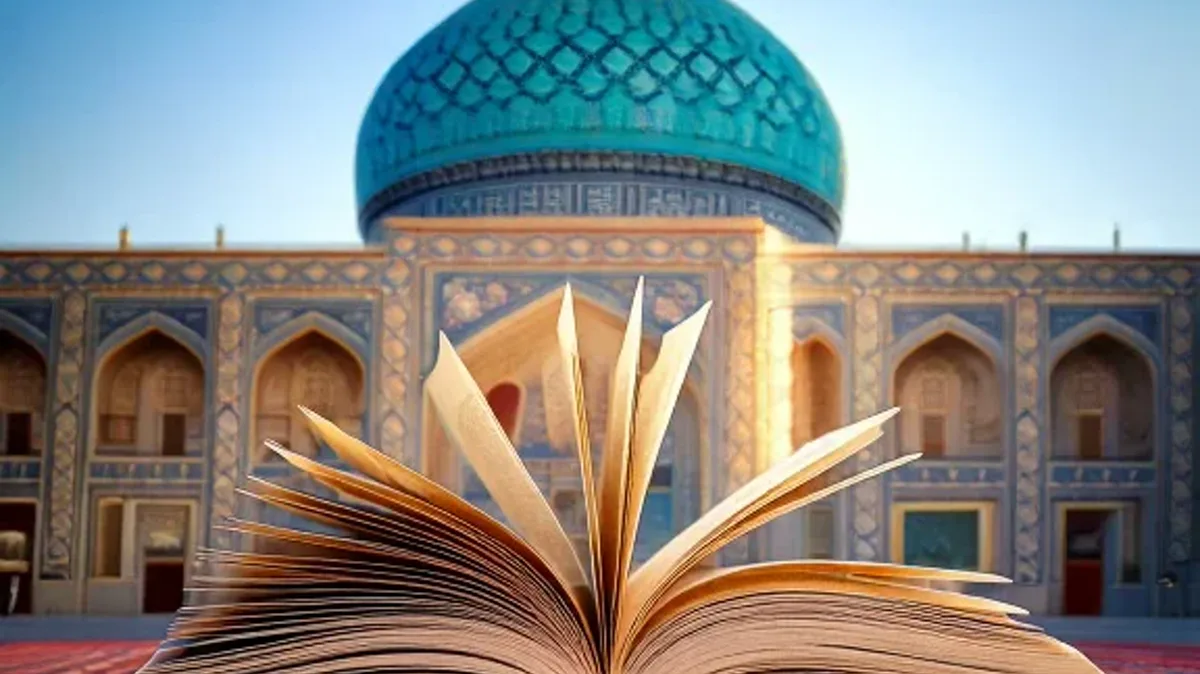
Chapter in 30 Seconds
Master the nuanced art of Persian discourse, from professional elegance to the rhythmic flow of the street.
- Manipulate sentence word order to emphasize specific topics.
- Identify and apply ellipsis in natural, rapid-fire spoken Persian.
- Distinguish between formal registers and casual colloquial speech.
ما ستتعلمه
Alright, champ, we've reached the point where we're going to take your Persian from great to truly exceptional! In this advanced C1 chapter, we're diving deep into the
Secrets of Persian Nuance– those subtle touches that make your speech sound utterly natural, just like a native speaker. First up, we'll tackle the distinctions between
Formal and Informal Persian. No more speaking exclusively from textbooks! You'll master how to seamlessly switch between these registers, choosing the perfect tone for any situation. Imagine confidently navigating a formal meeting or crafting a professional email, then effortlessly shifting to a relaxed, casual chat with friends at a cafe or a quick conversation with a taxi driver.
Next, we'll explore Persian Sentence Spice: how to emphasize exactly what you mean by strategically reordering words. Want to say, It was *I* who did this task,or
I bought that book *yesterday*? With the
Topic-Comment rule, you'll learn to bring anything you want into immediate focus at the beginning of a sentence, grabbing your listener's attention. This is advanced-level sentence construction, allowing for precision and impact.
Finally, we'll uncover the Invisible Words – the art of ellipsis in spoken Persian. You've probably noticed how fast native speakers sound, sometimes seemingly skipping words. You'll learn to omit conjunctions and prepositions in rapid conversation without losing clarity or meaning. This key skill will help you speak fluently, without hesitation, and truly blend in with native rhythms.
By the end of this chapter, you won't just know Persian; you'll live it! You'll be able to communicate effectively and appropriately in any context, convey your exact message with stylistic precision, and captivate your audience. Ready? Let's go!
-
التوكيد في الجملة الفارسية: وضع التركيز أولاً (المبتدأ والخبر)أسلوب التقديم (Fronting) يخليك تسلط الضوء على معلومة معينة عن طريق نقلها لبداية الجملة الفارسية، استخدم «تقدیم» للتركيز، و «را/رو» للتعريف، و «پسوند» للربط.
-
الكلمات الشبح: الحذف في الفارسية المحكيةفي الفارسية العامية السريعة، نقوم بحذف الأدوات الهيكلية مثل «به» و «که» لتسريع الكلام دون تغيير المعنى.
-
الفارسية الرسمية مقابل العامية: من لغة 'الكتاب' إلى لغة 'الشارع'التنقل بين الفارسية الرسمية «کتابی» والعامية «محاورهای» هو سر طلاقتك؛ استخدم «کتابی» للرسميات و«محاورهای» للدردشة.
Learning Objectives
By the end of this chapter, you will be able to:
-
1
By the end you will be able to: Reorder complex Persian sentences to shift focus onto the topic of your choice.
دليل الفصل

نظرة عامة
Style and Register: From Formal Prose to Spoken Flow,is your key to unlocking the subtle nuances that make a world of difference. We're moving beyond textbook perfection to the authentic, vibrant language spoken every day by millions. You'll discover how to effortlessly adapt your Persian to any social context, emphasizing your message with precision, and speaking with the natural rhythm of a native.
كيف تعمل هذه القاعدة
Persian Sentence Spice: Putting the Focus First (Topic-Comment).Unlike English, where emphasis often comes from intonation or auxiliary verbs, Persian frequently uses word order. You can strategically reorder elements to highlight what's most important. For instance, to emphasize *who* did something, you can place the subject at the beginning: من این کار را انجام دادم. (Man īn kār rā anjām dādam - *I* did this task.) compared to a more neutral این کار را من انجام دادم. (Īn kār rā man anjām dādam - This task, *I* did it).
Ghost Words: Ellipsis in Spoken Persian.Native speakers often omit words in rapid, casual conversation without losing clarity. This includes conjunctions like و (va - and), prepositions, and sometimes even subject pronouns or parts of verbs. For example, instead of من به خانه میروم. (Man be khāne mī-ravam - I go to home.), a native speaker might simply say میرم خونه. (Mī-ram khūne - I go home.) omitting the subject pronoun and the preposition, and using the informal verb form.

الأخطاء الشائعة
- 1✗ Wrong: «سلام، شما چطور هستید؟» (Salām, shomā chetor hastīd? - Hello, how are you? - said to a close friend)
- 1✗ Wrong: «من دیروز آن کتاب را خریدم.» (Man dīrūz ān ketāb rā kharīdam. - I bought that book yesterday.) - when the speaker wants to emphasize
yesterday
Topic-Comment rule to convey specific focus.
محادثات حقيقية
A
B
A
B
A
B
أسئلة شائعة
How do I know when to use formal versus informal Persian?
The choice depends on context, your relationship with the person, and the setting. Use formal for strangers, elders, superiors, official situations, and written communication. Use informal for friends, family, children, and casual settings. When in doubt, start formal and adjust if the other person uses informal.
Is reordering sentences for emphasis common in everyday Persian?
Absolutely! The Topic-Comment structure is a very natural and frequently used aspect of Persian sentence structure in both spoken and written language. It's essential for conveying precise meaning and sounding natural.
What are the most common invisible words to omit in spoken Persian?
The most common omissions in spoken Persian ellipsis include the conjunction و (va - and), certain prepositions like به (be - to) or از (az - from) when the meaning is clear, and often subject pronouns (like من (man - I) or تو (to - you)) when the verb conjugation already indicates the subject.

السياق الثقافي
Topic-Comment structure, while a grammatical tool, also reflects a cultural preference for clarity and directness in emphasis.أمثلة رئيسية (4)
این کلید رو من پیدا کردم.
هذا المفتاح، أنا وجدته.
التوكيد في الجملة الفارسية: وضع التركيز أولاً (المبتدأ والخبر)کباب رو تند میخورم.
الكباب، آكله حاراً.
التوكيد في الجملة الفارسية: وضع التركيز أولاً (المبتدأ والخبر)آنها فردا میآیند.
هم سيأتون غداً.
الفارسية الرسمية مقابل العامية: من لغة 'الكتاب' إلى لغة 'الشارع'این فیلم خیلی خوب است.
هذا الفيلم جيد جداً!
الفارسية الرسمية مقابل العامية: من لغة 'الكتاب' إلى لغة 'الشارع'نصائح وحيل (3)
سر الضمير المتصل
تأثير لهجة طهران
قاعدة 'عند الشك'
المفردات الرئيسية (5)
Real-World Preview
The Cafe Catch-up
Review Summary
- Topic + Comment
- Verb stem + informal ending
- Formal: Full forms / Informal: Contracted forms
أخطاء شائعة
Using full formal forms in casual settings makes you sound robotic.
Failing to use topic-fronting misses the opportunity to emphasize location.
Over-articulating conjunctions like 'ke' is unnatural in rapid speech.
القواعد في هذا الفصل (3)
Next Steps
You have mastered the nuances of Persian! Continue to listen, observe, and engage with native speakers to keep refining your unique voice.
Watch a Persian movie and note register shifts
تدريب سريع (6)
أي جملة ستستخدم لمراسلة صديق؟
تو والكلمة العامية مهمونی والفعل المختصر میای.frontend.learn_grammar.from_rule: الفارسية الرسمية مقابل العامية: من لغة 'الكتاب' إلى لغة 'الشارع'
دوستم هر روز به دانشگاه ___.
میره هي الصيغة العامية للفعل الرسمي میرود. في المحادثات اليومية، نستخدم هذا الاختصار.frontend.learn_grammar.from_rule: الفارسية الرسمية مقابل العامية: من لغة 'الكتاب' إلى لغة 'الشارع'
اختر الطريقة الأكثر طبيعية لقول 'هذه البيتزا، لم أطلبها أنا':
frontend.learn_grammar.from_rule: التوكيد في الجملة الفارسية: وضع التركيز أولاً (المبتدأ والخبر)
___ من خریدم. (أنا اشتريت الهاتف.)
frontend.learn_grammar.from_rule: التوكيد في الجملة الفارسية: وضع التركيز أولاً (المبتدأ والخبر)
Find and fix the mistake:
من کتاب را دوست دارم.
کتاب را صحيحة قواعدياً، في الكلام العامي يتم اختصار را إلى ـو ووصلها بالاسم.frontend.learn_grammar.from_rule: الفارسية الرسمية مقابل العامية: من لغة 'الكتاب' إلى لغة 'الشارع'
فیلم من دیدم. (الفيلم، أنا رأيته.)
frontend.learn_grammar.from_rule: التوكيد في الجملة الفارسية: وضع التركيز أولاً (المبتدأ والخبر)
Score: /6

