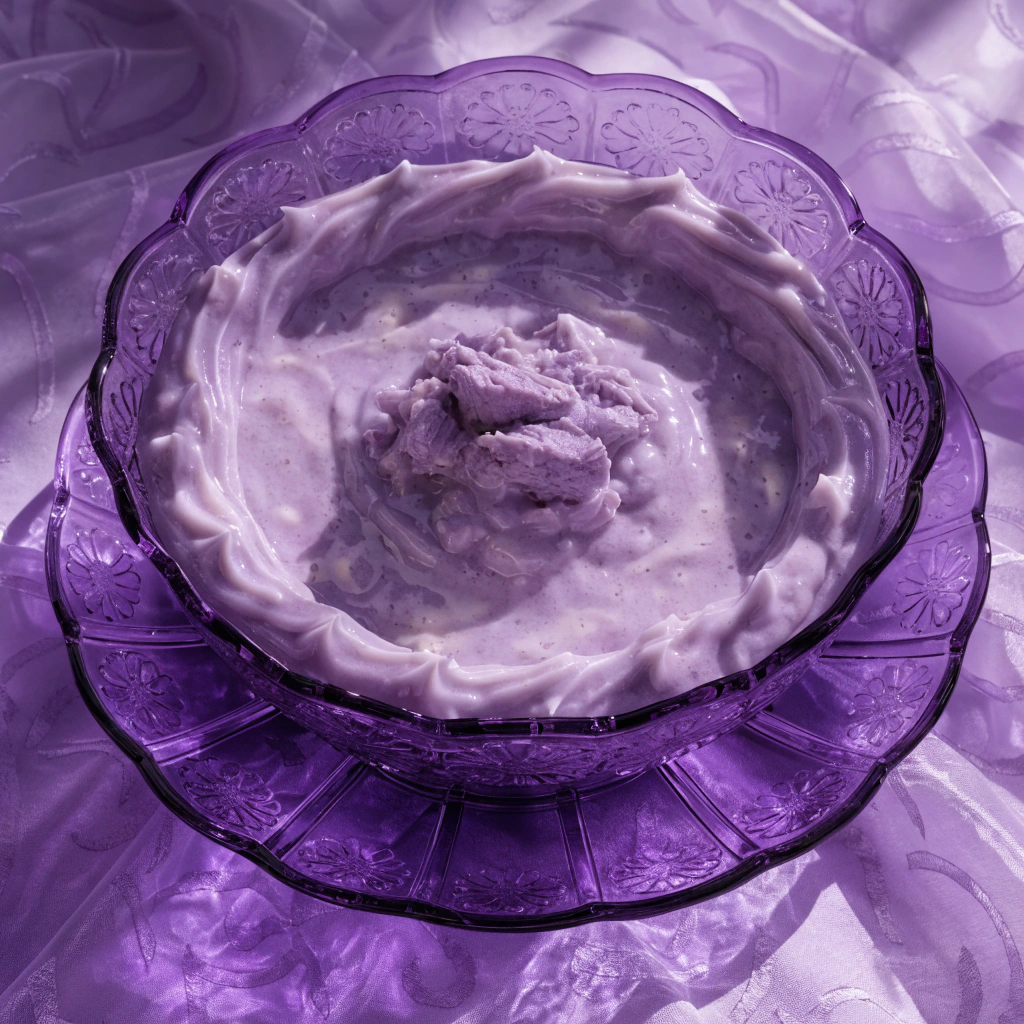
A Special Dish: Harees
Harees is a very famous food in the United Arab Emirates. It is a very old and traditional dish. People eat it at weddings and during the holy month of Ramadan. It is a special meal for many families.
This food has three main parts. It has wheat, meat, and a little salt. People cook it for a very long time. It becomes soft and delicious.
You can find Harees in many Emirati homes today. It shows that people are very kind and friendly. It is a healthy meal. Everyone loves this special food.
Grammar Spotlight
Pattern: Present Simple 'to be'
"Harees is a very famous food in the United Arab Emirates."
We use 'is' with singular subjects like 'Harees' to describe facts or states. It is the most common verb in English for giving information.
Pattern: Present Simple (Regular Verbs)
"People cook it for a very long time."
We use the base form of the verb 'cook' with plural subjects like 'People'. This pattern describes habits or general truths.
Test Your Understanding
10 questions · A1 Beginner · 1 free preview
Test what you learned from this article. Answer all questions to earn XP!
What is Harees?
Want to finish the quiz?
9 more questions are waiting for you. Sign up free to unlock the full quiz and earn XP!
Sign Up FreeAlready have an account? Sign In
Question Breakdown
What is Harees?
Your answer:
Correct answer: A famous food
Harees is a very new food in the UAE.
Your answer:
Correct answer: False
What does 'delicious' mean?
Your answer:
Correct answer: Tastes very good
People cook it for a very _____ time.
Your answer:
Correct answer: long
Harees: A Traditional Taste of the UAE
Harees is a very old and famous dish in the United Arab Emirates. It is more than just food; it is a symbol of Emirati hospitality and history. People in the UAE love to share Harees with their neighbors and friends during special times.
This dish is simple because it only has three ingredients: wheat, meat, and a little salt. However, it is not easy to make. In the past, people cooked it for many hours. They soaked the wheat overnight and then boiled it with lamb or chicken. They used a large wooden spoon to mix it until it became very soft. It was harder to cook in the past than it is today.
Today, Harees is still very popular, especially during the holy month of Ramadan and at weddings. It is healthier than many modern fast foods. When you visit a home in the UAE, you might see a warm bowl of Harees with some local ghee on top. It is a delicious part of the culture.
Grammar Spotlight
Pattern: Past Simple
"In the past, people cooked it for many hours."
The past simple is used for finished actions in the past. For regular verbs like 'cook', we add '-ed' to the base form.
Pattern: Comparatives
"It was harder to cook in the past than it is today."
We use comparatives to compare two things. For short adjectives like 'hard', we add '-er' and use the word 'than'.
Test Your Understanding
11 questions · A2 Elementary · 1 free preview
Test what you learned from this article. Answer all questions to earn XP!
What are the three main ingredients of Harees?
Want to finish the quiz?
10 more questions are waiting for you. Sign up free to unlock the full quiz and earn XP!
Sign Up FreeAlready have an account? Sign In
Question Breakdown
What are the three main ingredients of Harees?
Your answer:
Correct answer: Wheat, meat, and salt
Harees is a new dish invented recently in the UAE.
Your answer:
Correct answer: False
What does 'ingredients' mean?
Your answer:
Correct answer: The items used to make a dish
They used a large wooden _____ to mix the wheat and meat.
Your answer:
Correct answer: spoon
When is Harees especially popular?
Your answer:
Correct answer: During Ramadan and weddings
Harees: A Taste of Emirati History
Harees is one of the most famous dishes in the United Arab Emirates. It has been a part of the local culture for hundreds of years, representing the soul of Emirati heritage. This simple meal, which is made from wheat and meat, reflects the history of the desert and the patience of its people.
To make traditional Harees, the wheat is soaked overnight so it becomes soft. Then, the meat and wheat are simmered together in a large pot for many hours until they are very tender. In the past, this was a difficult job that required a lot of physical strength. The mixture had to be beaten with a heavy wooden spoon called a 'mizrab' until it reached a smooth consistency. Even though it takes a long time to prepare, people believe the effort is worth it because the taste is excellent.
This dish is often served during special occasions like weddings and the holy month of Ramadan. It is a symbol of hospitality because it is usually shared with family, friends, and neighbors. Many visitors to the UAE have tried Harees and loved its unique, porridge-like texture. It is usually topped with a small amount of local ghee to add extra flavor.
In modern times, some people use electrical mixers to save time, but the traditional method is still respected. Whether it is cooked in a modern kitchen or over an open fire, Harees remains a beloved meal that connects the past with the present. It shows that even with only three simple ingredients—wheat, meat, and salt—you can create something that is truly special.
Grammar Spotlight
Pattern: Present Perfect
"It has been a part of the local culture for hundreds of years."
We use the present perfect (have/has + past participle) to talk about something that started in the past and continues to the present. Here, it shows that Harees is still important today.
Pattern: Passive Voice
"Then, the meat and wheat are simmered together in a large pot."
The passive voice is used when the action is more important than who is doing it. It is formed using 'be' + the past participle.
Test Your Understanding
11 questions · B1 Intermediate · 1 free preview
Test what you learned from this article. Answer all questions to earn XP!
What are the primary ingredients of Harees?
Want to finish the quiz?
10 more questions are waiting for you. Sign up free to unlock the full quiz and earn XP!
Sign Up FreeAlready have an account? Sign In
Question Breakdown
What are the primary ingredients of Harees?
Your answer:
Correct answer: Wheat and meat
Harees is a relatively new dish in the UAE.
Your answer:
Correct answer: False
What does 'hospitality' mean?
Your answer:
Correct answer: Being friendly and generous to guests
To make the wheat soft, it must be _____ overnight.
Your answer:
Correct answer: soaked
When is Harees typically served?
Your answer:
Correct answer: During weddings and Ramadan
Harees: The Culinary Soul of Emirati Heritage
Harees is perhaps the most iconic and ancient dish in the United Arab Emirates, representing the soul of Emirati hospitality and the endurance of its desert heritage. At its core, Harees is a deceptively simple dish made from only three primary ingredients: cracked wheat, meat, and a pinch of salt. However, its preparation is an arduous labor of love that historically required hours of physical strength and patience. The wheat is soaked overnight, then simmered with the meat for several hours until the mixture reaches a porridge-like consistency. Traditionally, the ingredients were beaten with a heavy wooden spoon, known as a 'mizrab,' to achieve the perfect texture.
Beyond its culinary components, the significance of Harees lies in its communal nature. For centuries, it has been a staple during the holy month of Ramadan, as well as at weddings and other major festivals. The act of sharing Harees is a manifestation of generosity, a core value in Emirati culture. Consequently, it is common for families to prepare large quantities to distribute among their neighbors, fostering a sense of social cohesion. While modern technology has introduced electric mixers that simplify the process, many families still prefer the traditional method to honor their ancestors.
Furthermore, the preservation of Harees reflects a broader effort to safeguard the UAE’s intangible heritage. In a rapidly globalizing world, maintaining such traditions provides a vital link to the past. The meticulous preparation required for Harees serves as a reminder of a time when resources were scarce and every meal was the result of collective effort. It might be argued that the dish is not merely food, but a symbol of resilience.
In conclusion, Harees remains a cornerstone of Emirati identity. Its enduring popularity demonstrates that even as the UAE evolves into a global hub of innovation, the values of hospitality and tradition remain deeply rooted. By continuing to serve this ancient dish, the people of the Emirates ensure that their rich history is tasted and appreciated by future generations.
Grammar Spotlight
Pattern: Passive Voice
"The wheat is soaked overnight, then simmered with the meat for several hours until the mixture reaches a porridge-like consistency."
The passive voice is used here to focus on the process rather than the person performing the action. It is formed using the verb 'to be' plus the past participle.
Pattern: Present Perfect Simple
"For centuries, it has been a staple during the holy month of Ramadan, as well as at weddings and other major festivals."
This tense describes an action or state that started in the past and continues to the present. It emphasizes the duration and ongoing relevance of the tradition.
Pattern: Discourse Markers for Contrast and Conclusion
"While modern technology has introduced electric mixers that simplify the process, many families still prefer the traditional method to honor their ancestors."
The word 'While' is used at the beginning of the sentence to acknowledge a contrasting fact before emphasizing the main point. This structure is common in B2 academic writing to show balanced analysis.
Test Your Understanding
11 questions · B2 Upper Intermediate · 1 free preview
Test what you learned from this article. Answer all questions to earn XP!
According to the article, why is Harees considered more than just a meal?
Want to finish the quiz?
10 more questions are waiting for you. Sign up free to unlock the full quiz and earn XP!
Sign Up FreeAlready have an account? Sign In
Question Breakdown
According to the article, why is Harees considered more than just a meal?
Your answer:
Correct answer: Because it represents hospitality and cultural endurance.
The traditional method of making Harees involves using a wooden spoon called a 'mizrab'.
Your answer:
Correct answer: True
What does 'arduous' mean in the context of the article?
Your answer:
Correct answer: Difficult and requiring much effort.
The act of sharing Harees is described as a _____ of generosity.
Your answer:
Correct answer: manifestation
What does the meticulous preparation of Harees remind people of?
Your answer:
Correct answer: A time when resources were scarce and collective effort was necessary.
The Culinary Alchemy of Harees: A Testament to Emirati Resilience and Communal Identity
In the rapidly evolving landscape of the United Arab Emirates, where skyscrapers pierce the heavens and technology dictates the tempo of life, certain cultural vestiges remain remarkably steadfast. Among these, few are as evocative as Harees. Seldom does a dish encapsulate the arduous journey of a nation as poignantly as this humble porridge of wheat and meat. Beyond its nutritional value, Harees serves as a profound narrative of Emirati resilience, hospitality, and the enduring strength of communal bonds. The dish is not merely a staple; it is a historical record written in grain and salt.
The preparation of Harees is characterized by a deceptive simplicity that belies the physical rigor historically required for its creation. Traditionally, the process begins with the soaking of cracked wheat, followed by hours of meticulous simmering with meat—be it lamb, veal, or poultry—until the mixture reaches a state of near-perfect homogeneity. What follows is the most physically demanding phase: the rhythmic beating of the mixture with a large wooden spoon known as a 'madrab'. This labor-intensive task was not merely a culinary necessity but a social event, often requiring the collective effort of neighbors and family members. It is this communal spirit inherent in its preparation that defines its true value, transforming a meal into a shared manifestation of solidarity.
From a sociological perspective, the ubiquity of Harees during significant occasions, such as weddings and the holy month of Ramadan, underscores its role as a quintessential symbol of Emirati identity. While modern kitchen appliances have undeniably mitigated the physical strain of its preparation, the dish’s essence remains untarnished. Critics might argue that the automation of such processes risks diluting the cultural significance of the labor involved; however, the continued preference for Harees at the center of the Emirati table suggests otherwise. The dish represents a bridge between the austerity of the desert past and the prosperity of the present.
Furthermore, the sensory experience of consuming Harees—its velvety texture and subtle, earthy flavors—evokes a sense of nostalgia that transcends generations. The nominalization of the cooking process into a singular cultural event highlights how food can function as a repository for collective memory. In an era of globalization, where culinary boundaries are increasingly blurred, the preservation of Harees stands as a defiant assertion of local heritage. The nuances of regional variations, though subtle, reflect the diverse tapestry of the Arabian Peninsula. The 'madrab' itself has evolved from a simple tool into a symbolic artifact, representing the manual dexterity and endurance of previous generations.
Ultimately, Harees remains a cornerstone of the UAE’s intangible heritage, a dish that continues to nourish both the body and the national soul. It is not merely sustenance; it is a testament to the fact that even as a society moves forward at breakneck speed, the flavors of the past provide the necessary grounding for its future identity. To understand Harees is to understand the Emirati ethos: a preference for substance over superficiality and a commitment to the hospitality that has defined the region for centuries.
Grammar Spotlight
Pattern: Inversion with Negative Adverbials
"Seldom does a dish encapsulate the arduous journey of a nation as poignantly as Harees."
Inversion is used here by placing the negative adverbial 'Seldom' at the beginning, followed by the auxiliary verb 'does'. This structure adds formal emphasis and dramatic flair, common in C1 level academic or literary writing.
Pattern: Cleft Sentences
"It is this communal spirit inherent in its preparation that defines its true value."
A cleft sentence (It + be + subject + relative clause) is used to focus on a specific part of the sentence. Here, it emphasizes that the 'communal spirit'—rather than the ingredients themselves—is the most important factor.
Pattern: Nominalization for Abstract Analysis
"The nominalization of the cooking process into a singular cultural event highlights how food can function as a repository for collective memory."
Nominalization involves turning actions (cooking) into nouns to allow for more complex and abstract discussion. This technique is essential for C1 level writing to maintain a sophisticated, analytical tone.
Test Your Understanding
12 questions · C1 Advanced · 1 free preview
Test what you learned from this article. Answer all questions to earn XP!
According to the article, what does the preparation of Harees symbolize beyond the food itself?
Want to finish the quiz?
11 more questions are waiting for you. Sign up free to unlock the full quiz and earn XP!
Sign Up FreeAlready have an account? Sign In
Question Breakdown
According to the article, what does the preparation of Harees symbolize beyond the food itself?
Your answer:
Correct answer: A shared manifestation of solidarity and communal bonds.
The author suggests that the use of modern kitchen appliances has completely destroyed the cultural significance of Harees.
Your answer:
Correct answer: False
What is the meaning of 'ubiquity' as used in the text?
Your answer:
Correct answer: The state of being found everywhere or being very common.
The beating of the wheat with a 'madrab' was historically a _____ necessity and a social event.
Your answer:
Correct answer: culinary
What is the primary function of the 'madrab' in the context of the article?
Your answer:
Correct answer: A wooden spoon used for the rhythmic beating of the mixture.
The article claims that Harees acts as a repository for collective memory.
Your answer:
Correct answer: True
The Culinary Palimpsest of Harees: A Study in Emirati Cultural Continuity
In the context of the United Arab Emirates’ rapid metamorphosis from a collection of pearling outposts to a globalized metropole, few cultural artifacts retain the visceral potency of Harees. A dish of profound antiquity, Harees serves as a culinary palimpsest, where layers of history, social cohesion, and survival are distilled into a singular, unpretentious texture. To the uninitiated, the composition of Harees—comprising merely cracked wheat, meat, and salt—might appear simplistic, yet such a reductionist view would preclude an understanding of the arduous labor and spiritual resonance that define its preparation. The subtle interplay of salt and the natural fats from the meat provides a depth of flavor that belies its minimal ingredient list. This gastronomic minimalism is reflective of a heritage where resources were scarce, and every grain of wheat was a precious commodity.
Were one to scrutinize the culinary landscape of the Arabian Peninsula, one would find that Harees is not merely sustenance; it is a quintessential expression of Emirati hospitality. The preparation begins with the soaking of high-quality wheat, typically overnight, ensuring that the grains are sufficiently hydrated to undergo a slow, transformative simmering. It is imperative that the meat—be it lamb, veal, or poultry—be of a quality that allows it to dissolve into the wheat, creating a remarkable homogeneity of flavor and form. The dish also serves as a bridge between the nomadic Bedouin past and the sedentary urban present, reminding citizens of a time when the preparation of a meal was a collective event, involving the shared labor of the household or the wider neighborhood.
The true alchemy, however, occurs during the 'madrab' phase. Historically, this involved the use of a heavy wooden paddle, also called a madrab, traditionally carved from the midrib of a palm branch. The cook must beat the mixture for hours, a task requiring significant physical fortitude. This rhythmic, almost meditative exertion ensures the desired viscosity—a smooth, elastic consistency that distinguishes a masterfully prepared Harees from a mediocre one. While modern mechanized mixers have sought to alleviate this burden, many purists maintain that the manual process imparts a 'nafas' or soul to the dish that technology cannot replicate. Such dedication to the craft suggests that the value of the dish lies as much in the process as it does in the final product.
Furthermore, the consumption of Harees is inherently communal. It is the centerpiece of the Iftar table during the holy month of Ramadan and a staple at weddings and Eid celebrations. Its presence suggests a dismissal of hierarchy; whether served in a humble desert tent or a palatial villa, the dish remains a unifying force. One might argue that the very texture of Harees—where individual ingredients lose their distinct boundaries to form a cohesive whole—is a metaphor for the social fabric of the UAE itself. Despite the encroachment of global gastronomic trends, Harees remains remarkably resilient. It does not demand the flamboyant spices of more modern fusion cuisines, nor the intricate presentation of French haute cuisine. Instead, its elegance lies in its restraint. It is an honest dish, one that demands time in an era of instant gratification. In this sense, Harees acts as a temporal anchor, connecting contemporary Emiratis to the stoicism of their ancestors.
In conclusion, Harees is far more than a mere amalgamation of grain and protein. It is a testament to the endurance of tradition in the face of breakneck modernization. Should the UAE continue its trajectory as a global leader in innovation, it is likely that Harees will continue to be served, reminding its people that the most enduring legacies are often those forged through patience, labor, and a commitment to the communal good.
Grammar Spotlight
Pattern: Inverted Conditional (Were)
"Were one to scrutinize the culinary landscape of the Arabian Peninsula, one would find that Harees is not merely sustenance."
This formal structure replaces 'If one were to scrutinize...' by inverting the subject and the verb. It is used in academic or literary English to discuss hypothetical situations with a high degree of formality.
Pattern: The Subjunctive Mood
"It is imperative that the meat—be it lamb, veal, or poultry—be of a quality that allows it to dissolve into the wheat."
The subjunctive 'be' is used here after an adjective of necessity ('imperative'). It indicates that something is required or desirable rather than stating a current fact.
Pattern: Inverted Conditional (Should)
"Should the UAE continue its trajectory as a global leader in innovation, it is likely that Harees will continue to be served."
Similar to the 'were' inversion, 'should' is used at the start of a sentence to replace 'if' in a formal context, suggesting a possible future condition.
Test Your Understanding
12 questions · C2 Mastery · 1 free preview
Test what you learned from this article. Answer all questions to earn XP!
What does the author suggest about the simplicity of Harees?
Want to finish the quiz?
11 more questions are waiting for you. Sign up free to unlock the full quiz and earn XP!
Sign Up FreeAlready have an account? Sign In
Question Breakdown
What does the author suggest about the simplicity of Harees?
Your answer:
Correct answer: It is deceptive and hides a complex process of labor and meaning.
The author argues that modern mechanized mixers have successfully captured the 'nafas' of the dish.
Your answer:
Correct answer: False
Which word describes the thickness and semi-fluid consistency of the dish?
Your answer:
Correct answer: Viscosity
The preparation of Harees is described as an _____ labor that requires physical strength.
Your answer:
Correct answer: arduous
What symbolic meaning does the author attribute to the texture of Harees?
Your answer:
Correct answer: The social fabric and unity of the UAE.
Harees is traditionally associated with the holy month of Ramadan.
Your answer:
Correct answer: True
