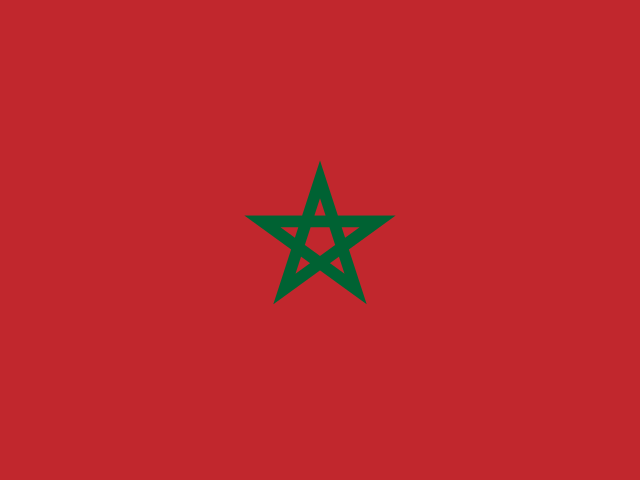
المغرب
Marruecos
Sobre Marruecos
Located at the northwestern tip of Africa, Morocco is a kingdom where the rugged Atlas Mountains meet the vast Sahara Desert and the Atlantic and Mediterranean coasts. Its history is a rich tapestry of indigenous Berber heritage, Arab traditions, and European influences, creating a unique cultural identity known for its ornate architecture and vibrant marketplaces. Today, it remains a vital bridge between continents, celebrated for its historic imperial cities and deep-rooted traditions of hospitality.
Datos rápidos
Capital
Rabat
Población
36,910,560
Región
Africa · Northern Africa
Moneda
Moroccan Dirham (MAD)
Idiomas hablados

Árabe
العربية

Francés
Français
¿Sabías que?
The University of Al-Quaraouiyine in Fes, founded in 859 AD, is recognized by UNESCO and Guinness World Records as the oldest continuously operating degree-granting educational institution in the world.
Morocco is home to the famous 'Blue Pearl' city of Chefchaouen, where almost every building and street in the old medina is painted in vibrant shades of blue.
In certain regions of Morocco, goats have developed the unique skill of climbing Argan trees to feast on their fruit, often seen perched on high branches by passing travelers.
The city of Ouarzazate is known as the 'Hollywood of Africa' and houses Atlas Studios, one of the world's largest film studios where blockbusters like 'Gladiator' and 'Kingdom of Heaven' were filmed.
Monumentos famosos
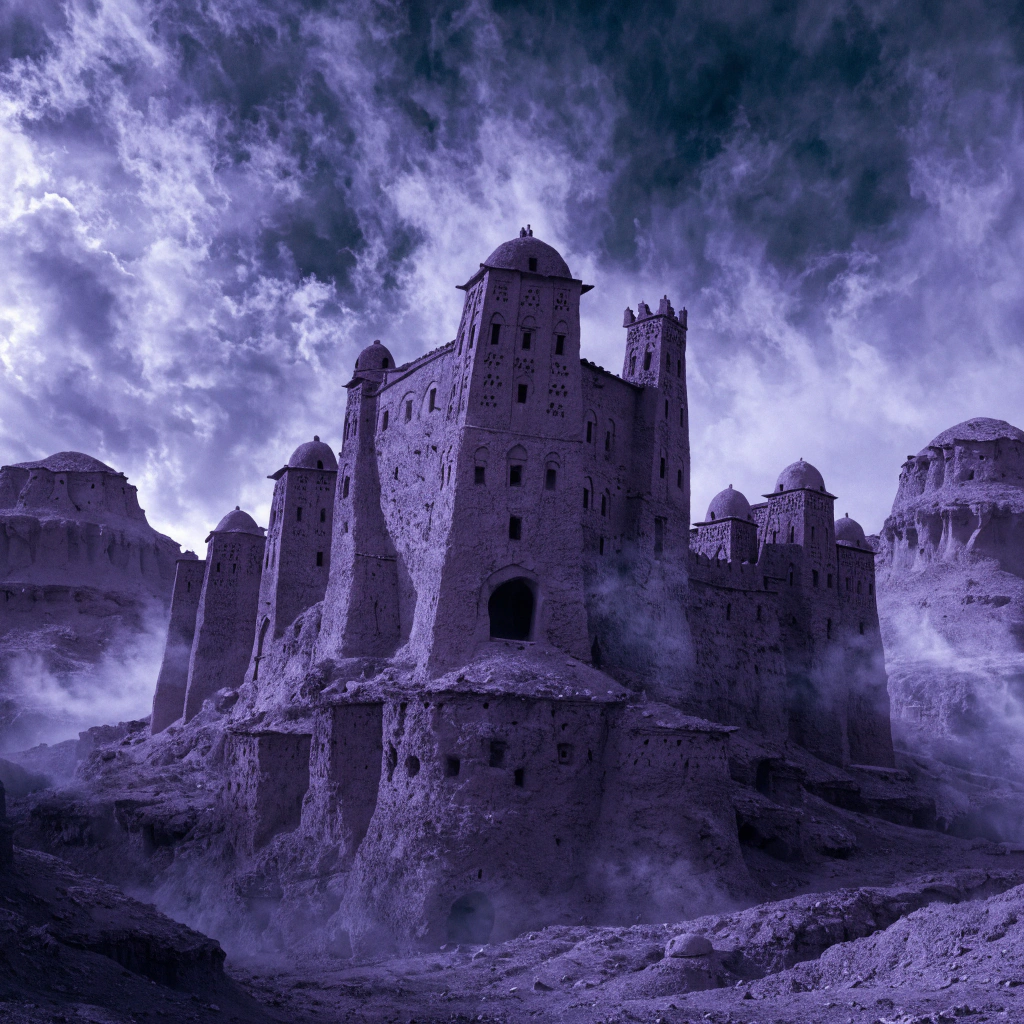
Ait Benhaddou
Un impresionante ejemplo de arquitectura marroquí de arcilla y tierra, esta aldea fortificada es un sitio Patrimonio de la Humanidad por la UNESCO y una ubicación cinematográfica legendaria.
Leer más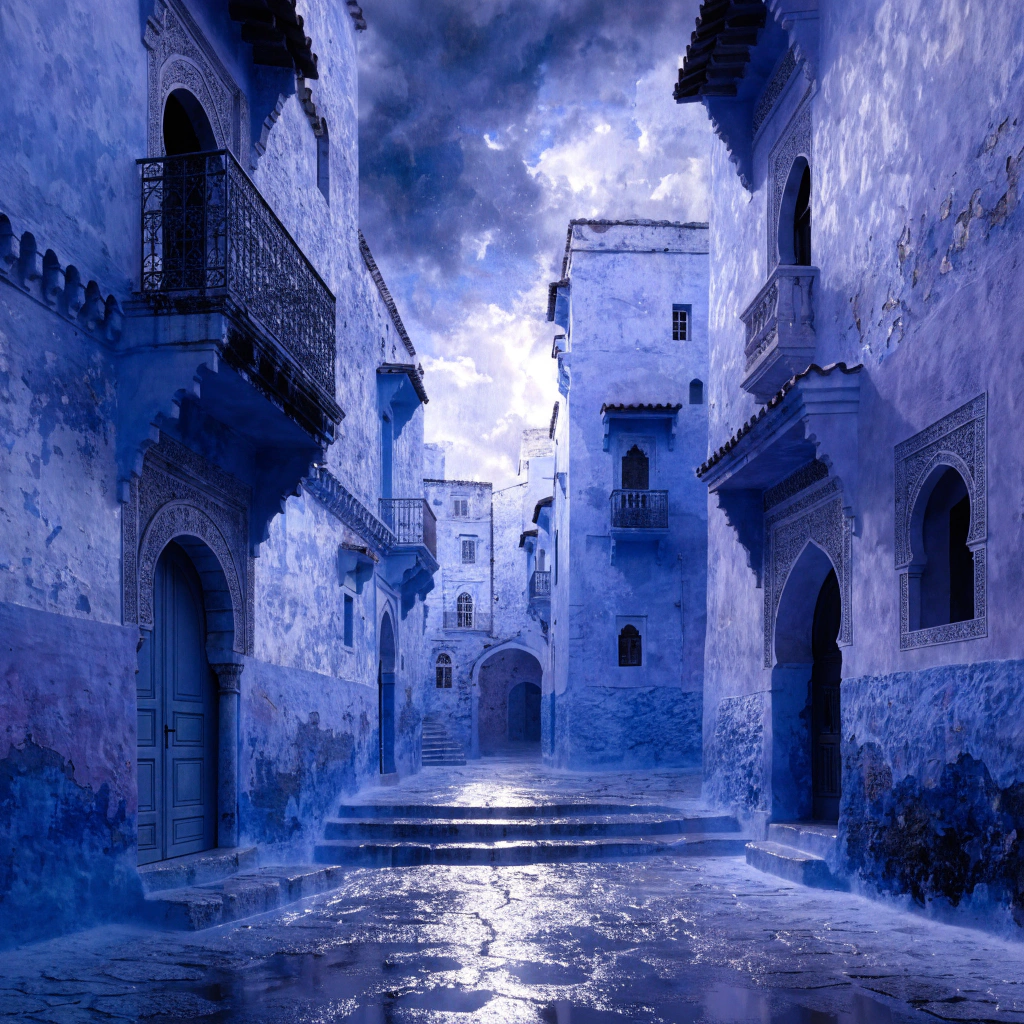
Chefchaouen
Conocida por sus llamativos edificios pintados de azul, esta ciudad de montaña ofrece un ambiente sereno y una rica historia de tolerancia religiosa y expresión artística.
Leer más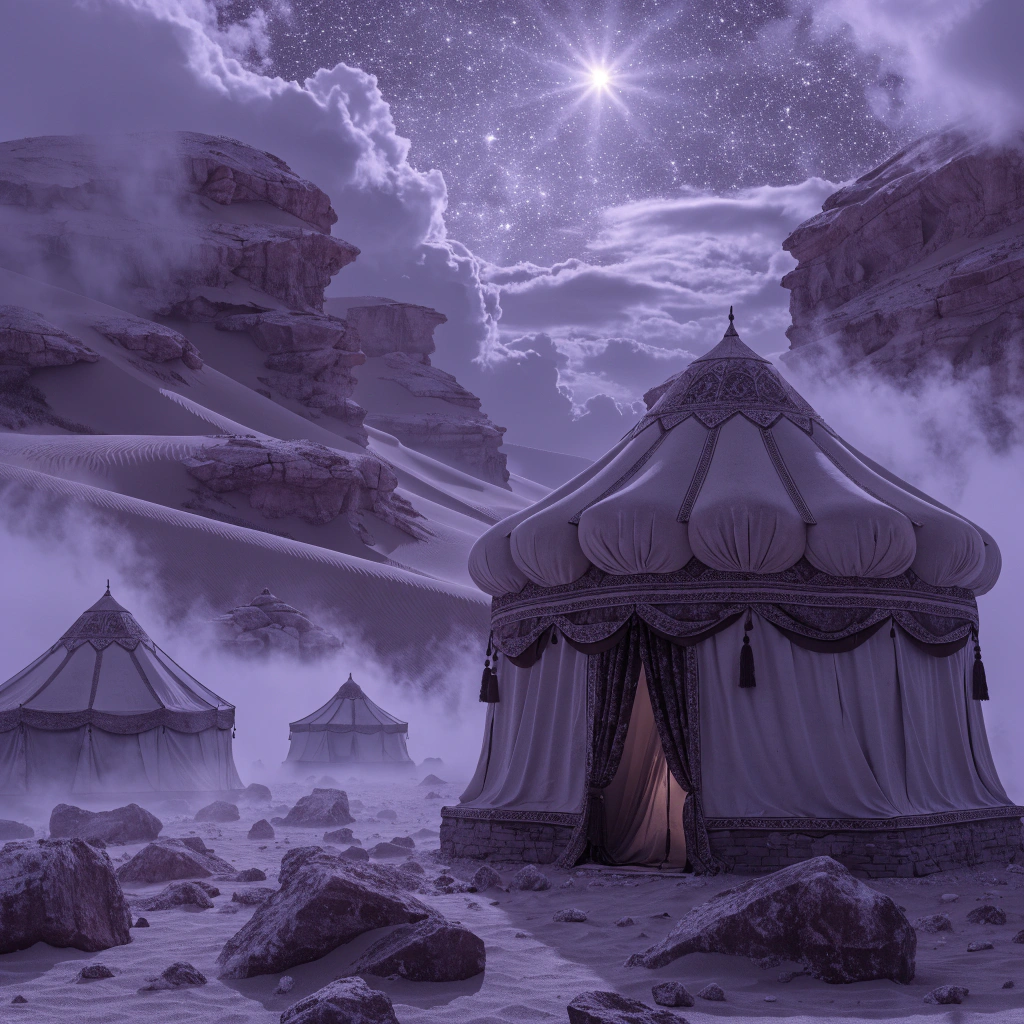
Erg Chebbi
Estas imponentes dunas de arena naranja en el Sahara Desert ofrecen un paisaje de otro mundo para la cultura nómada y noches estrelladas que te dejarán sin aliento.
Leer más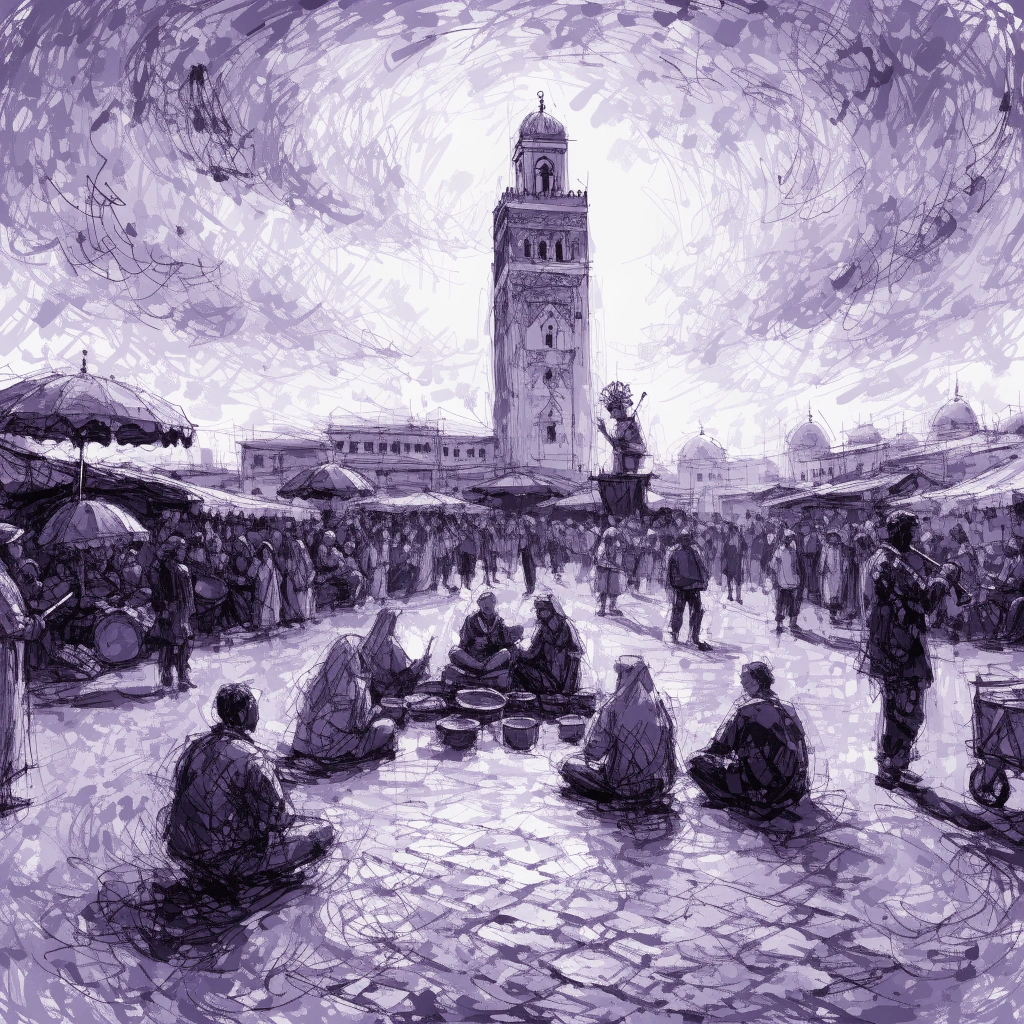
Djemaa el-Fnaa
The vibrant heart of Marrakech, this historic square is a living theater of storytellers, musicians, and traditional street life.
Leer másGastronomía
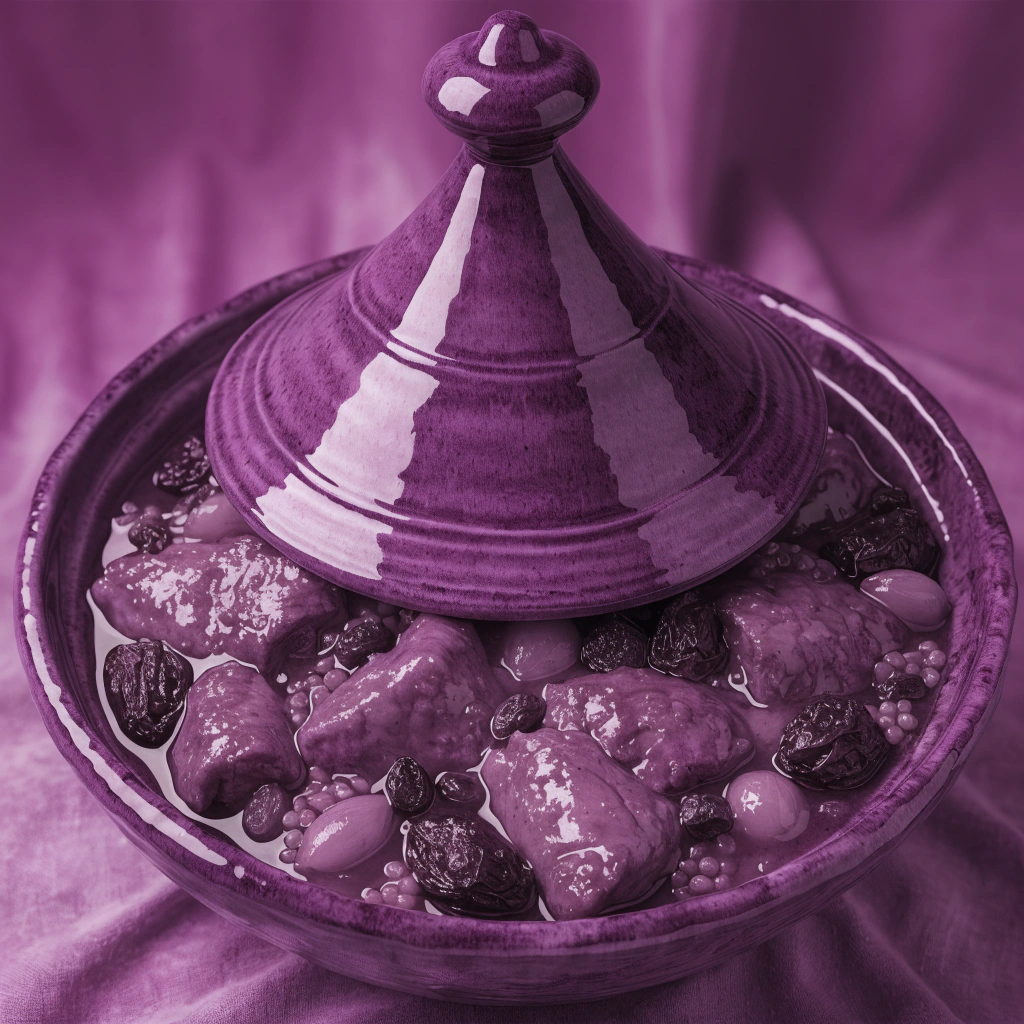
Tagine
A slow-cooked Moroccan stew named after the conical clay pot in which it is prepared.
Leer más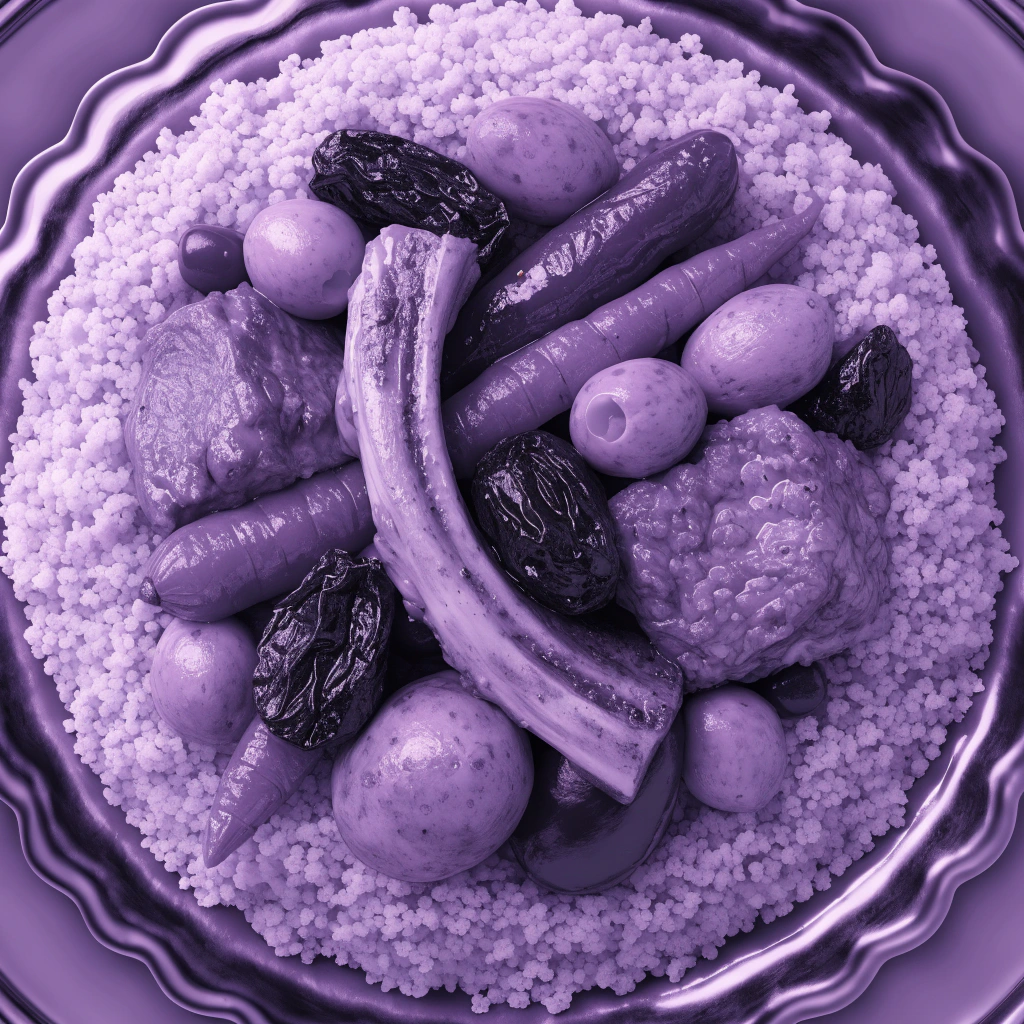
Cuscús
El plato nacional de Marruecos, que consiste en gránulos de sémola al vapor cubiertos con carne y una variedad de verduras.
Leer más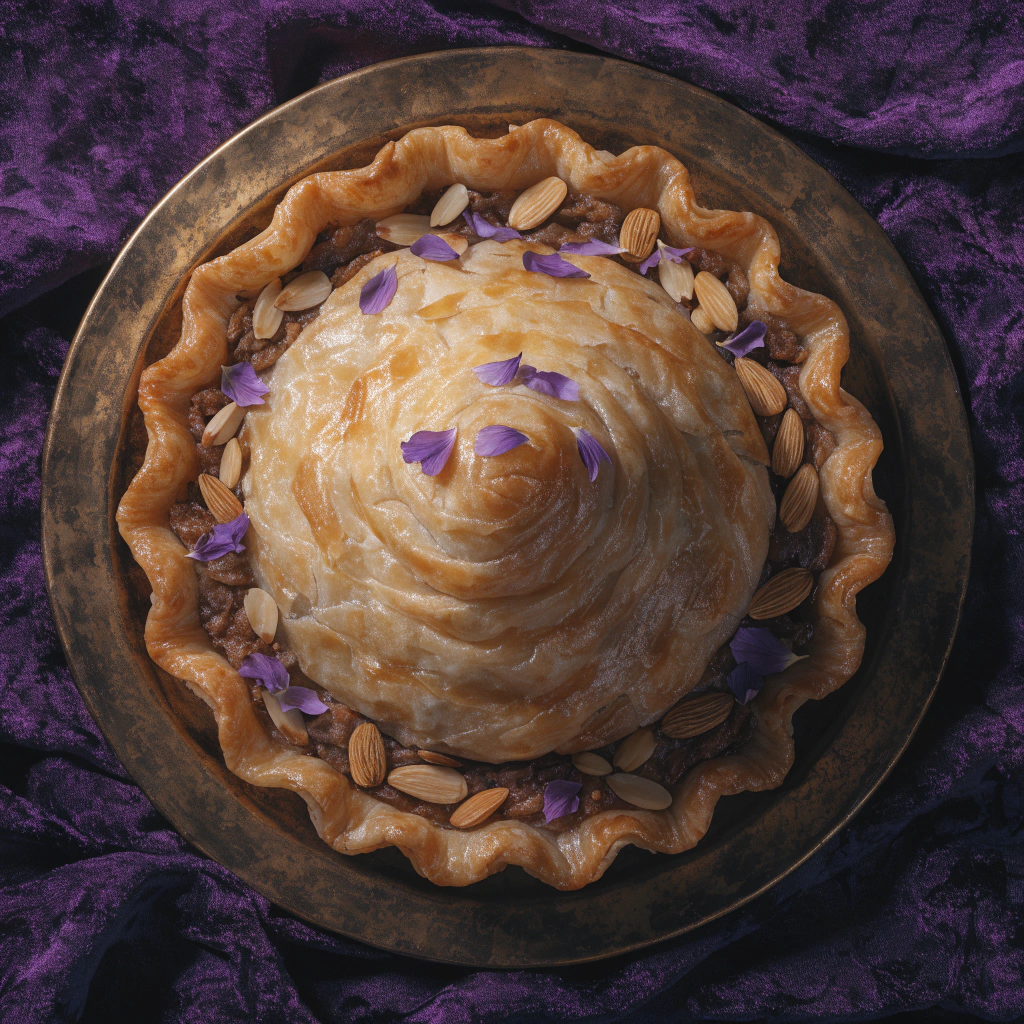
Bastilla
Un pay súper sofisticado con inspiración andaluza, hecho con capas de masa bien finitas y relleno de carne saladita, especias aromáticas y un toque dulce de almendras por encima.
Leer más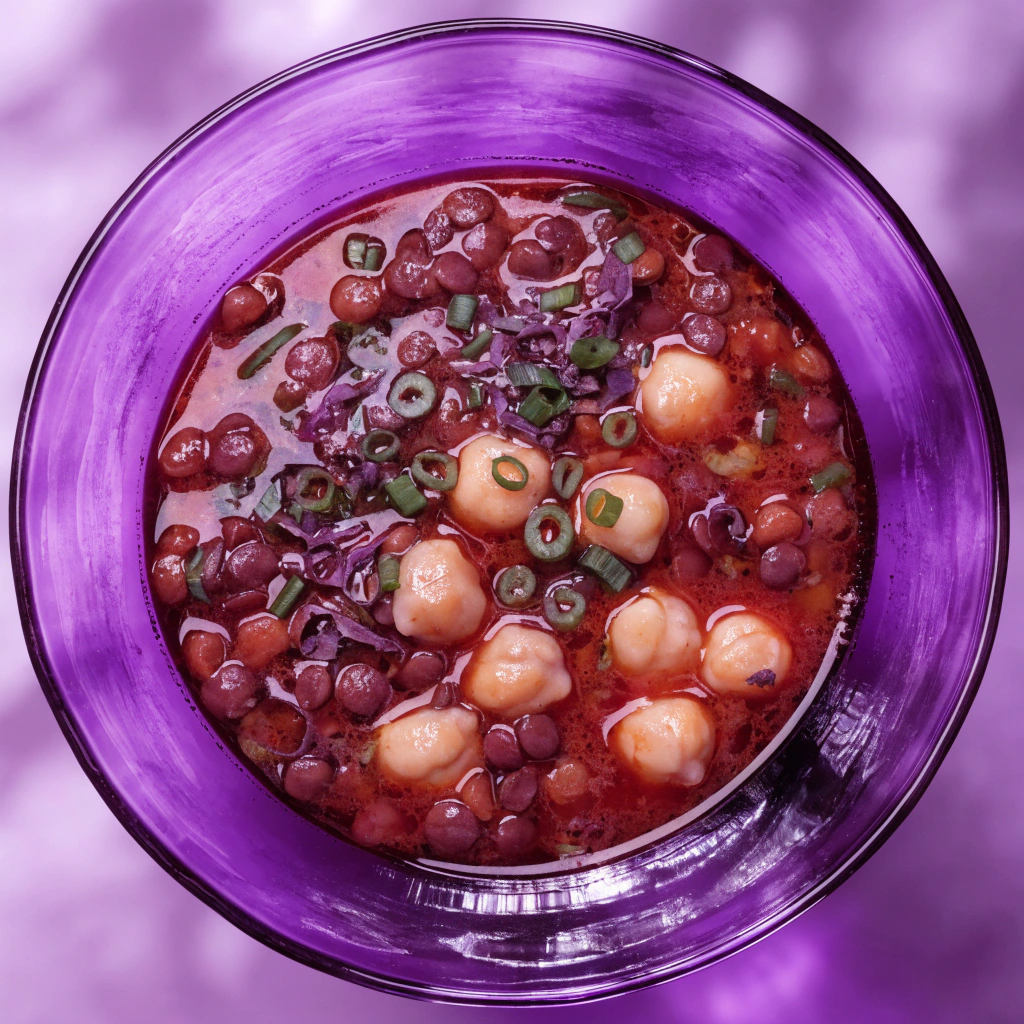
Harira
A rich, tomato-based soup with lentils, chickpeas, and herbs, traditionally used to break the fast during Ramadan.
Leer másMúsica y artes
Morocco’s music and arts are a vibrant fusion of Amazigh, Arab, African, and Andalusian influences, reflecting its unique position at the crossroads of continents. From the spiritual trance of Gnawa music to the intricate geometry of Zellige tilework, these traditions are deeply woven into the fabric of daily life and recognized globally for their cultural depth.
Artes tradicionales
Eventos y festivales
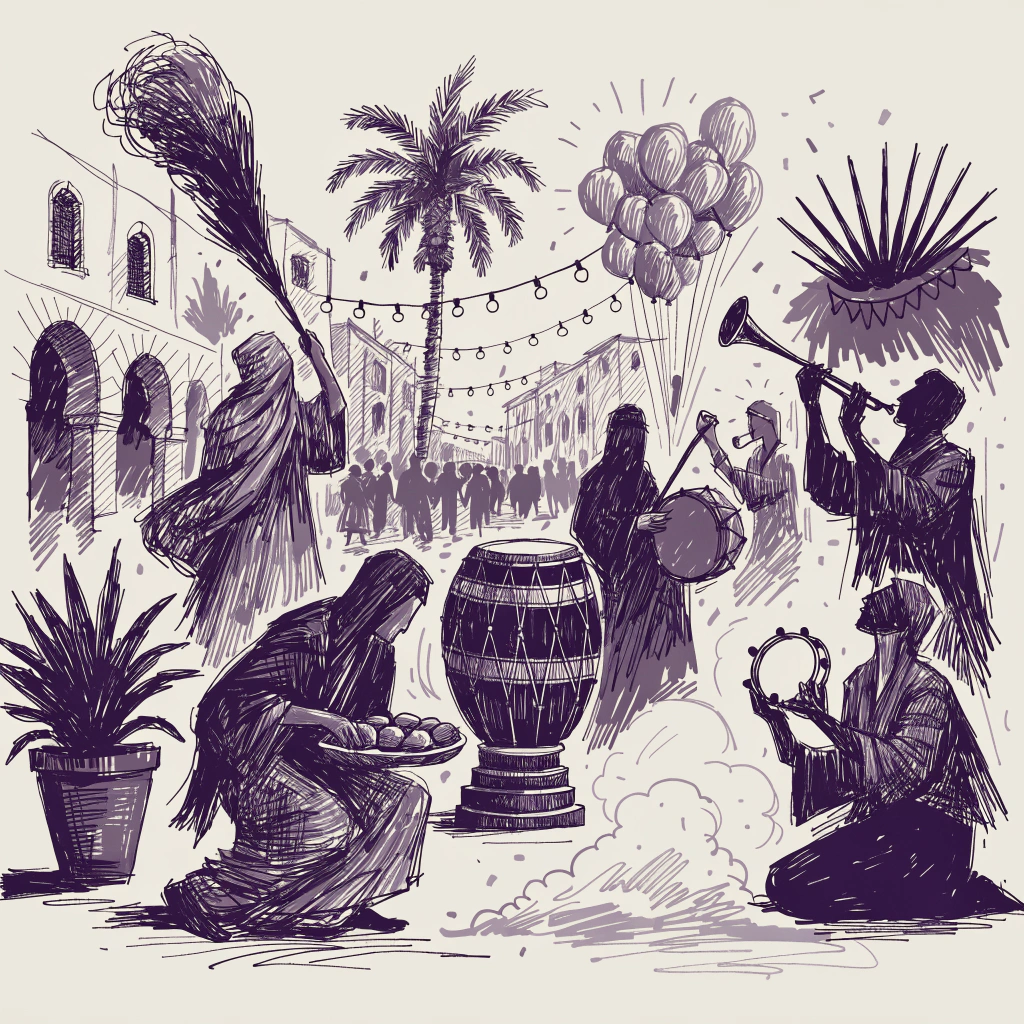
Proclamación de la Independencia
11 de eneroUn feriado nacional que conmemora el manifiesto de 1944 que exigía la soberanía de Marruecos.
Leer más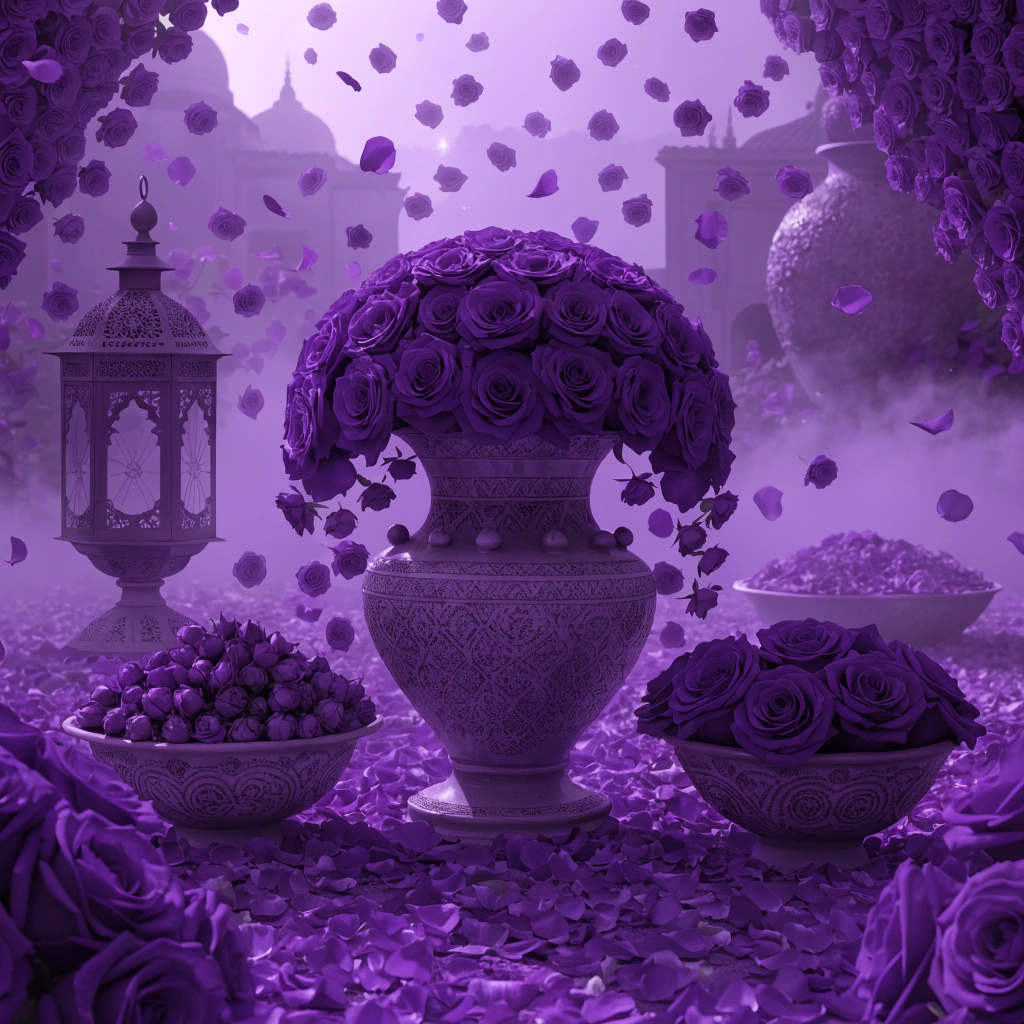
Kelaat M'Gouna Rose Festival
MayA fragrant celebration of the rose harvest in the stunning Valley of Roses.
Leer más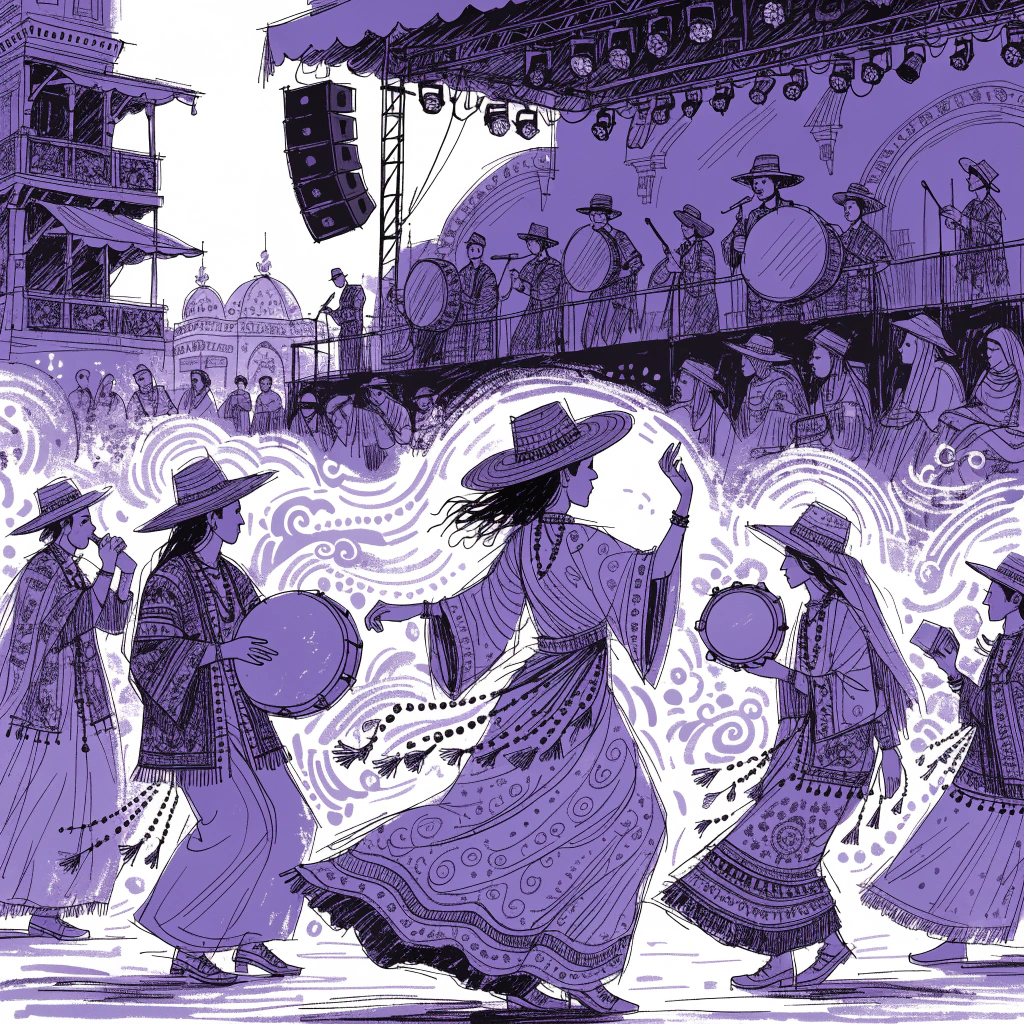
Festival Gnaoua de Músicas del Mundo
JunioUn festival internacional de música en Essaouira que presenta ritmos espirituales Gnaoua y fusión global.
Leer más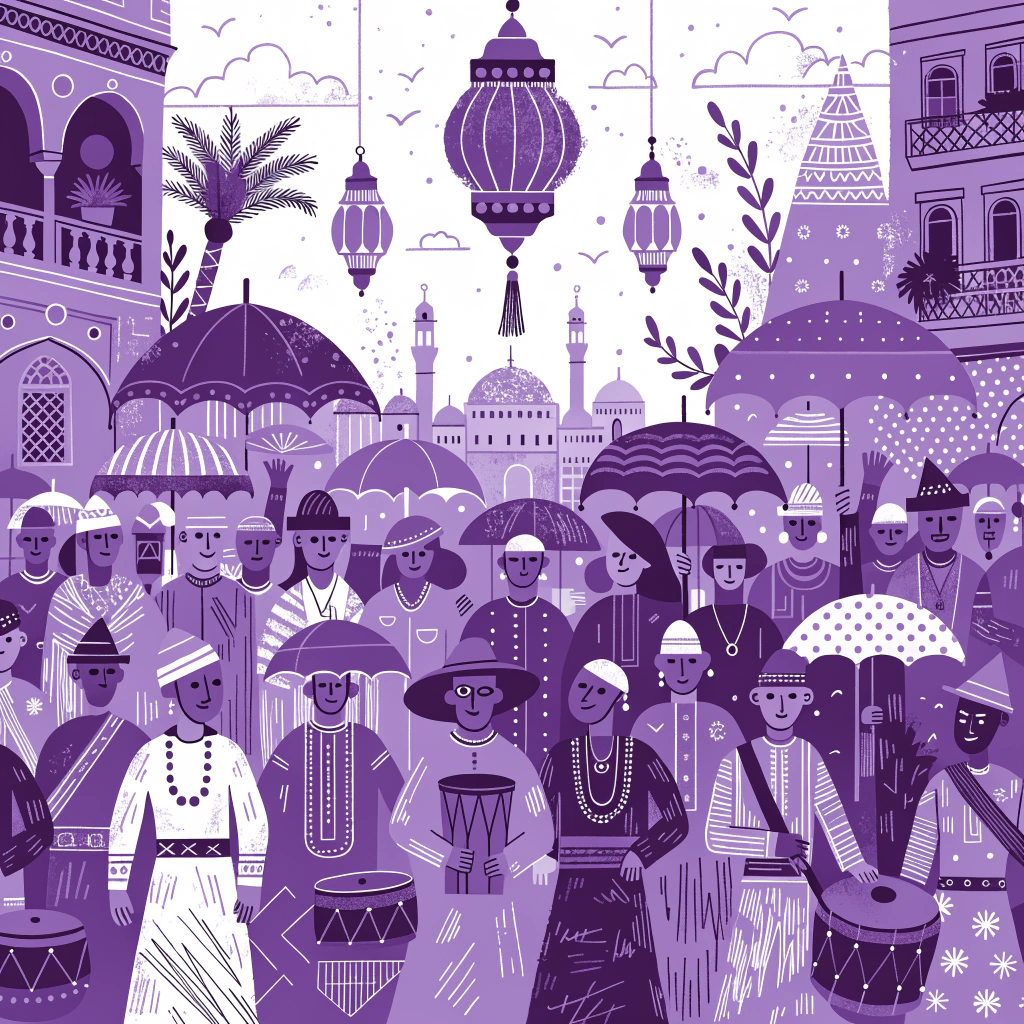
Día del Trono (Fête du Trône)
July 30La festividad secular más importante de Marruecos, que celebra la ascensión del Rey al trono.
Leer más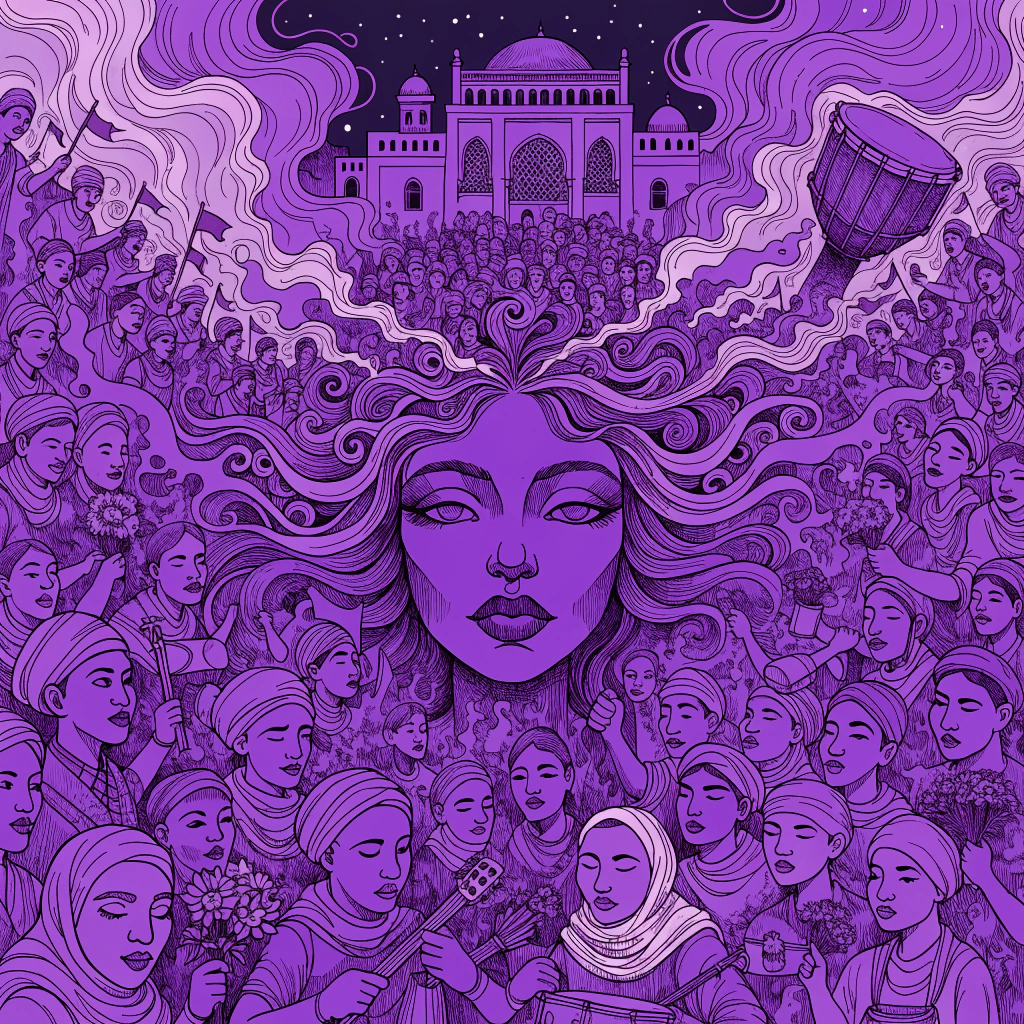
Festival de Matrimonios de Imilchil
SeptiembreUna legendaria reunión bereber en las montañas del Alto Atlas donde las tribus se juntan para comerciar y casarse.
Leer másFrases de viaje
السلام عليكم
As-salamu alaykum
Peace be upon you (Formal Greeting)
شكرا
Shukran
Thank you
أهلا
Ahlan
Hello / Welcome
لاباس؟
La bas?
How are you?
عافاك
Afak
Please
سمح لي
Smeh li
Excuse me / Sorry
Estilo de vida y costumbres
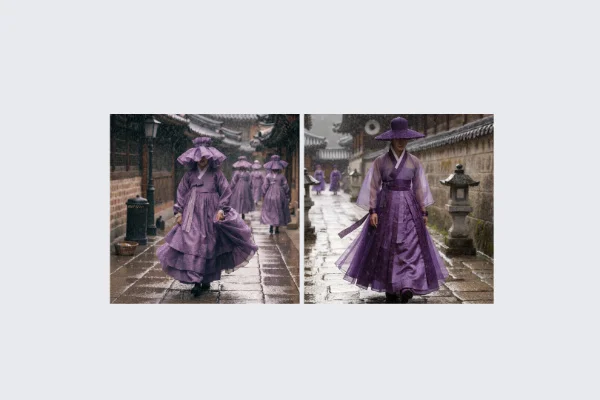
El Arte del Té de Menta Marroquí (Atay)
Más que una simple bebida, el té de menta marroquí es un pilar de la hospitalidad y un ritual social de siglos.
Leer más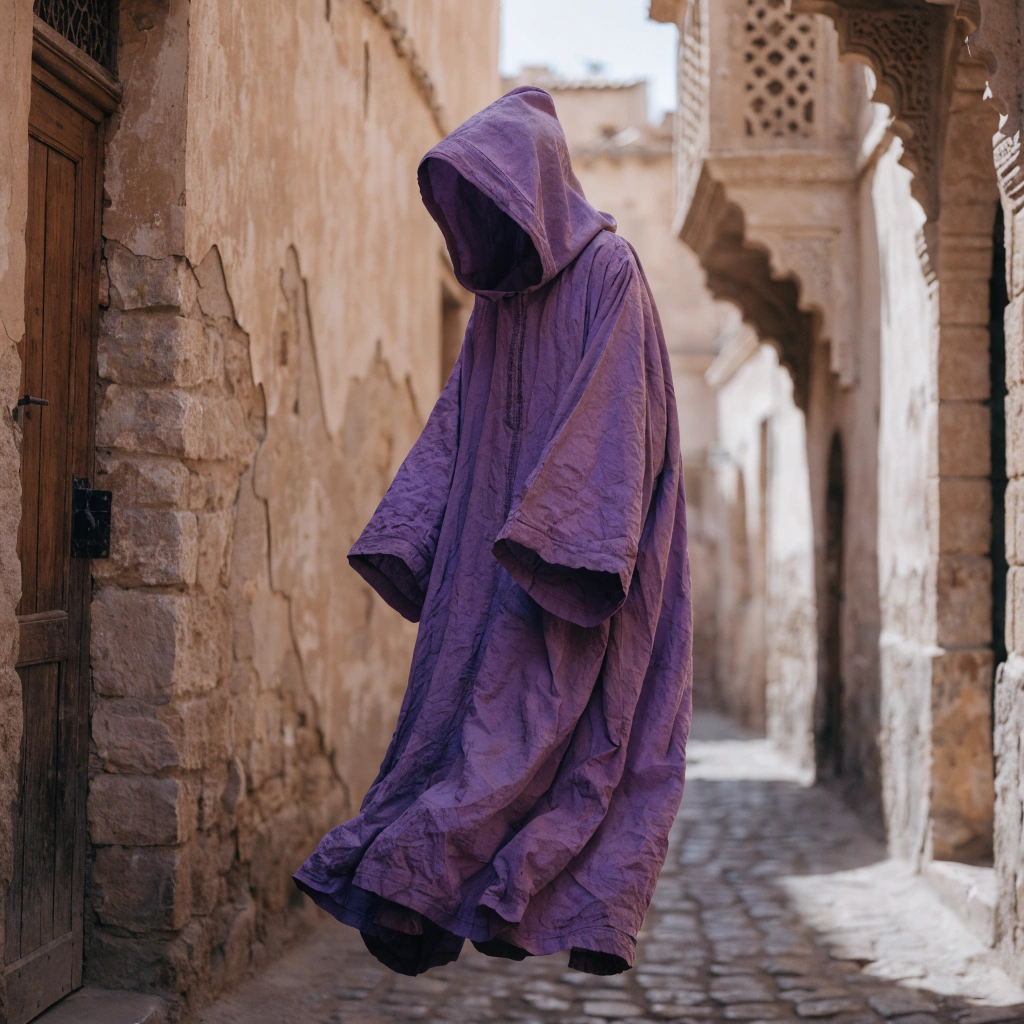
The Djellaba: A Timeless Symbol of Moroccan Identity
The iconic hooded robe of Morocco serves as both a practical garment and a proud expression of cultural heritage.
Leer más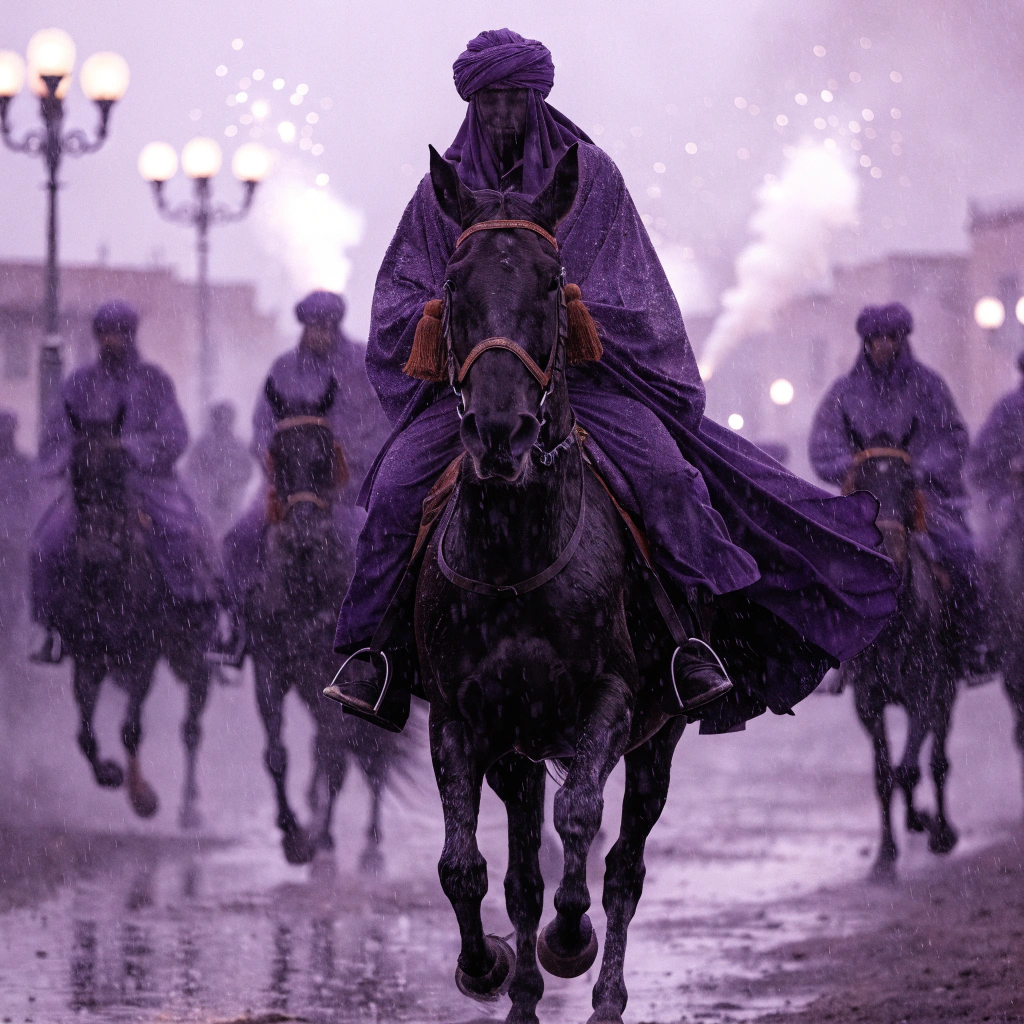
Tbourida: La atronadora tradición de la equitación marroquí
Conocido como Fantasía, este espectacular despliegue ecuestre honra el pasado guerrero de Marruecos a través de galopes sincronizados y pólvora.
Leer másConsejos de etiqueta
Use your right hand for eating, greeting, and giving or receiving items.
Use your left hand for these activities, as it is traditionally considered unclean.
Dress modestly, ensuring shoulders and knees are covered, especially in rural areas.
Wear revealing clothing or swimwear away from the beach or hotel pool.
Ask for permission before taking photographs of local people or their shops.
Take photos of military personnel, police officers, or government buildings.
Accept an invitation for mint tea as a gesture of hospitality and respect.
Refuse the first glass of tea offered, as it can be seen as a sign of rudeness.
Explorar más países en Northern Africa
Aprende Árabe para conectar con Marruecos
Empieza a aprender Árabe con videos, ejercicios y herramientas de IA en SubLearn.
Empezar a aprender
