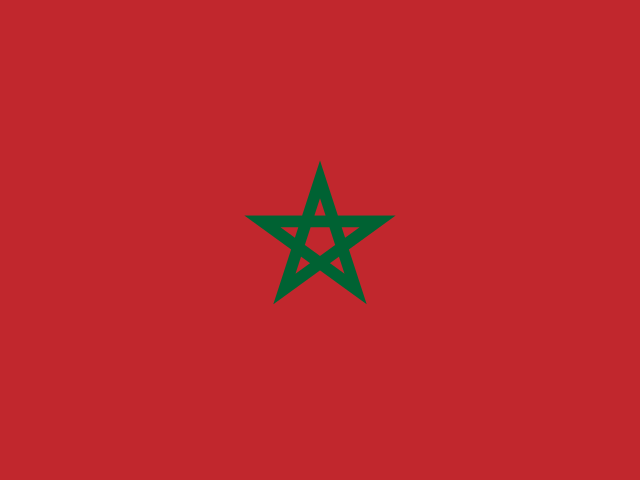
المغرب
Morocco
About Morocco
Located at the northwestern tip of Africa, Morocco is a kingdom where the rugged Atlas Mountains meet the vast Sahara Desert and the Atlantic and Mediterranean coasts. Its history is a rich tapestry of indigenous Berber heritage, Arab traditions, and European influences, creating a unique cultural identity known for its ornate architecture and vibrant marketplaces. Today, it remains a vital bridge between continents, celebrated for its historic imperial cities and deep-rooted traditions of hospitality.
Quick Facts
Capital
Rabat
Population
36,910,560
Region
Africa · Northern Africa
Currency
Moroccan Dirham (MAD)
Languages Spoken

Arabic
العربية

French
Français
Did You Know?
The University of Al-Quaraouiyine in Fes, founded in 859 AD, is recognized by UNESCO and Guinness World Records as the oldest continuously operating degree-granting educational institution in the world.
Morocco is home to the famous 'Blue Pearl' city of Chefchaouen, where almost every building and street in the old medina is painted in vibrant shades of blue.
In certain regions of Morocco, goats have developed the unique skill of climbing Argan trees to feast on their fruit, often seen perched on high branches by passing travelers.
The city of Ouarzazate is known as the 'Hollywood of Africa' and houses Atlas Studios, one of the world's largest film studios where blockbusters like 'Gladiator' and 'Kingdom of Heaven' were filmed.
Famous Landmarks
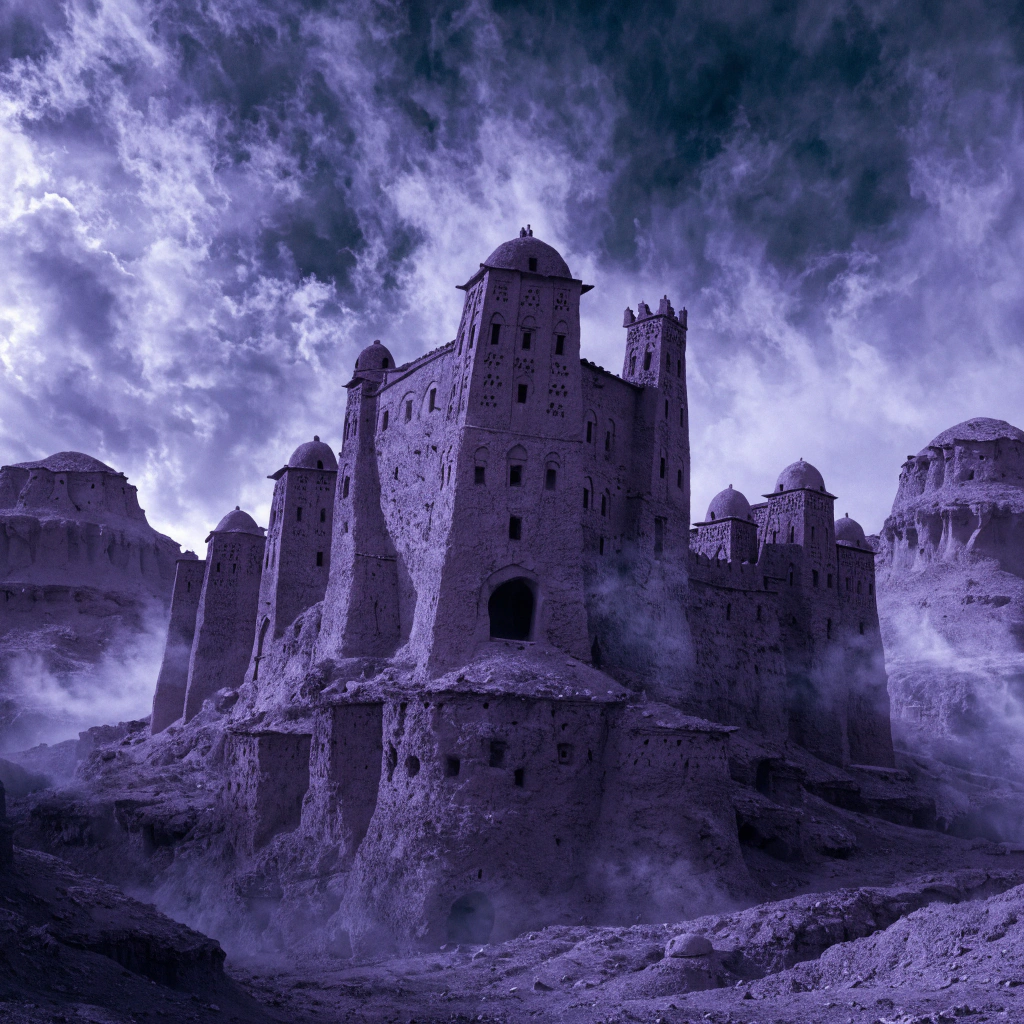
Ait Benhaddou
A stunning example of Moroccan earthen clay architecture, this fortified village is a UNESCO World Heritage site and a legendary cinematic location.
Read more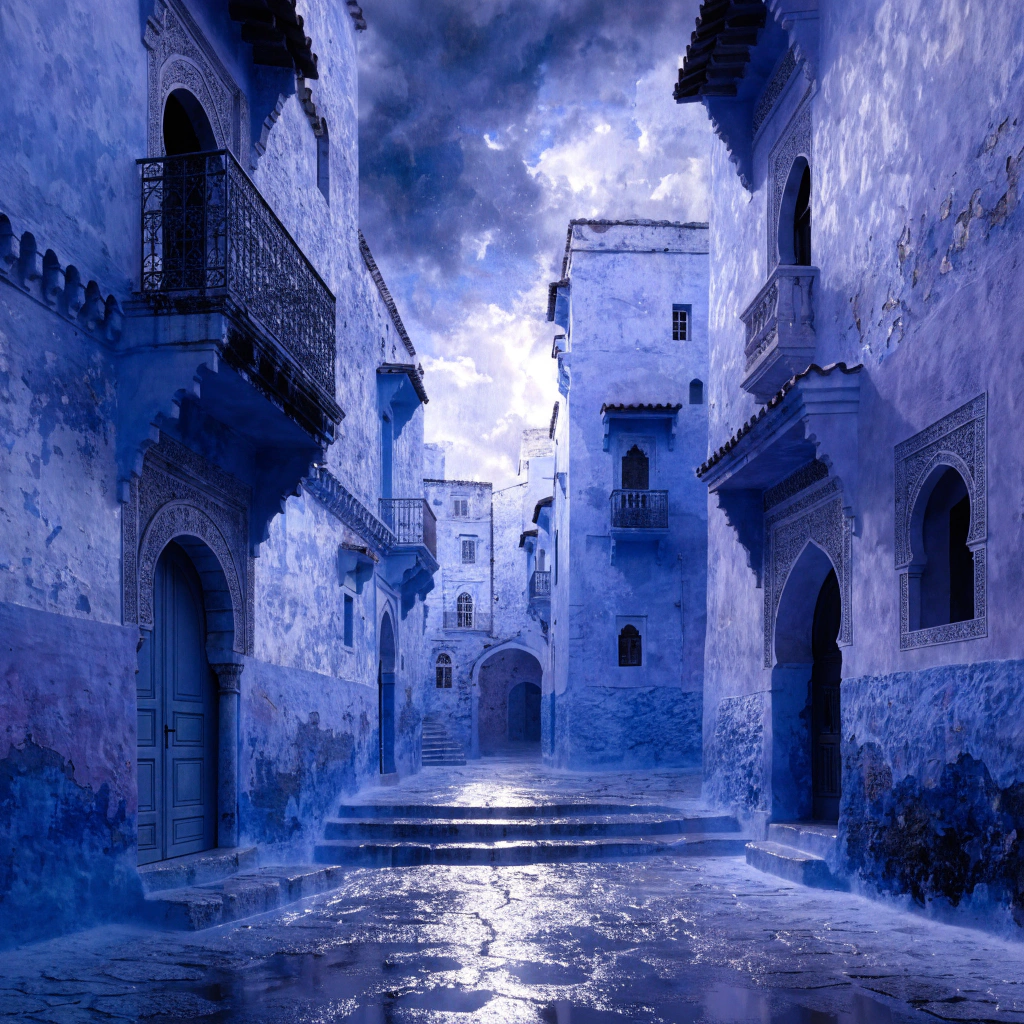
Chefchaouen
Known for its striking blue-washed buildings, this mountain city offers a serene atmosphere and a rich history of religious tolerance and artistic expression.
Read more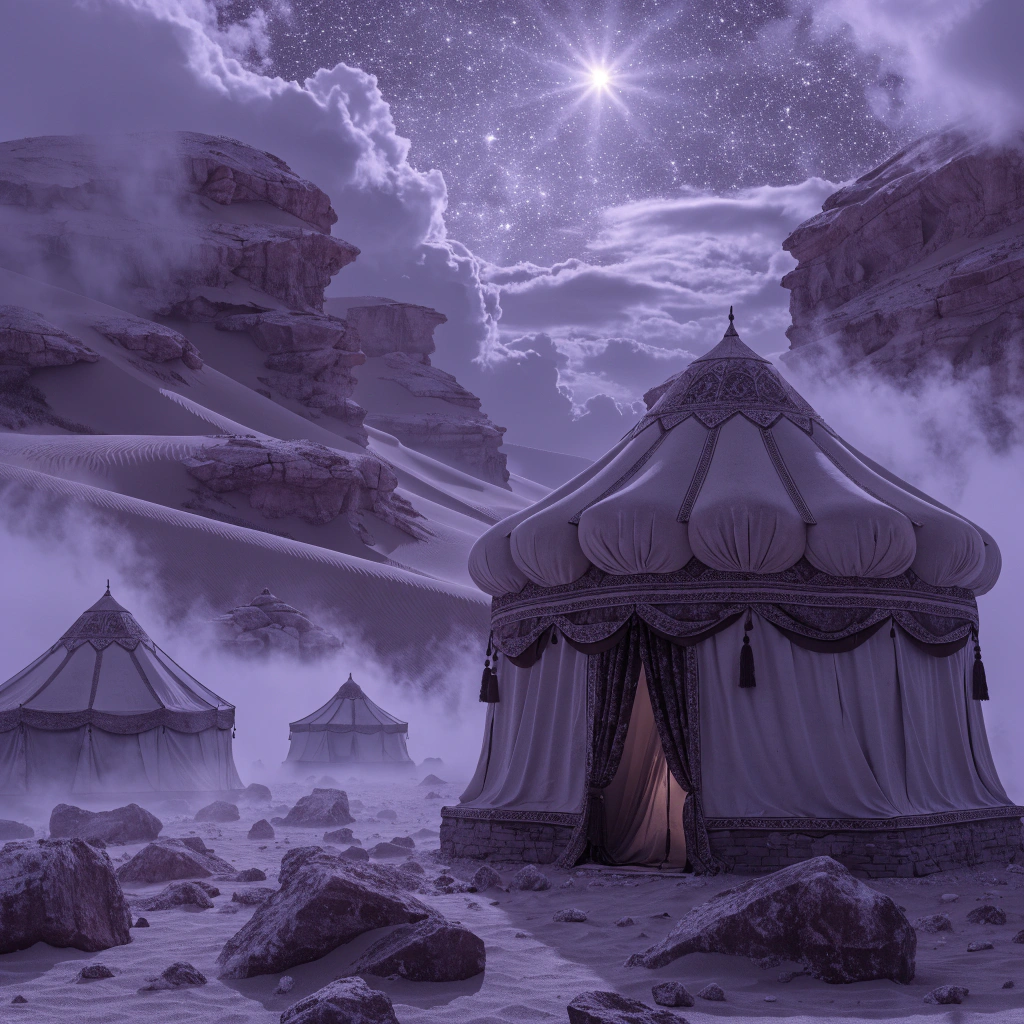
Erg Chebbi
These towering orange sand dunes in the Sahara Desert provide an otherworldly landscape for nomadic culture and breathtaking starlit nights.
Read more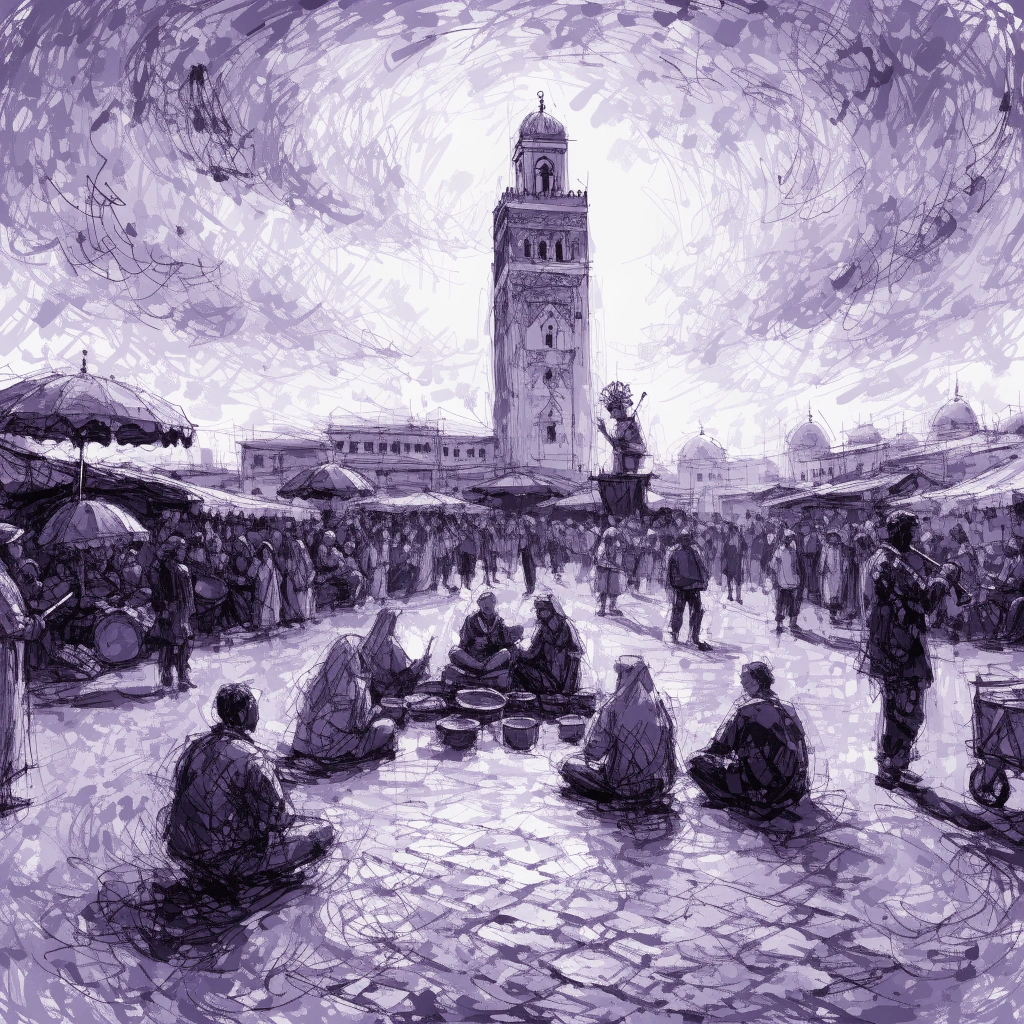
Djemaa el-Fnaa
The vibrant heart of Marrakech, this historic square is a living theater of storytellers, musicians, and traditional street life.
Read moreCuisine
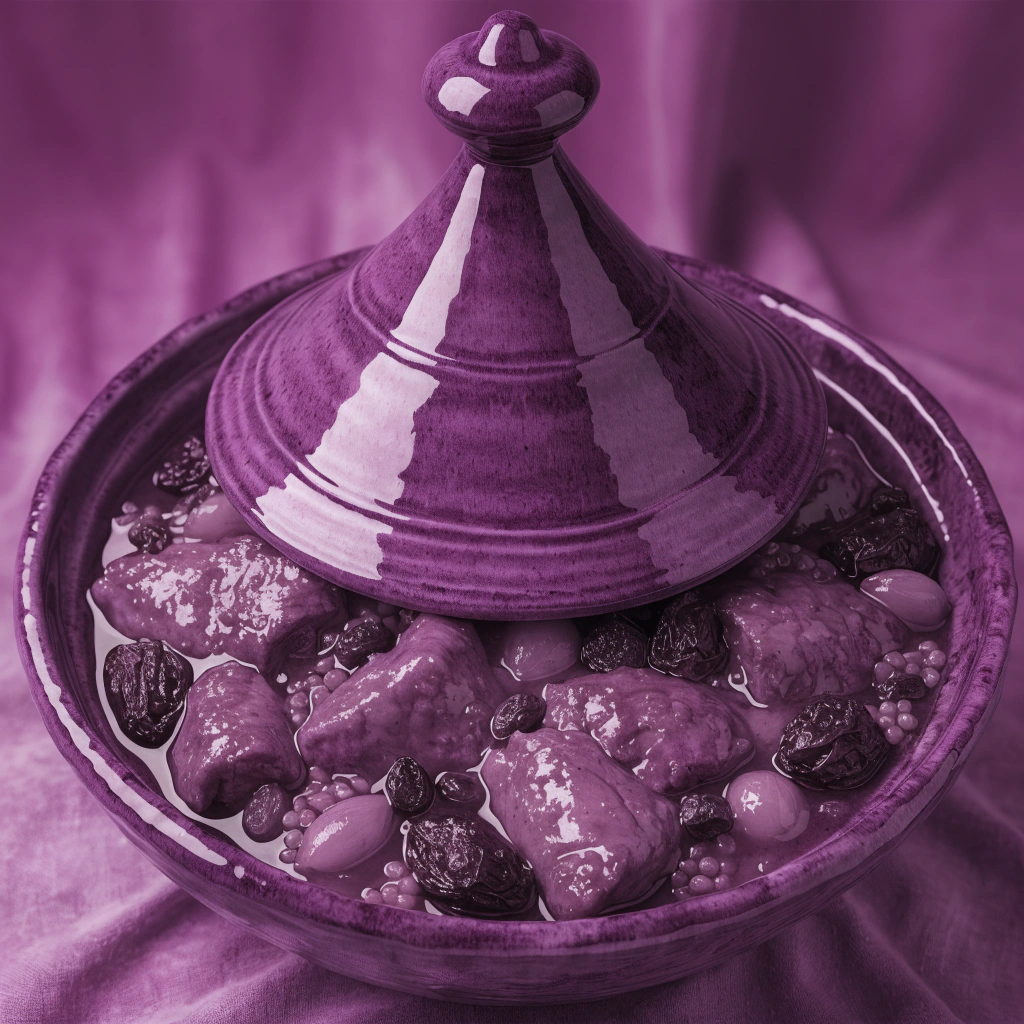
Tagine
A slow-cooked Moroccan stew named after the conical clay pot in which it is prepared.
Read more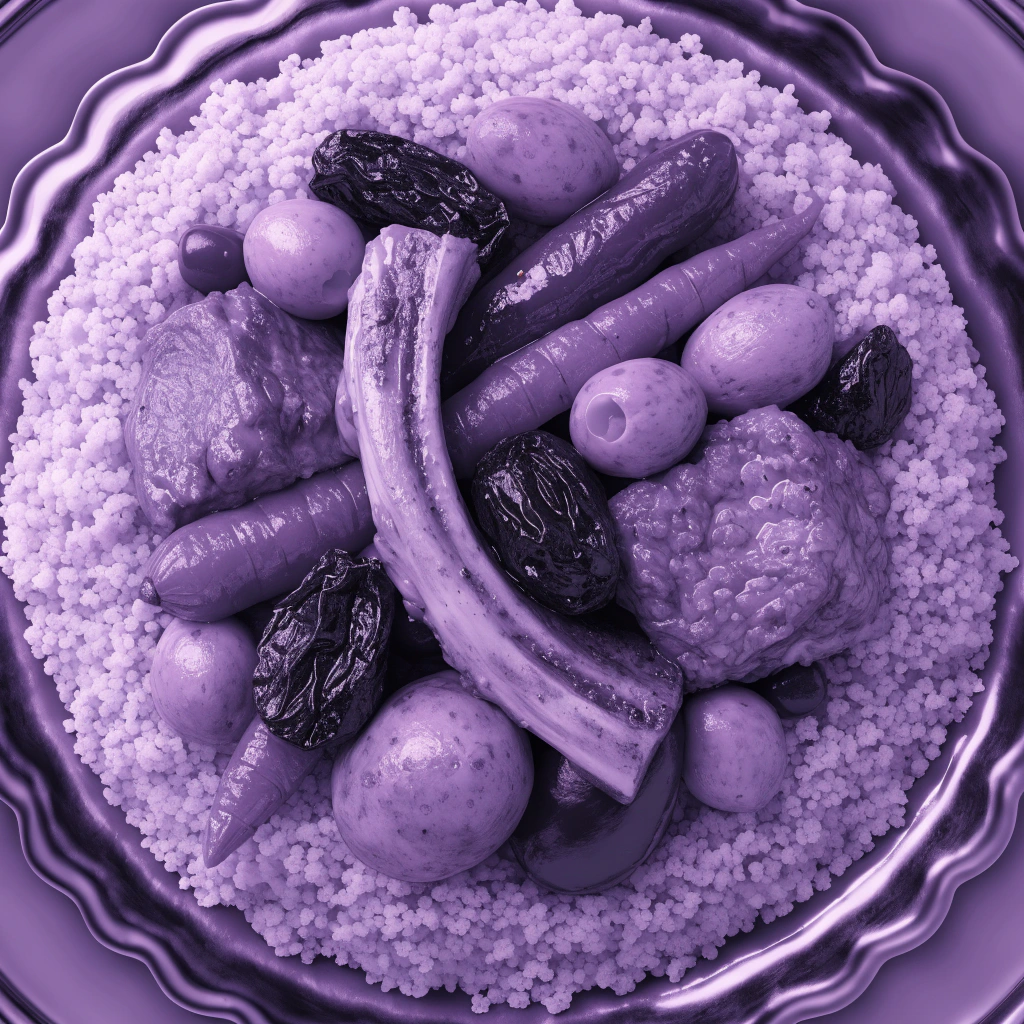
Couscous
The national dish of Morocco, consisting of steamed semolina granules topped with meat and a variety of vegetables.
Read more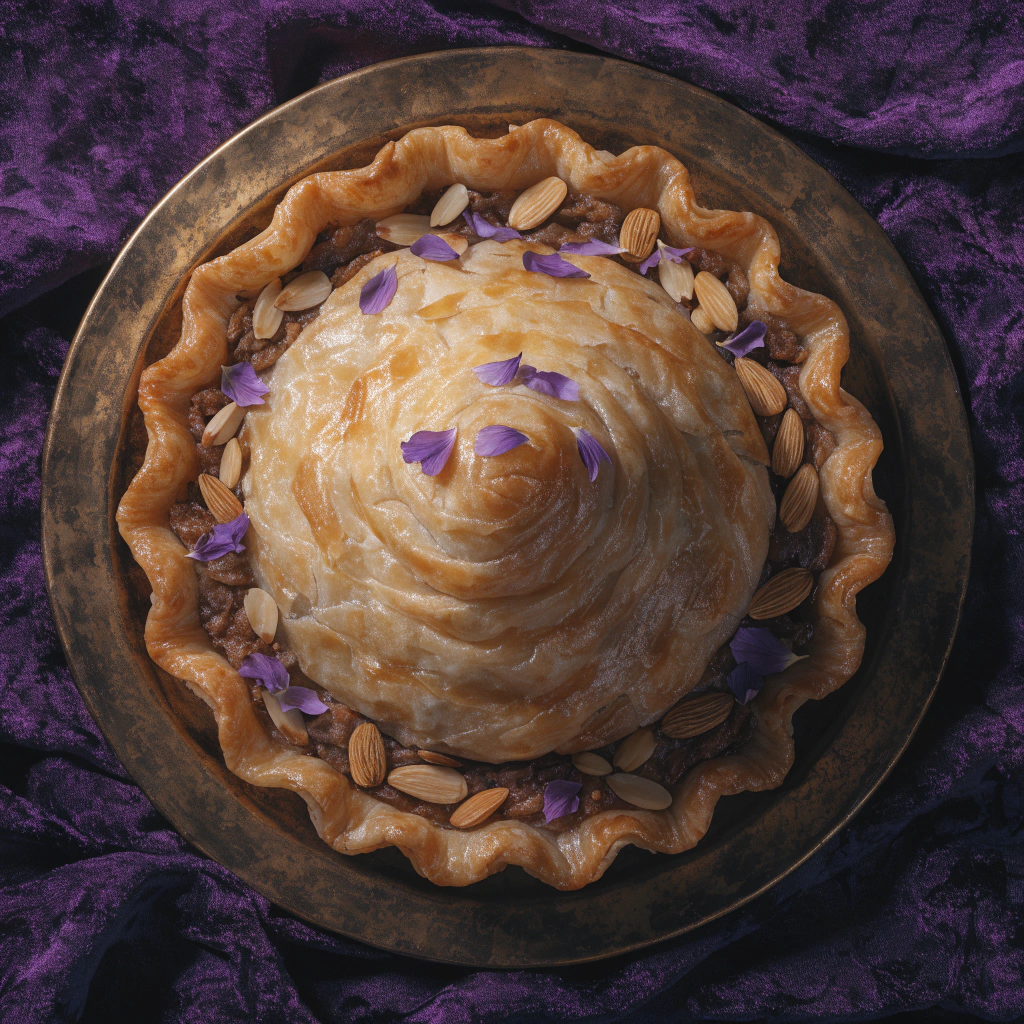
Bastilla
A sophisticated Andalusian-inspired pie made of thin pastry layers filled with savory meat, aromatic spices, and a sweet almond topping.
Read more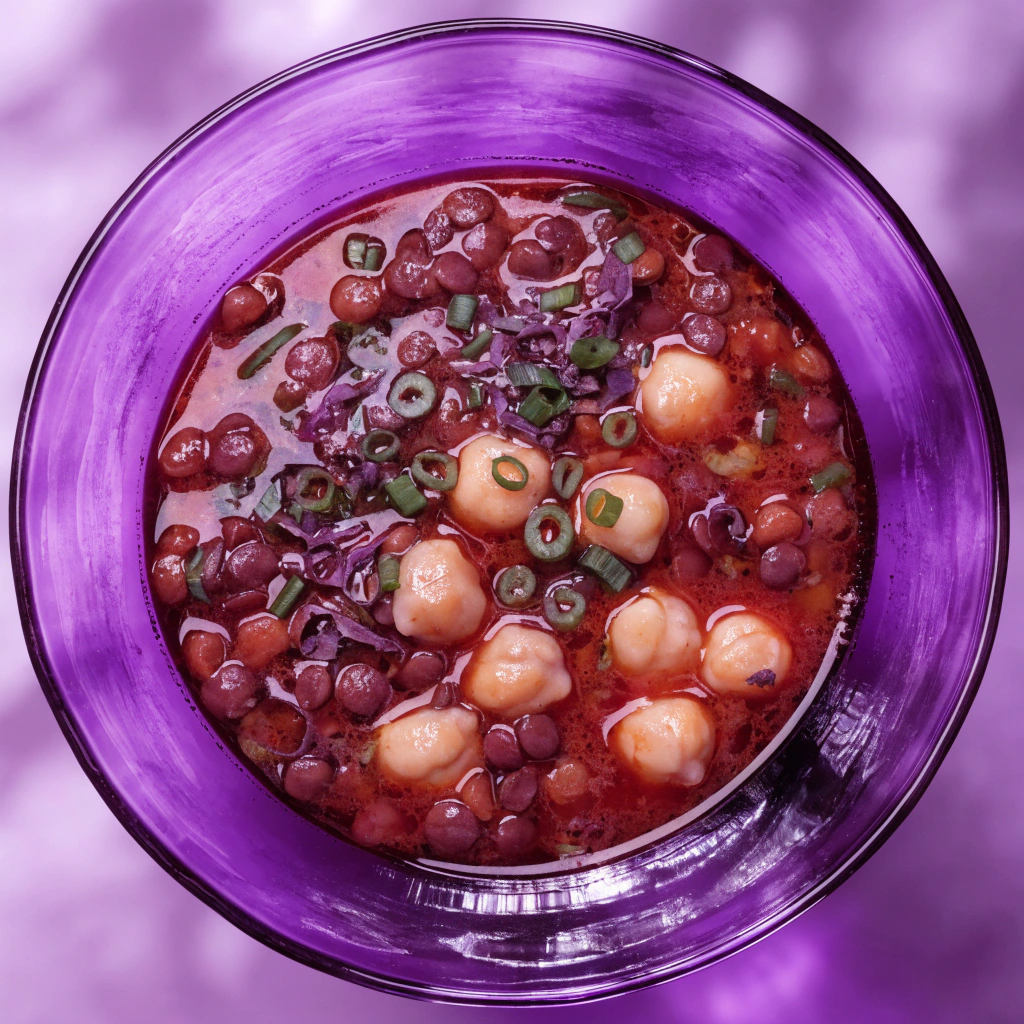
Harira
A rich, tomato-based soup with lentils, chickpeas, and herbs, traditionally used to break the fast during Ramadan.
Read moreMusic & Arts
Morocco’s music and arts are a vibrant fusion of Amazigh, Arab, African, and Andalusian influences, reflecting its unique position at the crossroads of continents. From the spiritual trance of Gnawa music to the intricate geometry of Zellige tilework, these traditions are deeply woven into the fabric of daily life and recognized globally for their cultural depth.
Traditional Arts
Events & Festivals
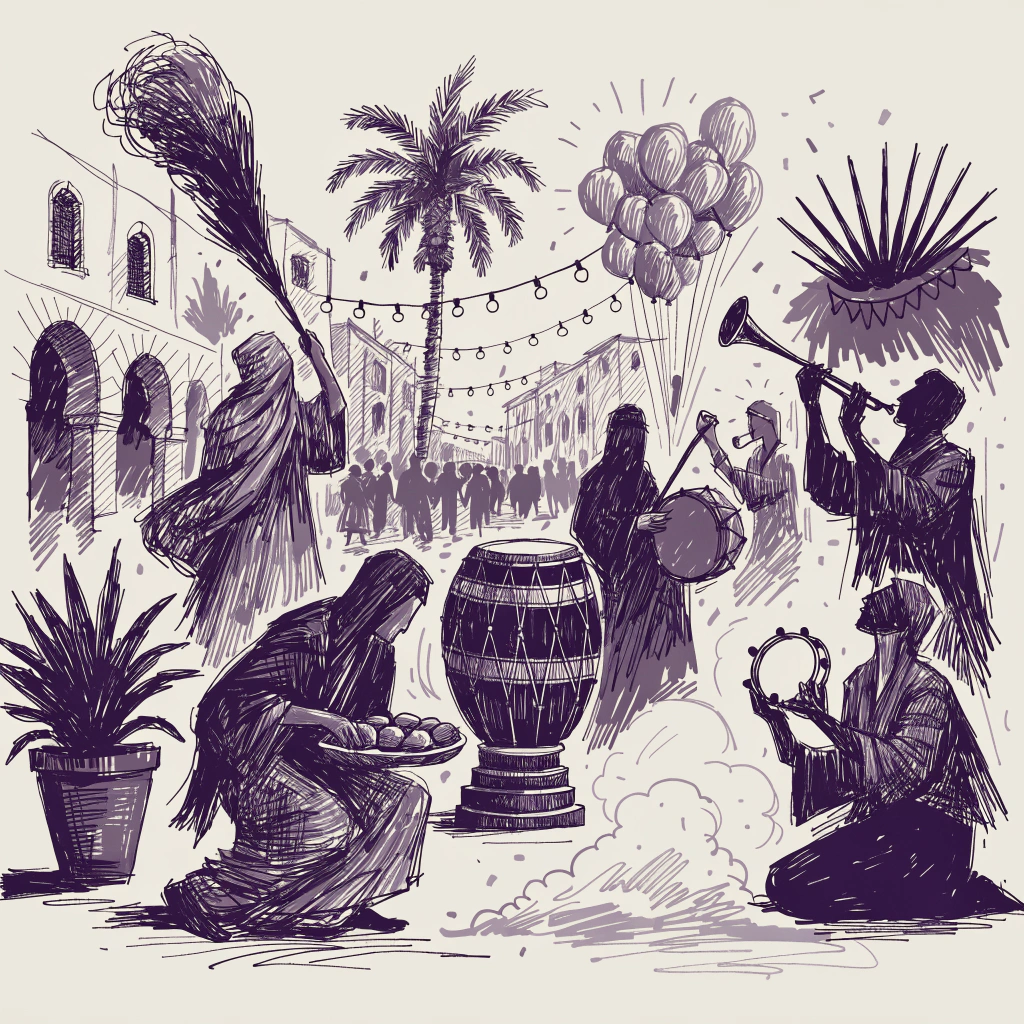
Proclamation of Independence
January 11A national holiday commemorating the 1944 manifesto that demanded Morocco's sovereignty.
Read more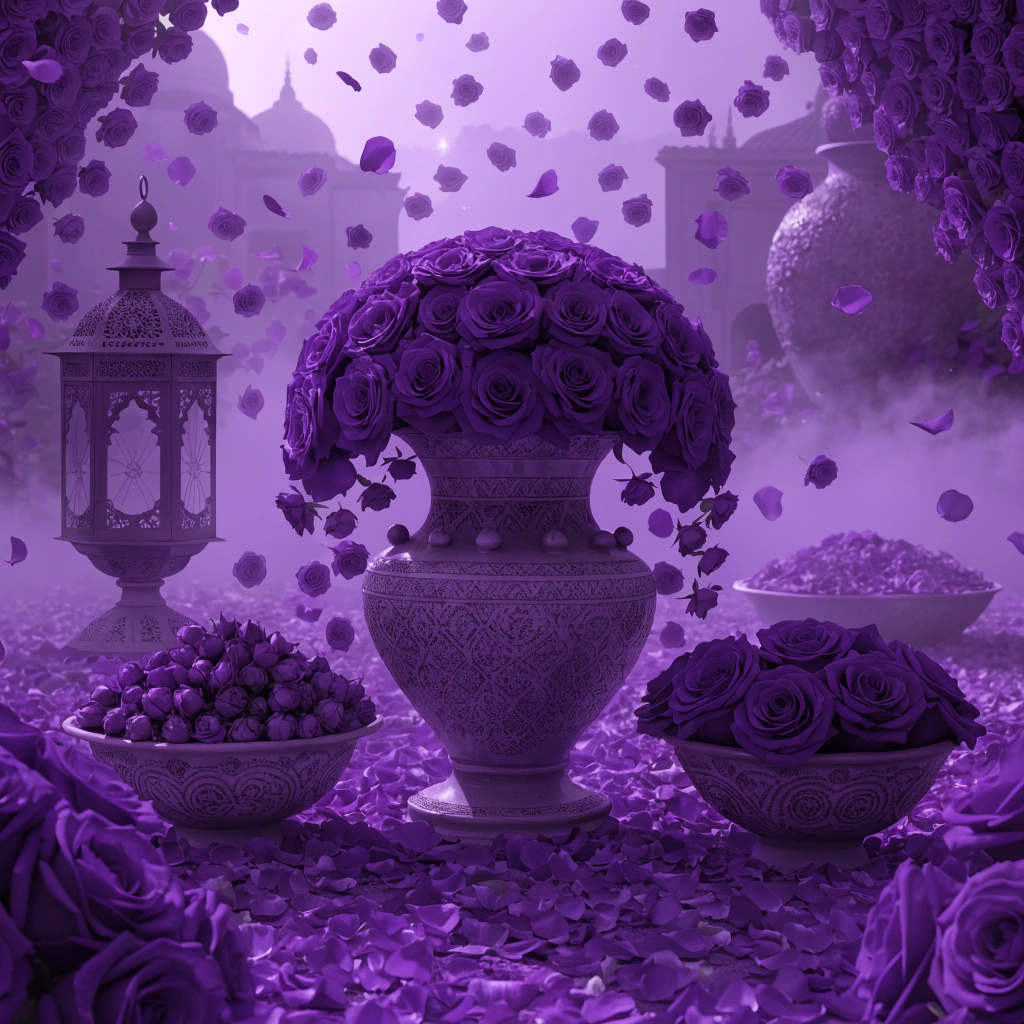
Kelaat M'Gouna Rose Festival
MayA fragrant celebration of the rose harvest in the stunning Valley of Roses.
Read more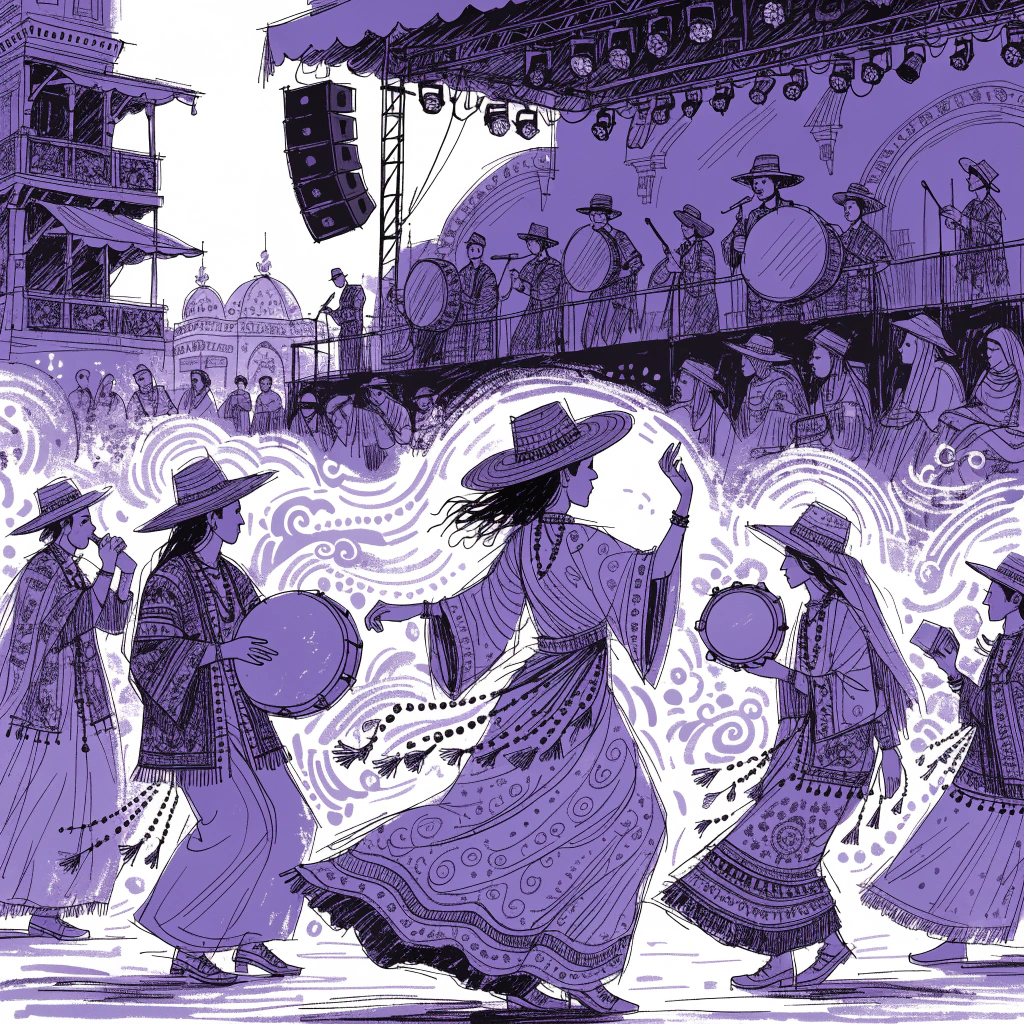
Gnaoua World Music Festival
JuneAn international music festival in Essaouira featuring spiritual Gnaoua rhythms and global fusion.
Read more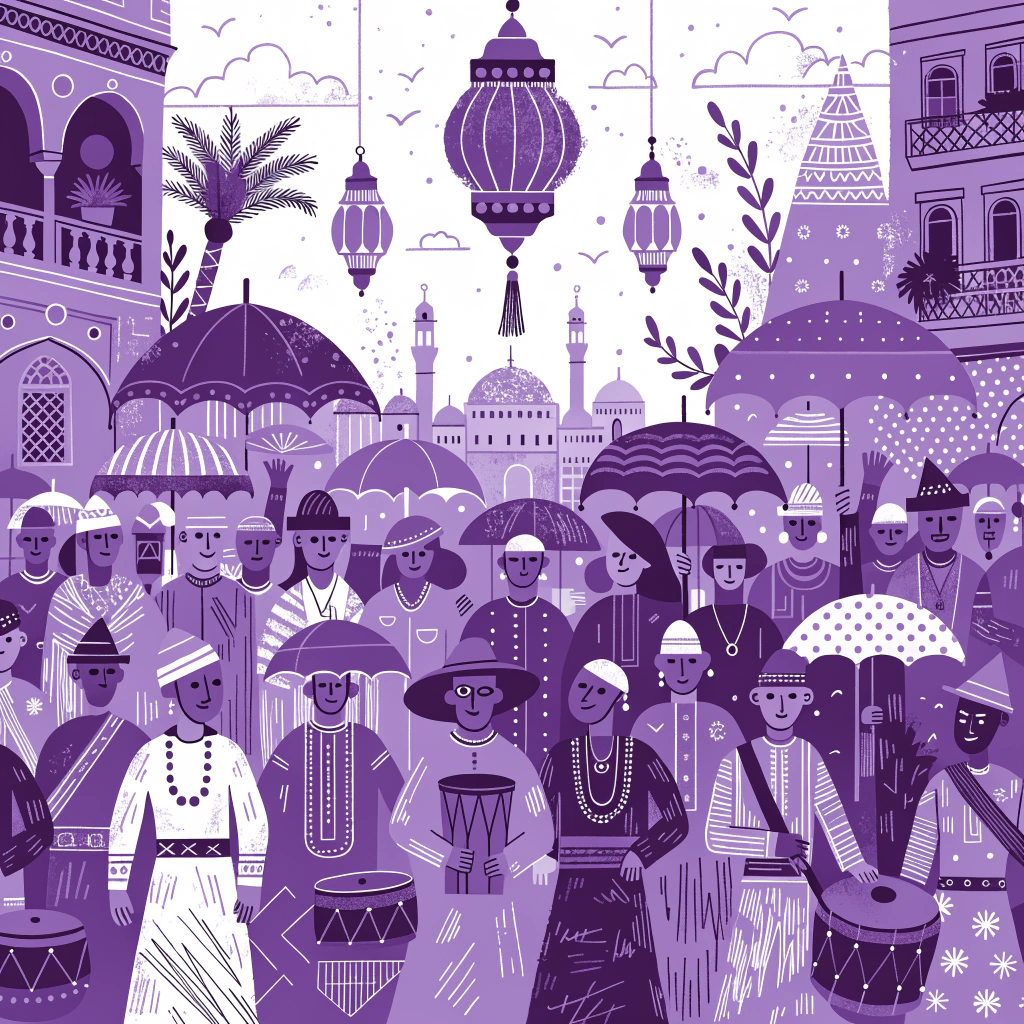
Throne Day (Fête du Trône)
July 30Morocco's most important secular holiday, celebrating the King's accession to the throne.
Read more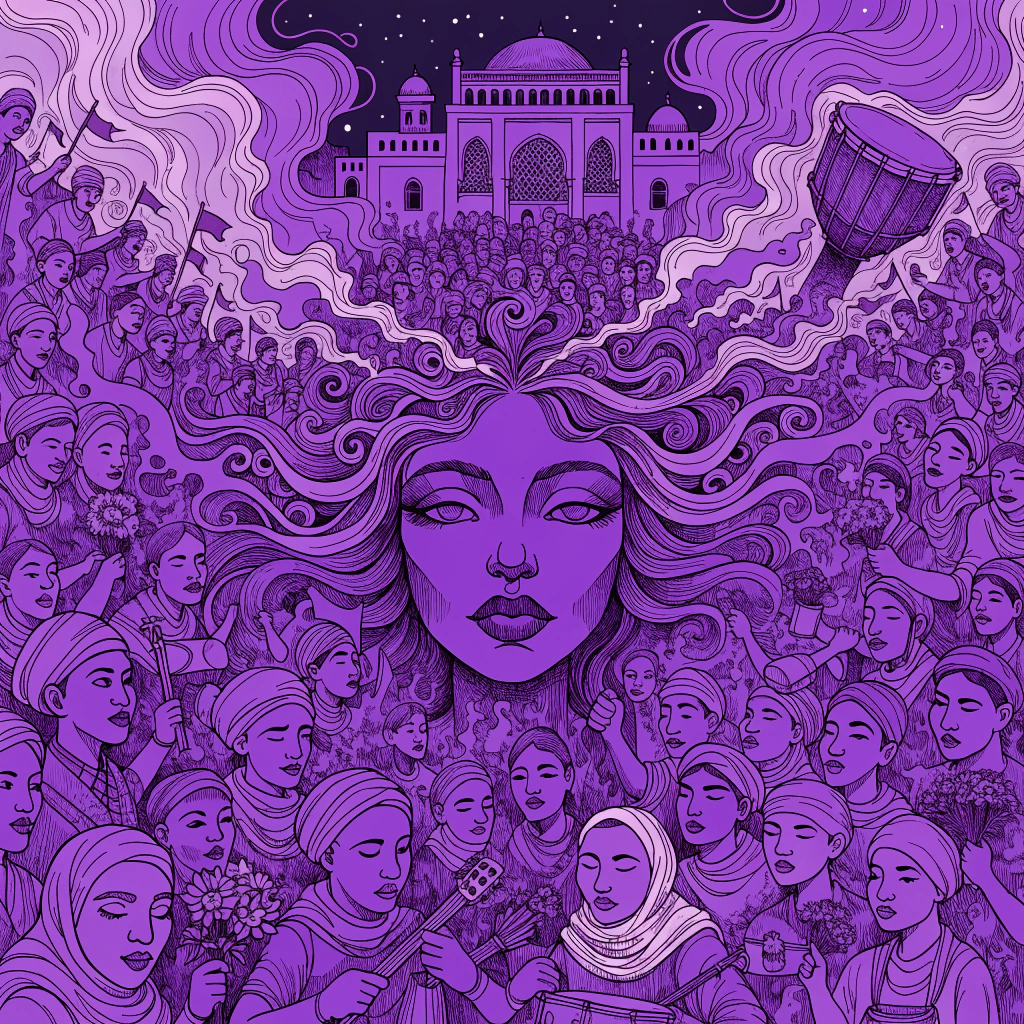
Imilchil Marriage Festival
SeptemberA legendary Berber gathering in the High Atlas Mountains where tribes meet for trade and marriage.
Read moreTravel Phrases
السلام عليكم
As-salamu alaykum
Peace be upon you (Formal Greeting)
شكرا
Shukran
Thank you
أهلا
Ahlan
Hello / Welcome
لاباس؟
La bas?
How are you?
عافاك
Afak
Please
سمح لي
Smeh li
Excuse me / Sorry
Lifestyle & Customs
The Art of Moroccan Mint Tea (Atay)
More than just a beverage, Moroccan mint tea is a cornerstone of hospitality and a centuries-old social ritual.
Read more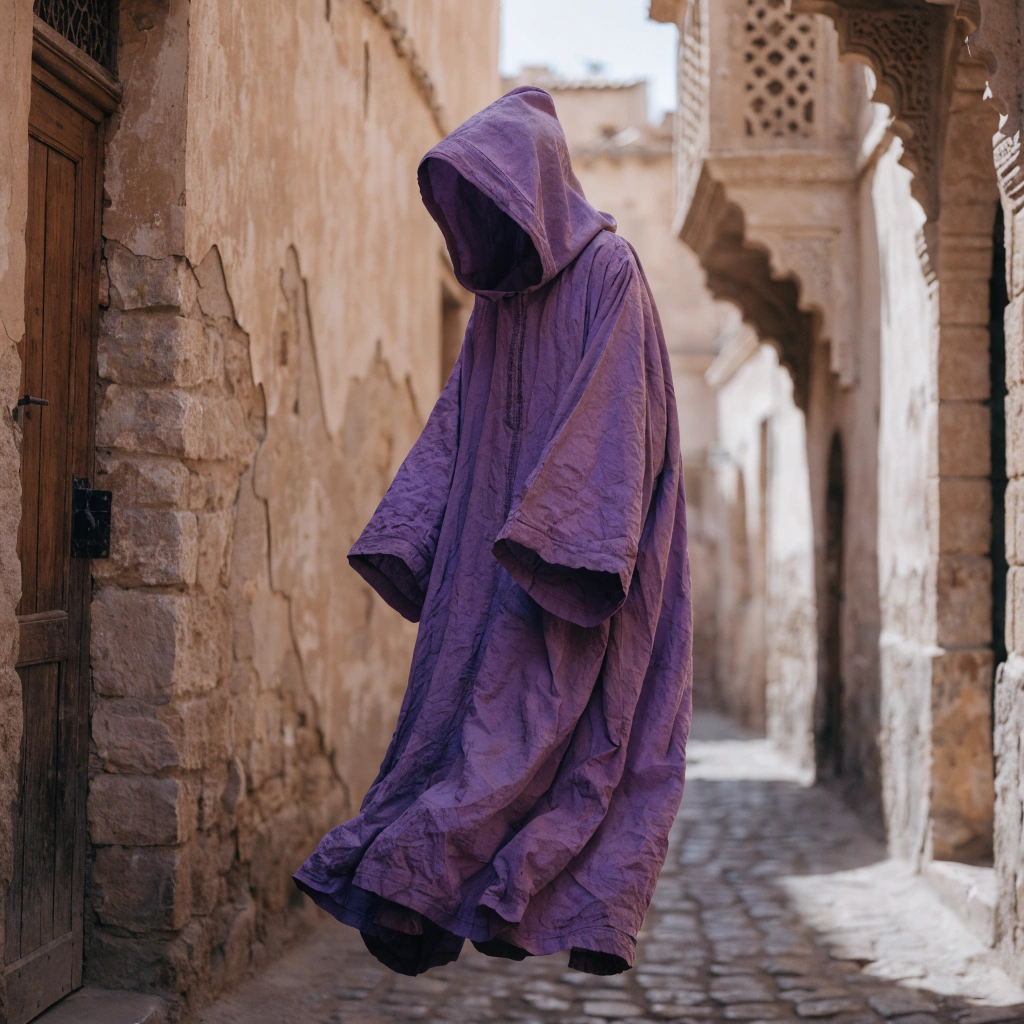
The Djellaba: A Timeless Symbol of Moroccan Identity
The iconic hooded robe of Morocco serves as both a practical garment and a proud expression of cultural heritage.
Read more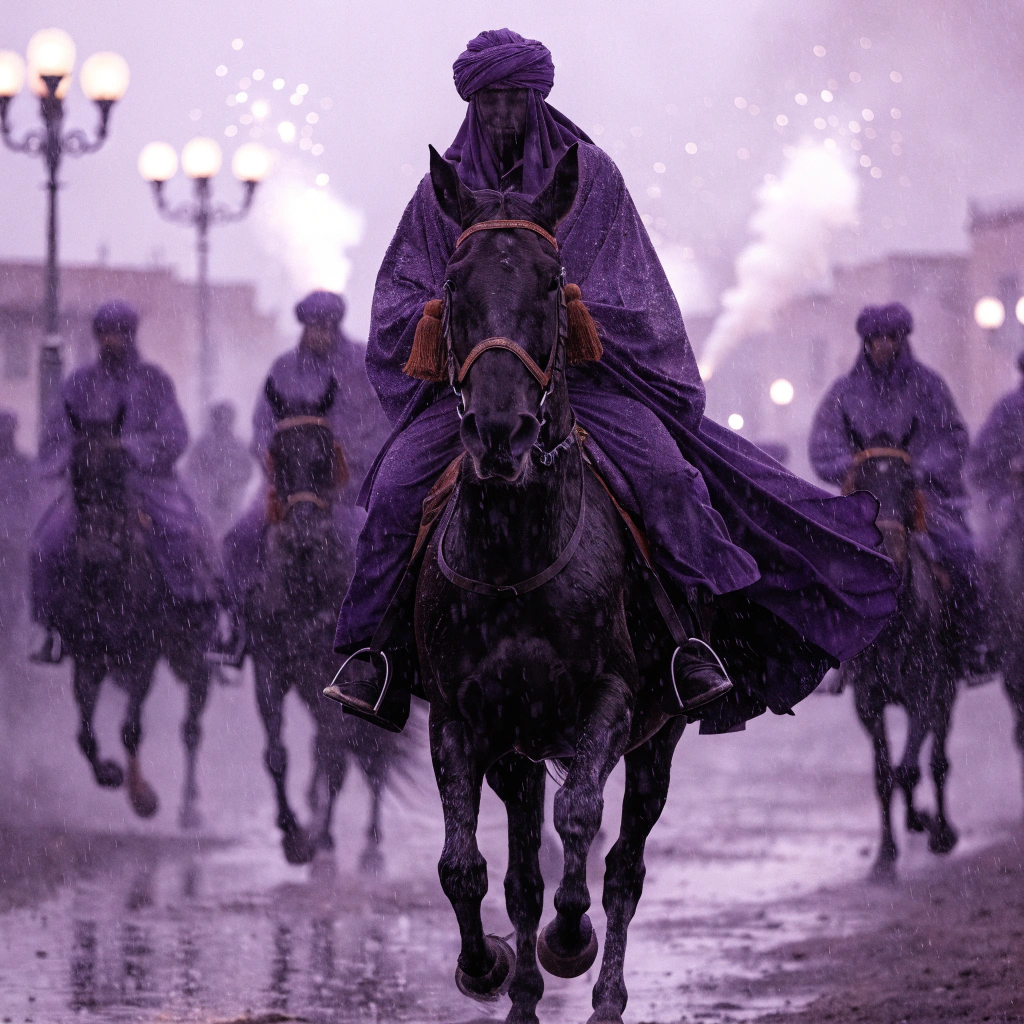
Tbourida: The Thunderous Tradition of Moroccan Horsemanship
Known as Fantasia, this spectacular equestrian display honors Morocco’s warrior past through synchronized gallops and gunpowder.
Read moreEtiquette Tips
Use your right hand for eating, greeting, and giving or receiving items.
Use your left hand for these activities, as it is traditionally considered unclean.
Dress modestly, ensuring shoulders and knees are covered, especially in rural areas.
Wear revealing clothing or swimwear away from the beach or hotel pool.
Ask for permission before taking photographs of local people or their shops.
Take photos of military personnel, police officers, or government buildings.
Accept an invitation for mint tea as a gesture of hospitality and respect.
Refuse the first glass of tea offered, as it can be seen as a sign of rudeness.
Explore more countries in Northern Africa
Learn Arabic to connect with Morocco
Start learning Arabic with videos, exercises, and AI-powered tools on SubLearn.
Start Learning