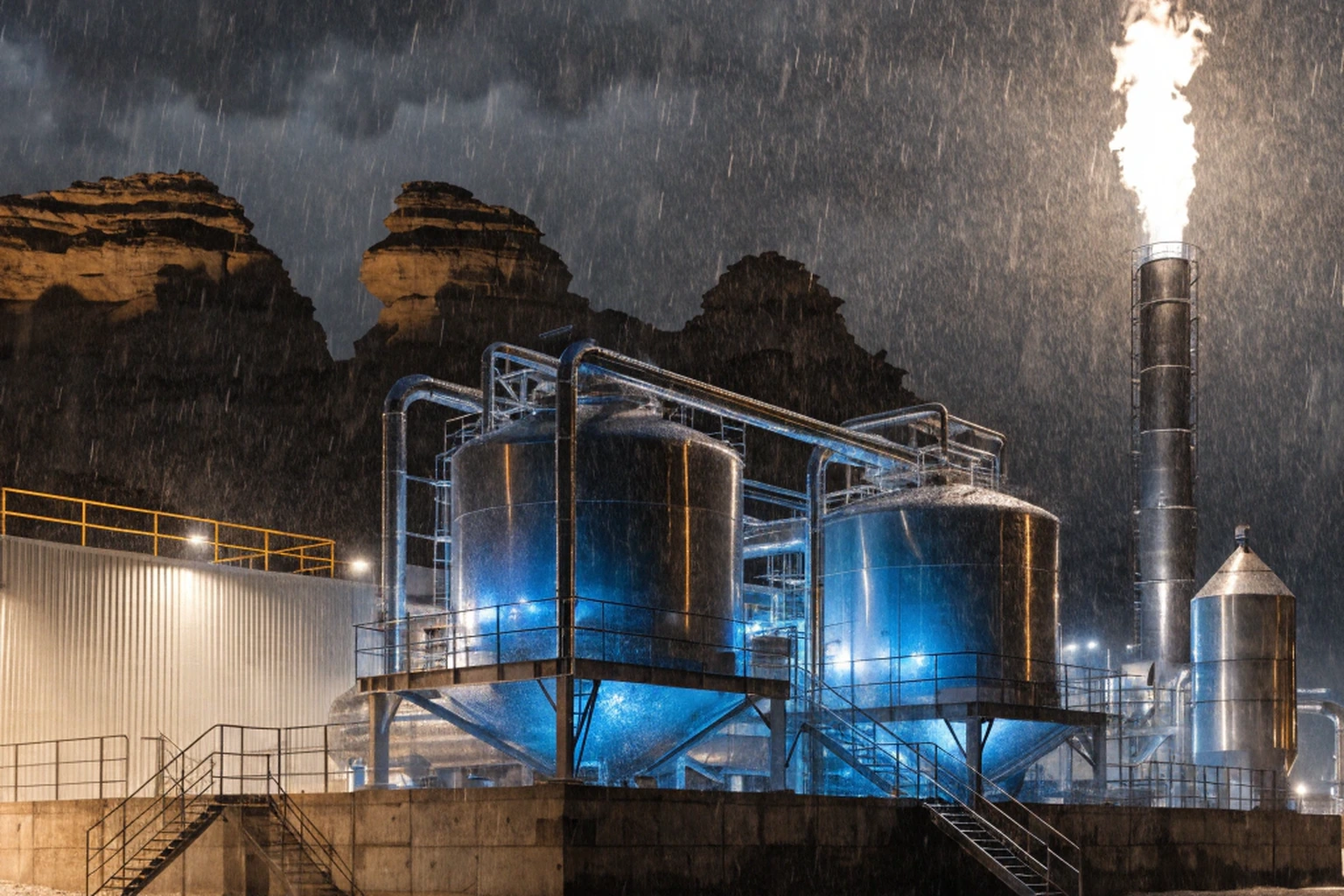
Green Energy in Egypt
Egypt is a big and beautiful country. It has a lot of sun and strong wind. These things are good for new energy.
Now, Egypt makes green hydrogen. Green hydrogen is clean energy. It does not hurt the world. It is better than oil or gas.
Many people work in this new business. Egypt sends this energy to other countries. Egypt is a leader in green energy. This is a great change for the future.
نکته دستوری
الگو: Present Simple: The verb 'to be'
"Egypt is a big and beautiful country."
We use 'is' for singular subjects like Egypt. It describes a fact or a state of being.
الگو: Present Simple with 's'
"Egypt sends this energy to other countries."
In the present simple, we add -s to the verb when the subject is he, she, or it. Egypt is a singular thing (it), so we use 'sends'.
درک خود را بسنجید
10 سوال · A1 مبتدی · 1 پیشنمایش رایگان
آنچه از این مقاله آموختید را بسنجید. به همه سؤالات پاسخ دهید و XP کسب کنید!
What does Egypt use to make new energy?
آیا میخواهید آزمون را تمام کنید؟
9 سؤال دیگر منتظر شماست. ثبتنام رایگان کنید تا آزمون کامل را باز کنید و XP کسب کنید!
ثبتنام رایگانقبلاً ثبتنام کردی؟ ورود
جزئیات سؤالات
What does Egypt use to make new energy?
پاسخ شما:
پاسخ درست: Sun and wind
Green hydrogen is bad for the world.
پاسخ شما:
پاسخ درست: نادرست
What does 'clean' mean in the article?
پاسخ شما:
پاسخ درست: Good for nature
Egypt is a _____ in green energy.
پاسخ شما:
پاسخ درست: leader
The New Green Energy in Egypt
Egypt is a famous country in North Africa. For a long time, it sold oil and natural gas to other countries. But today, things are changing. Egypt wants to become a leader in green energy. This is called the 'Green Hydrogen Revolution.'
The country has a lot of sun and strong wind. These natural resources are better than oil because they do not hurt the planet. Near the Gulf of Suez, the wind is very fast. In the desert, the sun is very hot and bright. Engineers use this wind and sun to make electricity. Then, they use the electricity to make green hydrogen.
Green hydrogen is a clean fuel. It is more expensive than old fuels now, but it is better for the environment. Egypt started many new projects recently. These projects will help the world and create new jobs for people. Egypt is becoming a green corridor for the whole world.
نکته دستوری
الگو: Comparatives
"These natural resources are better than oil because they do not hurt the planet."
We use comparatives to compare two things. For short adjectives like 'good', we use the irregular form 'better' followed by 'than'.
الگو: Past Simple
"Egypt started many new projects recently."
We use the Past Simple to talk about finished actions in the past. For regular verbs like 'start', we add '-ed' to the end.
درک خود را بسنجید
11 سوال · A2 مقدماتی · 1 پیشنمایش رایگان
آنچه از این مقاله آموختید را بسنجید. به همه سؤالات پاسخ دهید و XP کسب کنید!
Why is Egypt changing its energy plan?
آیا میخواهید آزمون را تمام کنید؟
10 سؤال دیگر منتظر شماست. ثبتنام رایگان کنید تا آزمون کامل را باز کنید و XP کسب کنید!
ثبتنام رایگانقبلاً ثبتنام کردی؟ ورود
جزئیات سؤالات
Why is Egypt changing its energy plan?
پاسخ شما:
پاسخ درست: To become a leader in green energy
Egypt has very little sun and wind.
پاسخ شما:
پاسخ درست: نادرست
What does 'environment' mean?
پاسخ شما:
پاسخ درست: The natural world
Egypt is becoming a green _____ for the whole world.
پاسخ شما:
پاسخ درست: corridor
Where is the wind very fast in Egypt?
پاسخ شما:
پاسخ درست: Near the Gulf of Suez
Egypt's New Path: The Green Hydrogen Revolution
Egypt has started an ambitious journey to change its energy future. For many years, the country has exported oil and natural gas to the world. However, a new revolution is happening now. Egypt is transforming into a "green energy corridor" by focusing on green hydrogen.
This transformation is possible because Egypt has amazing natural resources. The sun shines brightly almost every day, and the wind blows consistently along the Gulf of Suez. These resources, which are essential for renewable energy, allow the country to produce clean electricity. This electricity is then used to create green hydrogen from water.
Several large projects have been announced recently near the Suez Canal. These plants are being built with the help of international companies that want to invest in a cleaner future. Because the Suez Canal is a major shipping route, Egypt can easily export this green fuel to Europe and Asia.
The government believes that green hydrogen will create many new jobs for young Egyptians. It will also help the environment by reducing carbon emissions. Many experts agree that Egypt is becoming a global leader in the energy transition. This shift shows how a country can use its natural gifts to build a sustainable economy while protecting the planet for future generations.
نکته دستوری
الگو: Present Perfect
"Egypt has started an ambitious journey to change its energy future."
The present perfect (have/has + past participle) is used to talk about an action that started in the past and is still relevant or continuing now.
الگو: Passive Voice
"These plants are being built with the help of international companies."
The passive voice (be + past participle) is used when the action is more important than the person doing it. Here, 'are being built' focuses on the progress of the plants.
درک خود را بسنجید
11 سوال · B1 متوسط · 1 پیشنمایش رایگان
آنچه از این مقاله آموختید را بسنجید. به همه سؤالات پاسخ دهید و XP کسب کنید!
What is Egypt's main goal in this energy transition?
آیا میخواهید آزمون را تمام کنید؟
10 سؤال دیگر منتظر شماست. ثبتنام رایگان کنید تا آزمون کامل را باز کنید و XP کسب کنید!
ثبتنام رایگانقبلاً ثبتنام کردی؟ ورود
جزئیات سؤالات
What is Egypt's main goal in this energy transition?
پاسخ شما:
پاسخ درست: To become a global green energy corridor
Egypt uses clean electricity from the sun and wind to create green hydrogen.
پاسخ شما:
پاسخ درست: درست
What does 'sustainable' mean?
پاسخ شما:
پاسخ درست: Able to continue without hurting nature
Egypt is transforming into a green energy _____ by focusing on hydrogen.
پاسخ شما:
پاسخ درست: corridor
Why is the Suez Canal location important for green hydrogen?
پاسخ شما:
پاسخ درست: It is a major shipping route for easy export
Egypt’s Vision: Leading the Global Green Hydrogen Revolution
Egypt is rapidly emerging as a central player in the global energy transition, specifically through its ambitious development of the green hydrogen sector. Traditionally recognized as a major exporter of oil and natural gas, the nation is now pivoting toward becoming a strategic 'green energy corridor' for the world. This transformation is fueled by the country's exceptional natural resources, including some of the highest solar radiation levels and most consistent wind speeds on the planet, particularly along the Gulf of Suez. Consequently, the government has been positioning Egypt as an indispensable hub for renewable energy production.
The development of green hydrogen, which is produced using renewable electricity to split water into hydrogen and oxygen, represents a significant technological leap. Unlike traditional methods that rely on fossil fuels, this process is entirely carbon-free. For Egypt, the potential is immense. By utilizing its vast desert landscapes for solar panels and wind turbines, the country can generate the massive amounts of clean electricity required for large-scale hydrogen electrolysis. Furthermore, Egypt’s strategic location at the crossroads of three continents provides a logistical advantage that few other nations can match.
Investment in infrastructure is already underway. Several multi-billion dollar agreements have been signed with international partners to establish green ammonia and hydrogen plants near the Suez Canal. This location is particularly advantageous because it allows for the efficient export of energy to European and Asian markets. If Egypt were to achieve its full potential in this sector, it would not only reduce its own carbon footprint but also stimulate significant economic growth through job creation and foreign investment.
However, the transition is not without its challenges. The high initial costs of electrolysis technology and the need for specialized storage facilities require sustained financial commitment. Despite these hurdles, the Egyptian government remains dedicated to its 2030 Integrated Sustainable Energy Strategy. By fostering international cooperation and providing incentives for green projects, Egypt is demonstrating how a developing economy can lead the way in environmental stewardship. Ultimately, the success of this revolution will depend on the continued consolidation of technological expertise and global market demand, potentially securing Egypt's role as a cornerstone of the future global energy map.
نکته دستوری
الگو: Present Perfect Continuous
"the government has been positioning Egypt as an indispensable hub for renewable energy production."
This tense is used to describe an action that started in the past and is still continuing. It emphasizes the ongoing nature of the government's efforts.
الگو: Second Conditional
"If Egypt were to achieve its full potential in this sector, it would not only reduce its own carbon footprint but also stimulate significant economic growth."
The second conditional is used to talk about hypothetical or unlikely situations in the present or future. It uses 'if' + past simple (or 'were to') and 'would' + base verb.
الگو: Passive Voice (Present Continuous)
"Investment in infrastructure is already underway."
While 'underway' is an adjective here, the text uses passive structures like 'is being produced' (implied) to focus on the action rather than the actor, which is common in formal reporting.
درک خود را بسنجید
11 سوال · B2 بالاتر از متوسط · 1 پیشنمایش رایگان
آنچه از این مقاله آموختید را بسنجید. به همه سؤالات پاسخ دهید و XP کسب کنید!
What is the primary reason Egypt is becoming a 'green energy corridor'?
آیا میخواهید آزمون را تمام کنید؟
10 سؤال دیگر منتظر شماست. ثبتنام رایگان کنید تا آزمون کامل را باز کنید و XP کسب کنید!
ثبتنام رایگانقبلاً ثبتنام کردی؟ ورود
جزئیات سؤالات
What is the primary reason Egypt is becoming a 'green energy corridor'?
پاسخ شما:
پاسخ درست: Its exceptional solar radiation and wind speeds
The production of green hydrogen involves burning fossil fuels to split water molecules.
پاسخ شما:
پاسخ درست: نادرست
What does 'indispensable' mean in the context of the article?
پاسخ شما:
پاسخ درست: Absolutely necessary
Egypt's location near the Suez Canal is considered _____ because it allows for easy exports.
پاسخ شما:
پاسخ درست: advantageous
What is a major challenge mentioned regarding the green hydrogen transition?
پاسخ شما:
پاسخ درست: High initial costs of technology
Egypt’s Strategic Pivot: Pioneering the Global Green Hydrogen Frontier
Egypt stands at a historical crossroads, navigating a profound transition from its legacy as a prominent hydrocarbon exporter to a visionary leader in the green hydrogen sector. This strategic pivot is not merely a response to global environmental pressures but a calculated endeavor to harness the nation’s idiosyncratic geographical advantages. Rarely has a developing nation aligned its economic aspirations so closely with the global imperative of decarbonization. By positioning itself as a 'green energy corridor,' Egypt seeks to bridge the energy demands of Europe and Asia through its unparalleled access to renewable resources. The Suez Canal, a vital artery for global trade, now serves as the focal point for this sustainable transformation, attracting billions in potential investment.
It is the nation’s unique geographical confluence of high-velocity wind corridors in the Gulf of Suez and exceptional solar irradiance in its vast deserts that serves as the bedrock for this revolution. These natural assets are the primary drivers behind the cost-effective production of green hydrogen. The process involves the use of an electrolyzer to split water into hydrogen and oxygen using renewable electricity, a method that produces zero carbon emissions. While the technology remains in a relatively nascent stage globally, the proliferation of large-scale projects within the Suez Canal Economic Zone (SCZONE) indicates a rapid acceleration toward commercial viability. The zone's proximity to major shipping lanes provides a logistical advantage that few other nations can replicate.
The implementation of these ambitious projects requires more than just natural resources; it necessitates a robust regulatory framework and significant international cooperation. Numerous Memoranda of Understanding have been signed with global energy conglomerates, reflecting a high degree of confidence in Egypt's potential. This influx of foreign direct investment acts as a catalyst for broader economic development, potentially transforming the domestic industrial landscape. However, the transition is not devoid of hurdles. The massive capital expenditure required for infrastructure development and the technical complexities of hydrogen storage and transport present formidable challenges that require nuanced policy solutions.
From a geopolitical perspective, Egypt’s emergence as a green energy hub could fundamentally alter regional power dynamics. By diversifying its energy portfolio, the country mitigates the risks associated with the volatile oil and gas markets. Furthermore, the development of green hydrogen facilities fosters technological innovation and creates high-skilled employment opportunities for a burgeoning workforce. This shift away from fossil fuel dependency is not just an environmental choice but a strategic move to ensure long-term energy security and economic sovereignty. Ultimately, the success of Egypt’s green hydrogen strategy hinges on its ability to maintain political stability and provide a conducive environment for long-term investment.
In conclusion, Egypt’s journey toward becoming a green hydrogen powerhouse is a testament to its resilience and foresight. Through the sophisticated integration of renewable energy and strategic maritime positioning, the nation is poised to play a pivotal role in the global quest for a sustainable future. The road ahead may be arduous, but the feasibility of this green transition is bolstered by a clear vision and an unwavering commitment to environmental and economic sustainability.
نکته دستوری
الگو: Negative Inversion
"Rarely has a developing nation aligned its economic aspirations so closely with the global imperative of decarbonization."
This structure places a negative or restrictive adverbial at the start of the sentence for emphasis. The auxiliary verb (has) is moved before the subject (a developing nation) to create a formal and dramatic effect.
الگو: Cleft Sentences
"It is the nation’s unique geographical confluence of high-velocity wind corridors in the Gulf of Suez and exceptional solar irradiance in its vast deserts that serves as the bedrock for this revolution."
Cleft sentences use 'It is/was... that' to focus on a specific piece of information. This construction highlights the specific natural factors as the most important element of the statement.
الگو: Nominalisation
"The implementation of these ambitious projects requires more than just natural resources."
Nominalisation turns the verb 'implement' into the noun 'implementation.' This makes the writing more concise and academic by focusing on the process or concept rather than who is doing the action.
درک خود را بسنجید
12 سوال · C1 پیشرفته · 1 پیشنمایش رایگان
آنچه از این مقاله آموختید را بسنجید. به همه سؤالات پاسخ دهید و XP کسب کنید!
What is the primary motivation behind Egypt's shift toward green hydrogen according to the text?
آیا میخواهید آزمون را تمام کنید؟
11 سؤال دیگر منتظر شماست. ثبتنام رایگان کنید تا آزمون کامل را باز کنید و XP کسب کنید!
ثبتنام رایگانقبلاً ثبتنام کردی؟ ورود
جزئیات سؤالات
What is the primary motivation behind Egypt's shift toward green hydrogen according to the text?
پاسخ شما:
پاسخ درست: A strategic move to utilize natural assets and meet global decarbonization goals.
The Suez Canal's only function in this transition is the transport of traditional fossil fuels.
پاسخ شما:
پاسخ درست: نادرست
What does the word 'pivot' mean in the context of the article?
پاسخ شما:
پاسخ درست: A strategic change in direction or focus.
The influx of foreign investment acts as a _____ for broader economic development.
پاسخ شما:
پاسخ درست: catalyst
Which specific geographical features make Egypt ideal for green hydrogen production?
پاسخ شما:
پاسخ درست: High-velocity wind corridors and exceptional solar irradiance.
Egypt was traditionally an exporter of hydrocarbons before this transition.
پاسخ شما:
پاسخ درست: درست
The Nile’s New Alchemy: Egypt’s Strategic Pivot Toward a Green Hydrogen Hegemony
The contemporary global energy landscape is undergoing a seismic shift, one where the traditional hydrocarbon-based hegemony is being systematically dismantled in favor of sustainable alternatives. At the vanguard of this transition stands Egypt, a nation whose historical identity as a regional energy hub is being radically reimagined through the lens of green hydrogen. While Egypt has long been a purveyor of oil and natural gas, its current trajectory suggests a deliberate metamorphosis into a 'green energy corridor.' This transition is not merely a fortuitous alignment of political will and market demand; rather, it is predicated upon a unique confluence of geographical advantages and strategic foresight. Were Egypt to fully capitalize on its idiosyncratic natural endowments, it might well redefine the geopolitical architecture of the Middle East and North Africa (MENA) region.
Central to this nascent revolution is the Gulf of Suez, an area characterized by some of the most consistent wind speeds globally, complemented by solar radiation levels that are, by all accounts, superlative. Such geographical bounty provides the essential prerequisites for the large-scale electrolysis required to produce green hydrogen. However, it is imperative that the state bolster its regulatory framework to ensure that these natural assets are not squandered. The government’s commitment is underscored by the establishment of the National Green Hydrogen Strategy, which aims to capture a significant share of the burgeoning global market. Should the international community fail to galvanize support for such initiatives, the momentum of the global decarbonization effort could be severely compromised.
Furthermore, the economic implications of this shift are profound. By leveraging its proximity to European markets via the Suez Canal, Egypt is poised to become a linchpin in the global supply chain. This strategic positioning allows for the cost-effective transport of hydrogen, thereby ameliorating the logistical hurdles that often plague renewable energy distribution. Nevertheless, some scholars argue that the reliance on foreign direct investment introduces a degree of economic vulnerability. It is incumbent upon Egyptian policymakers to mitigate these risks by fostering domestic technological expertise and ensuring that the benefits of the green transition are equitably distributed. Lest the transition falter under the weight of bureaucratic inertia, the integration of public-private partnerships must be executed with surgical precision.
Technically speaking, the ubiquity of renewable resources in the Eastern Desert and the Sinai Peninsula offers a paradigm shift in how energy sovereignty is perceived. No longer is power generation tethered to the finite extraction of fossil fuels; instead, it is derived from the inexhaustible cycles of the natural world. This proliferation of green infrastructure is expected to catalyze a broader industrial renaissance, attracting high-tech manufacturing sectors that prioritize carbon neutrality. Yet, one must remain cognizant of the significant capital expenditure required. The sheer scale of the desalination plants and electrolyzers needed is staggering, and the financial burden is not negligible.
In conclusion, Egypt’s foray into green hydrogen represents a sophisticated synthesis of environmental stewardship and realpolitik. While challenges regarding infrastructure and financing persist, the overarching narrative is one of optimistic transformation. As the world moves toward a post-carbon future, Egypt’s role as a green energy corridor is not merely a possibility but a burgeoning reality. The success of this endeavor will ultimately depend on the continued synergy between technological innovation, international cooperation, and domestic policy coherence.
نکته دستوری
الگو: Inverted Conditionals
"Were Egypt to fully capitalize on its idiosyncratic natural endowments, it might well redefine the geopolitical architecture."
This structure replaces 'If Egypt were to...'. It is used in formal C2 English to express hypothetical situations with a high degree of literary sophistication.
الگو: The Subjunctive Mood
"it is imperative that the state bolster its regulatory framework"
The base form of the verb 'bolster' is used after adjectives of urgency (imperative, essential, vital) to express a requirement or necessity.
الگو: Negative Purpose Clause with 'Lest'
"Lest the transition falter under the weight of bureaucratic inertia, the integration of public-private partnerships must be executed with surgical precision."
'Lest' is used to talk about preventing a negative outcome. It is followed by the subjunctive or 'should', though the subjunctive 'falter' is preferred at C2 level.
درک خود را بسنجید
12 سوال · C2 تسلط · 1 پیشنمایش رایگان
آنچه از این مقاله آموختید را بسنجید. به همه سؤالات پاسخ دهید و XP کسب کنید!
What does the author suggest is the primary driver of Egypt's transition to green hydrogen?
آیا میخواهید آزمون را تمام کنید؟
11 سؤال دیگر منتظر شماست. ثبتنام رایگان کنید تا آزمون کامل را باز کنید و XP کسب کنید!
ثبتنام رایگانقبلاً ثبتنام کردی؟ ورود
جزئیات سؤالات
What does the author suggest is the primary driver of Egypt's transition to green hydrogen?
پاسخ شما:
پاسخ درست: A combination of natural resources and strategic planning
The author believes that foreign direct investment is entirely without risk for Egypt.
پاسخ شما:
پاسخ درست: نادرست
Which word is synonymous with 'dominance' in a political or economic context?
پاسخ شما:
پاسخ درست: Hegemony
Egypt aims to become a _____ in the global supply chain by using the Suez Canal.
پاسخ شما:
پاسخ درست: linchpin
According to the text, what is a significant obstacle to the green hydrogen revolution?
پاسخ شما:
پاسخ درست: The high capital expenditure for infrastructure
The text suggests that green hydrogen production relies on the process of electrolysis.
پاسخ شما:
پاسخ درست: درست

