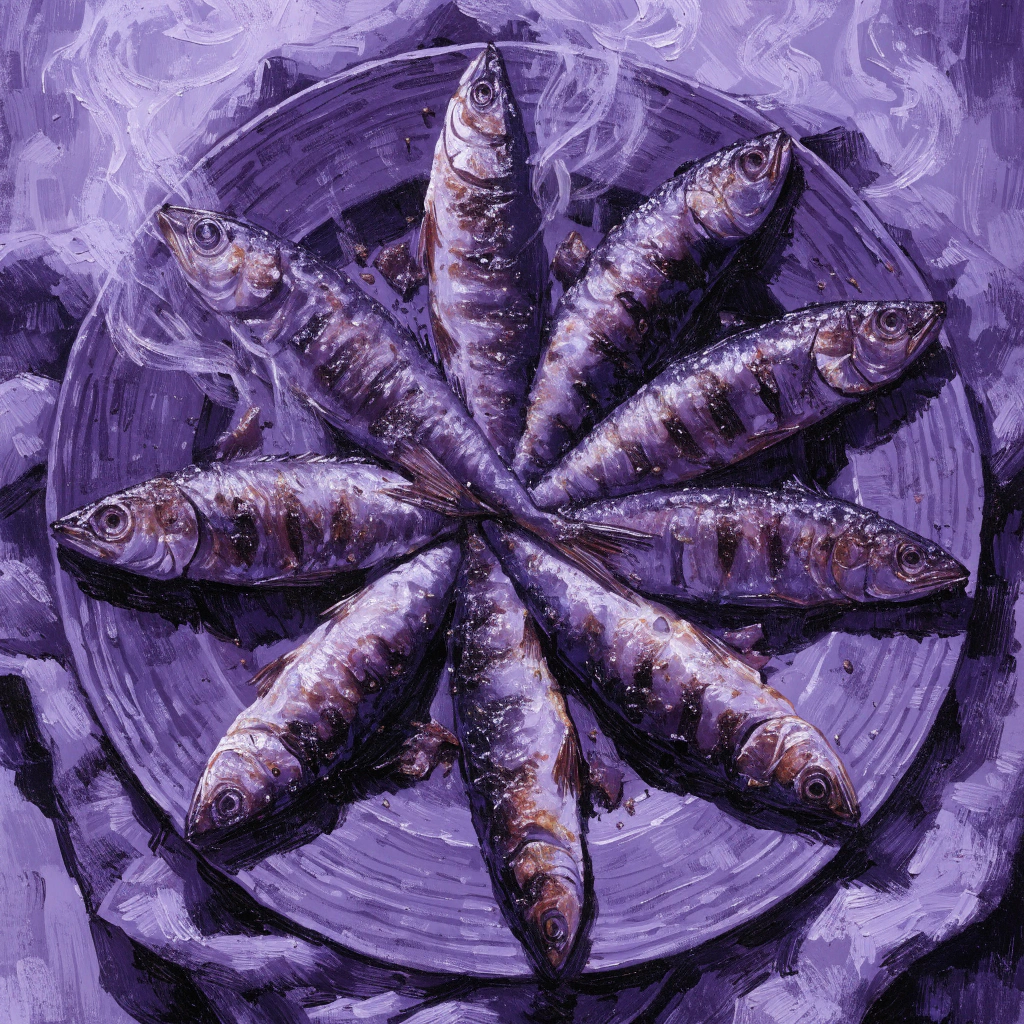
ماهی ساردین کبابی در پرتغال
پرتغال یک کشور زیبا است. این کشور کنار دریا است. مردم پرتغال ماهی دوست دارند. در تابستان، هوا گرم است و مردم ماهی ساردین کبابی میخورند. این غذا خیلی خوشمزه است و اسم آن «ساردیناس آساداس» است.
ماه ژوئن برای پرتغال مهم است. در این ماه، جشنهای زیادی هست. مردم در خیابانها جشن میگیرند. آنها ماهی ساردین کبابی میپزند و میخورند. این یک سنت قدیمی است. خانوادهها و دوستان با هم جمع میشوند. آنها موسیقی گوش میدهند و شاد هستند. ماهی ساردین کبابی غذای تابستانی پرتغال است.
نکته دستوری
الگو: فعل «بودن» (است)
"پرتغال یک کشور زیبا است."
«است» فعل «بودن» (to be) برای سوم شخص مفرد است. ما از آن برای توصیف یک چیز یا یک شخص استفاده میکنیم. معنی آن «is» در انگلیسی است.
الگو: زمان حال ساده (می + ریشه فعل + شناسه)
"مردم پرتغال ماهی دوست دارند."
این ساختار برای کارهایی استفاده میشود که همیشه یا به طور منظم اتفاق میافتند. «می» قبل از ریشه فعل میآید و شناسه فعل (مثل -ند برای آنها) بعد از ریشه میآید.
درک خود را بسنجید
10 سوال · A1 مبتدی · 1 پیشنمایش رایگان
آنچه از این مقاله آموختید را بسنجید. به همه سؤالات پاسخ دهید و XP کسب کنید!
درباره پرتغال، کدام جمله درست است؟
آیا میخواهید آزمون را تمام کنید؟
9 سؤال دیگر منتظر شماست. ثبتنام رایگان کنید تا آزمون کامل را باز کنید و XP کسب کنید!
ثبتنام رایگانقبلاً ثبتنام کردی؟ ورود
جزئیات سؤالات
درباره پرتغال، کدام جمله درست است؟
پاسخ شما:
پاسخ درست: پرتغال کنار دریا است.
مردم پرتغال در ماه ژوئن ماهی ساردین کبابی میخورند.
پاسخ شما:
پاسخ درست: درست
«خوشمزه» یعنی چه؟
پاسخ شما:
پاسخ درست: طعم خوب
مردم در _____ جشن میگیرند.
پاسخ شما:
پاسخ درست: خیابانها
Summer and Sardines in Portugal
Summer in Portugal is a very special time. When the weather gets hot, the streets of Lisbon and Porto smell like grilled sardines. This famous fish is a national symbol of Portugal. People love sardines because they are fresh and delicious.
In June, there are many big festivals called the 'Santos Populares'. The most famous festivals are Saint Anthony in Lisbon and Saint John in Porto. During these nights, thousands of people go outside to eat and dance. They cook the sardines on big grills in the street.
Traditional sardines are better than other fish because they are simple to cook. Most people eat their sardine on a thick piece of bread. Sometimes, they also eat them with boiled potatoes and green peppers. In the past, sardines were food for poor people, but now everyone loves them. It is a great way to celebrate the summer with friends and family.
نکته دستوری
الگو: Comparatives (Better than)
"Traditional sardines are better than other fish because they are simple to cook."
We use 'better than' to compare two things when one is higher quality. 'Better' is the irregular comparative form of the adjective 'good'.
الگو: Past Simple of 'To Be'
"In the past, sardines were food for poor people, but now everyone loves them."
We use 'were' as the past simple form of 'are' for plural subjects. It describes a state or situation that happened in the past but is different now.
درک خود را بسنجید
11 سوال · A2 مقدماتی · 1 پیشنمایش رایگان
آنچه از این مقاله آموختید را بسنجید. به همه سؤالات پاسخ دهید و XP کسب کنید!
Where do people cook the sardines during the festivals?
آیا میخواهید آزمون را تمام کنید؟
10 سؤال دیگر منتظر شماست. ثبتنام رایگان کنید تا آزمون کامل را باز کنید و XP کسب کنید!
ثبتنام رایگانقبلاً ثبتنام کردی؟ ورود
جزئیات سؤالات
Where do people cook the sardines during the festivals?
پاسخ شما:
پاسخ درست: On grills in the street
The festival of Saint John happens in Lisbon.
پاسخ شما:
پاسخ درست: نادرست
What does 'famous' mean?
پاسخ شما:
پاسخ درست: Known by many people
Most people eat their sardine on a thick piece of _____.
پاسخ شما:
پاسخ درست: bread
Why do people love sardines according to the text?
پاسخ شما:
پاسخ درست: Because they are fresh and delicious
ساردین کبابی در پرتغال: طعم تابستان و جشن
در کشور زیبای پرتغال، رسیدن تابستان را بیشتر با بوی "ساردین کبابی" (Sardinhas Assadas) تشخیص میدهند تا با گرمای هوا. این بوی دلپذیر از کوچهها و خیابانهای باریک شهرهای قدیمی به مشام میرسد و نشانهای از آغاز فصل شادی است. ساردین در پرتغال فقط یک ماهی نیست؛ بلکه یک نماد ملی مهم محسوب میشود که در هنر، ادبیات و جشنهای مردمی جایگاه ویژهای دارد.
اگرچه ماهی در این کشور ساحلی در تمام طول سال مصرف میشود، اما ساردین در ماه ژوئن مرکز توجه قرار میگیرد. این ماه با جشنهای بزرگ "قدیسان مردمی" (Santos Populares) همراه است. به خصوص، جشن سنت آنتونی در لیسبون و جشن سنت جان در پورتو، دو نمونه از این مراسمهای شاد و پرشور هستند. هزاران نفر از مردم محلی و گردشگران برای شرکت در این جشنها به خیابانها میآیند و از موسیقی، رقص و البته ساردین کبابی تازه لذت میبرند.
ساردینها معمولاً به سادگی روی زغال کباب میشوند و با کمی نمک و روغن زیتون سرو میشوند. اغلب آنها را با نان تازه یا سیبزمینی پخته میخورند. این غذا نه تنها یک وعدهی غذایی خوشمزه است، بلکه بخشی از فرهنگ و سنت دیرینه پرتغال را نیز تشکیل میدهد. این سنتها نسل به نسل منتقل شدهاند و هنوز هم با همان شور و هیجان گذشته برگزار میشوند. بنابراین، اگر در تابستان به پرتغال سفر کردید، حتماً طعم بینظیر ساردین کبابی را امتحان کنید و در جشنهای مردمی آنها شریک شوید.
نکته دستوری
الگو: فعل مجهول (Passive Voice)
"این بوی دلپذیر از کوچهها و خیابانهای باریک شهرهای قدیمی به مشام میرسد و نشانهای از آغاز فصل شادی است."
فعل مجهول زمانی استفاده میشود که فاعل جمله (انجامدهنده کار) مشخص نباشد یا مهم نباشد. در فارسی، معمولاً با اضافه کردن فعل کمکی «شدن» به بن ماضی ساخته میشود، مانند «انجام داده میشود» یا «به مشام میرسد».
الگو: جمله موصولی با «که» (Relative Clause with 'ke')
"این ماه با جشنهای بزرگ "قدیسان مردمی" (Santos Populares) همراه است."
جملات موصولی با «که» برای اضافه کردن اطلاعات بیشتر درباره یک اسم یا ضمیر استفاده میشوند. «که» در اینجا مثل «which» یا «that» در انگلیسی عمل میکند و جمله بعدی را به اسم قبل از خود ربط میدهد.
درک خود را بسنجید
11 سوال · B1 متوسط · 1 پیشنمایش رایگان
آنچه از این مقاله آموختید را بسنجید. به همه سؤالات پاسخ دهید و XP کسب کنید!
در پرتغال، مردم رسیدن تابستان را بیشتر با چه چیزی تشخیص میدهند؟
آیا میخواهید آزمون را تمام کنید؟
10 سؤال دیگر منتظر شماست. ثبتنام رایگان کنید تا آزمون کامل را باز کنید و XP کسب کنید!
ثبتنام رایگانقبلاً ثبتنام کردی؟ ورود
جزئیات سؤالات
در پرتغال، مردم رسیدن تابستان را بیشتر با چه چیزی تشخیص میدهند؟
پاسخ شما:
پاسخ درست: بوی ساردین کبابی
ساردین فقط در فصل تابستان در پرتغال مصرف میشود.
پاسخ شما:
پاسخ درست: نادرست
«نماد ملی» به چه معناست؟
پاسخ شما:
پاسخ درست: چیزی که نشاندهنده هویت یک کشور است
جشن سنت آنتونی در ______ و جشن سنت جان در ______ برگزار میشود.
پاسخ شما:
پاسخ درست: لیسبون
ساردینها معمولاً به سادگی روی ______ کباب میشوند.
پاسخ شما:
پاسخ درست: زغال
The Cultural Significance of the Portuguese Sardine: More Than Just a Meal
In Portugal, the arrival of the summer season is heralded not by the rising temperatures on a thermometer, but by a distinct olfactory signal: the scent of 'sardinhas assadas' wafting through the narrow, cobblestone streets. While the sardine is a humble fish, it has evolved into a quintessential national icon, celebrated in literature, contemporary art, and grand festivals. Although fish is consumed year-round in this maritime nation, the sardine takes center stage specifically in June, coinciding with the 'Santos Populares' festivities. These celebrations, which honor Saint Anthony in Lisbon and Saint John in Porto, see thousands of people gathering in communal spaces to share a meal that transcends mere nutrition.
From a sociological perspective, the sardine represents a bridge between Portugal's rural past and its modern, urban identity. During the festivities, the atmosphere is electric; temporary grills are set up on every corner, and the smoke creates a hazy canopy over the merrymakers. It is traditionally served on a thick slice of sourdough bread, which absorbs the flavorful oils of the fish. This method of consumption is highly symbolic, reflecting a history where nothing was wasted. Furthermore, if one were to analyze the sardine’s presence in Portuguese pottery and graphic design, its enduring significance as a symbol of prosperity and national pride would become immediately apparent.
Nevertheless, the tradition is not without its challenges. Environmental concerns regarding overfishing have led to strict regulations on when and how many sardines can be caught. Consequently, the availability of fresh sardines has become a topic of intense public debate. Despite these ecological pressures, the ritual of the grilled sardine remains an integral part of the Portuguese summer. It serves as a powerful reminder of the importance of seasonal living and the strength of communal bonds in an increasingly digital world. Ultimately, the sardine is not just a culinary preference; it is a cultural manifestation that continues to define the Portuguese spirit, proving that even the smallest creatures can carry the weight of a nation's heritage.
نکته دستوری
الگو: Passive Voice
"Although fish is consumed year-round in this maritime nation, the sardine takes center stage specifically in June."
The passive voice 'is consumed' is used here to focus on the action and the object (fish) rather than who is eating it. It is formed using the verb 'to be' plus the past participle.
الگو: Second Conditional
"If one were to analyze the sardine’s presence in Portuguese pottery and graphic design, its enduring significance would become immediately apparent."
The second conditional uses 'if' + past subjunctive ('were to analyze') and 'would' to discuss a hypothetical situation and its probable result. It is used here for academic analysis.
الگو: Non-defining Relative Clauses
"These celebrations, which honor Saint Anthony in Lisbon and Saint John in Porto, see thousands of people gathering in communal spaces."
The clause starting with 'which' provides extra information about the celebrations. It is separated by commas because the sentence would still make sense without it.
درک خود را بسنجید
11 سوال · B2 بالاتر از متوسط · 1 پیشنمایش رایگان
آنچه از این مقاله آموختید را بسنجید. به همه سؤالات پاسخ دهید و XP کسب کنید!
What primary signal marks the beginning of summer in Portugal according to the text?
آیا میخواهید آزمون را تمام کنید؟
10 سؤال دیگر منتظر شماست. ثبتنام رایگان کنید تا آزمون کامل را باز کنید و XP کسب کنید!
ثبتنام رایگانقبلاً ثبتنام کردی؟ ورود
جزئیات سؤالات
What primary signal marks the beginning of summer in Portugal according to the text?
پاسخ شما:
پاسخ درست: The smell of grilled sardines in the streets
Sardines are only eaten in Portugal during the month of June.
پاسخ شما:
پاسخ درست: نادرست
What does the word 'quintessential' mean in the context of the article?
پاسخ شما:
پاسخ درست: The most typical or perfect example
The sardine's presence in pottery and design shows its _____ as a symbol of national pride.
پاسخ شما:
پاسخ درست: significance
Why is the sardine traditionally served on a thick slice of bread?
پاسخ شما:
پاسخ درست: To absorb the oils and reflect a history of not wasting food
The Silver-Scaled Icon: Deciphering the Cultural Weight of the Portuguese Sardine
Rarely does a single olfactory stimulus encapsulate the collective identity of a nation as poignantly as the scent of grilled sardines wafting through the labyrinthine alleys of Lisbon’s Alfama district. In Portugal, the arrival of summer is heralded not merely by the rising mercury, but by the ubiquitous presence of these silver-scaled delights. The sardine is far more than a seasonal delicacy; it is a cultural totem, a symbol of maritime heritage that transcends socio-economic boundaries and anchors the Portuguese soul to the Atlantic.
The democratization of what was once considered 'the poor man's fish' highlights a fascinating shift in Portugal’s gastronomic landscape. Historically, the sardine provided essential sustenance for coastal communities, yet today it enjoys a prestigious status, celebrated in haute cuisine and fine art alike. This elevation in status does not, however, strip the sardine of its humble roots. During the Santos Populares festivals in June, the visceral connection between the people and their sea is most palpable. It is through the lens of these festivities—honoring Saint Anthony in Lisbon and Saint John in Porto—that one truly grasps the sardine’s significance. Thousands of people congregate in the streets, transforming the urban landscape into a communal dining room where the hierarchy of the table is replaced by the democracy of the grill.
The preparation itself is a ritualistic endeavor, demanding precision and respect for the product's provenance. Traditionally, the fish are grilled over charcoal, seasoned only with coarse sea salt, and served atop a thick slice of rustic sourdough bread. The bread serves a dual purpose: it acts as a plate, absorbing the rich, omega-3-laden oils, and is ultimately consumed as the final, most flavorful morsel. Such a practice underscores the Portuguese ethos of resourcefulness and culinary honesty. Furthermore, the sardine’s influence extends deep into the realm of aesthetics. Each year, the 'Festas de Lisboa' hosts an international competition where artists redesign the sardine's silhouette, resulting in a kaleidoscope of creative interpretations that adorn the city. This artistic preoccupation mirrors the literary reverence found in the works of Portuguese masters, where the sea and its bounty are often metaphors for 'saudade'—that uniquely Portuguese longing.
However, the narrative of the sardine is not without its complexities. The ephemeral nature of the peak season, coupled with fluctuating stocks and stringent fishing quotas, has sparked critical debates regarding environmental sustainability. While the demand remains insatiable, the necessity for ecological stewardship is paramount to ensure that future generations can partake in this heritage. The tension between tradition and conservation is a testament to the sardine’s enduring importance. To understand the sardine is to understand Portugal—a nation inextricably bound to the Atlantic, navigating the currents between a storied past and an uncertain, yet hopeful, future.
نکته دستوری
الگو: Negative Inversion
"Rarely does a single olfactory stimulus encapsulate the collective identity of a nation as poignantly as the scent of grilled sardines."
Inversion is used after negative or restrictive adverbs (like 'rarely') to create emphasis. The auxiliary verb 'does' moves before the subject 'stimulus'.
الگو: Cleft Sentences
"It is through the lens of these festivities—honoring Saint Anthony in Lisbon and Saint John in Porto—that one truly grasps the sardine’s significance."
Cleft sentences use 'It is... that' to focus on a specific part of the sentence, in this case, the 'lens of these festivities' as the primary way to understand the topic.
الگو: Nominalisation
"The democratization of what was once considered 'the poor man's fish' highlights a fascinating shift in Portugal’s gastronomic landscape."
Nominalisation turns verbs or adjectives into nouns (e.g., 'democratize' becomes 'democratization'). This is a hallmark of C1 writing, allowing for more abstract and concise arguments.
درک خود را بسنجید
12 سوال · C1 پیشرفته · 1 پیشنمایش رایگان
آنچه از این مقاله آموختید را بسنجید. به همه سؤالات پاسخ دهید و XP کسب کنید!
What does the author suggest about the sardine's role in modern Portugal?
آیا میخواهید آزمون را تمام کنید؟
11 سؤال دیگر منتظر شماست. ثبتنام رایگان کنید تا آزمون کامل را باز کنید و XP کسب کنید!
ثبتنام رایگانقبلاً ثبتنام کردی؟ ورود
جزئیات سؤالات
What does the author suggest about the sardine's role in modern Portugal?
پاسخ شما:
پاسخ درست: It has become an artistic and gastronomic icon across all social classes.
The bread used during the sardine ritual is typically discarded after absorbing the fish oils.
پاسخ شما:
پاسخ درست: نادرست
What does 'ephemeral' mean in the context of the article?
پاسخ شما:
پاسخ درست: Short-lived
The _____ of the sardine from a 'poor man's fish' to a prestigious icon reflects a shift in social perception.
پاسخ شما:
پاسخ درست: democratization
What is the primary purpose of the bread served with the sardines?
پاسخ شما:
پاسخ درست: To act as a plate and absorb flavorful oils.
The article mentions that fishing quotas are a source of debate regarding the sardine's future.
پاسخ شما:
پاسخ درست: درست
ساردیناس آساداس: تجلی هویت ملی و شکوه تابستان پرتغالی
در کرانههای اقیانوس اطلس، جایی که تاریخ و دریا در هم تنیدهاند، پرتغال با آداب و رسومی که ریشه در اعماق فرهنگش دارد، از فصول سال استقبال میکند. اما فراتر از دماسنجهای هواشناسی، این عطر دلانگیز «ساردیناس آساداس» (ساردین کبابی) است که در کوچهپسکوچههای سنگفرششده محلات قدیمی لیزبون و پورتو میپیچد و بیاغراق، خبر از فرا رسیدن تابستان میدهد. این ماهی کوچک، که به ظاهر عنصری ساده از سفره غذایی است، در واقع نمادی بیبدیل از هویت ملی پرتغال به شمار میرود؛ نمادی که در هنر، ادبیات و جشنهای عمومی این کشور جایگاهی بس رفیع یافته است.
شکی نیست که ماهی در این ملت دریانورد، در طول سال به وفور مصرف میشود و جزء لاینفک رژیم غذایی محسوب میگردد. اما در ماه ژوئن، ساردین به کانون توجه مبدل میشود، خاصه در ایام جشنهای «سانتوس پوپولارس» (قدیسین مردمی) که با شور و هیجانی وصفناپذیر برگزار میشوند. جشن سنت آنتونی در لیزبون و سنت جان در پورتو، هزاران نفر را به خیابانها میکشاند تا در کنار موسیقی فولکلور، رقصهای محلی و تزیینات رنگارنگ، از طعم بیمانند ساردینهای تازه کبابیشده لذت ببرند. این رویدادها صرفاً مراسمی مذهبی نیستند، بلکه به مثابه کارناوالهایی اجتماعی عمل میکنند که در آنها همبستگی جمعی و روحیه communal به اوج خود میرسد. میتوان اینگونه استنباط کرد که ساردین در این بستر، بیش از یک غذا، به ابزاری برای تقویت پیوندهای اجتماعی و بازآفرینی خاطرات جمعی بدل میگردد.
جنبههای اقتصادی و اجتماعی این پدیده نیز قابل تأمل است. صید ساردین، که از دیرباز یکی از پایههای اقتصاد ساحلی پرتغال بوده، در این ایام رونق دوچندانی مییابد. بازارهای محلی سرشار از ماهیهای تازه میشوند و رستورانها و اغذیهفروشیهای موقت، با صفهای طولانی مشتریان مواجه میگردند. این چرخه اقتصادی، علاوه بر ایجاد فرصتهای شغلی فصلی، به حفظ صنایع دستی و هنرهای محلی مرتبط با این جشنها نیز کمک شایانی میکند. میتوان ادعا کرد که ساردیناس آساداس، صرفاً یک سنت غذایی نیست، بلکه یک اکوسیستم فرهنگی-اقتصادی پیچیده را پشتیبانی میکند که در آن، سنت، اقتصاد و هویت ملی به طرز ماهرانهای در هم تنیدهاند.
همچنین، در بررسی عمیقتر این پدیده، باید به نقش ساردین در گفتمانهای هنری و ادبی پرتغال اشاره کرد. از نقاشیهای دیواری شهری گرفته تا اشعار و ترانههای فولکلور، ساردین به کرات به عنوان نمادی از زندگی ساده، دریا، و روحیه پرتغالی به تصویر کشیده شده است. این بازنماییهای هنری، به تداوم و تقویت جایگاه اسطورهای ساردین در ناخودآگاه جمعی جامعه کمک شایانی میکند. به عبارت دیگر، ساردین نه تنها در کام، بلکه در ذهن و روح مردم پرتغال نیز حضوری پررنگ دارد و به نوعی، بخشی از میراث ناملموس این کشور محسوب میشود.
با این اوصاف، مشاهده میشود که «ساردیناس آساداس» فراتر از یک وعده غذایی لذیذ، به مثابه یک پدیده فرهنگی چندوجهی عمل میکند که در آن، ابعاد تاریخی، اجتماعی، اقتصادی و هنری به گونهای هماهنگ با یکدیگر در تعاملاند. این سنت، نه تنها نویدبخش فصلی از شادمانی و سرور است، بلکه به عنوان یک مولفه کلیدی در تعریف هویت ملی پرتغال، نقشی بیبدیل ایفا میکند. از این رو، هرگاه عطر ساردین کبابی در هوای پرتغال پیچید، باید دانست که این تنها بوی غذا نیست، بلکه آمیزهای از تاریخ، فرهنگ و روح زندهای است که در قلب این سرزمین میتپد و هر سال با شکوهی تازه، خود را بازتعریف میکند.
نکته دستوری
الگو: فعل مجهول (Passive Voice)
"این ماهی کوچک، که به ظاهر عنصری ساده از سفره غذایی است، در واقع نمادی بیبدیل از هویت ملی پرتغال به شمار میرود؛ نمادی که در هنر، ادبیات و جشنهای عمومی این کشور جایگاهی بس رفیع یافته است."
فعل مجهول در فارسی برای تأکید بر عمل یا مفعول آن، و نه فاعل، به کار میرود. این ساختار معمولاً با استفاده از اسم مفعول (صفت مفعولی) فعل اصلی به همراه فعل کمکی «شدن» یا «گشتن» (در زمانهای مختلف) ساخته میشود. در این مثال، «یافته است» میتواند به «یافته شده است» نیز تعبیر شود که نشاندهنده جایگاهی است که به ساردین داده شده، نه ساردین که خود آن را یافته باشد. کاربرد آن به متن حالتی رسمیتر و علمیتر میبخشد.
الگو: کاربرد «میتوان اینگونه استنباط کرد که...» برای بیان استنتاج و تحلیل
"میتوان اینگونه استنباط کرد که ساردین در این بستر، بیش از یک غذا، به ابزاری برای تقویت پیوندهای اجتماعی و بازآفرینی خاطرات جمعی بدل میگردد."
این عبارت برای بیان نتیجهگیری، تحلیل یا حدس و گمان منطقی به کار میرود و به متن لحنی آکادمیک و تحلیلی میبخشد. ساختار «میتوان... کرد که» نشاندهنده امکان و پتانسیل یک عمل یا نتیجهگیری است، و «اینگونه» تأکید بر روش یا نوع استنباط دارد. این الگو به نویسنده اجازه میدهد تا بدون قاطعیت مطلق، دیدگاه خود را مطرح کند و به نوعی «حصارکشی آکادمیک» (academic hedging) را رعایت نماید.
الگو: مصدر مرخم (Nominalization/Verbal Noun) در جملات پیچیده
"این رویدادها صرفاً مراسمی مذهبی نیستند، بلکه به مثابه کارناوالهایی اجتماعی عمل میکنند که در آنها همبستگی جمعی و روحیه communal به اوج خود میرسد."
مصدر مرخم (مانند «رسیدن» در «به اوج خود میرسد») در فارسی، شکل اسمی فعل است که به جملات امکان میدهد تا اطلاعات بیشتری را در ساختاری فشرده و پیچیده جای دهند. در این مثال، «همبستگی جمعی... به اوج خود میرسد» به جای یک جمله مستقل، به عنوان بخشی از یک جمله موصولی («که در آنها...») به کار رفته و ارتباط معنایی عمیقتری با بخش قبلی جمله برقرار میکند. این کاربرد به افزایش پیچیدگی و پختگی ساختار جمله کمک میکند و برای سطح C2 بسیار مناسب است.
درک خود را بسنجید
12 سوال · C2 تسلط · 1 پیشنمایش رایگان
آنچه از این مقاله آموختید را بسنجید. به همه سؤالات پاسخ دهید و XP کسب کنید!
کدام یک از موارد زیر، به معنای «ساردیناس آساداس» در پرتغال اشاره دارد؟
آیا میخواهید آزمون را تمام کنید؟
11 سؤال دیگر منتظر شماست. ثبتنام رایگان کنید تا آزمون کامل را باز کنید و XP کسب کنید!
ثبتنام رایگانقبلاً ثبتنام کردی؟ ورود
جزئیات سؤالات
کدام یک از موارد زیر، به معنای «ساردیناس آساداس» در پرتغال اشاره دارد؟
پاسخ شما:
پاسخ درست: ساردین کبابی
مقاله بیان میکند که ماهی در پرتغال فقط در فصل تابستان مصرف میشود.
پاسخ شما:
پاسخ درست: نادرست
کلمه «بیبدیل» به چه معناست؟
پاسخ شما:
پاسخ درست: بینظیر و منحصر به فرد
عطر دلانگیز «ساردیناس آساداس» در کوچهپسکوچههای سنگفرششده محلات قدیمی لیزبون و پورتو میپیچد و بیاغراق، خبر از فرا رسیدن ______ میدهد.
پاسخ شما:
پاسخ درست: تابستان
جشنهای «سانتوس پوپولارس» در ماه ژوئن چه نقشی ایفا میکنند؟
پاسخ شما:
پاسخ درست: کارناوالهای اجتماعی برای تقویت همبستگی جمعی هستند
مقاله اشاره میکند که ساردین در گفتمانهای هنری و ادبی پرتغال به عنوان نمادی از زندگی ساده و روحیه پرتغالی به تصویر کشیده شده است.
پاسخ شما:
پاسخ درست: درست

