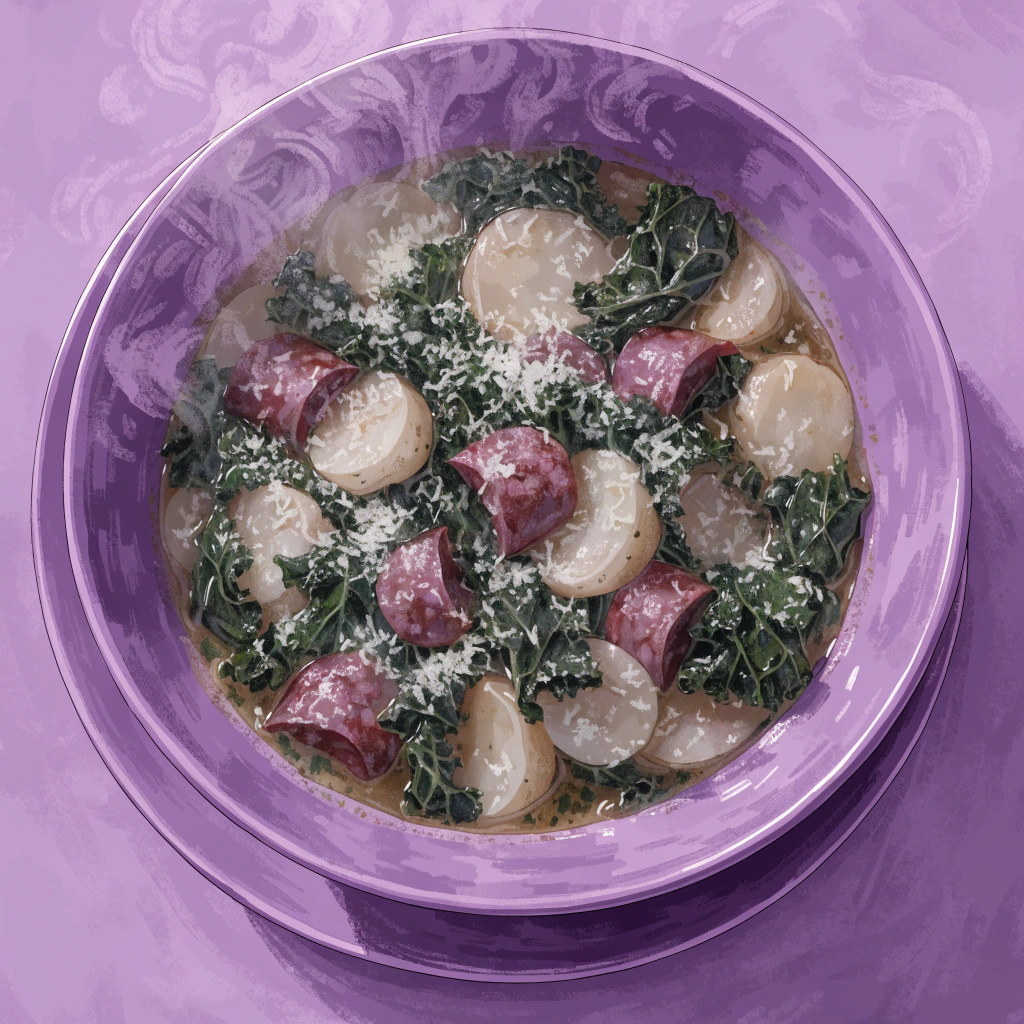
کالدو ورده: سوپ معروف پرتغال
«کالدو ورده» یک سوپ خیلی معروف از کشور پرتغال است. اسم این سوپ یعنی «آبگوشت سبز». این سوپ از شمال پرتغال میآید. آنجا یک منطقه زیبا با دشتهای سبز و درختان زیاد است.
مردم پرتغال این سوپ را خیلی دوست دارند. آنها آن را در خانه و رستوران میخورند. مواد اصلی این سوپ ساده هستند: سیبزمینی، پیاز، سیر، روغن زیتون و یک نوع کلم خاص. این مواد با هم پخته میشوند.
این سوپ گرم و خوشمزه است. مردم پرتغال آن را در فصلهای سرد بیشتر میخورند. شما میتوانید این سوپ را در همه جای پرتغال پیدا کنید. این یک غذای مهم برای فرهنگ پرتغال است.
نکته دستوری
الگو: فعل اسنادی (است/هستند)
"«کالدو ورده» یک سوپ خیلی معروف از کشور پرتغال است."
فعل «است» برای گفتن «هست» یا «بودن» در فارسی استفاده میشود. برای مثال، «این یک کتاب است». اگر فاعل جمع باشد، از «هستند» استفاده میکنیم.
الگو: فعل مضارع ساده (می + ریشه + شناسه)
"مردم پرتغال آن را در فصلهای سرد بیشتر میخورند."
برای ساختن فعل مضارع ساده در فارسی، اول «می» میآید، بعد ریشه فعل، و در آخر شناسه (پایان فعل) میآید. این فعل برای کارهایی است که همیشه یا معمولاً اتفاق میافتند.
درک خود را بسنجید
10 سوال · A1 مبتدی · 1 پیشنمایش رایگان
آنچه از این مقاله آموختید را بسنجید. به همه سؤالات پاسخ دهید و XP کسب کنید!
معنی «کالدو ورده» چیست؟
آیا میخواهید آزمون را تمام کنید؟
9 سؤال دیگر منتظر شماست. ثبتنام رایگان کنید تا آزمون کامل را باز کنید و XP کسب کنید!
ثبتنام رایگانقبلاً ثبتنام کردی؟ ورود
جزئیات سؤالات
معنی «کالدو ورده» چیست؟
پاسخ شما:
پاسخ درست: آبگوشت سبز
کالدو ورده از جنوب پرتغال میآید.
پاسخ شما:
پاسخ درست: نادرست
کلمه «معروف» به چه معناست؟
پاسخ شما:
پاسخ درست: شناخته شده
مردم پرتغال این سوپ را خیلی _____.
پاسخ شما:
پاسخ درست: دوست دارند
Caldo Verde: The Most Famous Soup in Portugal
Caldo Verde is the most famous soup in Portugal. It comes from the north of the country, in a region called Minho. This area is very green and beautiful. People call the soup "green broth" because of its color.
The recipe for this soup is very simple, but the taste is delicious. To make it, you need potatoes, onions, garlic, and olive oil. The most important ingredient is a special type of dark green kale. People cut the kale into very thin pieces before cooking. In the past, farmers made this soup because it was cheap and healthy.
Today, Caldo Verde is more popular than other traditional dishes. You can find it at weddings, festivals, and in small restaurants. Usually, people serve the soup with a slice of "chouriço," which is a spicy Portuguese sausage. It is better to eat it with fresh bread. Many Portuguese people think Caldo Verde is a symbol of their culture because it is warm and welcoming.
نکته دستوری
الگو: Superlative Adjectives
"Caldo Verde is the most famous soup in Portugal."
We use 'the most' with long adjectives (like famous) to show that something is number one in a group. It is formed by 'the most' + adjective.
الگو: Comparative Adjectives
"Today, Caldo Verde is more popular than other traditional dishes."
We use 'more + adjective + than' to compare two different things. This is used for adjectives with two or more syllables.
درک خود را بسنجید
11 سوال · A2 مقدماتی · 1 پیشنمایش رایگان
آنچه از این مقاله آموختید را بسنجید. به همه سؤالات پاسخ دهید و XP کسب کنید!
Where does Caldo Verde come from?
آیا میخواهید آزمون را تمام کنید؟
10 سؤال دیگر منتظر شماست. ثبتنام رایگان کنید تا آزمون کامل را باز کنید و XP کسب کنید!
ثبتنام رایگانقبلاً ثبتنام کردی؟ ورود
جزئیات سؤالات
Where does Caldo Verde come from?
پاسخ شما:
پاسخ درست: The north of Portugal
The soup is called 'green broth' because of its color.
پاسخ شما:
پاسخ درست: درست
What does 'ingredient' mean?
پاسخ شما:
پاسخ درست: A food used to make a dish
People cut the kale into very _____ pieces.
پاسخ شما:
پاسخ درست: thin
What is 'chouriço'?
پاسخ شما:
پاسخ درست: A spicy sausage
Caldo Verde: The Heart of Portuguese Cuisine
Caldo Verde is a traditional Portuguese soup that has become a symbol of the country's national identity. While it originated in the Minho region of northern Portugal, it is now enjoyed in every city and village across the nation. The name literally means 'green broth,' which refers to the dark green color of the vegetables used in the recipe.
The dish is famous for its simplicity and healthy ingredients. To make a classic Caldo Verde, potatoes, onions, and garlic are boiled together until they are soft. Then, they are mashed to create a smooth, thick base. This base is seasoned with salt and high-quality olive oil. The most important ingredient is a specific type of kale, which is sliced into very thin ribbons before being added to the hot liquid.
In many Portuguese homes, this soup is served at the beginning of a meal or during special celebrations. It is often accompanied by 'broa,' a traditional cornbread, and a few slices of 'chouriço' sausage. Although it is a humble dish, it has been praised by poets and travelers for centuries because of its comforting flavor.
Today, Caldo Verde has spread to many other countries where Portuguese is spoken, such as Brazil and Angola. It remains a favorite choice for families who want a nutritious meal that is easy to prepare. Whether you are at a fancy wedding or a small village festival, you will likely find a bowl of this delicious green soup waiting for you.
نکته دستوری
الگو: Present Perfect Tense
"Caldo Verde is a traditional Portuguese soup that has become a symbol of the country's national identity."
The present perfect (have/has + past participle) is used here to describe an action that started in the past and continues to be true or relevant in the present.
الگو: Passive Voice
"Then, they are mashed to create a smooth, thick base."
The passive voice (be + past participle) is used when the action is more important than the person doing it. Here, the focus is on what happens to the potatoes.
درک خود را بسنجید
11 سوال · B1 متوسط · 1 پیشنمایش رایگان
آنچه از این مقاله آموختید را بسنجید. به همه سؤالات پاسخ دهید و XP کسب کنید!
Where did Caldo Verde originally come from?
آیا میخواهید آزمون را تمام کنید؟
10 سؤال دیگر منتظر شماست. ثبتنام رایگان کنید تا آزمون کامل را باز کنید و XP کسب کنید!
ثبتنام رایگانقبلاً ثبتنام کردی؟ ورود
جزئیات سؤالات
Where did Caldo Verde originally come from?
پاسخ شما:
پاسخ درست: The Minho region
Caldo Verde is only eaten during weddings.
پاسخ شما:
پاسخ درست: نادرست
What does 'nutritious' mean?
پاسخ شما:
پاسخ درست: Good for your health
The name of the soup literally means green _____.
پاسخ شما:
پاسخ درست: broth
What is 'broa'?
پاسخ شما:
پاسخ درست: A traditional cornbread
The Cultural Significance of Caldo Verde: Portugal’s Green Legacy
Caldo Verde, which translates literally to 'green broth,' serves as an emblematic cornerstone of Portuguese national identity. Originating from the Minho province in the north, a region celebrated for its granite-walled vineyards and lush terrain, this soup has transcended its regional roots to become a staple across the Lusophone world. At its core, the dish is a testament to the idea that culinary excellence does not necessitate complexity. Instead, it relies on the authenticity and freshness of fundamental ingredients: potatoes, onions, garlic, olive oil, and the essential 'couve-galega' kale. The recipe's survival across centuries is a remarkable feat of cultural preservation.
The preparation process is deceptively straightforward, yet it requires a specific consistency to be considered authentic. The soup is typically prepared by boiling potatoes and onions together until they are tender enough to be mashed into a smooth, thick base. Furthermore, the kale must be sliced into extremely fine ribbons—a technique that requires considerable skill—before being added at the final stage to preserve its vibrant color and nutritional value. This meticulous attention to detail ensures that the texture remains light yet satisfying. If the kale were to be chopped coarsely, the dish would lose its characteristic elegance and mouthfeel.
Socio-culturally, Caldo Verde plays an integral role in Portuguese life, particularly during festivities such as the Feast of Saint John in Porto. It is often served at the end of a long night of celebration, providing comfort and sustenance to participants. The dish's versatility allows it to be enjoyed as either a light starter or a substantial late-night meal, often accompanied by a slice of 'chouriço' and traditional cornbread. Its presence at weddings, birthdays, and national holidays confirms its status as a communal bond that unites different generations.
From a sociological perspective, the preservation of this recipe highlights the Portuguese commitment to tradition in an increasingly globalized world. While contemporary chefs have experimented with more sophisticated versions, the classic iteration remains the most popular among the local population. This enduring preference suggests that for many, Caldo Verde is not merely food; it is a manifestation of historical continuity. Consequently, understanding the nuances of this soup offers a unique window into the values of Portuguese society, where the past is cherished through every spoonful.
نکته دستوری
الگو: Passive Voice
"The soup is typically prepared by boiling potatoes and onions together until they are tender enough to be mashed into a smooth, thick base."
The passive voice is used here to focus on the process rather than the person cooking. It is formed using the verb 'to be' followed by the past participle.
الگو: Second Conditional (Hypothetical)
"If the kale were to be chopped coarsely, the dish would lose its characteristic elegance and mouthfeel."
This structure describes a hypothetical situation and its consequence. 'Were to' adds a formal tone to the condition, while 'would' indicates the result.
الگو: Concessive Clause (While/Although)
"While contemporary chefs have experimented with more sophisticated versions, the classic iteration remains the most popular among the local population."
The word 'while' is used as a discourse marker to introduce a contrast between the actions of modern chefs and the general population's preference.
درک خود را بسنجید
11 سوال · B2 بالاتر از متوسط · 1 پیشنمایش رایگان
آنچه از این مقاله آموختید را بسنجید. به همه سؤالات پاسخ دهید و XP کسب کنید!
In which Portuguese province did Caldo Verde originate?
آیا میخواهید آزمون را تمام کنید؟
10 سؤال دیگر منتظر شماست. ثبتنام رایگان کنید تا آزمون کامل را باز کنید و XP کسب کنید!
ثبتنام رایگانقبلاً ثبتنام کردی؟ ورود
جزئیات سؤالات
In which Portuguese province did Caldo Verde originate?
پاسخ شما:
پاسخ درست: Minho
The article suggests that the soup requires very expensive and complex ingredients.
پاسخ شما:
پاسخ درست: نادرست
What does 'authenticity' mean in the context of the article?
پاسخ شما:
پاسخ درست: Being genuine and true to tradition
The dish's _____ allows it to be enjoyed as either a light starter or a substantial meal.
پاسخ شما:
پاسخ درست: versatility
According to the text, what does the preservation of the recipe highlight?
پاسخ شما:
پاسخ درست: A commitment to tradition in a globalized world
Caldo Verde: The Gastronomic Soul of the Lusosphere
Rarely does a single dish encapsulate the collective identity of a nation as poignantly as Caldo Verde. While ostensibly a humble cabbage soup, this 'green broth' serves as a profound culinary pillar, transcending socio-economic boundaries within Portugal and across its former colonies. Originating from the verdant, granite-strewn landscapes of the Minho province, the soup’s provenance is inextricably linked to the rural rhythms of northern life. It is the marriage of humble ingredients—potatoes, onions, and garlic—that defines the soup's essence, yet its preparation demands a precision that belies its simplicity. Furthermore, the soup acts as a sociological bridge, reconciling the rustic traditions of the peasantry with the urban sensibilities of the modern Portuguese citizen.
The defining characteristic of Caldo Verde is the couve-galega, a variety of kale that must be shredded into ribbons as fine as silk. This meticulous preparation is not merely aesthetic; the thinness of the greens ensures they wilt instantly in the hot broth, preserving their vibrant color and nuanced bitterness. To the uninitiated, the process might seem austere, yet the result is a sophisticated synthesis of textures. The transformation of the humble potato into a velvety base is a testament to the ingenuity of rural Portuguese cooking, where scarcity necessitated the elevation of basic staples into something sublime.
Seldom has a dish so simple commanded such reverence at every level of society. From the most clandestine fado houses in Lisbon to the opulent banquet halls of the elite, Caldo Verde remains a constant. It is often served with a solitary slice of chouriço, which provides a smoky, fatty counterpoint to the earthy broth, and a drizzle of high-quality olive oil. This communal dish is frequently consumed during the festivities of São João, where the aroma of grilled sardines and the steam from the soup bowls create an evocative sensory landscape that defines Portuguese summers.
The ubiquity of Caldo Verde across the Lusosphere—from the bustling markets of Luanda to the vibrant streets of Rio de Janeiro—highlights the enduring legacy of Portuguese migration. In each locale, the soup has undergone subtle adaptations, yet it remains a recognizable symbol of 'saudade,' that uniquely Portuguese sense of nostalgic longing. It is through the consumption of such dishes that diaspora communities maintain a tangible link to their ancestral roots. Ultimately, Caldo Verde epitomizes the concept of 'slow food' long before the term gained modern currency. Its endurance lies in its refusal to succumb to culinary fads, remaining instead a steadfast anchor in a rapidly globalizing world.
نکته دستوری
الگو: Inversion with Negative/Restrictive Adverbs
"Rarely does a single dish encapsulate the collective identity of a nation as poignantly as Caldo Verde."
When using restrictive adverbs like 'rarely' or 'seldom' at the beginning of a sentence for emphasis, the auxiliary verb comes before the subject. This creates a more formal and dramatic tone suitable for advanced writing.
الگو: It-Cleft Sentences
"It is through the meticulous shredding of the couve-galega that the soup achieves its distinctive texture."
Cleft sentences are used to focus on a specific piece of information. By starting with 'It is...', the writer emphasizes the method (shredding) as the primary cause for the result (texture).
الگو: Nominalization
"The transformation of the humble potato into a velvety base is a testament to the ingenuity of rural Portuguese cooking."
Nominalization involves turning verbs (transform) or adjectives into nouns (transformation). This allows for a higher information density and a more objective, academic style of prose.
درک خود را بسنجید
12 سوال · C1 پیشرفته · 1 پیشنمایش رایگان
آنچه از این مقاله آموختید را بسنجید. به همه سؤالات پاسخ دهید و XP کسب کنید!
What is the primary reason for shredding the kale into very thin ribbons?
آیا میخواهید آزمون را تمام کنید؟
11 سؤال دیگر منتظر شماست. ثبتنام رایگان کنید تا آزمون کامل را باز کنید و XP کسب کنید!
ثبتنام رایگانقبلاً ثبتنام کردی؟ ورود
جزئیات سؤالات
What is the primary reason for shredding the kale into very thin ribbons?
پاسخ شما:
پاسخ درست: To allow the greens to wilt immediately while keeping their color
The article suggests that Caldo Verde is only consumed by the working class in rural areas.
پاسخ شما:
پاسخ درست: نادرست
What does the word 'austere' mean in the context of the article?
پاسخ شما:
پاسخ درست: Plain, simple, and without decoration
The soup's _____ is inextricably linked to the rural rhythms of northern life.
پاسخ شما:
پاسخ درست: provenance
What role does chouriço play in the dish according to the text?
پاسخ شما:
پاسخ درست: It provides a smoky and fatty contrast to the earthy base
The soup is considered a symbol of 'saudade' in Portuguese diaspora communities.
پاسخ شما:
پاسخ درست: درست
کالدو ورده: سیمای سبز هویت ملی پرتغال
در میان گنجینههای آشپزی بیشمار جهان، معدود غذاهایی را میتوان یافت که تا این حد عمیقاً با تار و پود هویت ملی یک کشور درهم تنیدهاند. «کالدو ورده» (Caldo Verde)، که لفظاً به معنای «آبگوشت سبز» است، نه تنها یکی از مشهورترین سوپهای پرتغال به شمار میرود، بلکه به جرئت میتوان گفت ستون فقرات هویت ملی این سرزمین محسوب میشود. این غذای ظاهراً ساده، که ریشههایش را در استان مینیو (Minho) در شمال پرتغال، منطقهای که به خاطر مناظر سرسبز و تاکستانهای محصور در دیوارهای گرانیتیاش شهره است، دارد، راه خود را به هر گوشه از جهان لوسوفون (کشورهای پرتغالیزبان) گشوده است.
ویژگی بارز کالدو ورده در سادگی فریبندهی آن نهفته است؛ سادگیای که به هیچ وجه از عمق طعم و غنای فرهنگیاش نمیکاهد. جوهرهی این سوپ متعالی، به کیفیت مواد اولیهی بنیادین آن بستگی دارد: سیبزمینی، پیاز، سیر، روغن زیتون، و نوع خاصی از کلم پیچ که در پرتغال به «کُووه-گالگا» (couve-galega) معروف است. آنچه این سوپ را از سایر آبگوشتهای مشابه متمایز میکند، نحوهی آمادهسازی کلم پیچ است؛ برگهای کلم به صورت نوارهای بسیار نازک بریده میشوند، عملی که نه تنها به بافت دلپذیر سوپ کمک میکند، بلکه به آن رنگ سبز زمردین خاصی میبخشد که نامش را تداعیگر میشود.
تاریخچهی دقیق کالدو ورده کمی در هالهای از ابهام قرار دارد، اما عموماً پذیرفته شده است که این سوپ در قرون وسطی و در مناطق روستایی شمال پرتغال به عنوان غذایی مقوی و ارزان برای کشاورزان و طبقات کارگر شکل گرفته است. در آن دوران، دسترسی به مواد اولیهی تازه و محلی، نظیر کلم و سیبزمینی که به وفور یافت میشدند، این غذا را به گزینهای ایدهآل تبدیل کرده بود. با گذشت زمان، کالدو ورده از محدودهی سفرههای روستایی فراتر رفت و به تدریج جای خود را در منوی رستورانهای لوکس و حتی جشنها و مراسم خاص باز کرد، به گونهای که امروزه نمادی از مهماننوازی و سنتهای کهن پرتغالی تلقی میشود.
تأثیر کالدو ورده فراتر از مرزهای پرتغال نیز گسترش یافته است. در برزیل، آنگولا، موزامبیک، و دیگر کشورهای پرتغالیزبان، نسخههای متفاوتی از این سوپ با توجه به ذائقهها و مواد اولیهی محلی تهیه میشود، اما روح اصلی آن، یعنی ترکیب سیبزمینی و کلم پیچ، همواره حفظ میگردد. این گسترش، خود گواهی بر قدرت فرهنگی و جذابیت جهانی این غذای اصیل است.
از منظر آشپزی، کالدو ورده نمونهای بیبدیل از چگونگی تبدیل چند مادهی ساده به شاهکاری از طعم و بافت است. روغن زیتون فراوان، به ویژه در پایان پخت، نه تنها عطر و طعمی بینظیر به سوپ میبخشد، بلکه به آن قوام و درخششی خاص میدهد. اغلب، تکهای از سوسیس چوریزو (chouriço) یا لینگوئیچه (linguiça) نیز به سوپ اضافه میشود که با عطر دودی و تند خود، تجربهی چشایی را به اوج میرساند. این افزودنیها، اگرچه اختیاری هستند، اما نزد بسیاری از پرتغالیها جزء جداییناپذیری از کالدو وردهی اصیل محسوب میشوند.
به طور کلی، کالدو ورده بیش از یک سوپ صرف است؛ این یک روایت فرهنگی، یک تاریخچهی خوراکی، و یک نماد آشکار از روحیهی پرتغالی است. از میزهای سادهی خانگی تا جشنهای بزرگ، حضور آن همواره تداعیگر گرما، اصالت، و میراثی غنی است که از نسلی به نسل دیگر منتقل شده است. بنابراین، اگر روزی به پرتغال سفر کردید، چشیدن این «آبگوشت سبز» نه تنها تجربهای دلپذیر برای ذائقهی شما خواهد بود، بلکه پنجرهای به سوی قلب تپندهی فرهنگ و هویت این ملت خواهد گشود.
نکته دستوری
الگو: فعل مجهول (Passive Voice)
"معدود غذاهایی را میتوان یافت که تا این حد عمیقاً با تار و پود هویت ملی یک کشور درهم تنیدهاند."
فعل مجهول برای تأکید بر عمل یا مفعول به جای فاعل استفاده میشود، یا زمانی که فاعل نامشخص است. در فارسی، با استفاده از فعل «شدن» در زمانهای مختلف و اسم مفعول فعل اصلی ساخته میشود. در مثال بالا، «درهم تنیدهاند» به معنای «درهم تنیده شدهاند» است که فاعل (چه کسی آنها را درهم تنیده) نامشخص است.
الگو: مصدر مرخم (Nominalization/Gerund)
"این غذای ظاهراً ساده، که ریشههایش را در استان مینیو دارد، راه خود را به هر گوشه از جهان لوسوفون گشوده است."
مصدر مرخم یا اسم مصدر، فعلی است که به اسم تبدیل شده و در جمله نقش اسمی میگیرد. در این جمله، «گشوده است» از مصدر «گشودن» میآید و به معنای «باز کردن» یا «گسترش یافتن» است. این ساختار به جملات پیچیدگی و رسمیت بیشتری میبخشد و امکان بیان مفاهیم انتزاعی را فراهم میکند.
الگو: قیدهای تأکید و تضعیف (Adverbs of Emphasis and Hedging)
"به جرئت میتوان گفت ستون فقرات هویت ملی این سرزمین محسوب میشود."
قیدهایی مانند «به جرئت»، «ظاهراً»، «عموماً»، «به هیچ وجه»، «معدود» برای تأکید بر یک نکته یا برای ایجاد نوعی احتیاط و عدم قطعیت در بیان مطلب (hedging) به کار میروند. این قیدها به نویسنده اجازه میدهند تا لحن خود را تنظیم کرده و میزان قطعیت ادعاهای خود را مشخص کند.
درک خود را بسنجید
12 سوال · C2 تسلط · 1 پیشنمایش رایگان
آنچه از این مقاله آموختید را بسنجید. به همه سؤالات پاسخ دهید و XP کسب کنید!
کالدو ورده در ابتدا در کدام استان پرتغال شکل گرفت؟
آیا میخواهید آزمون را تمام کنید؟
11 سؤال دیگر منتظر شماست. ثبتنام رایگان کنید تا آزمون کامل را باز کنید و XP کسب کنید!
ثبتنام رایگانقبلاً ثبتنام کردی؟ ورود
جزئیات سؤالات
کالدو ورده در ابتدا در کدام استان پرتغال شکل گرفت؟
پاسخ شما:
پاسخ درست: مینیو
کلم پیچ مورد استفاده در کالدو ورده به صورت نوارهای پهن بریده میشود.
پاسخ شما:
پاسخ درست: نادرست
کلمهی «بیبدیل» به چه معناست؟
پاسخ شما:
پاسخ درست: بینظیر و بیهمتا
ویژگی بارز کالدو ورده در سادگی __________ آن نهفته است.
پاسخ شما:
پاسخ درست: فریبنده
کدام یک از مواد زیر، جزء اصلی کالدو ورده محسوب نمیشود؟
پاسخ شما:
پاسخ درست: گوجهفرنگی
کالدو ورده تنها در پرتغال محبوبیت دارد و به کشورهای دیگر گسترش نیافته است.
پاسخ شما:
پاسخ درست: نادرست

