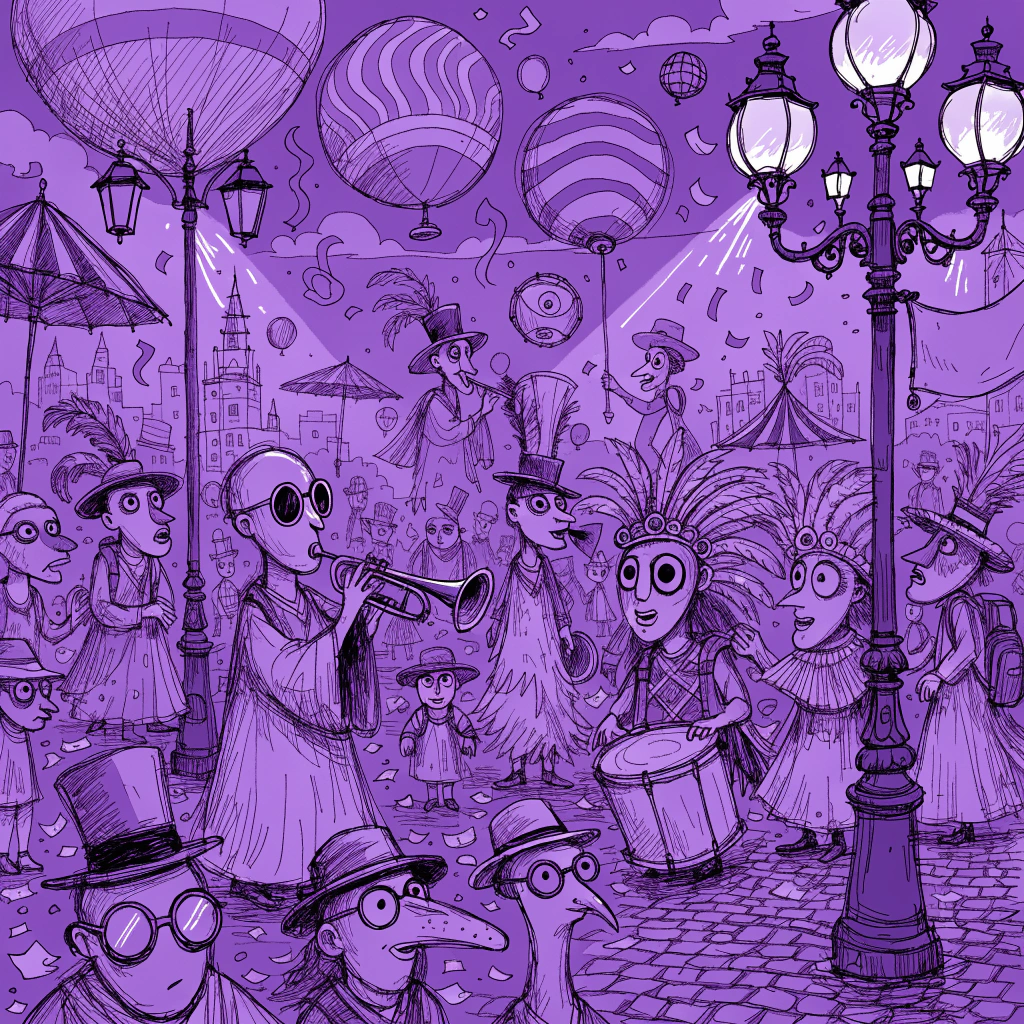
کارناوال پرتغال: یک جشن شاد
کارناوال در پرتغال یک جشن خیلی قدیمی است. این جشن قبل از زمان روزه مسیحیان است. مردم پرتغال این کارناوال را دوست دارند. این جشن شبیه کارناوال برزیل نیست. کارناوال پرتغال ریشههای قدیمی دارد. مردم لباسهای زیبا میپوشند. آنها میرقصند و موسیقی مینوازند. در این جشن، مردم درباره سیاست صحبت میکنند و گاهی شوخیهای بامزه میکنند. این جشن فرهنگ و داستانهای قدیمی پرتغال را نشان میدهد. جشن کارناوال زمان شادی و بازی است. بچهها هم در این جشن شرکت میکنند. همه با هم شاد هستند و جشن میگیرند.
نکته دستوری
الگو: فعل حال ساده (زمان حال اخباری)
"مردم پرتغال این کارناوال را دوست دارند."
ما از این زمان برای کارهایی استفاده میکنیم که همیشه یا معمولاً اتفاق میافتند. این فعل نشان میدهد که کاری در حال حاضر انجام میشود یا یک عادت است.
الگو: ترکیب اضافی (اسم + صفت)
"مردم لباسهای زیبا میپوشند."
ما از این ترکیب برای توصیف یک اسم استفاده میکنیم. حرف 'ـه' یا 'ـِ' بین اسم و صفت میآید تا آنها را به هم وصل کند.
درک خود را بسنجید
10 سوال · A1 مبتدی · 1 پیشنمایش رایگان
آنچه از این مقاله آموختید را بسنجید. به همه سؤالات پاسخ دهید و XP کسب کنید!
کارناوال پرتغال چه نوع جشنی است؟
آیا میخواهید آزمون را تمام کنید؟
9 سؤال دیگر منتظر شماست. ثبتنام رایگان کنید تا آزمون کامل را باز کنید و XP کسب کنید!
ثبتنام رایگانقبلاً ثبتنام کردی؟ ورود
جزئیات سؤالات
کارناوال پرتغال چه نوع جشنی است؟
پاسخ شما:
پاسخ درست: قدیمی
کارناوال پرتغال دقیقاً شبیه کارناوال برزیل است.
پاسخ شما:
پاسخ درست: نادرست
کلمه 'مردم' به چه معنی است؟
پاسخ شما:
پاسخ درست: انسانها
مردم پرتغال این کارناوال را _____ دارند.
پاسخ شما:
پاسخ درست: دوست
کارناوال در پرتغال: یک جشن شاد و قدیمی
کارناوال یک جشن بزرگ و قدیمی در کشور پرتغال است. مردم این جشن زیبا را هر سال قبل از شروع زمان روزه (لنت) برگزار میکنند. لنت یک دوره خاص و مهم برای مسیحیان است که در آن روزه میگیرند و به چیزهای مهم فکر میکنند. این جشن یک زمان برای شادی، تفریح و خداحافظی با روزهای عادی قبل از روزهداری است. مردم در این ایام با هم جمع میشوند و میرقصند.
کارناوال پرتغال از کارناوال مشهور برزیل کمی سنتیتر است. در پرتغال، این جشن بیشتر درباره سنتهای قدیمی و داستانهای محلی است. مردم لباسهای سنتی و رنگارنگ میپوشند. آنها ماسکهای جالب هم میگذارند. گاهی اوقات، مردم درباره سیاست صحبت میکنند، اما با شوخی و خنده. این یک راه جالب برای بیان نظرات آنها درباره مسائل روز است. نمایشهای خیابانی و موسیقی نیز بخشی از این جشن هستند.
این جشن ریشههای بسیار قدیمی دارد. بعضیها فکر میکنند که این جشن از سنتهای قبل از مسیحیت آمد. در طول تاریخ، این جشن تغییر کرد، اما روحیه آن همیشه شاد بوده است. امروز، کارناوال در شهرهای مختلف پرتغال برگزار میشود. کودکان و بزرگسالان همه از آن لذت میبرند و خاطرات خوبی میسازند. این یک جشن بسیار شاد و مهم برای فرهنگ و مردم پرتغال است که وحدت و شادی را به ارمغان میآورد و سنتها را زنده نگه میدارد.
نکته دستوری
الگو: ماضی ساده (Past Simple)
"در طول تاریخ، این جشن تغییر کرد."
برای صحبت درباره کارهایی که در گذشته شروع شده و تمام شدهاند، از ماضی ساده استفاده میکنیم. فعل اصلی تغییر میکند و نشان میدهد که عمل در گذشته اتفاق افتاده است.
الگو: صفت تفضیلی (Comparatives)
"کارناوال پرتغال از کارناوال مشهور برزیل کمی سنتیتر است."
برای مقایسه دو چیز و نشان دادن اینکه یکی از دیگری بیشتر یا کمتر است، از صفت تفضیلی استفاده میکنیم. به آخر صفت 'تر' اضافه میکنیم و بعد از آن 'از' میآوریم.
درک خود را بسنجید
11 سوال · A2 مقدماتی · 1 پیشنمایش رایگان
آنچه از این مقاله آموختید را بسنجید. به همه سؤالات پاسخ دهید و XP کسب کنید!
کارناوال در پرتغال چه زمانی برگزار میشود؟
آیا میخواهید آزمون را تمام کنید؟
10 سؤال دیگر منتظر شماست. ثبتنام رایگان کنید تا آزمون کامل را باز کنید و XP کسب کنید!
ثبتنام رایگانقبلاً ثبتنام کردی؟ ورود
جزئیات سؤالات
کارناوال در پرتغال چه زمانی برگزار میشود؟
پاسخ شما:
پاسخ درست: قبل از لنت
کارناوال پرتغال دقیقاً مثل کارناوال برزیل است.
پاسخ شما:
پاسخ درست: نادرست
کلمه 'سنت' به چه معناست؟
پاسخ شما:
پاسخ درست: رسم و عادت قدیمی
مردم در کارناوال پرتغال لباسهای _____ میپوشند.
پاسخ شما:
پاسخ درست: رنگارنگ
کارناوال برای مردم پرتغال چه اهمیتی دارد؟
پاسخ شما:
پاسخ درست: یک جشن شاد و مهم برای فرهنگ آنهاست.
The Magic of Carnival in Portugal
Carnival in Portugal is a fascinating tradition which has been celebrated for many centuries. While many people often think of the famous parties in Brazil, the Portuguese version has kept its own unique character. Historically, it was a time for people to enjoy rich food and loud music before the solemn season of Lent began.
In modern times, the streets of many cities are filled with colorful parades and energetic dancers. One of the most interesting parts of the Portuguese Carnival is political satire. Huge figures are often created by artists to make fun of politicians or famous celebrities. This tradition, which has become very popular in places like Torres Vedras, allows people to express their opinions in a humorous way. It is a time when people can laugh at the problems of the world together.
The celebrations are organized differently depending on the region. In the town of Ovar, the costumes are extremely detailed because they have been prepared by local groups for several months. However, in the north of Portugal, things are quite traditional. In Podence, men called 'Caretos' wear wooden masks and bright suits made of wool. These characters run through the streets, which creates a wild and exciting atmosphere. This ancient custom was recently added to the UNESCO list of intangible cultural heritage.
Today, the festival is loved by both locals and international tourists. It is often said that during Carnival, 'nobody is upset,' meaning everyone should be happy and forgive each other. Whether you prefer the giant floats in the south or the traditional masks in the mountains, you will find a warm welcome. Many visitors have described the experience as unforgettable because of the incredible energy and creativity on display.
نکته دستوری
الگو: حالت مجهول (Passive Voice)
"Huge figures are often created by artists to make fun of politicians."
حالت مجهول زمانی استفاده میشود که خودِ عمل مهمتر از انجامدهنده آن باشد. این حالت با استفاده از فعل 'to be' و قسمت سوم فعل اصلی (past participle) ساخته میشود.
الگو: جملات وارههای وصفی (Relative Clauses)
"Carnival in Portugal is a fascinating tradition which has been celebrated for many centuries."
جملات وارههای وصفی اطلاعات بیشتری درباره یک اسم میدهند. در اینجا 'Which' استفاده شده تا اسم 'tradition' (سنت) را به جزئیات بیشتری درباره تاریخچهاش وصل کند.
درک خود را بسنجید
11 سوال · B1 متوسط · 1 پیشنمایش رایگان
آنچه از این مقاله آموختید را بسنجید. به همه سؤالات پاسخ دهید و XP کسب کنید!
هدف اصلی استفاده از مجسمههای بزرگ در برخی رژهها چیست؟
آیا میخواهید آزمون را تمام کنید؟
10 سؤال دیگر منتظر شماست. ثبتنام رایگان کنید تا آزمون کامل را باز کنید و XP کسب کنید!
ثبتنام رایگانقبلاً ثبتنام کردی؟ ورود
جزئیات سؤالات
هدف اصلی استفاده از مجسمههای بزرگ در برخی رژهها چیست؟
پاسخ شما:
پاسخ درست: برای طنز سیاسی
کارناوال در طول فصل جدی و رسمی «لنت» برگزار میشود.
پاسخ شما:
پاسخ درست: نادرست
کلمه 'heritage' در متن به چه چیزی اشاره دارد؟
پاسخ شما:
پاسخ درست: سنتها و رسوم ارزشمند گذشته
در شهر اوار (Ovar)، لباسها بسیار _____ هستند چون آمادهسازی آنها ماهها طول میکشد.
پاسخ شما:
پاسخ درست: detailed
کدام روستای خاص به خاطر سنت «کارتوس» (Caretos) معروف است؟
پاسخ شما:
پاسخ درست: پودنس
The Evolution of Entrudo: Decoding the Portuguese Carnival
The Portuguese Carnaval, historically referred to as 'Entrudo', represents a captivating intersection of ancient pagan rites and deep-seated Christian traditions. While the global perception of Carnival is frequently dominated by the rhythmic samba and flamboyant costumes of Brazil, the Portuguese iteration maintains a distinctively satirical and regional character. This festive period, which concludes on Shrove Tuesday, serves as a final opportunity for indulgence before the austere season of Lent commences. Historically, the roots of these celebrations can be traced back to Roman festivals and pagan winter solstices. With the arrival of Christianity, these rituals were adapted to fit the liturgical calendar. Consequently, the festival became a symbolic threshold where social norms could be temporarily inverted.
In many Portuguese towns, this inversion is manifested through elaborate floats that critique contemporary politicians and social issues. This penchant for satire is perhaps most evident in Torres Vedras, which is often dubbed 'the most Portuguese carnival of Portugal'. Here, rather than imported themes, the focus remains steadfastly on domestic affairs, mockingly portrayed by local participants. The craftsmanship involved in building these satirical floats is remarkable, often requiring months of preparation by dedicated artisans. These structures serve as visual essays, dissecting the year’s most controversial events with a biting wit that is both entertaining and thought-provoking. Furthermore, regional folklore plays a pivotal role in the authenticity of the Portuguese experience. In the northern regions, particularly in Podence, the 'Caretos' emerge. These are masked figures dressed in colorful, fringed wool suits who roam the streets, symbolizing fertility and the awakening of spring.
Their presence highlights a more primal aspect of the tradition, far removed from the urban parades of the coastal cities. The Caretos’ performance is a chaotic yet structured ritual that has been recognized by UNESCO as Intangible Cultural Heritage of Humanity. Moreover, the culinary aspect cannot be overlooked. Traditional sweets like 'filhós' are consumed in abundance, reinforcing the theme of indulgence. This gastronomic tradition provides a sensory link to the past, reminding participants of the cyclic nature of scarcity and plenty. Despite the increasing influence of globalization, Portugal’s Carnival has managed to preserve its unique identity. It remains a time when the boundaries between the sacred and the profane are blurred, allowing for a collective release of tension through humor. Ultimately, the Carnaval de Portugal is not merely a tourist spectacle but a profound expression of national heritage and social resilience. It invites both locals and visitors to reflect on the complexities of society while participating in a tradition that has endured for centuries.
نکته دستوری
الگو: حالت مجهول (Passive Voice)
"While the global perception of Carnival is frequently dominated by the rhythmic samba..."
اینجا از حالت مجهول استفاده شده تا تمرکز روی «برداشت جهانی» باشد نه کسانی که این برداشت را دارند. این حالت با فعل «to be» و قسمت سوم فعل اصلی (Past Participle) ساخته میشود.
الگو: جملات موصولی توضیحی (Non-defining Relative Clauses)
"This festive period, which concludes on Shrove Tuesday, serves as a final opportunity..."
این ساختار اطلاعات اضافهای درباره فاعل (دوره جشن) میدهد. این جملات با ویرگول جدا میشوند و برای اشیاء از «which» استفاده میکنند تا بدون تغییر معنی اصلی جمله، جزئیات بیشتری ارائه دهند.
الگو: نشانگرهای تضاد (Contrastive Discourse Markers)
"Despite the increasing influence of globalization, Portugal’s Carnival has managed to preserve its unique identity."
کلمه «Despite» حرف اضافهای است که برای نشان دادن تضاد بین دو ایده استفاده میشود. بعد از آن اسم یا عبارت اسمی میآید و تأکید میکند که نتیجه، علیرغم وجود مانع، اتفاق افتاده است.
درک خود را بسنجید
11 سوال · B2 بالاتر از متوسط · 1 پیشنمایش رایگان
آنچه از این مقاله آموختید را بسنجید. به همه سؤالات پاسخ دهید و XP کسب کنید!
ویژگی اصلی «انترودو» در تورس ودراس چیست؟
آیا میخواهید آزمون را تمام کنید؟
10 سؤال دیگر منتظر شماست. ثبتنام رایگان کنید تا آزمون کامل را باز کنید و XP کسب کنید!
ثبتنام رایگانقبلاً ثبتنام کردی؟ ورود
جزئیات سؤالات
ویژگی اصلی «انترودو» در تورس ودراس چیست؟
پاسخ شما:
پاسخ درست: تأکید زیاد بر طنز سیاسی داخلی
«کارتوس» پودنس توسط یونسکو به عنوان میراث فرهنگی ناملموس شناخته شدهاند.
پاسخ شما:
پاسخ درست: درست
کلمه «inverted» در زمینه هنجارهای اجتماعی در طول کارناوال به چه معناست؟
پاسخ شما:
پاسخ درست: معکوس یا وارونه شده
کارناوال به عنوان آخرین فرصت برای _____ قبل از شروع فصل روزه مسیحی (Lent) عمل میکند.
پاسخ شما:
پاسخ درست: indulgence
«کارتوس» در سنت شمال پرتغال نماد چیست؟
پاسخ شما:
پاسخ درست: باروری و بیداری بهار
The Subversive Spirit: Unpacking the Cultural Tapestry of the Portuguese Carnaval
The annual arrival of Carnaval in Portugal represents far more than a mere precursor to the asceticism of Lent; it is a complex manifestation of cultural identity, blending ancestral pagan rituals with the religious framework of the Catholic Church. Historically known as 'Entrudo', this period of licensed transgression serves as a vital societal pressure valve. What defines the Portuguese iteration of this global phenomenon is its steadfast refusal to succumb entirely to the commercialised spectacle seen elsewhere, opting instead for a gritty, often acerbic, dedication to political satire and regional folklore.
Only in the remote villages of the Trás-os-Montes region does one truly encounter the atavistic heart of these festivities. Here, the 'Caretos'—masked figures clad in fringed wool suits—roam the streets in a cacophony of cowbells. Their presence is a startling reminder of ancient fertility rites, where the boundaries between the human and the spirit worlds were perceived to be porous. The preservation of these idiosyncratic customs highlights the resilience of local heritage in an increasingly homogenised world. It is through the endurance of such rituals that communities maintain a tangible link to their pre-Christian epoch.
Further south, in urban centres like Torres Vedras and Ovar, the tone shifts from the ritualistic to the overtly political. The 'Corsos' (parades) are famous for their giant satirical floats, which target both domestic politicians and international figures with ruthless wit. The institutionalisation of these celebrations has, remarkably, not dampened their subversive spirit. Converting public grievances into these ephemeral works of art allows for a collective catharsis, transforming societal frustration into shared laughter. Scarcely have the floats finished their circuit before the public begins debating the merits of the year’s social critiques. This emphasis on satire ensures that Carnaval remains a democratic space, where the hierarchy is momentarily upended and the common citizen finds a voice through caricature.
Furthermore, the linguistic roots of the word itself—believed to derive from 'carne vale', meaning 'farewell to meat'—underscore the looming solemnity of the Lenten season. The indulgence of 'Terça-feira Gorda' (Fat Tuesday) is a deliberate, albeit fleeting, rejection of the impending restraint. It is this inherent duality between the sacred and the profane that provides the festival with its profound depth. While the Brazilian Carnival may boast greater flamboyance, the Portuguese version offers a more nuanced interrogation of societal norms and power structures.
Ultimately, the Portuguese Carnaval is not merely an exercise in hedonism but a sophisticated negotiation between tradition and modernity. Whether through the raucous bells of the Caretos or the biting irony of the urban parades, the festival continues to evolve while anchoring itself in its historical origins. The resilience of the 'Entrudo' spirit proves that the need for communal reflection and satirical release remains as pertinent today as it was in centuries past.
نکته دستوری
الگو: وارونگی (Inversion)
"Only in the remote villages of the Trás-os-Montes region does one truly encounter the atavistic heart of these festivities."
وارونگی جای فاعل و فعل را بعد از عبارات محدودکنندهای مثل 'Only in...' عوض میکند (does one encounter). این ساختار در نوشتار رسمی سطح C1 برای تأکید بلاغی استفاده میشود.
الگو: جملات گسسته (Cleft Sentences)
"What defines the Portuguese iteration of this global phenomenon is its steadfast refusal to succumb entirely to the commercialised spectacle."
جملات گسسته از یک عبارت 'What' برای متمرکز کردن توجه خواننده روی یک عنصر خاص استفاده میکنند. این ساختار با تقسیم اطلاعات به دو بخش، ویژگی تعیینکننده فاعل را برجسته میکند.
الگو: اسمسازی (Nominalisation)
"The institutionalisation of these celebrations has, remarkably, not dampened their subversive spirit."
اسمسازی افعال (institutionalise) را به اسم (institutionalisation) تبدیل میکند. این تکنیک نوشته را مختصرتر، انتزاعیتر و آکادمیکتر میکند که از ویژگیهای تسلط سطح C1 است.
درک خود را بسنجید
12 سوال · C1 پیشرفته · 1 پیشنمایش رایگان
آنچه از این مقاله آموختید را بسنجید. به همه سؤالات پاسخ دهید و XP کسب کنید!
چه چیزی به عنوان ویژگی اصلی کارناوال پرتغال در مقایسه با سایر نسخههای جهانی شناخته میشود؟
آیا میخواهید آزمون را تمام کنید؟
11 سؤال دیگر منتظر شماست. ثبتنام رایگان کنید تا آزمون کامل را باز کنید و XP کسب کنید!
ثبتنام رایگانقبلاً ثبتنام کردی؟ ورود
جزئیات سؤالات
چه چیزی به عنوان ویژگی اصلی کارناوال پرتغال در مقایسه با سایر نسخههای جهانی شناخته میشود؟
پاسخ شما:
پاسخ درست: تعهد آن به طنز سیاسی و فرهنگ عامه منطقهای
"Caretos" به طور سنتی در مراکز شهری مثل لیسبون و پورتو یافت میشوند.
پاسخ شما:
پاسخ درست: نادرست
کدام کلمه رهاسازی تنش عاطفی از طریق فعالیتهای جشنواره را توصیف میکند؟
پاسخ شما:
پاسخ درست: تخلیه هیجانی (Catharsis)
از نظر تاریخی، این جشنواره به عنوان یک _____ فشار اجتماعی عمل میکند و اجازه دورهای از تخطی مجاز را میدهد.
پاسخ شما:
پاسخ درست: valve
ریشه لغوی 'carne vale' در زمینه این جشنواره به چه معناست؟
پاسخ شما:
پاسخ درست: خداحافظی با گوشت قبل از ایام روزه
مقاله نشان میدهد که نهادینه شدن کارناوال ماهیت خرابکارانه آن را از بین برده است.
پاسخ شما:
پاسخ درست: نادرست
The Liminality of the Luso-Carnivalesque: A Socio-Anthropological Analysis of Portuguese Carnival
The annual advent of Carnival in Portugal represents far more than a mere ephemeral indulgence before the austere rigors of the Lenten season. It is, in essence, a sophisticated socio-political interregnum during which the established hierarchies of society are momentarily suspended, if not outright subverted. While the global zeitgeist often conflates the concept of Carnival with the iridescent spectacle of Rio de Janeiro, the Portuguese iteration—the Entrudo—possesses a distinctively visceral and satirical character, rooted in a complex syncretism of ancient paganistic fertility rites and ecclesiastical traditions. To truly comprehend the Portuguese Carnival, one must look beyond the surface level of flamboyant costumery and perceive it as a profound vessel for collective catharsis and institutional critique.
Historically, the festivities served as a liminal space where the peasantry could mock the landed gentry and the clergy without fear of immediate retribution. Seldom does one encounter a more visceral manifestation of ancient rites than in the village of Podence, where the 'Caretos'—masked figures draped in colorful wool and brandishing cowbells—emerge to enact a chaotic, almost bacchanalian ritual of purification. These figures represent the vestige of a pre-Christian past, embodying the untamed forces of nature. Their presence is a reminder that the Luso-identity is built upon layers of cultural sedimentation, where the pagan foundations remain surprisingly resilient despite centuries of Catholic hegemony. It is imperative that the cultural observer recognize these regional idiosyncrasies to avoid the trap of reductive homogenization.
In urban centers such as Torres Vedras, the celebration pivots toward the intellectual and the satirical. The 'Matrafonas'—men dressed in grotesque caricatures of female attire—serve to dismantle gender norms and societal expectations through the medium of parody. Here, the focus is not merely on visual absurdity but on the incisive critique of the political class. The elaborate floats, or 'carros alegóricos,' are frequently laden with biting allegories regarding contemporary governance or international relations. It is through this medium of the 'grotesque' that the populace exercises its democratic right to dissent, albeit under the protective aegis of the carnivalesque. Should the tradition of political satire fade, the very soul of the Portuguese Entrudo would arguably cease to exist.
Furthermore, the reciprocal influence between the Portuguese and Brazilian Carnivals creates a fascinating study in cultural diffusion. While the samba schools of Lisbon and Ovar reflect a clear aesthetic debt to their South American counterparts, the underlying ethos remains stubbornly indigenous. What remains truly remarkable is the capacity of the Portuguese populace to integrate these globalized elements without sacrificing the specificities of their own regional folklore. The modern celebration is thus a hybrid construct, blending the rhythmic vitality of Brazil with the somber, satirical undertones of the Iberian Peninsula. In this context, Carnival is not a static relic of the past but a dynamic, evolving discourse on national identity.
Ultimately, the Portuguese Carnival functions as a mechanism for societal equilibrium. By allowing for a controlled burst of transgression, the social fabric is paradoxically reinforced for the remainder of the year. It provides a sanctuary for those who wish to inhabit a different reality, if only for a fleeting moment. As the final parade concludes and the 'Burial of the Entrudo' takes place, the populace transitions back into the mundane reality of daily life, yet they do so with a renewed sense of communal solidarity. The Entrudo is not simply a party; it is a necessary ritual of renewal that bridges the gap between the sacred and the profane, the ancient and the modern, and the individual and the state.
نکته دستوری
الگو: وارونگی منفی برای تأکید (Negative Inversion)
"Seldom does one encounter a more visceral manifestation of ancient rites than in the village of Podence."
این ساختار یه قید منفی یا محدودکننده (مثل seldom) رو میاره اول جمله و جای فعل کمکی و فاعل رو عوض میکنه. تو متنهای رسمی برای تأکید و وزن دادن به کلام استفاده میشه.
الگو: وجه التزامی بعد از عبارات ضرورت (Subjunctive Mood)
"It is imperative that the cultural observer recognize these regional idiosyncrasies to avoid the trap of reductive homogenization."
تو این حالت، بعد از صفتهایی مثل imperative (الزامی) یا essential (ضروری) از شکل پایه فعل (recognize نه recognizes) استفاده میشه تا یه الزام یا پیشنهاد قوی رو نشون بده.
الگو: شرطی پیچیده با وارونگی (نوع ۲/۳)
"Should the tradition of political satire fade, the very soul of the Portuguese Entrudo would arguably cease to exist."
این یه جایگزین رسمی برای 'If the tradition should fade' هست. با جابجا کردن 'should' و فاعل، نویسنده لحن رو علمیتر و تحلیلیتر میکنه در حالی که یه شرایط فرضی رو بیان میکنه.
درک خود را بسنجید
12 سوال · C2 تسلط · 1 پیشنمایش رایگان
آنچه از این مقاله آموختید را بسنجید. به همه سؤالات پاسخ دهید و XP کسب کنید!
طبق دیدگاه جامعهشناختی متن، کارکرد اصلی کارناوال چیه؟
آیا میخواهید آزمون را تمام کنید؟
11 سؤال دیگر منتظر شماست. ثبتنام رایگان کنید تا آزمون کامل را باز کنید و XP کسب کنید!
ثبتنام رایگانقبلاً ثبتنام کردی؟ ورود
جزئیات سؤالات
طبق دیدگاه جامعهشناختی متن، کارکرد اصلی کارناوال چیه؟
پاسخ شما:
پاسخ درست: یه مکانیسم برای تعادل اجتماعی از طریق هنجارشکنیهای کنترلشده
متن پیشنهاد میکنه که کارناوال پرتغال صرفاً یه تقلید از کارناوال برزیله.
پاسخ شما:
پاسخ درست: نادرست
کدوم کلمه توصیفکننده اثر یا نشونهای از چیزیه که دیگه به شکل کامل وجود نداره؟
پاسخ شما:
پاسخ درست: بقایا (Vestige)
ترکیب آیینهای باستانی پاگان با رسوم مسیحی به عنوان _____ فرهنگی شناخته میشه.
پاسخ شما:
پاسخ درست: syncretism
نقش «کارتوس»های پودنس (Caretos of Podence) تو جشنها چیه؟
پاسخ شما:
پاسخ درست: اونها نماد نیروهای باستانی طبیعت تو یه مراسم پاکسازی هستن
«ماترافوناس»های تورس ودراس از لباسهای جنسیتمخالف برای تسهیل نقد سیاسی و اجتماعی استفاده میکنن.
پاسخ شما:
پاسخ درست: درست
کارناوال پرتغال
پرتغال یک کشور است. اینجا کارناوال دارد. کارناوال یک جشن بزرگ است. مردم در پرتغال شاد هستند. آنها لباس های رنگی دارند. رنگ های قرمز، آبی، زرد هست. مردم می رقصند و آواز می خوانند. این یک جشن خیلی خوب است.
نکته دستوری
الگو: است / هستند (بودن)
"پرتغال یک کشور است. مردم در پرتغال شاد هستند."
«است» برای یک چیز (مفرد) استفاده می شود. مثال: «این یک سیب است.» «هستند» برای چند چیز (جمع) استفاده می شود. مثال: «آنها دوست هستند.»
درک خود را بسنجید
9 سوال · A0 پیشمقدماتی · 1 پیشنمایش رایگان
آنچه از این مقاله آموختید را بسنجید. به همه سؤالات پاسخ دهید و XP کسب کنید!
کارناوال چیست؟
آیا میخواهید آزمون را تمام کنید؟
8 سؤال دیگر منتظر شماست. ثبتنام رایگان کنید تا آزمون کامل را باز کنید و XP کسب کنید!
ثبتنام رایگانقبلاً ثبتنام کردی؟ ورود
جزئیات سؤالات
کارناوال چیست؟
پاسخ شما:
پاسخ درست: یک جشن
مردم در کارناوال شاد نیستند.
پاسخ شما:
پاسخ درست: نادرست
معنی 'مردم' چیست؟
پاسخ شما:
پاسخ درست: زن ها و مرد ها

