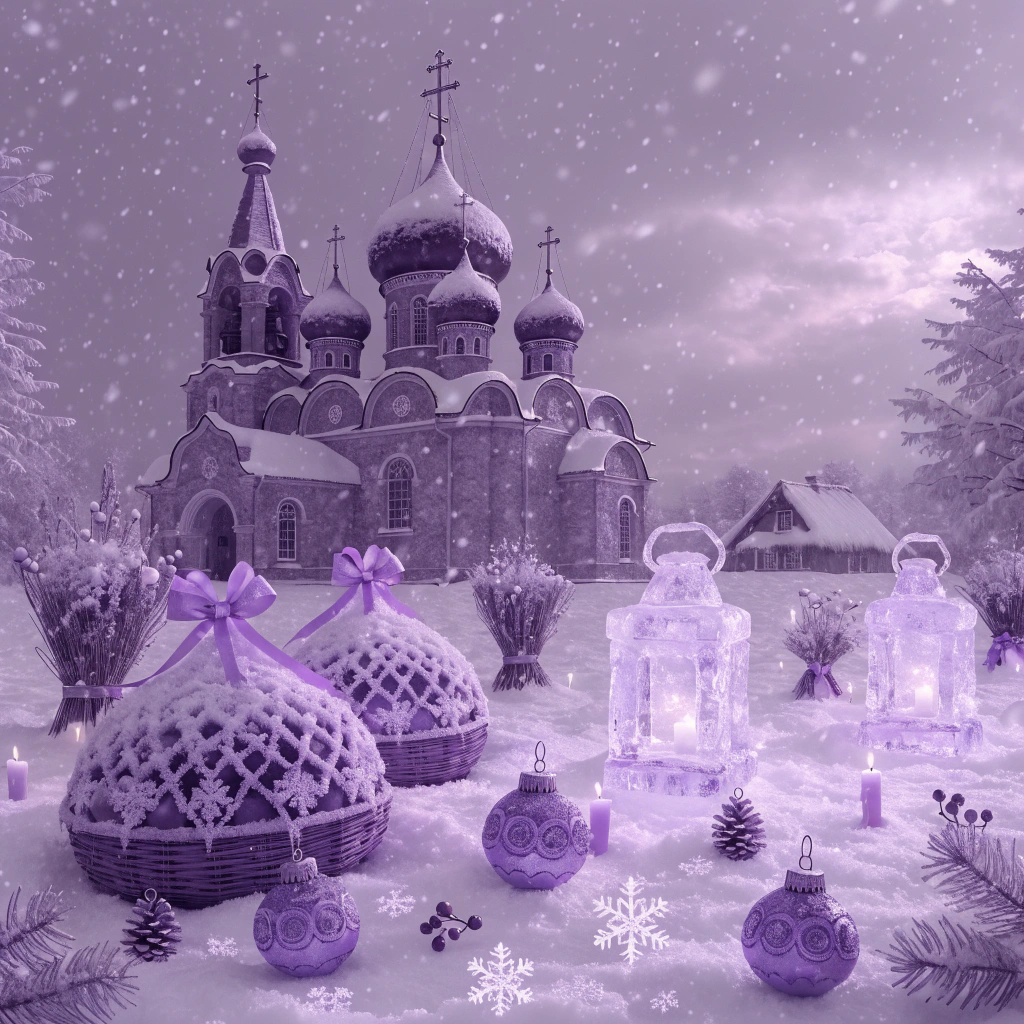
کریسمس ارتدوکس در روسیه
در کشور روسیه، مردم کریسمس ارتدوکس را جشن میگیرند. این جشن بزرگ در تاریخ هفتم ژانویه است. تقویم ارتدوکس با تقویم غربی کمی فرق دارد. کریسمس برای خانوادهها خیلی مهم است. در این روز، خانوادهها کنار هم جمع میشوند. آنها غذاهای مخصوص میخورند و با هم صحبت میکنند. این یک جشن مذهبی و آرام است. مردم به کلیسا میروند و دعا میکنند. در روسیه، سال نو برای هدیه دادن مهمتر است. کریسمس یک روز برای فکر کردن و شکرگزاری است. این یک روز سرد اما زیبا در فصل زمستان است.
نکته دستوری
الگو: فعل «بودن» (است)
"این جشن بزرگ در تاریخ هفتم ژانویه است."
فعل «است» برای بیان حالت یا هویت چیزی استفاده میشود. این فعل نشان میدهد که چیزی «هست» یا «میباشد». در فارسی، برای سوم شخص مفرد (او/آن) از «است» استفاده میکنیم.
الگو: ساختار «مفعول + را»
"مردم کریسمس ارتدوکس را جشن میگیرند."
حرف «را» نشان میدهد که کلمه قبل از آن مفعول جمله است. یعنی فعلی بر روی آن کلمه انجام شده است. این ساختار نشان میدهد که چه چیزی مورد عمل فعل قرار گرفته است.
درک خود را بسنجید
10 سوال · A1 مبتدی · 1 پیشنمایش رایگان
آنچه از این مقاله آموختید را بسنجید. به همه سؤالات پاسخ دهید و XP کسب کنید!
کریسمس ارتدوکس در چه تاریخی است؟
آیا میخواهید آزمون را تمام کنید؟
9 سؤال دیگر منتظر شماست. ثبتنام رایگان کنید تا آزمون کامل را باز کنید و XP کسب کنید!
ثبتنام رایگانقبلاً ثبتنام کردی؟ ورود
جزئیات سؤالات
کریسمس ارتدوکس در چه تاریخی است؟
پاسخ شما:
پاسخ درست: هفتم ژانویه
در روسیه، کریسمس یک جشن مذهبی است.
پاسخ شما:
پاسخ درست: درست
«تقویم» به چه معناست؟
پاسخ شما:
پاسخ درست: چیزی که روزها را نشان میدهد
کریسمس برای ______ها خیلی مهم است.
پاسخ شما:
پاسخ درست: خانواده
کریسمس ارتدوکس در روسیه: یک جشن مهم خانوادگی
کریسمس ارتدوکس در روسیه یک جشن بسیار مهم است. مسیحیان ارتدوکس در روسیه این روز خاص را در تاریخ ۷ ژانویه جشن میگیرند. این تاریخ بر اساس تقویم ژولین است، نه تقویم میلادی که بیشتر کشورهای غربی از آن استفاده میکنند. تقویم ژولین در حال حاضر تقریباً ۱۳ روز از تقویم میلادی عقبتر است.
کریسمس ارتدوکس در روسیه بیشتر یک مناسبت مذهبی و خانوادگی است. مردم در این روز به کلیسا میروند و مراسم خاصی دارند. آنها با خانواده خود وقت میگذرانند و غذاهای سنتی میخورند. در کشورهای غربی، کریسمس معمولاً روز اصلی برای هدیه دادن است. اما در روسیه، شب سال نو نقش مهمتری برای هدیه دادن دارد. کریسمس در روسیه بیشتر آرامتر و مذهبیتر است.
تاریخ این جشن در روسیه کمی پیچیده است. بعد از انقلاب سال ۱۹۱۷، دولت برای مدتی اجازه نداد مردم کریسمس را جشن بگیرند. اما حالا، این جشن دوباره یک تعطیلی رسمی و یک روز بسیار مهم برای خانوادههاست. این روز نشاندهنده ایمان و امید است و مردم با شادی آن را برگزار میکنند.
نکته دستوری
الگو: فعل ماضی ساده (گذشته ساده)
"مسیحیان ارتدوکس در روسیه این روز خاص را در تاریخ ۷ ژانویه جشن میگیرند."
فعل ماضی ساده برای صحبت کردن درباره کارهایی استفاده میشود که در گذشته شروع شدهاند و تمام شدهاند. فعل «جشن میگیرند» در اینجا به معنی 'جشن میگرفتند' یا 'جشن گرفتند' است که عملی در گذشته را نشان میدهد. برای ساخت آن، معمولاً از ریشه فعل با شناسه مناسب استفاده میکنیم.
الگو: صفت تفضیلی (مقایسهای)
"کریسمس در روسیه بیشتر آرامتر و مذهبیتر است."
از صفت تفضیلی برای مقایسه دو چیز استفاده میکنیم. با اضافه کردن پسوند «-تر» به آخر صفت، آن را تفضیلی میکنیم. این صفت نشان میدهد که یک چیز نسبت به چیز دیگر دارای کیفیت بیشتری است.
درک خود را بسنجید
11 سوال · A2 مقدماتی · 1 پیشنمایش رایگان
آنچه از این مقاله آموختید را بسنجید. به همه سؤالات پاسخ دهید و XP کسب کنید!
مسیحیان ارتدوکس در روسیه کریسمس را در چه تاریخی جشن میگیرند؟
آیا میخواهید آزمون را تمام کنید؟
10 سؤال دیگر منتظر شماست. ثبتنام رایگان کنید تا آزمون کامل را باز کنید و XP کسب کنید!
ثبتنام رایگانقبلاً ثبتنام کردی؟ ورود
جزئیات سؤالات
مسیحیان ارتدوکس در روسیه کریسمس را در چه تاریخی جشن میگیرند؟
پاسخ شما:
پاسخ درست: ۷ ژانویه
تقویم ژولین ۱۳ روز از تقویم میلادی جلوتر است.
پاسخ شما:
پاسخ درست: نادرست
کدام کلمه به معنی 'چیزی که به دین مربوط است' میباشد؟
پاسخ شما:
پاسخ درست: مذهبی
در روسیه، شب سال نو برای _____ دادن مهمتر است.
پاسخ شما:
پاسخ درست: هدیه
بعد از انقلاب سال ۱۹۱۷ در روسیه چه اتفاقی افتاد؟
پاسخ شما:
پاسخ درست: دولت برای مدتی اجازه نداد مردم کریسمس را جشن بگیرند.
کریسمس ارتودوکس در روسیه: جشنی معنوی و خانوادگی
کریسمس ارتودوکس، که در زبان روسی به آن «روژدستوو» میگویند، یکی از مهمترین و معنویترین جشنها در روسیه است. این جشن هر ساله در هفتم ژانویه برگزار میشود. دلیل این تاریخ متفاوت، استفاده از تقویم جولیانی است که کلیسای ارتودوکس روسیه هنوز از آن پیروی میکند. این تقویم ۱۳ روز از تقویم میلادی که در بیشتر کشورهای غربی استفاده میشود، عقبتر است.
برخلاف کشورهای غربی که کریسمس روز اصلی هدیه دادن است، در روسیه این نقش را شب سال نو ایفا میکند. کریسمس ارتودوکس بیشتر بر جنبههای مذهبی و معنوی تمرکز دارد. مردم روسیه این روز را با آرامش و در کنار خانوادههایشان جشن میگیرند. بسیاری از خانوادهها یک روز قبل از کریسمس، یعنی در ششم ژانویه، روزه میگیرند و پس از غروب آفتاب، یک غذای سنتی به نام «سوجیو» که از غلات و میوههای خشک تهیه میشود، میخورند.
تاریخچه این جشن در روسیه پس از انقلاب ۱۹۱۷ کمی پیچیده شده است. برای سالهای طولانی، حکومت شوروی جشنهای مذهبی را ممنوع کرده بود، اما پس از فروپاشی شوروی، کریسمس ارتودوکس دوباره اهمیت خود را به دست آورد و اکنون یک تعطیلی رسمی در کشور محسوب میشود. این جشن نمادی از ایمان و سنتهای دیرینه مردم روسیه است و اهمیت زیادی در فرهنگ آنها دارد. خانوادهها برای شرکت در مراسم کلیسا و گذراندن وقت با عزیزانشان دور هم جمع میشوند.
نکته دستوری
الگو: فعل مجهول (Passive Voice)
"این جشن هر ساله در هفتم ژانویه برگزار میشود."
از فعل مجهول برای زمانی استفاده میکنیم که فاعل جمله (کننده کار) مشخص نیست یا اهمیت کمتری نسبت به خود عمل دارد. در فارسی، فعل مجهول با اضافه کردن «شدن» به صفت مفعولی (بن ماضی + ــه) ساخته میشود.
الگو: جمله موصولی با «که» (Relative Clause with 'ke')
"این تقویم ۱۳ روز از تقویم میلادی که در بیشتر کشورهای غربی استفاده میشود، عقبتر است."
جملات موصولی اطلاعات بیشتری درباره یک اسم یا ضمیر میدهند. در فارسی، رایجترین کلمه برای شروع جمله موصولی «که» است. این جملات معمولاً بعد از اسمی میآیند که به آن اشاره دارند.
درک خود را بسنجید
11 سوال · B1 متوسط · 1 پیشنمایش رایگان
آنچه از این مقاله آموختید را بسنجید. به همه سؤالات پاسخ دهید و XP کسب کنید!
کریسمس ارتودوکس در روسیه در چه تاریخی جشن گرفته میشود؟
آیا میخواهید آزمون را تمام کنید؟
10 سؤال دیگر منتظر شماست. ثبتنام رایگان کنید تا آزمون کامل را باز کنید و XP کسب کنید!
ثبتنام رایگانقبلاً ثبتنام کردی؟ ورود
جزئیات سؤالات
کریسمس ارتودوکس در روسیه در چه تاریخی جشن گرفته میشود؟
پاسخ شما:
پاسخ درست: هفتم ژانویه
تقویم جولیانی از تقویم میلادی جلوتر است.
پاسخ شما:
پاسخ درست: نادرست
«معنوی» به چه معناست؟
پاسخ شما:
پاسخ درست: مربوط به روح و دین
در روسیه، نقش هدیه دادن اصلی را شب ______ ایفا میکند.
پاسخ شما:
پاسخ درست: سال نو
پس از فروپاشی شوروی، وضعیت کریسمس ارتودوکس چگونه شد؟
پاسخ شما:
پاسخ درست: دوباره اهمیت پیدا کرد و تعطیل رسمی شد.
Faith and Tradition: Navigating the Complexity of Russian Orthodox Christmas
While much of the world concludes its festive season in late December, Russia prepares for a profound spiritual observance known as Rozhdestvo. Unlike Western traditions based on the Gregorian calendar, the Russian Orthodox Church continues to adhere to the Julian calendar for its liturgical schedule. Although the Soviet state officially adopted the Gregorian system in 1918 to align with international standards, the Church maintained the older tradition, resulting in Christmas being celebrated on January 7th. This thirteen-day discrepancy is not merely a chronological quirk; it represents a steadfast commitment to ecclesiastical heritage that distinguishes Russian festivities from their more secular counterparts abroad.
The atmosphere surrounding Orthodox Christmas is notably more solemn than the exuberant celebrations of New Year’s Eve. In Russia, the New Year serves as the primary occasion for gift-giving and grand social gatherings, whereas Christmas remains a deeply religious and family-centric event. For many believers, the holiday is preceded by a rigorous forty-day fast, during which meat and dairy products are avoided. This period of abstinence culminates in the 'Holy Supper' on Christmas Eve, which traditionally begins only after the appearance of the first star in the night sky, symbolizing the Star of Bethlehem.
Historically, the holiday has undergone significant transformations. Following the 1917 Revolution, religious practices faced systematic suppression as the Soviet Union promoted state-sponsored atheism. Consequently, many Christmas traditions were either banned or integrated into the secular New Year celebrations. It was only after the collapse of the Soviet regime that Orthodox Christmas witnessed a remarkable revival, eventually being reinstated as a public holiday. Today, the centerpiece of the celebration is the elaborate Christmas liturgy held at the Cathedral of Christ the Saviour in Moscow, which is broadcast nationwide.
Modern Russian Christmas reflects a multifaceted blend of ancient spirituality and contemporary national identity. Although the religious aspects are paramount for the faithful, many non-practicing citizens also embrace the holiday as a time for cultural reflection and family unity. In recent years, there has been a noticeable effort to preserve the authentic nature of the holiday. Despite the overwhelming commercialization that has affected many global holidays, Rozhdestvo has largely maintained its spiritual integrity, offering a quiet, contemplative counterpoint to the preceding New Year festivities. Ultimately, the holiday serves as a vital bridge between Russia's complex historical past and its present-day cultural landscape.
نکته دستوری
الگو: عبارتهای وصفی حال برای بیان نتیجه
"the Church maintained the older tradition, resulting in Christmas being celebrated on January 7th."
وجه وصفی حال (-ing) میتواند برای توصیف نتیجهی عمل در جملهی اصلی استفاده شود. این ساختار جایگزین کوتاهتری برای 'which resulted in' است.
الگو: جملات موصولی با حروف اضافه
"the holiday is preceded by a rigorous forty-day fast, during which meat and dairy products are avoided."
در انگلیسی رسمی، حروف اضافه مانند 'during' یا 'in' قبل از ضمیر موصولی 'which' قرار میگیرند. این کار باعث ایجاد گذاری روان بین اسم و توصیف بعدی میشود.
الگو: جملات معترضه (تضاد) با 'Although'
"Although the religious aspects are paramount for the faithful, many non-practicing citizens also embrace the holiday."
جملات معترضه از 'although' یا 'even though' برای معرفی یک تضاد یا واقعیتی غافلگیرکننده استفاده میکنند که مانع از انجام عمل اصلی نمیشود.
درک خود را بسنجید
11 سوال · B2 بالاتر از متوسط · 1 پیشنمایش رایگان
آنچه از این مقاله آموختید را بسنجید. به همه سؤالات پاسخ دهید و XP کسب کنید!
چرا کلیسای ارتدکس روسیه کریسمس را در ۷ ژانویه جشن میگیرد؟
آیا میخواهید آزمون را تمام کنید؟
10 سؤال دیگر منتظر شماست. ثبتنام رایگان کنید تا آزمون کامل را باز کنید و XP کسب کنید!
ثبتنام رایگانقبلاً ثبتنام کردی؟ ورود
جزئیات سؤالات
چرا کلیسای ارتدکس روسیه کریسمس را در ۷ ژانویه جشن میگیرد؟
پاسخ شما:
پاسخ درست: آنها از تقویم باستانی جولیان پیروی میکنند.
در روسیه، کریسمس روز اصلی برای هدیه دادن و مهمانیهای اجتماعی است.
پاسخ شما:
پاسخ درست: نادرست
معنی 'suppression' در زمینه دوران شوروی چیست؟
پاسخ شما:
پاسخ درست: خاتمه دادن اجباری به اعمال مذهبی.
جشن مذهبی با یک _____ چهلروزه آغاز میشود که در طی آن از خوردن برخی غذاها پرهیز میشود.
پاسخ شما:
پاسخ درست: fast
چه رویدادی بهطور سنتی شروع 'شام مقدس' را در شب کریسمس اعلام میکند؟
پاسخ شما:
پاسخ درست: ظاهر شدن اولین ستاره در آسمان.
The Echoes of Eternity: Navigating the Cultural and Spiritual Landscape of Russian Orthodox Christmas
Rarely does one encounter a holiday so steeped in both profound spirituality and complex political history as the Russian Orthodox Christmas, known locally as Rozhdestvo. While the Western world concludes its festive cycle shortly after the Gregorian New Year, Russia’s spiritual heart begins to beat most fervently as January 7th approaches. It is this temporal discrepancy, rooted in the Russian Orthodox Church’s continued adherence to the Julian calendar, that necessitates the celebration nearly two weeks after its Catholic and Protestant counterparts, providing a distinct rhythmic cadence to the Russian winter.
The history of Rozhdestvo is a narrative of resilience and resurgence. Following the 1917 Revolution, the systematic suppression of religious festivities during the Soviet era led to a curious cultural transposition. In an attempt to secularize society, the Bolsheviks redirected the aesthetic and emotional hallmarks of Christmas—the decorated tree, the gift-giving, and the figure of Father Frost—toward New Year’s Eve. Consequently, what was once a unified religious celebration became bifurcated. To this day, New Year’s Eve remains the primary occasion for secular revelry, while Christmas has reclaimed its status as a day of quietude and ecclesiastical devotion.
What defines the Russian festive season is not the commercial frenzy often associated with the West, but a hushed, contemplative solemnity. For devout adherents, the period leading up to the holiday is marked by a forty-day fast, emphasizing spiritual purification over material consumption. This asceticism reaches its zenith on Sochelnik, or Christmas Eve. Tradition dictates that no food may be consumed until the appearance of the first star in the night sky, symbolizing the Star of Bethlehem. Only then do families gather for a meal that, while meatless, is rich in symbolic significance, often featuring 'Kutya'—a porridge of grains, honey, and poppy seeds representing hope and immortality.
Underpinning the holiday is the grand liturgical tradition of the Orthodox Church. On the night of January 6th, the nation’s spiritual focus shifts to the Cathedral of Christ the Saviour in Moscow, where the Patriarch leads a service of immense choral beauty and ritual complexity. The air is thick with the scent of incense and the flicker of a thousand candles, creating an atmosphere where the boundaries between the earthly and the divine seem to blur. Never has the juxtaposition between the biting Russian winter and the internal warmth of the liturgy been more palpable.
In the modern era, the celebration of Rozhdestvo represents a complex synthesis of ancient tradition and contemporary national identity. While many Russians may not be strictly observant in their daily lives, the cultural weight of the holiday remains undeniable. It serves as a vestige of a pre-revolutionary past and a beacon of spiritual continuity in a rapidly changing world. Ultimately, it is the enduring power of these rituals that ensures Rozhdestvo remains a cornerstone of the Russian soul, offering a moment of profound reflection amidst the encroaching secularization of the twenty-first century. As the bells of the Kremlin chime across the frozen Moskva river, the nation pauses to acknowledge a heritage that has survived empires and ideologies alike.
نکته دستوری
الگو: Negative Inversion
"Rarely does one encounter a holiday so steeped in both profound spirituality and complex political history as the Russian Orthodox Christmas."
When a negative or restrictive adverbial (like 'rarely' or 'never') starts a sentence, the subject and auxiliary verb are inverted. This adds emphasis and is common in formal C1-level writing.
الگو: It-Cleft Sentences
"It is this temporal discrepancy that necessitates the celebration nearly two weeks after its Catholic and Protestant counterparts."
A cleft sentence is used to focus on a specific part of information. By using 'It is... that...', the writer highlights the cause (the discrepancy) as the most important factor in the sentence.
الگو: Nominalisation
"The systematic suppression of religious festivities during the Soviet era led to a curious cultural transposition."
Nominalisation involves turning verbs or adjectives into nouns (e.g., 'suppress' to 'suppression'). This creates a more formal, academic tone and allows for denser information packaging.
درک خود را بسنجید
12 سوال · C1 پیشرفته · 1 پیشنمایش رایگان
آنچه از این مقاله آموختید را بسنجید. به همه سؤالات پاسخ دهید و XP کسب کنید!
What is the primary reason for the 13-day difference between Western and Russian Christmas?
آیا میخواهید آزمون را تمام کنید؟
11 سؤال دیگر منتظر شماست. ثبتنام رایگان کنید تا آزمون کامل را باز کنید و XP کسب کنید!
ثبتنام رایگانقبلاً ثبتنام کردی؟ ورود
جزئیات سؤالات
What is the primary reason for the 13-day difference between Western and Russian Christmas?
پاسخ شما:
پاسخ درست: The Orthodox Church's use of the Julian calendar
The Soviet era successfully eliminated all aesthetic elements of Christmas from Russian culture.
پاسخ شما:
پاسخ درست: نادرست
What does 'liturgical' mean in the context of the article?
پاسخ شما:
پاسخ درست: Relating to public religious worship and ritual
This _____ reaches its zenith on Sochelnik, or Christmas Eve.
پاسخ شما:
پاسخ درست: asceticism
How did the Bolsheviks attempt to secularize Russian society regarding Christmas?
پاسخ شما:
پاسخ درست: By transferring Christmas traditions to New Year’s Eve
The forty-day fast emphasizes material consumption over spiritual purification.
پاسخ شما:
پاسخ درست: نادرست
The Julian Temporal Palimpsest: Navigating the Profundity of Russian Rozhdestvo
While much of the Western world has succumbed to the cacophony of commercialized cheer by late December, the Russian observance of Rozhdestvo—Orthodox Christmas—remains a bastion of liturgical solemnity and quietude. This temporal dissonance, rooted in the Russian Orthodox Church’s unwavering adherence to the Julian calendar, places the celebration on January 7th, exactly thirteen days posterior to the Gregorian equivalent. To understand Rozhdestvo is to engage with a complex historical palimpsest, where ecclesiastical tradition, Soviet suppression, and post-Soviet revival intersect in a fascinating display of cultural recalcitrance.
The historical trajectory of the holiday is nothing short of tumultuous. Following the 1917 Bolshevik Revolution, the state-mandated secularization of Russian society saw Christmas relegated to the periphery of public life. Religious iconography and rituals were effectively subsumed by the New Year’s celebrations—a strategic transmutation that introduced 'Grandfather Frost' as a secular surrogate for Saint Nicholas. Rarely is the distinction between political ideology and spiritual endurance so starkly illustrated as it is in the survival of Christmas through these decades of official atheism. Despite state efforts to eradicate the holiday, it persisted in the private spheres of the home, preserved as a vestigial yet potent symbol of faith. Since the collapse of the Soviet Union, Rozhdestvo has undergone a significant renaissance, reclaiming its status as one of the 'Twelve Great Feasts,' though it retains an aura of asceticism that contrasts sharply with the festive exuberance of the New Year.
The spiritual climax of the season begins with 'Sochelnik,' or Christmas Eve. This day is characterized by a rigorous fast, representing a period of purification and reflection. It is tradition that the faithful refrain from sustenance until the appearance of the first star in the night sky—a symbolic homage to the Star of Bethlehem. Were one to survey a traditional Russian household on this evening, one would encounter the 'Holy Supper,' a meal consisting of twelve meatless dishes, each signifying one of the twelve apostles. The centerpiece is invariably 'kutia,' a concoction of grains, honey, and poppy seeds, symbolizing hope, immortality, and the union of the living and the departed. This ritualistic meal serves as a bridge between the physical and the transcendental, emphasizing the communal nature of the faith.
Central to the experience of Rozhdestvo is the Divine Liturgy, conducted in the opulent yet hushed interiors of Orthodox cathedrals. Unlike the organ-heavy services of the West, the Russian liturgy relies exclusively on a cappella choral music, creating an atmosphere of ethereal beauty. The incense-laden air and the flickering candlelight reflected in golden icons facilitate an environment of deep contemplation. It is imperative that the observer appreciate the ontological significance of these rites; they are not merely commemorative acts but are believed to be a contemporary participation in the Nativity itself. This sense of timelessness is further reinforced by the use of Old Church Slavonic, a liturgical language that distances the ritual from the mundanity of everyday speech.
In the contemporary Russian landscape, Rozhdestvo stands as a testament to the enduring power of religious identity in a rapidly globalizing world. While the secular New Year remains the primary occasion for gift-giving and public revelry, Christmas has solidified its position as a day of profound spiritual introspection and familial intimacy. The juxtaposition of these two celebrations—the exuberant and the austere—reflects the multifaceted nature of the Russian soul. Ultimately, Rozhdestvo is less an event than it is a state of being, a deliberate withdrawal from the ephemeral concerns of the material world in favor of an encounter with the eternal.
نکته دستوری
الگو: وارونگی منفی (Negative Inversion)
"Rarely is the distinction between political ideology and spiritual endurance so starkly illustrated as it is in the survival of Christmas..."
وقتی یک قید منفی یا محدودکننده (مثل 'rarely' یا 'seldom') اول جمله میآید، جای فعل کمکی و فاعل عوض میشود. این کار در انگلیسی رسمی برای تأکید استفاده میشود.
الگو: شرطیهای معکوس (نوع دوم/سوم)
"Were one to survey a traditional Russian household on this evening, one would encounter the 'Holy Supper'..."
در موقعیتهای رسمی، میتوان 'if' را حذف کرد و به جای آن فعل را معکوس کرد (Were/Had/Should). اینجا، 'Were one to survey' روشی سطحبالاتر برای گفتن 'If one were to survey' است.
الگو: وجه التزامی دستوری (Mandative Subjunctive)
"It is imperative that the observer appreciate the ontological significance of these rites..."
وجه التزامی بعد از صفتهایی که فوریت یا اهمیت را نشان میدهند استفاده میشود. دقت کنید که 'appreciate' با اینکه فاعلش سوم شخص مفرد است (the observer)، 's' نگرفته است.
درک خود را بسنجید
12 سوال · C2 تسلط · 1 پیشنمایش رایگان
آنچه از این مقاله آموختید را بسنجید. به همه سؤالات پاسخ دهید و XP کسب کنید!
دلیل اصلی اختلاف تاریخ بین کریسمس ارتدوکس روسیه و کریسمس غربی چیست؟
آیا میخواهید آزمون را تمام کنید؟
11 سؤال دیگر منتظر شماست. ثبتنام رایگان کنید تا آزمون کامل را باز کنید و XP کسب کنید!
ثبتنام رایگانقبلاً ثبتنام کردی؟ ورود
جزئیات سؤالات
دلیل اصلی اختلاف تاریخ بین کریسمس ارتدوکس روسیه و کریسمس غربی چیست؟
پاسخ شما:
پاسخ درست: پایبندی به تقویم جولیانی به جای تقویم میلادی
در دوران شوروی، سنتهای کریسمس کاملاً از بین رفتند و در دهه ۹۰ میلادی باید از نو ساخته میشدند.
پاسخ شما:
پاسخ درست: نادرست
کدام کلمه ماهیت 'بدون گوشت' و 'تطهیرکننده' روزهای که در متن ذکر شده را بهتر توصیف میکند؟
پاسخ شما:
پاسخ درست: Asceticism (ریاضت)
لایههای تاریخی سنت که در مقدمه ذکر شده، با استفاده از استعاره یک _____ توصیف شدهاند.
پاسخ شما:
پاسخ درست: palimpsest
کدام مورد به طور خاص به عنوان چیزی که در مراسم مذهبی (لیتورژی) روسیه در مقایسه با سرویسهای غربی وجود ندارد، ذکر شده است؟
پاسخ شما:
پاسخ درست: موسیقی ارگ
متن پیشنهاد میکند که برای مؤمنان، این مراسم فقط یک خاطره نیست، بلکه مشارکتی زنده و جاری در تولد مسیح است.
پاسخ شما:
پاسخ درست: درست

