









beef در ۳۰ ثانیه
- Beef is the culinary name for meat from cattle, widely used in global cuisines for dishes like steaks and burgers.
- The word also serves as informal slang for a complaint, grudge, or ongoing argument between individuals or groups.
- As a phrasal verb, 'beef up' means to strengthen, improve, or increase the size or power of something.
- Grammatically, beef is usually an uncountable noun when referring to food, but can be countable in slang contexts.
The word beef primarily refers to the meat harvested from adult cattle, such as cows, bulls, or steers. Unlike many other animals where the name of the animal and the meat are the same (like chicken or turkey), English distinguishes between the living animal and its culinary product. This distinction dates back to the Norman Conquest of 1066, where the French-speaking ruling class used the word bœuf for the food they ate, while the English-speaking peasants who raised the animals used the word cow. Today, beef is one of the most widely consumed meats globally, prized for its rich flavor, high protein content, and versatility in various cuisines ranging from American barbecue to French haute cuisine.
- Culinary Classification
- Beef is categorized as red meat because it contains higher amounts of myoglobin than chicken or fish. It is sold in various forms, including whole cuts like steaks and roasts, or processed forms like ground beef (mince).
The chef prepared a succulent prime rib of beef for the holiday banquet, seasoning it only with sea salt and cracked black pepper.
Beyond the kitchen, the word has evolved into a common slang term. In informal contexts, having a 'beef' with someone means having a grudge, a complaint, or an ongoing argument. This usage is particularly prevalent in hip-hop culture and urban environments to describe rivalries. Furthermore, in a physiological sense, to 'beef up' something means to strengthen it or make it more substantial, such as beefing up security at an event or beefing up a resume with more experience.
- Informal Usage
- In modern slang, 'beef' is a noun meaning a conflict. Example: 'I don't want any beef with you, man; let's just forget what happened.'
The two rappers ended their long-standing beef by collaborating on a new track that promoted peace.
In a commercial and economic context, beef is a major global commodity. Countries like Brazil, the United States, and Australia are leading producers. The industry is often discussed in terms of sustainability and environmental impact due to the high resources required for cattle farming. Despite this, it remains a staple in diets worldwide, appearing in burgers, tacos, stir-fries, and stews. Whether you are ordering a rare steak at a high-end steakhouse or grabbing a quick cheeseburger, you are engaging with the massive global culture surrounding this specific type of meat.
We decided to grill some beef patties for the neighborhood barbecue this weekend.
- Historical Fact
- The word entered the English language in the 13th century from the Old French word 'boef', which originally came from the Latin 'bos'.
Ground beef is the essential ingredient for a traditional Italian lasagna.
If you want to build muscle, you should beef up your protein intake with lean cuts of meat.
Using the word 'beef' correctly depends on whether you are talking about food or a social conflict. As a culinary term, 'beef' is mostly used as an uncountable noun. This means you don't usually say 'I ate three beefs.' Instead, you would say 'I ate some beef' or 'I ate three servings of beef.' However, in the context of slang where 'beef' means a grudge, it can be used as a countable noun, although it is often used in the singular: 'He has a beef with the manager.' Understanding this grammatical split is crucial for sounding natural in English conversation.
- Grammar: Uncountable Noun
- When referring to meat, treat 'beef' like 'water' or 'rice'. Use quantifiers like 'some', 'much', or 'a lot of'. Example: 'There isn't much beef left in the freezer.'
Would you prefer beef or chicken for your main course today?
When you are at a restaurant, 'beef' is frequently paired with specific cuts to indicate the quality and part of the cow. You will see terms like 'beef brisket', 'beef tenderloin', or 'beef ribs'. In these cases, 'beef' acts as a noun adjunct, modifying the following noun to specify the animal source. It is also common to describe the method of preparation, such as 'roast beef' or 'corned beef'. In American English, 'ground beef' is the standard term for minced meat, while in British English, you might simply hear 'minced beef' or 'mince'.
- Slang Usage: Verbs and Nouns
- As a noun: 'What's your beef?' (What is your problem?). As a phrasal verb: 'They need to beef up the security.' (They need to improve/strengthen security).
The manager has a real beef with people who arrive late for their shifts.
In formal writing, 'beef' is almost exclusively used for the food product. If you are writing an essay about agriculture or nutrition, you would use 'beef' to discuss the industry or the protein source. In contrast, using 'beef' to mean 'complaint' or 'argument' is highly informal and should be avoided in academic or professional settings. Instead, use words like 'grievance', 'dispute', or 'objection'. For example, instead of 'The employees have a beef with the new policy,' write 'The employees have a grievance regarding the new policy.'
The restaurant specializes in Kobe beef, which is known for its intense marbling and flavor.
- Collocations
- Common pairings: 'lean beef', 'corned beef', 'roast beef', 'beef stew', 'beef patty'.
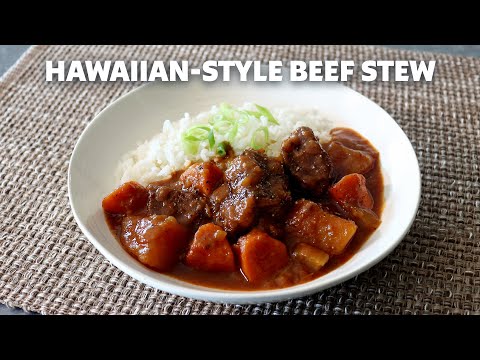
My mother makes the best beef stew with carrots and potatoes during the winter months.
The government plans to beef up the border patrols to prevent illegal crossings.
You will encounter the word 'beef' in several distinct environments, each utilizing a different facet of the word's meaning. The most common place is undoubtedly the grocery store or a butcher shop. Here, 'beef' is a categorical label. You will see signs for the 'Beef Section' or labels on packages like '80% Lean Ground Beef'. In these settings, the language is transactional and descriptive, focusing on weight, price per pound, and the specific cut of the meat. You might hear a butcher ask, 'How many pounds of beef do you need for your roast?'
- At the Restaurant
- Waiters often use the word when describing specials or taking orders. 'The beef is locally sourced and grass-fed,' they might say. It’s also a standard question in catering: 'Beef, chicken, or vegetarian?'
The menu features a variety of beef dishes, including a classic Wellington and a spicy Szechuan stir-fry.
Another major arena for the word 'beef' is in the world of entertainment and social media. When two celebrities or YouTubers are arguing publicly, fans and journalists will describe the situation as a 'beef'. You will see headlines like 'The Beef Between Kendrick and Drake Explained' or 'Why do these two have beef?' This usage is very common in pop culture commentary and among younger generations. It implies a level of drama and public spectacle that 'argument' or 'disagreement' doesn't quite capture.
- In the Gym
- You might hear people talk about 'beefy' guys or 'beefing up' their muscles. This relates to the physical bulk and strength associated with cattle.
I don't know why they have so much beef; they used to be the best of friends in high school.
In political or economic news, 'beef' is used to discuss trade and industry. You might hear about 'beef exports', 'beef tariffs', or 'beef production regulations'. In these contexts, the word represents a massive global industry involving millions of jobs and significant environmental policy discussions. News anchors might report on the 'rising price of beef' due to drought or supply chain issues. This highlights the word's importance as a fundamental economic indicator in many Western and South American nations.
The new trade agreement will lower the taxes on beef imported from Argentina.
He’s been hitting the gym every day to beef up before the football season starts.
There's no beef between us; we just have different ways of working.
One of the most frequent errors for English learners is confusing the animal with the meat. It is a common mistake to say, 'I want to eat a cow' when you actually mean 'I want to eat some beef.' In English, we almost always use the specific culinary name for the meat of large animals. While you might eat 'chicken' (the animal and the meat), you eat 'beef' (the meat) from a 'cow' (the animal). Using the animal name can sound strange or even humorous to native speakers, suggesting you intend to eat the entire living creature rather than a prepared meal.
- Mistake: Countability
- Incorrect: 'I bought two beefs at the store.' Correct: 'I bought two packs of beef' or 'I bought some beef'. As a food item, it does not take a plural 's'.
You shouldn't say 'cow meat' in a restaurant; simply ask for beef.
Another mistake involves the slang usage of 'beef'. Learners often overcomplicate the phrase 'to have beef'. You don't 'make beef' or 'do beef' with someone; you 'have beef' with them. Also, remember that 'beef' in a slang context is usually singular. Even if there are many problems, you still say 'We have beef.' Using the plural 'beefs' in slang is rare and usually refers to multiple distinct grievances, but it sounds much less natural than the singular form. Furthermore, don't confuse 'beef' with 'steak'. All steak is beef, but not all beef is steak (it could be ground, in a stew, etc.).
- Confusing 'Beef' and 'Veal'
- Beef comes from adult cattle. Veal comes from young calves. They are different in taste, color, and price. Make sure you know which one you are ordering!
The customer was confused because he thought beef and veal were the same thing.
Lastly, be careful with the phrasal verb 'beef up'. It is informal. If you are writing a formal report, saying 'We need to beef up our marketing' might be too casual. A better choice would be 'We need to strengthen' or 'We need to enhance our marketing strategy.' Also, ensure you don't use 'beef' when you mean 'pork' (pig) or 'lamb' (sheep). In many cultures, these distinctions are critical due to dietary laws or preferences. Mislabeling meat can lead to significant misunderstandings in a culinary or social setting.
It is a mistake to use the word beef when referring to meat from a pig.
Stop saying 'I have a beef' for every small problem; it's usually for bigger arguments.
When you want to avoid repeating the word 'beef' or need to be more specific, there are several alternatives depending on the context. In a culinary sense, you can use the specific cut of the meat. Instead of saying 'I want beef,' you might say 'I’d like the sirloin' or 'I’ll have the chuck roast.' If you are talking about meat in general, 'red meat' is a common collective term that includes beef, lamb, and goat. In many contexts, 'protein' is used in health and fitness circles to refer to meat sources like beef.
- Beef vs. Steak
- Beef is the general category (the meat of the cow). Steak is a specific slice of that meat, usually high quality and grilled. You can have ground beef, but you wouldn't call it 'ground steak' usually.
The menu offers several beef alternatives, such as bison or venison, for those seeking a leaner meat.
In the context of 'beef' as a complaint or argument, synonyms include 'grudge', 'grievance', 'dispute', or 'quarrel'. 'Grudge' implies a long-held feeling of resentment, while 'dispute' sounds more official or professional. 'Quarrel' is somewhat old-fashioned and usually refers to a verbal fight. If you are 'beefing up' something, you could use 'strengthening', 'reinforcing', 'augmenting', or 'bolstering'. These words are often better suited for professional environments where 'beef up' might sound too slangy.
- Beef vs. Veal
- Beef comes from cattle older than one year. Veal comes from calves. Veal is much lighter in color and has a more delicate flavor.
If you have a beef with the rules, you should file a formal complaint with the committee.
In the meat industry, 'bovine' is the scientific adjective used to describe things related to cattle. While you wouldn't say 'I'm eating bovine' at dinner, you might read about 'bovine health' or 'bovine growth hormones' in a scientific or agricultural report. For those looking for meat-free alternatives, 'plant-based beef' or 'meat substitutes' are common terms used to describe products designed to mimic the taste and texture of beef without using animal products. These are becoming increasingly popular in mainstream grocery stores and fast-food chains.
The company is trying to beef up its online presence by hiring three new social media managers.
Some people prefer lamb over beef because they find it to be more tender and flavorful.
The security team decided to beef up the perimeter after the recent break-in.
چقدر رسمی است؟
نکته جالب
The reason we call the animal a 'cow' but the meat 'beef' is because the Anglo-Saxon peasants raised the animals, but the French-speaking nobles ate them. This created a dual vocabulary for many meats in English.
راهنمای تلفظ
- Pronouncing it like 'bif' (short vowel).
- Confusing the 'f' sound with a 'v' sound.
- Adding an extra syllable like 'bee-fu'.
- Mixing it up with 'bead'.
- Making the 'ee' sound too short.
سطح دشواری
Very easy to recognize in food contexts; slightly harder in slang.
Remembering it is uncountable for food is the main challenge.
Simple pronunciation, though the 'ee' must be long.
Commonly used and usually clear in context.
بعداً چه یاد بگیریم؟
پیشنیازها
بعداً یاد بگیرید
پیشرفته
گرامر لازم
Uncountable Nouns
We say 'some beef', not 'a beef'.
Noun Adjuncts
In 'beef stew', 'beef' acts as an adjective for 'stew'.
Phrasal Verbs
'Beef up' follows standard phrasal verb conjugation.
Idiomatic Expressions
'To have beef' is a fixed idiom for conflict.
Comparative Adjectives
Beef is often compared: 'Beef is tastier than pork.'
مثالها بر اساس سطح
I like to eat beef for dinner.
J'aime manger du bœuf pour le dîner.
Uncountable noun used with no article.
Is this beef or chicken?
Est-ce du bœuf ou du poulet ?
Asking about the type of meat.
I want a beef burger, please.
Je voudrais un burger au bœuf, s'il vous plaît.
'Beef' acts as an adjective here.
Beef comes from cows.
Le bœuf vient des vaches.
General fact about the source of the meat.
My father cooks beef every Sunday.
Mon père cuisine du bœuf tous les dimanches.
Present simple for a habit.
The beef is very good.
Le bœuf est très bon.
Using 'the' to refer to a specific meal.
We need to buy some beef.
Nous devons acheter du bœuf.
Using 'some' with an uncountable noun.
I do not like beef.
Je n'aime pas le bœuf.
Negative sentence.
Roast beef is a traditional British meal.
Le rosbif est un repas britannique traditionnel.
Compound noun 'roast beef'.
Ground beef is cheaper than steak.
Le bœuf haché est moins cher que le steak.
Comparative adjective 'cheaper than'.
She made a delicious beef stew.
Elle a fait un délicieux ragoût de bœuf.
Adjective 'delicious' modifying 'beef stew'.
Do you prefer beef or fish?
Préférez-vous le bœuf ou le poisson ?
Preference question.
He bought two pounds of beef.
Il a acheté deux livres de bœuf.
Using a measurement 'pounds of' for an uncountable noun.
The beef in this sandwich is cold.
Le bœuf dans ce sandwich est froid.
Specific reference to meat in a sandwich.
I am cooking beef with onions.
Je cuisine du bœuf avec des oignons.
Present continuous tense.
You can find beef in the meat aisle.
Vous pouvez trouver du bœuf au rayon boucherie.
Giving directions in a store.
We should marinate the beef for at least two hours.
Nous devrions faire mariner le bœuf pendant au moins deux heures.
Modal verb 'should' for advice.
I have a beef with the way he treats his employees.
J'ai un grief contre la façon dont il traite ses employés.
Informal slang meaning 'a complaint'.
Is the beef locally produced?
Le bœuf est-il produit localement ?
Passive voice 'produced'.
The recipe calls for lean beef and fresh vegetables.
La recette demande du bœuf maigre et des légumes frais.
Phrasal verb 'calls for'.
They decided to beef up their security system.
Ils ont décidé de renforcer leur système de sécurité.
Phrasal verb 'beef up' meaning to strengthen.
What is your main beef with the new policy?
Quel est votre principal grief contre la nouvelle politique ?
Slang usage as a noun.
Beef is a significant source of protein and iron.
Le bœuf est une source importante de protéines et de fer.
General statement about nutrition.
He doesn't eat beef for religious reasons.
Il ne mange pas de bœuf pour des raisons religieuses.
Explaining a dietary restriction.
The environmental impact of beef production is a major concern.
L'impact environnemental de la production de bœuf est une préoccupation majeure.
Abstract noun phrase as a subject.
The two companies have a long-standing beef over patent rights.
Les deux entreprises ont un vieux contentieux sur les droits de brevet.
Slang used in a business context.
We need to beef up the marketing campaign before the launch.
Nous devons renforcer la campagne de marketing avant le lancement.
Professional use of 'beef up'.
The price of beef has skyrocketed due to the recent drought.
Le prix du bœuf a grimpé en flèche à cause de la récente sécheresse.
Present perfect with 'skyrocketed'.
She ordered her beef rare, but it came back well-done.
Elle a commandé son bœuf saignant, mais il est arrivé bien cuit.
Degrees of doneness for meat.
The government is trying to beef up the regulations on food safety.
Le gouvernement essaie de renforcer les réglementations sur la sécurité alimentaire.
Using 'beef up' for policy improvement.
Beef tallow was traditionally used for making candles and soap.
Le suif de bœuf était traditionnellement utilisé pour fabriquer des bougies et du savon.
Historical/technical noun 'tallow'.
Corn-fed beef often has more marbling than grass-fed varieties.
Le bœuf nourri au maïs a souvent plus de persillage que les variétés nourries à l'herbe.
Comparison of industry terms.
The protagonist's beef with the antagonist drives the entire plot.
Le grief du protagoniste envers l'antagoniste motive toute l'intrigue.
Literary analysis using slang.
The corporation sought to beef up its legal team in anticipation of the lawsuit.
La société a cherché à renforcer son équipe juridique en prévision du procès.
Formal business context for 'beef up'.
Ethical considerations regarding beef consumption are increasingly prominent in modern discourse.
Les considérations éthiques concernant la consommation de bœuf sont de plus en plus présentes dans le discours moderne.
Sophisticated vocabulary and structure.
The chef demonstrated how to break down a side of beef with surgical precision.
Le chef a montré comment découper un quartier de bœuf avec une précision chirurgicale.
Technical culinary description.
There is no point in beefing about the past; we must look to the future.
Il ne sert à rien de se plaindre du passé ; nous devons regarder vers l'avenir.
Gerund 'beefing' as a verb meaning complaining.
The trade war was exacerbated by new tariffs on imported beef.
La guerre commerciale a été exacerbée par de nouveaux tarifs sur le bœuf importé.
Economic/political terminology.
Kobe beef is renowned for its unparalleled tenderness and rich flavor profile.
Le bœuf de Kobe est réputé pour sa tendreté inégalée et son profil aromatique riche.
Descriptive and laudatory language.
The documentary examines the hidden costs of the global beef industry.
Le documentaire examine les coûts cachés de l'industrie mondiale du bœuf.
Academic/analytical context.
The philosophical debate over the consumption of beef often intersects with religious and environmental ethics.
Le débat philosophique sur la consommation de bœuf croise souvent l'éthique religieuse et environnementale.
Highly complex sentence structure.
Critics argue that the candidate's attempt to beef up his credentials was transparently desperate.
Les critiques soutiennent que la tentative du candidat de gonfler ses références était d'un désespoir flagrant.
Nuanced use of 'beef up' in a critical context.
The intricate marbling of the wagyu beef was a testament to the meticulous breeding process.
Le persillage complexe du bœuf wagyu témoignait du processus d'élevage méticuleux.
Elevated vocabulary ('testament', 'meticulous').
He harbored a deep-seated beef against the institution that had marginalized him for decades.
Il nourrissait un grief profond contre l'institution qui l'avait marginalisé pendant des décennies.
Metaphorical and intense use of 'beef'.
The transition from pastoralism to industrial beef production has fundamentally altered rural landscapes.
La transition du pastoralisme à la production industrielle de bœuf a fondamentalement modifié les paysages ruraux.
Socio-historical analysis.
The legal dispute over the 'beef' label for plant-based products reached the Supreme Court.
Le litige juridique concernant l'étiquette « bœuf » pour les produits d'origine végétale est parvenu jusqu'à la Cour suprême.
Legal/technical nuance.
Subsidies for the beef sector remain a contentious issue in international trade negotiations.
Les subventions au secteur du bœuf restent une question contentieuse dans les négociations commerciales internationales.
Formal political terminology.
The author uses the 'beef' between the two families as a microcosm of the larger civil conflict.
L'auteur utilise le « grief » entre les deux familles comme un microcosme du conflit civil plus large.
Literary device 'microcosm'.
ترکیبهای رایج
عبارات رایج
— A catchphrase questioning the substance or value of something.
The politician's speech was long, but where's the beef?
— To make something more substantial or powerful.
You need to beef it up if you want to win the competition.
— Cows raised specifically for meat production.
The farmer switched from dairy to beef cattle.
— A high-end dish of beef coated with pâté and pastry.
We ordered the Beef Wellington for our anniversary.
— A specific cut of meat from the cow's ribcage.
The BBQ place is famous for its smoked beef ribs.
— Another term for ground beef, common in the UK.
I need 500g of beef mince for the spaghetti.
اغلب اشتباه گرفته میشود با
Cow is the animal; beef is the meat. You don't eat 'cow' in English.
Steak is a cut of beef, but beef also includes ground meat and stews.
Veal is meat from a young calf, not an adult cow.
اصطلاحات و عبارات
— To have a disagreement or grievance with someone.
I have a beef with the way he talks to me.
informal— To add strength, substance, or power to something.
The company is beefing up its security.
neutral— Asking for the real substance or point of an argument or product.
The new update has no new features; where's the beef?
informal— An old-fashioned insult meaning stupid or dull.
Don't be so beef-witted; the answer is obvious.
archaic— To complain or grumble about something.
He's always beefing about the price of gas.
informal— A standard, simple meal; sometimes implies something basic.
Their lifestyle was as simple as corned beef and cabbage.
neutral— To end an argument or settle a dispute.
They finally met to squash the beef and move on.
slang— A slang term for a muscular but perhaps not very bright person.
He's just a big beef head with no common sense.
slangبهراحتی اشتباه گرفته میشود
Both are common meats.
Pork is from pigs; beef is from cows.
I don't eat pork, but I love beef.
Both are red meats.
Lamb is from sheep; beef is from cattle.
Lamb is often more expensive than beef.
Similar sound.
Brief means short; beef is meat.
Keep the meeting brief so I can go eat my beef.
Similar sound.
A leaf is part of a plant; beef is meat.
The cow ate a leaf before it became beef.
Similar sound.
A reef is in the ocean; beef is from land animals.
The coral reef is beautiful, but I'm hungry for beef.
الگوهای جملهسازی
I like [beef].
I like beef.
I want some [beef].
I want some beef.
He has a beef with [someone].
He has a beef with his boss.
We need to beef up [something].
We need to beef up the plan.
The [beef] was [adjective].
The beef was incredibly tender.
There is no [beef] between [them].
There is no beef between the two rivals anymore.
The [beef] industry is [adjective].
The beef industry is highly subsidized.
Is this [beef]?
Is this beef?
خانواده کلمه
اسمها
فعلها
صفتها
مرتبط
نحوه استفاده
Very high in both culinary and informal social contexts.
-
I eat cow meat.
→
I eat beef.
We use the culinary term 'beef' for the meat of the animal.
-
I have many beefs with him.
→
I have a beef with him.
In slang, 'beef' is usually singular even for multiple problems.
-
We need to beef the system.
→
We need to beef up the system.
The phrasal verb requires the word 'up'.
-
I bought a beef.
→
I bought some beef.
Beef is an uncountable noun when referring to meat.
-
He is very beef.
→
He is very beefy.
Use the adjective 'beefy' to describe someone muscular.
نکات
Uncountable Food
Always remember that beef as food is uncountable. Use 'some' or 'a lot of'.
Burgers
When you see '100% beef' on a menu, it means no other meats are mixed in.
Social Context
Only use 'beef' for conflict in very casual settings with people you know well.
Animal vs Meat
Never tell a waiter you want to eat a 'cow'. Always say 'beef' or 'steak'.
Doneness
Beef is one of the few meats you can eat 'rare' (partially raw).
Strengthening
Use 'beef up' to describe improving a project or a team's strength.
Long Vowel
The 'ee' in beef is long. Practice saying 'see' then 'beef'.
Double E
Beef is spelled with two 'e's, just like 'beer' and 'feet'.
History
Remember the French 'bœuf' to help you remember the English 'beef'.
Respect
Be mindful that in some cultures, eating beef is a sensitive or forbidden topic.
حفظ کنید
روش یادسپاری
B.E.E.F. stands for: Big Eating Every Friday. Imagine a big steak on your plate every Friday.
تداعی تصویری
Imagine a very strong, muscular cow (beefy) standing next to a giant juicy burger (beef).
شبکه واژگان
چالش
Try to use the word 'beef' in three different ways (food, slang, phrasal verb) in one paragraph today.
ریشه کلمه
The word 'beef' comes from the Old French word 'boef', which means ox or cow. This was brought to England after the Norman Conquest in 1066. It eventually replaced the Old English word for the meat of the cow.
معنای اصلی: Ox, cow, or steer.
Indo-European (via Latin 'bos' and Greek 'bous').بافت فرهنگی
Be aware that many people do not eat beef for religious (Hinduism) or ethical (veganism) reasons. Always check before serving it to guests.
In the US and UK, roast beef is a traditional Sunday dinner. In the US, the 'steakhouse' is a specific and popular type of high-end restaurant.
تمرین در زندگی واقعی
موقعیتهای واقعی
Restaurant
- How is the beef cooked?
- I'd like the beef, please.
- Is the beef tender?
- Do you have any beef specials?
Supermarket
- Where is the ground beef?
- How much is the beef per pound?
- Is this beef lean?
- I need some beef for a stew.
Social Conflict
- What's your beef?
- I don't want any beef.
- We need to squash this beef.
- He has a beef with me.
Business
- We need to beef up the team.
- Let's beef up this proposal.
- The beef industry is changing.
- Beef up the security.
Cooking
- Brown the beef in a pan.
- Season the beef with salt.
- Slow cook the beef.
- Cut the beef into cubes.
شروعکنندههای مکالمه
"Do you prefer beef or chicken for your main meal?"
"What is your favorite way to cook a piece of beef?"
"Have you ever had a beef with a coworker or friend?"
"Do you think people should eat less beef for the environment?"
"What's the best steakhouse you have ever been to?"
موضوعات نگارش
Describe a traditional meal from your country that uses beef as a main ingredient.
Write about a time you had a 'beef' with someone and how you resolved it.
If you had to 'beef up' one of your skills, which one would it be and why?
Discuss the differences between eating beef and other types of protein.
Imagine you are a chef. Design a three-course menu centered around beef.
سوالات متداول
10 سوالOnly if you are using slang to mean 'two complaints'. If you are talking about meat, say 'two pieces of beef' or 'two types of beef'.
It is beef that has been finely chopped or put through a meat grinder. It is used for burgers and tacos.
Beef is a good source of protein and iron, but doctors recommend eating it in moderation because it can be high in saturated fat.
Because of the French influence on the English language after 1066. The French word 'bœuf' became 'beef'.
It means to make something stronger or more effective, like 'beefing up' a security system.
Beef comes from cattle, which includes cows, bulls, and steers.
Yes, it usually means you have a problem or an argument with someone.
It is beef that has been cured in a salt solution (brine). It is very salty and flavorful.
Beef is from adult cows, while veal is from young calves.
Yes, in slang it means 'to complain' (e.g., 'He is always beefing') or 'to strengthen' (e.g., 'beef up').
خودت رو بسنج 200 سوال
Write a sentence using 'beef' as a type of food.
خوب نوشتید! تلاش خوبی بود! پاسخ نمونه را ببینید.
Write a sentence using 'beef' as a slang word for an argument.
خوب نوشتید! تلاش خوبی بود! پاسخ نمونه را ببینید.
Write a sentence using the phrasal verb 'beef up'.
خوب نوشتید! تلاش خوبی بود! پاسخ نمونه را ببینید.
Explain why beef is called beef and not cow meat.
خوب نوشتید! تلاش خوبی بود! پاسخ نمونه را ببینید.
Describe your favorite beef dish.
خوب نوشتید! تلاش خوبی بود! پاسخ نمونه را ببینید.
Write a dialogue between a customer and a butcher about beef.
خوب نوشتید! تلاش خوبی بود! پاسخ نمونه را ببینید.
Write a short paragraph about the environmental impact of beef.
خوب نوشتید! تلاش خوبی بود! پاسخ نمونه را ببینید.
Use the word 'beefy' in a sentence.
خوب نوشتید! تلاش خوبی بود! پاسخ نمونه را ببینید.
Write a sentence using 'ground beef'.
خوب نوشتید! تلاش خوبی بود! پاسخ نمونه را ببینید.
Write a sentence using 'roast beef'.
خوب نوشتید! تلاش خوبی بود! پاسخ نمونه را ببینید.
How would you tell someone you don't want to fight using the word 'beef'?
خوب نوشتید! تلاش خوبی بود! پاسخ نمونه را ببینید.
What is the plural of beef in slang?
خوب نوشتید! تلاش خوبی بود! پاسخ نمونه را ببینید.
Write a sentence with 'beef jerky'.
خوب نوشتید! تلاش خوبی بود! پاسخ نمونه را ببینید.
Write a sentence with 'beef broth'.
خوب نوشتید! تلاش خوبی بود! پاسخ نمونه را ببینید.
Describe a 'beefy' burger.
خوب نوشتید! تلاش خوبی بود! پاسخ نمونه را ببینید.
What does 'squash the beef' mean? Use it in a sentence.
خوب نوشتید! تلاش خوبی بود! پاسخ نمونه را ببینید.
Write a sentence using 'corned beef'.
خوب نوشتید! تلاش خوبی بود! پاسخ نمونه را ببینید.
Use 'beef' as a verb meaning to complain.
خوب نوشتید! تلاش خوبی بود! پاسخ نمونه را ببینید.
Write a sentence about beef prices.
خوب نوشتید! تلاش خوبی بود! پاسخ نمونه را ببینید.
Write a sentence about a 'beef' between two celebrities.
خوب نوشتید! تلاش خوبی بود! پاسخ نمونه را ببینید.
Say 'beef' out loud three times. Focus on the long 'ee' sound.
این را بلند بخوانید:
تو گفتی:
تشخیص گفتار در مرورگر شما پشتیبانی نمیشود. از کروم یا اج استفاده کنید.
Tell your partner what your favorite beef dish is.
این را بلند بخوانید:
تو گفتی:
تشخیص گفتار در مرورگر شما پشتیبانی نمیشود. از کروم یا اج استفاده کنید.
Roleplay: Order a beef burger at a restaurant.
این را بلند بخوانید:
تو گفتی:
تشخیص گفتار در مرورگر شما پشتیبانی نمیشود. از کروم یا اج استفاده کنید.
Explain the slang meaning of 'beef' to a friend.
این را بلند بخوانید:
تو گفتی:
تشخیص گفتار در مرورگر شما پشتیبانی نمیشود. از کروم یا اج استفاده کنید.
Say 'We need to beef up our team' with confidence.
این را بلند بخوانید:
تو گفتی:
تشخیص گفتار در مرورگر شما پشتیبانی نمیشود. از کروم یا اج استفاده کنید.
Describe a cow using the word 'beef'.
این را بلند بخوانید:
تو گفتی:
تشخیص گفتار در مرورگر شما پشتیبانی نمیشود. از کروم یا اج استفاده کنید.
Pronounce the rhyme: 'The thief had a beef over the leaf.'
این را بلند بخوانید:
تو گفتی:
تشخیص گفتار در مرورگر شما پشتیبانی نمیشود. از کروم یا اج استفاده کنید.
Ask a butcher for two pounds of ground beef.
این را بلند بخوانید:
تو گفتی:
تشخیص گفتار در مرورگر شما پشتیبانی نمیشود. از کروم یا اج استفاده کنید.
Tell a story about a 'beef' you had.
این را بلند بخوانید:
تو گفتی:
تشخیص گفتار در مرورگر شما پشتیبانی نمیشود. از کروم یا اج استفاده کنید.
Compare beef and chicken aloud.
این را بلند بخوانید:
تو گفتی:
تشخیص گفتار در مرورگر شما پشتیبانی نمیشود. از کروم یا اج استفاده کنید.
Say the phrase: 'Where's the beef?'
این را بلند بخوانید:
تو گفتی:
تشخیص گفتار در مرورگر شما پشتیبانی نمیشود. از کروم یا اج استفاده کنید.
Explain 'beef jerky' to someone who doesn't know it.
این را بلند بخوانید:
تو گفتی:
تشخیص گفتار در مرورگر شما پشتیبانی نمیشود. از کروم یا اج استفاده کنید.
Talk about a 'beefy' person you know.
این را بلند بخوانید:
تو گفتی:
تشخیص گفتار در مرورگر شما پشتیبانی نمیشود. از کروم یا اج استفاده کنید.
Say 'I don't eat beef' in a polite way.
این را بلند بخوانید:
تو گفتی:
تشخیص گفتار در مرورگر شما پشتیبانی نمیشود. از کروم یا اج استفاده کنید.
Tell someone to stop complaining using 'beef'.
این را بلند بخوانید:
تو گفتی:
تشخیص گفتار در مرورگر شما پشتیبانی نمیشود. از کروم یا اج استفاده کنید.
Say 'roast beef sandwich' quickly five times.
این را بلند بخوانید:
تو گفتی:
تشخیص گفتار در مرورگر شما پشتیبانی نمیشود. از کروم یا اج استفاده کنید.
Describe a beef stew.
این را بلند بخوانید:
تو گفتی:
تشخیص گفتار در مرورگر شما پشتیبانی نمیشود. از کروم یا اج استفاده کنید.
Ask if a meal contains beef.
این را بلند بخوانید:
تو گفتی:
تشخیص گفتار در مرورگر شما پشتیبانی نمیشود. از کروم یا اج استفاده کنید.
Say 'Let's squash the beef'.
این را بلند بخوانید:
تو گفتی:
تشخیص گفتار در مرورگر شما پشتیبانی نمیشود. از کروم یا اج استفاده کنید.
Explain 'beef up' to a colleague.
این را بلند بخوانید:
تو گفتی:
تشخیص گفتار در مرورگر شما پشتیبانی نمیشود. از کروم یا اج استفاده کنید.
Listen to the word: 'beef'. Does it sound like 'leaf'?
Listen: 'I'll have the beef.' What did the person order?
Listen: 'They have beef.' Are they friends?
Listen: 'Beef up the security.' Is security being reduced?
Listen: 'Ground beef is on sale.' What is on sale?
Listen: 'The beef was tough.' Was it good?
Listen: 'No beef here.' Is there a problem?
Listen: 'Beef comes from cows.' Is this true?
Listen: 'I like roast beef.' What kind of beef does the speaker like?
Listen: 'Stop your beefing.' What is the person doing?
Listen: 'He's a beefy guy.' Is he small?
Listen: 'Beef stew for dinner.' What is for dinner?
Listen: 'Where is the beef?' Is the speaker looking for the point?
Listen: 'Corned beef sandwich.' What is in the sandwich?
Listen: 'I have a beef with you.' Is the speaker happy?
/ 200 درست
نمره کامل!
Summary
The word 'beef' is essential for food-related conversations, representing cattle meat. It also carries a heavy informal weight as a synonym for 'conflict' or 'complaint'. For example: 'I bought some beef for the party, but I hope there's no beef between the guests.'
- Beef is the culinary name for meat from cattle, widely used in global cuisines for dishes like steaks and burgers.
- The word also serves as informal slang for a complaint, grudge, or ongoing argument between individuals or groups.
- As a phrasal verb, 'beef up' means to strengthen, improve, or increase the size or power of something.
- Grammatically, beef is usually an uncountable noun when referring to food, but can be countable in slang contexts.
Uncountable Food
Always remember that beef as food is uncountable. Use 'some' or 'a lot of'.
Burgers
When you see '100% beef' on a menu, it means no other meats are mixed in.
Social Context
Only use 'beef' for conflict in very casual settings with people you know well.
Animal vs Meat
Never tell a waiter you want to eat a 'cow'. Always say 'beef' or 'steak'.
مثال
I am cooking beef for dinner tonight.
محتوای مرتبط
آن را در متن یاد بگیرید
این کلمه در زبانهای دیگر
واژههای بیشتر Food
wheat
B1گندم یک گیاه غلهای است که به طور گسترده به عنوان منبع اصلی غذا برای انسان و حیوانات کشت میشود. این گیاه معمولاً برای تهیه آرد جهت پخت نان، پاستا و شیرینی پودر میشود.
buttermilk
B21. این پنکیکهای باترمیلک (buttermilk) بسیار ترد و خوشمزه هستند. 2. سس باترمیلک طعم تند و تیزی به سالاد میدهد.
salt
A2نمک یک ماده معدنی است که برای چاشنی و نگهداری غذا استفاده می شود. 'لطفاً نمک را به من بدهید.'
pineapple
A1آناناس یک میوه گرمسیری بزرگ با پوستی سفت و فلسدار و تاجی از برگهای سبز است.
mushrooms
B1قارچها اندامهای بارده قارچها هستند که بسیاری از انواع آنها خوراکی و در آشپزی محبوب هستند.
truffles
C1ترافلها یا قارچهای خوراکی کمیابی هستند که در زیر زمین رشد میکنند و یا نوعی شیرینی شکلاتی غنی هستند. هر دو به عنوان خوراکیهای لوکس شناخته میشوند.
snack
A1میان وعده مقدار کمی غذا است که بین وعده های اصلی غذا خورده می شود.
coca
B1کوکا گیاهی است بومی کوههای آند که برگهای آن خاصیت محرک دارد.
corn
A1ذرت گیاهی بلند است که دانههای زرد و خوراکی تولید میکند.
salmon
B1ماهی سالمون یک ماهی بزرگ با گوشت صورتی است که برای تخمریزی به رودخانه بازمیگردد.

