









discrimination در ۳۰ ثانیه
- Discrimination is the unfair treatment of people based on identity traits like race, gender, or age.
- It is a noun that often follows the preposition 'against' and is illegal in many professional contexts.
- While it can mean 'making a distinction', it almost always refers to social injustice in modern English.
- Key synonyms include bias and prejudice, but discrimination specifically refers to the resulting unfair actions.
Discrimination is a term that describes the act of making a distinction between people based on the groups, classes, or other categories to which they are perceived to belong. In a social and legal context, it specifically refers to the unfair or prejudicial treatment of people and groups based on characteristics such as race, gender, age, sexual orientation, or religion. When we talk about discrimination, we are usually talking about a negative action where someone is denied an opportunity, a service, or a right that others enjoy, simply because of an inherent part of their identity. It is important to understand that discrimination is not just about personal feelings or prejudice; it is often about the actions that result from those feelings. For example, if a manager refuses to hire someone because of their age, that is an act of discrimination. In many countries, there are strict laws designed to prevent this kind of behavior in the workplace, in housing, and in public services. However, discrimination can also be subtle and systemic, meaning it is built into the way organizations or societies function, making it harder to see but just as harmful to those affected.
- Social Context
- In society, discrimination acts as a barrier to equality, preventing individuals from reaching their full potential based on arbitrary traits.
- Legal Definition
- Legally, discrimination involves the violation of civil rights through disparate treatment or disparate impact on protected groups.
- Psychological Aspect
- Psychologically, it often stems from stereotypes and cognitive biases that lead to 'us vs. them' mentalities.
The company was sued for gender discrimination after it was revealed that men were paid significantly more than women for the same work.
Racial discrimination remains a major challenge in modern urban planning and housing distribution.
Laws against age discrimination protect older workers from being forced into early retirement.
Educational institutions must work hard to eliminate any form of discrimination in their admissions processes.
The activist dedicated her life to fighting religious discrimination in her community.
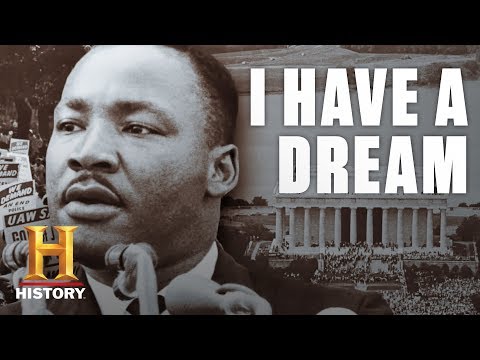
Understanding the word discrimination also requires looking at its historical weight. Many of the most significant social movements in history—such as the Civil Rights Movement in the United States, the Anti-Apartheid movement in South Africa, and the Suffragette movement—were essentially battles against institutionalized discrimination. These movements sought to change laws that made it legal to treat people differently based on their race or gender. Today, while many of those laws have changed, the word is still frequently used in discussions about social justice, human rights, and corporate ethics. It is a powerful word that carries a strong moral judgment; to accuse someone or an organization of discrimination is a serious matter that often leads to legal investigation or public outcry. Therefore, using the word correctly involves recognizing both its literal meaning (to tell things apart) and its much more common social meaning (to treat people unfairly).
Using the word 'discrimination' correctly requires an understanding of its grammatical function as an uncountable noun in most social contexts. You will often see it paired with specific adjectives that identify the type of unfair treatment occurring. Common pairings include 'racial discrimination', 'gender discrimination', 'age discrimination', and 'religious discrimination'. Because it is a noun, it often acts as the subject or the object of a sentence. For instance, 'Discrimination is illegal' (subject) or 'We must stop discrimination' (object). It is also frequently used with the preposition 'against' to indicate the group being targeted, such as 'discrimination against minorities' or 'discrimination against women'.
- Verb Pairings
- Common verbs used with discrimination include 'fight', 'end', 'prevent', 'experience', 'face', and 'prohibit'.
- Prepositional Use
- Always use 'against' when specifying the victim: 'discrimination against [group]'. Use 'in' for the location: 'discrimination in the workplace'.
- Adjectival Forms
- The adjective 'discriminatory' is used to describe actions or policies: 'a discriminatory policy'.
The new law aims to prevent discrimination in the hiring process.
Many people still face discrimination because of their religious beliefs.
The report highlighted systemic discrimination within the criminal justice system.
She spoke out against the discrimination she experienced at school.
Price discrimination is a strategy where different customers are charged different prices for the same product.
In academic and professional writing, 'discrimination' is often used to describe patterns of behavior. You might read about 'institutional discrimination', which refers to the collective failure of an organization to provide an appropriate and professional service to people because of their color, culture, or ethnic origin. In economics, 'price discrimination' is a neutral term used to describe charging different prices to different groups of consumers (like student discounts). However, in almost every other context, the word carries a negative connotation. When writing, ensure that the context clearly identifies whether you are discussing a social injustice or a technical distinction. For example, 'The sensor has a high level of discrimination' refers to its ability to distinguish signals, whereas 'The company has a history of discrimination' refers to unfair treatment of employees. This distinction is crucial for clarity.
You will encounter the word 'discrimination' in a variety of real-world settings, most notably in the news, legal proceedings, and workplace environments. It is a staple of political discourse, especially during discussions about civil rights, immigration, and social equality. In the news, you might hear anchors reporting on 'discrimination lawsuits' or 'anti-discrimination legislation'. These stories often involve individuals who feel they have been wronged by a large corporation or a government entity. In the workplace, Human Resources (HR) departments frequently conduct training sessions on 'preventing discrimination and harassment'. This is part of a broader effort to create an inclusive environment where all employees feel safe and respected. If you are applying for a job, you might see an 'Equal Opportunity' statement at the bottom of the application, which explicitly states that the employer does not practice discrimination based on race, color, religion, or gender.
- In the News
- Headlines often focus on high-profile court cases involving systemic bias or unfair firing practices.
- In Education
- Teachers and students discuss discrimination in history classes (e.g., the Holocaust or Segregation) and in modern social studies.
- In Legal Settings
- Lawyers use the term to describe specific violations of the law, such as the Equality Act or the Civil Rights Act.
'We have a zero-tolerance policy for discrimination in this office,' the CEO announced.
The documentary explores the history of discrimination against immigrant communities in the 20th century.
'If you feel you have been a victim of discrimination, please contact the legal aid office.'
The protesters marched through the streets, chanting slogans against racial discrimination.
In some cultures, discrimination against certain castes or social classes is still a deeply rooted issue.
Furthermore, the word is common in academic settings, particularly in sociology, psychology, and political science. Students might study 'positive discrimination' (also known as affirmative action), which is the practice of favoring members of a disadvantaged group who suffer from discrimination within a culture. This is a controversial topic that often sparks intense debate. In everyday life, people use the word to express their frustration with unfair treatment, even if it doesn't reach the level of a legal crime. For example, someone might say, 'I felt a bit of discrimination at the store today because of how I was dressed,' implying they were treated poorly or ignored by the staff. This widespread usage—from high-level legal documents to casual conversations—makes 'discrimination' one of the most essential words for understanding modern social dynamics and the ongoing struggle for equality.
One of the most common mistakes learners make with the word 'discrimination' is confusing it with 'prejudice' or 'bias'. While these words are related, they are not identical. Prejudice refers to a preconceived opinion or feeling—it is something that happens inside a person's mind. Discrimination, on the other hand, is the action that results from that prejudice. You can have a prejudice without acting on it, but once you treat someone unfairly because of that prejudice, it becomes discrimination. Another frequent error is using the wrong preposition. Learners often say 'discrimination to' or 'discrimination for', but the correct and most common preposition is 'against'. For example, 'discrimination against the elderly' is the standard phrasing.
- Prejudice vs. Discrimination
- Prejudice is a thought; discrimination is an action. You cannot 'practice' prejudice, but you can 'practice' discrimination.
- Differentiation vs. Discrimination
- 'Differentiation' is neutral and means telling things apart. 'Discrimination' usually implies that the distinction leads to unfairness.
- Spelling Errors
- Common misspellings include 'discrimnation' (missing the second 'i') or 'discremination' (using an 'e' instead of an 'i').
Incorrect: He showed discrimination to his employees. Correct: He showed discrimination against his employees.
Incorrect: The discrimination of the two colors was hard. Correct: The distinction between the two colors was hard.
Incorrect: She has a lot of discrimination in her head. Correct: She has a lot of prejudice in her head.
Incorrect: We need to discrimination the good from the bad. Correct: We need to discriminate the good from the bad.
Incorrect: The law prevents discrimination of women. Correct: The law prevents discrimination against women.
Another subtle mistake is using 'discrimination' when 'racism' or 'sexism' would be more specific and appropriate. While racism is a form of discrimination, 'discrimination' is the broader category. If you are specifically talking about unfair treatment based on race, using 'racism' can sometimes be more impactful. However, in legal and formal writing, 'racial discrimination' is the preferred term because it describes the specific act that is being prohibited. Finally, be careful with the word 'discriminate'. In some contexts, like 'to discriminate between two options', it is a neutral cognitive process. But if you say 'to discriminate against someone', it is always negative. Misusing these two patterns can lead to significant confusion about your intended meaning.
When you want to avoid repeating the word 'discrimination' or if you need a word that fits a slightly different nuance, there are several alternatives you can use. 'Prejudice' and 'bias' are the most common, though as discussed, they refer more to the internal attitude than the external action. 'Inequality' is a broader term that describes the state of not being equal, especially in status, rights, and opportunities. 'Injustice' is another powerful word that focuses on the lack of fairness in a situation. If you are talking about the act of excluding someone, 'exclusion' or 'marginalization' might be more precise. In a legal or highly formal context, you might use 'disparate treatment'.
- Bias
- A leaning in favor of or against one thing, person, or group compared with another, usually in a way considered to be unfair.
- Intolerance
- Unwillingness to accept views, beliefs, or behavior that differ from one's own.
- Segregation
- The enforced separation of different racial groups in a country, community, or establishment.
The judge was accused of having a personal bias against the defendant.
The inequality in wealth distribution is a major political issue.
Social exclusion can have a devastating effect on a person's mental health.
The law was designed to end racial segregation in public schools.
We must fight against intolerance in all its forms.
Choosing the right word depends on the context and the level of intensity you want to convey. If you are writing a formal report, 'discrimination' or 'disparate impact' is best. If you are writing a passionate blog post about social change, 'injustice' or 'bigotry' might be more effective. It is also helpful to know the opposites of discrimination, such as 'fairness', 'equality', 'equity', and 'inclusion'. These words represent the goals of anti-discrimination efforts. For example, 'The company is committed to fostering a culture of inclusion' sounds much more positive than simply saying 'The company does not discriminate'. By understanding these synonyms and related terms, you can express yourself more precisely and navigate complex conversations about identity and rights with greater confidence.
چقدر رسمی است؟
نکته جالب
In the 17th century, 'discrimination' was a positive word. It meant having good taste or the ability to tell the difference between high-quality and low-quality things. The negative social meaning only became common in the 19th and 20th centuries.
راهنمای تلفظ
- Stressing the second syllable: dis-CRIM-i-nation (incorrect).
- Pronouncing the 'tion' as 'tee-on' instead of 'shun'.
- Missing the second 'i' sound.
- Confusing the 'sc' sound with 'sh'.
- Over-emphasizing the first syllable.
سطح دشواری
The word is long but common in news and social studies texts.
Requires correct spelling and understanding of prepositions like 'against'.
Pronunciation is rhythmic but has many syllables.
Easy to recognize due to its distinct 'shun' ending.
بعداً چه یاد بگیریم؟
پیشنیازها
بعداً یاد بگیرید
پیشرفته
گرامر لازم
Uncountable Nouns
Discrimination is (not are) a serious problem.
Prepositional Phrases
Always use 'against' to show the target: discrimination against minorities.
Adjective Placement
Place the type before the noun: racial discrimination, age discrimination.
Passive Voice
He was discriminated against (often used in legal contexts).
Gerunds as Subjects
Ending discrimination is a global priority.
مثالها بر اساس سطح
Discrimination is not fair.
Discrimination n'est pas juste.
Discrimination is the subject of the sentence.
We must stop discrimination.
Nous devons arrêter la discrimination.
Discrimination is the object of the verb 'stop'.
Is discrimination bad?
La discrimination est-elle mauvaise ?
This is a simple question using the verb 'to be'.
No discrimination here.
Pas de discrimination ici.
A short phrase often seen on posters.
She hates discrimination.
Elle déteste la discrimination.
Third-person singular 'hates' with the noun 'discrimination'.
Discrimination makes people sad.
La discrimination rend les gens tristes.
Subject-verb-object-adjective structure.
The law says no discrimination.
La loi dit pas de discrimination.
Simple sentence structure for A1 learners.
Be kind, avoid discrimination.
Soyez gentil, évitez la discrimination.
Imperative mood (giving advice).
Age discrimination is a problem at work.
La discrimination liée à l'âge est un problème au travail.
Compound noun: 'Age discrimination'.
They fight against discrimination every day.
Ils luttent contre la discrimination chaque jour.
Use of the preposition 'against'.
Does this school have discrimination?
Cette école a-t-elle de la discrimination ?
Question using 'does' for the present simple.
He experienced discrimination in his old job.
Il a subi de la discrimination dans son ancien travail.
Past simple tense: 'experienced'.
The poster is about ending discrimination.
L'affiche porte sur la fin de la discrimination.
Gerund 'ending' followed by the noun.
Discrimination against women is illegal.
La discrimination contre les femmes est illégale.
Adjective 'illegal' describing the subject.
We should learn about discrimination in class.
Nous devrions apprendre la discrimination en classe.
Modal verb 'should' for suggestion.
Is there discrimination in your country?
Y a-t-il de la discrimination dans votre pays ?
'Is there' for existence.
Racial discrimination is a serious social issue.
La discrimination raciale est un problème social grave.
Adjective 'racial' modifying 'discrimination'.
The company was accused of gender discrimination.
L'entreprise a été accusée de discrimination sexuelle.
Passive voice: 'was accused of'.
Many people face discrimination because of their religion.
Beaucoup de gens sont confrontés à la discrimination à cause de leur religion.
Verb 'face' used in a social context.
Anti-discrimination laws protect all citizens.
Les lois anti-discrimination protègent tous les citoyens.
Prefix 'anti-' used to create a compound adjective.
She spoke out against the discrimination she saw.
Elle s'est élevée contre la discrimination qu'elle a vue.
Phrasal verb 'speak out against'.
It is difficult to prove discrimination in court.
Il est difficile de prouver la discrimination devant le tribunal.
Infinitive phrase 'to prove discrimination'.
The report highlights discrimination in the housing market.
Le rapport souligne la discrimination sur le marché du logement.
Present simple for reporting facts.
We need more education to prevent discrimination.
Nous avons besoin de plus d'éducation pour prévenir la discrimination.
Purpose clause: 'to prevent discrimination'.
Systemic discrimination is often harder to identify than overt bias.
La discrimination systémique est souvent plus difficile à identifier que les préjugés flagrants.
Comparative structure: 'harder than'.
The government passed new legislation to combat discrimination.
Le gouvernement a adopté une nouvelle législation pour lutter contre la discrimination.
Verb 'combat' used as a synonym for 'fight'.
Price discrimination allows companies to maximize their profits.
La discrimination par les prix permet aux entreprises de maximiser leurs profits.
Technical usage in economics.
The victim of discrimination was awarded compensation.
La victime de discrimination a reçu une indemnité.
Passive voice with an indirect object.
Discrimination can lead to long-term psychological effects.
La discrimination peut entraîner des effets psychologiques à long terme.
Modal 'can' expressing possibility.
The policy was criticized for being inherently discriminatory.
La politique a été critiquée pour être intrinsèquement discriminatoire.
Adverb 'inherently' modifying the adjective 'discriminatory'.
They are working to eliminate discrimination in the workplace.
Ils travaillent à éliminer la discrimination sur le lieu de travail.
Present continuous for ongoing action.
The study examined the prevalence of discrimination in healthcare.
L'étude a examiné la prévalence de la discrimination dans les soins de santé.
Formal academic vocabulary: 'prevalence', 'examined'.
The intersectionality of race and gender can exacerbate discrimination.
L'intersectionnalité de la race et du genre peut exacerber la discrimination.
Advanced sociological term: 'intersectionality'.
Indirect discrimination occurs when a neutral rule has a disproportionate impact.
La discrimination indirecte se produit lorsqu'une règle neutre a un impact disproportionné.
Legal definition of 'indirect discrimination'.
His artistic discrimination is evident in his choice of materials.
Son discernement artistique est évident dans son choix de matériaux.
Usage of 'discrimination' as 'refined judgment'.
The court ruled that the practice constituted unlawful discrimination.
Le tribunal a statué que la pratique constituait une discrimination illégale.
Formal legal phrasing: 'constituted unlawful discrimination'.
Structural discrimination is embedded within the very fabric of society.
La discrimination structurelle est ancrée dans le tissu même de la société.
Metaphorical use of 'fabric of society'.
The activist argued that silence in the face of discrimination is complicity.
L'activiste a soutenu que le silence face à la discrimination est une complicité.
Complex philosophical argument.
We must address the historical legacies of discrimination.
Nous devons nous attaquer aux héritages historiques de la discrimination.
Use of 'legacies' to describe long-term effects.
The subtle nuances of discrimination are often overlooked by the majority.
Les nuances subtiles de la discrimination sont souvent négligées par la majorité.
Passive voice with a focus on 'subtle nuances'.
The jurisprudence surrounding discrimination has evolved significantly over the last century.
La jurisprudence concernant la discrimination a considérablement évolué au cours du siècle dernier.
Highly formal term: 'jurisprudence'.
One must possess a high degree of discrimination to navigate these complex ethical dilemmas.
Il faut posséder un haut degré de discernement pour naviguer dans ces dilemmes éthiques complexes.
Using 'discrimination' as 'discernment' in a formal context.
The pervasive nature of institutional discrimination necessitates a radical systemic overhaul.
La nature envahissante de la discrimination institutionnelle nécessite une refonte systémique radicale.
Dense academic sentence with 'necessitates' and 'overhaul'.
The treaty aims to eradicate all forms of discrimination against marginalized groups.
Le traité vise à éradiquer toutes les formes de discrimination à l'encontre des groupes marginalisés.
Strong verb 'eradicate' for complete removal.
The plaintiff alleged that the company’s algorithms were perpetuating discrimination.
Le plaignant a allégué que les algorithmes de l'entreprise perpétuaient la discrimination.
Modern context: algorithmic bias.
A nuanced understanding of discrimination requires looking beyond mere intent to actual outcomes.
Une compréhension nuancée de la discrimination exige de regarder au-delà de la simple intention pour examiner les résultats réels.
Distinction between 'intent' and 'outcomes'.
The discourse on discrimination has shifted from individual acts to systemic inequities.
Le discours sur la discrimination est passé des actes individuels aux inégalités systémiques.
Use of 'discourse' to describe a field of study.
The legislation was a watershed moment in the fight against state-sanctioned discrimination.
La législation a été un moment décisif dans la lutte contre la discrimination sanctionnée par l'État.
Idiomatic expression: 'watershed moment'.
ترکیبهای رایج
عبارات رایج
— The act of treating a specific group unfairly.
There is a law against discrimination against disabled people.
— Unfair treatment that happens in a professional environment.
Workplace discrimination can lead to low employee morale.
— When someone is treated less favorably than another person in the same situation.
Refusing to hire someone because of their race is direct discrimination.
— When a rule or policy applies to everyone but disadvantages a particular group.
A height requirement for a job might be indirect discrimination against women.
— Discrimination that is built into the policies and practices of an organization.
The report found evidence of institutional discrimination in the police force.
— To officially forbid unfair treatment through laws or rules.
The company's handbook prohibits discrimination of any kind.
— A person who has been treated unfairly.
He felt like a victim of discrimination after being passed over for promotion.
— Laws designed to prevent and punish unfair treatment.
The new anti-discrimination legislation was welcomed by activists.
— The reasons or characteristics on which the unfair treatment is based.
Race and gender are common grounds of discrimination.
— The practice of favoring members of a group that has been discriminated against in the past.
Some people argue that affirmative action is a form of reverse discrimination.
اغلب اشتباه گرفته میشود با
Prejudice is a thought or feeling; discrimination is the action taken based on that thought.
Bias is a preference or inclination; discrimination is the unfair treatment that results from it.
Distinction is just seeing a difference; discrimination is using that difference to be unfair.
اصطلاحات و عبارات
— A situation in which everyone has the same opportunities.
We need to end discrimination to create a level playing field for all students.
neutral— An invisible barrier that prevents certain groups (often women) from rising to the top of a hierarchy.
Gender discrimination is often the cause of the glass ceiling in corporate offices.
neutral— A legal doctrine that justified racial segregation (now considered discriminatory).
The 'separate but equal' doctrine was eventually overturned by the Supreme Court.
historical/legal— An informal system of mutual help and promotion among former pupils of certain schools or members of certain social classes.
The company was criticized for being an old boys' club that practiced gender discrimination.
informal— To set a limit on what is acceptable.
We must draw the line at any form of religious discrimination.
neutral— The practice of making only a perfunctory or symbolic effort to be inclusive to members of minority groups.
Hiring one minority employee just for show is tokenism, not an end to discrimination.
neutral— A person who is treated as if they are less important than others in society.
Discrimination makes people feel like second-class citizens in their own country.
neutral— To try to persuade people who already agree with you.
Talking about the evils of discrimination at a human rights rally is preaching to the choir.
informal— To create a situation that will cause a lot of problems or be very complicated.
Investigating discrimination in the department might open a can of worms.
informal— A small, visible part of a much larger problem.
This one lawsuit is just the tip of the iceberg regarding the company's discrimination issues.
neutralبهراحتی اشتباه گرفته میشود
Similar spelling and sound.
Discretion means being careful or having the freedom to decide. Discrimination means unfair treatment.
Use your discretion when opening the mail. (Not discrimination).
Both are long nouns ending in 'tion'.
A description tells you what something is like. Discrimination is unfair treatment.
Give me a description of the man. (Not discrimination).
Both mean telling things apart.
Differentiation is a neutral or positive process of making things different. Discrimination is usually negative.
Product differentiation is good for marketing.
Both involve separating people.
Segregation is the physical separation of groups. Discrimination is the broader unfair treatment.
Segregation was a form of racial discrimination.
Both involve intolerance.
Bigotry is the state of mind of a bigot. Discrimination is the act of treating others unfairly.
His bigotry led him to practice discrimination.
الگوهای جملهسازی
[Subject] is [Adjective].
Discrimination is bad.
There is [Noun] in [Place].
There is discrimination in the office.
[Subject] face [Noun] because of [Reason].
People face discrimination because of their age.
[Subject] was accused of [Adjective] [Noun].
The company was accused of gender discrimination.
[Noun] is embedded in [System].
Structural discrimination is embedded in the legal system.
The [Noun] necessitates [Action].
The prevalence of discrimination necessitates a systemic overhaul.
Laws against [Noun] are [Adjective].
Laws against discrimination are necessary.
Stop [Noun]!
Stop discrimination!
خانواده کلمه
اسمها
فعلها
صفتها
مرتبط
نحوه استفاده
Very common in news, law, and social sciences.
-
Discrimination to
→
Discrimination against
In English, we use 'against' to show the target of the unfair treatment.
-
He is a discrimination.
→
He is discriminatory. / He practices discrimination.
Discrimination is a noun (the thing), not an adjective (the description).
-
I have a discrimination against him.
→
I have a prejudice against him.
If it's just a feeling in your head, use 'prejudice'.
-
The discrimination between red and blue.
→
The distinction between red and blue.
Unless the colors are being treated unfairly, use 'distinction' or 'difference'.
-
Stop the discrimnation.
→
Stop the discrimination.
Don't forget the 'i' after the 'm'.
نکات
Use 'against'
Always remember to use the preposition 'against' when you want to say who is being treated unfairly. For example: 'discrimination against minorities'.
Adjective form
If you want to describe a rule or a person, use 'discriminatory'. For example: 'That is a discriminatory rule'.
Be sensitive
Discrimination is a very serious word. Only use it when you are sure that someone is being treated unfairly because of who they are.
Formal contexts
In essays, use 'discrimination' instead of 'being mean' or 'unfair' to sound more professional and academic.
Pronunciation
Break the word into parts: dis-crim-i-na-tion. This makes it easier to say clearly.
Context clues
If you hear 'discrimination' in a news report, look for words like 'lawsuit', 'court', or 'protest' to understand the story.
Protected groups
In law, people who are protected from discrimination are often called 'protected classes' or 'protected groups'.
Price discrimination
Don't be confused if you hear this in a business class; it's a normal business strategy, not a social crime.
The 'i' rule
There are three 'i's in discrimination. D-I-scrim-I-n-I-ation. Count them to be sure!
Fight it
Common verbs to use with discrimination are 'fight', 'combat', 'end', and 'prevent'.
حفظ کنید
روش یادسپاری
Think of 'DIS-CRIM-INATION'. 'DIS' is often negative (like disagree), and 'CRIM' sounds like 'crime'. Discrimination is a negative social crime.
تداعی تصویری
Imagine a line being drawn that separates one person from a group, leaving them alone in the dark while the others are in the light.
شبکه واژگان
چالش
Write three sentences about a time you saw something unfair, using the word 'discrimination' at least once.
ریشه کلمه
The word comes from the Latin 'discriminatio(n-)', from the verb 'discriminare'. This verb is derived from 'discrimen', which means 'distinction' or 'difference'. The root 'cernere' means 'to distinguish' or 'to separate'.
معنای اصلی: To distinguish or to tell the difference between things.
Latin / Romanceبافت فرهنگی
Be careful when using this word to describe individuals, as it is a serious accusation. Use 'bias' for less severe or unintentional situations.
In the US and UK, 'discrimination' is a common topic in corporate training (DEI - Diversity, Equity, and Inclusion).
تمرین در زندگی واقعی
موقعیتهای واقعی
Job Application
- equal opportunity employer
- no discrimination in hiring
- diversity and inclusion
- fair treatment
Legal Case
- unlawful discrimination
- burden of proof
- protected characteristics
- file a complaint
History Class
- racial segregation
- civil rights movement
- struggle for equality
- historical discrimination
Economics
- price discrimination
- market segmentation
- consumer groups
- differential pricing
Social Media
- end discrimination
- social justice
- raise awareness
- stop the hate
شروعکنندههای مکالمه
"What can schools do to help prevent discrimination among students?"
"Have you ever seen an example of discrimination in a movie or a book?"
"Why do you think discrimination still exists in the modern world?"
"How do laws against discrimination help make a country better?"
"What is the difference between being unfair and practicing discrimination?"
موضوعات نگارش
Write about a time you stood up for someone who was being treated unfairly. Did you use the word discrimination?
How would the world be different if there was no discrimination at all? Describe this world.
Research a famous person who fought against discrimination. What did they do and why was it important?
Do you think technology and AI can help reduce discrimination, or will they make it worse?
Reflect on the phrase 'Equality for all'. How does this relate to the concept of discrimination?
سوالات متداول
10 سوالNot always, but in many countries, it is illegal in specific areas like employment, education, and housing. Some forms of 'discrimination' like charging children less for a movie ticket (price discrimination) are legal and common.
Direct discrimination is when you are treated worse than someone else specifically because of a characteristic. Indirect discrimination is when a rule applies to everyone but accidentally makes it harder for one group.
Yes, 'positive discrimination' (or affirmative action) is the practice of favoring a group that has been treated unfairly in the past to help them get equal opportunities today.
It is spelled D-I-S-C-R-I-M-I-N-A-T-I-O-N. Note the two 'i's in the middle.
The most common types are based on race, gender, age, religion, disability, and sexual orientation.
Systemic discrimination is when the unfairness is not just from one person, but is part of how a whole organization or society works.
No. Bias is a leaning or a feeling. Discrimination is the action of treating someone unfairly because of that bias.
We can stop it through education, making fair laws, and speaking up when we see people being treated unfairly.
In economics, it means charging different customers different prices for the same thing, like student or senior discounts.
A discriminator is a person or an organization that treats others unfairly based on their identity.
خودت رو بسنج 200 سوال
Write a sentence using 'discrimination against'.
خوب نوشتید! تلاش خوبی بود! پاسخ نمونه را ببینید.
Describe a time you saw someone being treated unfairly. Use the word 'discrimination'.
خوب نوشتید! تلاش خوبی بود! پاسخ نمونه را ببینید.
Explain the difference between prejudice and discrimination.
خوب نوشتید! تلاش خوبی بود! پاسخ نمونه را ببینید.
Write a short paragraph about why anti-discrimination laws are important.
خوب نوشتید! تلاش خوبی بود! پاسخ نمونه را ببینید.
What is 'systemic discrimination'? Give an example.
خوب نوشتید! تلاش خوبی بود! پاسخ نمونه را ببینید.
Write a formal email to HR reporting a case of discrimination.
خوب نوشتید! تلاش خوبی بود! پاسخ نمونه را ببینید.
How can we end discrimination in schools?
خوب نوشتید! تلاش خوبی بود! پاسخ نمونه را ببینید.
Write a sentence using the adjective 'discriminatory'.
خوب نوشتید! تلاش خوبی بود! پاسخ نمونه را ببینید.
Use 'discrimination' in a sentence about history.
خوب نوشتید! تلاش خوبی بود! پاسخ نمونه را ببینید.
Write a sentence about 'price discrimination'.
خوب نوشتید! تلاش خوبی بود! پاسخ نمونه را ببینید.
What are the effects of discrimination on a person's mental health?
خوب نوشتید! تلاش خوبی بود! پاسخ نمونه را ببینید.
Write a slogan for an anti-discrimination poster.
خوب نوشتید! تلاش خوبی بود! پاسخ نمونه را ببینید.
Describe 'positive discrimination' in your own words.
خوب نوشتید! تلاش خوبی بود! پاسخ نمونه را ببینید.
Write a sentence using 'face discrimination'.
خوب نوشتید! تلاش خوبی بود! پاسخ نمونه را ببینید.
How does discrimination hurt society?
خوب نوشتید! تلاش خوبی بود! پاسخ نمونه را ببینید.
Write a sentence about 'religious discrimination'.
خوب نوشتید! تلاش خوبی بود! پاسخ نمونه را ببینید.
Use the word 'discriminate' (verb) in a sentence.
خوب نوشتید! تلاش خوبی بود! پاسخ نمونه را ببینید.
What is the role of the government in stopping discrimination?
خوب نوشتید! تلاش خوبی بود! پاسخ نمونه را ببینید.
Write a sentence using 'unlawful discrimination'.
خوب نوشتید! تلاش خوبی بود! پاسخ نمونه را ببینید.
Reflect on the word 'discrimination'. Why is it so powerful?
خوب نوشتید! تلاش خوبی بود! پاسخ نمونه را ببینید.
Pronounce 'discrimination' slowly.
این را بلند بخوانید:
تو گفتی:
تشخیص گفتار در مرورگر شما پشتیبانی نمیشود. از کروم یا اج استفاده کنید.
Say: 'Discrimination is illegal.'
این را بلند بخوانید:
تو گفتی:
تشخیص گفتار در مرورگر شما پشتیبانی نمیشود. از کروم یا اج استفاده کنید.
Explain 'age discrimination' to a friend.
این را بلند بخوانید:
تو گفتی:
تشخیص گفتار در مرورگر شما پشتیبانی نمیشود. از کروم یا اج استفاده کنید.
Say: 'We must fight against discrimination.'
این را بلند بخوانید:
تو گفتی:
تشخیص گفتار در مرورگر شما پشتیبانی نمیشود. از کروم یا اج استفاده کنید.
Describe the difference between prejudice and discrimination out loud.
این را بلند بخوانید:
تو گفتی:
تشخیص گفتار در مرورگر شما پشتیبانی نمیشود. از کروم یا اج استفاده کنید.
Say: 'The company has a zero-tolerance policy for discrimination.'
این را بلند بخوانید:
تو گفتی:
تشخیص گفتار در مرورگر شما پشتیبانی نمیشود. از کروم یا اج استفاده کنید.
Give a short speech about why discrimination is bad for the workplace.
این را بلند بخوانید:
تو گفتی:
تشخیص گفتار در مرورگر شما پشتیبانی نمیشود. از کروم یا اج استفاده کنید.
Say: 'Racial discrimination is a violation of human rights.'
این را بلند بخوانید:
تو گفتی:
تشخیص گفتار در مرورگر شما پشتیبانی نمیشود. از کروم یا اج استفاده کنید.
Discuss 'positive discrimination' with a partner.
این را بلند بخوانید:
تو گفتی:
تشخیص گفتار در مرورگر شما پشتیبانی نمیشود. از کروم یا اج استفاده کنید.
Say: 'She experienced discrimination in her previous job.'
این را بلند بخوانید:
تو گفتی:
تشخیص گفتار در مرورگر شما پشتیبانی نمیشود. از کروم یا اج استفاده کنید.
How would you report discrimination to your boss?
این را بلند بخوانید:
تو گفتی:
تشخیص گفتار در مرورگر شما پشتیبانی نمیشود. از کروم یا اج استفاده کنید.
Say: 'The law prohibits discrimination on the grounds of religion.'
این را بلند بخوانید:
تو گفتی:
تشخیص گفتار در مرورگر شما پشتیبانی نمیشود. از کروم یا اج استفاده کنید.
What are some synonyms for discrimination?
این را بلند بخوانید:
تو گفتی:
تشخیص گفتار در مرورگر شما پشتیبانی نمیشود. از کروم یا اج استفاده کنید.
Say: 'We are working to eliminate systemic discrimination.'
این را بلند بخوانید:
تو گفتی:
تشخیص گفتار در مرورگر شما پشتیبانی نمیشود. از کروم یا اج استفاده کنید.
Talk about a famous historical figure who fought discrimination.
این را بلند بخوانید:
تو گفتی:
تشخیص گفتار در مرورگر شما پشتیبانی نمیشود. از کروم یا اج استفاده کنید.
Say: 'Price discrimination is common in business.'
این را بلند بخوانید:
تو گفتی:
تشخیص گفتار در مرورگر شما پشتیبانی نمیشود. از کروم یا اج استفاده کنید.
Why is 'against' the right preposition to use?
این را بلند بخوانید:
تو گفتی:
تشخیص گفتار در مرورگر شما پشتیبانی نمیشود. از کروم یا اج استفاده کنید.
Say: 'He is a man of great discrimination.' (Formal sense)
این را بلند بخوانید:
تو گفتی:
تشخیص گفتار در مرورگر شما پشتیبانی نمیشود. از کروم یا اج استفاده کنید.
How do you feel when you see discrimination?
این را بلند بخوانید:
تو گفتی:
تشخیص گفتار در مرورگر شما پشتیبانی نمیشود. از کروم یا اج استفاده کنید.
Say: 'Let's end discrimination together.'
این را بلند بخوانید:
تو گفتی:
تشخیص گفتار در مرورگر شما پشتیبانی نمیشود. از کروم یا اج استفاده کنید.
Listen and write: 'Discrimination is illegal.'
Listen and identify the type: 'She was treated unfairly because she is a woman.'
Listen and write: 'Fight against racial discrimination.'
Listen and identify the preposition: 'Discrimination against the elderly.'
Listen and write: 'The company faces a discrimination lawsuit.'
Listen and identify the synonym used: 'The judge showed clear bias.'
Listen and write: 'We must promote equality and end discrimination.'
Listen and identify the adjective: 'The rules were highly discriminatory.'
Listen and write: 'Systemic discrimination is a complex problem.'
Listen and identify the context: 'Airlines often use price discrimination.'
Listen and write: 'He experienced discrimination at his old school.'
Listen and identify the verb: 'They discriminate against minorities.'
Listen and write: 'The report highlights institutional discrimination.'
Listen and identify the tone: 'Discrimination is a stain on our society.'
Listen and write: 'Equal rights for all, discrimination for none.'
/ 200 درست
نمره کامل!
Summary
Discrimination is the active expression of prejudice through unfair treatment. For example, 'The company faced a lawsuit for racial discrimination after refusing to promote qualified minority candidates.' It is a fundamental concept in social justice and law.
- Discrimination is the unfair treatment of people based on identity traits like race, gender, or age.
- It is a noun that often follows the preposition 'against' and is illegal in many professional contexts.
- While it can mean 'making a distinction', it almost always refers to social injustice in modern English.
- Key synonyms include bias and prejudice, but discrimination specifically refers to the resulting unfair actions.
Use 'against'
Always remember to use the preposition 'against' when you want to say who is being treated unfairly. For example: 'discrimination against minorities'.
Adjective form
If you want to describe a rule or a person, use 'discriminatory'. For example: 'That is a discriminatory rule'.
Be sensitive
Discrimination is a very serious word. Only use it when you are sure that someone is being treated unfairly because of who they are.
Formal contexts
In essays, use 'discrimination' instead of 'being mean' or 'unfair' to sound more professional and academic.
مثال
He felt sad because of the discrimination at the shop.
محتوای مرتبط
این کلمه در زبانهای دیگر
واژههای بیشتر law
bail
A1وثیقه مبلغی است که به دادگاه پرداخت میشود تا فرد متهم بتواند تا زمان شروع دادگاه خارج از زندان بماند.
bankruptcy
A1ورشکستگی یک وضعیت قانونی است که در آن یک شخص یا شرکت نمیتواند بدهیهای خود را بپردازد. دادگاه برای کمک به تسویه یا سازماندهی مجدد بدهیها مداخله میکند.
burden of proof
A1یعنی مسئولیت اینکه ثابت کنی چی میگی درسته. هر کی ادعایی داره باید اثباتش کنه.
charge
A1اتهام (charge) یک بیانیه رسمی توسط پلیس یا دادگاه است که میگوید فردی مرتکب جرم شده است.
clause
A1بند یا ماده، بخش مشخصی از یک قرارداد یا سند قانونی است.
compensation
A1غرامت پولی است که به کسی برای جبران ضرر یا آسیب داده میشود. همچنین به معنای مجموع حقوق و مزایایی است که یک کارگر دریافت میکند.
compliance
A1انطباق به معنای پیروی از یک قانون یا دستور است. این به معنای رعایت استانداردهای تعیین شده است.
confidentiality
A1Confidentiality means keeping information secret or private. It is a rule that says you cannot tell other people's secrets to anyone else.
conviction
A1محکومیت یک تصمیم رسمی در دادگاه است که نشان می دهد کسی گناهکار است. همچنین می تواند یک باور یا عقیده بسیار قوی و قطعی را توصیف کند.
copyright
A1حق چاپ یا کپیرایت حق قانونی است که به پدیدآورنده یک اثر اصلی قدرت کنترل نحوه استفاده از آن را میدهد.

