









disease در ۳۰ ثانیه
- A specific medical condition causing poor health.
- An abnormal state affecting the body or mind.
- Often caused by pathogens like viruses or bacteria.
- Can be used metaphorically for societal problems.
The word 'disease' refers to a specific abnormal condition that negatively affects the structure or function of all or part of an organism, and that is not due to any immediate external injury. Diseases are often construed as medical conditions that are associated with specific symptoms and signs. In humans, disease is often used more broadly to refer to any condition that causes pain, dysfunction, distress, social problems, or death to the person afflicted, or similar problems for those in contact with the person. In this broader sense, it sometimes includes injuries, disabilities, disorders, syndromes, infections, isolated symptoms, deviant behaviors, and atypical variations of structure and function, while in other contexts and for other purposes these may be considered distinguishable categories. Diseases can affect people not only physically, but also mentally, as contracting and living with a disease can alter one's perspective on life.
- Pathology
- The scientific study of disease processes.
- Epidemiology
- The study of how often diseases occur in different groups of people and why.
- Immunology
- The study of the immune system and its response to pathogens.
Understanding the fundamental nature of disease requires a comprehensive look at both infectious and non-infectious categories. Infectious diseases are caused by pathogenic microorganisms, such as bacteria, viruses, parasites or fungi; the diseases can be spread, directly or indirectly, from one person to another. Zoonotic diseases are infectious diseases of animals that can cause disease when transmitted to humans. Non-infectious diseases, also known as non-communicable diseases, are not passed from person to person. They are of long duration and generally slow progression. The four main types of non-communicable diseases are cardiovascular diseases, cancers, chronic respiratory diseases, and diabetes.
The doctor diagnosed him with a rare genetic disease that affects the nervous system.
Vaccines have been instrumental in eradicating many deadly diseases throughout history.
Heart disease remains one of the leading causes of mortality worldwide.
She dedicated her life to finding a cure for the disease that took her mother.
Preventative measures are essential in stopping the spread of infectious diseases.
The societal impact of diseases cannot be overstated. Throughout human history, pandemics and epidemics have shaped civilizations, altered economies, and influenced cultural practices. The bubonic plague, the Spanish flu, and more recent global health crises have demonstrated the profound vulnerability of human populations to novel pathogens. Public health initiatives, sanitation improvements, and the advent of antibiotics and vaccines have drastically reduced the burden of many infectious diseases, leading to significant increases in global life expectancy. However, as populations age and lifestyles change, the prevalence of chronic, lifestyle-related diseases has surged, presenting new challenges for healthcare systems worldwide. The economic burden of treating chronic diseases, coupled with the loss of productivity, necessitates a shift towards preventative healthcare and holistic well-being.
Using the word 'disease' correctly in English involves understanding its grammatical properties and common collocations. 'Disease' functions primarily as a countable noun, meaning it can be pluralized to 'diseases'. However, it can also be used uncountably when referring to the general concept of illness or the state of being diseased. For example, 'Disease spread rapidly through the camp' uses the word in an uncountable sense, highlighting the phenomenon rather than specific types. Conversely, 'He suffers from three distinct diseases' uses it countably. It is crucial to pair 'disease' with appropriate verbs and adjectives to convey precise medical or metaphorical meanings. Common verbs used with disease include 'contract', 'develop', 'transmit', 'prevent', 'treat', 'cure', and 'eradicate'. Adjectives frequently modifying disease include 'infectious', 'contagious', 'chronic', 'acute', 'fatal', 'incurable', 'rare', and 'common'.
- Contract a disease
- To catch or become infected with an illness.
- Cure a disease
- To completely eliminate the illness from a patient.
- Prevent a disease
- To take measures to stop the illness from occurring.
In medical contexts, precision is key. Healthcare professionals often distinguish between a disease, a syndrome, and a disorder. A disease usually has a defined cause, specific symptoms, and consistent anatomical changes. When communicating about health, using 'disease' implies a level of clinical severity and specificity. For instance, one might have a 'mild illness' or a 'cold', but referring to something as a 'disease' usually elevates the seriousness of the condition. In everyday conversation, people often use 'disease' when talking about major health conditions like heart disease, kidney disease, or Alzheimer's disease. It is less commonly used for minor, transient ailments like a headache or a stomach ache, where words like 'bug', 'virus', or 'upset' are preferred.
The public health campaign aims to educate people on how to avoid contracting the disease.
Advances in modern medicine have made it possible to manage what were once considered fatal diseases.
Early detection is often the most critical factor in successfully treating a severe disease.
The researchers are studying the genetic markers associated with the disease.
Poverty and lack of sanitation are major contributing factors to the spread of infectious diseases.
Beyond the medical realm, 'disease' is frequently employed metaphorically to describe pervasive, destructive elements within a society, organization, or system. In these instances, the word carries a strong negative connotation, suggesting corruption, decay, or a systemic failure that requires urgent intervention. For example, a political commentator might refer to 'the disease of apathy' among voters, or an economist might discuss 'the disease of hyperinflation' destroying a country's economy. This metaphorical usage leverages the visceral fear and urgency associated with biological diseases to emphasize the severity of non-biological problems. Understanding both the literal and figurative applications of 'disease' enriches a learner's vocabulary, allowing for more nuanced and impactful communication across various contexts, from a doctor's office to a sociological debate.
The term 'disease' is ubiquitous in both specialized and everyday English, reflecting its central role in human life and society. You will most frequently encounter this word in medical and healthcare settings. Hospitals, clinics, and doctor's offices are primary environments where 'disease' is discussed in terms of diagnosis, prognosis, and treatment plans. Medical professionals use the term precisely, often categorizing conditions into specific types of diseases, such as autoimmune diseases, infectious diseases, or neurodegenerative diseases. In these contexts, the word is used objectively and scientifically, focusing on pathology, symptoms, and therapeutic interventions. Patients also use the word when discussing their health history, seeking medical advice, or sharing their experiences with support groups. The clinical use of 'disease' is characterized by a focus on biological mechanisms and evidence-based medicine.
- News Broadcasts
- Reporting on outbreaks, medical breakthroughs, and public health policies.
- Academic Journals
- Publishing research on the causes, treatments, and epidemiology of various conditions.
- Public Health Campaigns
- Educating the public on prevention, vaccination, and healthy lifestyles.
Beyond the clinic, 'disease' is a staple of news media and journalism. Health correspondents and science journalists frequently report on the latest medical research, disease outbreaks, and public health policies. During global health crises, such as pandemics, the word 'disease' dominates headlines, news broadcasts, and social media discussions. In these public forums, the focus often shifts from individual pathology to epidemiology, public safety, and governmental response. Documentaries and educational programs also heavily feature the word, exploring the history of diseases, the science of immunology, and the social determinants of health. Furthermore, pharmaceutical advertisements and public service announcements regularly use the term to promote treatments, raise awareness, and encourage preventative behaviors, such as smoking cessation or regular exercise.
The news anchor reported on the sudden outbreak of a mysterious disease in the capital.
In her biology class, she learned about how cellular mutations can lead to disease.
The documentary explored the devastating impact of the disease on indigenous populations.
The charity is raising funds to support children suffering from rare genetic diseases.
The politician promised to increase funding for disease research and prevention programs.
In literature, film, and popular culture, 'disease' is often used as a powerful narrative device. Fictional stories frequently feature characters battling illnesses, which serves to drive the plot, develop character resilience, or explore themes of mortality and human fragility. Science fiction and dystopian genres often center around engineered diseases or apocalyptic plagues, using the concept of disease to explore societal collapse, ethical dilemmas in science, and the limits of human survival. Metaphorically, authors and poets use 'disease' to symbolize moral decay, societal corruption, or psychological torment. For instance, a character's physical disease might mirror the spiritual sickness of the society they live in. This rich tapestry of usage, from the starkly clinical to the profoundly metaphorical, ensures that learners will encounter the word 'disease' across a vast spectrum of English media and discourse.
When learning and using the word 'disease', non-native speakers often encounter several common pitfalls. One of the most frequent mistakes is confusing 'disease' with 'illness' or 'sickness'. While these words are related and sometimes interchangeable in casual conversation, they have distinct nuances. 'Disease' typically refers to a specific, diagnosable medical condition with known biological causes and symptoms, such as malaria or diabetes. 'Illness', on the other hand, is a broader, more subjective term that describes the personal experience of feeling unwell, which may or may not be caused by a specific disease. 'Sickness' often relates to the social and cultural aspects of being unwell, such as taking 'sick leave' from work. Using 'disease' to describe a minor, temporary feeling of unwellness, like a common cold or a mild headache, sounds unnatural and overly dramatic to native speakers.
- Mistake: I have a small disease in my head.
- Correction: I have a mild headache. (Use 'disease' for serious, diagnosable conditions).
- Mistake: He caught a disease from the cold weather.
- Correction: He caught a cold from the cold weather. (Weather causes illnesses like colds, not typically 'diseases' in common parlance).
- Mistake: The disease of the computer is bad.
- Correction: The computer has a virus/malware. (Do not use 'disease' for machines, use 'virus' or 'glitch').
Another common grammatical error involves the use of articles and pluralization. 'Disease' can be both countable and uncountable, which causes confusion. When referring to specific types of conditions, it is countable (e.g., 'There are many different diseases'). When referring to the general concept of poor health caused by pathogens or biological failure, it is uncountable (e.g., 'Disease is rampant in the area'). Learners sometimes incorrectly pluralize it when using it in the general sense, or fail to use an article when referring to a specific condition. Furthermore, learners often struggle with the correct prepositions to use with 'disease'. The correct phrasing is usually 'suffering from a disease', not 'suffering with a disease' or 'suffering of a disease'. Similarly, one 'dies of a disease' or 'dies from a disease', but not 'dies by a disease'.
Incorrect: She is sick with a very bad disease called a cough.
Correct: She has a very bad cough. (A cough is a symptom, not a disease).
Incorrect: He died by heart disease.
Correct: He died of heart disease.
Incorrect: The doctor cured him from the disease.
Correct: The doctor cured his disease. OR The doctor cured him of the disease.
Incorrect: I am afraid of getting the diseases.
Correct: I am afraid of getting a disease. (Unless referring to specific previously mentioned diseases).
Incorrect: Cancer is a dangerous illness.
Correct: Cancer is a dangerous disease. (While 'illness' is understood, 'disease' is the medically accurate and more common term for cancer).
Pronunciation is also a frequent stumbling block. The word 'disease' is pronounced /dɪˈziːz/. A common mistake is mispronouncing the 's' sounds. The first 's' is pronounced as a /z/ sound, and the final 's' is also pronounced as a /z/ sound. Many learners mistakenly pronounce it with an /s/ sound, making it sound like 'dis-ease' or 'decease' (which means death). Stress placement is equally important; the stress falls on the second syllable (di-ZEASE). Misplacing the stress can make the word difficult for native speakers to understand. Practicing the /z/ sound in both positions and ensuring the emphasis is on the second syllable will greatly improve spoken clarity. Finally, learners should be cautious with metaphorical uses. While native speakers might say 'the disease of corruption', overusing this metaphor can sound melodramatic or clichéd. It is best to master the literal, medical usage before experimenting extensively with figurative applications.
The English language possesses a rich vocabulary for describing poor health, and understanding the nuances between 'disease' and its synonyms is crucial for accurate communication. The most common synonyms are 'illness', 'sickness', 'ailment', 'condition', 'disorder', and 'syndrome'. While they share a general semantic field, they are not always interchangeable. 'Illness' is perhaps the closest synonym, but as previously noted, it emphasizes the subjective experience of poor health. A person can feel ill without having a diagnosable disease, and a person can have a disease (like early-stage hypertension) without feeling ill. 'Sickness' is similar to illness but often carries a social connotation, referring to the state of being unwell as recognized by society, which allows a person to be excused from normal duties. It can also refer specifically to nausea, as in 'motion sickness' or 'morning sickness'.
- Ailment
- A minor illness, often chronic but not usually severe or life-threatening.
- Condition
- A neutral term for a state of health, often used to soften the impact of the word 'disease'.
- Disorder
- A disruption of normal physical or mental functions, often used in psychiatry or neurology.
An 'ailment' typically refers to a minor, often chronic, health problem. One might complain of the 'ailments of old age', such as stiff joints or mild indigestion. It sounds less severe and less clinical than 'disease'. The word 'condition' is frequently used in medical contexts as a euphemism or a more neutral term for a disease. A doctor might say a patient has a 'heart condition' rather than 'heart disease' to sound less alarming, although medically they refer to the same reality. 'Condition' focuses on the current state of the patient's health. 'Disorder' implies a disruption or abnormality in the regular functioning of the body or mind. It is heavily used in mental health (e.g., 'anxiety disorder', 'bipolar disorder') and for systemic physical issues (e.g., 'metabolic disorder'). A 'syndrome' is a specific collection of signs and symptoms that consistently occur together and characterize a particular abnormality or condition, such as 'Down syndrome' or 'chronic fatigue syndrome'.
He stayed home from work due to a sudden illness.
Grandma has a few minor ailments, but overall she is very healthy.
The athlete is receiving treatment for a chronic knee condition.
Autism spectrum disorder affects how a person communicates and interacts with others.
The patient presented with a complex syndrome that puzzled the medical team.
Other related terms include 'infection', 'malady', 'affliction', and 'pathology'. An 'infection' is specifically caused by the invasion and multiplication of microorganisms such as bacteria, viruses, and parasites that are not normally present within the body. While many diseases are caused by infections, not all diseases are infections (e.g., cancer is a disease, but not an infection). 'Malady' is an older, somewhat formal or literary word for a disease or ailment. It is rarely used in modern clinical settings but appears frequently in classic literature. 'Affliction' emphasizes the suffering or pain caused by a disease or condition, highlighting the burden on the patient. 'Pathology' is a highly technical term referring to the scientific study of disease, but it can also be used to refer to the typical behavior of a disease. Choosing the right synonym depends entirely on the context—whether you are aiming for clinical precision, empathetic communication, or literary flair. Mastering these distinctions elevates a learner's English from basic comprehension to advanced fluency.
چقدر رسمی است؟
سطح دشواری
گرامر لازم
Countable vs. Uncountable Nouns: 'Disease' can be both. Use 'a disease' for a specific type, and 'disease' for the general concept.
Noun Adjuncts: Using nouns to modify 'disease' (e.g., heart disease, liver disease).
Prepositions of Cause: Using 'die of' or 'die from' a disease.
Passive Voice: Often used in medical contexts (e.g., 'The disease was eradicated').
Definite Article: Using 'the' when referring to a specific, previously mentioned disease.
مثالها بر اساس سطح
He has a bad disease.
He is very sick with a specific problem.
Used as a singular countable noun with the article 'a'.
Disease makes people sick.
Sickness causes people to feel unwell.
Used as an uncountable noun referring to sickness in general.
The doctor helps with the disease.
The medical professional treats the sickness.
Used with the definite article 'the' referring to a specific sickness.
I do not want a disease.
I want to stay healthy.
Used as the object of the verb 'want'.
Many people have this disease.
This sickness is common.
Used with the demonstrative pronoun 'this'.
Is it a dangerous disease?
Can this sickness hurt you badly?
Used in a question format with an adjective.
She died from a disease.
A sickness caused her death.
Used with the preposition 'from'.
Wash hands to stop disease.
Clean your hands so you don't get sick.
Used as an uncountable noun in a general statement.
Heart disease is very common in older people.
Problems with the heart happen often to the elderly.
'Heart' acts as a noun adjunct modifying 'disease'.
You can catch some diseases from dirty water.
Dirty water can give you sicknesses.
Used in the plural form 'diseases'.
They are trying to find a cure for the disease.
They want to find medicine to stop the sickness.
Collocation: 'find a cure for'.
The disease spread quickly through the school.
The sickness moved fast to many students.
Collocation: 'spread quickly'.
He suffers from a rare skin disease.
He has a skin problem that is not common.
Collocation: 'suffers from'.
Vaccines protect us from many terrible diseases.
Shots keep us safe from bad sicknesses.
Plural noun modified by adjectives.
Eating healthy food helps prevent disease.
Good food stops you from getting sick.
Collocation: 'prevent disease'.
The doctor said it is an infectious disease.
The doctor said you can give this sickness to others.
Modified by the adjective 'infectious'.
The outbreak of the disease caused widespread panic in the city.
The sudden start of the sickness made everyone afraid.
Used in a complex noun phrase 'outbreak of the disease'.
She dedicated her life to researching tropical diseases.
She worked her whole life studying sicknesses in hot countries.
Plural noun modified by 'tropical'.
Symptoms of the disease include fever, fatigue, and a persistent cough.
Signs that you have the sickness are being hot, tired, and coughing.
Collocation: 'Symptoms of the disease'.
It is a chronic disease, meaning he will have to manage it for the rest of his life.
It is a long-lasting sickness, so he must treat it forever.
Modified by 'chronic', indicating duration.
The government launched a campaign to eradicate the disease by 2030.
The leaders started a plan to completely remove the sickness by 2030.
Collocation: 'eradicate the disease'.
Mosquitoes are known vectors that transmit the disease to humans.
Bugs carry the sickness and give it to people.
Collocation: 'transmit the disease'.
Early diagnosis of the disease significantly improves the chances of survival.
Finding the sickness early helps you live.
Collocation: 'diagnosis of the disease'.
Poor sanitation and lack of clean water contribute to the spread of diarrheal diseases.
Dirty conditions make stomach sicknesses spread more.
Used in a specific medical category 'diarrheal diseases'.
The patient has a genetic predisposition to developing autoimmune diseases.
The person's DNA makes them likely to get sicknesses where the body attacks itself.
Complex medical terminology: 'genetic predisposition to'.
Epidemiologists are tracking the trajectory of the disease to predict future hotspots.
Scientists are watching how the sickness moves to guess where it will go next.
Used with advanced vocabulary 'trajectory' and 'epidemiologists'.
Despite advances in modern medicine, the disease remains largely incurable.
Even with new medical science, we still cannot fix this sickness.
Modified by the adverb-adjective combination 'largely incurable'.
The underlying disease was exacerbated by his poor lifestyle choices.
His hidden sickness got worse because he lived unhealthily.
Collocation: 'underlying disease'.
Corruption is a disease that slowly rots the foundations of a democratic society.
Dishonesty is like a sickness that destroys a free country.
Metaphorical use of 'disease'.
The World Health Organization classified the novel virus as a communicable disease.
The WHO said the new virus is a sickness that spreads between people.
Formal classification: 'communicable disease'.
Treatment focuses on managing the symptoms rather than curing the disease itself.
The medicine helps with the pain, but doesn't stop the sickness completely.
Contrast between 'managing symptoms' and 'curing the disease'.
The sudden onset of the disease left the medical community baffled.
The quick start of the sickness confused all the doctors.
Collocation: 'onset of the disease'.
The pathology of the disease involves the progressive degeneration of motor neurons.
The way the sickness works is by slowly destroying nerve cells.
Highly technical medical phrasing.
Public health officials implemented draconian measures to stem the tide of the disease.
Leaders used very strict rules to stop the sickness from spreading.
Idiomatic expression 'stem the tide' combined with 'disease'.
The disease is endemic to the region, necessitating year-round prophylactic measures.
The sickness is always in this area, so people must take medicine all year to prevent it.
Advanced vocabulary: 'endemic' and 'prophylactic'.
He argued that apathy is the true disease afflicting modern consumerist culture.
He said that not caring is the real sickness hurting our shopping-focused society.
Sophisticated metaphorical application.
The epidemiological data suggests a strong correlation between poverty and the incidence of the disease.
The science numbers show that being poor is linked to getting this sickness.
Academic register using 'incidence of the disease'.
Researchers are investigating the etiology of the disease to develop targeted therapies.
Scientists are studying the cause of the sickness to make specific medicines.
Technical vocabulary: 'etiology'.
The disease manifests with a constellation of seemingly unrelated symptoms, complicating diagnosis.
The sickness shows up with many different signs, making it hard to identify.
Advanced phrasing: 'manifests with a constellation of'.
Historical accounts reveal how the introduction of novel diseases decimated indigenous populations.
History books show how new sicknesses killed almost all the native people.
Historical context and advanced vocabulary 'decimated'.
The nomenclature of the disease was recently revised to reflect its newly discovered genetic basis.
The name of the sickness was changed because they found out it comes from DNA.
Highly specialized academic language.
She posited that the societal malaise was not merely a symptom, but the disease itself.
She suggested that the unhappy feeling in society wasn't just a sign, but the actual problem.
Complex abstract reasoning using 'disease' as the core concept.
The insidious nature of the disease means it often remains asymptomatic until it reaches a terminal stage.
The sneaky way the sickness works means you don't feel it until you are dying.
Nuanced medical description using 'insidious' and 'asymptomatic'.
The treatise explores the dichotomy between the biological reality of disease and its social construction.
The book looks at the difference between the physical sickness and how society thinks about it.
Academic discourse on the philosophy of medicine.
His prose is infected with a disease of verbosity, rendering his arguments opaque and impenetrable.
His writing has a problem of using too many words, making his points impossible to understand.
Literary critique using 'disease' metaphorically.
The pathogen's ability to circumvent the host's immune response is the hallmark of this particular disease.
The germ's power to hide from the body's defenses is the main feature of this sickness.
Expert-level immunological description.
Eradication of the disease remains a chimera, continually thwarted by viral mutation and vaccine hesitancy.
Getting rid of the sickness completely is an impossible dream, stopped by changing viruses and people refusing shots.
Literary and advanced vocabulary: 'chimera', 'thwarted'.
The legislation aims to mitigate the catastrophic economic sequelae associated with the chronic disease burden.
The law tries to lessen the terrible money problems caused by having many long-lasting sicknesses.
Policy and public health jargon: 'sequelae', 'disease burden'.
ترکیبهای رایج
عبارات رایج
اغلب اشتباه گرفته میشود با
اصطلاحات و عبارات
بهراحتی اشتباه گرفته میشود
الگوهای جملهسازی
نحوه استفاده
Implies a specific, diagnosable biological dysfunction, unlike 'illness' which is the subjective feeling of being unwell.
'Disease' is formal and clinical. It is appropriate for medical, academic, and journalistic contexts.
Generally consistent across major English dialects (US, UK, AU, etc.).
- Using 'disease' to describe a minor, temporary sickness like a cold.
- Pronouncing the word with an /s/ sound instead of a /z/ sound (sounding like 'decease').
- Using the preposition 'with' instead of 'from' (e.g., saying 'suffer with a disease' instead of 'suffer from a disease').
- Saying 'died by a disease' instead of 'died of/from a disease'.
- Failing to use an article when referring to a specific countable disease (e.g., saying 'He has disease' instead of 'He has a disease').
نکات
The Z Sound
Always pronounce the 's' in disease as a 'z'. Practice saying 'di-zeez'. If you use an 's' sound, it sounds like 'decease', which means death.
Don't Overuse for Minor Ailments
Avoid using 'disease' for a common cold or a headache. Use 'illness', 'bug', or simply say 'I feel sick'. 'Disease' sounds too serious for minor issues.
Prepositions with Suffer
Always use 'from' when talking about having a disease. Say 'He suffers from a disease', not 'He suffers with a disease'.
Organ + Disease
When talking about a disease affecting a specific organ, put the organ name first. For example, 'liver disease', 'kidney disease', 'heart disease'.
Disease vs. Condition
If you want to sound more polite or less alarming when talking about someone's health, use 'condition' instead of 'disease'. 'He has a heart condition' sounds softer.
Metaphorical Power
Use 'disease' metaphorically in essays to describe severe societal problems (e.g., 'the disease of poverty'). It creates a strong, vivid image for the reader.
News Context
When listening to the news, pay attention to words like 'outbreak', 'epidemic', and 'pandemic' which often surround the word 'disease'.
Countable vs Uncountable
Remember that 'disease' is uncountable when talking about sickness in general ('Disease is spreading'), but countable for specific types ('He has two diseases').
Infectious vs Contagious
Learn the difference: 'Infectious' means caused by a germ. 'Contagious' means it can spread from person to person. A disease can be infectious but not contagious (like tetanus).
Medical Appointments
When visiting an English-speaking doctor, it is perfectly fine to ask 'Is it a serious disease?' to gauge the severity of your diagnosis.
حفظ کنید
روش یادسپاری
Think of 'dis-ease' as a lack of 'ease' or comfort in your body.
ریشه کلمه
Middle English
بافت فرهنگی
Certain diseases have historically carried social stigma, affecting how patients are treated by society.
In political discourse, opponents often describe opposing ideologies as a 'disease' to imply they are unnatural and destructive.
Diseases like the Black Death and Smallpox have drastically altered human history and demographics.
تمرین در زندگی واقعی
موقعیتهای واقعی
شروعکنندههای مکالمه
"What do you think is the most dangerous disease in the world today?"
"How has modern medicine changed the way we treat diseases?"
"Do you think lifestyle choices are the main cause of chronic diseases?"
"How should governments respond to a sudden outbreak of a new disease?"
"Can you think of a time when a 'disease' was used as a metaphor for a social issue?"
موضوعات نگارش
Write about a time you or someone you know had to deal with a serious disease.
Describe how the fear of disease affects human behavior.
If you could eradicate one disease from the world, which would it be and why?
Reflect on the difference between feeling 'ill' and having a diagnosed 'disease'.
Write a short story where a fictional disease plays a major role.
سوالات متداول
10 سوالA disease is a specific, diagnosable medical condition with a known biological cause, like malaria or cancer. An illness is the subjective feeling of being unwell. You can have a disease without feeling ill (like early high blood pressure), and you can feel ill without having a specific disease. Doctors treat diseases, but patients experience illnesses. In casual conversation, they are sometimes mixed up, but in medicine, the distinction is important.
It can be both. It is countable when referring to specific types of conditions, such as 'There are many different diseases of the heart'. It is uncountable when referring to the general concept of poor health caused by pathogens, such as 'Disease spread rapidly through the camp'. Knowing the context helps determine which form to use. Most of the time, when talking about a specific diagnosis, it is countable.
It is pronounced /dɪˈziːz/. The most important thing to remember is that both 's' letters make a /z/ sound, like the 'z' in 'zoo'. The stress is on the second syllable: di-ZEASE. Do not pronounce it with an /s/ sound, or it will sound like 'decease', which means death.
Technically, a cold is an infectious disease caused by a virus. However, native speakers almost never use the word 'disease' for minor, temporary ailments like a cold, a headache, or a stomach ache. It sounds overly dramatic. Instead, say 'I have a cold', 'I have a bug', or 'I am sick'. Reserve 'disease' for more serious, long-term, or specific medical diagnoses.
You should use 'of' or 'from'. For example, 'He died of heart disease' or 'She died from a rare disease'. Both are grammatically correct and widely used by native speakers. Do not use 'by' or 'with' in this context. 'Died of' is slightly more traditional and common in formal writing.
'Heart disease' is a broad term used to describe a range of conditions that affect your heart. It is not just one specific illness. It includes blood vessel diseases, such as coronary artery disease, heart rhythm problems (arrhythmias), and heart defects you're born with (congenital heart defects). It is one of the most common ways the word 'disease' is used in everyday English.
Yes, absolutely. The word 'disease' applies to any living organism. You can talk about 'plant diseases' that destroy crops, or 'animal diseases' like rabies. The biological concept of an abnormal condition affecting structure or function remains the same regardless of the species.
An infectious disease is a disorder caused by organisms — such as bacteria, viruses, fungi or parasites. Many organisms live in and on our bodies. They're normally harmless or even helpful. But under certain conditions, some organisms may cause disease. Some infectious diseases can be passed from person to person, which makes them 'contagious'.
When used metaphorically, 'disease' refers to a very bad habit, practice, or element within a society or organization that is spreading and causing harm. For example, 'the disease of corruption' implies that corruption is destroying the society from the inside, much like a biological disease destroys a body. It adds a strong negative and urgent tone to the statement.
A disease typically has a defining cause, distinguishing symptoms, and specific anatomical changes. A syndrome, on the other hand, is a group of symptoms that consistently occur together or a condition characterized by a set of associated symptoms. Sometimes a syndrome is upgraded to a disease once the exact biological cause is discovered.
خودت رو بسنج 180 سوال
/ 180 درست
نمره کامل!
Summary
'Disease' is a formal, medical term for a specific, diagnosable condition that disrupts normal bodily or mental functions, distinct from a general feeling of 'illness'.
- A specific medical condition causing poor health.
- An abnormal state affecting the body or mind.
- Often caused by pathogens like viruses or bacteria.
- Can be used metaphorically for societal problems.
The Z Sound
Always pronounce the 's' in disease as a 'z'. Practice saying 'di-zeez'. If you use an 's' sound, it sounds like 'decease', which means death.
Don't Overuse for Minor Ailments
Avoid using 'disease' for a common cold or a headache. Use 'illness', 'bug', or simply say 'I feel sick'. 'Disease' sounds too serious for minor issues.
Prepositions with Suffer
Always use 'from' when talking about having a disease. Say 'He suffers from a disease', not 'He suffers with a disease'.
Organ + Disease
When talking about a disease affecting a specific organ, put the organ name first. For example, 'liver disease', 'kidney disease', 'heart disease'.
مثال
Washing your hands is a good way to prevent the spread of disease.
محتوای مرتبط
در ویدیوها ببینید
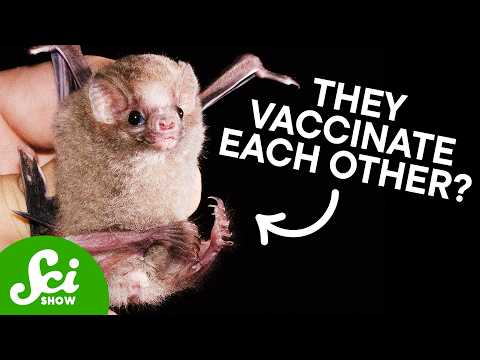 8:11
8:11
Why Humans Only Need To Vaccinate A Few Bats
"Washing your hands is a good way to prevent the spread of disease."
 8:05
8:05
Is This The Biggest Mistake Science Ever Made?
"The disease is important."
![K-2SO's Hallway Scene [4K HDR] - Star Wars: Andor](https://sublearn.com/storage/thumbnails/Z28he3vNOfA.jpg) 1:53
1:53
K-2SO's Hallway Scene [4K HDR] - Star Wars: Andor
"Washing your hands is a good way to prevent the spread of disease."
این کلمه در زبانهای دیگر
واژههای بیشتر Health
fatal
B2کشنده یا مرگبار (یک تصادف مرگبار). منجر به شکست اجتنابناپذیر یا فاجعه (یک اشتباه مهلک).
intravenous
B2تزریق وریدی سریعترین راه برای رساندن دارو به جریان خون است.
beneficial
B2ورزش منظم برای سلامت جسمی و روانی مفید است.
epithelial
C1بافت پوششی سطوح خارجی و داخلی بدن را میپوشاند.
gym
A1باشگاه ورزشی مکانی برای تمرینات بدنی است. من برای ورزش به باشگاه می روم.
disability
B1ناتوانی یک وضعیت جسمی یا ذهنی است که حرکات، حواس یا فعالیتهای فرد را محدود میکند. همچنین به موانع اجتماعی و محیطی اشاره دارد که مانع از مشارکت کامل در جامعه میشود.
salmonella
B1سالمونلا نوعی باکتری است که باعث مسمومیت غذایی میشود و معمولاً در گوشت خام و تخممرغ یافت میشود.
cdc
B1مرکز کنترل و پیشگیری از بیماری (<mark class='bg-emerald-200 dark:bg-emerald-800 px-0.5 rounded'>cdc</mark>) آژانس ملی بهداشت عمومی ایالات متحده است.
acute
B2حاد یا شدید (مشکل)؛ تیز یا حساس (حواس/ذهن).
medications
B2داروها (medications) موادی هستند که برای درمان یا پیشگیری از بیماریها استفاده میشوند. 'او برای کنترل فشار خون خود دارو مصرف میکند.'

