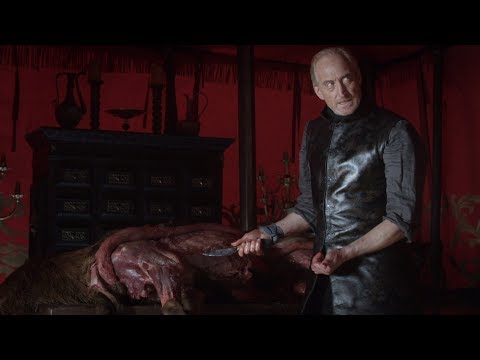
joffrey در ۳۰ ثانیه
- A proper noun of French origin, now synonymous with a spoiled, cruel, and entitled young ruler.
- Commonly used in pop culture to describe someone who lacks empathy and acts like a petulant tyrant.
- Derived from the character Joffrey Baratheon in the 'Game of Thrones' series.
- An eponym for unearned authority and immature malice in modern English discourse.
The name 'Joffrey' is a proper noun that has historically existed as a variant of the name Geoffrey or Jeffrey. However, in the modern era, its usage has been profoundly reshaped by the global success of George R.R. Martin's 'A Song of Ice and Fire' and its television adaptation, 'Game of Thrones'. When people use the word 'Joffrey' today, they are rarely referring to the historical French roots of the name. Instead, they are almost universally referencing the character Joffrey Baratheon. This character is the epitome of a 'spoiled brat' who is granted absolute power. Consequently, the name has transitioned from a simple identifier into a powerful cultural archetype. It is used to describe individuals who exhibit extreme petulance, unearned arrogance, and a lack of empathy, particularly when those individuals are in positions of authority or privilege. In a social context, calling someone a 'Joffrey' is a sharp insult, suggesting that the person is not only immature but also dangerously entitled. The word is used in casual conversations about media, in political commentary to describe perceived nepotism, and in psychological discussions regarding the 'dark triad' of personality traits as personified in fiction. To understand 'Joffrey' is to understand the modern shorthand for a specific type of villainy: one that is born of weakness and vanity rather than a grand, calculated plan. It is the villainy of a child with a magnifying glass over an ant hill, but the ants are human beings. This usage is common among English speakers who are familiar with contemporary pop culture, particularly those in the millennial and Gen Z demographics who witnessed the 'Game of Thrones' phenomenon in real-time. The name carries a heavy weight of negative connotation, often evoking an immediate visceral reaction of dislike or 'cringe' from the listener.
- Archetype
- The Petulant Tyrant: A ruler who lacks the wisdom or temperament for leadership, acting instead on impulse and cruelty.
Stop acting like such a joffrey and share your toys with the other children.
- Connotation
- Highly negative; implies a combination of cowardice, cruelty, and unearned status.
The new CEO is a total joffrey; he fired the assistant just for bringing the wrong coffee.
- Historical Context
- Derived from the Old French 'Geoffroi', meaning 'peace of God', which is ironic given the modern character's violent nature.
He has the joffrey complex: he thinks he is a king but acts like a toddler.
No one likes a joffrey in the workplace; collaboration is key to success.
The internet erupted when the joffrey character finally met his end in the series.
Using 'Joffrey' in a sentence requires an understanding of its role as an eponym—a name that has become synonymous with a specific trait. When you use it, you are making a comparison. You can use it as a direct noun ('He is a Joffrey'), an adjective-like modifier ('His Joffrey-esque behavior'), or in a comparative phrase ('He's acting like Joffrey'). The key is to ensure the context involves power dynamics and maturity. It is most effective when describing someone who has authority they did not earn or do not deserve. For example, in a corporate setting, a junior manager who treats veterans with disrespect might be called a Joffrey. In a family setting, a child who dictates the household's schedule through tantrums might be jokingly referred to as a Joffrey. It is important to remember that this is a high-intensity comparison. Because the character Joffrey Baratheon is one of the most hated figures in television history, using this name implies a deep level of disdain. It is not a lighthearted 'tease' like calling someone a 'Scrooge' for being stingy. It carries a sharper edge of malice and incompetence. Therefore, use it when you want to emphasize that someone's behavior is not just annoying, but fundamentally unjust and cruel. In writing, you might see it used in film reviews to describe a performance ('The antagonist was played with a chilling Joffrey-like intensity') or in political op-eds to criticize a leader's temperament. The word functions best when the audience is likely to share the cultural reference point. If the person you are speaking to has never seen or heard of 'Game of Thrones', the impact of the word will be lost, and they may simply think you are using an old-fashioned French name incorrectly.
- Noun Usage
- Identifying a person as the embodiment of the character's traits.
Don't be such a joffrey; listen to what the experts have to say.
- Adjectival Usage
- Describing actions or attitudes that mimic the character.
His joffrey-esque tantrum at the meeting left everyone in stunned silence.
The spoiled heir acted like a joffrey the moment he inherited the company.
- Comparative Usage
- Directly comparing a person's behavior to the character's famous scenes.
Watching him order people around was like watching joffrey on the Iron Throne.
The critics described the villain in the new movie as a 'sci-fi joffrey'.
Every time he loses a video game, he has a total joffrey meltdown.
You will encounter the word 'Joffrey' in several specific environments. The most common is within online communities dedicated to television, film, and literature. On platforms like Reddit, Twitter (X), and YouTube, 'Joffrey' is a standard unit of measurement for how much an audience hates a character. You might hear a reviewer say, 'This character is the new Joffrey,' meaning they are designed to be loathed. Beyond the screen, the word has leaked into political discourse. Journalists and commentators often use it as a shorthand to describe young, entitled politicians or the children of powerful figures who seem to lack merit. It appears in headlines and social media posts to evoke a specific image of a 'boy king' who is out of his depth. In academic circles, particularly in media studies or psychology, 'Joffrey' might be used to discuss the 'Dark Triad' (narcissism, Machiavellianism, and psychopathy) in fictional representations. You will also hear it in casual social settings among friends who are fans of fantasy fiction. It has become a part of the 'geek culture' lexicon, used to bond over shared experiences of watching the show. Interestingly, you might also hear it in discussions about acting. Jack Gleeson, the actor who played Joffrey, is often praised for his ability to make a character so universally despised, so 'Joffrey' is sometimes used as a compliment to an actor's ability to play a villain. However, in most everyday contexts, it remains a derogatory term. You won't hear it in formal business meetings or legal proceedings unless someone is making a very specific cultural analogy. It is a word of the 'digital age', thriving in memes, gifs, and viral commentary. If you are in a bookstore, you might hear it in the fantasy section; if you are at a comic convention, you will hear it everywhere. It is a word that bridges the gap between a specific story and a universal human experience of dealing with an arrogant, powerful, and immature person.
- Social Media
- Used in memes and hashtags to mock entitled behavior.
The internet is calling the senator's son a joffrey after his latest scandal.
- Film Criticism
- A benchmark for evaluating how effectively a villain is written.
The critic noted that the villain lacked the visceral impact of a joffrey.
He’s got that joffrey smirk that makes you want to change the channel.
- Gaming Communities
- Used to describe 'toxic' players who act like they own the server.
The guild leader turned out to be a total joffrey, kicking people for no reason.
Is there any character in history more punchable than joffrey?
One of the most common mistakes when using 'Joffrey' is misspelling it as 'Jeffrey' or 'Geoffrey'. While these are the standard versions of the name, the specific cultural reference to the character requires the 'Jo-' spelling. Using the wrong spelling can weaken the impact of the insult or comparison, as it might appear you are simply talking about a person named Jeff. Another mistake is overusing the term. Because it is such a specific and intense reference, using it for every minor instance of selfishness can make the speaker seem hyperbolic. It should be reserved for cases that truly mirror the character's combination of power and petulance. A third mistake is failing to account for the audience's cultural knowledge. If you use 'Joffrey' as an insult to someone who hasn't seen 'Game of Thrones', they will likely be confused rather than offended. It is also a mistake to use it in a formal or professional setting. Calling a colleague a 'Joffrey' in an email could be seen as unprofessional and potentially a violation of workplace conduct, as it is a highly loaded and derogatory term. Furthermore, some people mistakenly think 'Joffrey' is a synonym for 'strong leader' or 'strict ruler'. This is a grave misunderstanding of the character; Joffrey is defined by his weakness and his inability to lead effectively. He is a 'paper tiger' who hides behind his guards. Therefore, using the name to describe a tough but fair boss would be incorrect. Finally, avoid using it as a verb (e.g., 'He joffreyed the situation'). While English is flexible, 'Joffrey' hasn't quite reached the level of a common verb like 'googled'. It remains primarily a noun or an adjective-modifier. Keeping these nuances in mind will ensure that when you do use the word, it lands with the intended precision and cultural weight.
- Spelling Error
- Confusing 'Joffrey' with 'Jeffrey' or 'Geoffrey'.
Incorrect: He is such a jeffrey. (Unless his name is actually Jeffrey).
- Contextual Mismatch
- Using the term for someone who is just strict, rather than cruel and entitled.
Don't call the coach a joffrey just because he makes you run laps; he's just doing his job.
Correct: That politician's son is a real Joffrey.
Misunderstanding: He thinks being a joffrey means he is powerful, but it actually means he is weak.
Mistake: Using the name for a protagonist you simply don't like.
If you want to describe someone who acts like a Joffrey but want to use different language, there are several alternatives depending on the specific trait you wish to highlight. For the 'spoiled child' aspect, 'brat' or 'entitled youth' works well. If you want to emphasize the misuse of power, 'tyrant', 'despot', or 'dictator' are more formal and traditional choices. 'Narcissist' is a psychological term that captures the self-centered nature of the character. If you are looking for other fictional archetypes, you might use 'Draco Malfoy' (from Harry Potter) to describe someone who is a privileged bully but perhaps slightly less murderous than Joffrey. 'Caligula' is a historical comparison that evokes a similar image of a mad, young emperor. In modern slang, 'Karen' is sometimes used for entitled behavior, though it usually refers to a different demographic and set of actions. 'Man-child' is another informal term that captures the lack of maturity. When comparing these, 'Joffrey' is unique because it combines extreme youth, extreme power, and extreme malice. A 'tyrant' might be a competent but evil adult; a 'brat' might be an annoying but powerless child. A 'Joffrey' is the dangerous intersection of both. Choosing the right word depends on the level of formality and the specific 'flavor' of the behavior you are witnessing. If the person is truly dangerous and cruel, 'tyrant' is better. If they are just annoying and privileged, 'brat' is safer. Use 'Joffrey' when you want to evoke the specific imagery of a crown on the head of a monster.
- Brat
- Focuses on the immaturity and lack of discipline.
- Tyrant
- Focuses on the oppressive and cruel use of power.
- Narcissist
- Focuses on the lack of empathy and obsession with self.
While he isn't a joffrey, he is certainly a bit of a brat when things don't go his way.
The CEO's son is more of a draco malfoy—sneaky but not quite as cruel as a Joffrey.
History remembers him as a caligula, but modern audiences would just call him a Joffrey.
چقدر رسمی است؟
نکته جالب
Ironically, the name means 'peace', but the most famous Joffrey in history is known for starting wars and causing chaos. This contrast adds to the character's impact.
راهنمای تلفظ
- Pronouncing it as 'Jeffrey'
- Putting the stress on the second syllable
- Mumbling the 'f' sound
- Pronouncing the 'J' as a 'Y'
- Confusing it with 'Geoffrey'
سطح دشواری
Easy to read but requires cultural context to fully understand the meaning.
Spelling is tricky and using it correctly as a metaphor requires nuance.
Pronunciation is straightforward once you know it's not 'Jeffrey'.
Easily confused with 'Jeffrey' or 'Geoffrey' in fast speech.
بعداً چه یاد بگیریم؟
پیشنیازها
بعداً یاد بگیرید
پیشرفته
گرامر لازم
Proper Nouns as Common Nouns
He is *a* Joffrey. (Using 'a' makes the name a category of person).
Hyphenated Adjectives
A Joffrey-like attitude. (Using a hyphen to connect a name to a suffix).
Possessive Proper Nouns
Joffrey's crown was gold. (Adding 's to show ownership).
Capitalization of Names
Joffrey is always capitalized. (Names are proper nouns).
Similes with 'Like'
He acts like Joffrey. (Using 'like' to compare behavior).
مثالها بر اساس سطح
Joffrey is a king in a story.
Joffrey est un roi dans une histoire.
Proper noun, capitalize the first letter.
He is a Joffrey because he is mean.
Il est un Joffrey parce qu'il est méchant.
Used as a common noun here.
I do not like Joffrey.
Je n'aime pas Joffrey.
Direct object of the verb 'like'.
Is Joffrey a good boy?
Est-ce que Joffrey est un bon garçon ?
Interrogative sentence structure.
Joffrey has a big crown.
Joffrey a une grande couronne.
Subject-verb-object structure.
The boy acts like Joffrey.
Le garçon agit comme Joffrey.
Using 'like' for comparison.
Joffrey is from a TV show.
Joffrey vient d'une émission de télévision.
Prepositional phrase 'from a TV show'.
Don't be a Joffrey!
Ne sois pas un Joffrey !
Imperative mood.
Joffrey Baratheon is a very famous character.
Joffrey Baratheon est un personnage très célèbre.
Full name used as a proper noun.
People call him a Joffrey because he is spoiled.
Les gens l'appellent un Joffrey parce qu'il est gâté.
Using 'because' to explain a reason.
He acts like a Joffrey when he loses a game.
Il agit comme un Joffrey quand il perd un jeu.
Adverbial clause of time 'when he loses'.
My brother is being a little Joffrey today.
Mon frère se comporte comme un petit Joffrey aujourd'hui.
Present continuous for temporary behavior.
The name Joffrey is not very common now.
Le nom Joffrey n'est pas très courant maintenant.
Negative sentence with 'not'.
Did you see Joffrey in the movie?
As-tu vu Joffrey dans le film ?
Past simple question.
He is a Joffrey-like person.
C'est une personne de type Joffrey.
Using a hyphen to create an adjective.
Everyone hates the character Joffrey.
Tout le monde déteste le personnage Joffrey.
Subject 'everyone' takes a singular verb.
The protagonist's rival is a total Joffrey.
Le rival du protagoniste est un Joffrey total.
Using 'total' as an intensifier.
Stop behaving like a Joffrey and start helping us.
Arrête de te comporter comme un Joffrey et commence à nous aider.
Parallel structure with 'stop' and 'start'.
The critics described the young prince as a Joffrey archetype.
Les critiques ont décrit le jeune prince comme un archétype de Joffrey.
Noun used as a modifier for 'archetype'.
He has the unearned confidence of a Joffrey.
Il a la confiance non méritée d'un Joffrey.
Genitive construction 'of a Joffrey'.
I wouldn't want to work for a Joffrey like him.
Je ne voudrais pas travailler pour un Joffrey comme lui.
Conditional mood 'wouldn't want'.
The character's Joffrey-esque traits made him very unpopular.
Les traits à la Joffrey du personnage l'ont rendu très impopulaire.
Suffix '-esque' added to a proper noun.
Is he a real villain or just a Joffrey?
Est-ce un vrai méchant ou juste un Joffrey ?
Contrastive question.
The show needed a Joffrey to make the hero look better.
La série avait besoin d'un Joffrey pour mettre le héros en valeur.
Infinitive of purpose 'to make'.
The CEO's son is often compared to Joffrey due to his entitlement.
Le fils du PDG est souvent comparé à Joffrey en raison de son sentiment d'impunité.
Passive voice 'is compared to'.
His Joffrey-like petulance is exhausting for the entire team.
Sa pétulance à la Joffrey est épuisante pour toute l'équipe.
Possessive adjective 'his' modifying the noun phrase.
The writer intentionally created a Joffrey figure to represent corruption.
L'écrivain a intentionnellement créé une figure de Joffrey pour représenter la corruption.
Adverb 'intentionally' modifying the verb.
He lacks the charisma of a leader, acting more like a Joffrey.
Il manque de charisme pour être un leader, agissant plus comme un Joffrey.
Participle phrase 'acting more like'.
The audience's reaction to Joffrey was a testament to the actor's skill.
La réaction du public envers Joffrey était un témoignage du talent de l'acteur.
Noun phrase 'testament to'.
The term 'Joffrey' has become a shorthand for a spoiled tyrant.
Le terme 'Joffrey' est devenu un raccourci pour un tyran gâté.
Present perfect 'has become'.
Don't let your inner Joffrey take over when you're stressed.
Ne laisse pas ton Joffrey intérieur prendre le dessus quand tu es stressé.
Metaphorical use of 'inner'.
The plot reached a turning point with Joffrey's sudden demise.
L'intrigue a atteint un tournant avec la disparition soudaine de Joffrey.
Possessive form 'Joffrey's'.
The political commentator likened the young heir to Joffrey, citing his erratic behavior.
Le commentateur politique a comparé le jeune héritier à Joffrey, citant son comportement erratique.
Verb 'likened' used for formal comparison.
The character embodies the Joffrey archetype of the fragile yet dangerous despot.
Le personnage incarne l'archétype de Joffrey du despote fragile mais dangereux.
Appositive phrase 'of the fragile yet dangerous despot'.
Critics argue that the villain is a mere Joffrey clone, lacking original depth.
Les critiques soutiennent que le méchant n'est qu'un clone de Joffrey, manquant de profondeur originale.
Noun used as an attributive modifier.
His leadership style is characterized by a Joffrey-esque lack of empathy.
Son style de leadership est caractérisé par un manque d'empathie à la Joffrey.
Passive construction with 'characterized by'.
The transition from a beloved child to a Joffrey-like figure was chilling.
La transition d'un enfant aimé à une figure de type Joffrey était glaçante.
Noun phrase as the subject.
To call him a Joffrey is to acknowledge his fundamental incompetence.
L'appeler un Joffrey, c'est reconnaître son incompétence fondamentale.
Infinitive phrase as subject and complement.
The narrative utilizes Joffrey as a catalyst for the protagonist's growth.
Le récit utilise Joffrey comme catalyseur pour la croissance du protagoniste.
Formal verb 'utilizes'.
The sheer Joffrey-ness of his demands made negotiation impossible.
La pure 'Joffrey-ité' de ses demandes a rendu toute négociation impossible.
Neologism created with the suffix '-ness'.
The discourse surrounding the character often delves into the 'Joffrey effect' on audience engagement.
Le discours entourant le personnage approfondit souvent 'l'effet Joffrey' sur l'engagement du public.
Complex prepositional phrase 'surrounding the character'.
He wields his influence with the petulance of a Joffrey, oblivious to the long-term consequences.
Il exerce son influence avec la pétulance d'un Joffrey, inconscient des conséquences à long terme.
Adjective 'oblivious' modifying the subject.
The author's subversion of the 'noble prince' trope is most evident in the creation of Joffrey.
La subversion par l'auteur du trope du 'noble prince' est plus évidente dans la création de Joffrey.
Superlative 'most evident'.
The term has been co-opted by sociologists to describe the volatility of unearned status.
Le terme a été coopté par les sociologues pour décrire la volatilité du statut non mérité.
Passive voice 'has been co-opted'.
His Joffrey-esque tendencies were masked by a veneer of courtly manners.
Ses tendances à la Joffrey étaient masquées par un vernis de manières courtoises.
Plural subject 'tendencies' with plural verb 'were'.
The character serves as a visceral manifestation of the 'spoiled brat' taken to its logical, violent extreme.
Le personnage sert de manifestation viscérale du 'sale gosse' poussé à son extrême logique et violent.
Complex noun phrase 'visceral manifestation of'.
In the pantheon of literary villains, Joffrey occupies a unique niche of pure, unadulterated malice.
Dans le panthéon des méchants littéraires, Joffrey occupe une niche unique de malice pure et pure.
Prepositional phrase 'In the pantheon of'.
The linguistic shift of 'Joffrey' from name to archetype illustrates the power of modern mythology.
Le glissement linguistique de 'Joffrey' de nom à archétype illustre le pouvoir de la mythologie moderne.
Subject-verb agreement with 'shift' and 'illustrates'.
ترکیبهای رایج
عبارات رایج
— To act in a spoiled or entitled manner suddenly.
He's pulling a Joffrey because he didn't get the promotion.
— The person in a group who is the most spoiled or mean.
Every friend group has a Joffrey, unfortunately.
— A young person who is starting to show signs of extreme entitlement.
That kid is a Joffrey in the making.
— Going to the extreme of spoiled or cruel behavior.
He went full Joffrey when the waiter got his order wrong.
— Giving off an aura of arrogance and cruelty.
That new guy gives me major Joffrey vibes.
— Being treated with unearned cruelty by someone in power.
I got the Joffrey treatment from the manager today.
— Being even worse than the character Joffrey.
His behavior was beyond Joffrey; it was actually illegal.
— A reference to a dangerous or poisoned situation (from the show).
Watch out, that deal looks like Joffrey's cup.
— A situation that starts well but ends in disaster.
The product launch turned into Joffrey's wedding.
— Used to say someone isn't as bad as the character.
He's mean, but he's not even Joffrey.
اغلب اشتباه گرفته میشود با
The most common spelling of the name, usually neutral.
The traditional British spelling, often associated with Geoffrey Chaucer.
An incorrect spelling often seen in social media comments.
اصطلاحات و عبارات
— To believe one is a king or superior while acting like a child.
He has a Joffrey complex; he thinks he's the boss of everyone.
Informal— Giving power to someone who is fundamentally unfit for it.
Promoting him was like putting a crown on a Joffrey.
Metaphorical— Cruel, arbitrary, or unfair punishment.
The teacher handed out Joffrey's justice today.
Sarcastic— To have a very arrogant and punchable facial expression.
He just stood there smirking like Joffrey.
Descriptive— The ultimate level of being hated by an audience.
He has reached the Joffrey standard of villainy.
Critical— To be treated poorly by a spoiled person in power.
I felt totally Joffreyed by that intern.
Slang— An explosive outburst of anger from a place of privilege.
She threw a Joffrey tantrum when the store was closed.
Informal— The negative influence of a spoiled leader.
The whole department lives in Joffrey's shadow.
Literary— To act entitled to get what you want.
He played the Joffrey card to get a front-row seat.
Informal— A satisfying end for a hated person.
The movie had a real Joffrey ending for the bad guy.
Pop Cultureبهراحتی اشتباه گرفته میشود
Phonetically identical or very similar.
Jeffrey is a standard name; Joffrey is a specific cultural reference to a villain.
My friend Jeffrey is nice, but that king Joffrey is terrible.
Same name origin.
Geoffrey is historical/traditional; Joffrey is modern/fictional.
Geoffrey Chaucer wrote poems; Joffrey Baratheon caused wars.
Both describe spoiled behavior.
A brat is just annoying; a Joffrey has power and is cruel.
The child is a brat, but the dictator is a Joffrey.
Both describe cruel rulers.
A tyrant can be an adult; a Joffrey is specifically petulant and immature.
Stalin was a tyrant, but the spoiled prince was a Joffrey.
Both involve self-obsession.
Narcissist is a clinical term; Joffrey is a pop-culture archetype.
He was diagnosed as a narcissist, but his friends just called him a Joffrey.
الگوهای جملهسازی
Joffrey is [adjective].
Joffrey is mean.
He acts like [name].
He acts like Joffrey.
Don't be such a [name].
Don't be such a Joffrey.
His [noun] is very [name]-like.
His attitude is very Joffrey-like.
The [noun] embodies the [name] archetype.
The villain embodies the Joffrey archetype.
The linguistic evolution of [name]...
The linguistic evolution of Joffrey from name to insult is fascinating.
I've never met a bigger [name].
I've never met a bigger Joffrey.
It was a total [name] move.
It was a total Joffrey move.
خانواده کلمه
اسمها
فعلها
صفتها
مرتبط
نحوه استفاده
High in pop culture, Low in formal writing.
-
Spelling it 'Jeffrey'.
→
Joffrey
Jeffrey is a common name; Joffrey is the specific character spelling.
-
Using it for a hero.
→
Using it for a villain.
Joffrey is never a hero; he is always the antagonist.
-
Lowercasing the 'j'.
→
Joffrey
Proper nouns must always be capitalized.
-
Thinking it means 'brave'.
→
Knowing it means 'cruel/spoiled'.
There is nothing brave about the character Joffrey.
-
Using it in a legal document.
→
Using 'tyrant' or 'despot'.
'Joffrey' is too informal and pop-culture focused for legal or formal contexts.
نکات
Know Your Audience
Only use 'Joffrey' as an insult if you are sure the other person knows the 'Game of Thrones' reference. Otherwise, the insult will not make sense.
The 'O' Matters
Remember the 'O' in Joffrey. If you use an 'E', people will think you are talking about a regular guy named Jeff.
Intensity
Calling someone a Joffrey is a very strong insult. It's not just saying they are mean; it's saying they are a monster.
Always Capitalize
Since it is a proper noun derived from a specific character, always capitalize the 'J'.
Modern Archetype
Think of Joffrey as the modern version of a 'spoiled prince' from old fairy tales.
Appreciate the Performance
If you are discussing the show, remember to distinguish between the character (hated) and the actor (talented).
Metaphorical Use
In creative writing, use 'Joffrey' to quickly establish a character's negative traits through comparison.
Related Terms
Learn 'petulant' and 'entitled' alongside Joffrey, as they are the best words to describe him.
Meme Culture
Look up 'Joffrey memes' to see how the word is used visually on the internet.
Irony
Use the irony of the name's meaning ('peace') to add depth to your understanding of the character.
حفظ کنید
روش یادسپاری
Think of 'Joffrey' as a 'Joy-free' person. He brings no joy to anyone because he is so mean.
تداعی تصویری
Imagine a small child wearing a crown that is too big for him, holding a crossbow and scowling.
شبکه واژگان
چالش
Try to use 'Joffrey' in a sentence to describe a fictional character from a different book or movie.
ریشه کلمه
The name Joffrey is a variant of the French name Geoffroi. It entered the English language following the Norman Conquest. It is composed of Germanic elements: 'god' (god) or 'gaut' (a Goth) and 'frid' (peace).
معنای اصلی: Peace of God or Territory of Peace.
Indo-European > Germanic > Old French > Middle English.بافت فرهنگی
Be careful using this as a direct insult; it is very strong and can be seen as highly aggressive.
Highly recognized in the US, UK, Canada, and Australia due to the show's massive popularity.
تمرین در زندگی واقعی
موقعیتهای واقعی
Watching a TV Show
- I hate Joffrey.
- He's such a villain.
- Great acting.
- Is he dead yet?
Discussing a Boss
- He's a total Joffrey.
- He has no empathy.
- He's so entitled.
- I want to quit.
Book Club
- The Joffrey archetype.
- Character development.
- The author's intent.
- Symbolism of the crown.
Online Memes
- Joffrey face.
- Purple wedding.
- Spoiled king.
- Internet's most hated.
Parenting
- Don't raise a Joffrey.
- He's having a Joffrey moment.
- Spoiled child.
- Needs discipline.
شروعکنندههای مکالمه
"Who do you think is a bigger villain than Joffrey?"
"Have you ever met someone in real life who acts like a Joffrey?"
"Why do you think people love to hate the character Joffrey so much?"
"Do you think the name Joffrey will ever be popular for babies again?"
"How would you handle a boss who behaves like a Joffrey?"
موضوعات نگارش
Describe a time you saw someone act like a Joffrey. How did you react?
Why is Joffrey a better example of a 'spoiled brat' than other fictional characters?
Write a short story about a Joffrey who finally learns a lesson in humility.
Compare the historical meaning of the name Joffrey (peace) with its modern cultural meaning.
If you were a king, how would you make sure you didn't turn into a Joffrey?
سوالات متداول
10 سوالYes, Joffrey is a real name of French origin, though it is much less common than Jeffrey or Geoffrey. Its popularity has declined significantly due to the negative associations with the 'Game of Thrones' character.
People hate Joffrey because he represents the worst traits of a human: cruelty, cowardice, and extreme entitlement, all while having the power to hurt innocent people without consequences.
You can, but it is not recommended in English-speaking countries right now. Most people will immediately associate the name with the villainous character, which might be difficult for the child.
Joffrey is strictly a villain. He has no 'redemption arc' and is designed by the author to be the primary antagonist for the early part of the story.
It is spelled J-O-F-F-R-E-Y. Other versions like Jeffrey or Geoffrey are different names, even if they sound the same.
The name traditionally means 'peace of God' or 'territory of peace', which is highly ironic given the character's violent nature.
George R.R. Martin has stated that Joffrey is partly inspired by Edward of Westminster, a prince during the Wars of the Roses who was also known for his cruelty.
The 'Purple Wedding' is the fan-given name for the wedding of Joffrey Baratheon, where he famously dies after being poisoned. It is one of the most famous scenes in the series.
Joffrey was played by the Irish actor Jack Gleeson, who received widespread praise for his performance before retiring from acting for several years.
Yes, you can add '-esque' or '-like' to make it an adjective, such as 'Joffrey-esque behavior'.
خودت رو بسنج 190 سوال
Write a sentence using 'Joffrey' to describe a spoiled person.
خوب نوشتید! تلاش خوبی بود! پاسخ نمونه را ببینید.
Explain why Joffrey is considered a 'petulant tyrant'.
خوب نوشتید! تلاش خوبی بود! پاسخ نمونه را ببینید.
Compare Joffrey to another villain you know.
خوب نوشتید! تلاش خوبی بود! پاسخ نمونه را ببینید.
Describe a 'Joffrey moment' you have witnessed.
خوب نوشتید! تلاش خوبی بود! پاسخ نمونه را ببینید.
Write a short dialogue between two friends discussing Joffrey.
خوب نوشتید! تلاش خوبی بود! پاسخ نمونه را ببینید.
How has the name Joffrey changed in meaning?
خوب نوشتید! تلاش خوبی بود! پاسخ نمونه را ببینید.
Write a formal critique of the Joffrey archetype.
خوب نوشتید! تلاش خوبی بود! پاسخ نمونه را ببینید.
Create a mnemonic to remember the spelling of Joffrey.
خوب نوشتید! تلاش خوبی بود! پاسخ نمونه را ببینید.
Describe Joffrey's personality in three words.
خوب نوشتید! تلاش خوبی بود! پاسخ نمونه را ببینید.
Why is Jack Gleeson's acting praised?
خوب نوشتید! تلاش خوبی بود! پاسخ نمونه را ببینید.
What does 'unearned privilege' mean in the context of Joffrey?
خوب نوشتید! تلاش خوبی بود! پاسخ نمونه را ببینید.
Write a sentence using 'Joffrey-esque'.
خوب نوشتید! تلاش خوبی بود! پاسخ نمونه را ببینید.
Is Joffrey a complex character? Why or why not?
خوب نوشتید! تلاش خوبی بود! پاسخ نمونه را ببینید.
What would you do if you were Joffrey's advisor?
خوب نوشتید! تلاش خوبی بود! پاسخ نمونه را ببینید.
Write a headline about a 'real-life Joffrey'.
خوب نوشتید! تلاش خوبی بود! پاسخ نمونه را ببینید.
Explain the irony of the name Joffrey.
خوب نوشتید! تلاش خوبی بود! پاسخ نمونه را ببینید.
How does Joffrey affect the other characters in the story?
خوب نوشتید! تلاش خوبی بود! پاسخ نمونه را ببینید.
What is the significance of the 'Purple Wedding'?
خوب نوشتید! تلاش خوبی بود! پاسخ نمونه را ببینید.
Describe Joffrey's physical appearance in the show.
خوب نوشتید! تلاش خوبی بود! پاسخ نمونه را ببینید.
Why is 'Joffrey' a better insult than 'brat'?
خوب نوشتید! تلاش خوبی بود! پاسخ نمونه را ببینید.
Pronounce 'Joffrey' correctly.
این را بلند بخوانید:
تو گفتی:
تشخیص گفتار در مرورگر شما پشتیبانی نمیشود. از کروم یا اج استفاده کنید.
Describe Joffrey's character to a friend.
این را بلند بخوانید:
تو گفتی:
تشخیص گفتار در مرورگر شما پشتیبانی نمیشود. از کروم یا اج استفاده کنید.
Use 'Joffrey' in a sentence about a bad boss.
این را بلند بخوانید:
تو گفتی:
تشخیص گفتار در مرورگر شما پشتیبانی نمیشود. از کروم یا اج استفاده کنید.
Explain the difference between Joffrey and a regular brat.
این را بلند بخوانید:
تو گفتی:
تشخیص گفتار در مرورگر شما پشتیبانی نمیشود. از کروم یا اج استفاده کنید.
Talk about why the name Joffrey is ironic.
این را بلند بخوانید:
تو گفتی:
تشخیص گفتار در مرورگر شما پشتیبانی نمیشود. از کروم یا اج استفاده کنید.
Discuss the impact of Jack Gleeson's acting.
این را بلند بخوانید:
تو گفتی:
تشخیص گفتار در مرورگر شما پشتیبانی نمیشود. از کروم یا اج استفاده کنید.
How would you describe a 'Joffrey-esque' smirk?
این را بلند بخوانید:
تو گفتی:
تشخیص گفتار در مرورگر شما پشتیبانی نمیشود. از کروم یا اج استفاده کنید.
Why is Joffrey a good villain?
این را بلند بخوانید:
تو گفتی:
تشخیص گفتار در مرورگر شما پشتیبانی نمیشود. از کروم یا اج استفاده کنید.
What is the 'Purple Wedding' and why is it famous?
این را بلند بخوانید:
تو گفتی:
تشخیص گفتار در مرورگر شما پشتیبانی نمیشود. از کروم یا اج استفاده کنید.
Would you ever name a pet Joffrey? Why?
این را بلند بخوانید:
تو گفتی:
تشخیص گفتار در مرورگر شما پشتیبانی نمیشود. از کروم یا اج استفاده کنید.
Compare Joffrey to a historical tyrant.
این را بلند بخوانید:
تو گفتی:
تشخیص گفتار در مرورگر شما پشتیبانی نمیشود. از کروم یا اج استفاده کنید.
What does 'unearned authority' mean to you?
این را بلند بخوانید:
تو گفتی:
تشخیص گفتار در مرورگر شما پشتیبانی نمیشود. از کروم یا اج استفاده کنید.
How do you think Joffrey's story should have ended?
این را بلند بخوانید:
تو گفتی:
تشخیص گفتار در مرورگر شما پشتیبانی نمیشود. از کروم یا اج استفاده کنید.
Is there any character you hate more than Joffrey?
این را بلند بخوانید:
تو گفتی:
تشخیص گفتار در مرورگر شما پشتیبانی نمیشود. از کروم یا اج استفاده کنید.
What is the 'Joffrey effect' on an audience?
این را بلند بخوانید:
تو گفتی:
تشخیص گفتار در مرورگر شما پشتیبانی نمیشود. از کروم یا اج استفاده کنید.
How do you spell Joffrey? Say it out loud.
این را بلند بخوانید:
تو گفتی:
تشخیص گفتار در مرورگر شما پشتیبانی نمیشود. از کروم یا اج استفاده کنید.
Use 'Joffrey' as a metaphor in a sentence.
این را بلند بخوانید:
تو گفتی:
تشخیص گفتار در مرورگر شما پشتیبانی نمیشود. از کروم یا اج استفاده کنید.
Why is the name Joffrey not common anymore?
این را بلند بخوانید:
تو گفتی:
تشخیص گفتار در مرورگر شما پشتیبانی نمیشود. از کروم یا اج استفاده کنید.
What is a 'Joffrey tantrum'?
این را بلند بخوانید:
تو گفتی:
تشخیص گفتار در مرورگر شما پشتیبانی نمیشود. از کروم یا اج استفاده کنید.
Describe Joffrey's crown.
این را بلند بخوانید:
تو گفتی:
تشخیص گفتار در مرورگر شما پشتیبانی نمیشود. از کروم یا اج استفاده کنید.
Listen to the name: Is it Joffrey or Jeffrey?
Listen to the sentence: 'He is a total Joffrey.' What is the tone?
Listen for the number of syllables in 'Joffrey'.
Listen to the description: 'Spoiled, mean, king.' Who is it?
Listen for the stress: Is it on the first or second syllable?
Listen to the phrase: 'Joffrey-esque'. What does it mean?
Listen to the speaker: Are they happy or angry about Joffrey?
Listen for the word 'petulant'. Does it describe Joffrey?
Listen to the name of the wedding: Is it the Red or Purple wedding?
Listen to the origin: Is it French or German?
Listen for the 'f' sound in Joffrey.
Listen to the sentence: 'Don't be a Joffrey.' Is this a command?
Listen for the irony: Why is the name funny?
Listen to the actor's name: Jack Gleeson.
Listen for the word 'eponym'.
/ 190 درست
نمره کامل!
Summary
The word 'Joffrey' has evolved from a simple name into a powerful cultural insult. It describes a specific type of person: someone who is mean, entitled, and immature, especially when they have power. Example: 'The spoiled heir was a total Joffrey.'
- A proper noun of French origin, now synonymous with a spoiled, cruel, and entitled young ruler.
- Commonly used in pop culture to describe someone who lacks empathy and acts like a petulant tyrant.
- Derived from the character Joffrey Baratheon in the 'Game of Thrones' series.
- An eponym for unearned authority and immature malice in modern English discourse.
Know Your Audience
Only use 'Joffrey' as an insult if you are sure the other person knows the 'Game of Thrones' reference. Otherwise, the insult will not make sense.
The 'O' Matters
Remember the 'O' in Joffrey. If you use an 'E', people will think you are talking about a regular guy named Jeff.
Intensity
Calling someone a Joffrey is a very strong insult. It's not just saying they are mean; it's saying they are a monster.
Always Capitalize
Since it is a proper noun derived from a specific character, always capitalize the 'J'.