nana در ۳۰ ثانیه
- An informal and affectionate name for a grandmother, used globally.
- A British and Australian slang term for a silly or foolish person.
- Often capitalized as 'Nana' when used as a direct name or proper noun.
- Commonly used in compound phrases like 'nana-nap' for a short rest.
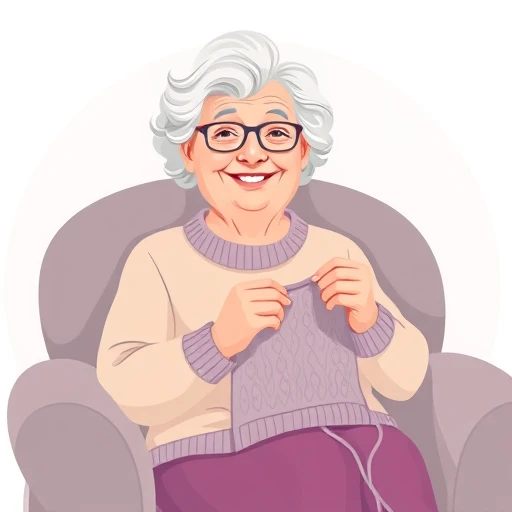
The word nana is a multi-faceted term primarily used as an affectionate, informal noun for a grandmother. It is deeply rooted in the domestic sphere, representing a bond that is often closer and more casual than the formal 'grandmother.' In many English-speaking households, particularly in the United Kingdom, Australia, and parts of North America, 'nana' is the first name a child might learn for their maternal or paternal grandmother. It carries a connotation of warmth, comfort, and accessibility. Unlike 'Grandmother,' which can feel stiff or distant, 'nana' suggests someone who provides treats, tells stories, and offers a soft place to land. It is a term of endearment that often persists into adulthood, though its usage is most frequent in childhood and within the family unit.
- Primary Definition
- An informal name for a grandmother, often used by children or as a term of endearment by family members.
Beyond the familial context, 'nana' has a secondary, more colloquial meaning in British and Australian English. In these regions, calling someone a 'nana' is a mild way of saying they are acting foolishly, silly, or slightly incompetent in a harmless way. It is not a harsh insult; rather, it is a playful nudge. For instance, if someone accidentally puts their shirt on inside out, a friend might say, 'Oh, you big nana!' This usage stems from the idea of a grandmother being perhaps a bit forgetful or 'soft,' though the modern slang usage has detached significantly from the literal age of the person being described. It is a 'soft' pejorative, used among friends and family to point out a minor blunder without causing genuine offense.
I am going to visit my nana this weekend to help her with her garden and eat some of her famous biscuits.
The term is also highly regional. While 'nana' is common in the North of England and Australia, other regions might prefer 'Gran,' 'Granny,' 'Nanny,' or 'Grandma.' The choice of 'nana' often reflects a family's heritage or a specific choice made by the grandmother herself to distinguish her from the other grandmother (e.g., one is 'Nana' and the other is 'Grammy'). In some cultures, 'nana' can also refer to a female elder who is not a blood relative but holds a significant, grandmother-like role in the community. This expansion of the term highlights its role as a marker of respect and affection for older women who provide care and wisdom.
- Slang Context
- In the UK, 'don't be a nana' means 'don't be silly' or 'don't act like a fool.'
Stop being such a nana and just jump into the pool; the water is not that cold!
Historically, 'nana' is thought to be a child's simplification of 'grandmother' or 'nanny.' It follows the linguistic pattern of reduplication (repeating sounds like 'mama' or 'dada') which is common in early language development. This makes it an 'L1' word—one of the first words a child learns. Because of this, the word is deeply embedded in the emotional lexicon of English speakers. It evokes memories of childhood, safety, and family traditions. Whether it is used to describe a beloved relative or to tease a friend for a silly mistake, 'nana' remains a versatile and emotionally resonant part of the English language, bridging the gap between familial love and lighthearted social interaction.
Every Christmas, Nana knits a new pair of woolly socks for every single one of her grandchildren.
- Emotional Resonance
- The word often implies a nurturing relationship, characterized by unconditional support and a lack of the strict discipline often associated with parents.
When I was upset, I would always run to my nana because she knew exactly how to make me feel better with just a hug.
He felt like a total nana after realizing he had been wearing his glasses on top of his head the whole time he was looking for them.
Using the word nana effectively requires an understanding of its grammatical role as a noun and its pragmatic role as a term of address. In its most common form, it functions as a common noun or a proper noun. When you are talking about the concept of a grandmother or referring to someone else's grandmother, it is a common noun: 'She is a great nana.' However, when you use it as a name for your own grandmother, it becomes a proper noun and should be capitalized: 'I'll ask Nana if she wants tea.' This distinction is subtle but important for written English. Furthermore, 'nana' is often preceded by possessive adjectives like 'my,' 'your,' or 'his,' which helps to define the relationship clearly within a sentence.
- Possessive Usage
- Commonly paired with 'my' to indicate a personal family connection. Example: 'My nana is coming over for dinner.'
In terms of sentence structure, 'nana' can occupy the position of subject, object, or indirect object. As a subject: 'Nana loves to bake.' As an object: 'I visited my nana yesterday.' As an indirect object: 'I gave Nana the flowers.' Because it is an informal word, it is most at home in spoken English, personal letters, and creative writing. It would rarely appear in a formal academic paper or a legal document unless the text is specifically discussing familial terms or quoting someone. In those formal contexts, 'grandmother' or 'maternal/paternal elder' would be the preferred terms. However, in the context of a story or a personal essay, 'nana' adds a layer of intimacy and character that 'grandmother' lacks.
The children gathered around their nana to hear the story of how she moved to the city fifty years ago.
When using 'nana' as slang for a foolish person, the syntax changes slightly. It is often used with the indefinite article 'a' or 'such a.' For example, 'Don't be a nana' or 'You are such a nana.' In this context, it functions as a predicative nominative, describing the state or character of the subject. It is almost exclusively used in the second or third person to comment on someone's behavior. You would rarely call yourself a 'nana' unless you are being self-deprecating: 'I'm such a nana, I forgot my keys again!' This slang usage is highly informal and should be reserved for friends, family, or very casual social settings. Using it with a stranger might be confusing or seen as slightly patronizing, depending on the tone of voice.
- Direct Address
- Used directly to get someone's attention. Example: 'Nana, can you help me with this puzzle?'
Both of my nanas were born in the same small village in Ireland, but they didn't meet until they moved to London.
Another important aspect of using 'nana' is its combination with other nouns to form compound descriptors. You might hear 'Nana-nap,' which is a humorous way to describe a short afternoon sleep, implying that it is the kind of nap an elderly person might take. Similarly, 'Nana-style' might refer to a traditional or old-fashioned way of doing something, like cooking or knitting. These creative uses show the word's flexibility in modern English. When using these compounds, the tone is usually lighthearted. It is also worth noting that 'nana' can be used as a modifier in phrases like 'nana's house' or 'nana's cooking,' where the possessive apostrophe is essential to show ownership of the following noun.
After a long morning of gardening, he decided to have a quick nana-nap on the sofa before the guests arrived.
- Comparative Usage
- Comparing someone's behavior to the slang meaning. Example: 'You're acting like a right nana today!'
The teacher told the student not to be a nana and to focus on the experiment instead of playing with the equipment.
Is your nana the one who lives in the cottage with the blue door, or is that your other grandmother?
The word nana is a staple of domestic life across the English-speaking world, but its frequency and nuance vary by location. In the United Kingdom, particularly in Northern England and Scotland, 'nana' (or 'nanna') is perhaps the most common term for a grandmother. You will hear it in everyday conversations at bus stops, in supermarkets, and in schools. It is also a frequent term in British 'soap operas' like *Coronation Street* or *EastEnders*, where family dynamics are a central theme. In these shows, characters often refer to the matriarch of the family as 'Nana,' emphasizing her role as the emotional anchor of the household. The slang usage—referring to a silly person—is also very common in British working-class dialects and can be heard in comedies and playground chatter.
In Australia and New Zealand, 'nana' is equally ubiquitous. Australian English is known for its informal and affectionate terms, and 'nana' fits perfectly into this linguistic landscape. You might hear it in popular Australian media, such as the children's show *Bluey*, where the characters' grandmother is referred to as 'Nana.' The term 'nana-nap' is also a very common Australianism, used by people of all ages to describe a restorative afternoon sleep. In these cultures, the word is associated with a relaxed, friendly, and slightly old-fashioned sensibility. It is the kind of word you hear at a weekend barbecue or a family gathering at the beach.
In the United States, the usage of 'nana' is more varied. While 'Grandma' and 'Grammy' are very popular, 'nana' is a strong contender, particularly in the Northeast and among families of Italian, Irish, or Greek descent. In these communities, 'nana' often carries a specific cultural weight, representing a grandmother who is deeply involved in the daily lives of her grandchildren, often through cooking and tradition. You might hear it in movies set in New York or Boston, where it helps to establish a sense of local identity and family heritage. Unlike in the UK or Australia, the slang meaning of 'nana' as a 'fool' is almost non-existent in American English, where someone might instead be called a 'goofball' or a 'silly-billy.'
Social media and digital communication have also given 'nana' a new platform. On platforms like Instagram or Facebook, you will see the hashtag #Nana used in posts celebrating grandmothers, featuring photos of family reunions, baked goods, or grandchildren. It has become a 'brand' of sorts for a specific type of modern grandmother—one who is active, tech-savvy, yet still embodies the traditional nurturing qualities of the role. Additionally, in the world of online gaming or casual internet slang in the UK and Australia, you might see 'nana' used in chat rooms to tease a player who made a simple mistake, though this is becoming less common as global internet slang tends to homogenize toward American terms.
Finally, 'nana' is a word you will hear in the nursery and the primary school classroom. Because it is easy for young children to pronounce—consisting of two identical, simple syllables—it is often the first word a child uses to identify a grandparent. Teachers and childcare workers use the word to bridge the gap between home and school, asking children, 'Is your nana picking you up today?' This usage reinforces the word's status as a 'comfort word,' one that is associated with safety and the primary caregiving circle. Whether in a gritty British drama, a sunny Australian cartoon, or a bustling American kitchen, 'nana' is a word that signals the presence of family, tradition, and a touch of gentle humor.
One of the most frequent mistakes learners make with the word nana is related to its spelling and pronunciation, specifically confusing it with the word 'banana.' While they share the same ending, 'nana' is pronounced with a short 'a' sound in the first syllable (like 'nan') in British English, or a slightly longer 'nah' sound in other dialects. The word 'banana' has three syllables, whereas 'nana' has only two. In written form, some learners accidentally add an extra 'ba' at the beginning or misspell it as 'nanna' when they intended the more common 'nana' (though 'nanna' is a valid regional variant). It is important to remember that 'nana' is a distinct word with its own meaning, entirely unrelated to the yellow fruit.
Another common error involves capitalization. As mentioned in the usage section, 'nana' functions as both a common noun and a proper noun. Learners often forget to capitalize it when they are using it as a direct name. For example, writing 'I love you, nana' is technically a grammatical error in a letter; it should be 'I love you, Nana.' Conversely, capitalizing it when it is used as a general noun is also a mistake: 'She is a great Nana' should be 'She is a great nana.' This rule applies to all familial terms like 'mom,' 'dad,' 'grandma,' and 'grandpa.' If you can replace the word with a specific name like 'Mary' and the sentence still makes sense, it should probably be capitalized.
The slang usage of 'nana' presents a different set of challenges. Because the meaning of 'nana' as a 'fool' is regional (UK and Australia), learners in the United States or those speaking to Americans might be misunderstood if they use it this way. An American listener might think you are calling them a grandmother, which could be confusing or even mildly insulting if they don't understand the British slang context. It is crucial to match your vocabulary to your audience. If you are in London, 'Don't be a nana' is perfectly fine. If you are in Chicago, it is better to say 'Don't be silly' or 'Don't be a goof.' Using regional slang in the wrong region is a common 'pragmatic' mistake that can lead to social awkwardness.
Furthermore, learners sometimes over-rely on 'nana' and use it in contexts that are too formal. While it is a lovely word for a personal story, using it in a professional email or a formal report is inappropriate. For instance, if you are writing a bereavement note to a colleague, saying 'I'm sorry about your nana' might be a bit too informal unless you are very close to that colleague. In such cases, 'grandmother' is the safer, more respectful choice. Understanding the 'register'—the level of formality—is key to using 'nana' correctly. It is a word of the heart and the home, not the boardroom or the courtroom.
Finally, there is the issue of pluralization and possessives. Some learners struggle with where to put the apostrophe. 'My nanas house' is incorrect; it must be 'My nana's house' (singular possessive) or 'My nanas' house' (if referring to the house of both grandmothers). Also, remember that the plural is 'nanas,' not 'nanies' or 'nanaes.' Because the word ends in a vowel, it follows the standard rule of just adding 's.' Avoiding these small grammatical and orthographic errors will make your use of the word much more natural and fluent, allowing the warmth of the term to shine through without the distraction of technical mistakes.
The English language is rich with terms for grandmothers, and nana is just one of many. Choosing the right alternative often depends on geography, family tradition, and the desired level of formality. The most direct and formal alternative is, of course, Grandmother. This is the 'standard' term used in official documents and formal speech. It is respectful but can sometimes feel emotionally distant. In contrast, Grandma is the most common informal term in the United States and is widely understood everywhere. It strikes a balance between the formality of 'Grandmother' and the extreme informality of 'nana.'
- Nana vs. Granny
- Granny is very common in the UK and the Southern US. It often implies an older, perhaps more traditional grandmother who might live in a rural area. 'Nana' often feels slightly more modern or urban in comparison.
Another very common alternative in the UK is Nan. This is essentially a shortened version of 'nana' or 'nanny.' It is extremely informal and very common in London and the South of England. 'Nan' is quick, punchy, and very affectionate. In some families, one grandmother might be 'Nana' and the other 'Nan' to keep them distinct. Then there is Nanny, which is also popular in the UK but can be confusing because it also refers to a professional childcare provider. In the US, 'Nanny' is almost exclusively used for the profession, whereas in the UK, it is a very common name for a grandmother.
- Nana vs. Gram / Grammy
- Grammy and Gram are very popular in the US. They have a similar 'cute' and 'child-friendly' feel to 'nana' but are more distinctly American in their sound and usage.
For the slang meaning of 'nana' (a foolish person), there are several alternatives depending on how mean you want to be. Silly-billy is a very mild, child-friendly alternative. Goof or Goofball are common American equivalents that carry the same lighthearted tone. If you want to be slightly more critical but still informal, you might use Nitwit, Dimwit, or Clot (British). However, 'nana' remains unique because it implies a sort of 'soft' foolishness that isn't necessarily about intelligence, but more about a temporary lapse in common sense or a funny mistake.
- Nana vs. Nonna
- Nonna is the Italian word for grandmother. Because it sounds so similar to 'nana,' many Italian-American families use 'nana' as an anglicized version of 'nonna,' or they use the two interchangeably.
In conclusion, while 'nana' is a fantastic and warm word, knowing its 'cousins' in the language allows you to navigate different social and regional contexts. Whether you are choosing a name for a character in a story, talking to a new friend about their family, or gently teasing someone for a silly error, having this range of alternatives—from the formal 'Grandmother' to the slangy 'Nan' or the playful 'Goofball'—will make your English more expressive and culturally attuned.
چقدر رسمی است؟
نکته جالب
In many unrelated languages around the world, 'na' or 'ma' sounds are used for female relatives because they are among the easiest sounds for human infants to produce.
راهنمای تلفظ
- Pronouncing it like 'banana' (ba-NA-na).
- Making the second 'a' too long.
- Confusing the spelling with 'nanny'.
- Using a hard 'n' sound that is too nasal.
- Failing to reduce the second vowel to a schwa.
سطح دشواری
Very easy to recognize in text.
Simple spelling, but remember the capitalization rules.
Simple two-syllable pronunciation.
Need to distinguish between the familial and slang meanings.
بعداً چه یاد بگیریم؟
پیشنیازها
بعداً یاد بگیرید
پیشرفته
گرامر لازم
Capitalization of Kinship Terms
I asked Nana (Proper Noun) vs. I asked my nana (Common Noun).
Possessive Nouns
Nana's house, the nanas' meeting.
Reduplication in English
Nana, Mama, Dada, Bye-bye.
Countable Nouns
I have two nanas.
Indefinite Articles with Slang
You are a nana (meaning a fool).
مثالها بر اساس سطح
My nana is very kind.
Minha avó é muito gentil.
Subject + is + adjective.
I love my nana.
Eu amo minha avó.
Simple present tense.
Nana is in the kitchen.
A vovó está na cozinha.
Proper noun usage (capitalized).
This is a gift for Nana.
Este é um presente para a vovó.
Preposition 'for' + noun.
Nana has a small dog.
A vovó tem um cachorro pequeno.
Third person singular 'has'.
We visit Nana on Sundays.
Nós visitamos a vovó aos domingos.
Frequency expression 'on Sundays'.
Nana tells good stories.
A vovó conta boas histórias.
Verb 'tells' + object.
Is your nana here?
Sua avó está aqui?
Question form with 'is'.
My nana's house is very old and beautiful.
A casa da minha avó é muito antiga e bonita.
Possessive 's.
I am writing a letter to my nana today.
Estou escrevendo uma carta para minha avó hoje.
Present continuous tense.
Nana made a delicious cake for my birthday.
A vovó fez um bolo delicioso para o meu aniversário.
Past simple 'made'.
Does your nana live in London?
Sua avó mora em Londres?
Question with 'does'.
My nana has grey hair and blue eyes.
Minha avó tem cabelo grisalho e olhos azuis.
Describing physical appearance.
I help my nana in the garden every summer.
Eu ajudo minha avó no jardim todo verão.
Adverbial phrase 'every summer'.
Nana gave me some money for the cinema.
A vovó me deu um pouco de dinheiro para o cinema.
Indirect object 'me'.
My nana is younger than my grandpa.
Minha avó é mais nova que meu avô.
Comparative adjective 'younger than'.
Stop being such a nana and come across the bridge!
Pare de ser tão bobo e atravesse a ponte!
Slang usage meaning 'silly person'.
I felt like a total nana when I realized I was wearing mismatched shoes.
Eu me senti um completo bobo quando percebi que estava usando sapatos diferentes.
Simile 'felt like a'.
My nana always knows exactly what to say when I'm feeling down.
Minha vovó sempre sabe exatamente o que dizer quando estou me sentindo triste.
Adverb 'exactly'.
He's a bit of a nana sometimes, but we love him anyway.
Ele é um pouco bobo às vezes, mas nós o amamos de qualquer maneira.
Phrase 'a bit of a'.
I need to go home and have a nana-nap before the party starts.
Preciso ir para casa e tirar um cochilo antes da festa começar.
Compound noun 'nana-nap'.
My nana taught me how to knit when I was only six years old.
Minha vovó me ensinou a tricotar quando eu tinha apenas seis anos.
Verb 'taught' + how to.
Don't be a nana, the spider is tiny and harmless!
Não seja bobo, a aranha é minúscula e inofensiva!
Imperative 'Don't be'.
We are planning a surprise party for Nana's 80th birthday.
Estamos planejando uma festa surpresa para o aniversário de 80 anos da vovó.
Present continuous for future plans.
The word 'nana' evokes a sense of nostalgia and familial warmth for many.
A palavra 'nana' evoca uma sensação de nostalgia e calor familiar para muitos.
Verb 'evokes' + abstract noun.
In British slang, calling someone a nana is a gentle way of pointing out a mistake.
No gíria britânica, chamar alguém de 'nana' é uma maneira gentil de apontar um erro.
Gerund 'calling' as subject.
She has always been the 'nana' of the group, looking after everyone's needs.
Ela sempre foi a 'vovó' do grupo, cuidando das necessidades de todos.
Metaphorical usage.
Despite her age, my nana is incredibly tech-savvy and uses social media daily.
Apesar da idade, minha vovó é incrivelmente antenada em tecnologia e usa redes sociais diariamente.
Concession 'Despite'.
I didn't mean to be a nana, I just completely forgot where I parked the car.
Eu não quis ser bobo, eu simplesmente esqueci completamente onde estacionei o carro.
Negative past simple.
The term 'nana' is often preferred over 'grandmother' for its informal and cozy connotations.
O termo 'nana' é frequentemente preferido em vez de 'grandmother' por suas conotações informais e acolhedoras.
Passive voice 'is preferred'.
He's acting like a right nana, trying to fix the computer without plugging it in.
Ele está agindo como um verdadeiro bobo, tentando consertar o computador sem ligá-lo na tomada.
Intensifier 'right' (British slang).
My nana's wisdom has guided me through many difficult decisions in my life.
A sabedoria da minha vovó me guiou através de muitas decisões difíceis na minha vida.
Present perfect 'has guided'.
The character of the nana in the novel serves as a symbol of enduring tradition.
O personagem da 'nana' no romance serve como um símbolo de tradição duradoura.
Symbolic literary analysis.
Sociolinguistically, 'nana' functions as a hypocorism that reinforces domestic bonds.
Sociolinguisticamente, 'nana' funciona como um hipocorístico que reforça os laços domésticos.
Academic terminology 'hypocorism'.
The shift from 'Grandmother' to 'Nana' in the dialogue indicates a growing intimacy between the characters.
A mudança de 'Grandmother' para 'Nana' no diálogo indica uma intimidade crescente entre os personagens.
Analyzing register shift.
Don't be such a nana; the statistical probability of that happening is negligible.
Não seja tão bobo; a probabilidade estatística disso acontecer é insignificante.
Combining slang with formal logic.
The regional distribution of 'nana' versus 'nanny' reveals interesting patterns of migration.
A distribuição regional de 'nana' versus 'nanny' revela padrões interessantes de migração.
Noun phrase as subject.
Her portrayal of the doting nana was so convincing that she won an award for the role.
Sua interpretação da vovó coruja foi tão convincente que ela ganhou um prêmio pelo papel.
Result clause 'so... that'.
The use of 'nana' in the advertisement was a deliberate attempt to appeal to family values.
O uso de 'nana' no anúncio foi uma tentativa deliberada de apelar aos valores familiares.
Infinitive of purpose 'to appeal'.
I felt like a nana for questioning her expertise, given her decades of experience.
Eu me senti um bobo por questionar a perícia dela, dada a sua década de experiência.
Participle phrase 'given her...'
The semantic evolution of 'nana' from a nursery term to a mild pejorative is a fascinating linguistic study.
A evolução semântica de 'nana' de um termo infantil para um pejorativo suave é um estudo linguístico fascinante.
Complex subject phrase.
To dismiss her as merely a 'nana' is to overlook the profound influence she exerted over the dynasty.
Descartá-la apenas como uma 'vovó' é ignorar a profunda influência que ela exerceu sobre a dinastia.
Infinitive as subject 'To dismiss'.
The author employs the term 'nana' to evoke a visceral sense of childhood security that contrasts with the bleak setting.
O autor utiliza o termo 'nana' para evocar um sentido visceral de segurança infantil que contrasta com o cenário sombrio.
Literary device analysis.
He played the nana to perfection, feigning ignorance while secretly orchestrating the entire event.
Ele fez o papel de bobo com perfeição, fingindo ignorância enquanto secretamente orquestrava todo o evento.
Participial phrase 'feigning ignorance'.
The subtle distinction between 'nana' and 'nan' can signal specific class affiliations within certain British dialects.
A distinção sutil entre 'nana' e 'nan' pode sinalizar filiações de classe específicas dentro de certos dialetos britânicos.
Modal verb 'can' for possibility.
The term 'nana-nap' has transcended its age-related origins to become a general idiom for any brief period of rest.
O termo 'nana-nap' transcendeu suas origens relacionadas à idade para se tornar um idioma geral para qualquer breve período de descanso.
Present perfect 'has transcended'.
One might feel like a nana for misinterpreting the nuanced subtext of the diplomatic cable.
Alguém pode se sentir um bobo por interpretar mal o subtexto matizado do telegrama diplomático.
Impersonal pronoun 'One'.
The cultural resonance of 'nana' ensures its continued vitality in the English lexicon, despite the influx of globalized terms.
A ressonância cultural de 'nana' garante sua vitalidade contínua no léxico inglês, apesar do influxo de termos globalizados.
Abstract noun as subject.
ترکیبهای رایج
عبارات رایج
— A playful way to tell someone to stop being silly or cowardly.
Don't be a nana, the water is fine!
— A short sleep taken during the day, usually in the afternoon.
He's having a nana-nap on the porch.
— Behaving in a foolish or incompetent manner.
I was wandering around like a nana looking for my keys.
— Directing a child to seek permission or information from their grandmother.
I'm not sure, go ask your nana.
— A place associated with comfort, treats, and family visits.
We're going to nana's house for Christmas.
— A British expression for someone being very foolish.
He felt like a right nana after the mistake.
— The standard pairing for maternal or paternal grandparents.
Nana and Grandad are coming over.
اغلب اشتباه گرفته میشود با
A fruit. Shared ending but different syllables and meaning.
Can mean grandmother in the UK, but usually means a child-care professional in the US.
Something that is forbidden. Sounds slightly similar but unrelated.
اصطلاحات و عبارات
— To act very foolishly or make a silly mistake.
I felt like a right nana when I tripped.
Slang (UK/AU)— To give advice to someone who is already experienced (variation of 'grandmother').
Don't tell me how to cook; you're teaching your nana to suck eggs!
Old-fashioned/Idiomatic— Purposely behaving in a silly way to get attention.
Stop acting the nana and be serious.
Informal— A grandchild who is particularly favored or pampered by their grandmother.
He's definitely a nana's boy; she buys him everything.
Informal— Often used as a euphemism for a safe or comforting place.
Whenever life gets hard, I just want to go to nana's.
Metaphorical— Doing something in a traditional, slow, or very thorough way.
She knits nana-style, with real wool and patience.
Informal— Using 'nana' to imply the most experienced or oldest version of something.
This is the nana of all sewing machines; it's 100 years old.
Humorous— Simple, practical advice that comes from long experience.
I relied on nana's wisdom to fix my relationship.
Informal— Using 'nana' to mean a coward or someone who is too hesitant.
It's only a small jump, don't be a nana!
Slangبهراحتی اشتباه گرفته میشود
Alternative spelling.
It is simply a regional spelling variant, common in the UK.
My Nanna lives in Leeds.
Shortened version.
'Nan' is even more informal and very common in Southern England.
Give it to Nan.
Similar role.
'Grammy' is a more American informal term for grandmother.
Grammy won the card game.
Phonetic similarity.
'Nonna' is specifically Italian; 'nana' is English.
My Nonna makes the best pasta.
Similar sound and slang meaning.
A 'ninny' is a more old-fashioned and slightly harsher word for a fool.
Don't be such a ninny!
الگوهای جملهسازی
My nana is [adjective].
My nana is happy.
I [verb] my nana on [day].
I visit my nana on Saturdays.
Don't be a nana and [verb].
Don't be a nana and just try it.
I felt like a nana when [clause].
I felt like a nana when I forgot her name.
It was a typical [compound] moment.
It was a typical nana-nap moment.
She is the kind of nana who [clause].
She is the kind of nana who always has candy.
The term 'nana' implies [abstract noun].
The term 'nana' implies unconditional support.
To be characterized as a nana is to [verb phrase].
To be characterized as a nana is to be seen as harmlessly eccentric.
خانواده کلمه
اسمها
صفتها
مرتبط
نحوه استفاده
Very high in domestic and casual contexts.
-
I'm eating a nana.
→
I'm eating a banana.
Don't shorten 'banana' to 'nana' in formal or standard English; it sounds like you are eating your grandmother!
-
I love my Nana.
→
I love my nana.
When preceded by 'my,' it is a common noun and usually doesn't need a capital letter unless it's the start of a sentence.
-
He is a nana person.
→
He is a nana / He is acting like a nana.
'Nana' is a noun, not usually an adjective. Use it as a label for the person.
-
My two nanies.
→
My two nanas.
The plural of 'nana' is simply 'nanas.' 'Nannies' is the plural of 'nanny.'
-
Don't be a nana! (to a boss)
→
Don't be silly! (or better, say nothing)
The slang 'nana' is too informal for professional relationships and could be seen as disrespectful.
نکات
Context is King
Always check if you are in the UK/Australia before using 'nana' to mean 'silly' to avoid confusion.
The Double N
Remember that 'nana' has two 'n's. Don't confuse it with 'ana' or 'banana'.
The Schwa Ending
The second 'a' should be very short and relaxed, like the 'a' in 'about'.
Warmth
Use 'nana' when you want to emphasize a loving, close relationship.
Playful Teasing
Use 'you big nana' to lighten the mood when someone makes a harmless mistake.
Proper Noun Rule
If you are writing a card *to* her, use a capital N: 'To Nana'.
Australianisms
If you're in Australia, 'nana-nap' is a great phrase to use to sound like a local.
Countability
Remember you can have 'two nanas'—one from each side of your family.
Alternatives
If 'nana' feels too informal, 'grandma' is your best middle-ground word.
Tone
Listen for the speaker's tone; a laugh usually indicates the slang 'silly' meaning.
حفظ کنید
روش یادسپاری
Think of a **N**ice **A**nd **N**urturing **A**untie who became a grandmother: **N-A-N-A**.
تداعی تصویری
Imagine a warm, steaming plate of cookies on a wooden table in a cozy kitchen—that's the 'nana' vibe.
شبکه واژگان
چالش
Try to use 'nana' in two different sentences today: one about a family member and one to jokingly tease a friend for a small mistake.
ریشه کلمه
The word 'nana' is a nursery term, likely originating as a child's simplification of 'grandmother' or 'nanny.' It follows the pattern of reduplicated syllables common in infant speech.
معنای اصلی: A female elder or caregiver, specifically a grandmother.
Germanic/Indo-European (via English nursery talk).بافت فرهنگی
Generally a very positive and safe word, but be careful using the slang 'nana' with people you don't know well, as it can be seen as patronizing.
Widely used in the UK, Australia, and the US, but with different slang nuances in the Commonwealth.
تمرین در زندگی واقعی
موقعیتهای واقعی
Family Gatherings
- Is Nana coming?
- Sit next to Nana
- Nana's famous pie
- Happy birthday, Nana!
Childhood Memories
- When I was little, Nana...
- Nana used to tell me...
- Staying at Nana's
- Nana's hugs
Joking with Friends (UK/AU)
- Don't be a nana
- You big nana!
- Total nana move
- Stop acting the nana
Daily Routine
- Time for a nana-nap
- Call my nana
- Help nana with shopping
- Nana's garden
Introductions
- This is my nana
- Meet my nana
- My nana, Mary
- She's a new nana
شروعکنندههای مکالمه
"What do you call your grandmother in your native language?"
"Do you have any funny stories about your nana or grandma?"
"Have you ever felt like a 'nana' after making a silly mistake?"
"What is your favorite meal that your nana used to make?"
"Is 'nana' a common word in the place where you live?"
موضوعات نگارش
Write about a specific memory you have of your nana or an older female relative.
Describe what a 'nana-nap' looks like in your ideal afternoon.
Reflect on a time you acted like a 'nana' and what you learned from the experience.
Compare the words 'Grandmother' and 'Nana'. Which one do you prefer and why?
Imagine you are a 'nana' in fifty years. What kind of grandmother would you like to be?
سوالات متداول
10 سوالYes, it is very common in the USA, especially in the Northeast and among various ethnic communities, though 'Grandma' is more universal.
In the UK and Australia, it can be a very mild, playful insult meaning 'silly.' It is rarely taken seriously as a mean comment.
The plural is 'nanas.' You just add an 's' to the end.
Capitalize it when using it as a name (e.g., 'Hi, Nana!'). Use lowercase when using it as a general noun (e.g., 'She is a good nana.').
It is a slang term for a short afternoon nap, jokingly named because it's something a grandmother might do.
In the UK, yes, they can both mean grandmother. In the US, 'nanny' almost always refers to a professional babysitter.
No, 'nana' is exclusively used for females. The male equivalent is usually 'grandad,' 'gramps,' or 'papa.'
It is a nursery word that mimics the simple sounds babies make when they start to talk.
It depends on the region. In Northern England, it is very common. In the US, 'grandma' is generally more frequent.
Only if you are talking about your own family in a casual way. Avoid it in formal business documents.
خودت رو بسنج 187 سوال
Write a sentence about your nana.
خوب نوشتید! تلاش خوبی بود! پاسخ نمونه را ببینید.
Write a sentence using 'nana' as a slang term for a silly person.
خوب نوشتید! تلاش خوبی بود! پاسخ نمونه را ببینید.
Describe what your nana looks like.
خوب نوشتید! تلاش خوبی بود! پاسخ نمونه را ببینید.
Write a short note to your Nana thanking her for a gift.
خوب نوشتید! تلاش خوبی بود! پاسخ نمونه را ببینید.
Explain the difference between 'nana' and 'grandmother'.
خوب نوشتید! تلاش خوبی بود! پاسخ نمونه را ببینید.
Use 'nana-nap' in a sentence.
خوب نوشتید! تلاش خوبی بود! پاسخ نمونه را ببینید.
Write a sentence using the plural 'nanas'.
خوب نوشتید! تلاش خوبی بود! پاسخ نمونه را ببینید.
Write a sentence about a memory with your nana.
خوب نوشتید! تلاش خوبی بود! پاسخ نمونه را ببینید.
Describe a 'nana' character in a story.
خوب نوشتید! تلاش خوبی بود! پاسخ نمونه را ببینید.
Write a sentence using 'nana' as a proper noun.
خوب نوشتید! تلاش خوبی بود! پاسخ نمونه را ببینید.
Use the phrase 'acting like a nana' in a sentence.
خوب نوشتید! تلاش خوبی بود! پاسخ نمونه را ببینید.
Write a sentence about a 'great nana'.
خوب نوشتید! تلاش خوبی بود! پاسخ نمونه را ببینید.
Explain why 'nana' is easy for children to say.
خوب نوشتید! تلاش خوبی بود! پاسخ نمونه را ببینید.
Write a sentence using 'nana' in a British context.
خوب نوشتید! تلاش خوبی بود! پاسخ نمونه را ببینید.
Describe a gift you would give to your nana.
خوب نوشتید! تلاش خوبی بود! پاسخ نمونه را ببینید.
Write a sentence about 'nana's cooking'.
خوب نوشتید! تلاش خوبی بود! پاسخ نمونه را ببینید.
Use 'nana' in a sentence about a holiday.
خوب نوشتید! تلاش خوبی بود! پاسخ نمونه را ببینید.
Write a sentence using 'nana' and 'grandpa' together.
خوب نوشتید! تلاش خوبی بود! پاسخ نمونه را ببینید.
Explain the slang 'nana' to a friend.
خوب نوشتید! تلاش خوبی بود! پاسخ نمونه را ببینید.
Write a sentence about a 'nana' in a movie.
خوب نوشتید! تلاش خوبی بود! پاسخ نمونه را ببینید.
Say 'My nana is the best' out loud.
این را بلند بخوانید:
تو گفتی:
تشخیص گفتار در مرورگر شما پشتیبانی نمیشود. از کروم یا اج استفاده کنید.
Tell a short story about your grandmother using the word 'nana'.
این را بلند بخوانید:
تو گفتی:
تشخیص گفتار در مرورگر شما پشتیبانی نمیشود. از کروم یا اج استفاده کنید.
Jokingly tell a friend 'Don't be a nana!'
این را بلند بخوانید:
تو گفتی:
تشخیص گفتار در مرورگر شما پشتیبانی نمیشود. از کروم یا اج استفاده کنید.
Pronounce 'nana' and 'banana' and explain the difference.
این را بلند بخوانید:
تو گفتی:
تشخیص گفتار در مرورگر شما پشتیبانی نمیشود. از کروم یا اج استفاده کنید.
Describe your nana's house using at least three adjectives.
این را بلند بخوانید:
تو گفتی:
تشخیص گفتار در مرورگر شما پشتیبانی نمیشود. از کروم یا اج استفاده کنید.
Ask a question about someone else's nana.
این را بلند بخوانید:
تو گفتی:
تشخیص گفتار در مرورگر شما پشتیبانی نمیشود. از کروم یا اج استفاده کنید.
Explain what a 'nana-nap' is to a classmate.
این را بلند بخوانید:
تو گفتی:
تشخیص گفتار در مرورگر شما پشتیبانی نمیشود. از کروم یا اج استفاده کنید.
Say 'Happy Birthday, Nana!' with enthusiasm.
این را بلند بخوانید:
تو گفتی:
تشخیص گفتار در مرورگر شما پشتیبانی نمیشود. از کروم یا اج استفاده کنید.
Describe a time you felt like a 'nana'.
این را بلند بخوانید:
تو گفتی:
تشخیص گفتار در مرورگر شما پشتیبانی نمیشود. از کروم یا اج استفاده کنید.
Use 'nana' in a sentence about cooking.
این را بلند بخوانید:
تو گفتی:
تشخیص گفتار در مرورگر شما پشتیبانی نمیشود. از کروم یا اج استفاده کنید.
Discuss why 'nana' is a warm word.
این را بلند بخوانید:
تو گفتی:
تشخیص گفتار در مرورگر شما پشتیبانی نمیشود. از کروم یا اج استفاده کنید.
Compare 'nana' and 'grandmother' in terms of formality.
این را بلند بخوانید:
تو گفتی:
تشخیص گفتار در مرورگر شما پشتیبانی نمیشود. از کروم یا اج استفاده کنید.
Say 'I have two nanas' and explain who they are.
این را بلند بخوانید:
تو گفتی:
تشخیص گفتار در مرورگر شما پشتیبانی نمیشود. از کروم یا اج استفاده کنید.
Roleplay: Invite your nana to tea.
این را بلند بخوانید:
تو گفتی:
تشخیص گفتار در مرورگر شما پشتیبانی نمیشود. از کروم یا اج استفاده کنید.
Say 'Stop acting like a nana!' in a playful way.
این را بلند بخوانید:
تو گفتی:
تشخیص گفتار در مرورگر شما پشتیبانی نمیشود. از کروم یا اج استفاده کنید.
Describe a gift for your nana.
این را بلند بخوانید:
تو گفتی:
تشخیص گفتار در مرورگر شما پشتیبانی نمیشود. از کروم یا اج استفاده کنید.
Say 'Nana's house is always full of love.'
این را بلند بخوانید:
تو گفتی:
تشخیص گفتار در مرورگر شما پشتیبانی نمیشود. از کروم یا اج استفاده کنید.
Explain the British slang 'nana' to someone from the US.
این را بلند بخوانید:
تو گفتی:
تشخیص گفتار در مرورگر شما پشتیبانی نمیشود. از کروم یا اج استفاده کنید.
Say 'I'm going for a nana-nap, see you later!'
این را بلند بخوانید:
تو گفتی:
تشخیص گفتار در مرورگر شما پشتیبانی نمیشود. از کروم یا اج استفاده کنید.
Talk about a tradition you have with your nana.
این را بلند بخوانید:
تو گفتی:
تشخیص گفتار در مرورگر شما پشتیبانی نمیشود. از کروم یا اج استفاده کنید.
Listen to the sentence: 'My nana is coming over.' Who is coming over?
Listen to the sentence: 'Don't be a nana, it's easy!' Is the speaker being mean or playful?
Listen to the sentence: 'I need a nana-nap.' What does the speaker want to do?
Listen to the sentence: 'I have two nanas.' How many grandmothers?
Listen to the sentence: 'Nana's house is in London.' Where is the house?
Listen to the sentence: 'He felt like a nana.' Did he feel smart or silly?
Listen to the sentence: 'Ask Nana for help.' Who should you ask?
Listen to the sentence: 'She is a great nana.' Is she a good grandmother?
Listen to the sentence: 'Stop acting the nana.' What should the person stop doing?
Listen to the sentence: 'I love my nana's stories.' What does the speaker love?
Listen to the sentence: 'Nana is 80 today.' How old is she?
Listen to the sentence: 'We are going to nana's.' Where are they going?
Listen to the sentence: 'You're a right nana!' Is this formal English?
Listen to the sentence: 'My nana's cat is black.' What color is the cat?
Listen to the sentence: 'I'm writing to Nana.' What is the speaker doing?
/ 187 درست
نمره کامل!
Summary
The word 'nana' is a versatile term that balances deep familial affection with lighthearted social teasing. Whether you are calling your grandmother or joking with a friend, it conveys a sense of warmth and approachability. Example: 'I love visiting my Nana, but she can be a bit of a nana when she forgets where she put her tea!''
- An informal and affectionate name for a grandmother, used globally.
- A British and Australian slang term for a silly or foolish person.
- Often capitalized as 'Nana' when used as a direct name or proper noun.
- Commonly used in compound phrases like 'nana-nap' for a short rest.
Context is King
Always check if you are in the UK/Australia before using 'nana' to mean 'silly' to avoid confusion.
The Double N
Remember that 'nana' has two 'n's. Don't confuse it with 'ana' or 'banana'.
The Schwa Ending
The second 'a' should be very short and relaxed, like the 'a' in 'about'.
Warmth
Use 'nana' when you want to emphasize a loving, close relationship.