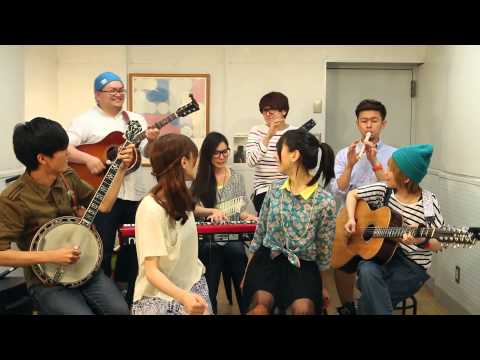
イエー。 در ۳۰ ثانیه
- イエー is a casual Japanese interjection borrowed from English, used to express excitement, joy, or enthusiastic agreement in informal settings.
- It is commonly heard in variety shows, concerts, and among friends, often accompanied by high energy and positive body language.
- Learners must distinguish it from 'iie' (no) through its high pitch and long 'e' sound, and avoid using it in formal contexts.
- Common variations include 'イェーイ' (Yeei), which is often used to emphasize a peak in excitement or as a celebratory cheer.
The Japanese interjection イエー (pronounced like the English 'Yeah' or 'Yay') is a fascinating example of how English loanwords are absorbed and repurposed within the Japanese linguistic landscape. While it originates from the English language, its usage in Japanese is specifically tuned to moments of high energy, collective excitement, and casual affirmation. It is not merely a synonym for 'yes' (which would be 'un' or 'hai'), but rather an emotional outburst that signals a peak in 'tension'—a Japanese loanword concept referring to one's energy level or excitement. When a Japanese speaker says イエー, they are often inviting others to share in a positive vibe or celebrating a small victory in a social setting.
- Core Meaning
- An exclamation of joy, excitement, or casual agreement, often used to boost the atmosphere of a conversation.
In the context of Japanese social dynamics, イエー serves as a lubricant for 'ba' (the field or atmosphere). In a culture that often values harmony and reading the air, an enthusiastic イエー can break the ice or signify that everyone is on the same page during a celebration. It is ubiquitous in entertainment, from variety shows where hosts use it to pump up the audience, to karaoke rooms where friends cheer each other on. However, its casual nature means it is strictly reserved for informal situations. Using it with a superior or in a business meeting would be seen as highly inappropriate, unless the environment is specifically designed to be 'bureiko' (a party where social rank is temporarily set aside).
テストが終わった!イエー。
Furthermore, the spelling can vary slightly, with イェーイ (Yeei) being perhaps even more common in text and speech to emphasize the trailing high note of excitement. The version イエー is slightly more grounded but still carries a sense of 'let's go' or 'that's great.' It is important to distinguish this from the word いいえ (iie), which means 'no.' While they sound similar to the untrained ear, the pitch accent and the length of the vowels are distinct. イエー usually has a rising or flat, high-energy pitch, whereas いいえ is more measured and formal.
Sociolinguistically, the word reflects the influence of Western pop culture, particularly music and television, on the Japanese youth. It is a 'katakana-go' that carries a certain 'cool' or 'global' factor. When used by younger generations, it can also function as a filler word during a high-energy story, similar to how 'yeah' might be used in English to keep the momentum going. However, in Japanese, it is much more likely to be accompanied by a physical gesture, such as a peace sign or a high-five, making it a multimodal expression of positivity.
みんな、準備はいい?イエー!
- Social Context
- Parties, concerts, sports events, and casual gatherings among close friends or peers.
In summary, イエー is a versatile, high-energy interjection that bridges the gap between simple agreement and exuberant celebration. It is a staple of casual Japanese conversation that allows speakers to project a friendly, enthusiastic persona. Understanding its nuance helps learners navigate the 'vibe' of Japanese social interactions, ensuring they can participate in the collective joy of a moment without sounding overly stiff or formal.
Using イエー correctly involves understanding its placement and the emotional weight it carries. Unlike grammatical particles, イエー is syntactically independent, meaning it can stand alone as a complete utterance or be tacked onto the beginning or end of a sentence for emphasis. It functions primarily as an affective marker, signaling the speaker's internal state of excitement or their desire to synchronize their mood with others.
- Standalone Usage
- When something good happens suddenly, a simple 'イエー!' is the perfect response. It requires no further explanation.
When integrated into a sentence, it often appears at the very beginning to set the tone. For example, if you are inviting friends to a party, starting with イエー immediately signals that the event will be fun and casual. It acts as a 'mood setter.' Conversely, placing it at the end of a sentence can serve as a celebratory punctuation mark, reinforcing the positive news just shared. This flexibility is a hallmark of Japanese interjections, which prioritize emotional resonance over rigid grammatical structure.
イエー、ついに金曜日だ!
Another common pattern is the 'call and response' usage. In a group setting, a leader or a friend might shout イエー to check the energy of the room, and the group responds with an even louder イエー. This is frequently seen at live music venues or during team-building exercises. In this context, the word loses its literal meaning and becomes a purely phatic expression—a way of maintaining social connection and shared energy.
It is also worth noting the phonetic variations. A short, clipped イエ might sound like a hesitant 'yes' or be confused with 'ie' (house), so the long vowel ー is crucial for conveying the intended 'Yeah!' feeling. In writing, particularly in manga or social media, the length of the horizontal bar (chōonpu) can be extended to indicate the duration of the shout: イエー--!. This visual representation mimics the auditory experience of a sustained cheer.
今日のライブ、最高だったね!イエー!
- Common Sentence Patterns
- 1. [Exclamation] + [Positive Statement]
2. [Positive Statement] + [Exclamation]
3. Standalone Response
Finally, learners should be aware of the 'ironic' or 'sarcastic' usage, though this is less common than in English. If someone says イエー in a very flat, low tone when something bad happens, it conveys a sense of 'oh great' or 'just my luck.' However, because Japanese communication tends to rely heavily on clear emotional signaling through pitch, the enthusiastic, high-pitched version remains the standard and most recognized form.
To truly understand イエー, one must look at the specific cultural arenas where it thrives. It is not a word of the library or the office; it is a word of the stage, the street, and the digital world. One of the most prominent places you will encounter this interjection is in Japanese 'Variety Shows' (baraeti bangumi). These programs often feature a panel of celebrities reacting to clips or performing challenges. The hosts use イエー to signal to the audience when to cheer, creating a rhythmic, high-energy environment that is central to the genre's appeal.
- Media Influence
- TV hosts, YouTubers, and TikTokers use it constantly to maintain viewer engagement and signal a 'fun' atmosphere.
In the world of J-Pop and Rock, イエー is a staple lyric and concert chant. It transcends language barriers, allowing Japanese artists to tap into the global lexicon of rock and roll. During a live performance, a singer might point the microphone at the crowd and shout 'イエー!', expecting a thunderous response. This creates a sense of unity between the performer and the fans. For a learner, listening to live recordings of Japanese bands is an excellent way to hear the various nuances and intensities with which the word can be delivered.
YouTuber: 「皆さん、こんにちは!イエー!」
Social media is another major habitat for イエー. On platforms like Instagram or Twitter (X), it is often used in captions for photos of food, travel, or gatherings with friends. It serves as a quick, low-effort way to express that the user is having a good time. In this digital context, it is frequently accompanied by emojis like the sparkle (✨), the party popper (🎉), or the raised hands (🙌). It acts as a digital high-five, affirming the content of the post.
In daily life, you will hear it most often among teenagers and young adults. It is part of the 'shigo' (youth slang) ecosystem, though it has become so mainstream that even older adults might use it in a playful, self-aware way. At a 'nomikai' (drinking party), when the first round of beers arrives, someone might let out a celebratory イエー before the 'kanpai' (toast). It signals the transition from the stress of the workday to the relaxation of the evening. It is the sound of 'letting your hair down.'
居酒屋で: 「ビール来たよ!イエー!」
- Key Locations
- Karaoke boxes, sports stadiums, izakayas, game centers, and digital content platforms.
Lastly, in the context of sports, particularly those with a Western origin like baseball or soccer, イエー is used by both players and fans to celebrate a goal or a home run. It is a visceral, immediate reaction to success. By paying attention to these contexts, learners can begin to see イエー not just as a borrowed word, but as a vital component of modern Japanese emotional expression.
While イエー seems simple because of its English roots, there are several pitfalls that English speakers often fall into when using it in a Japanese context. The most significant mistake is a lack of 'register awareness.' In English, 'yeah' can be used in a wide variety of settings, from casual to semi-formal. In Japanese, however, イエー is strictly informal. Using it with a teacher, a boss, or someone you don't know well can come across as rude, overly familiar, or even mocking. It breaks the 'keigo' (honorific speech) expectations that are fundamental to Japanese society.
- Mistake #1: Formal Settings
- Using 'イエー' in a business meeting or when speaking to an elder. Stick to 'hai' or 'sou desu ne' in these cases.
Another common error is the confusion between イエー and いいえ (iie). As mentioned before, いいえ means 'no.' If a Japanese person asks you a question and you respond with an enthusiastic イエー, they might interpret it as a very energetic 'no' if your pronunciation isn't clear. The key is the vowel length and the 'y' sound. イエー starts with a distinct 'y' (i-e), whereas いいえ starts with a double 'i' sound. Furthermore, イエー is almost always said with a high, excited pitch, while いいえ is usually flat or falling.
❌ 上司に:「プロジェクト、終わりましたか?」「イエー!」
Learners also sometimes overuse the word, thinking it can replace all forms of agreement. In Japanese, 'aizuchi' (back-channeling) is crucial, but イエー is too high-energy for standard back-channeling. If you say イエー every time your partner speaks, you will sound like you are at a constant party, which can be exhausting for the listener. For standard agreement, use 'un,' 'sou da ne,' or 'naruhodo.' Save イエー for moments that truly warrant a celebration or a boost in energy.
There is also the risk of 'Katakana English' pronunciation. While it is a loanword, it has been 'Japanized.' English speakers might try to pronounce it with a rhotic 'r' or a very American 'yeah' sound that includes a dipthong. In Japanese, it is a pure 'i' followed by a long 'e'. Keeping the vowels pure and following the Japanese katakana rhythm will make you sound much more natural. Over-Americanizing the word can make it sound like you are making fun of the loanword rather than using it as part of the Japanese language.
❌ 「いいえ」と言いたい時に「イエー」と言ってしまう。
- Summary of Pitfalls
- 1. Inappropriate formality level.
2. Confusion with 'iie' (no).
3. Overuse in quiet conversations.
4. Non-Japanese vowel pronunciation.
Finally, remember that イエー is often paired with specific body language. In Japan, saying イエー while standing perfectly still can feel slightly 'kimo' (creepy) or unnatural. It is a word that involves the whole body—a small jump, a fist pump, or a smile is usually expected to match the verbal energy. Failing to provide the accompanying non-verbal cues can make the exclamation feel hollow or forced.
Japanese has a rich vocabulary of interjections and exclamations that can be used instead of or alongside イエー. Depending on the specific nuance of the situation—whether it is relief, triumph, or simple agreement—other words might be more appropriate. Understanding these alternatives allows for more precise emotional expression. One of the most common alternatives is やった! (Yatta!). This specifically means 'I did it!' or 'We did it!' and is used when a goal has been achieved. While イエー is about general excitement, やった is about achievement.
- イエー vs. やった
- Use 'イエー' for general vibes and 'やった' for specific accomplishments.
Another powerful alternative is よっしゃ! (Yossha!). This is a more masculine, gutsy version of 'Yes!' or 'Alright!'. It is frequently used in sports or when someone is psyching themselves up for a challenge. If イエー is a bright, poppy exclamation, よっしゃ is a grounded, powerful one. It is often accompanied by a firm fist pump. For female speakers or in softer contexts, うれしい! (Ureshii! - I'm so happy!) is often used as an exclamation of joy instead of a loanword.
「試合に勝ったぞ!よっしゃ!」
For simple agreement in a casual setting, それな! (Sore na!) has become incredibly popular among younger generations. It means 'Exactly!' or 'I totally agree!' and is used when someone says something you relate to. While イエー can signal agreement, それな is more specific to the content of the conversation. If you want to show you are impressed, you might use おおー! (Oooh!), which conveys a sense of wonder or being moved by something.
In more formal or polite contexts, you would avoid all of these and use phrases like よかったです (Yokatta desu - I'm glad) or おめでとうございます (Omedetou gozaimasu - Congratulations). These convey the same positive sentiment but within the bounds of social etiquette. Even a simple はい (hai) delivered with a bright tone can serve as a polite version of an enthusiastic 'Yeah!'
「明日休みなんだ。」「いいなー!」
- Comparison Table
-
- イエー: General excitement, high energy, casual.
- やった: Achievement, 'I did it', relief/joy.
- よっしゃ: Determination, masculine triumph, 'Alright'.
- それな: Strong agreement, empathetic, youth slang.
- うれしい: Personal happiness, softer tone.
By mastering these alternatives, you can tailor your reactions to the specific 'ba' (atmosphere) of the conversation. While イエー is a great 'all-purpose' tool for positivity, using the full spectrum of Japanese exclamations will make your Japanese sound more authentic and emotionally resonant.
چقدر رسمی است؟
نکته جالب
The variation 'イェーイ' (Yeei) is often considered more 'Japanese' in its usage than the original English 'Yeah', as it is used almost exclusively as a cheer.
راهنمای تلفظ
- Pronouncing it like 'iie' (no) with a falling pitch.
- Making the 'y' sound too weak, making it sound like 'ie' (house).
- Using an English 'r' sound at the end.
- Saying it too flatly, which can sound sarcastic.
- Shortening the final vowel too much.
سطح دشواری
Very easy Katakana.
Simple characters and a long vowel mark.
Requires correct pitch and energy to sound natural.
Can be confused with 'iie' if the listener isn't careful.
بعداً چه یاد بگیریم؟
پیشنیازها
بعداً یاد بگیرید
پیشرفته
گرامر لازم
Interjections (Kandoushi)
イエー、ああ、うわあ
Katakana Loanwords
ビール、パーティー、ゲーム
Long Vowel Marks (ー)
イエー、コーヒー
Sentence-Initial Exclamations
イエー、いい天気だね。
Aizuchi (Back-channeling)
うん、へえ、イエー
مثالها بر اساس سطح
イエー!プレゼントだ!
Yeah! A present!
Standalone exclamation.
アイスクリーム?イエー!
Ice cream? Yeah!
Response to a suggestion.
イエー、楽しいね。
Yeah, it's fun, isn't it?
Used at the start of a sentence.
テスト、100点!イエー!
100 points on the test! Yeah!
Celebratory ending.
イエー、行こう!
Yeah, let's go!
Used with a volitional verb.
誕生日おめでとう!イエー!
Happy birthday! Yeah!
Used after a greeting.
イエー、大好き!
Yeah, I love it!
Expressing strong liking.
休みだ!イエー!
It's a holiday! Yeah!
Expressing relief/joy.
イエー、今日のパーティー楽しみ!
Yeah, I'm looking forward to today's party!
Setting a positive tone.
みんなで写真を撮ろう!イエー!
Let's take a photo together! Yeah!
Call to action.
イエー、新しいゲーム買ったよ。
Yeah, I bought a new game.
Sharing good news.
宿題終わった!イエーイ!
Finished my homework! Yay!
Using the 'Yeei' variation.
イエー、その服かっこいい!
Yeah, those clothes are cool!
Giving a compliment.
明日、海に行く?イエー、行こう!
Going to the sea tomorrow? Yeah, let's go!
Enthusiastic agreement.
イエー、やっと金曜日だね。
Yeah, it's finally Friday, right?
Shared sentiment.
コンサート、最高だった!イエー!
The concert was the best! Yeah!
Post-event excitement.
イエー、その調子で頑張ろう!
Yeah, let's keep going like that!
Motivational usage.
ついに目標達成だね。イエー!
We finally reached our goal. Yeah!
Collective celebration.
イエー、盛り上がってきたね!
Yeah, things are heating up/getting exciting!
Commenting on the 'vibe'.
週末のキャンプ、イエーって感じだね。
The weekend camping trip feels like a 'Yeah!' moment.
Using 'イエー' as a noun-like descriptor.
イエー、そんなの余裕だよ!
Yeah, that's a piece of cake!
Expressing confidence.
みんな、準備はいい?イエー!
Everyone, are you ready? Yeah!
Call and response.
イエー、最高の夏休みにしようぜ!
Yeah, let's make this the best summer vacation!
Setting a goal for fun.
合格したの!?イエー、おめでとう!
You passed!? Yeah, congratulations!
Reaction to big news.
イエー、この曲のノリ、最高じゃない?
Yeah, isn't the groove of this song the best?
Discussing musical 'vibe'.
みんなのテンション、イエーイって上がってるね。
Everyone's energy is going 'Yeei' (rising).
Describing collective energy.
イエー、やっぱりここに来て正解だったわ。
Yeah, I knew coming here was the right choice.
Reflective satisfaction.
そんなに喜んでくれるなんて、イエー!って言いたくなるよ。
Seeing you so happy makes me want to shout 'Yeah!'
Describing an urge to exclaim.
イエー、今のプレー、プロみたいだったぞ!
Yeah, that play just now was like a pro!
Specific praise in sports.
ライブの最後にみんなでイエー!って叫ぶのが好きなんだ。
I love how everyone shouts 'Yeah!' at the end of a live show.
Discussing cultural habits.
イエー、このまま朝まで踊り明かそう!
Yeah, let's dance until morning just like this!
High-energy proposal.
彼の「イエー」はいつもタイミングがいいよね。
His 'Yeahs' are always perfectly timed, aren't they?
Analyzing social skills.
イエー、今の空気感、まさに「一体感」って感じだね。
Yeah, this atmosphere right now feels like true 'unity'.
Abstract social observation.
バラエティ番組の「イエー」って、ある種の演出だよね。
The 'Yeahs' on variety shows are a kind of staged performance, aren't they?
Critical analysis of media.
イエー、彼のノリの良さは、チームの潤滑油になってるよ。
Yeah, his high energy acts as a lubricant for the team.
Metaphorical description of personality.
若者言葉としての「イエー」の変遷を辿るのも面白い。
It's interesting to trace the evolution of 'Yeah' as youth slang.
Academic/Linguistic topic.
イエー、単なる外来語を超えて、日本語の感性に溶け込んでいる。
Yeah, it has gone beyond being a mere loanword and melted into Japanese sensibilities.
Cultural synthesis.
無理に「イエー」って言わなくても、伝わってるから大丈夫だよ。
You don't have to force a 'Yeah'; I understand how you feel, so it's okay.
Discussing emotional authenticity.
イエー、この瞬間のために頑張ってきたと言っても過言ではない。
Yeah, it's no exaggeration to say I've worked hard just for this moment.
Formal phrasing with a casual interjection.
彼の「イエー」には、どこか寂しさが混じっている気がする。
I feel like there's a hint of loneliness mixed into his 'Yeah'.
Deep emotional reading.
イエー、記号化された熱狂の中に、真実の喜びを見出すのは難しい。
Yeah, it's difficult to find true joy within a commodified sense of enthusiasm.
Philosophical reflection.
日本社会における「イエー」の受容は、戦後のアメリカ化の象徴とも言える。
The acceptance of 'Yeah' in Japanese society can be seen as a symbol of post-war Americanization.
Sociopolitical analysis.
イエー、言語の壁を軽々と飛び越えるこの一言の持つポテンシャルは計り知れない。
Yeah, the potential of this single word to leap over language barriers is immeasurable.
Linguistic potentiality.
文脈を無視した「イエー」の乱用は、コミュニケーションの空洞化を招きかねない。
The misuse of 'Yeah' without context could lead to the hollowing out of communication.
Warning about language decay.
イエー、沈黙を埋めるためのそれは、時として饒舌な説明よりも多くを語る。
Yeah, using it to fill the silence sometimes speaks more than a long-winded explanation.
Paradoxical observation.
サブカルチャーにおける「イエー」の記号性は、アイデンティティの表明でもある。
The semiotics of 'Yeah' in subcultures also serves as an expression of identity.
Semiotics and identity.
イエー、その響き一つで、凍りついた場が一瞬にして溶けることもある。
Yeah, with just that one sound, a frozen atmosphere can sometimes melt in an instant.
Describing social impact.
現代日本における「イエー」の多義性を解体することは、現代人の精神構造を探ることに等しい。
Deconstructing the polysemy of 'Yeah' in modern Japan is equivalent to exploring the psyche of modern people.
High-level academic inquiry.
ترکیبهای رایج
عبارات رایج
— A famous song lyric by Aya Matsuura, often referenced to mean a fun holiday.
今日は休みだ!イエーイ、めっちゃホリディ!
— A common phrase used when waving to a camera (e.g., on TV or a video call).
お母さん、イエーイ、見てるー?
— Used when you want to boost the mood even if you don't have much to say.
話がまとまらないけど、とりあえずイエー!
— Describing a situation or feeling as being very positive and energetic.
今の気分はイエー!って感じかな。
— A call for everyone to join in the excitement.
さあ、みんなでイエー!
— Commonly said while making a peace sign for a photo.
はい、チーズ!イエーイ、ピース!
— A very common combination expressing that something is the best.
このデザート、イエー、最高!
— Used when something long-awaited finally happens.
イエー、やっと夏休みだね。
— A casual invitation to go somewhere fun.
準備できた?イエー、行こうぜ!
— Said when someone gets a correct answer or wins a small prize.
クイズ正解!イエー、当たり!
اغلب اشتباه گرفته میشود با
Means 'no'. Sounds similar but has a different pitch and vowel structure.
Means 'house'. Lacks the long vowel and the 'y' emphasis.
The imperative form of 'to say'. Pronounced differently.
اصطلاحات و عبارات
— A playful way to describe a positive, 'go-with-the-flow' attitude.
何があってもイエーイの精神で乗り切ろう。
Slang— To brush off a complicated situation with a simple positive exclamation.
難しい話は抜きにして、イエーイで済ませよう。
Informal— To join in the collective excitement of a group.
みんなのイエーイの波に乗って楽しもう。
Informal— To be so excited that you can't stop cheering.
嬉しすぎてイエーイが止まらないよ!
Informal— Forcing a high-energy vibe on others who might not be in the mood.
朝からイエーイの押し売りはやめてよ。
Slang— Using the exclamation so much that it loses its meaning.
何にでもイエーイって言うのは、イエーイの安売りだよ。
Informal— The sadness or effort hidden behind a cheerful exterior.
彼のイエーイの裏側には苦労があるんだ。
Neutral— Having no choice but to be excited or agree enthusiastically.
こんな良い話、イエーイ一択でしょ!
Slang— The difference in excitement levels between two people.
彼とのイエーイの温度差が激しい。
Informal— The way a simple cheer can change the mood of a room.
イエーイの魔法で場が和んだ。
Literary/Informalبهراحتی اشتباه گرفته میشود
Both express joy.
'Yatta' is for achievement; 'Iee' is for general excitement.
試験に受かった!やった!
Both are enthusiastic.
'Yossha' is more determined and masculine.
よっしゃ、やるぞ!
Both express happiness.
'Ureshii' is an adjective describing a personal feeling.
会えてうれしい!
Both can show agreement.
'Sore na' is specific to agreeing with an opinion.
「疲れたね」「それな」
Both are exclamations of joy.
'Waai' is more childish or cute.
わーい、おもちゃだ!
الگوهای جملهسازی
[Noun] + イエー!
お菓子、イエー!
イエー、[Sentence]。
イエー、行こう!
[Sentence] + イエー!
やっと終わった、イエー!
イエー、[Positive Adjective]!
イエー、最高!
イエー、[Complex Thought]。
イエー、この空気感がたまらないね。
イエー、[Philosophical Statement]。
イエー、人生は楽しんだもん勝ちだよね。
イエーイ、[Greeting]!
イエーイ、お疲れ様!
イエー、[Agreement]。
イエー、その通り!
خانواده کلمه
مرتبط
نحوه استفاده
Very High in casual speech and media.
-
Using it in a job interview.
→
はい (Hai)
イエー is too casual for professional settings.
-
Confusing it with いいえ (No).
→
イエー (Yeah) / いいえ (No)
The pitch and vowel length are different. Be careful!
-
Writing it in Hiragana (いえー).
→
イエー
Loanwords must be in Katakana.
-
Using it without any emotion.
→
Say it with energy!
A flat 'イエー' sounds unnatural or sarcastic.
-
Pronouncing the 'r' at the end.
→
Pure 'e' sound.
Japanese doesn't have the English 'r' sound at the end of 'yeah'.
نکات
The Peace Sign
When you say 'イエーイ' for a photo, always remember to flash the peace sign. It's the standard combination!
Pitch Matters
Keep your voice high-pitched. A low 'イエー' can sound like you're bored or being mean.
Match the Energy
If someone shouts 'イエー!' at you, shout it back! It's a great way to build rapport.
Katakana Practice
Practice writing the long vowel mark (ー) horizontally in horizontal text and vertically in vertical text.
Variety Show Study
Watch a Japanese variety show and count how many times you hear 'イエー'. It's a great listening exercise.
Avoid Overuse
Don't use it for every single sentence. Save it for when you're actually excited.
Learn the Cousins
Learn 'Yatta' and 'Yossha' at the same time to understand the full range of Japanese cheers.
Emoji Pairing
In texts, 'イエーイ' looks best with the ✨ or 🙌 emojis.
Office Safety
If you're in an office, stick to 'hai'. Even if you're happy, 'イエー' is too much.
Vowel Length
Listen for the difference between 'ie' (house) and 'iee' (yeah). The length is key.
حفظ کنید
روش یادسپاری
Think of a cheerleader shouting 'Yeah!' but imagine them holding a giant Katakana 'イ' and 'エ'.
تداعی تصویری
Associate the word with the 'Peace Sign' (V-sign) which is almost always paired with 'イエー' in photos.
شبکه واژگان
چالش
Try to use 'イエー' at least three times in a casual conversation with a language partner today whenever they share good news.
ریشه کلمه
Borrowed from the English interjection 'Yeah' or 'Yay'. It entered Japanese pop culture primarily through music and television in the mid-to-late 20th century.
معنای اصلی: Affirmation or exclamation of joy.
English (Germanic origin) -> Japanese (Loanword/Katakana).بافت فرهنگی
Avoid using it in somber or serious situations. It can be seen as making light of a situation if used inappropriately.
English speakers might use 'yeah' as a filler or a lazy 'yes'. In Japanese, 'イエー' is much more active and emotional.
تمرین در زندگی واقعی
موقعیتهای واقعی
Karaoke
- イエー、上手い!
- みんなでイエー!
- 次の曲、イエー!
- 盛り上がっていこう、イエー!
Sports
- ゴール!イエー!
- イエー、ナイスプレー!
- 逆転だ、イエー!
- 応援するぞ、イエー!
Parties
- 乾杯、イエー!
- ピザ来た、イエー!
- イエー、飲もうぜ!
- 今日の主役、イエー!
Social Media
- 旅行なう、イエー!
- イエー、美味しい!
- 最高の休日、イエー!
- みんなありがとう、イエー!
Gaming
- ボス倒した、イエー!
- レアアイテム、イエー!
- イエー、勝ったぞ!
- チームワーク最高、イエー!
شروعکنندههای مکالمه
"「イエー、ついに週末だね!何か予定ある?」"
"「今日のテスト、イエーって感じで終わったよ!」"
"「イエー、新しいカフェ見つけたんだけど、行かない?」"
"「みんな、今日の飲み会はイエーって盛り上がろうね!」"
"「イエー、欲しかった靴がセールになってたんだ!」"
موضوعات نگارش
今日、思わず「イエー!」と叫びたくなった出来事を書いてください。
あなたが一番「イエー!」と盛り上がるのはどんな時ですか?
日本のバラエティ番組を見て、出演者がいつ「イエー」と言っているか観察してみましょう。
友達と「イエー!」と言い合いながら楽しんだ思い出を書いてください。
「イエー」という言葉を使わずに、同じくらいの興奮を伝える日本語を考えてみましょう。
سوالات متداول
10 سوالNot exactly. While it can show agreement, it's more of an exclamation of excitement. Use 'un' or 'hai' for a simple 'yes'.
No, it's much too casual. Use 'hai' or 'yokatta desu' to express positivity to a superior.
'イェーイ' is often more emphatic and used specifically as a cheer or for photos.
Japanese has many loanwords (gairaigo) that often take on slightly different nuances than the original English.
It is gender-neutral, though the way it's shouted might vary between speakers.
You shouldn't. Loanwords are almost always written in Katakana: イエー.
Usually, yes. It can be used sarcastically, but the primary meaning is joy or excitement.
Yes, very frequently, especially by energetic or 'genki' characters.
Absolutely not. It is a high-energy, happy word and would be extremely disrespectful.
Yes, it's a timeless part of casual Japanese, though newer slang like 'sore na' is also common.
خودت رو بسنج 190 سوال
Write a short dialogue (3 lines) between two friends who just found out they have a holiday tomorrow, using 'イエー'.
خوب نوشتید! تلاش خوبی بود! پاسخ نمونه را ببینید.
Translate: 'Yeah! It's finally the weekend!'
خوب نوشتید! تلاش خوبی بود! پاسخ نمونه را ببینید.
Write a sentence using 'イエー' to react to a friend's new cool shoes.
خوب نوشتید! تلاش خوبی بود! پاسخ نمونه را ببینید.
Explain in Japanese (simple) when you should NOT use 'イエー'.
خوب نوشتید! تلاش خوبی بود! پاسخ نمونه را ببینید.
Write a social media caption for a photo of a delicious cake using 'イエー'.
خوب نوشتید! تلاش خوبی بود! پاسخ نمونه را ببینید.
Translate: 'Everyone, are you ready? Yeah!'
خوب نوشتید! تلاش خوبی بود! پاسخ نمونه را ببینید.
Write a sentence using 'イエーイ' and 'ピース'.
خوب نوشتید! تلاش خوبی بود! پاسخ نمونه را ببینید.
Translate: 'Yeah, I'm so happy!'
خوب نوشتید! تلاش خوبی بود! پاسخ نمونه را ببینید.
Describe a situation where someone might use 'イエー' sarcastically.
خوب نوشتید! تلاش خوبی بود! پاسخ نمونه را ببینید.
Write a motivational sentence for a sports team using 'イエー'.
خوب نوشتید! تلاش خوبی بود! پاسخ نمونه را ببینید.
Translate: 'Yeah, let's go to karaoke!'
خوب نوشتید! تلاش خوبی بود! پاسخ نمونه را ببینید.
Write a sentence using 'イエー' to express relief after an exam.
خوب نوشتید! تلاش خوبی بود! پاسخ نمونه را ببینید.
Translate: 'Yeah, I knew you could do it!'
خوب نوشتید! تلاش خوبی بود! پاسخ نمونه را ببینید.
Write a sentence using 'イエー' at the beginning.
خوب نوشتید! تلاش خوبی بود! پاسخ نمونه را ببینید.
Translate: 'Yeah, that's the best!'
خوب نوشتید! تلاش خوبی بود! پاسخ نمونه را ببینید.
Write a sentence using 'イエー' and 'テンション'.
خوب نوشتید! تلاش خوبی بود! پاسخ نمونه را ببینید.
Translate: 'Yeah, I'm looking forward to it.'
خوب نوشتید! تلاش خوبی بود! پاسخ نمونه را ببینید.
Write a sentence using 'イエー' to react to a winning goal.
خوب نوشتید! تلاش خوبی بود! پاسخ نمونه را ببینید.
Translate: 'Yeah, let's make it a great party!'
خوب نوشتید! تلاش خوبی بود! پاسخ نمونه را ببینید.
Write a sentence using 'イエー' to agree with a plan.
خوب نوشتید! تلاش خوبی بود! پاسخ نمونه را ببینید.
Pronounce 'イエー' with a high, excited pitch.
این را بلند بخوانید:
تو گفتی:
تشخیص گفتار در مرورگر شما پشتیبانی نمیشود. از کروم یا اج استفاده کنید.
Say 'イエー、最高!' with a smile.
این را بلند بخوانید:
تو گفتی:
تشخیص گفتار در مرورگر شما پشتیبانی نمیشود. از کروم یا اج استفاده کنید.
Pronounce 'イェーイ' and make a peace sign.
این را بلند بخوانید:
تو گفتی:
تشخیص گفتار در مرورگر شما پشتیبانی نمیشود. از کروم یا اج استفاده کنید.
Say 'イエー、やっと終わった!' with a sigh of relief.
این را بلند بخوانید:
تو گفتی:
تشخیص گفتار در مرورگر شما پشتیبانی نمیشود. از کروم یا اج استفاده کنید.
Differentiate between 'イエー' and 'いいえ' by saying both.
این را بلند بخوانید:
تو گفتی:
تشخیص گفتار در مرورگر شما پشتیبانی نمیشود. از کروم یا اج استفاده کنید.
Say 'みんな、準備はいい?イエー!' as if leading a group.
این را بلند بخوانید:
تو گفتی:
تشخیص گفتار در مرورگر شما پشتیبانی نمیشود. از کروم یا اج استفاده کنید.
Say 'イエー、その調子!' to encourage a friend.
این را بلند بخوانید:
تو گفتی:
تشخیص گفتار در مرورگر شما پشتیبانی نمیشود. از کروم یا اج استفاده کنید.
Pronounce 'イエー' in a flat, sarcastic tone.
این را بلند بخوانید:
تو گفتی:
تشخیص گفتار در مرورگر شما پشتیبانی نمیشود. از کروم یا اج استفاده کنید.
Say 'イエー、ついに金曜日だね!' to a coworker (casual).
این را بلند بخوانید:
تو گفتی:
تشخیص گفتار در مرورگر شما پشتیبانی نمیشود. از کروم یا اج استفاده کنید.
Say '乾杯!イエー!' as if at an izakaya.
این را بلند بخوانید:
تو گفتی:
تشخیص گفتار در مرورگر شما پشتیبانی نمیشود. از کروم یا اج استفاده کنید.
Say 'イエー、当たり!' after a friend gets a quiz right.
این را بلند بخوانید:
تو گفتی:
تشخیص گفتار در مرورگر شما پشتیبانی نمیشود. از کروم یا اج استفاده کنید.
Say 'イエー、行こうぜ!' to invite someone out.
این را بلند بخوانید:
تو گفتی:
تشخیص گفتار در مرورگر شما پشتیبانی نمیشود. از کروم یا اج استفاده کنید.
Say 'イエー、かっこいい!' while looking at a photo.
این را بلند بخوانید:
تو گفتی:
تشخیص گفتار در مرورگر شما پشتیبانی نمیشود. از کروم یا اج استفاده کنید.
Say 'イエー、おめでとう!' to a friend who graduated.
این را بلند بخوانید:
تو گفتی:
تشخیص گفتار در مرورگر شما پشتیبانی نمیشود. از کروم یا اج استفاده کنید.
Say 'イエー、やっぱり最高だわ。' while eating good food.
این را بلند بخوانید:
تو گفتی:
تشخیص گفتار در مرورگر شما پشتیبانی نمیشود. از کروم یا اج استفاده کنید.
Say 'イエー、今のタイミング完璧!' during a game.
این را بلند بخوانید:
تو گفتی:
تشخیص گفتار در مرورگر شما پشتیبانی نمیشود. از کروم یا اج استفاده کنید.
Say 'イエー、これからもよろしく!' to a new friend.
این را بلند بخوانید:
تو گفتی:
تشخیص گفتار در مرورگر شما پشتیبانی نمیشود. از کروم یا اج استفاده کنید.
Say 'イエー、最高の夏休みにしよう!' with a group.
این را بلند بخوانید:
تو گفتی:
تشخیص گفتار در مرورگر شما پشتیبانی نمیشود. از کروم یا اج استفاده کنید.
Say 'イエー、そんなの余裕だよ!' with confidence.
این را بلند بخوانید:
تو گفتی:
تشخیص گفتار در مرورگر شما پشتیبانی نمیشود. از کروم یا اج استفاده کنید.
Say 'イエー、ついに完成したぞ!' after finishing a project.
این را بلند بخوانید:
تو گفتی:
تشخیص گفتار در مرورگر شما پشتیبانی نمیشود. از کروم یا اج استفاده کنید.
Listen and identify the word: [Audio: イエー!]
Listen and identify the word: [Audio: いいえ]
Is the speaker excited or sad? [Audio: イエー、最高だね!]
Listen and write the Katakana: [Audio: イェーイ]
How many times did you hear 'イエー'? [Audio: イエー、イエー、やったー!]
Is this formal or informal? [Audio: イエー、行こうぜ!]
Listen and identify the context: [Audio: 乾杯!イエー!]
Listen and identify the speaker's gender (usually): [Audio: わーい!イエーイ!]
Listen and identify the achievement word: [Audio: やった!イエー!]
Listen and identify the energy word: [Audio: テンション、イエーイ!]
Listen and identify the day of the week: [Audio: イエー、やっと金曜日だ!]
Is the speaker sarcastic? [Audio: イエー...(低い声)]
Listen and identify the greeting: [Audio: イエーイ、みんな見てるー?]
Listen and identify the object: [Audio: イエー、新しいゲームだ!]
Listen and identify the location: [Audio: カラオケ、イエー!]
/ 190 درست
نمره کامل!
Summary
イエー is your go-to word for boosting the 'vibe' in casual Japanese conversations. Use it when you're genuinely excited or want to cheer someone on, but keep it away from the office! Example: 「明日から休みだ!イエー!」 (I'm off from tomorrow! Yeah!)
- イエー is a casual Japanese interjection borrowed from English, used to express excitement, joy, or enthusiastic agreement in informal settings.
- It is commonly heard in variety shows, concerts, and among friends, often accompanied by high energy and positive body language.
- Learners must distinguish it from 'iie' (no) through its high pitch and long 'e' sound, and avoid using it in formal contexts.
- Common variations include 'イェーイ' (Yeei), which is often used to emphasize a peak in excitement or as a celebratory cheer.
The Peace Sign
When you say 'イエーイ' for a photo, always remember to flash the peace sign. It's the standard combination!
Pitch Matters
Keep your voice high-pitched. A low 'イエー' can sound like you're bored or being mean.
Match the Energy
If someone shouts 'イエー!' at you, shout it back! It's a great way to build rapport.
Katakana Practice
Practice writing the long vowel mark (ー) horizontally in horizontal text and vertically in vertical text.