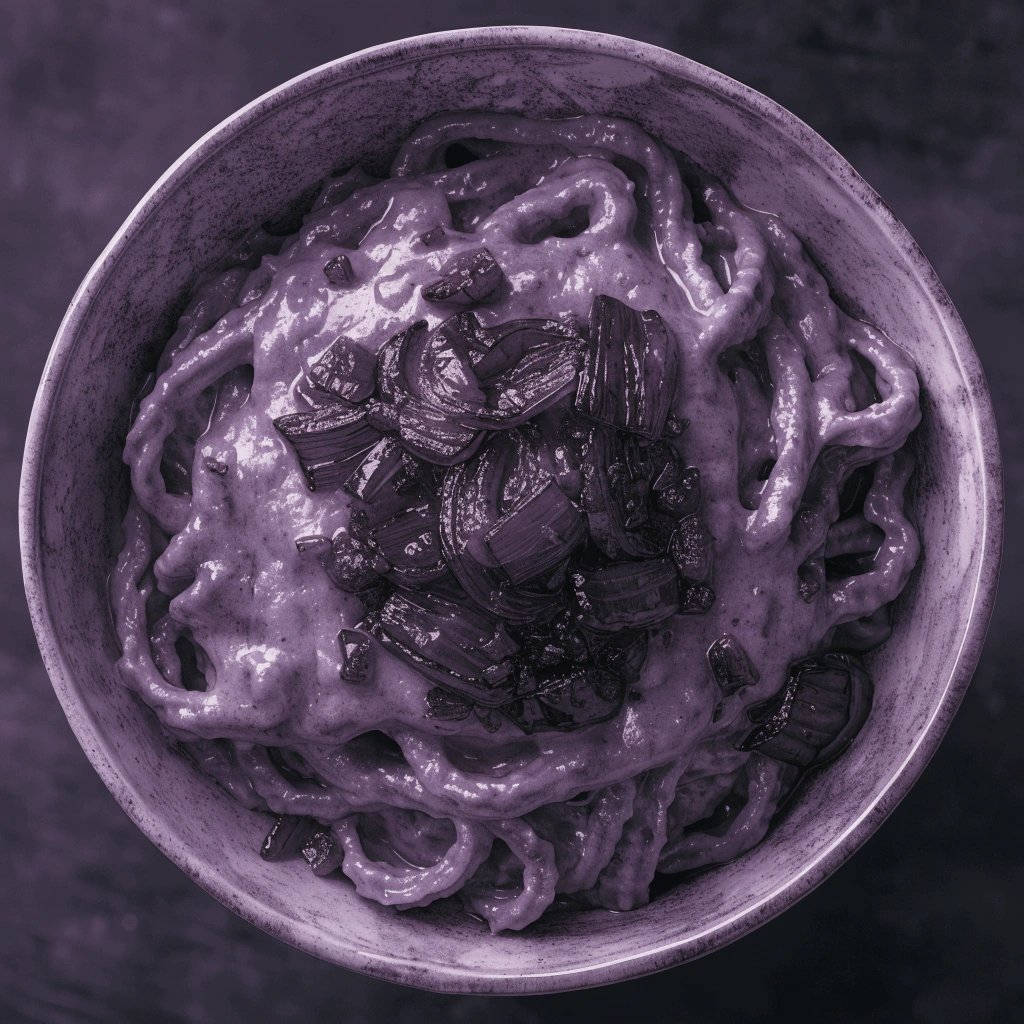
ドイツのおいしい料理:ケーゼシュペッツレ
ケーゼシュペッツレは、ドイツのおいしい料理です。これはドイツ南部の料理です。 ケーゼシュペッツレは、チーズと麺の料理です。麺は特別な形をしています。チーズもたくさん入っています。だから、とてもおいしいです。 ドイツの人は、この料理をよく食べます。家族や友達と食べます。みんな、ケーゼシュペッツレが大好きです。
文法スポットライト
パターン: 名詞 の 名詞 (Noun no Noun)
"ドイツ南部の料理"
名詞と名詞をつなぐときに使います。「AのB」で「AのB」という意味になります。AがBを説明します。
パターン: 名詞 が 好きです (Noun ga suki desu)
"ケーゼシュペッツレが大好きです。"
好きなものを言うときに使います。「〜が好きです」で「〜を好きです」という意味です。助詞の「が」を使います。
理解度をチェック
10 問 · A1 初級 · 無料プレビュー 1回
この記事で学んだことをテストしよう。全問正解してXPを獲得!
ケーゼシュペッツレはどこの国の料理ですか。
問題の内訳
ケーゼシュペッツレはどこの国の料理ですか。
あなたの回答:
正解: ドイツ
ケーゼシュペッツレには、チーズがたくさん入っています。
あなたの回答:
正解: 正しい
「特別な」の意味は何ですか。
あなたの回答:
正解: ほかの物と違う
ドイツの人は、この料理を____食べます。
あなたの回答:
正解: よく
ドイツのおいしい料理:ケーゼシュペッツレ!
ドイツにはおいしい料理がたくさんあります。今日は「ケーゼシュペッツレ」という料理を紹介します。これはドイツの南のほう、シュヴァーベンやアルゴイ地方で有名です。とても人気がある料理です。
ケーゼシュペッツレは、チーズと「シュペッツレ」という特別な麺で作ります。シュペッツレは卵で作った麺です。形は少し不規則ですが、食感は柔らかくて、もちもちしています。イタリアのパスタとは少し違います。
この料理は「ドイツのマカロニチーズ」と言われることがあります。でも、ケーゼシュペッツレはもっと特別です。その作り方や味は、とてもユニークです。ドイツの寒い日に食べると、心が温かくなります。ぜひ食べてみてください。
文法スポットライト
パターン: 〜と言われる (to be called/said to be)
"この料理は「ドイツのマカロニチーズ」と言われることがあります。"
これは、誰かがそのように言うときに使う表現です。動詞の受身形(うけみけい)の一つで、「〜と、みんなが言います」という意味になります。
パターン: 〜で作ります (to make from/with)
"ケーゼシュペッツレは、チーズと「シュペッツレ」という特別な麺で作ります。"
何かを作る時に、材料(ざいりょう)や道具(どうぐ)を示すときに使います。材料の場合は「(材料)で」、道具の場合も「(道具)で」を使います。
理解度をチェック
11 問 · A2 初級 · 無料プレビュー 1回
この記事で学んだことをテストしよう。全問正解してXPを獲得!
ケーゼシュペッツレはドイツのどの地方で有名ですか?
問題の内訳
ケーゼシュペッツレはドイツのどの地方で有名ですか?
あなたの回答:
正解: 南のほう
シュペッツレはイタリアのパスタと同じです。
あなたの回答:
正解: 間違い
「不規則」という言葉の意味は何ですか?
あなたの回答:
正解: いつもの形と違う
シュペッツレは卵で( )麺です。
あなたの回答:
正解: 作った
ケーゼシュペッツレはよく何に例えられますか?
あなたの回答:
正解: ドイツのマカロニチーズ
The Heart of German Comfort Food: Käsespätzle
If you travel to the mountainous regions of Southern Germany, you will find a dish that feels like a warm hug. This dish is called Käsespätzle. Although it has often been compared to "macaroni and cheese," it is much more than a simple pasta dish. It is a symbol of tradition in areas like Swabia and the Allgäu.
Spätzle are a special type of egg noodle that have an irregular shape. Unlike Italian pasta, which is usually rolled out or cut into perfect shapes, Spätzle are made by hand. The dough is mixed until it is smooth, and then it is pushed through a tool called a Spätzlehobel. In the past, the dough was scraped off a wooden board directly into boiling water, a technique which is still used by professional chefs today.
The magic happens when the noodles are finished. They are layered in a large dish with plenty of grated cheese, such as Emmental or mountain cheese. This mixture is heated until the cheese has melted into a creamy sauce. Finally, the dish is topped with crispy, caramelized onions, which add a sweet and salty flavor.
Käsespätzle has been served in mountain huts for centuries. It is the perfect meal for hikers who have spent the whole day walking in the Alps. Because it is so heavy and filling, it is usually served with a fresh green salad to balance the flavors. Whether you are at a local festival or a cozy restaurant, this traditional meal is something that must be experienced.
文法スポットライト
パターン: Passive Voice
"The dough is mixed until it is smooth, and then it is pushed through a tool called a Spätzlehobel."
The passive voice is used here to focus on the action being done to the dough rather than who is doing it. It is formed using the verb 'to be' and the past participle.
パターン: Relative Clauses
"It is the perfect meal for hikers who have spent the whole day walking in the Alps."
The relative clause 'who have spent...' provides essential information about the hikers. 'Who' is used for people, while 'which' or 'that' are used for things.
理解度をチェック
11 問 · B1 中級 · 無料プレビュー 1回
この記事で学んだことをテストしよう。全問正解してXPを獲得!
Where does Käsespätzle traditionally come from?
問題の内訳
Where does Käsespätzle traditionally come from?
あなたの回答:
正解: Southern Germany
Spätzle noodles are usually made in perfect, identical shapes.
あなたの回答:
正解: 間違い
What does 'grated' mean in the context of cheese?
あなたの回答:
正解: Shredded into small pieces
The dish is topped with crispy, _____ onions.
あなたの回答:
正解: caramelized
Why is the dish usually served with a green salad?
あなたの回答:
正解: To balance the heavy and filling flavors
The Artisanal Heritage of Käsespätzle: More Than Just Comfort Food
While international fast food chains continue to expand across Europe, the traditional culinary heritage of Southern Germany remains remarkably resilient. Among the most cherished dishes is Käsespätzle, a specialty that originates from the Swabian and Allgäu regions. Although it is frequently compared to the ubiquitous American 'macaroni and cheese,' such a simplification overlooks the intricate craftsmanship and regional pride embedded in its preparation. This dish serves as a testament to how simple ingredients can be transformed into a sophisticated cultural icon.
The foundation of the dish lies in the Spätzle itself—a unique variety of egg noodle. Unlike Italian pasta, which is typically extruded through metal dies or rolled into precise sheets, Spätzle are characterized by their irregular shapes and soft, chewy consistency. Traditionally, the dough is scraped by hand from a wooden board directly into boiling water, a technique known as 'Spätzle-schaben.' This artisanal approach ensures that no two noodles are identical, providing a rustic texture that is highly valued by connoisseurs. The manual labor involved reflects a commitment to quality that mass-produced alternatives simply cannot replicate.
Furthermore, the selection of cheese is a matter of significant debate among locals. A sophisticated blend of Emmentaler and Bergkäse is generally preferred, as these varieties offer a balance between melting quality and a sharp, pungent flavor profile. The dish is assembled in layers, alternating the fresh noodles with generous amounts of cheese, and is subsequently baked until the surface reaches a golden hue. The final touch, which is considered indispensable, consists of a topping of crispy, caramelized onions that provide a sweet contrast to the savory base. This combination of textures and flavors creates a complex sensory experience.
From a cultural perspective, Käsespätzle represents more than just a substantial meal; it serves as a symbol of 'Gemütlichkeit'—a German concept encompassing warmth, friendliness, and good cheer. In the mountainous landscapes of the Alps, it has historically functioned as a vital source of energy for laborers and hikers alike. Even in contemporary society, where dietary trends often favor lighter fare, this calorie-dense dish maintains its status as a quintessential comfort food. Consequently, it illustrates how traditional recipes can withstand the pressures of globalization by remaining deeply rooted in local identity and communal ritual.
文法スポットライト
パターン: Passive Voice
"Spätzle are characterized by their irregular shapes and soft, chewy consistency."
The passive voice is used here to focus on the object (the noodles) rather than the person making them. It is formed using the verb 'to be' followed by the past participle.
パターン: Concessive Clauses (Although)
"Although it is frequently compared to the ubiquitous American 'macaroni and cheese,' such a simplification overlooks the intricate craftsmanship."
This structure is used to introduce a contrast or a surprising fact. 'Although' is followed by a subject and a verb to show that despite one fact, another fact remains true.
パターン: Non-defining Relative Clauses
"The final touch, which is considered indispensable, consists of a topping of crispy, caramelized onions."
These clauses provide extra information about a noun but are not essential to the sentence's meaning. They are always separated by commas and use relative pronouns like 'which' or 'who'.
理解度をチェック
11 問 · B2 中上級 · 無料プレビュー 1回
この記事で学んだことをテストしよう。全問正解してXPを獲得!
Which regions in Germany are specifically mentioned as the origin of Käsespätzle?
問題の内訳
Which regions in Germany are specifically mentioned as the origin of Käsespätzle?
あなたの回答:
正解: Swabia and Allgäu
The article suggests that Spätzle are identical in shape because they are made using metal dies.
あなたの回答:
正解: 間違い
What does the word 'connoisseurs' mean in the context of the article?
あなたの回答:
正解: Expert judges with refined taste
Unlike Italian pasta, Spätzle have a soft and chewy _____.
あなたの回答:
正解: consistency
What role do caramelized onions play in the dish according to the text?
あなたの回答:
正解: They provide a sweet contrast to the savory base.
ドイツ南部の食卓を彩る、奥深き郷土料理「ケーゼシュペッツレ」の魅力
ドイツ南部の山間地帯、特にシュヴァーベン地方やアルゴイ地方に深く根差した料理に、「ケーゼシュペッツレ」という逸品があります。しばしば「ドイツ版マカロニチーズ」と称されることもありますが、この表現では、本物のケーゼシュペッツレが持つ繊細な風味と職人技を十分に伝えきれるものではありません。シュペッツレ自体が独特の卵麺であり、その不規則な形状と、もちもちとした柔らかな食感が特徴的です。イタリアのパスタが押し出したり延ばしたりして作られるのとは異なり、シュペッツレは生地を板から直接熱湯へと落とし入れることで、その特徴的な形が生まれるのです。
ケーゼシュペッツレの真髄は、この手作りのシュペッツレと、地元の熟成チーズとの完璧な調和にあります。一般的には、エメンタールチーズやグリュイエールチーズといった、風味豊かな硬質チーズが用いられ、これらが熱々のシュペッツレと絡み合うことで、とろけるような口当たりと、深いコクが醸し出されます。さらに、香ばしく炒められた玉ねぎのフライドオニオンが添えられるのが定番で、これが全体の味に香ばしさと食感のアクセントを加え、単なるチーズと麺の組み合わせを超えた複雑な味わいを創出しています。このフライドオニオンの存在こそが、多くのドイツ人にとってケーゼシュペッツレを郷愁を誘う特別な一皿たらしめている要因の一つと言えるでしょう。
家庭ごとに、あるいは地域ごとにレシピは多岐にわたるものの、共通しているのは、その温かさと滋味深さです。寒い季節には特に、体を芯から温めてくれるソウルフードとして親しまれており、大人から子供まで幅広い層に愛されています。また、単なる主食としてだけでなく、肉料理の付け合わせとして提供されることも少なくありません。例えば、ローストポークやシュニッツェルと共に供されることで、料理全体の満足感を高める役割を担うこともあります。
今日、ケーゼシュペッツレはドイツ国内だけでなく、その美味しさが世界中で認識されつつあります。高級レストランのメニューに並ぶこともあれば、手軽なビストロで提供されることもあり、その多様な姿を見せています。しかし、その真価を味わうには、やはり本場ドイツ南部、特にシュヴァーベン地方の地を訪れ、地元の食材を活かした伝統的な製法で丁寧に作られたものを食すに如くはありません。そうすることで、この料理が単なる郷土料理に留まらず、ドイツの豊かな食文化の一端を垣間見ることができるはずです。
ケーゼシュペッツレは、その素朴な見た目とは裏腹に、豊かな歴史と文化、そして何よりも人々の温かい思い出が詰まった、まさにドイツが誇るべき食の遺産なのです。一度口にすれば忘れられない、その独特の味わいは、訪れる者の心を捉えて離さないでしょう。ドイツの食文化を深く理解する上で、このケーゼシュペッツレは決して避けて通ることのできない、重要な存在と言えるでしょう。
文法スポットライト
パターン: 名詞+たらしめる
"このフライドオニオンの存在こそが、多くのドイツ人にとってケーゼシュペッツレを郷愁を誘う特別な一皿たらしめている要因の一つと言えるでしょう。"
「〜たらしめる」は、「〜として存在させる」「〜の状態にする」という意味で、やや硬い表現です。あるものが、その本質や特徴を形成する決定的な要因であることを説明する際に用いられます。この文では、フライドオニオンがケーゼシュペッツレを特別な料理にしている、という因果関係を強調しています。
パターン: 〜に如くはない
"しかし、その真価を味わうには、やはり本場ドイツ南部、特にシュヴァーベン地方の地を訪れ、地元の食材を活かした伝統的な製法で丁寧に作られたものを食すに如くはありません。"
「〜に如くはない」は、「〜するのが一番良い」「これに勝るものはない」という意味の慣用表現です。ある目的を達成するための最善策や、ある状況における最適な選択肢を強く推奨する際に使われます。この文では、ケーゼシュペッツレの真価を味わうには、現地で食べるのが最高だという筆者の見解が示されています。
パターン: 〜とは裏腹に
"ケーゼシュペッツレは、その素朴な見た目とは裏腹に、豊かな歴史と文化、そして何よりも人々の温かい思い出が詰まった、まさにドイツが誇るべき食の遺産なのです。"
「〜とは裏腹に」は、「〜とは反対に」「〜とは異なって」という意味で、予想や見た目とは異なる事実や状況を述べる際に使われます。表面的な印象と内実とのギャップを強調する表現です。この文では、ケーゼシュペッツレのシンプルな外見と、その背景にある深い価値との対比が示されています。
理解度をチェック
12 問 · C1 上級 · 無料プレビュー 1回
この記事で学んだことをテストしよう。全問正解してXPを獲得!
ケーゼシュペッツレについて、「ドイツ版マカロニチーズ」という表現が適切でないと筆者が考える理由は何ですか?
問題の内訳
ケーゼシュペッツレについて、「ドイツ版マカロニチーズ」という表現が適切でないと筆者が考える理由は何ですか?
あなたの回答:
正解: 本物のケーゼシュペッツレの繊細な風味と職人技を伝えきれないから。
シュペッツレは、イタリアのパスタと同じ製法で作られる。
あなたの回答:
正解: 間違い
「醸し出す」の最も適切な意味はどれですか?
あなたの回答:
正解: 特定の雰囲気や味を自然に生み出す
ケーゼシュペッツレには、香ばしく炒められた玉ねぎのフライドオニオンが添えられるのが_____で、これが全体の味にアクセントを加える。
あなたの回答:
正解: 定番
ケーゼシュペッツレの真価を味わうための最善の方法として、筆者が推奨しているのは何ですか?
あなたの回答:
正解: 本場ドイツ南部の地を訪れ、伝統的な製法で作られたものを食す。
ケーゼシュペッツレは、寒い季節に体を温めるソウルフードとして特に親しまれている。
あなたの回答:
正解: 正しい
The Alchemical Synthesis of the Allgäu: A Sociological Deconstruction of Käsespätzle
To the uninitiated observer, the dish known as Käsespätzle might appear to be a mere regional iteration of the ubiquitous macaroni and cheese. However, such a reductive assessment fails to encapsulate the profound cultural provenance and the intricate artisanal craftsmanship inherent in this Swabian staple. Were one to traverse the undulating topography of the Swabian Alps or the verdant pastures of the Allgäu, one would inevitably encounter the olfactory signature of this dish—a pungent yet inviting amalgamation of aged mountain cheese and caramelized onions. It is not merely a meal; it is a visceral manifestation of Southern German identity, a gastronomic anchor in an increasingly globalized culinary landscape.
The genesis of Spätzle lies in the idiosyncratic preparation of the dough. Unlike Italian pasta, which often demands a rigid adherence to durum wheat and extrusion, Spätzle are predicated on a softer, more elastic composition of flour, eggs, and sparkling water. The preeminence of the 'Schaben' technique—the manual scraping of the dough from a wooden board into boiling water—cannot be overstated. This method ensures an irregular morphology, providing a textured surface area that facilitates the optimal adhesion of the melted cheese. Should the dough lack the requisite elasticity, the resulting noodles would fail to provide the chewy, substantial mouthfeel that characterizes the quintessential authentic version.
Central to the dish's complexity is the selection of cheese, typically a robust dichotomy between the sharp, nutty notes of Allgäuer Bergkäse and the milder, more supple Emmentaler. The melding of these elements occurs not in a vacuum, but through a layered assembly process that requires meticulous temperature control. It is imperative that the cheese be integrated while the noodles retain their residual heat, allowing for a cohesive emulsification without the oil separating—a common pitfall for the amateur cook. Furthermore, the addition of fried onions provides a crucial textural counterpoint, offering a crisp, saccharine contrast to the savory density of the noodles.
From a sociological perspective, Käsespätzle functions as a communal lubricant. It is a dish traditionally served in large ceramic bowls, designed for shared consumption in the rustic 'Gasthof' setting. This collective experience reinforces social cohesion, bridging the gap between generations through the shared appreciation of a recipe that has remained largely unchanged for centuries. While modern gastronomic trends might advocate for the inclusion of 'fusion' elements or avant-garde presentations, the enduring popularity of the traditional form suggests a deep-seated psychological need for culinary continuity. Indeed, it would seem that the dish’s very simplicity is its most sophisticated attribute, requiring a mastery of timing and ingredient quality that belies its humble appearance.
In conclusion, Käsespätzle represents a confluence of geography, history, and technique. To analyze it through a purely nutritional lens would be to ignore its role as a cultural artifact. It serves as a testament to the ingenuity of rural populations who, with a limited palette of local ingredients, created a dish of such enduring appeal. Whether it is consumed as a restorative meal after a day of alpine hiking or as a celebratory centerpiece, Käsespätzle remains an indispensable facet of the German culinary lexicon, embodying a sense of 'Heimat'—a concept of home and belonging that transcends mere geographical boundaries.
文法スポットライト
パターン: Second Conditional with Inversion (Subjunctive)
"Were one to traverse the undulating topography of the Swabian Alps, one would inevitably encounter the olfactory signature of this dish."
This formal structure replaces 'If one were to traverse...' with the inverted 'Were one to...'. It is used in C2 level writing to express hypothetical scenarios with a scholarly or literary tone.
パターン: Cleft Sentence for Emphasis
"It is not merely a meal; it is a visceral manifestation of Southern German identity."
Cleft sentences (It is + [emphasized part] + that/which/who...) are used to focus on a specific piece of information. Here, it emphasizes the symbolic nature of the food over its literal function as sustenance.
パターン: First Conditional with Inversion (Formal/Academic)
"Should the dough lack the requisite elasticity, the resulting noodles would fail to provide the chewy, substantial mouthfeel."
Using 'Should' instead of 'If' at the beginning of a conditional sentence creates a more formal, analytical tone common in academic prose. It describes a potential condition and its consequence.
理解度をチェック
12 問 · C2 マスター · 無料プレビュー 1回
この記事で学んだことをテストしよう。全問正解してXPを獲得!
What is the author's primary critique of comparing Käsespätzle to macaroni and cheese?
問題の内訳
What is the author's primary critique of comparing Käsespätzle to macaroni and cheese?
あなたの回答:
正解: It overlooks the complex craftsmanship and cultural significance of the dish.
The 'Schaben' technique is described as an automated process used in modern factories.
あなたの回答:
正解: 間違い
What does 'idiosyncratic' mean in the context of the article?
あなたの回答:
正解: Unique and peculiar to a specific tradition
The author suggests that the dish's simplicity is actually its most _____ attribute.
あなたの回答:
正解: sophisticated
According to the text, why is temperature control vital during the assembly of the dish?
あなたの回答:
正解: To achieve a cohesive emulsification of the cheese without oil separation.
The article argues that modern fusion trends have successfully replaced traditional Käsespätzle in popularity.
あなたの回答:
正解: 間違い

