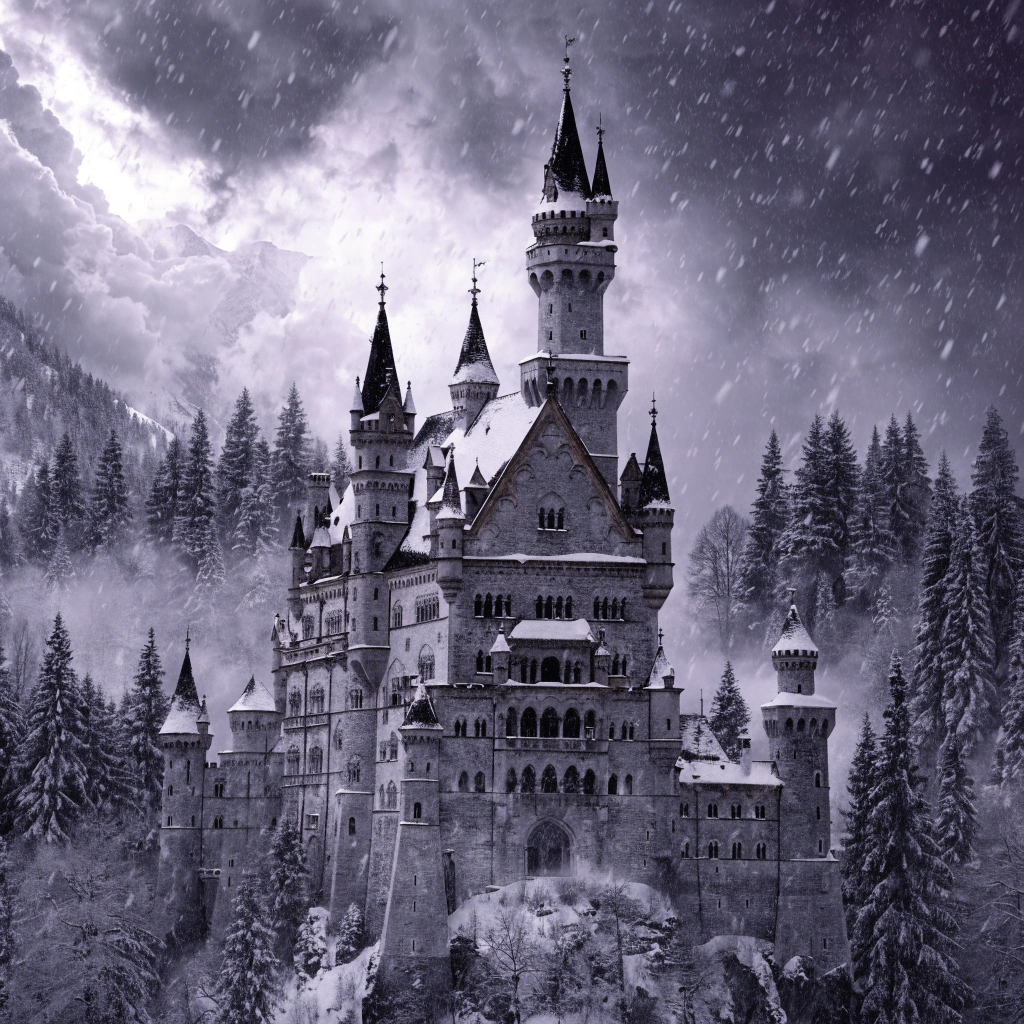
The Beautiful Castle in Germany
Neuschwanstein Castle is a very famous building in Germany. It is in the mountains of Bavaria. King Ludwig II built this beautiful castle in 1869. He wanted a quiet home.
The castle looks like a fairy tale. It has tall towers and white walls. Inside, the rooms are very large and colorful. There are many paintings on the walls.
Today, many people visit the castle every year. They walk up the hill to see the view. It is a very special place in Europe.
文法スポットライト
パターン: Present Simple (to be)
"Neuschwanstein Castle is a very famous building in Germany."
We use 'is' with singular subjects to describe facts or states. It is the most common verb in English for A1 learners.
パターン: There are
"There are many paintings on the walls."
We use 'There are' to say that multiple things exist in a place. Use 'are' for plural nouns like paintings.
理解度をチェック
10 問 · A1 初級 · 無料プレビュー 1回
この記事で学んだことをテストしよう。全問正解してXPを獲得!
Where is Neuschwanstein Castle?
問題の内訳
Where is Neuschwanstein Castle?
あなたの回答:
正解: Germany
King Ludwig II built the castle in 1869.
あなたの回答:
正解: 正しい
What does 'castle' mean?
あなたの回答:
正解: A large building with towers
The castle looks like a fairy _____.
あなたの回答:
正解: tale
The Fairy Tale Castle of Germany
Neuschwanstein Castle is a very famous building in Bavaria, Germany. King Ludwig II started building this beautiful castle in 1869. He wanted a quiet place to live because he was a shy man. The castle stands on a high hill above a small village.
The castle looks like it is from a fairy tale. It has many tall towers and white walls. It is much larger and more modern than older castles from the Middle Ages. Inside, there are many paintings about stories and music. Ludwig loved the music of Richard Wagner, so he decorated the rooms with scenes from Wagner's operas.
Sadly, the king died before the castle was finished. He only lived there for a short time. Today, the castle is not a private home anymore. It is one of the most popular places for tourists in Europe. Every year, millions of people visit to see the 'Fairy Tale Castle.' It is even more famous because it inspired the Disney castle.
文法スポットライト
パターン: Past Simple
"King Ludwig II started building this beautiful castle in 1869."
We use the past simple to talk about finished actions in the past. For regular verbs, we add -ed to the base form.
パターン: Comparatives
"It is much larger and more modern than older castles."
We use comparatives to compare two things. For short words, we add -er (larger). For long words, we use 'more' (more modern).
理解度をチェック
11 問 · A2 初級 · 無料プレビュー 1回
この記事で学んだことをテストしよう。全問正解してXPを獲得!
When did the king start building the castle?
問題の内訳
When did the king start building the castle?
あなたの回答:
正解: 1869
The castle was built for military defense.
あなたの回答:
正解: 間違い
What does 'modern' mean?
あなたの回答:
正解: Using new ideas or styles
The castle stands on a high _____ above a small village.
あなたの回答:
正解: hill
Why did Ludwig decorate the rooms with opera scenes?
あなたの回答:
正解: He loved the music of Richard Wagner
The Fairy Tale Castle of King Ludwig II
Neuschwanstein Castle is one of the most famous buildings in the world. It is located on a high hill in southwest Bavaria, Germany. The castle was built by King Ludwig II, who is often called the 'Fairytale King'. He started the project in 1869 because he wanted a private place where he could escape from public life. He spent a lot of money on the construction because he wanted everything to be perfect.
The architecture of the castle is very special. It was inspired by the operas of Richard Wagner, a composer whom the king admired deeply. Inside, many rooms are decorated with beautiful scenes from German legends. Although the building looks like a medieval fortress, it was actually designed for comfort. It had modern technology for the time, such as a heating system and running water.
Unfortunately, the construction of Neuschwanstein was never completely finished. King Ludwig II only lived there for a few months before he died in 1886. Shortly after his death, the castle was opened to the public. Since then, millions of people have visited this magical place. Many people believe that the castle has inspired famous movies, including Disney’s 'Sleeping Beauty'.
Today, Neuschwanstein is a symbol of German romanticism. It is surrounded by beautiful mountains and lakes, which makes it a perfect place for photography. Visitors from all over the world travel to Bavaria to see the castle that was once a king's private dream.
文法スポットライト
パターン: Passive Voice
"The castle was built by King Ludwig II."
The passive voice is used when the action is more important than the person doing it. It is formed using the verb 'to be' and the past participle of the main verb.
パターン: Relative Clauses
"King Ludwig II, who is often called the 'Fairytale King'."
Relative clauses give more information about a person or thing. We use 'who' for people and 'which' or 'that' for things to connect two ideas together.
理解度をチェック
11 問 · B1 中級 · 無料プレビュー 1回
この記事で学んだことをテストしよう。全問正解してXPを獲得!
Why did King Ludwig II want to build Neuschwanstein Castle?
問題の内訳
Why did King Ludwig II want to build Neuschwanstein Castle?
あなたの回答:
正解: To have a private place to escape public life
The castle was built using medieval technology without any modern comforts.
あなたの回答:
正解: 間違い
What does the word 'private' mean in the text?
あなたの回答:
正解: For only one specific person
The castle was _____ by King Ludwig II in 1869.
あなたの回答:
正解: built
Who inspired the design of the castle's interior?
あなたの回答:
正解: Richard Wagner
ノイシュヴァンシュタイン城:狂王の夢と遺産
ドイツ、バイエルン州の山中にそびえ立つノイシュヴァンシュタイン城は、世界で最も認識されている建築物の一つです。その壮麗な姿は、まるで絵本から飛び出してきたかのような印象を与え、毎年世界中から多くの観光客を魅了しています。しかし、この城は単なる観光名所ではありません。そこには、建設を命じたバイエルン国王ルートヴィヒ2世の深い夢と、彼自身の悲劇的な運命が織り込まれています。
1869年に着工されたこの城は、軍事的な防衛を目的としたものでも、公衆に公開されることを意図したものでもありませんでした。むしろ、それは隠遁を好んだルートヴィヒ2世のための私的な聖域であり、彼が深く傾倒していた作曲家リヒャルト・ワーグナーのオペラの世界を具現化した壮大な建築的記念碑として構想されました。ルートヴィヒ2世は、しばしば「狂王」と称されますが、彼の「狂気」は、現実世界から逃避し、自らの理想とするロマンティックな世界を創造しようとする情熱に他ならなかったと言えるでしょう。
城の内部は、ワーグナーのオペラの登場人物や中世の伝説を題材としたフレスコ画や装飾で満たされており、王の芸術への深い憧憬が伺えます。特に、忠実な白鳥の騎士ローエングリンをテーマにした部屋は、王の精神世界を象徴しているかのようです。しかし、この壮大な夢の実現には莫大な費用がかかり、国家財政を圧迫しました。その結果、ルートヴィヒ2世は精神病と診断され、摂政政治が敷かれることになります。城が未完成のまま、彼は謎の死を遂げ、その生涯を閉じました。
ルートヴィヒ2世の死後、城は彼の意図に反して公衆に開放され、今日ではバイエルン州の最も有名な観光地の一つとなっています。彼の時代には理解されなかった夢は、現代において多くの人々を魅了し、彼の芸術的ビジョンを後世に伝えています。ノイシュヴァンシュタイン城は、一人の王の個人的な夢と情熱が、いかにして時代を超えた文化遺産となり得るかを示す、稀有な例と言えるでしょう。この城を訪れることは、単に美しい建築を見るだけでなく、一人の人間の壮大な夢と、それが生み出した不朽の美に触れる体験に他なりません。
文法スポットライト
パターン: 〜に他ならない
"彼の「狂気」は、現実世界から逃避し、自らの理想とするロマンティックな世界を創造しようとする情熱に他ならなかったと言えるでしょう。"
「AはBに他ならない」は、「AはまさにBである」「AはBとしか言いようがない」という意味を表します。断定的な表現で、ある事柄が別のある事柄と本質的に同じであることを強調する際に使われます。名詞や動詞の辞書形に接続します。
パターン: 〜だけでなく〜も
"この城は単なる観光名所ではありません。そこには、建設を命じたバイエルン国王ルートヴィヒ2世の深い夢と、彼自身の悲劇的な運命が織り込まれています。"
「AだけでなくBも」は、「Aという事実に加えてBという事実もまた当てはまる」という意味を表します。並列や追加の情報を提示する際に用いられ、事柄の範囲や程度を広げて説明するのに役立ちます。名詞や文節に接続します。
パターン: 〜を目的とした
"軍事的な防衛を目的としたものでも、公衆に公開されることを意図したものでもありませんでした。"
「〜を目的とした」は、「〜を目標や理由として行動する」という意味を表します。何かを計画したり実行したりする際の意図や狙いを明確にするために使われます。名詞に「を目的とした」を接続します。
理解度をチェック
11 問 · B2 中上級 · 無料プレビュー 1回
この記事で学んだことをテストしよう。全問正解してXPを獲得!
ノイシュヴァンシュタイン城は、どのような目的で建設されましたか?
問題の内訳
ノイシュヴァンシュタイン城は、どのような目的で建設されましたか?
あなたの回答:
正解: ルートヴィヒ2世の私的な聖域として
ルートヴィヒ2世は、リヒャルト・ワーグナーのオペラに深く傾倒していました。
あなたの回答:
正解: 正しい
「具現化」の最も適切な意味は何ですか?
あなたの回答:
正解: 形のないものを具体的な形にすること
ルートヴィヒ2世は、その生涯を閉じる前に、城が未完成のまま謎の____を遂げました。
あなたの回答:
正解: 死
ノイシュヴァンシュタイン城の建設費用が国家財政を圧迫した結果、ルートヴィヒ2世はどうなりましたか?
あなたの回答:
正解: 精神病と診断され、摂政政治が敷かれた
The Ethereal Enigma: Neuschwanstein and the Architectural Obsession of Ludwig II
Perched precariously atop a rugged limestone outcrop in the Bavarian Alps, Neuschwanstein Castle stands as a testament to the idiosyncratic vision of King Ludwig II. Seldom has a monarch’s personal obsession yielded such a globally recognized silhouette, yet the castle’s origins are steeped in a desire for isolation rather than a display of sovereign power. What Ludwig sought was not a fortress for military defense, but a theatrical sanctuary where he could inhabit the medieval sagas that permeated the operas of Richard Wagner.
Construction began in 1869, during a period when the strategic relevance of castles had long since vanished. Consequently, Neuschwanstein is often regarded as a magnificent anachronism. It was his profound admiration for Richard Wagner that fueled the castle's theatrical design, with many rooms directly inspired by the composer’s operatic works. The Hall of the Singers and the Grotto, a simulated stalactite cave, serve as physical manifestations of a romanticized past. This architectural project was less about the governance of Bavaria and more about the creation of a private stage where the king could retreat from the increasingly complex political landscape of 19th-century Europe.
The opulence of the interior, featuring intricate wood carvings, elaborate frescoes, and innovative technology for its time—such as a battery-powered bell system and central heating—contrasted sharply with the king's dwindling political influence. Ludwig’s reclusive nature and his propensity to subsidize his grand projects with personal credit eventually led to his downfall. In 1886, the king was declared mentally unfit to rule, a deposition that remains a subject of historical debate. Ironically, the very sanctuary he built to escape the public eye was opened to visitors just seven weeks after his mysterious death.
Today, the castle’s grandeur attracts millions of tourists annually, highlighting a fascinating paradox. The rapid transformation of a private retreat into a state-funded spectacle remains a point of historical contention. While critics of the era viewed the project as a manifestation of fiscal irresponsibility, modern perspectives often celebrate it as a triumph of Romanticism. The evanescent dream of a 'Mad King' has become an enduring symbol of German heritage, though the juxtaposition between the castle’s fairy-tale appearance and the tragic reality of its creator's life continues to captivate the global imagination. Ultimately, Neuschwanstein serves as a reminder that the line between genius and madness is often as thin as the mountain air surrounding its towers.
文法スポットライト
パターン: Negative Inversion
"Seldom has a monarch’s personal obsession yielded such a globally recognized silhouette."
Inversion is used after negative or restrictive adverbs (like 'seldom') at the beginning of a sentence to add emphasis. The auxiliary verb 'has' moves before the subject 'a monarch’s personal obsession'.
パターン: Cleft Sentences
"It was his profound admiration for Richard Wagner that fueled the castle's theatrical design."
A cleft sentence is used to focus on specific information. By using the 'It + be + [focus] + relative clause' structure, the author emphasizes Wagner's influence as the primary cause.
パターン: Nominalisation
"The rapid transformation of a private retreat into a state-funded spectacle remains a point of historical contention."
Nominalisation involves turning verbs (transform) into nouns (transformation). This allows for a more formal, academic tone and helps pack complex ideas into the subject of the sentence.
理解度をチェック
12 問 · C1 上級 · 無料プレビュー 1回
この記事で学んだことをテストしよう。全問正解してXPを獲得!
What was the primary purpose of Neuschwanstein Castle according to the text?
問題の内訳
What was the primary purpose of Neuschwanstein Castle according to the text?
あなたの回答:
正解: A private sanctuary and architectural tribute
The castle was built during a time when castles were still strategically vital for warfare.
あなたの回答:
正解: 間違い
What does 'anachronism' mean in the context of the article?
あなたの回答:
正解: A structure that is out of place in its time period
Ludwig’s reclusive nature and his propensity to _____ his grand projects with personal credit led to his downfall.
あなたの回答:
正解: subsidize
Which of the following technologies was surprisingly present in the castle?
あなたの回答:
正解: Battery-powered bell system
The castle was opened to the public shortly after King Ludwig II's death.
あなたの回答:
正解: 正しい
An Architectural Manifestation of Romantic Idealism: The Enigma of Neuschwanstein
Perched precariously atop the rugged crags of the Bavarian Alps, Neuschwanstein Castle stands as a formidable testament to the architectural and psychological idiosyncrasies of King Ludwig II of Bavaria. Far from being a mere relic of feudal defense, this nineteenth-century edifice represents a deliberate, albeit anachronistic, retreat into a romanticized past. To the casual observer, the castle evokes the fairy-tale aesthetic that has since permeated global popular culture; however, a more scholarly interrogation reveals a complex tapestry of Wagnerian influence, political disillusionment, and a profound yearning for the sublime.
Commissioned in 1869, Neuschwanstein was never intended to facilitate military maneuvers or serve as a seat of administrative power. Instead, it was conceived as a private sanctuary—a 'holy place' where the reclusive monarch could insulate himself from the encroaching realities of a modernizing Germany. Ludwig’s obsession with the operas of Richard Wagner served as the primary catalyst for the castle’s internal iconography. The walls are adorned with frescoes depicting scenes from Lohengrin and Tannhäuser, effectively transforming the domestic space into a stage for a perpetual, silent performance. Had Ludwig not been so profoundly enamored with these Teutonic myths, the castle’s interior would likely have lacked its current operatic grandiosity.
The architectural language of Neuschwanstein is one of deliberate juxtaposition. While the exterior mimics the Romanesque style of the 13th century, the interior was outfitted with the pinnacle of contemporary technology. It featured an automated heating system, running water on every floor, and even a battery-powered bell system for summoning servants. This synthesis of the archaic and the avant-garde underscores the king's paradoxical relationship with his era. He venerated the medieval spirit of kingship yet utilized the industrial advancements of his time to manifest his fantasies.
Furthermore, the castle’s construction coincided with Ludwig’s diminishing political agency. Following Bavaria’s defeat in the Austro-Prussian War, the king was relegated to a ceremonial role, his sovereignty largely eclipsed by the rising power of Prussia. It is widely contended that the castle functioned as a compensatory mechanism—a realm where his absolute authority remained unchallenged. In this sense, Neuschwanstein is less a residence and more a psychological fortification against the erosion of monarchical prestige.
The site selection itself was a masterstroke of Romantic idealism. By positioning the castle on a precipitous cliff overlooking the Pöllat Gorge, Ludwig ensured that the landscape itself became an integral component of the architectural experience. The rugged terrain acts as a visual metaphor for the untamed, primordial forces of nature that the Romantic movement so fervently celebrated. This deliberate engagement with the sublime suggests that the castle was designed to be viewed from afar, as a silhouette against the sky, rather than as a functional living space.
Critics of the period often viewed the project as an exercise in fiscal irresponsibility, and indeed, the King’s mounting debts eventually provided the pretext for his deposition. However, viewed through a contemporary lens, the castle’s ephemeral nature—Ludwig lived there for less than half a year before his mysterious death—only adds to its haunting allure. The irony remains that a structure built for extreme privacy has become one of the most visited sites in Europe, attracting millions who seek a glimpse into the king's aestheticized solitude. Seldom has an architectural project so thoroughly reflected the internal psyche of its patron as Neuschwanstein, serving as a permanent monument to a man who sought to transcend the limitations of his own history.
文法スポットライト
パターン: Inversion with Negative/Restrictive Adverbs
"Seldom has an architectural project so thoroughly reflected the internal psyche of its patron as Neuschwanstein."
When using restrictive adverbs like 'seldom' or 'hardly' at the start of a sentence for emphasis, the auxiliary verb is placed before the subject. This creates a formal, rhetorical effect common in C2 level academic writing.
パターン: Third Conditional (Inverted Subjunctive)
"Had Ludwig not been so profoundly enamored with these Teutonic myths, the castle’s interior would likely have lacked its current operatic grandiosity."
This structure replaces 'If Ludwig had not been...' with 'Had Ludwig not been...'. It is a high-level way to express hypothetical past situations and their consequences, typical of scholarly analysis.
パターン: Passive Voice with Hedging
"It is widely contended that the castle functioned as a compensatory mechanism."
This 'It + passive verb + that' construction is used to present an opinion or theory without attributing it to a specific person. It is a key feature of academic 'hedging,' allowing the writer to remain objective.
理解度をチェック
12 問 · C2 マスター · 無料プレビュー 1回
この記事で学んだことをテストしよう。全問正解してXPを獲得!
What does the author suggest was the primary purpose of Neuschwanstein Castle?
問題の内訳
What does the author suggest was the primary purpose of Neuschwanstein Castle?
あなたの回答:
正解: A private sanctuary and architectural tribute to Richard Wagner
The castle's interior was technologically primitive to match its medieval exterior.
あなたの回答:
正解: 間違い
What does 'anachronistic' mean in the context of the article?
あなたの回答:
正解: Historically misplaced or belonging to a different time
The author describes the castle's construction as a _____ mechanism for the King's loss of political power.
あなたの回答:
正解: compensatory
According to the text, why did critics of the 19th century oppose the project?
あなたの回答:
正解: Because of the King's perceived fiscal irresponsibility
Ludwig II lived in the castle for a significant portion of his life.
あなたの回答:
正解: 間違い

