Republic Day in Turkey
Turkey celebrates Republic Day on October 29. It is a very important national holiday. This day is about the start of the Republic of Turkey.
In 1923, Mustafa Kemal Atatürk changed the country. He moved the capital city to Ankara. Now, Turkey is a modern country. People love Atatürk very much.
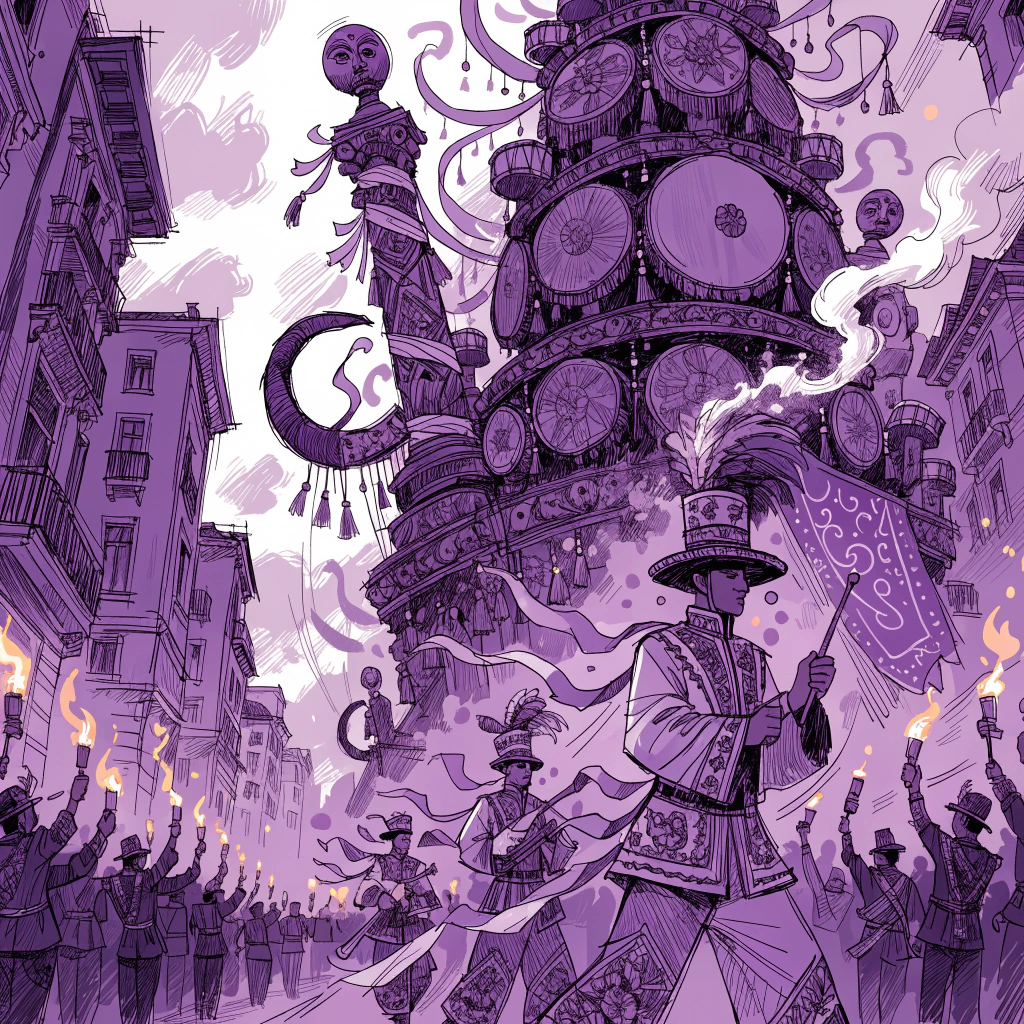
On this day, there are many flags in the streets. People wear red and white clothes. Children sing songs and dance at school. There are big parades in the cities. It is a happy day for everyone in Turkey.
文法スポットライト
パターン: Present Simple (Be)
"It is a very important national holiday."
We use the verb 'to be' (am, is, are) to describe things. For the singular subject 'It', we use 'is'.
パターン: Present Simple (Action Verbs)
"Turkey celebrates Republic Day on October 29."
We use the present simple for facts. When the subject is a name or 'it', we add '-s' to the verb.
理解度をチェック
10 問 · A1 初級 · 無料プレビュー 1回
この記事で学んだことをテストしよう。全問正解してXPを獲得!
When does Turkey celebrate Republic Day?
問題の内訳
When does Turkey celebrate Republic Day?
あなたの回答:
正解: October 29
Ankara is the capital city of Turkey.
あなたの回答:
正解: 正しい
What is a 'flag'?
あなたの回答:
正解: A piece of cloth with colors
People wear red and white _____.
あなたの回答:
正解: clothes
トルコの共和国の日:大切な日のお祝い
トルコには、とても大切なお祭りがあります。それは「共和国の日」(ジュムフリイェット・バイラミ)です。毎年10月29日に祝われます。この日は、トルコの人々にとって、国の誕生日みたいです。
1923年10月29日、ムスタファ・ケマル・アタテュルクという人が、トルコを「共和国」にしました。これは、トルコが新しい国になった大切な日です。アタテュルクは、トルコの首都をイスタンブールからアンカラに移しました。昔のオスマントルコ帝国は終わり、新しい、モダンな国が始まりました。
この日、トルコではたくさんの人がお祝いをします。パレードを見たり、旗を飾ったりします。子どもたちも、学校で特別なイベントをします。共和国の日は、トルコの人々が自分たちの国を愛し、誇りに思う大切な日です。
文法スポットライト
パターン: 〜みたいです
"この日は、トルコの人々にとって、国の誕生日みたいです。"
これは「〜のようです」という意味です。何かを他のものと比べて、似ていることを言いたいときに使います。名詞の後ろにつけます。
パターン: 〜にしました
"ムスタファ・ケマル・アタテュルクという人が、トルコを「共和国」にしました。"
これは「AをBに変える」という意味です。AをBという状態やものにしたときに使います。「AをBに+します」の形です。
理解度をチェック
11 問 · A2 初級 · 無料プレビュー 1回
この記事で学んだことをテストしよう。全問正解してXPを獲得!
問題の内訳
共和国の日は、いつですか?
あなたの回答:
正解: 10月29日
ムスタファ・ケマル・アタテュルクは、トルコを共和国にしました。
あなたの回答:
正解: 正しい
「首都」の意味は何ですか?
あなたの回答:
正解: 国の中心の町
昔のオスマントルコ帝国は終わり、新しい、_____国が始まりました。
あなたの回答:
正解: モダンな
共和国の日、トルコの人々は何をしますか?
あなたの回答:
正解: パレードを見たり、旗を飾ったりします
トルコの「共和国記念日」:国の誕生日を祝う大切な日
トルコでは、毎年10月29日に「共和国記念日」(キュムフリイェット・バイラム)という大変重要な祝日があります。この日は、トルコ国民にとって、国の歴史の中で最も大切な日の一つとされています。
1923年10月29日、ムスタファ・ケマル・アタテュルクによって、トルコ共和国が正式に宣言されました。これは、長く続いたオスマン帝国が終わり、新しい、近代的な世俗国家が始まったことを意味します。首都もイスタンブールからアンカラに移されました。この大きな変化は、現在のトルコの基礎を作りました。
共和国記念日は、トルコの独立と主権、そしてアタテュルクが行った改革を祝う日です。この日には、トルコ全土で様々なイベントが行われます。学校では特別な式典が開かれ、子供たちは歌を歌ったり、詩を読んだりします。街中にはトルコの国旗が飾られ、夜には花火が打ち上げられる都市もたくさんあります。軍事パレードも行われ、国の力と国民の誇りが示されます。
この祝日は、トルコの国民が自分たちの国のアイデンティティと、未来への希望を再確認する大切な機会となっています。トルコの人々は、アタテュルクが築いた共和国の価値を大切にし、それを次の世代へと伝えています。
文法スポットライト
パターン: 〜とされています (to be considered/regarded as)
"この日は、トルコ国民にとって、国の歴史の中で最も大切な日の一つとされています。"
この表現は、ある事柄が一般的にどのように考えられているか、または評価されているかを伝えるときに使われます。「〜とされています」は、客観的な情報や一般的な見解を示すのに便利です。動詞の辞書形や名詞の後に「とされています」をつけます。
パターン: 〜こと(を)意味します (to mean that...)
"これは、長く続いたオスマン帝国が終わり、新しい、近代的な世俗国家が始まったことを意味します。"
この文型は、ある状況や行動が何を指し示すか、その結果や内容が何かを説明する際に使われます。「〜こと」で動詞や文を名詞化し、その後に「を意味します」を続けることで、「〜という意味です」という内容を表します。
理解度をチェック
11 問 · B1 中級 · 無料プレビュー 1回
この記事で学んだことをテストしよう。全問正解してXPを獲得!
トルコの共和国記念日は、いつ祝われますか?
問題の内訳
トルコの共和国記念日は、いつ祝われますか?
あなたの回答:
正解: 10月29日
共和国記念日は、オスマン帝国の始まりを祝う日である。
あなたの回答:
正解: 間違い
「改革」という言葉の最も近い意味は何ですか?
あなたの回答:
正解: 社会や制度を良くするために変えること
ムスタファ・ケマル・アタテュルクによって、トルコ___が正式に宣言されました。
あなたの回答:
正解: 共和国
共和国記念日には、どのようなイベントが行われますか?
あなたの回答:
正解: 学校の式典、花火、軍事パレードなど
The Birth of a Modern Nation: Reflecting on Turkey's Republic Day
Every year on October 29th, Turkish citizens gather to commemorate one of the most significant milestones in their history: Republic Day. This date marks the moment in 1923 when Mustafa Kemal Atatürk officially proclaimed the country a republic, effectively ending the centuries-old rule of the Ottoman Empire. This transition was not merely a change in title; it represented a radical shift in the source of authority, transferring sovereignty from a single monarch to the collective will of the people. Consequently, the capital was moved to Ankara, symbolizing a break from the imperial past and the dawn of a modern, centralized nation-state.
The transformation that followed was unprecedented in its scope. Atatürk introduced a series of structural reforms aimed at modernizing every aspect of Turkish life. Central to this vision was the principle of secularism, which sought to separate religious institutions from state affairs, ensuring that the legal and educational systems were based on contemporary logic and science. Furthermore, the implementation of these reforms required the unification of various political factions under a shared national identity. While the Ottoman Empire, the republic's predecessor, had been a multi-ethnic entity, the new republic emphasized a unified sense of citizenship and belonging.
The legacy of these changes remains deeply embedded in the Turkish consciousness. Today, Republic Day is celebrated with immense pride across the country and in international missions abroad. Major cities are adorned with red and white flags, and parades are held to honor the veterans and the founding fathers. The celebrations serve as a moment for citizens to reflect on the progress made over the last century. If the republic had not been established, the nation’s path might have been entirely different, potentially lacking the democratic foundations that define it today.
Ultimately, Republic Day is more than just a public holiday; it is an annual reaffirmation of the country's commitment to progress and independence. The reforms, which were introduced in the 1920s, reshaped the social fabric so thoroughly that their impact is still felt in every courtroom, classroom, and government office. By celebrating this day, Turks acknowledge that their modern identity is built upon the courage of those who dared to envision a new future from the ashes of the old.
文法スポットライト
パターン: Passive Voice
"The Republic was officially proclaimed by the Grand National Assembly."
The passive voice is used here to focus on the historical event (the Republic) rather than the specific person acting, which is common in formal and historical writing.
パターン: Non-defining Relative Clauses
"The reforms, which were introduced in the 1920s, reshaped the social fabric."
This clause adds extra information about the reforms. It is separated by commas because the sentence would still be grammatically complete without it.
パターン: Third Conditional
"If the republic had not been established, the nation’s path might have been entirely different."
This structure is used to talk about an imaginary situation in the past and its hypothetical result. It uses 'if + past perfect' and 'might have + past participle'.
理解度をチェック
11 問 · B2 中上級 · 無料プレビュー 1回
この記事で学んだことをテストしよう。全問正解してXPを獲得!
What significant change occurred on October 29, 1923?
問題の内訳
What significant change occurred on October 29, 1923?
あなたの回答:
正解: The declaration of Turkey as a Republic
The capital of the newly formed Republic was moved to Ankara.
あなたの回答:
正解: 正しい
What does 'sovereignty' mean in the context of the article?
あなたの回答:
正解: The authority of a state to govern itself
The Ottoman Empire is described as the republic's _____.
あなたの回答:
正解: predecessor
According to the text, what was a central vision of Atatürk's reforms?
あなたの回答:
正解: The principle of secularism
トルコ共和国独立の象徴:キュムフリイェット・バイラムの深層
トルコ共和国において、最も重要な国民の祝日として位置づけられるもの、それは「キュムフリイェット・バイラム」、すなわち共和国記念日にほかなりません。毎年10月29日に祝われるこの日は、1923年、ムスタファ・ケマル・アタテュルクがオスマン帝国に代わる新たな国家、トルコ共和国の樹立を公式に宣言し、アンカラを新首都と定めた歴史的な出来事を記念するものです。この宣言は、単なる国名の変更にとどまらず、長きにわたる帝政の終焉と、近代的な世俗国家への転換を決定づける画期的な一歩であったと言えましょう。
アタテュルクが掲げた「主権は無条件に国民のものである」という理念は、この共和国の礎を築く上で極めて重要なものでした。彼の指導の下、政治、社会、文化、経済といった多岐にわたる分野で、西洋の近代文明に範をとった大胆かつ抜本的な改革が矢継ぎ早に実行されたのです。教育制度の改革、女性の権利の確立、アラビア文字からのラテン文字への移行など、その影響は今日に至るまでトルコ社会の深部に根ざしています。キュムフリイェット・バイラムは、これら一連の改革がもたらした自由と進歩を再確認する日でもあります。
現代のトルコにおいて、この記念日は国民的アイデンティティと主権の揺るぎない象徴として、盛大に祝われます。国中の都市や町では、軍事パレードや学校での式典、そして夜には花火が打ち上げられ、多くの人々が国旗を掲げて街頭を行進します。特にアンカラやイスタンブールといった大都市では、その祝祭の規模は圧巻です。若者たちはアタテュルクの肖像画や国旗を手に、彼の遺志を継承する決意を新たにします。これは、過去の栄光を偲ぶだけでなく、未来への希望と国家としての結束を強く意識する機会なのです。
しかしながら、キュムフリイェット・バイラムの意義は、単なる祝賀行事に留まるものではありません。それは、トルコが辿ってきた近代化への道のり、そしてその過程で獲得された民主主義と世俗主義という価値観を、改めて国民一人ひとりが心に刻む日でもあります。アタテュルクが築き上げた共和国の原則は、時に国内外からの挑戦に直面しながらも、今日までトルコ社会の多様性を支える基盤であり続けています。この日を祝うことは、そうした困難を乗り越え、より強固な国家を築き上げてきた先人たちの努力と犠牲に対する深い敬意を表すこと、そして現代を生きる我々がその遺産をいかに守り、発展させていくべきかを問い直すことなのです。
キュムフリイェット・バイラムは、トルコ国民が自らの歴史と向き合い、国家としての存在意義を再認識する貴重な機会を提供します。それは、ただ過去を振り返るだけでなく、未来を見据え、国民が一丸となってより良い社会を築いていくための誓いの場であると言えるでしょう。この祝日が持つ歴史的重みと象徴的意味は、今後もトルコの行く末を照らし続ける灯台であり続けるに違いありません。
文法スポットライト
パターン: 〜にほかならない
"トルコ共和国において、最も重要な国民の祝日として位置づけられるもの、それは「キュムフリイェット・バイラム」、すなわち共和国記念日にほかなりません。"
「〜にほかならない」は、「〜である」という断定を強調する表現です。他の何物でもない、まさにそれである、という意味合いで使われます。文体はやや硬く、書き言葉やフォーマルな場面で用いられます。
パターン: 〜と言えましょう
"この宣言は、単なる国名の変更にとどまらず、長きにわたる帝政の終焉と、近代的な世俗国家への転換を決定づける画期的な一歩であったと言えましょう。"
「〜と言えましょう」は、「〜と言えるでしょう」の謙譲語・丁寧語の形であり、自分の意見を控えめに、しかし丁寧に述べる際に用います。断定を避けつつ、相手に敬意を示しながら意見を伝える表現です。
パターン: 〜に留まるものではありません
"しかしながら、キュムフリイェット・バイラムの意義は、単なる祝賀行事に留まるものではありません。"
「〜に留まるものではありません」は、「〜だけではない」「〜で終わるものではない」という意味を表し、ある事柄が特定の範囲や程度にとどまらず、それ以上の意味や影響を持つことを強調する際に使われます。文語的で、論説文などでよく見られます。
理解度をチェック
12 問 · C1 上級 · 無料プレビュー 1回
この記事で学んだことをテストしよう。全問正解してXPを獲得!
キュムフリイェット・バイラムは毎年何月何日に祝われますか?
問題の内訳
キュムフリイェット・バイラムは毎年何月何日に祝われますか?
あなたの回答:
正解: 10月29日
トルコ共和国は、ムスタファ・ケマル・アタテュルクによって、アンカラを新首都として宣言されました。
あなたの回答:
正解: 正しい
「世俗国家」とはどのような国家体制を指しますか?
あなたの回答:
正解: 政治と宗教が分離された国家
アタテュルクが掲げた「主権は無条件に国民の______」という理念は、共和国の礎を築く上で極めて重要なものでした。
あなたの回答:
正解: ものである
記事によると、キュムフリイェット・バイラムの現代のトルコにおける主な祝い方はどれですか?
あなたの回答:
正解: 軍事パレードや花火
キュムフリイェット・バイラムは、過去を振り返るだけでなく、未来を見据えるための誓いの場でもあります。
あなたの回答:
正解: 正しい
The Ontological Metamorphosis: Deconstructing the Epochal Significance of Turkey’s Republic Day
The proclamation of the Republic of Turkey on October 29, 1923, was not merely a change in governance but an epochal shift that redefined the very fabric of Anatolian society. Following the cataclysmic dissolution of the Ottoman Empire, the nascent state found itself at a historical precipice, caught between the vestiges of a dynastic past and the beckoning call of a modern future. Under the stewardship of Mustafa Kemal Atatürk, the transition from a multi-ethnic, dynastic caliphate to a modern, secular nation-state was characterized by an ontological rupture with the past. This metamorphosis was predicated on the Enlightenment ideals of sovereignty and reason, effectively dismantling centuries of imperial hegemony and replacing them with the revolutionary concept of popular will.
The relocation of the capital from the cosmopolitan, yet symbolically burdened, Istanbul to the central Anatolian heartland of Ankara was a seminal decision. It signaled a definitive departure from the Byzantine and Ottoman legacies, positioning the new Republic as a forward-looking entity rooted in the geographic and cultural core of its citizenry. This geographic shift mirrored the internal restructuring of the Turkish zeitgeist, moving away from the complexities of imperial bureaucracy toward a more streamlined, nationalistic identity. Secularism, or laïcité, became the cornerstone of the state, ensuring that the vicissitudes of religious influence would no longer dictate the legal and political trajectory of the nation. Only through the lens of radical modernization can one truly grasp the magnitude of the 1923 reforms, which sought to transform subjects into sovereign citizens.
Scholars argue that the success of the Republic rested upon the radical implementation of reforms that touched every facet of life, from the adoption of the Latin alphabet to the complete overhaul of the legal code. Had the leadership not pivoted toward a secular framework, the socio-political landscape of contemporary Turkey would look markedly different today. It was essential that the new state be established upon the bedrock of popular sovereignty, rather than divine right. This shift necessitated a profound cognitive realignment among the population, fostered through educational initiatives designed to instill a sense of republican duty and national pride. The rhetorical power of the era, most notably captured in Atatürk’s 'Nutuk', served to consolidate this new identity, framing the Republic as the ultimate safeguard of Turkish independence.
The annual celebration of Republic Day (Cumhuriyet Bayramı) serves as a poignant reminder of this transformative journey. It is a day when the collective memory of the nation is invoked to celebrate the resilience of a people who sought to forge a new identity amidst the ruins of empire. While the political climate may fluctuate, the fundamental principles of the Republic remain a point of intense scholarly and public discourse. The enduring legacy of October 29th is not found in the parades alone, but in the continued pursuit of a democratic and secular ideal that seeks to balance tradition with progress. Lest one should view the proclamation as a mere administrative formality, it must be asserted that it was a profound intellectual and structural achievement, requiring a delicate navigation of the global geopolitical landscape.
In conclusion, the establishment of the Republic was a seminal event that continues to resonate through the decades. It required a steadfast commitment to internal renewal and a visionary approach to state-building. As Turkey commemorates this day, it reflects on a century of progress, acknowledging both the triumphs and the ongoing challenges of maintaining a cohesive national identity in an increasingly globalized world. The spirit of 1923 remains a guiding light, a testament to the power of visionary leadership and the collective will of a nation to redefine its destiny on its own terms.
文法スポットライト
パターン: Negative Inversion for Emphasis
"Only through the lens of radical modernization can one truly grasp the magnitude of the 1923 reforms."
Inversion occurs when the auxiliary verb comes before the subject after certain restrictive expressions (like 'only through'). This is used to add rhetorical weight and emphasize the condition described.
パターン: Subjunctive Mood in Content Clauses
"It was essential that the new state be established upon the bedrock of popular sovereignty."
The base form 'be established' is used following adjectives of necessity (essential, imperative). This subjunctive form highlights the requirement or importance of the action in formal, academic prose.
パターン: Mixed Conditional
"Had the leadership not pivoted toward a secular framework, the socio-political landscape of contemporary Turkey would look markedly different today."
This structure combines a past hypothetical condition (Third Conditional: 'Had the leadership not pivoted') with a present result (Second Conditional: 'would look'). It is used to analyze how past decisions impact current reality.
理解度をチェック
12 問 · C2 マスター · 無料プレビュー 1回
この記事で学んだことをテストしよう。全問正解してXPを獲得!
What does the author identify as the 'cornerstone' of the new Turkish state?
問題の内訳
What does the author identify as the 'cornerstone' of the new Turkish state?
あなたの回答:
正解: Secularism (laïcité)
The article suggests that the move to Ankara was merely a logistical decision without symbolic meaning.
あなたの回答:
正解: 間違い
What does 'epochal' mean in the context of the article?
あなたの回答:
正解: Marking a significantly important period in history
The transition was characterized by an _____ rupture with the past.
あなたの回答:
正解: ontological
According to the text, what was the purpose of the educational initiatives?
あなたの回答:
正解: To instill a sense of republican duty and national pride
The author asserts that the Republic Day celebration is based on more than just administrative formality.
あなたの回答:
正解: 正しい

