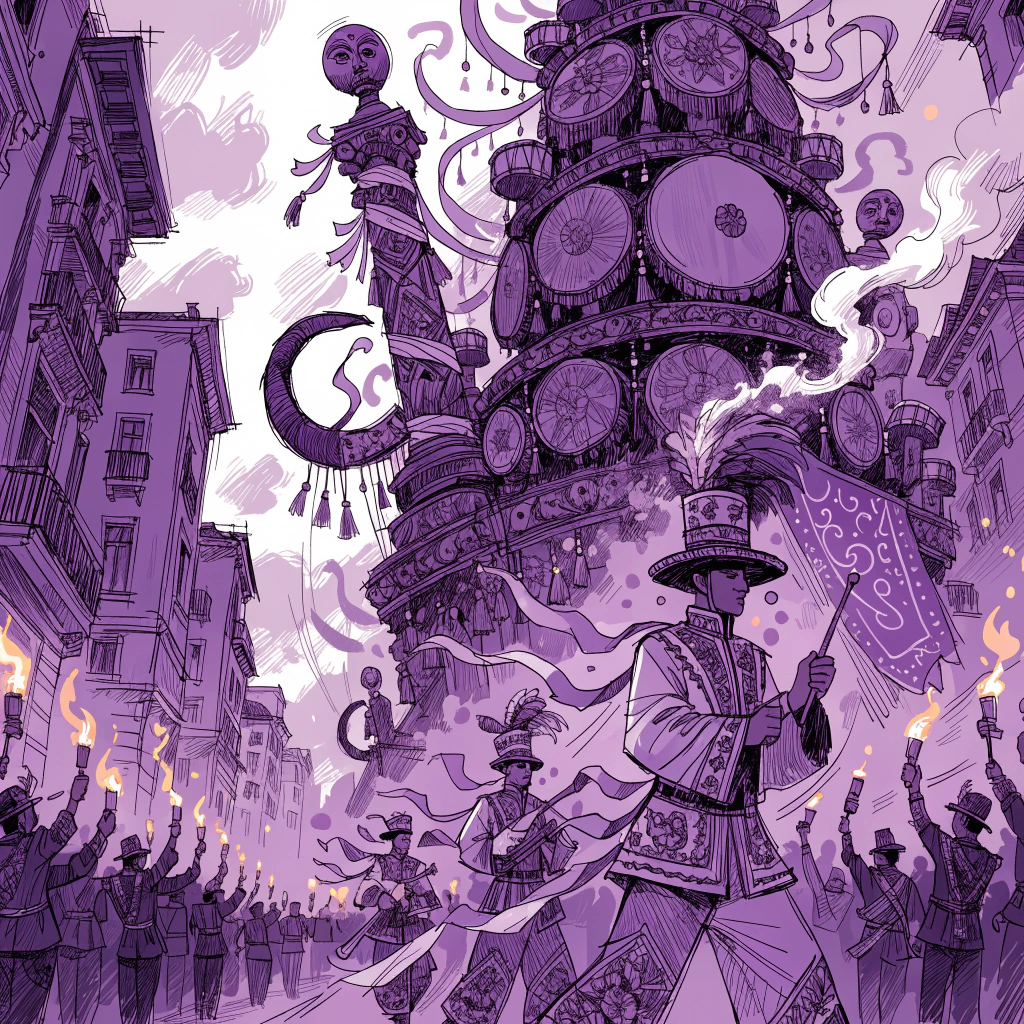
يوم الجمهورية في تركيا
يوم الجمهورية هو يوم مهم جدًا في تركيا. اسم هذا اليوم هو "جمهوريت بايرامي". الناس في تركيا يحتفلون بهذا اليوم الكبير كل عام. تاريخ الاحتفال هو 29 أكتوبر. في هذا اليوم، تركيا أصبحت دولة جديدة. السيد مصطفى كمال أتاتورك أعلن أن تركيا جمهورية. هذا حدث في عام 1923. يوم الجمهورية هو احتفال بتاريخ تركيا الحديث. الناس يحبون هذا اليوم كثيرًا. إنه يوم وطني وسعيد لكل الأتراك. هم يتذكرون تأسيس بلادهم الجميلة.
تسليط الضوء على القواعد
نمط: الجملة الاسمية (Nominal Sentence)
"يوم الجمهورية هو يوم مهم جدًا في تركيا."
الجملة الاسمية تبدأ باسم. هي تخبرنا عن شيء أو شخص. لا تحتاج إلى فعل مثل "يكون" دائمًا، لكن يمكن أن نستخدم "هو/هي" للربط.
نمط: الفعل المضارع (Present Tense Verb)
"الناس في تركيا يحتفلون بهذا اليوم الكبير كل عام."
الفعل المضارع يتحدث عن فعل يحدث الآن أو يحدث دائمًا. يبدأ بحروف مثل "يـ" للمذكر أو "تـ" للمؤنث.
اختبر فهمك
10 أسئلة · A1 مبتدئ · معاينة مجانية واحدة
اختبر ما تعلمته من هذا المقال. أجب على جميع الأسئلة لكسب نقاط خبرة!
ما اسم يوم الجمهورية في تركيا؟
هل تريد إنهاء الاختبار؟
9 أسئلة أخرى بانتظارك. سجّل مجاناً لفتح الاختبار الكامل وكسب نقاط خبرة!
سجل مجاناًلديك حساب بالفعل؟ دخول
تفصيل الأسئلة
ما اسم يوم الجمهورية في تركيا؟
إجابتك:
الإجابة الصحيحة: جمهوريت بايرامي
يوم الجمهورية هو في شهر ديسمبر.
إجابتك:
الإجابة الصحيحة: خطأ
ما معنى كلمة "مهم"؟
إجابتك:
الإجابة الصحيحة: له قيمة كبيرة
السيد مصطفى كمال أتاتورك أعلن أن تركيا _____.
إجابتك:
الإجابة الصحيحة: جمهورية
يوم الجمهورية التركية: عيد الفخر والتاريخ
يوم الجمهورية هو عيد وطني مهم جداً في تركيا، وربما هو أهم الأعياد. نحتفل به كل عام في التاسع والعشرين من شهر أكتوبر. هذا اليوم يذكرنا بأحداث عام 1923، عندما أعلن مصطفى كمال أتاتورك أن تركيا أصبحت جمهورية رسمياً. هذا الحدث الكبير غيّر تاريخ البلاد. قبل عام 1923، كانت تركيا جزءاً من الدولة العثمانية الكبيرة التي حكمت لسنوات طويلة. لكن أتاتورك أراد بناء دولة حديثة ومستقلة لشعب تركيا. لذلك، انتهت الدولة العثمانية وبدأت جمهورية تركيا الجديدة. في هذا الوقت، نقل أتاتورك أيضاً عاصمة البلاد من مدينة إسطنبول إلى مدينة أنقرة، لتكون العاصمة الجديدة. الأتراك يحبون هذا اليوم كثيراً ويحتفلون به بفخر كبير. إنه يوم للاحتفال بالهوية الوطنية والحرية والاستقلال. الناس يرفعون الأعلام التركية في كل مكان ويغنون الأغاني الوطنية. أيضاً، تقام مسيرات واحتفالات في المدن الكبيرة والصغيرة. إنه يوم مهم جداً ليعبر الأتراك عن حبهم لبلدهم وتاريخهم العظيم.
تسليط الضوء على القواعد
نمط: الماضي البسيط (Simple Past Tense)
"أعلن مصطفى كمال أتاتورك أن تركيا أصبحت جمهورية رسمياً."
نستخدم الماضي البسيط للحديث عن أحداث وقعت وانتهت في الماضي. مثلاً، 'أعلن' تعني أنه قام بالإعلان في وقت مضى. 'كانت' و'انتهت' هي أيضاً أفعال في الماضي البسيط.
نمط: اسم التفضيل (Comparative/Superlative)
"يوم الجمهورية هو عيد وطني مهم جداً في تركيا، وربما هو أهم الأعياد."
اسم التفضيل يستخدم للمقارنة بين شيئين أو للإشارة إلى أن شيئاً ما يمتلك صفة معينة أكثر من غيره. هنا 'أهم' تعني 'الأكثر أهمية'.
اختبر فهمك
11 أسئلة · A2 ابتدائي · معاينة مجانية واحدة
اختبر ما تعلمته من هذا المقال. أجب على جميع الأسئلة لكسب نقاط خبرة!
متى تحتفل تركيا بيوم الجمهورية؟
هل تريد إنهاء الاختبار؟
10 أسئلة أخرى بانتظارك. سجّل مجاناً لفتح الاختبار الكامل وكسب نقاط خبرة!
سجل مجاناًلديك حساب بالفعل؟ دخول
تفصيل الأسئلة
متى تحتفل تركيا بيوم الجمهورية؟
إجابتك:
الإجابة الصحيحة: في التاسع والعشرين من أكتوبر
كانت تركيا جمهورية قبل إعلان أتاتورك عام 1923.
إجابتك:
الإجابة الصحيحة: خطأ
ماذا تعني كلمة 'جمهورية'؟
إجابتك:
الإجابة الصحيحة: نظام حكم تكون فيه السلطة للشعب أو ممثليه
نقل أتاتورك عاصمة البلاد من إسطنبول إلى ____.
إجابتك:
الإجابة الصحيحة: أنقرة
ماذا انتهى عندما أعلن أتاتورك الجمهورية؟
إجابتك:
الإجابة الصحيحة: الدولة العثمانية
Celebrating Republic Day: The Birth of Modern Turkey
Every year on October 29th, people across Turkey celebrate Republic Day, which is known as Cumhuriyet Bayramı in Turkish. This special day marks the anniversary of the declaration of the Turkish Republic in 1923. It has been celebrated for over a century, and it remains the most significant national holiday in the country.
The story of this day began after the War of Independence. Mustafa Kemal Atatürk, who was the leader of the national movement, officially declared that Turkey was a republic. He also moved the capital city from Istanbul to Ankara. This change was very important because it signaled the end of the Ottoman Empire and the start of a modern, secular nation. Since that time, many reforms have been introduced to modernize the country’s legal and education systems.
Republic Day is celebrated with great enthusiasm throughout the country. In every city, streets are decorated with red and white Turkish flags and portraits of Atatürk. Large parades are organized in major cities, where soldiers, students, and local groups march together. In the evenings, there are often torchlight processions and firework displays that light up the night sky.
For Turkish citizens, Republic Day represents their national identity and sovereignty. It is a time when people come together to honor the progress that has been made since 1923. Schools play a vital role in these celebrations, as students perform poems and songs that highlight the importance of freedom and democracy. This holiday reminds everyone that the republic was a gift to the youth, who are responsible for protecting it in the future.
تسليط الضوء على القواعد
نمط: Passive Voice (Present Perfect)
"Since that time, many reforms have been introduced to modernize the country’s legal and education systems."
The passive voice is used here to focus on the reforms (the object) rather than who introduced them. It is formed using 'have/has been' followed by the past participle.
نمط: Relative Clauses
"Mustafa Kemal Atatürk, who was the leader of the national movement, officially declared that Turkey was a republic."
The relative pronoun 'who' starts a non-defining relative clause that gives extra information about Atatürk. This structure helps combine two thoughts into one complex sentence.
اختبر فهمك
11 أسئلة · B1 متوسط · معاينة مجانية واحدة
اختبر ما تعلمته من هذا المقال. أجب على جميع الأسئلة لكسب نقاط خبرة!
In which year was the Turkish Republic officially declared?
هل تريد إنهاء الاختبار؟
10 أسئلة أخرى بانتظارك. سجّل مجاناً لفتح الاختبار الكامل وكسب نقاط خبرة!
سجل مجاناًلديك حساب بالفعل؟ دخول
تفصيل الأسئلة
In which year was the Turkish Republic officially declared?
إجابتك:
الإجابة الصحيحة: 1923
The capital of Turkey was moved from Ankara to Istanbul after the republic was declared.
إجابتك:
الإجابة الصحيحة: خطأ
What does 'significant' mean in the context of the article?
إجابتك:
الإجابة الصحيحة: Important and meaningful
This holiday reminds everyone that the republic was a _____ to the youth.
إجابتك:
الإجابة الصحيحة: gift
What happens in the evenings during Republic Day celebrations?
إجابتك:
الإجابة الصحيحة: There are torchlight processions and fireworks
The Birth of a Modern Nation: Reflecting on Turkey's Republic Day
Every year on October 29th, Turkish citizens gather to commemorate one of the most significant milestones in their history: Republic Day. This date marks the moment in 1923 when Mustafa Kemal Atatürk officially proclaimed the country a republic, effectively ending the centuries-old rule of the Ottoman Empire. This transition was not merely a change in title; it represented a radical shift in the source of authority, transferring sovereignty from a single monarch to the collective will of the people. Consequently, the capital was moved to Ankara, symbolizing a break from the imperial past and the dawn of a modern, centralized nation-state.
The transformation that followed was unprecedented in its scope. Atatürk introduced a series of structural reforms aimed at modernizing every aspect of Turkish life. Central to this vision was the principle of secularism, which sought to separate religious institutions from state affairs, ensuring that the legal and educational systems were based on contemporary logic and science. Furthermore, the implementation of these reforms required the unification of various political factions under a shared national identity. While the Ottoman Empire, the republic's predecessor, had been a multi-ethnic entity, the new republic emphasized a unified sense of citizenship and belonging.
The legacy of these changes remains deeply embedded in the Turkish consciousness. Today, Republic Day is celebrated with immense pride across the country and in international missions abroad. Major cities are adorned with red and white flags, and parades are held to honor the veterans and the founding fathers. The celebrations serve as a moment for citizens to reflect on the progress made over the last century. If the republic had not been established, the nation’s path might have been entirely different, potentially lacking the democratic foundations that define it today.
Ultimately, Republic Day is more than just a public holiday; it is an annual reaffirmation of the country's commitment to progress and independence. The reforms, which were introduced in the 1920s, reshaped the social fabric so thoroughly that their impact is still felt in every courtroom, classroom, and government office. By celebrating this day, Turks acknowledge that their modern identity is built upon the courage of those who dared to envision a new future from the ashes of the old.
تسليط الضوء على القواعد
نمط: Passive Voice
"The Republic was officially proclaimed by the Grand National Assembly."
The passive voice is used here to focus on the historical event (the Republic) rather than the specific person acting, which is common in formal and historical writing.
نمط: Non-defining Relative Clauses
"The reforms, which were introduced in the 1920s, reshaped the social fabric."
This clause adds extra information about the reforms. It is separated by commas because the sentence would still be grammatically complete without it.
نمط: Third Conditional
"If the republic had not been established, the nation’s path might have been entirely different."
This structure is used to talk about an imaginary situation in the past and its hypothetical result. It uses 'if + past perfect' and 'might have + past participle'.
اختبر فهمك
11 أسئلة · B2 فوق المتوسط · معاينة مجانية واحدة
اختبر ما تعلمته من هذا المقال. أجب على جميع الأسئلة لكسب نقاط خبرة!
What significant change occurred on October 29, 1923?
هل تريد إنهاء الاختبار؟
10 أسئلة أخرى بانتظارك. سجّل مجاناً لفتح الاختبار الكامل وكسب نقاط خبرة!
سجل مجاناًلديك حساب بالفعل؟ دخول
تفصيل الأسئلة
What significant change occurred on October 29, 1923?
إجابتك:
الإجابة الصحيحة: The declaration of Turkey as a Republic
The capital of the newly formed Republic was moved to Ankara.
إجابتك:
الإجابة الصحيحة: صحيح
What does 'sovereignty' mean in the context of the article?
إجابتك:
الإجابة الصحيحة: The authority of a state to govern itself
The Ottoman Empire is described as the republic's _____.
إجابتك:
الإجابة الصحيحة: predecessor
According to the text, what was a central vision of Atatürk's reforms?
إجابتك:
الإجابة الصحيحة: The principle of secularism
عيد الجمهورية التركية: صيرورة أمة وتأكيد هوية
يُعدّ عيد الجمهورية التركية، الذي يُحتفل به في التاسع والعشرين من أكتوبر كل عام، ليس مجرد عطلة وطنية فحسب، بل هو محطة تاريخية فارقة تُجسّد ميلاد دولة حديثة ذات سيادة، وتعكس صيرورة أمة حُفرت في وعيها مبادئ التحديث والاستقلال. إنما هو يومٌ تُستعاد فيه ذكرى اللحظة التي أُعلن فيها عن قيام الجمهورية التركية عام 1923، ليُطوى بذلك عهدٌ طويل من الإمبراطورية العثمانية، ويُشرق فجرٌ جديدٌ على يد مؤسسها الملهم، مصطفى كمال أتاتورك.
إنّ ما كان يكتنف المنطقة من اضطرابات عقب الحرب العالمية الأولى وتفكك الإمبراطورية العثمانية، قد مهد الطريق أمام بروز قيادة وطنية حكيمة تمثلت في أتاتورك. لقد أدرك الأخير بعمق ضرورة إحداث تحول جذري يضمن للأتراك مكانتهم بين الأمم، ويصون كرامتهم الوطنية. فبعد سنوات من الكفاح الوطني المرير، تكلّلت الجهود بإعلان الجمهورية، وهو الحدث الذي لم يقتصر تأثيره على تغيير نظام الحكم فحسب، بل امتد ليشمل إعادة تعريف شاملة لمفهوم الدولة والهوية الوطنية.
ولعلّ من أبرز مظاهر هذا التحول هو نقل العاصمة من إسطنبول التاريخية إلى أنقرة، تلك المدينة التي اختيرت لتكون رمزاً للجمهورية الفتية، وللتوجه نحو الحداثة والتجديد. إنّ هذا القرار الاستراتيجي، الذي قد يبدو بسيطاً في ظاهره، كان له أبعاده العميقة في ترسيخ أسس الدولة الجديدة بعيداً عن تركة الماضي الإمبراطوري، ومؤشراً على إصرار أتاتورك على بناء دولة قومية علمانية حديثة، تستند إلى مبادئ الديمقراطية والسيادة الشعبية.
لقد تبع إعلان الجمهورية سلسلة من الإصلاحات الجذرية التي عُرفت بالإصلاحات الأتاتوركية، والتي شملت مجالات الحياة كافة، من التعليم والقانون إلى السياسة والثقافة. وما كان لهذه الإصلاحات أن تُؤتي ثمارها لولا الإرادة السياسية الصارمة والرؤية الثاقبة التي تحلى بها أتاتورك ورفاقه. إنها إصلاحات لم تهدف إلى التحديث فحسب، بل إلى صياغة هوية وطنية جديدة متجذرة في قيم الجمهورية والعلمانية، ومُتطلعة إلى المستقبل.
تتجلّى الاحتفالات بعيد الجمهورية اليوم في مشاهد مهيبة من الفخر الوطني، حيث تزدان المدن الأعلام التركية، وتُقام المسيرات العسكرية والمدنية التي تُبرز قوة الأمة ووحدتها. يتوافد الآلاف إلى ضريح أتاتورك في أنقرة، للتعبير عن امتنانهم وتقديرهم للزعيم الذي أرسى دعائم الجمهورية. إنها مناسبة يُعاد فيها التأكيد على التمسك بالمبادئ التي قامت عليها الدولة، وعلى أهمية الحفاظ على هذا الإرث العظيم.
إنّ عيد الجمهورية ليس مجرد تذكير بحدث تاريخي مضى، بل هو تجسيد حي لروح التضحية، وإرادة التغيير، والطموح نحو بناء مستقبل أفضل. إنه يُمثّل دلالة واضحة على أن الأمم قادرة على تجاوز محنها وصياغة قدرها بيديها، وذلك بفضل قياداتها الملهمة وشعوبها الواعية. وحريٌ بنا أن نُدرك أن هذه المناسبة الوطنية تُعدّ حجر الزاوية في الوعي الجمعي التركي، ومصدراً لا ينضب للفخر والاعتزاز بالهوية الجمهورية المستقلة.
فما أحوج الأجيال القادمة إلى استلهام هذه الروح العظيمة، روح التحرر والبناء، التي قادت تركيا من ركام الماضي إلى رحاب الحداثة والتقدم. إنّ الجمهورية التركية، بما تحتويه من تاريخ عريق ومستقبل واعد، تظل منارةً تُضيء دروب الأجيال نحو الحرية والازدهار، ومثالاً ساطعاً على قوة الإرادة الوطنية في تحقيق المستحيل.
تسليط الضوء على القواعد
نمط: إنما (Innamā) للحصر والتوكيد
"إنما هو يومٌ تُستعاد فيه ذكرى اللحظة التي أُعلن فيها عن قيام الجمهورية التركية عام 1923."
تُستخدم 'إنما' للحصر والتوكيد، حيث تُفيد أن ما بعدها هو الشيء الوحيد أو الأهم، وتنفي ما عداه. تُعطي الجملة قوة وتأكيداً على المعنى المقصود، وغالباً ما تأتي في سياق يبرز أهمية خاصة لحدث أو فكرة.
نمط: ما كان له أن يفعل... (Mā kāna lahu an yaf'al...)
"وما كان لهذه الإصلاحات أن تُؤتي ثمارها لولا الإرادة السياسية الصارمة والرؤية الثاقبة التي تحلى بها أتاتورك ورفاقه."
هذا التركيب يُستخدم للتعبير عن استحالة حدوث شيء في الماضي لولا وجود سبب أو شرط معين. يُفيد النفي القاطع لحدث ما، ويُبرز الدور الحاسم للشرط المذكور (هنا 'لولا الإرادة السياسية').
نمط: اسم الفاعل مضافاً إليه المصدر المؤول بـ 'أن'
"وحريٌّ بنا أن نُدرك أن هذه المناسبة الوطنية تُعدّ حجر الزاوية في الوعي الجمعي التركي."
يأتي اسم الفاعل (مثل 'حريٌّ' بمعنى جدير أو واجب) متبوعاً بالمصدر المؤول من 'أن' والفعل المضارع (أن نُدرك). هذا التركيب يُعطي معنى الوجوب أو الأحقية، ويُستخدم للتعبير عن لزوم أو أهمية القيام بالفعل المذكور.
اختبر فهمك
12 أسئلة · C1 متقدم · معاينة مجانية واحدة
اختبر ما تعلمته من هذا المقال. أجب على جميع الأسئلة لكسب نقاط خبرة!
ما هو الحدث الرئيسي الذي يحتفل به عيد الجمهورية التركية؟
هل تريد إنهاء الاختبار؟
11 أسئلة أخرى بانتظارك. سجّل مجاناً لفتح الاختبار الكامل وكسب نقاط خبرة!
سجل مجاناًلديك حساب بالفعل؟ دخول
تفصيل الأسئلة
ما هو الحدث الرئيسي الذي يحتفل به عيد الجمهورية التركية؟
إجابتك:
الإجابة الصحيحة: إعلان الجمهورية التركية
كان نقل العاصمة إلى أنقرة قراراً يهدف إلى بناء دولة قومية علمانية حديثة.
إجابتك:
الإجابة الصحيحة: صحيح
ماذا تعني كلمة 'صيرورة' في سياق المقال؟
إجابتك:
الإجابة الصحيحة: التحول والتطور المستمر
يُعدّ عيد الجمهورية التركية، الذي يُحتفل به في التاسع والعشرين من أكتوبر كل عام، ليس مجرد عطلة وطنية فحسب، بل هو محطة تاريخية _____ تُجسّد ميلاد دولة حديثة ذات سيادة.
إجابتك:
الإجابة الصحيحة: فارقة
من هو مؤسس الجمهورية التركية الذي قاد الإصلاحات الجذرية؟
إجابتك:
الإجابة الصحيحة: مصطفى كمال أتاتورك
الإصلاحات الأتاتوركية شملت فقط المجالات العسكرية ولم تمتد إلى الثقافة والتعليم.
إجابتك:
الإجابة الصحيحة: خطأ
The Ontological Metamorphosis: Deconstructing the Epochal Significance of Turkey’s Republic Day
The proclamation of the Republic of Turkey on October 29, 1923, was not merely a change in governance but an epochal shift that redefined the very fabric of Anatolian society. Following the cataclysmic dissolution of the Ottoman Empire, the nascent state found itself at a historical precipice, caught between the vestiges of a dynastic past and the beckoning call of a modern future. Under the stewardship of Mustafa Kemal Atatürk, the transition from a multi-ethnic, dynastic caliphate to a modern, secular nation-state was characterized by an ontological rupture with the past. This metamorphosis was predicated on the Enlightenment ideals of sovereignty and reason, effectively dismantling centuries of imperial hegemony and replacing them with the revolutionary concept of popular will.
The relocation of the capital from the cosmopolitan, yet symbolically burdened, Istanbul to the central Anatolian heartland of Ankara was a seminal decision. It signaled a definitive departure from the Byzantine and Ottoman legacies, positioning the new Republic as a forward-looking entity rooted in the geographic and cultural core of its citizenry. This geographic shift mirrored the internal restructuring of the Turkish zeitgeist, moving away from the complexities of imperial bureaucracy toward a more streamlined, nationalistic identity. Secularism, or laïcité, became the cornerstone of the state, ensuring that the vicissitudes of religious influence would no longer dictate the legal and political trajectory of the nation. Only through the lens of radical modernization can one truly grasp the magnitude of the 1923 reforms, which sought to transform subjects into sovereign citizens.
Scholars argue that the success of the Republic rested upon the radical implementation of reforms that touched every facet of life, from the adoption of the Latin alphabet to the complete overhaul of the legal code. Had the leadership not pivoted toward a secular framework, the socio-political landscape of contemporary Turkey would look markedly different today. It was essential that the new state be established upon the bedrock of popular sovereignty, rather than divine right. This shift necessitated a profound cognitive realignment among the population, fostered through educational initiatives designed to instill a sense of republican duty and national pride. The rhetorical power of the era, most notably captured in Atatürk’s 'Nutuk', served to consolidate this new identity, framing the Republic as the ultimate safeguard of Turkish independence.
The annual celebration of Republic Day (Cumhuriyet Bayramı) serves as a poignant reminder of this transformative journey. It is a day when the collective memory of the nation is invoked to celebrate the resilience of a people who sought to forge a new identity amidst the ruins of empire. While the political climate may fluctuate, the fundamental principles of the Republic remain a point of intense scholarly and public discourse. The enduring legacy of October 29th is not found in the parades alone, but in the continued pursuit of a democratic and secular ideal that seeks to balance tradition with progress. Lest one should view the proclamation as a mere administrative formality, it must be asserted that it was a profound intellectual and structural achievement, requiring a delicate navigation of the global geopolitical landscape.
In conclusion, the establishment of the Republic was a seminal event that continues to resonate through the decades. It required a steadfast commitment to internal renewal and a visionary approach to state-building. As Turkey commemorates this day, it reflects on a century of progress, acknowledging both the triumphs and the ongoing challenges of maintaining a cohesive national identity in an increasingly globalized world. The spirit of 1923 remains a guiding light, a testament to the power of visionary leadership and the collective will of a nation to redefine its destiny on its own terms.
تسليط الضوء على القواعد
نمط: Negative Inversion for Emphasis
"Only through the lens of radical modernization can one truly grasp the magnitude of the 1923 reforms."
Inversion occurs when the auxiliary verb comes before the subject after certain restrictive expressions (like 'only through'). This is used to add rhetorical weight and emphasize the condition described.
نمط: Subjunctive Mood in Content Clauses
"It was essential that the new state be established upon the bedrock of popular sovereignty."
The base form 'be established' is used following adjectives of necessity (essential, imperative). This subjunctive form highlights the requirement or importance of the action in formal, academic prose.
نمط: Mixed Conditional
"Had the leadership not pivoted toward a secular framework, the socio-political landscape of contemporary Turkey would look markedly different today."
This structure combines a past hypothetical condition (Third Conditional: 'Had the leadership not pivoted') with a present result (Second Conditional: 'would look'). It is used to analyze how past decisions impact current reality.
اختبر فهمك
12 أسئلة · C2 إتقان · معاينة مجانية واحدة
اختبر ما تعلمته من هذا المقال. أجب على جميع الأسئلة لكسب نقاط خبرة!
What does the author identify as the 'cornerstone' of the new Turkish state?
هل تريد إنهاء الاختبار؟
11 أسئلة أخرى بانتظارك. سجّل مجاناً لفتح الاختبار الكامل وكسب نقاط خبرة!
سجل مجاناًلديك حساب بالفعل؟ دخول
تفصيل الأسئلة
What does the author identify as the 'cornerstone' of the new Turkish state?
إجابتك:
الإجابة الصحيحة: Secularism (laïcité)
The article suggests that the move to Ankara was merely a logistical decision without symbolic meaning.
إجابتك:
الإجابة الصحيحة: خطأ
What does 'epochal' mean in the context of the article?
إجابتك:
الإجابة الصحيحة: Marking a significantly important period in history
The transition was characterized by an _____ rupture with the past.
إجابتك:
الإجابة الصحيحة: ontological
According to the text, what was the purpose of the educational initiatives?
إجابتك:
الإجابة الصحيحة: To instill a sense of republican duty and national pride
The author asserts that the Republic Day celebration is based on more than just administrative formality.
إجابتك:
الإجابة الصحيحة: صحيح

