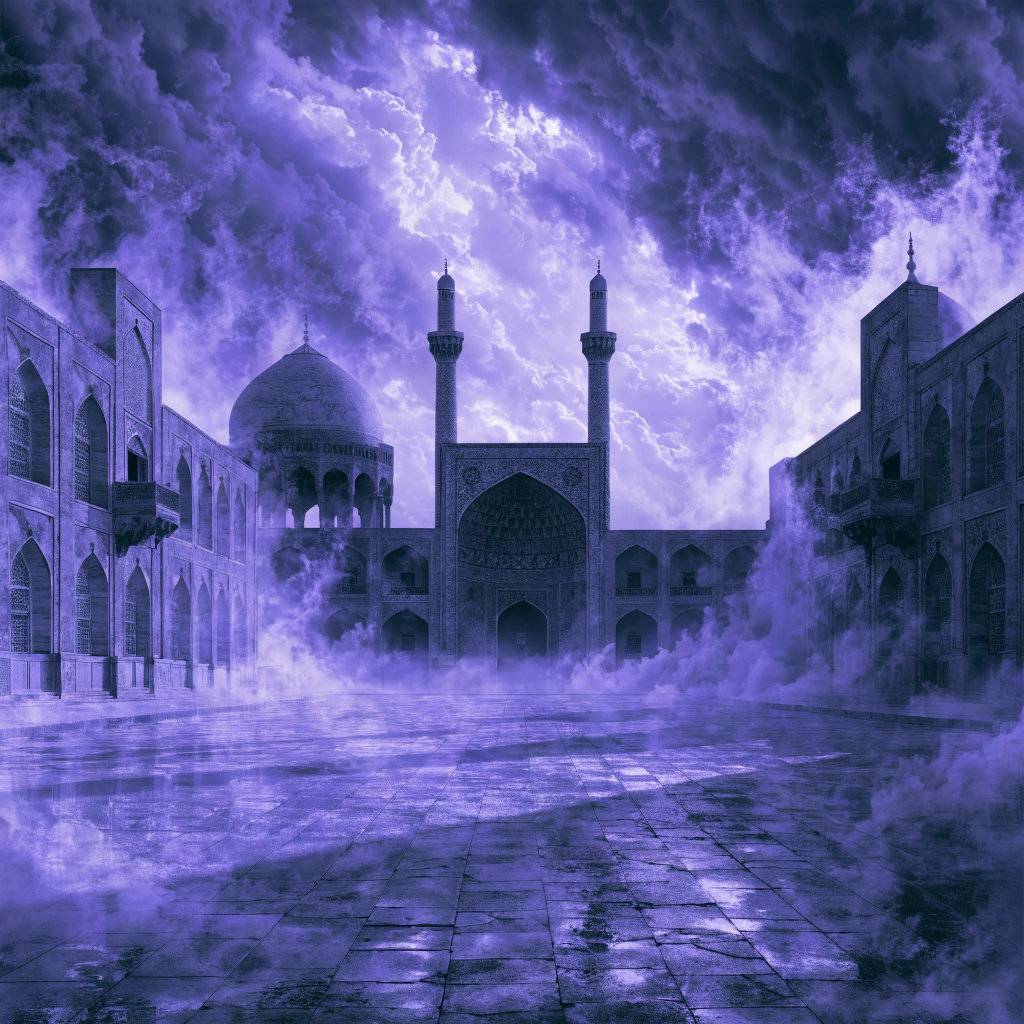
이란의 아름다운 광장, 낙쉐 자한
이란의 이스파한에 아주 큰 광장이 있습니다. 이 광장의 이름은 '낙쉐 자한' 광장입니다. 이 광장은 세계에서 아주 유명하고 인기가 많습니다. 정말 넓고 멋있습니다. 광장 주변에는 아름다운 건물이 아주 많습니다. 큰 시장과 예쁜 모스크가 있습니다. 그리고 큰 왕궁도 있습니다. 건물의 색깔이 파랗고 아주 아름답습니다. 많은 사람들이 매일 이곳에 옵니다. 사람들은 가족이나 친구와 같이 산책을 합니다. 그리고 여기에서 사진을 많이 찍습니다. 밤에는 광장의 불빛이 아주 예쁩니다. 그래서 밤에도 사람이 많습니다. 이 광장은 이란의 소중한 보물입니다. 여러분, 나중에 이란의 이스파한에 가세요. 그리고 이 멋진 광장을 꼭 구경하세요! 정말 좋습니다.
문법 스포트라이트
패턴: -이/가 있습니다
"광장이 있습니다."
장소에 무엇이 있는지 말할 때 사용합니다. 명사 뒤에 붙어서 존재를 나타냅니다.
패턴: -고
"유명하고 인기가 많습니다."
두 가지 이상의 사실을 연결할 때 사용합니다. 형용사나 동사의 어간에 붙입니다.
이해도를 테스트하세요
10 질문 · A1 초급 · 무료 미리보기 1회
이 기사에서 배운 내용을 테스트하세요. 모든 질문에 답하여 XP를 획득하세요!
이 광장은 어디에 있습니까?
문제별 결과
이 광장은 어디에 있습니까?
내 답변:
정답: 이란
이 광장은 세계에서 아주 작습니다.
내 답변:
정답: 거짓
'시장'은 무엇을 하는 곳입니까?
내 답변:
정답: 물건을 사고파는 곳
이 광장은 이란의 소중한 _____입니다.
내 답변:
정답: 보물
The Magnificent Square of Isfahan
Naqsh-e Jahan Square is located in the heart of Isfahan, Iran. It is a very famous place and many people visit it every year. People often call it "the Image of the World" because it is so beautiful. Shah Abbas I built it between 1598 and 1629. He wanted to make Isfahan the most magnificent city in the world.
This square is very large. It is 560 meters long and 160 meters wide. It is bigger than most historical squares in Europe. Around the square, there are many important buildings. There are two beautiful mosques, a royal palace, and a very big market called the Grand Bazaar.
In the past, kings watched polo games here. Today, the square is a peaceful place for families. They walk near the fountains and look at the flowers. There are no cars inside the square, so it is very quiet. It is one of the most important historical sites in Iran.
문법 스포트라이트
패턴: Past Simple
"Shah Abbas I built it between 1598 and 1629."
The past simple is used for finished actions in the past. To form it with irregular verbs like 'build', we use the past form 'built'.
패턴: Comparatives
"It is bigger than most historical squares in Europe."
We use comparatives to compare two things. For short adjectives like 'big', we add '-er' and use 'than' after the adjective.
이해도를 테스트하세요
11 질문 · A2 초등급 · 무료 미리보기 1회
이 기사에서 배운 내용을 테스트하세요. 모든 질문에 답하여 XP를 획득하세요!
Who built Naqsh-e Jahan Square?
문제별 결과
Who built Naqsh-e Jahan Square?
내 답변:
정답: Shah Abbas I
The square is 560 meters long.
내 답변:
정답: 참
What is a 'palace'?
내 답변:
정답: A large house for a king
In the past, kings watched _____ games in the square.
내 답변:
정답: polo
Why is the square peaceful today?
내 답변:
정답: Because there are no cars inside
이란의 보물, 나크셰 자한 광장
이란의 이스파한 중심부에는 '나크셰 자한 광장'이라는 매우 아름답고 거대한 장소가 있습니다. 이 이름은 한국어로 '세계의 이미지'라는 뜻을 가지고 있는데, 그만큼 이 광장이 세상의 모든 아름다움을 담고 있다는 의미입니다. 1598년부터 1629년 사이에 샤 압바스 1세에 의해 건설된 이 광장은 당시 이스파한을 세계 최고의 수도로 만들기 위한 원대한 계획의 중심이었습니다.
이 광장은 세계에서 가장 큰 공공 광장 중 하나로 널리 알려져 있습니다. 길이는 560미터, 너비는 160미터에 달하며, 그 주변은 역사적인 가치가 높은 건축물들로 둘러싸여 있습니다. 광장의 사방에는 각각 다른 역할을 하는 건물들이 있는데, 남쪽에는 화려한 모스크가, 서쪽에는 궁전이, 동쪽에는 기도실이, 그리고 북쪽에는 큰 시장이 위치해 있습니다. 이는 종교, 정치, 경제가 한곳에 조화롭게 모여 있었음을 보여줍니다.
오늘날에도 나크셰 자한 광장은 많은 관광객과 현지인들에게 가장 사랑받는 휴식처입니다. 사람들은 광장 중앙에 있는 넓은 잔디밭과 분수대 근처에서 시간을 보내거나, 전통 마차를 타고 광장을 한 바퀴 돌며 과거의 영광을 느껴보기도 합니다. 1979년에 유네스코 세계문화유산으로 지정된 이곳은 이란의 찬란한 역사와 예술적 감각을 한눈에 감상할 수 있는 소중한 문화적 자산입니다.
문법 스포트라이트
패턴: 피동 표현 (~되다/지다)
"1598년부터 1629년 사이에 샤 압바스 1세에 의해 건설된 이 광장은..."
동작의 주체가 스스로 행동하는 것이 아니라 다른 대상에 의해 동작을 당할 때 사용합니다. '건설하다' 대신 '건설되다'를 써서 광장이 지어졌음을 나타냅니다.
패턴: 관용적 표현 (~기 위한)
"이스파한을 세계 최고의 수도로 만들기 위한 계획의 중심이었습니다."
어떤 목적이나 의도를 나타낼 때 동사 뒤에 붙여 사용합니다. 뒤에 오는 명사를 수식하여 '무엇을 하기 위한 것'인지 설명합니다.
이해도를 테스트하세요
11 질문 · B1 중급 · 무료 미리보기 1회
이 기사에서 배운 내용을 테스트하세요. 모든 질문에 답하여 XP를 획득하세요!
'나크셰 자한'이라는 이름의 뜻은 무엇입니까?
문제별 결과
'나크셰 자한'이라는 이름의 뜻은 무엇입니까?
내 답변:
정답: 세계의 이미지
나크셰 자한 광장은 세계에서 가장 작은 광장 중 하나입니다.
내 답변:
정답: 거짓
'수도'의 올바른 정의는 무엇입니까?
내 답변:
정답: 한 나라의 정치적 중심 도시
이 광장은 16세기에 샤 _____ 1세에 의해 건설되었습니다.
내 답변:
정답: 압바스
광장의 남쪽에는 무엇이 위치해 있습니까?
내 답변:
정답: 화려한 모스크
The Image of the World: Exploring Naqsh-e Jahan Square
Often referred to as 'the Image of the World,' Naqsh-e Jahan Square stands as a remarkable testament to the architectural brilliance of the Safavid era. Commissioned by Shah Abbas I in the late 16th century, the square was designed to serve as the heart of his new capital, Isfahan. By integrating political, religious, and economic power into a single urban space, the Shah managed to create a site that remains unparalleled in its symmetry and scale. Stretching over 500 meters in length, it is one of the largest public squares globally, reflecting the ambitious vision of its creators.
The square is enclosed by two-story arcades, which house the traditional bazaar. However, it is the four monumental structures situated at its cardinal points that truly capture the imagination. To the south lies the Masjed-e Shah, an exquisite example of Islamic architecture adorned with intricate tilework. Opposite this, the Ali Qapu Palace stands as a grand gateway to the royal gardens, offering a vantage point from which the Shah once watched polo matches and royal parades. To the east and west, the Sheikh Lotfollah Mosque and the gateway to the Great Bazaar complete this harmonious ensemble.
Furthermore, the square's vast dimensions highlight the sophisticated nature of Persian urban planning. It was not merely a marketplace; it was a stage for public ceremonies and a hub for international trade. Consequently, Isfahan became a cosmopolitan city where travelers from the Silk Road would converge. The square acted as a bridge between the common people in the bazaar and the royal authority in the palace.
Despite the passage of centuries, the square has retained its original charm. While it has undergone several restoration projects, the core aesthetic remains intact. Today, it is recognized as a UNESCO World Heritage site, attracting scholars and tourists who seek to understand the fusion of Persian culture and history. Had the Safavid architects not prioritized such meticulous design, the square might not have survived the political upheavals of subsequent eras. In conclusion, Naqsh-e Jahan is more than just a historical monument; it is a living space that continues to define the identity of Isfahan. Its enduring legacy serves as a reminder of a period when art and governance were seamlessly intertwined.
문법 스포트라이트
패턴: Passive Voice
"The square was designed to serve as the heart of his new capital, Isfahan."
The passive voice is used here to focus on the square (the object) rather than the architect. It is formed using 'was/were' followed by the past participle.
패턴: Participle Clauses
"By integrating political, religious, and economic power into a single urban space, the Shah managed to create a site that remains unparalleled."
The '-ing' clause at the beginning describes how the main action was achieved. It helps to combine ideas and show a method or reason.
패턴: Third Conditional (Inverted)
"Had the Safavid architects not prioritized such meticulous design, the square might not have survived the political upheavals of subsequent eras."
This is a formal way of saying 'If the architects had not...'. It describes a hypothetical past situation and its imaginary result.
이해도를 테스트하세요
11 질문 · B2 중상급 · 무료 미리보기 1회
이 기사에서 배운 내용을 테스트하세요. 모든 질문에 답하여 XP를 획득하세요!
What was the primary purpose of constructing Naqsh-e Jahan Square according to the text?
문제별 결과
What was the primary purpose of constructing Naqsh-e Jahan Square according to the text?
내 답변:
정답: To serve as the heart of the new capital city
The square is currently ignored by international heritage organizations.
내 답변:
정답: 거짓
What does the word 'intricate' mean in the context of the article?
내 답변:
정답: Highly detailed and complex
Because it attracted travelers from the Silk Road, Isfahan is described as a _____ city.
내 답변:
정답: cosmopolitan
The Ali Qapu Palace was used by the Shah to observe events in the square.
내 답변:
정답: 참
이란의 심장, 나크셰 자한 광장: 건축적 미학에 투영된 제국의 야망
1598년, 사파비 왕조의 샤 압바스 1세가 수도를 이스파한으로 천도하며 구상한 것은 단순한 도시 계획을 넘어선, 제국의 권위와 이슬람의 신성함을 결합한 하나의 소우주였다. '세계의 이미지'라는 뜻을 지닌 나크셰 자한 광장은 그 원대한 포부의 결정체라 할 수 있다. 길이 560미터, 너비 160미터에 달하는 이 거대한 광장은 당시 세계 어디에서도 찾아보기 힘든 압도적인 규모를 자랑한다. 그러나 이 광장이 지닌 진정한 가치는 단순한 물리적 크기에 있는 것이 아니라, 정치, 종교, 경제, 문화라는 사회의 네 가지 핵심 축을 하나의 공간 안에 유기적으로 통합했다는 점에 있다.
광장의 사방을 둘러싼 건축물들은 제국의 위용을 상징적으로 보여준다. 남쪽의 샤 모스크는 종교적 권위를, 북쪽의 카이사리에 바자르는 경제적 번영을, 동쪽의 셰이크 로트폴라 모스크는 왕실의 사적 공간을, 그리고 서쪽의 알리카푸 궁전은 정치적 통치력을 대변한다. 이러한 배치는 왕권과 신권, 그리고 민생이 광장이라는 열린 공간을 통해 소통하고 있음을 시사한다. 특히 알리카푸 궁전의 테라스에서 광장을 내려다보았을 샤 압바스 1세에게 이 광장은 단순한 광장이 아닌, 자신이 통치하는 세계 그 자체였을 것이다.
나크셰 자한 광장의 설계는 치밀한 계산에 근거한다. 광장을 둘러싼 2층 높이의 아케이드 구조는 시각적 통일성을 부여함과 동시에, 광장 내부에서 발생하는 다양한 사회적 상호작용을 포용하는 틀의 역할을 한다. 이곳에서 열렸던 폴로 경기와 군사 퍼레이드, 그리고 일상적인 상업 활동은 이 공간이 정적인 기념비에 머물지 않고 동적인 삶의 현장이었음을 증명한다. 제국의 영광을 투영하고자 하는 욕망이 이토록 정교하고 아름다운 형태로 구현되었다는 사실은 후대의 관찰자들에게 깊은 경탄을 자아낸다.
오늘날 나크셰 자한 광장은 유네스코 세계문화유산으로서 그 가치를 인정받고 있다. 수세기의 시간이 흐르는 동안 제국의 흥망성쇠를 목도해 온 이 광장은 이제 이란의 과거와 현재를 잇는 가교 역할을 수행한다. 과거의 영광이 박제된 유물이 아니라, 현재를 살아가는 사람들의 휴식처이자 문화적 자긍심의 원천으로서 기능하고 있는 것이다. 인간의 야망이 예술적 숭고함으로 승화될 때 어떠한 영속성을 지닐 수 있는지를 이 광장은 침묵 속에 웅변하고 있다.
문법 스포트라이트
패턴: -고자 하는
"제국의 영광을 투영하고자 하는 욕망이 이토록 정교하고 아름다운 형태로 구현되었다..."
어떤 일을 하려는 의도나 목적을 나타내는 표현으로, 뒤에 오는 명사를 수식할 때 사용됩니다. C1 수준의 문어체에서 강한 의지를 표현합니다.
패턴: -음에도 불구하고
"광장을 둘러싼 아케이드 구조는 시각적 통일성을 부여함과 동시에..."
앞의 사실을 인정하지만 그것이 뒤의 사실에 영향을 주지 않음을 나타낼 때 사용합니다. 본문에서는 명사형 어미 '-함'과 결합하여 논리적 대조를 이룹니다.
패턴: -ㄹ지언정
"이 공간이 정적인 기념비에 머물지 않고 동적인 삶의 현장이었음을 증명한다. (문맥상 변형 활용)"
비록 앞의 사실이 그러할지라도 뒤의 사실에는 영향을 미치지 않거나, 오히려 반대되는 상황임을 강조할 때 사용하는 양보의 연결 어미입니다.
이해도를 테스트하세요
12 질문 · C1 고급 · 무료 미리보기 1회
이 기사에서 배운 내용을 테스트하세요. 모든 질문에 답하여 XP를 획득하세요!
나크셰 자한 광장이 '세계의 이미지'라고 불리는 이유는 무엇입니까?
문제별 결과
나크셰 자한 광장이 '세계의 이미지'라고 불리는 이유는 무엇입니까?
내 답변:
정답: 제국의 권위와 사회적 핵심 요소들을 하나의 공간에 통합했기 때문에
나크셰 자한 광장은 오늘날 사람들의 출입이 금지된 박제된 유물이다.
내 답변:
정답: 거짓
'여러 부분이 긴밀하게 연결되어 떼어낼 수 없는 상태'를 뜻하는 단어는?
내 답변:
정답: 유기적
샤 압바스 1세는 수도를 이스파한으로 _____하며 이 광장을 구상했다.
내 답변:
정답: 천도
알리카푸 궁전은 광장에서 어떤 역할을 상징합니까?
내 답변:
정답: 정치적 통치력
광장의 아케이드 구조는 시각적 통일성을 부여하는 역할을 한다.
내 답변:
정답: 참
The Geometric Sovereignty of Naqsh-e Jahan: A Safavid Microcosm
Seldom does a public space encapsulate the entirety of a civilization’s ontological framework with such surgical precision as Naqsh-e Jahan Square in Isfahan. Conceived by Shah Abbas I at the turn of the 17th century, this vast rectangular expanse was not merely an exercise in urban expansion but a quintessential manifestation of Safavid hegemony. By relocating the capital from Qazvin to Isfahan, the Shah sought to forge a new administrative and commercial zenith that would rival the contemporary splendors of the Ottoman and Mughal empires. The square, measuring an imposing 560 meters by 160 meters, functions as a confluence where the disparate threads of imperial power—theocratic, commercial, and monarchical—interweave into a seamless tapestry of stone and tile.
Were one to scrutinize the rhythmic repetition of the double-storied arcades that circumscribe the square, the deliberate attempt to harmonize commercial vitality with aesthetic grandeur would become manifest. This architectural juxtaposition is most evident in the placement of the four primary structures that anchor the cardinal points. To the south lies the Masjed-e Shah, a bastion of religious authority whose blue-tiled dome reaches toward the heavens, asserting the divine legitimacy of the Safavid dynasty. Paradoxically, the eastern side houses the Sheikh Lotfollah Mosque, a private sanctuary of such intricate beauty that it lacks both minarets and a courtyard, serving as a more intimate, spiritual counterpoint to the public majesty of the Shah’s mosque. It is imperative that the observer acknowledge the square’s didactic function in reinforcing the Safavid social hierarchy through these spatial relationships.
Opposite the Sheikh Lotfollah Mosque stands the Ali Qapu Palace, the seat of administrative sovereignty. From its elevated veranda, the Shah would overlook the ephemeral spectacles of polo matches and military parades, a literal and figurative representation of the royal gaze. This vantage point allowed the monarch to monitor the pulse of the city while remaining physically detached from the egalitarian bustle of the square below. The integration of the Imperial Bazaar at the northern end completes this triad, ensuring that the lifeblood of the empire—mercantilism—was inextricably linked to the crown and the clergy. Notwithstanding the passage of centuries, the square remains a testament to a period where urban planning was utilized as a sophisticated instrument of statecraft.
It might be argued that the true genius of Naqsh-e Jahan lies in its ability to remain relevant across vastly different socio-political eras. While the polo goals still stand as silent sentinels of a bygone aristocratic pastime, the square has evolved into a vibrant public sphere where modern Iranians congregate. Yet, lest the visitor be overwhelmed by the sheer scale of the site, one must appreciate the subtle nuances of the Safavid aesthetic: the way the light reflects off the haft-rangi tiles or the cooling presence of the central fountains. In its current incarnation as a UNESCO World Heritage site, Naqsh-e Jahan continues to serve as the ‘Image of the World,’ a title that reflects its historical ambition to contain the cosmos within its four walls.
문법 스포트라이트
패턴: Inversion after negative/restrictive expressions
"Seldom does a public space encapsulate the entirety of a civilization’s ontological framework with such surgical precision as Naqsh-e Jahan Square."
When sentences begin with restrictive adverbs like 'seldom', 'rarely', or 'never', the auxiliary verb is placed before the subject. This structure is used for rhetorical emphasis in formal or academic writing.
패턴: Present Subjunctive for necessity/importance
"It is imperative that the observer acknowledge the square’s didactic function in reinforcing the Safavid social hierarchy."
The subjunctive mood is used after adjectives of importance (imperative, essential, vital). The base form of the verb (acknowledge) is used regardless of the subject's person or number.
패턴: Conditional Inversion (Were)
"Were one to scrutinize the rhythmic repetition of the double-storied arcades, the deliberate attempt to harmonize commercial vitality with aesthetic grandeur would become manifest."
In formal English, 'if' can be omitted in second conditional sentences by inverting 'were' and the subject. This elevates the register of the prose and is common in scholarly analysis.
이해도를 테스트하세요
12 질문 · C2 마스터 · 무료 미리보기 1회
이 기사에서 배운 내용을 테스트하세요. 모든 질문에 답하여 XP를 획득하세요!
What was the primary political motivation for Shah Abbas I to construct Naqsh-e Jahan Square?
문제별 결과
What was the primary political motivation for Shah Abbas I to construct Naqsh-e Jahan Square?
내 답변:
정답: To establish a new capital that could compete with other contemporary empires
The Sheikh Lotfollah Mosque was designed as a public space for congregational prayers.
내 답변:
정답: 거짓
What does the word 'zenith' refer to in the context of the article?
내 답변:
정답: The highest point of success or power
The square was intended to be a _____ where religious, commercial, and royal powers met.
내 답변:
정답: confluence
Which structure served as the vantage point from which the Shah observed public spectacles?
내 답변:
정답: Ali Qapu Palace
The article suggests that the square's design was an intentional tool of statecraft.
내 답변:
정답: 참

