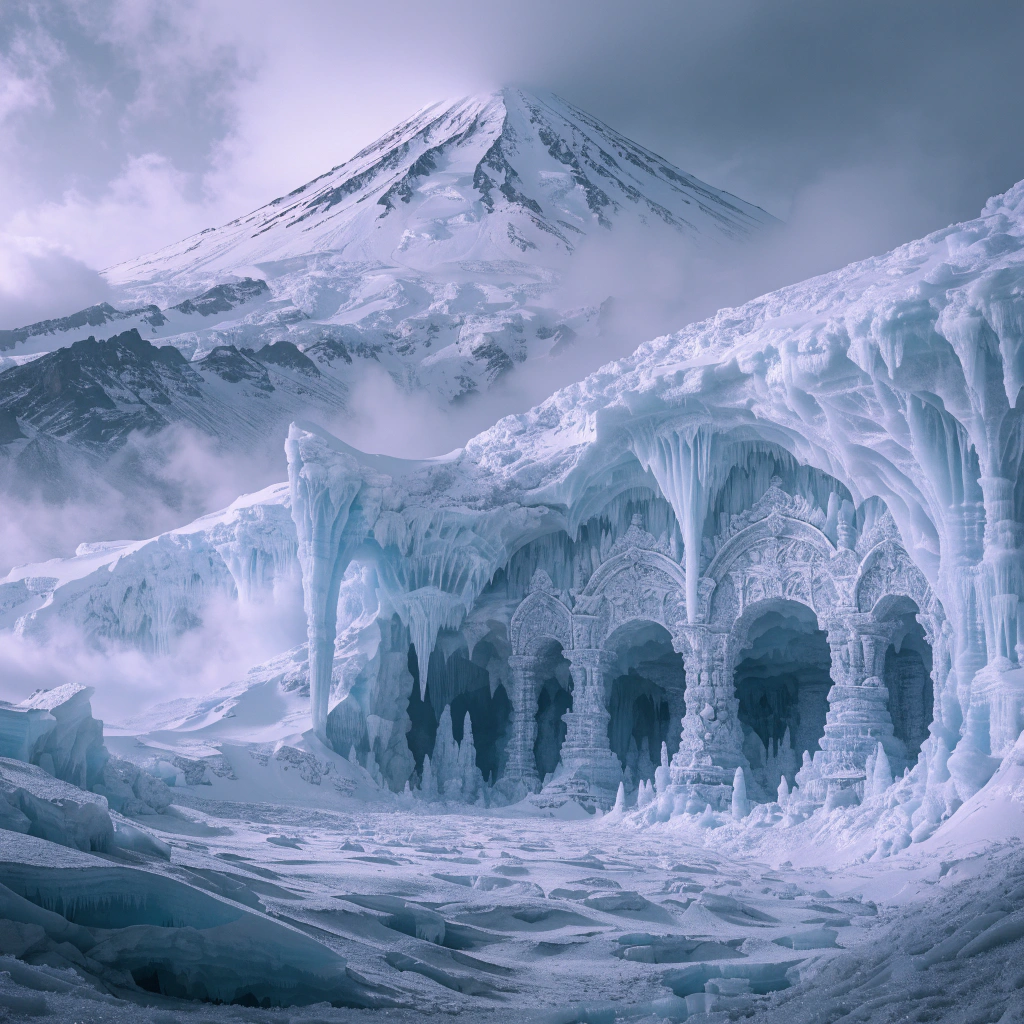
이란의 높은 산, 다마반드
이란에 다마반드 산이 있습니다. 이 산은 아주 높습니다. 이란에서 가장 높은 산입니다. 산의 모양은 예쁜 원뿔 모양입니다.
산 꼭대기에는 일 년 내내 하얀 눈이 있습니다. 날씨가 아주 맑은 날에는 테헤란에서도 이 산을 볼 수 있습니다. 다마반드 산은 정말 아름답습니다.
많은 사람들이 이 산을 좋아합니다. 산은 조용하고 공기가 아주 깨끗합니다. 여러분도 나중에 이 산에 꼭 가 보세요.
문법 스포트라이트
패턴: -에 있습니다
"이란에 다마반드 산이 있습니다."
장소를 나타내는 명사 뒤에 붙어서 무엇이 그곳에 존재함을 말합니다. '어디에'를 설명할 때 씁니다.
패턴: -고
"산은 조용하고 공기가 아주 깨끗합니다."
두 개의 문장이나 형용사를 연결할 때 사용합니다. '그리고'의 뜻을 가지고 있습니다.
이해도를 테스트하세요
10 질문 · A1 초급 · 무료 미리보기 1회
이 기사에서 배운 내용을 테스트하세요. 모든 질문에 답하여 XP를 획득하세요!
다마반드 산은 어느 나라에 있습니까?
문제별 결과
다마반드 산은 어느 나라에 있습니까?
내 답변:
정답: 이란
산 꼭대기에는 눈이 없습니다.
내 답변:
정답: 거짓
'산'은 무엇입니까?
내 답변:
정답: 높은 땅
이란에서 가장 ____ 산입니다.
내 답변:
정답: 높은
The Giant Mountain of Iran: Mount Damavand
Mount Damavand is a very special mountain in Iran. It is the highest peak in the country and also the highest volcano in the Middle East. It is located in the Alborz mountains, near the city of Tehran. On clear days, people in the capital can see its beautiful, white top from their windows.
This mountain is more than 5,600 meters tall. It is an active volcano, but it is not dangerous now. It has a perfect shape like a cone. Because it is very high, there is snow on the top all year. Many people visit the mountain because they love nature and fresh air.
In the past, many poets wrote stories and poems about Damavand. It is an important symbol for Iranian people. Some brave people try to climb to the top. It is difficult because the air is thin, but the view is amazing. Damavand is more famous than other mountains in the region because of its long history and great size.
문법 스포트라이트
패턴: Comparatives with 'more than'
"Damavand is more famous than other mountains in the region."
We use 'more' with long adjectives (like famous) to compare two things. Always use 'than' after the adjective to show the second thing.
패턴: Connectors: Because
"Many people visit the mountain because they love nature."
Use 'because' to give a reason for an action. It connects a result with its cause in the same sentence.
이해도를 테스트하세요
11 질문 · A2 초등급 · 무료 미리보기 1회
이 기사에서 배운 내용을 테스트하세요. 모든 질문에 답하여 XP를 획득하세요!
Where is Mount Damavand located?
문제별 결과
Where is Mount Damavand located?
내 답변:
정답: In the Alborz mountains
Mount Damavand is the highest volcano in the Middle East.
내 답변:
정답: 참
What is the meaning of 'peak'?
내 답변:
정답: The top of a mountain
The mountain has a perfect _____ like a cone.
내 답변:
정답: shape
Why is it difficult to climb to the top?
내 답변:
정답: Because the air is thin
이란의 자부심, 웅장한 다마반드 산
이란의 심장이라고 불리는 다마반드 산은 이란에서 가장 높은 산으로 알려져 있습니다. 해발 5,610미터의 높이를 자랑하는 이 산은 중동 지역 전체에서 가장 높은 화산이기도 합니다. 알보르즈 산맥의 중심에 위치한 다마반드 산은 그 모양이 매우 아름답고 원뿔 형태가 뚜렷해서 멀리서도 쉽게 알아볼 수 있습니다. 날씨가 맑은 날에는 수도인 테헤란에서도 이 웅장한 산의 모습을 볼 수 있는데, 이는 테헤란 시민들에게 큰 자부심과 평화로움을 줍니다.
다마반드 산은 단순히 지질학적인 특징을 가진 산이 아니라 이란 사람들의 정신과 문화 속에 깊이 뿌리박혀 있는 존재입니다. 아주 옛날부터 전해 내려오는 여러 신화와 전설의 무대가 되었으며, 수많은 시와 소설 같은 문학 작품 속에서도 자주 등장합니다. 산의 정상은 일 년 내내 하얀 눈으로 덮여 있어서 마치 신비로운 왕관을 쓴 것처럼 보입니다. 이러한 모습은 이란의 자연을 상징하는 대표적인 이미지가 되었습니다.
오늘날 다마반드 산은 전 세계의 많은 등산객과 관광객들이 찾는 인기 있는 명소입니다. 하지만 이곳은 여전히 활동할 가능성이 있는 활화산이기 때문에 등반할 때 주의가 필요합니다. 산 주변에는 지열을 이용한 온천이 많이 발달해 있어 여행객들이 힘든 산행 후 휴식을 취하기에 매우 좋습니다. 이란의 유구한 역사와 웅장한 자연을 동시에 느끼고 싶다면 다마반드 산은 반드시 방문해야 할 목적지입니다. 이 산 앞에 서게 된다면 왜 이란 사람들이 이 산을 그토록 사랑하고 자랑스럽게 여기는지 금방 이해하게 될 것입니다.
문법 스포트라이트
패턴: -아/어 보이다
"신비로운 왕관을 쓴 것처럼 보입니다."
어떤 대상의 겉모습이나 상태를 보고 추측하거나 느낀 것을 말할 때 사용합니다. 형용사 뒤에 붙어 '그렇게 보인다'는 의미를 전달합니다.
패턴: -기 때문에
"활화산이기 때문에 주의가 필요합니다."
앞의 내용이 뒤의 내용에 대한 원인이나 이유가 될 때 사용합니다. 명사 뒤에는 '이기 때문에'를, 동사나 형용사 뒤에는 '기 때문에'를 씁니다.
이해도를 테스트하세요
11 질문 · B1 중급 · 무료 미리보기 1회
이 기사에서 배운 내용을 테스트하세요. 모든 질문에 답하여 XP를 획득하세요!
다마반드 산은 어디에 위치해 있습니까?
문제별 결과
다마반드 산은 어디에 위치해 있습니까?
내 답변:
정답: 이란의 알보르즈 산맥
다마반드 산은 중동 지역에서 가장 높은 화산입니다.
내 답변:
정답: 참
'산의 맨 꼭대기 부분'을 뜻하는 단어는 무엇입니까?
내 답변:
정답: 정상
다마반드 산은 날씨가 맑으면 수도인 _____에서도 볼 수 있습니다.
내 답변:
정답: 테헤란
다마반드 산 주변에 온천이 많은 이유는 무엇입니까?
내 답변:
정답: 화산 활동의 영향 때문에
Mount Damavand: The Majestic Peak of the Alborz
Standing at a staggering altitude of 5,610 meters, Mount Damavand is not merely a geological formation; it is a profound symbol of Iranian identity. Located within the Alborz mountain range, this potentially active stratovolcano holds the prestigious title of the highest peak in the Middle East. Despite its proximity to the bustling metropolis of Tehran, the mountain maintains an aura of ancient mystery, often shrouded in thick clouds or crowned with a permanent layer of glistening snow. Furthermore, its near-perfect conical shape has made it a subject of intense fascination for both scientists and poets throughout the centuries.
Historically, the mountain has been immortalized in Persian literature, most notably in the epic poem, the Shahnameh. Within its verses, it is said that the legendary tyrant Zahhak was imprisoned within the mountain's depths, a tale that continues to resonate in the cultural psyche of the Iranian people. Consequently, the peak is often regarded as a silent, eternal guardian of the nation's history and sovereignty. For modern adventurers and mountaineers, the ascent of Damavand represents a significant physical and mental challenge that requires extensive preparation. Although several established routes exist, the climb demands careful acclimatization due to the thinning oxygen levels and the presence of pungent sulfuric fumes near the summit.
Scientific monitoring of the mountain is also a priority for researchers. Because Damavand is classified as a potentially active volcano, geologists frequently analyze seismic activity and gas emissions to predict any future eruptions. While the last major eruption occurred thousands of years ago, the constant steam vents near the crater serve as a reminder of the heat still trapped beneath the surface. This intersection of geological instability and majestic beauty makes the mountain a unique laboratory for studying the Earth's crust in Western Asia.
From an ecological perspective, the slopes of Mount Damavand are home to a diverse range of flora and fauna, some of which are endemic to the region. However, the increasing popularity of trekking and tourism has raised serious concerns regarding environmental degradation. If conservation efforts were not prioritized, the delicate alpine ecosystem could face irreversible damage from pollution and over-exploitation. Therefore, sustainable tourism practices are being encouraged by local authorities to ensure that future generations can witness the mountain's natural splendor. In conclusion, whether viewed through the lens of geology, mythology, or environmental science, Mount Damavand remains an indispensable icon of the Iranian landscape, demanding both our profound admiration and our collective protection.
문법 스포트라이트
패턴: Present Perfect Passive
"Historically, the mountain has been immortalized in Persian literature..."
This pattern combines the present perfect 'has been' with a past participle to show that an action was performed on the subject in the past and remains relevant now. It is used here because the writers are less important than the fact that the mountain is famous.
패턴: Second Conditional
"If conservation efforts were not prioritized, the delicate alpine ecosystem could face irreversible damage."
This structure uses 'if' + past simple followed by 'could' + base verb to discuss a hypothetical situation in the present or future. It evaluates the potential negative outcome of failing to protect the environment.
패턴: Present Continuous Passive
"sustainable tourism practices are being encouraged by local authorities"
Formed using 'am/is/are' + 'being' + past participle, this pattern describes an action currently in progress. It emphasizes the ongoing effort of the authorities to change tourism habits.
이해도를 테스트하세요
11 질문 · B2 중상급 · 무료 미리보기 1회
이 기사에서 배운 내용을 테스트하세요. 모든 질문에 답하여 XP를 획득하세요!
In which mountain range is Mount Damavand located?
문제별 결과
In which mountain range is Mount Damavand located?
내 답변:
정답: Alborz
Mount Damavand is classified as an extinct volcano that will never erupt again.
내 답변:
정답: 거짓
What is the meaning of 'ascent' as used in the text?
내 답변:
정답: A climb to the top
The mountain is famous for its near-perfect _____ shape, which fascinates scientists.
내 답변:
정답: conical
Who was the legendary tyrant said to be imprisoned in the mountain?
내 답변:
정답: Zahhak
The Ethereal Sentinel: Deciphering the Cultural and Geological Grandeur of Mount Damavand
Seldom does a geological formation command such profound reverence as Mount Damavand, the towering stratovolcano that anchors the central Alborz mountain range. Standing at an imposing 5,610 meters, it is not merely the highest peak in Iran but the most elevated volcanic summit in the entire Middle East. Its near-perfect conical silhouette, often shrouded in a veil of sulfurous clouds or capped by perennial snow, serves as a silent sentinel over the sprawling metropolis of Tehran. However, to view Damavand solely through a geological lens would be to overlook its deep-seated resonance within the Iranian psyche, where it transcends its physical existence to become a cultural monolith.
What defines Damavand’s allure is its dual identity as both a physical giant and a cornerstone of Persian mythology. In the epic Shahnameh, the mountain is the site where the heroic Fereydun imprisoned the demonic tyrant Zahhak, binding him to the rocks until the end of time. This narrative transformation of a volcanic feature into a symbol of justice and the triumph of good over evil illustrates the profound integration of geography into national identity. The mountain is more than a destination for mountaineers; it is an embodiment of national resilience and historical continuity, appearing in countless poems and songs as a symbol of resistance against oppression.
From a scientific perspective, Damavand remains a potentially active stratovolcano, despite its last major eruption occurring thousands of years ago. Its geothermal activity is evidenced by the presence of hot springs and fumaroles near the summit, which release sulfurous gases—a stark reminder of the dormant power simmering beneath its crust. The preservation of this delicate ecosystem, however, faces mounting challenges that threaten its long-term viability. The encroachment of human activity, ranging from overgrazing by livestock to the proliferation of unregulated tourism and waste mismanagement, threatens the precarious equilibrium of the alpine environment.
Furthermore, the impact of climate change on Damavand's glaciers cannot be understated. As global temperatures rise, the gradual recession of these ice bodies poses a significant threat to regional water security, as they serve as vital reservoirs for the surrounding plains. It is this intersection of environmental vulnerability and cultural significance that necessitates a more robust conservation strategy. The pinnacle of Iranian natural beauty must be protected not only for its aesthetic value but for its role as a vital ecological resource and a source of national pride.
Ultimately, Mount Damavand occupies a unique space where the tangible and intangible converge. It remains a source of inspiration for poets, a laboratory for geologists, and a formidable challenge for the adventurous. The ongoing dialogue between the mountain’s ancient folklore and its contemporary environmental plight reflects the broader challenges facing Iran in the 21st century. Only through a concerted effort to balance development with conservation can this majestic sentinel continue to watch over the Iranian plateau for generations to come.
문법 스포트라이트
패턴: Negative Inversion
"Seldom does a geological formation command such profound reverence as Mount Damavand..."
When a sentence starts with a negative or restrictive adverb like 'seldom', the subject and auxiliary verb are inverted. This is used for emphasis and is common in formal C1-level writing.
패턴: Pseudo-Cleft Sentence
"What defines Damavand’s allure is its dual identity as both a physical giant and a cornerstone of Persian mythology."
Cleft sentences use a 'What' clause to focus on specific information. It shifts the emphasis to the 'dual identity' as the most important defining factor.
패턴: Nominalization
"The preservation of this delicate ecosystem, however, faces mounting challenges that threaten its long-term viability."
Nominalization turns verbs (preserve) into nouns (preservation) to make the writing more abstract and formal. It allows for more complex sentence structures and a higher level of academic tone.
이해도를 테스트하세요
12 질문 · C1 고급 · 무료 미리보기 1회
이 기사에서 배운 내용을 테스트하세요. 모든 질문에 답하여 XP를 획득하세요!
What is the primary cultural significance of Mount Damavand mentioned in the article?
문제별 결과
What is the primary cultural significance of Mount Damavand mentioned in the article?
내 답변:
정답: It is a central location in Persian mythology and national identity.
Mount Damavand is considered an extinct volcano with no signs of heat.
내 답변:
정답: 거짓
Which word describes a guard or someone who keeps watch?
내 답변:
정답: Sentinel
The mountain has a near-perfect _____ shape, often covered in snow.
내 답변:
정답: conical
What environmental threat is linked to climate change in the text?
내 답변:
정답: The recession of glaciers affecting water security.
The mountain is the highest volcanic peak in the Middle East.
내 답변:
정답: 참
The Sentinel of the Alborz: A Multi-Disciplinary Analysis of Mount Damavand
Mount Damavand, the preeminent summit of the Alborz range, stands not merely as a topographical anomaly but as a profound testament to the intricate interplay between geological upheaval and the human psyche. Rising to a staggering 5,610 meters, this dormant stratovolcano serves as the highest peak in the Middle East, its near-perfect conical silhouette casting a long, symbolic shadow over the Iranian plateau. To the casual observer, it is a formidable challenge for the mountaineer; to the scholar of Persianate culture, however, it is a repository of mythopoeic significance, an inexorable sentinel that has witnessed the rise and fall of empires. Its presence is so pervasive that it functions as a visual anchor for the inhabitants of Tehran, appearing on clear days as a ghostly, snow-clad titan against the horizon.
Geologically, Damavand is a product of the complex tectonic interactions characteristic of the Alpine-Himalayan orogenic belt. Its formation, primarily during the Holocene epoch, resulted in a stratovolcano composed of lava flows and pyroclastic deposits. While currently classified as dormant, the presence of active fumaroles near its summit crater suggests a subterranean restlessness—a reminder that the earth beneath remains volatile. Were one to examine the chemical composition of the sulfurous gases emitted, one would find evidence of the mountain’s enduring geothermal vitality. It is this very volatility that has, perhaps, fueled the mountain’s reputation as a site of supernatural incarceration and divine intervention. The mountain’s thermal springs, such as those at Larijan, further exemplify the tangible link between deep-earth processes and human utility.
In the realm of literature and folklore, Damavand is most famously associated with the Shahnameh, the Persian Book of Kings. It is here that the malevolent tyrant Zahhak was purportedly bound by Fereydun, imprisoned within the mountain’s cavernous depths until the end of time. This narrative transformation of a geological feature into a prison for cosmic evil underscores the mountain’s role in the Iranian moral imagination. Not only does the peak represent physical sublimity, but it also embodies the triumph of justice over tyranny. Rarely has a geological formation so thoroughly permeated the collective consciousness of a nation, transitioning from a mere landmark to an eponymous symbol of resilience and national identity. It is frequently invoked in modern poetry as a symbol of endurance against oppression.
The aesthetic allure of the mountain is equally compelling. Visible from the sprawling metropolis of Tehran on clear days, its snow-capped peak offers a stark, ephemeral contrast to the smog-choked urbanity below. This visual juxtaposition serves as a poignant reminder of the natural world’s enduring presence amidst rapid modernization. However, the mountain is not immune to the anthropogenic pressures of the twenty-first century. Overgrazing, unregulated tourism, and the inexorable retreat of glaciers due to climate change threaten the delicate alpine ecosystem. It is not without some justification that environmentalists express concern regarding the preservation of this icon, as the degradation of its slopes would constitute an irreparable loss to both biodiversity and cultural heritage.
Lest the mountain be perceived merely as a physical entity, one must consider its metaphysical weight. It is the axis mundi, a focal point where the terrestrial meets the celestial. For the poet, it is a muse; for the patriot, a bulwark. The apotheosis of Damavand in Persian thought ensures that it remains more than a destination for tectonic study. As long as its peak pierces the clouds, it will continue to serve as a silent guardian of Iranian identity, a monument to both the fragility of the environment and the permanence of cultural memory. Ultimately, understanding Damavand requires a multi-disciplinary approach, synthesizing volcanology with semiotics to grasp the full magnitude of its existence.
문법 스포트라이트
패턴: Inversion with negative/restrictive adverbs
"Rarely has a geological formation so thoroughly permeated the collective consciousness of a nation."
When a sentence begins with a restrictive adverb like 'rarely', 'seldom', or 'never', the subject and auxiliary verb are inverted to create emphasis. This is a hallmark of formal, high-level English prose.
패턴: Subjunctive mood with 'Lest'
"Lest the mountain be perceived merely as a physical entity, one must consider its metaphysical weight."
The word 'lest' is used to express a negative purpose (meaning 'for fear that') and is followed by the base form of the verb (subjunctive). It adds a formal, cautionary tone to the analysis.
패턴: Inverted Conditionals (Subjunctive)
"Were one to examine the chemical composition of the sulfurous gases emitted, one would find evidence of the mountain’s enduring geothermal vitality."
This structure replaces 'If one were to examine...' by inverting the verb 'were' and the subject. It is used in formal writing to hypothesize about unlikely or theoretical situations.
이해도를 테스트하세요
12 질문 · C2 마스터 · 무료 미리보기 1회
이 기사에서 배운 내용을 테스트하세요. 모든 질문에 답하여 XP를 획득하세요!
What does the author suggest about Damavand's current volcanic status?
문제별 결과
What does the author suggest about Damavand's current volcanic status?
내 답변:
정답: It is dormant but shows signs of subterranean restlessness.
The mountain is mentioned in the Shahnameh as the place where the tyrant Zahhak was imprisoned.
내 답변:
정답: 참
What does 'anthropogenic' mean in the context of the article?
내 답변:
정답: Resulting from human activity
The mountain acts as an inexorable _____ that has watched over the rise and fall of empires.
내 답변:
정답: sentinel
Which metropolitan city is frequently contrasted with the mountain's natural beauty?
내 답변:
정답: Tehran
The author argues that understanding Damavand only requires a geological perspective.
내 답변:
정답: 거짓

