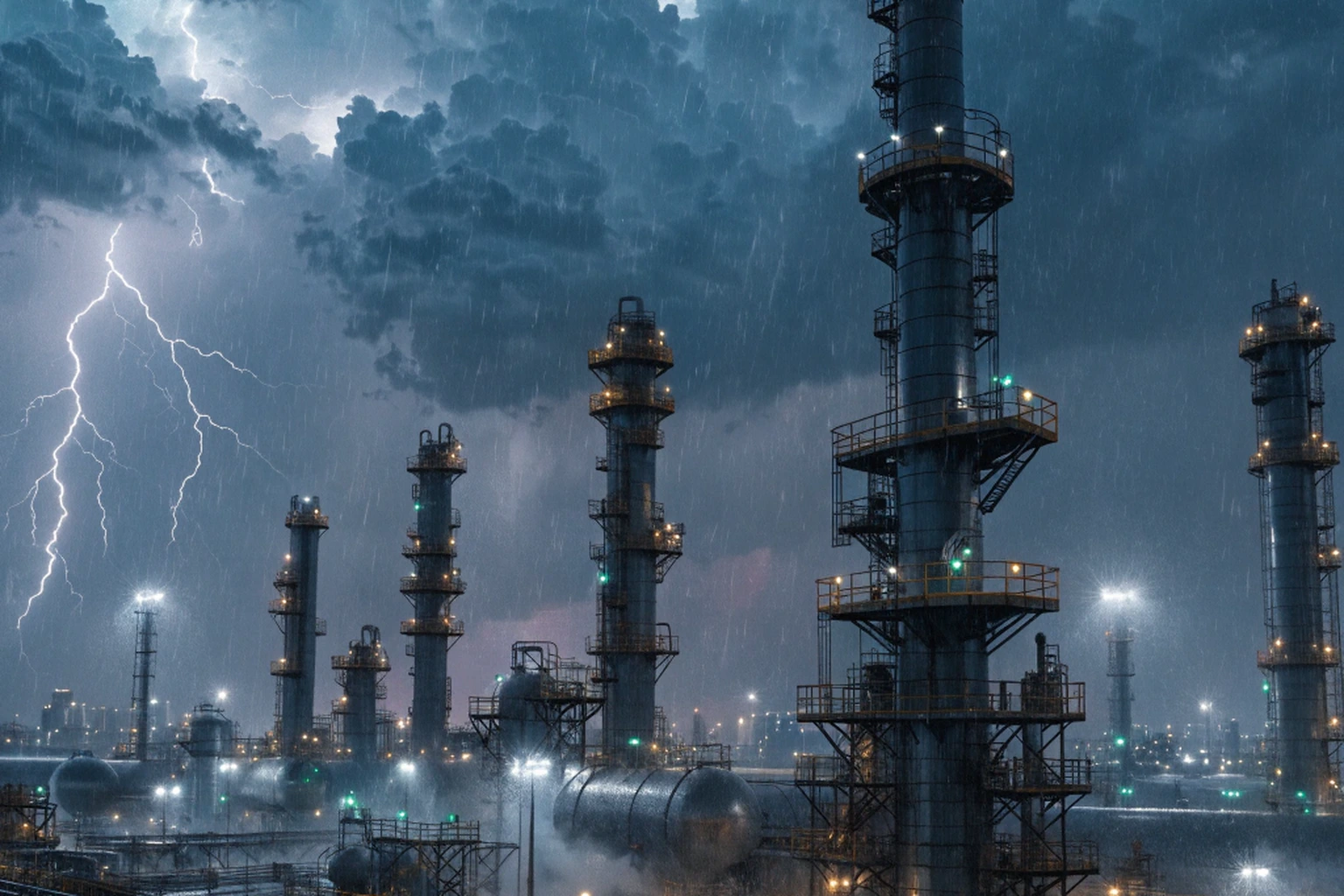
사우디아라비아와 기름 이야기
사우디아라비아는 큰 나라입니다. 이 나라는 기름이 아주 많습니다. 기름은 사우디아라비아 경제에 매우 중요합니다. 1938년에 기름을 처음 찾았습니다. 이것은 나라를 부자로 만들었습니다. 사우디 아람코는 큰 회사입니다. 아람코는 세계에서 가장 큰 기름 회사 중 하나입니다. 이 회사는 기름을 많이 생산합니다. 그리고 기름으로 다른 물건도 만듭니다. 이것을 석유화학 산업이라고 합니다. 사우디아라비아는 세계에 기름을 줍니다. 그래서 세계 경제에 큰 도움이 됩니다. 이 나라는 세계에서 중요한 기름 생산국입니다.
문법 스포트라이트
패턴: 명사 + -입니다/-ㅂ니다 (Polite Ending)
"사우디아라비아는 큰 나라입니다."
'-입니다'는 명사 뒤에 붙어서 문장을 끝내는 가장 기본적인 존댓말 표현입니다. '무엇이다'라고 말할 때 사용합니다. 받침이 없거나 있을 때 모두 '입니다'를 씁니다.
패턴: 명사 + -은/는 (Topic Marker)
"이 나라는 기름이 아주 많습니다."
'-은/는'은 문장에서 이야기의 주제를 나타내는 조사입니다. 받침이 없으면 '-는', 받침이 있으면 '-은'을 씁니다. '무엇에 대해 말하는지'를 알려줍니다.
이해도를 테스트하세요
10 질문 · A1 초급 · 무료 미리보기 1회
이 기사에서 배운 내용을 테스트하세요. 모든 질문에 답하여 XP를 획득하세요!
사우디아라비아 경제에 아주 중요한 것은 무엇입니까?
문제별 결과
사우디아라비아 경제에 아주 중요한 것은 무엇입니까?
내 답변:
정답: 기름
사우디 아람코는 작은 회사입니다.
내 답변:
정답: 거짓
'생산합니다'는 무슨 뜻입니까?
내 답변:
정답: 만듭니다
사우디아라비아는 세계에 ____을 줍니다.
내 답변:
정답: 기름
사우디아라비아의 석유 이야기
사우디아라비아는 중동에 있는 큰 나라입니다. 이 나라는 1938년에 아주 중요한 것을 발견했습니다. 바로 '석유'입니다. 석유는 땅속에서 나오는 검은 기름입니다. 석유를 발견하기 전에는 사우디아라비아는 지금처럼 부유하지 않았습니다. 사람들은 주로 농사를 짓거나 양을 키웠습니다.
하지만 석유를 발견한 후에 모든 것이 변했습니다. 석유 때문에 사우디아라비아는 세계에서 아주 중요한 경제 강국이 되었습니다. 많은 돈을 벌게 되었습니다. 지금 사우디아라비아에는 '사우디 아람코'라는 큰 회사가 있습니다. 이 회사는 전 세계에서 가장 많은 석유를 가지고 있고, 석유를 많이 생산합니다.
사우디 아람코는 세계 석유 시장에서 중요한 역할을 합니다. 전 세계에 석유가 많이 필요할 때, 이 회사는 더 많은 석유를 팔아서 시장을 안정시킵니다. 그래서 사우디아라비아의 석유 산업은 나라와 세계 경제에 아주 중요합니다. 이 산업은 앞으로도 사우디아라비아의 미래를 만들 것입니다.
문법 스포트라이트
패턴: -기 전에
"석유를 발견하기 전에는 사우디아라비아는 지금처럼 부유하지 않았습니다."
어떤 행동을 하기 전의 시간이나 상황을 말할 때 사용합니다. 동사 뒤에 붙습니다. 예를 들어, '밥을 먹기 전에 손을 씻어요'처럼 사용할 수 있습니다.
패턴: -때문에
"석유 때문에 사우디아라비아는 세계에서 아주 중요한 경제 강국이 되었습니다."
어떤 일의 이유나 원인을 말할 때 사용합니다. 명사 뒤에 붙습니다. 예를 들어, '비 때문에 소풍을 못 갔어요'처럼 사용할 수 있습니다.
이해도를 테스트하세요
11 질문 · A2 초등급 · 무료 미리보기 1회
이 기사에서 배운 내용을 테스트하세요. 모든 질문에 답하여 XP를 획득하세요!
사우디아라비아가 석유를 발견한 해는 언제입니까?
문제별 결과
사우디아라비아가 석유를 발견한 해는 언제입니까?
내 답변:
정답: 1938년
석유를 발견하기 전, 사우디아라비아는 지금처럼 부유한 나라였습니다.
내 답변:
정답: 거짓
'생산하다'는 무슨 뜻입니까?
내 답변:
정답: 물건을 만들거나 만들어 내는 것
사우디아라비아는 석유 _______ 세계에서 아주 중요한 경제 강국이 되었습니다.
내 답변:
정답: 때문에
세계 석유 시장에서 중요한 역할을 하는 사우디아라비아의 큰 회사는 어디입니까?
내 답변:
정답: 사우디 아람코
사우디아라비아의 석유 및 석유화학 산업
사우디아라비아의 경제 정체성은 1938년 담맘 7번 유정에서 석유가 처음 발견된 이후로 석유 산업과 매우 밀접하게 연결되어 있습니다. 이 중요한 발견은 과거 사막 국가였던 사우디아라비아를 세계적인 경제 강국으로 완전히 변화시켰습니다. 석유는 이 나라의 모든 발전과 성장의 기초가 되어 왔습니다.
오늘날, 사우디아라비아의 국영 에너지 기업인 사우디 아람코는 세계에서 가장 큰 규모의 확인된 원유 매장량을 관리하고 있습니다. 또한 사우디 아람코는 매우 높은 석유 생산 능력을 유지하고 있어서, 세계 시장이 불안정해질 때 국제 석유 시장을 안정시키는 '스윙 프로듀서' 역할을 할 수 있습니다. 이러한 중요한 역할 덕분에 사우디아라비아는 국제 에너지 시장에서 막대한 영향력을 행사하고 있습니다. 석유 산업은 오랫동안 사우디아라비아 경제 발전의 핵심 동력이 되어 왔으며, 수많은 일자리를 창출했습니다.
하지만 최근 사우디아라비아 정부는 석유 의존도를 줄이고 경제를 다각화하기 위해 적극적으로 노력하고 있습니다. 석유화학 산업은 이러한 노력 중 매우 중요한 한 부분입니다. 석유화학 산업은 석유를 가공하여 플라스틱, 비료, 합성 섬유와 같은 다양한 고부가가치 제품을 만드는 산업입니다. 이 산업은 사우디아라비아의 미래 성장에 필수적인 역할을 할 것으로 크게 기대됩니다. 사우디아라비아는 석유와 석유화학 산업을 통해 앞으로도 계속해서 세계 경제에서 중요한 위치를 유지할 것입니다.
문법 스포트라이트
패턴: 수동태: ~되다
"석유가 처음 발견된 이후로..."
~되다'는 동사 뒤에 붙어 어떤 행동이 주어에 의해 '당하다' 또는 '이루어지다'는 수동의 의미를 나타냅니다. 명사 뒤에 붙어 동사를 만들 때도 자주 사용됩니다.
패턴: 관형사형 어미: ~는/은/을 (현재/과거/미래)
"과거 사막 국가였던 사우디아라비아를 세계적인 경제 강국으로 완전히 변화시켰습니다."
동사나 형용사 뒤에 '~는', '~은/ㄴ', '~을/ㄹ'을 붙여 뒤에 오는 명사를 수식하는 역할을 합니다. 문장의 시제에 따라 현재는 '~는', 과거는 '~은/ㄴ', 미래는 '~을/ㄹ'을 사용합니다.
이해도를 테스트하세요
11 질문 · B1 중급 · 무료 미리보기 1회
이 기사에서 배운 내용을 테스트하세요. 모든 질문에 답하여 XP를 획득하세요!
사우디아라비아에서 석유가 처음 발견된 해는 언제입니까?
문제별 결과
사우디아라비아에서 석유가 처음 발견된 해는 언제입니까?
내 답변:
정답: 1938년
사우디 아람코는 세계에서 가장 작은 원유 매장량을 관리하고 있습니다.
내 답변:
정답: 거짓
다음 단어 중 '생산 능력'의 의미는 무엇입니까?
내 답변:
정답: 물건을 만드는 힘
석유 발견은 사막 국가였던 사우디아라비아를 세계적인 경제 _____ 변화시켰습니다.
내 답변:
정답: 강국
사우디아라비아 정부가 경제를 다각화하려는 주된 이유는 무엇입니까?
내 답변:
정답: 석유 의존도를 줄이기 위해
사우디아라비아의 석유 및 석유화학 산업: 경제 변혁의 원동력
사우디아라비아의 경제는 1938년 담맘 7번 유정에서 석유가 발견된 이래로 석유 산업과 떼려야 뗄 수 없는 관계를 맺어왔습니다. 이 중대한 발견은 사막 국가였던 사우디아라비아를 세계적인 경제 강국으로 탈바꿈시키는 결정적인 계기가 되었습니다. 석유는 단순히 국가 수입원의 일부가 아니라, 사우디아라비아의 정치적 영향력과 국제적 위상을 형성하는 핵심 요소로 자리매김했습니다. 이로 인해 사우디아라비아는 중동 지역을 넘어 전 세계 에너지 안보에 지대한 영향을 미치는 국가로 부상했습니다.
현재 사우디아라비아의 국영 에너지 기업인 사우디 아람코(Saudi Aramco)는 세계 최대 규모의 원유 매장량을 보유하고 있으며, 그 생산 능력은 글로벌 시장의 변동성이 심화될 때마다 '스윙 생산자(swing producer)'로서 시장 안정화에 기여하는 중요한 역할을 수행합니다. 이는 국제 유가 안정화에 직접적인 영향을 미치며, 나아가 전 세계 경제의 예측 가능성을 높이는 데 핵심적인 역할을 합니다. 아람코의 광대한 인프라와 기술력은 이러한 역할을 가능하게 하는 기반입니다.
석유 산업은 사우디아라비아 경제의 근간을 이루지만, 최근에는 석유화학 산업으로의 확장이 두드러지고 있습니다. 원유를 단순히 수출하는 것을 넘어, 이를 가공하여 플라스틱, 비료, 합성섬유 등 고부가가치 제품의 기초 소재를 생산하려는 노력이 활발히 진행되고 있는 것입니다. 이러한 다각화 전략은 '비전 2030(Vision 2030)'이라는 국가 발전 계획의 핵심 목표 중 하나로, 석유 의존도를 낮추고 지속 가능한 경제 성장을 도모하려는 사우디 정부의 강력한 의지를 보여줍니다. 석유화학 산업의 발전은 새로운 일자리 창출과 함께 기술 혁신을 촉진하며, 사우디아라비아의 산업 구조를 더욱 견고하고 미래지향적으로 만들고 있습니다.
물론, 석유 및 석유화학 산업은 환경 문제와 국제적인 에너지 전환 흐름이라는 도전에 직면해 있습니다. 기후 변화에 대한 세계적인 우려가 커지면서 화석 연료에 대한 의존도를 줄이려는 움직임이 가속화되고 있기 때문입니다. 하지만 사우디아라비아는 첨단 기술 도입과 친환경 생산 방식 개발을 통해 이러한 문제에 적극적으로 대응하며, 탄소 포집 및 활용 기술(CCUS) 투자 등을 통해 지속 가능한 에너지 미래를 모색하고 있습니다. 사우디아라비아의 석유 산업은 과거와 현재를 아우르며, 미래 경제를 이끌어갈 중요한 동력으로 계속해서 진화하고 있습니다. 이는 단순히 석유 생산을 넘어선 국가적 전략의 일환으로 이해되어야 할 것입니다.
문법 스포트라이트
패턴: -은/는 이래로
"사우디아라비아의 경제는 1938년 담맘 7번 유정에서 석유가 발견된 이래로 석유 산업과 떼려야 뗄 수 없는 관계를 맺어왔습니다."
이 문법은 어떤 특정 시점이나 사건이 발생한 이후로 지금까지 계속해서 어떤 상태나 상황이 이어지고 있음을 나타낼 때 사용합니다. '발견된 이래로'는 발견된 시점부터 현재까지라는 의미입니다.
패턴: -는 것을 넘어
"원유를 단순히 수출하는 것을 넘어, 이를 가공하여 플라스틱, 비료, 합성섬유 등 고부가가치 제품의 기초 소재를 생산하려는 노력이 활발히 진행되고 있는 것입니다."
이 표현은 앞선 행위나 상태를 넘어서, 더 나아가거나 더 발전된 다른 행위나 상태로 나아감을 의미합니다. '수출하는 것을 넘어'는 수출만 하는 것이 아니라 더 많은 것을 한다는 뜻입니다.
패턴: -에 직면해 있다
"물론, 석유 및 석유화학 산업은 환경 문제와 국제적인 에너지 전환 흐름이라는 도전에 직면해 있습니다."
이 문법은 어떤 어려운 상황이나 문제, 도전 등에 직접적으로 마주하고 있음을 나타냅니다. 주로 부정적이거나 해결해야 할 과제에 대해 사용됩니다. '도전에 직면해 있다'는 도전을 마주하고 있다는 의미입니다.
이해도를 테스트하세요
11 질문 · B2 중상급 · 무료 미리보기 1회
이 기사에서 배운 내용을 테스트하세요. 모든 질문에 답하여 XP를 획득하세요!
다음 중 사우디아라비아가 세계적인 경제 강국으로 탈바꿈하게 된 결정적인 계기는 무엇입니까?
문제별 결과
다음 중 사우디아라비아가 세계적인 경제 강국으로 탈바꿈하게 된 결정적인 계기는 무엇입니까?
내 답변:
정답: 담맘 7번 유정에서 석유 발견
사우디 아람코는 국제 유가 안정화에 기여하는 '스윙 생산자' 역할을 수행합니다.
내 답변:
정답: 참
글의 내용에 비추어 볼 때, '다각화 전략'이 의미하는 바는 무엇입니까?
내 답변:
정답: 석유 의존도를 낮추고 다른 산업을 발전시키는 계획
사우디아라비아는 '비전 2030'을 통해 석유 의존도를 낮추고 지속 가능한 경제 성장을 ______ 노력하고 있습니다.
내 답변:
정답: 도모하려
다음 중 사우디아라비아 석유 산업이 현재 직면한 도전이 아닌 것은 무엇입니까?
내 답변:
정답: 첨단 기술 도입의 어려움
Black Gold and Beyond: The Metamorphosis of Saudi Industry
Scarcely had the drill bit pierced the limestone at Dammam No. 7 in 1938 when the destiny of the Arabian Peninsula was irrevocably altered. This serendipitous event marked the genesis of Saudi Arabia's ascent as a global energy titan. For decades, the extraction and export of crude oil have constituted the backbone of the Kingdom's economy, with Saudi Aramco standing as the colossus of the energy sector. Yet, mere reliance on raw extraction is no longer deemed sufficient for a nation with ambitious developmental horizons. It is the strategic pivot towards the downstream petrochemical industry that now defines the Kingdom's economic trajectory.
The volatility inherent in global oil markets has long necessitated a broadening of the economic base. Consequently, the establishment of the Saudi Basic Industries Corporation (SABIC) in 1976 served as a catalyst for industrial diversification. By converting hydrocarbon feedstocks into high-value products such as polymers, fertilizers, and chemicals, Saudi Arabia has successfully captured a significant share of the global value chain. Not only does this maximize revenue, but it also fosters the creation of a skilled indigenous workforce, a prerequisite for sustainable growth.
Under the auspices of Vision 2030, the integration of refining and petrochemical processing has accelerated. The rationale is clear: the transformation of raw resources into finished goods mitigates exposure to crude price fluctuations. Furthermore, it is this very integration that attracts foreign direct investment, facilitating technology transfer and innovation. Were the Kingdom to remain solely a crude exporter, its economic resilience would be perpetually at the mercy of external market forces. The expansion into specialized chemicals represents a deliberate move up the value chain, ensuring that the Kingdom extracts maximum utility from every barrel of oil produced.
Environmental stewardship has also moved to the forefront of the industrial agenda. The sector is increasingly adopting circular carbon economy frameworks, aiming to reduce emissions while maintaining productivity. What distinguishes the modern Saudi energy sector is its commitment to balancing hydrocarbon utilization with ecological responsibility. Advanced technologies are being deployed to capture and utilize carbon dioxide, transforming a potential pollutant into a valuable industrial input. This dual focus on economic expansion and environmental sustainability demonstrates a nuanced understanding of future global trends.
In conclusion, while oil remains the bedrock of Saudi Arabia's prosperity, the landscape is undergoing a profound evolution. The synergy between upstream extraction and downstream petrochemical manufacturing illustrates a sophisticated approach to resource management. Only through such calculated diversification can the Kingdom ensure its continued economic preeminence in a rapidly evolving global landscape.
문법 스포트라이트
패턴: Inversion (Negative Adverbials)
"Scarcely had the drill bit pierced the limestone at Dammam No. 7 in 1938 when the destiny of the Arabian Peninsula was irrevocably altered."
In formal English, starting a sentence with a negative or restrictive adverb (like 'scarcely', 'rarely', 'not only') triggers inversion. The auxiliary verb ('had') comes before the subject ('the drill bit') to add dramatic emphasis.
패턴: Cleft Sentences
"It is the strategic pivot towards the downstream petrochemical industry that now defines the Kingdom's economic trajectory."
Cleft sentences are used to focus on a specific part of the sentence. Here, the structure 'It is X that Y' highlights 'the strategic pivot' as the most important information, distinguishing it from other factors.
패턴: Inversion (Conditional)
"Were the Kingdom to remain solely a crude exporter, its economic resilience would be perpetually at the mercy of external market forces."
This is an inverted conditional structure, replacing 'If the Kingdom were to remain...'. It is a formal and sophisticated way to express hypothetical situations, often used in academic or professional writing.
이해도를 테스트하세요
12 질문 · C1 고급 · 무료 미리보기 1회
이 기사에서 배운 내용을 테스트하세요. 모든 질문에 답하여 XP를 획득하세요!
According to the article, what was the primary effect of establishing SABIC?
문제별 결과
According to the article, what was the primary effect of establishing SABIC?
내 답변:
정답: It acted as a driver for diversifying the industrial base.
The article suggests that environmental concerns are being ignored in favor of higher production.
내 답변:
정답: 거짓
Which word is closest in meaning to 'stewardship'?
내 답변:
정답: Management
The volatility of global markets made economic __________ a necessity.
내 답변:
정답: diversification
What does the author imply about 'mere reliance on raw extraction'?
내 답변:
정답: It is no longer considered enough for the country's ambitions.
What does 'irrevocably' mean in the context of the text?
내 답변:
정답: Permanently
Hydrocarbon Hegemony and the Petrochemical Renaissance: A Critical Analysis
Since the serendipitous discovery of the Dammam No. 7 well in 1938, Saudi Arabia’s economic trajectory has been inextricably bound to the extraction of hydrocarbons. Yet, to characterize the Kingdom merely as a global reservoir of crude oil would be a reductionist oversimplification of its sophisticated industrial evolution. The nation has meticulously cultivated a petrochemical sector that stands as a testament to its strategic foresight, transforming raw natural resources into high-value derivatives. This transition from a primary resource exporter to a titan of chemical synthesis represents a profound paradigm shift in the global energy landscape.
At the vanguard of this sector is Saudi Aramco, a sovereign entity whose influence extends far beyond mere extraction. Managing the world’s most extensive proven crude oil reserves, Aramco functions as a stabilizing force within the global market. Were the market to experience sudden fluctuations, Aramco’s capacity to act as a 'swing producer' allows it to ameliorate potential economic shocks. However, the reliance on upstream activities—exploration and production—poses inherent risks given the notorious volatility of oil prices. Consequently, strategic diversification into downstream activities has become imperative.
Enter the petrochemical industry, the industrial catalyst that has allowed Saudi Arabia to capture value across the entire hydrocarbon chain. The Saudi Basic Industries Corporation (SABIC), a conglomerate now majority-owned by Aramco, exemplifies this integration. By utilizing associated gas—historically flared as waste—as feedstock for petrochemical production, the Kingdom has fostered an indigenous manufacturing base capable of producing fertilizers, polymers, and specialized chemicals. This symbiotic relationship between upstream oil production and downstream chemical processing has precipitated a surge in industrial efficiency, ensuring that every molecule of hydrocarbon yields maximum economic return.
Under the aegis of Vision 2030, the current strategic mandate is to further refine this ecosystem. The objective is not merely to produce commodity chemicals but to advance into specialty chemicals and advanced materials. It is essential that the industry innovate to remain competitive in a decarbonizing world. The focus has thus shifted toward circular carbon economies and sustainability initiatives. For instance, the capture and utilization of carbon dioxide for chemical synthesis addresses environmental concerns while simultaneously creating economic value. Critics might argue that such measures are paradoxical in a petroleum-based economy; however, they represent a pragmatic approach to energy transition, balancing economic hegemony with ecological responsibility.
Furthermore, the integration of cutting-edge technologies—such as artificial intelligence in refinery operations and digitalization of supply chains—has bolstered the sector's resilience. Rarely has a nation demonstrated such agility in pivoting its industrial base while maintaining its dominant market position. The Kingdom is effectively hedging its bets, utilizing the revenue from its legacy assets to fund the next generation of industrial infrastructure.
In conclusion, the Saudi petroleum and petrochemical industry is a complex, multi-faceted organism that defies simple categorization. It is a sector in flux, navigating the delicate balance between traditional resource exploitation and modern industrial innovation. As the world moves toward renewable energy, the Kingdom’s ability to adapt its petrochemical capabilities will undoubtedly determine its future economic sovereignty. The narrative is no longer solely about oil; it is about the mastery of molecular science to fuel the future.
문법 스포트라이트
패턴: 강조를 위한 도치 (Inversion for Emphasis)
"Rarely has a nation demonstrated such agility in pivoting its industrial base while maintaining its dominant market position."
격식 있는 영어에서는 'rarely', 'never', 'seldom' 같은 부정 부사가 문장 맨 앞에 오면 주어와 조동사의 위치가 바뀌어요. 이렇게 하면 문장의 의미가 훨씬 강조된답니다.
패턴: 가정법 (Subjunctive Mood)
"It is essential that the industry innovate to remain competitive in a decarbonizing world."
중요성이나 필요성을 나타내는 형용사(예: 'essential that', 'imperative that') 뒤에는 가정법이 쓰여요. 이때는 주어가 무엇이든 상관없이 동사 원형('innovate')을 사용해요.
패턴: 조건문 도치 (제2조건문)
"Were the market to experience sudden fluctuations, Aramco’s capacity to act as a 'swing producer' allows it to ameliorate potential economic shocks."
이것은 'If the market were to experience...'를 더 격식 있게 표현한 거예요. 'If'를 생략하고 'Were'를 주어 앞으로 보내면 학술적인 느낌을 줄 수 있어요.
이해도를 테스트하세요
12 질문 · C2 마스터 · 무료 미리보기 1회
이 기사에서 배운 내용을 테스트하세요. 모든 질문에 답하여 XP를 획득하세요!
이 기사에 따르면, 사우디아라비아의 경제 전략에서 석유화학 산업은 어떤 역할을 하나요?
문제별 결과
이 기사에 따르면, 사우디아라비아의 경제 전략에서 석유화학 산업은 어떤 역할을 하나요?
내 답변:
정답: 탄화수소 사슬 전반에 걸쳐 가치를 창출하는 메커니즘 역할을 해요.
이 기사는 환경 지속 가능성과 석유 기반 경제가 서로 양립할 수 없는 개념이라고 말하고 있나요?
내 답변:
정답: 거짓
다음 중 '빠르고 예측 불가능하게 변하는 경향'이라는 정의에 가장 잘 어울리는 단어는 무엇인가요?
내 답변:
정답: Volatility
수반 가스를 원료로 사용함으로써 왕국 내에 ________ 제조 기반이 육성되었어요.
내 답변:
정답: indigenous
본문에서 설명하는 '스윙 프로듀서(수급 조절자)'의 주된 기능은 무엇인가요?
내 답변:
정답: 변동성이 큰 시기에 글로벌 시장을 안정시키는 것.
경제적 충격이라는 맥락에서 'ameliorate'는 무슨 뜻인가요?
내 답변:
정답: 개선하다 또는 완화하다

