









pot 30초 만에
- A pot is a deep, round container used for cooking, gardening, or storage.
- It is distinct from a pan, which is shallow, and a jar, which is for sealing.
- Common types include stockpots, teapots, flowerpots, and coffee pots.
- The word also appears in gambling (the pot) and idioms (melting pot).
The word pot refers to a deep, typically round container used for a variety of functional purposes. In its most common domestic sense, it is a vessel used for cooking food on a stove or in an oven. Unlike a pan, which is usually shallow with a long handle, a pot is characterized by its depth and height, allowing it to hold large volumes of liquid, such as water for boiling pasta or broth for making soup. The physical construction of a pot often includes two small handles on opposite sides to help the user lift it when it is heavy and full. Most pots also come with a matching lid to trap heat and steam inside during the cooking process. Beyond the kitchen, the term is equally prevalent in gardening, where it describes a container—often made of plastic, terracotta, or ceramic—filled with soil to grow flowers, herbs, or vegetables. This dual utility makes the word essential for everyday communication.
- The Culinary Context
- In the kitchen, a pot is the workhorse of the stove. It is used for simmering stews, boiling potatoes, and preparing large batches of sauce. The material of the pot, whether it be stainless steel, cast iron, or copper, affects how heat is distributed.
She placed the large pot of water on the burner to boil for the spaghetti dinner.
Historically, pots have been central to human civilization. Since the Neolithic era, humans have crafted earthenware pots to store grain and water. This historical depth adds a layer of cultural significance to the word; it is not just an object but a symbol of settlement and domesticity. In modern times, the word has expanded into metaphorical territories, such as the 'melting pot' of cultures or the 'pot' in a game of poker, representing the total amount of money bet. Whether you are talking about a simple clay vessel or a high-tech pressure cooker, the core concept remains a container that holds something valuable or useful.
- The Horticultural Context
- In gardening, a pot provides a controlled environment for a plant's roots. It allows for mobility, meaning you can move your plants to follow the sun or bring them indoors during the winter months.
The gardener carefully transplanted the young tomato seedling into a larger terracotta pot.
Furthermore, the word 'pot' is often used in compound words and phrases that describe specific types of containers. A 'teapot' is specifically for brewing tea, a 'coffee pot' for coffee, and a 'flowerpot' for plants. In archaeological terms, 'pottery' refers to objects made of fired clay, and 'potsherds' are the broken pieces of these ancient vessels. The versatility of the word is unmatched, as it bridges the gap between the most basic survival needs (food and water storage) and complex cultural expressions (art and gambling).
- The Artistic Context
- Pottery is a major art form. Artists use a potter's wheel to shape clay into beautiful pots that are both functional and decorative, often glazing them with vibrant colors.
The museum displayed a collection of ancient Greek pots decorated with scenes of athletic competition.
Finally, it is important to recognize the informal and slang uses of the word. In some contexts, 'pot' is a common slang term for marijuana. While this is a very different meaning from a cooking vessel, it is a usage that learners will likely encounter in media or casual conversation. However, in professional and standard academic English, the focus remains on the container. The word is a monosyllabic powerhouse, easy to pronounce but rich with thousands of years of human history and utility.
After the long hike, they sat around the campfire, waiting for the pot of beans to heat up.
The poker player pushed all his chips into the pot, confident that he had the winning hand.
Using the word pot correctly involves understanding its role as a countable noun and its common collocations. Because it is a physical object, it almost always requires an article (a, an, the) or a possessive pronoun (my, your, his). When talking about cooking, the word is frequently paired with verbs like 'boil,' 'simmer,' 'stir,' and 'scrub.' For example, you might say, 'I need to scrub the pot because the rice burnt on the bottom.' This sentence highlights the physical labor often associated with the object. In gardening, the verbs change to 'plant,' 'repot,' or 'water.' A common sentence might be, 'I should repot this fern because it has grown too large for its current pot.'
- Prepositional Usage
- The prepositions 'in' and 'into' are the most common companions for 'pot.' You put ingredients 'into' a pot, and food cooks 'in' the pot. Conversely, you take things 'out of' the pot.
Please pour the soup into the pot carefully so it doesn't splash.
The word also functions well in compound structures. You can describe the contents of the container by using the 'pot of [noun]' structure. Common examples include 'a pot of gold,' 'a pot of coffee,' 'a pot of stew,' or 'a pot of soil.' This structure is vital for specifying what the container is currently holding. In more advanced English, you might see 'pot' used as a verb (to pot a plant), but as a noun, it is much more frequent. When using it in the plural form, 'pots,' it often refers to a collection of dishes, as in the phrase 'pots and pans.'
- Descriptive Adjectives
- Adjectives often describe the material or size of the pot. Examples include 'clay pot,' 'iron pot,' 'large pot,' 'small pot,' 'cracked pot,' and 'shiny pot.'
The chef prefers using a heavy cast-iron pot for slow-braising the beef.
In formal writing, 'pot' might be replaced by more specific terms like 'vessel,' 'receptacle,' or 'container,' but in everyday speech, 'pot' is the standard. It is also used in various idiomatic expressions that require specific sentence structures. For instance, 'the pot calling the kettle black' is a complete metaphorical thought used to describe hypocrisy. In this case, 'pot' is a subject performing an action. Understanding these varied structures—from simple descriptions to complex idioms—allows a learner to use the word with the same flexibility as a native speaker.
- The 'Pot of' Construction
- This construction is used to measure or identify contents. 'A pot of tea' implies the volume of tea contained within the vessel, often served to multiple people.
Legend says there is a pot of gold at the end of every rainbow.
The kitchen was messy, with every pot and pan piled up in the sink.
He decided to pot the flowers before the sun went down.
The word pot is ubiquitous, appearing in diverse environments ranging from the domestic to the professional. The most common place you will hear it is in the home, specifically in the kitchen. Parents might tell their children, 'Don't touch the pot, it's hot!' or 'Can you bring the pot of pasta to the table?' In these contexts, the word is associated with heat, safety, and nourishment. Similarly, in a restaurant setting, chefs and kitchen staff use the word constantly to coordinate the preparation of meals. You might hear a head chef yell, 'I need a clean stockpot for the bouillon!' The word here is functional and urgent.
- In the Garden Center
- When visiting a nursery or garden center, 'pot' is the primary term for plant containers. Staff might ask, 'Are you looking for a ceramic pot or a plastic one?'
The customer asked if the pot had drainage holes at the bottom.
Another frequent location for this word is in the world of gaming and gambling, particularly poker. In this context, 'the pot' refers to the sum of money that players bet during a single hand. You will hear phrases like 'sweeten the pot' (to increase the bets) or 'win the pot.' This usage is common in movies, television shows, and casinos. It represents a shift from a physical container to a conceptual one—the 'pot' holds the stakes of the game. Additionally, in social settings, you might hear about a 'potluck' dinner, where every guest brings a dish to share. This term evokes the idea of many different pots coming together to create a communal feast.
- In Archaeological and Artistic Circles
- Archaeologists use the word to describe findings. 'We found several intact pots from the Bronze Age.' In art, 'throwing a pot' refers to the process of making one on a wheel.
The potter spent the afternoon throwing pots in her studio overlooking the sea.
In literature and folklore, 'pot' often appears in symbolic ways. The 'pot of gold' at the end of the rainbow is a classic trope in Irish mythology, representing an unattainable or difficult-to-reach reward. In fairy tales like 'The Magic Porridge Pot,' the object itself is enchanted. These cultural touchstones ensure that the word is heard not just in the physical world, but in the world of imagination and story. Whether it is a news report about a 'melting pot' of immigrants in a large city or a casual mention of a 'coffee pot' in an office, the word is a constant thread in the fabric of English communication.
- In News and Sociology
- The term 'melting pot' is frequently used in discussions about sociology and immigration to describe a society where different cultures blend together into one.
New York City has long been described as a melting pot of global cultures.
He decided to take a potshot at the rival politician during the debate.
One of the most frequent mistakes English learners make is confusing a pot with a pan. While both are used for cooking, their shapes and functions are distinct. A pan is typically shallow with a long handle and is used for frying or sautéing (like a frying pan). A pot is deep, usually has two small handles, and is used for liquids and boiling. Calling a frying pan a 'pot' can lead to confusion in the kitchen. Another common error is using 'pot' when 'jar' or 'bottle' would be more appropriate. A pot is usually open or has a loose lid, whereas a jar (like a jam jar) has a screw-top lid and is used for preservation. Understanding these physical differences is key to accurate vocabulary usage.
- Pot vs. Pan
- Mistake: 'I am frying eggs in the pot.' Correct: 'I am frying eggs in the pan.' Pots are for boiling; pans are for frying.
You shouldn't use a shallow pan when the recipe calls for a deep pot.
Learners also struggle with the countability of the word. In its standard meaning, 'pot' is a countable noun. You can have one pot or ten pots. However, because 'pot' is also slang for marijuana (an uncountable substance), learners sometimes mistakenly treat the container as uncountable. For example, saying 'I have much pot in the kitchen' sounds like you are discussing illegal substances rather than cooking equipment. Always use 'many pots' or 'a lot of pots' when referring to the containers. Additionally, the idiom 'the pot calling the kettle black' is often misquoted or misunderstood. It is used for hypocrisy, not just for two people being the same.
- Idiomatic Errors
- Mistake: Using 'pot' to mean any container. Correct: A 'pot' specifically implies depth and a round shape. A square box is never a pot.
Saying he is lazy is like the pot calling the kettle black, since you never work either.
In the context of gardening, people often confuse 'pot' and 'planter.' While they are similar, a 'pot' is usually a single container for one plant, whereas a 'planter' can be a larger, often rectangular container for multiple plants. Using 'pot' for a large wooden garden bed is technically incorrect. Finally, be careful with the phrase 'pot belly.' It refers specifically to a protruding stomach and is often used informally or humorously. Using it in a formal medical context might be seen as unprofessional or insensitive. By paying attention to these nuances, you can avoid common pitfalls and speak more like a native.
- Pot vs. Kettle
- A kettle has a spout and is used specifically for boiling water for tea or coffee. A pot does not have a spout and is used for cooking food.
She reached for the kettle to make tea, not the soup pot.
He has a bit of a pot belly from years of eating rich food.
While pot is a very versatile word, English offers many specific alternatives that can make your descriptions more precise. In a culinary context, you might use 'saucepan,' 'stockpot,' 'cauldron,' or 'Dutch oven.' A 'saucepan' is a smaller pot with one long handle, ideal for heating sauces. A 'stockpot' is a very large, deep pot used for making liquid bases. A 'cauldron' is a large metal pot used over an open fire, often associated with witches or ancient cooking. A 'Dutch oven' is a thick-walled cooking pot with a tight-fitting lid, usually made of cast iron, used for braising and roasting. Choosing the right word shows a higher level of English proficiency.
- Vessel vs. Pot
- 'Vessel' is a more formal and academic term. It can refer to anything that holds liquid, including ships. 'Pot' is the everyday, domestic term.
The alchemist poured the glowing liquid into a ceramic vessel.
In gardening, alternatives include 'planter,' 'urn,' 'tub,' and 'crock.' An 'urn' is a decorative pot, often with a pedestal, used for plants or as a funerary container. A 'crock' is a thick earthenware pot, often used in the past for pickling vegetables or storing butter. If you are talking about the material, you might use 'ceramics' or 'earthenware' as a collective noun. In the context of gambling, 'stakes' or 'pool' can sometimes be used instead of 'pot,' though 'pot' remains the most common term in poker specifically. Each of these words carries a slightly different 'flavor' or register, allowing you to tailor your language to the situation.
- Comparison of Cooking Vessels
- A 'casserole dish' is often wider and used in the oven, while a 'pot' is primarily used on the stovetop. A 'wok' is a bowl-shaped frying pan used in Chinese cooking.
The witch stirred her bubbling cauldron while chanting a mysterious spell.
Finally, consider the word 'receptacle.' This is a very formal word often found in technical manuals or legal documents. You might see a sign that says 'Please place trash in the proper receptacle.' You would almost never hear someone say 'Put the soup in the receptacle' in a casual kitchen setting. Similarly, 'basin' refers to a wide, open container used for washing. Understanding these distinctions helps you navigate different social and professional environments with confidence. Whether you need the magical connotations of a 'cauldron' or the technical precision of a 'vessel,' knowing the alternatives to 'pot' enriches your vocabulary.
- Earthenware vs. Stoneware
- Earthenware pots are fired at lower temperatures and are porous. Stoneware pots are fired at higher temperatures and are much more durable and waterproof.
She bought a beautiful stoneware crock to store her homemade pickles.
The gardener placed the flowers in a large stone urn at the entrance.
How Formal Is It?
재미있는 사실
The word 'pot' is so old and fundamental that it is almost identical in English, French, Dutch, and several other languages, showing how essential this object was to early European cultures.
발음 가이드
- Pronouncing the 'o' like 'oh' (/poʊt/), which makes it sound like 'pote' (not a word).
- Confusing it with 'port' (/pɔːt/) by adding an 'r' sound.
- Making the 't' too soft, so it sounds like 'pod' (/pɒd/).
- In American English, making the 'a' sound too nasal.
- Using a long 'u' sound, making it sound like 'put' (/pʊt/).
난이도
The word is very short and easy to recognize in text.
Spelling is simple (CVC pattern) and follows standard rules.
Easy to say, but the 'o' sound varies between UK and US English.
Can be confused with 'pod' or 'port' if not heard clearly.
다음에 무엇을 배울까
선수 학습
다음에 배울 것
고급
알아야 할 문법
Countable Nouns
I have three pots (Correct) vs I have three pot (Incorrect).
Compound Nouns
Teapot, flowerpot, and coffeepot are written as one word or two depending on the style guide.
Prepositions of Place
The soup is *in* the pot. Put the lid *on* the pot.
Verb Conversion
You can 'pot' a plant, turning the noun into a verb.
Articles with Specificity
Use 'the pot' when both people know which one you mean.
수준별 예문
The pot is in the kitchen.
Le pot est dans la cuisine.
Simple subject-verb-prepositional phrase.
I have a small pot.
J'ai un petit pot.
Use of 'a' before a countable noun.
The water is in the pot.
L'eau est dans le pot.
Definite article 'the' used for a specific pot.
Is the pot hot?
Le pot est-il chaud ?
Question form using 'is'.
Put the flower in the pot.
Mettez la fleur dans le pot.
Imperative sentence.
She has two pots.
Elle a deux pots.
Plural form 'pots'.
The pot is red.
Le pot est rouge.
Adjective 'red' describing the noun.
Look at the big pot.
Regardez le gros pot.
Adjective 'big' modifying the noun.
Can you wash the cooking pot?
Peux-tu laver la marmite ?
Compound noun 'cooking pot'.
He is making a pot of tea.
Il prépare une théière de thé.
Phrase 'a pot of' to show quantity.
I need a pot with a lid.
J'ai besoin d'un pot avec un couvercle.
Prepositional phrase 'with a lid'.
Don't forget to water the pots.
N'oublie pas d'arroser les pots.
Using 'pots' to refer to the plants inside them.
The soup is simmering in the pot.
La soupe mijote dans la marmite.
Present continuous tense.
We bought a new coffee pot yesterday.
Nous avons acheté une nouvelle cafetière hier.
Past simple tense.
The pot is made of clay.
Le pot est en argile.
Passive structure 'is made of'.
There is a pot of gold in the story.
Il y a un pot d'or dans l'histoire.
Existential 'there is'.
We are having a potluck dinner on Friday.
Nous organisons un dîner-partage vendredi.
Use of the compound word 'potluck'.
The potter shaped the clay into a beautiful pot.
Le potier a façonné l'argile en un beau pot.
Related word 'potter'.
America is often called a melting pot of cultures.
L'Amérique est souvent appelée un creuset de cultures.
Metaphorical use of 'melting pot'.
He won the entire pot with a lucky hand of cards.
Il a gagné tout le pot avec une main de cartes chanceuse.
Gambling context.
I need to repot my houseplants this spring.
Je dois rempoter mes plantes d'intérieur ce printemps.
Verb 'repot'.
The stew has been cooking in the slow cooker pot all day.
Le ragoût a cuit dans la mijoteuse toute la journée.
Present perfect continuous.
She scrubbed the burnt pot until it was clean.
Elle a récuré le pot brûlé jusqu'à ce qu'il soit propre.
Adjective 'burnt' modifying 'pot'.
The garden was filled with colorful ceramic pots.
Le jardin était rempli de pots en céramique colorés.
Passive voice with 'filled with'.
Calling me messy is the pot calling the kettle black!
Me dire que je suis désordonné, c'est l'hôpital qui se moque de la charité !
Idiomatic expression.
The archaeologist discovered several ancient potsherds.
L'archéologue a découvert plusieurs tessons de poterie anciens.
Technical term 'potsherds'.
He decided to sweeten the pot to encourage more investors.
Il a décidé d'édulcorer l'offre pour encourager plus d'investisseurs.
Idiom 'sweeten the pot'.
The plant is pot-bound and needs more space for its roots.
La plante est à l'étroit dans son pot et a besoin de plus d'espace pour ses racines.
Adjective 'pot-bound'.
She has a collection of pewter pots from the eighteenth century.
Elle possède une collection de pots en étain du XVIIIe siècle.
Specific material 'pewter'.
The pressure pot hissed as the steam escaped.
L'autocuiseur a sifflé quand la vapeur s'est échappée.
Compound noun 'pressure pot'.
They spent the evening potting up the seedlings in the greenhouse.
Ils ont passé la soirée à empoter les semis dans la serre.
Phrasal verb 'pot up'.
The economy has gone to pot since the new regulations were introduced.
L'économie est partie en vrille depuis l'introduction des nouvelles réglementations.
Idiom 'go to pot'.
The sociopolitical climate was a boiling pot of tension.
Le climat sociopolitique était un chaudron de tension.
Metaphorical use for abstract concepts.
The artisan used a traditional kiln to fire the hand-thrown pots.
L'artisan a utilisé un four traditionnel pour cuire les pots tournés à la main.
Technical vocabulary related to pottery.
The bill was a hodgepodge, a real potpourri of unrelated policies.
Le projet de loi était un méli-mélo, un véritable pot-pourri de politiques sans rapport.
Use of 'potpourri' (derived from pot).
He took a potshot at the CEO's leadership during the meeting.
Il a lancé une pique contre la direction du PDG pendant la réunion.
Compound word 'potshot'.
The ceramicist experimented with different glazes on the stoneware pot.
Le céramiste a expérimenté différents glaçages sur le pot en grès.
Advanced artistic terminology.
The company's pension fund was seen as a honey pot for corporate raiders.
Le fonds de pension de l'entreprise était considéré comme un pot de miel pour les raiders d'entreprise.
Metaphorical 'honey pot'.
The vessel was identified as a storage pot for grain from the Roman era.
Le récipient a été identifié comme un pot de stockage pour le grain de l'époque romaine.
Formal identification language.
She managed to pot the black ball, winning the snooker championship.
Elle a réussi à empocher la bille noire, remportant le championnat de snooker.
Sporting use of 'pot' as a verb.
The narrative serves as a melting pot where disparate genres coalesce into a singular vision.
Le récit sert de creuset où des genres disparates fusionnent en une vision singulière.
Highly academic metaphorical use.
The sheer volume of the pot incentivized the players to take unprecedented risks.
Le volume même du pot a incité les joueurs à prendre des risques sans précédent.
Formal economic/behavioral description.
The archaeological record is replete with examples of utilitarian pots that double as ritualistic objects.
Le registre archéologique regorge d'exemples de pots utilitaires qui font office d'objets rituels.
Complex sentence with 'replete with'.
To suggest otherwise would be the height of hypocrisy, the proverbial pot calling the kettle black.
Suggérer le contraire serait le comble de l'hypocrisie, le proverbial hôpital qui se moque de la charité.
Integration of idiom into a sophisticated argument.
The artisan's technique involved coiling, a method of pot-making that predates the wheel.
La technique de l'artisan impliquait le colombin, une méthode de fabrication de pots qui précède le tour.
Technical historical description.
The project became a money pot, draining resources without yielding significant results.
Le projet est devenu un gouffre financier, drainant les ressources sans donner de résultats significatifs.
Metaphorical 'money pot'.
The glazes used on the Ming Dynasty pots were achieved through complex chemical reductions.
Les glaçures utilisées sur les pots de la dynastie Ming ont été obtenues par des réductions chimiques complexes.
Scientific/Historical register.
He was accused of taking potshots at his predecessor to bolster his own standing.
Il a été accusé de lancer des piques à son prédécesseur pour renforcer sa propre position.
Figurative use of 'potshots'.
동의어
반의어
자주 쓰는 조합
자주 쓰는 구문
— A general term for all the cooking containers in a kitchen. It is used to describe the collection of dishes used for meal preparation.
We could hear the clatter of pots and pans coming from the kitchen.
— A quantity of tea brewed in a teapot, usually enough for several cups. It implies a social or shared experience.
Would you like to share a pot of tea with me?
— A situation where you take whatever is available. Most commonly refers to a meal where guests bring different dishes.
The party was a potluck, so we had a strange mix of food.
— The action of putting a plant into a container with soil. It is a common gardening task.
I need to pot these seedlings before they get too big.
— To make an offer or a deal more attractive by adding something extra. Originally from gambling.
The company offered a bonus to sweeten the pot for the new employees.
— A literal description of water reaching 100 degrees Celsius, or a metaphor for a situation becoming intense.
Watch out, the pot is boiling over on the stove!
— An old-fashioned bowl used as a toilet in a bedroom before indoor plumbing existed. Mostly found in historical contexts.
The museum displayed a decorated Victorian chamber pot.
— A condition where a plant's roots have filled the pot and have no more room to grow. It requires repotting.
This lily is pot-bound; its roots are coming out of the bottom.
— A deep hole in the surface of a road caused by wear or weather. It looks like the shape of a pot.
The car's tire was damaged after hitting a large pot-hole.
— A piece of meat cooked slowly in a covered pot with a small amount of liquid. A popular comfort food.
We had a delicious pot roast for Sunday dinner.
자주 혼동되는 단어
A pan is shallow and used for frying; a pot is deep and used for boiling.
A jar is usually glass with a sealable lid for storage; a pot is for cooking or plants.
A kettle has a spout and is only for boiling water; a pot has no spout and is for food.
관용어 및 표현
— A situation where a person criticizes someone else for a fault that they themselves have. It highlights hypocrisy.
You're telling me to be on time? That's the pot calling the kettle black!
informal— To decline or deteriorate significantly in quality or condition. Often used for businesses or health.
Since the manager left, the whole restaurant has gone to pot.
informal/British— A very blunt way of telling someone to either take action or stop wasting time. Use with caution.
You've been thinking about this for months; it's time to shit or get off the pot.
vulgar/slang— A large reward or a successful outcome that is often considered difficult to achieve. Based on Irish folklore.
Winning the lottery is the ultimate pot of gold for many people.
neutral— A place where different peoples, styles, and theories are mixed together. Often used for diverse cities.
London is a fantastic melting pot of global cuisines.
neutral— A proverb meaning that time seems to pass more slowly when one is waiting for something to happen.
Stop checking your email every minute; a watched pot never boils.
neutral— To make a quick, often unfair or random criticism of someone. Originally meant a shot taken at an animal for food.
The comedian took several potshots at the politicians in the front row.
informal— Something that is very attractive and draws people toward it, sometimes as a trap. Often used in espionage or business.
The new tech hub is a honey pot for young entrepreneurs.
neutral— Taking a chance on whatever is available without knowing the outcome. It can refer to food or any situation.
We didn't book a hotel; we just took pot-luck when we arrived.
neutral— To intentionally cause trouble or provoke an argument between other people. It implies making a situation more active or volatile.
She doesn't really care about the issue; she just likes to stir the pot.
informal혼동하기 쉬운
Similar sound.
A pod is a seed container (like a pea pod), while a pot is a man-made container.
The peas are in the pod, but the soup is in the pot.
Similar sound in some accents.
A port is a harbor for ships or a type of wine; a pot is a container.
The ship reached the port, and the sailors cooked in a pot.
Similar spelling and sound.
A plot is a piece of land or a story's sequence; a pot is a container.
We have a garden plot full of flower pots.
Similar spelling.
Put is a verb meaning to place; pot is a noun for a container.
Put the pot on the table.
Similar sound.
Pat is a light touch with the hand; pot is a container.
Give the dog a pat, then wash the pot.
문장 패턴
The [noun] is in the pot.
The soup is in the pot.
I need a [adjective] pot for [verb-ing].
I need a large pot for boiling pasta.
A pot of [noun] is [adjective].
A pot of coffee is ready.
It's like the pot calling the kettle black when [clause].
It's like the pot calling the kettle black when he says I'm lazy.
The [noun] serves as a melting pot for [noun].
The festival serves as a melting pot for local artists.
The sheer volume of the pot [verb].
The sheer volume of the pot encouraged aggressive betting.
Put the [noun] into the pot.
Put the potatoes into the pot.
He won the pot by [verb-ing].
He won the pot by bluffing.
어휘 가족
명사
동사
형용사
관련
사용법
Extremely common in daily life, especially in domestic and social settings.
-
I am frying the steak in a pot.
→
I am frying the steak in a pan.
Pots are too deep for frying steaks; you need a shallow pan to get the right heat.
-
He has much pots in his garden.
→
He has many pots in his garden.
'Pot' as a container is a countable noun, so you must use 'many,' not 'much.'
-
I need to put the water in the kettle to make soup.
→
I need to put the water in the pot to make soup.
A kettle is only for boiling water for drinks; a pot is for cooking food like soup.
-
The pot is calling the pan black.
→
The pot is calling the kettle black.
The idiom specifically uses 'kettle,' not 'pan.' Changing the words makes the idiom incorrect.
-
I am going to pot the soup into the bowls.
→
I am going to ladle the soup into the bowls.
'Pot' is not usually used as a verb for serving food; 'ladle' or 'pour' is better.
팁
Pot vs. Pan
Always remember: Pots are deep for liquids, pans are shallow for frying. This will help you follow recipes much better!
Countable vs. Uncountable
Use 'many' for cooking pots and 'much' for the slang meaning of the word. 'I have many pots in my kitchen.'
Melting Pot Metaphor
Use the term 'melting pot' when discussing diversity in big cities like New York or London. It makes your English sound more advanced.
Repotting
If a plant is too big for its pot, use the verb 'repot.' 'It's time to repot the basil into a larger container.'
Hypocrisy
Use 'the pot calling the kettle black' when someone criticizes you for something they do themselves. It's a very common and useful idiom.
Potluck Parties
If you are invited to a 'potluck,' don't forget to bring a dish! It's a great way to experience different foods and meet people.
Short Vowel
Keep the 'o' sound short. If you make it long, it sounds like 'port' or 'pote,' which can confuse listeners.
Compound Words
Words like 'teapot' and 'flowerpot' are often written as one word. Check a dictionary if you are unsure about others like 'coffee pot.'
Pottery Shards
In history or archaeology, use the word 'shards' to describe broken pieces of old pots. It's the correct technical term.
Lids
A pot almost always has a lid. If you are looking for a pot in a store, make sure the lid fits tightly to keep the steam in.
암기하기
기억법
Think of a **P**erfectly **O**pen **T**op. A pot is usually open at the top so you can put things in it!
시각적 연상
Imagine a bright red pot with steam coming out of it. The round shape of the 'o' in the middle of the word 'pot' looks like the round opening of the pot itself.
Word Web
챌린지
Try to find three different types of pots in your house. Describe what they are made of and what you use them for using the word 'pot' in every sentence.
어원
The word 'pot' comes from Old English 'pott,' which is found in late Old English. It is believed to have been borrowed from Vulgar Latin 'pottus,' though the ultimate origin is uncertain. It has cognates in many European languages, such as Dutch 'pot' and French 'pot.'
원래 의미: The original meaning was a drinking vessel or a container for cooking, very similar to its modern usage.
Germanic (Old English), with roots in Latin.문화적 맥락
Be aware that 'pot' is a common slang term for marijuana. In formal or professional settings, ensure your context clearly refers to the container to avoid misunderstanding.
In the UK, 'to go to pot' is a common way to say something is failing. In the US, 'potluck' is a very popular way to host parties.
실생활에서 연습하기
실제 사용 상황
Cooking
- Bring the pot to a boil.
- Stir the pot.
- Scrub the burnt pot.
- A pot of soup.
Gardening
- Repot the plant.
- A terracotta pot.
- Drainage holes in the pot.
- Potting soil.
Gambling
- Win the pot.
- Sweeten the pot.
- The pot is huge.
- All-in for the pot.
Socializing
- A potluck dinner.
- A pot of coffee.
- Let's share a pot of tea.
- Stirring the pot (drama).
Archaeology
- Ancient clay pot.
- Pottery shards.
- A storage pot.
- Hand-thrown pot.
대화 시작하기
"Do you prefer cooking in a traditional clay pot or a modern metal one?"
"Have you ever been to a potluck dinner? What did you bring?"
"Do you have many plants in pots inside your house?"
"What is your favorite thing to cook in a large stockpot?"
"Have you ever tried making a pot on a potter's wheel?"
일기 주제
Describe a time you tried to cook something in a pot and it didn't go as planned.
If you had a 'pot of gold,' what would you do with the money?
Write about a garden you would like to have, including all the different pots and plants.
Think about your culture. Is it more of a 'melting pot' or a 'salad bowl'? Explain why.
Describe the oldest pot in your kitchen. Where did it come from and what is its history?
자주 묻는 질문
10 질문The main difference is depth and usage. A pot is deep with high sides, making it perfect for holding liquids like soup or water for boiling. It usually has two small handles. A pan is shallow with low sides, designed for frying or searing food, and typically has one long handle. If you are making stew, use a pot; if you are frying an egg, use a pan.
Yes, 'pot' can be used as a verb, primarily in gardening. To 'pot' a plant means to put it into a pot with soil. You might also hear 'repot,' which means to move a plant to a new, usually larger, pot. In sports like snooker or billiards, 'to pot' a ball means to hit it into one of the pockets.
In its primary meaning as a container, yes, it is countable. You can say 'one pot' or 'many pots.' However, when used as slang for marijuana, it is an uncountable mass noun. For example, you would say 'How much pot was found?' rather than 'How many pots.' Always check the context to be sure.
This is a famous idiom used to point out hypocrisy. It describes a situation where someone criticizes another person for a fault that they also have. For example, if a person who is always late tells someone else to be more punctual, that is the pot calling the kettle black.
A potluck is a social gathering or meal where each guest or family contributes a different dish of food to be shared among the group. The name comes from the idea that you take the 'luck of the pot'—whatever happens to be inside the containers people brought.
A 'melting pot' is a metaphor for a society where many different types of people, cultures, and races blend together into one unified whole. It is most famously used to describe the United States and its history of immigration, though it can apply to any diverse community.
A stockpot is a very large, deep pot with a flat bottom and a lid. It is specifically designed for making 'stock' or broth by simmering meat, bones, and vegetables in water for a long time. Because of its size, it is also great for boiling large amounts of pasta or corn.
The word 'pottery' comes from 'pot.' It refers to the craft of making pots and other vessels out of clay, which are then hardened by heat in a kiln. It is one of the oldest human technologies and arts.
This is an informal idiom, more common in British English, meaning that something is failing, deteriorating, or becoming ruined. For example, 'The garden has really gone to pot since they stopped taking care of it' means the garden is now in very bad condition.
A chamber pot is a historical object. Before houses had indoor toilets and plumbing, people kept a large bowl or pot in their bedroom (the chamber) to use as a toilet during the night. They are now mostly seen in museums or historical movies.
셀프 테스트 185 질문
Describe the most important pot in your kitchen and what you use it for.
Well written! Good try! Check the sample answer below.
Write a short story about a character who finds a mysterious pot in their garden.
Well written! Good try! Check the sample answer below.
Explain the meaning of the idiom 'the pot calling the kettle black' with an example from your life.
Well written! Good try! Check the sample answer below.
Discuss the pros and cons of living in a 'melting pot' society.
Well written! Good try! Check the sample answer below.
Compare and contrast a cooking pot and a flower pot in terms of their design and function.
Well written! Good try! Check the sample answer below.
Write a recipe for a simple soup, including instructions on how to use the pot.
Well written! Good try! Check the sample answer below.
Describe the process of 'potting' a plant for someone who has never done it before.
Well written! Good try! Check the sample answer below.
What does the phrase 'sweeten the pot' mean in a business context? Give an example.
Well written! Good try! Check the sample answer below.
Write a dialogue between two people at a potluck dinner discussing the food.
Well written! Good try! Check the sample answer below.
How has the invention of the pot changed human history? Write a short paragraph.
Well written! Good try! Check the sample answer below.
Describe a 'pot of gold' that you are currently working toward in your life.
Well written! Good try! Check the sample answer below.
Write a formal description of an ancient ceramic pot for a museum catalog.
Well written! Good try! Check the sample answer below.
What are the differences between a pot, a pan, and a jar?
Well written! Good try! Check the sample answer below.
Write about a time someone 'stirred the pot' in a group of friends.
Well written! Good try! Check the sample answer below.
Describe the physical appearance of a traditional teapot from your culture.
Well written! Good try! Check the sample answer below.
Why is a 'watched pot never boils' a useful proverb?
Well written! Good try! Check the sample answer below.
Explain the term 'pot-bound' and how to fix the problem.
Well written! Good try! Check the sample answer below.
Write a short poem about a lonely pot on a shelf.
Well written! Good try! Check the sample answer below.
Describe a 'potshot' you once heard in a movie or read in a book.
Well written! Good try! Check the sample answer below.
How do you clean a very dirty, burnt pot? Give step-by-step instructions.
Well written! Good try! Check the sample answer below.
Pronounce the word 'pot' clearly. Now use it in a sentence about cooking.
Read this aloud:
당신의 답변:
Speech recognition is not supported in your browser. Try Chrome or Edge.
Explain the difference between a pot and a pan to a friend.
Read this aloud:
당신의 답변:
Speech recognition is not supported in your browser. Try Chrome or Edge.
Tell a story about a time you went to a potluck dinner.
Read this aloud:
당신의 답변:
Speech recognition is not supported in your browser. Try Chrome or Edge.
Use the idiom 'the pot calling the kettle black' in a conversation.
Read this aloud:
당신의 답변:
Speech recognition is not supported in your browser. Try Chrome or Edge.
Describe the process of making a pot on a potter's wheel.
Read this aloud:
당신의 답변:
Speech recognition is not supported in your browser. Try Chrome or Edge.
Discuss why the 'melting pot' metaphor is important in your country.
Read this aloud:
당신의 답변:
Speech recognition is not supported in your browser. Try Chrome or Edge.
Explain what 'sweetening the pot' means in a negotiation.
Read this aloud:
당신의 답변:
Speech recognition is not supported in your browser. Try Chrome or Edge.
Talk about your favorite type of plant to grow in a pot.
Read this aloud:
당신의 답변:
Speech recognition is not supported in your browser. Try Chrome or Edge.
Describe a 'potshot' you've seen in the news recently.
Read this aloud:
당신의 답변:
Speech recognition is not supported in your browser. Try Chrome or Edge.
How would you tell someone that their business is 'going to pot' politely?
Read this aloud:
당신의 답변:
Speech recognition is not supported in your browser. Try Chrome or Edge.
What are the essential pots every new kitchen should have?
Read this aloud:
당신의 답변:
Speech recognition is not supported in your browser. Try Chrome or Edge.
Explain the proverb 'a watched pot never boils' to a child.
Read this aloud:
당신의 답변:
Speech recognition is not supported in your browser. Try Chrome or Edge.
Describe an ancient pot you saw in a museum.
Read this aloud:
당신의 답변:
Speech recognition is not supported in your browser. Try Chrome or Edge.
Discuss the environmental impact of using plastic pots in gardening.
Read this aloud:
당신의 답변:
Speech recognition is not supported in your browser. Try Chrome or Edge.
Roleplay: You are at a garden center asking for a specific type of pot.
Read this aloud:
당신의 답변:
Speech recognition is not supported in your browser. Try Chrome or Edge.
Roleplay: You are a chef teaching an assistant how to use a stockpot.
Read this aloud:
당신의 답변:
Speech recognition is not supported in your browser. Try Chrome or Edge.
Explain the slang meaning of 'pot' and when it is appropriate to use.
Read this aloud:
당신의 답변:
Speech recognition is not supported in your browser. Try Chrome or Edge.
Talk about a 'pot of gold' or a dream you are chasing.
Read this aloud:
당신의 답변:
Speech recognition is not supported in your browser. Try Chrome or Edge.
Describe the sound of 'pots and pans' clattering in a busy kitchen.
Read this aloud:
당신의 답변:
Speech recognition is not supported in your browser. Try Chrome or Edge.
What is the most beautiful pot you have ever seen?
Read this aloud:
당신의 답변:
Speech recognition is not supported in your browser. Try Chrome or Edge.
Listen to the sentence: 'The pot is on the stove.' What is on the stove?
Listen to the sentence: 'I need to repot the cactus.' What does the speaker need to do?
Listen to the sentence: 'He won the thousand-dollar pot.' How much money did he win?
Listen to the sentence: 'The economy has gone to pot.' Is the economy doing well?
Listen to the sentence: 'Don't stir the pot, we don't need more drama.' What is the speaker advising?
Listen to the sentence: 'The melting pot theory is often debated.' What is being debated?
Listen to the sentence: 'The potter's wheel spun quickly.' What was spinning?
Listen to the sentence: 'The stockpot was too heavy to lift.' Why couldn't they lift it?
Listen to the sentence: 'She took a potshot at the manager.' Who was criticized?
Listen to the sentence: 'A watched pot never boils.' What is the meaning?
Listen to the sentence: 'The flowerpot broke into pieces.' What happened to the pot?
Listen to the sentence: 'We're having a potluck on Friday.' When is the event?
Listen to the sentence: 'The tea pot is whistling.' What is the tea pot doing?
Listen to the sentence: 'The pot-hole caused a flat tire.' What caused the flat tire?
Listen to the sentence: 'The pot calling the kettle black is classic hypocrisy.' What is being described?
/ 185 correct
Perfect score!
Summary
The word 'pot' is a fundamental English noun describing a deep, round vessel. Whether you are boiling pasta in a cooking pot or planting a rose in a flowerpot, the core meaning remains a functional container. Example: 'Please put the lid on the pot to keep the heat in.'
- A pot is a deep, round container used for cooking, gardening, or storage.
- It is distinct from a pan, which is shallow, and a jar, which is for sealing.
- Common types include stockpots, teapots, flowerpots, and coffee pots.
- The word also appears in gambling (the pot) and idioms (melting pot).
Pot vs. Pan
Always remember: Pots are deep for liquids, pans are shallow for frying. This will help you follow recipes much better!
Countable vs. Uncountable
Use 'many' for cooking pots and 'much' for the slang meaning of the word. 'I have many pots in my kitchen.'
Melting Pot Metaphor
Use the term 'melting pot' when discussing diversity in big cities like New York or London. It makes your English sound more advanced.
Repotting
If a plant is too big for its pot, use the verb 'repot.' 'It's time to repot the basil into a larger container.'
예시
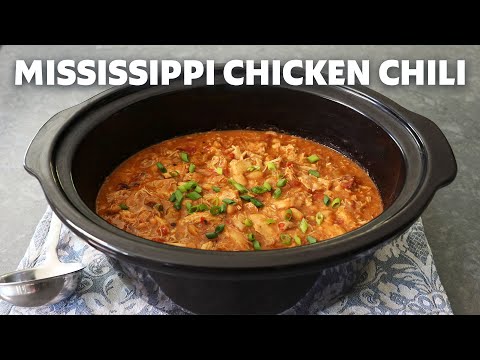
I'm making a big pot of chili for the party.
관련 콘텐츠

Home 관련 단어
aisle
B2통로는 상점의 선반 사이나 비행기의 좌석 사이에 있는 좁은 길을 말합니다.
wall
A1벽은 공간을 둘러싸거나 나누는 수직 구조물입니다.
wipe
A1와이프(물티슈)는 청소를 위해 사용하는 작고 젖은 천이나 종이 조각입니다.
renovate
A1리노베이션은 건물을 수리하고 개선하여 새 것처럼 만드는 것을 의미합니다. 주방 리노베이션 비용이 많이 들었습니다.
paint
A1페인트는 표면을 장식하거나 보호하기 위해 사용하는 유색 액체입니다.
box
B2상자 모양이거나 특정 정사각형 또는 직사각형 경계 내에 포함된 것을 설명합니다.
beams
B2그 집의 들보는 수백 년 동안 지붕을 지탱해 왔습니다.
facility
B1특정 목적을 위해 제공되는 시설, 설비 또는 편의 시설.
facilities
B1그 호텔은 수영장과 스파를 포함한 훌륭한 레저 시설을 갖추고 있습니다.
repair
A1수리는 고장 난 것을 고치는 행위입니다.

