streets in 30 Seconds
- Streets are the essential public thoroughfares within towns and cities, providing space for both vehicles and pedestrians to move and interact safely.
- The word 'streets' is the plural form of 'street', emphasizing a network of urban paths rather than a single isolated road or highway.
- Beyond their physical function, streets serve as vital social hubs where community life, commerce, and historical events frequently take place and unfold.
- Commonly used in navigation, news, and popular culture, 'streets' can also metaphorically represent public opinion or the authentic reality of urban living.
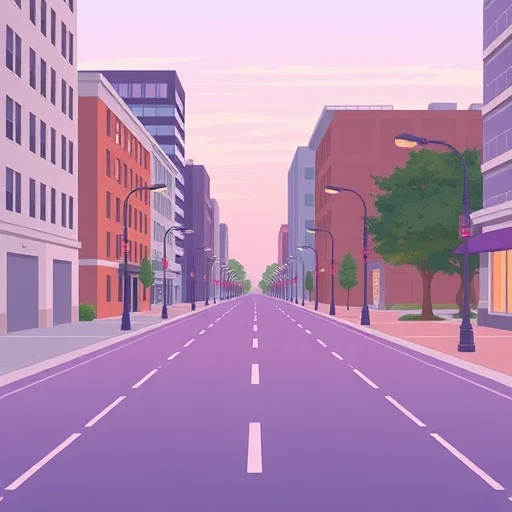
The word streets refers to the plural form of a street, which is a public road in a city, town, or village, typically with houses and buildings on one or both sides. While a 'road' might simply connect two distant points, a street is inherently social and urban. It is the stage upon which public life unfolds. People use this term when discussing navigation, urban planning, social gatherings, and the general infrastructure of human settlements. From the ancient cobblestone paths of Rome to the neon-lit avenues of Tokyo, streets are the arteries of civilization, carrying the pulse of commerce, culture, and community. They are not merely conduits for vehicles; they are the spaces where neighbors meet, where children play, and where history is often made through parades or protests.
- Urban Context
- In a city, the streets are often organized in a grid pattern to facilitate easy movement and address identification.
- Social Context
- The term is frequently used to describe the public sphere, as in 'taking to the streets' to express a collective opinion.
The city streets were filled with the sound of music and laughter during the summer festival.
Historically, the development of paved streets marked a significant advancement in engineering. The Romans were famous for their 'strata', which provides the etymological root for the modern English word. Today, we distinguish between various types of streets based on their size and function. A 'main street' usually serves as the primary commercial hub of a town, while 'side streets' offer quieter, residential environments. When someone says they are 'on the streets', it can imply a state of being outdoors, or in more somber contexts, it can refer to homelessness. Conversely, 'the streets' can also refer to the gritty, authentic reality of urban life, often celebrated in hip-hop culture and street art.
Navigating the narrow streets of the old town requires a good map and a lot of patience.
- Infrastructure
- Streets include the roadway for cars, the sidewalk for pedestrians, and often gutters for drainage.
The streets were slick with rain, reflecting the neon signs of the nearby cafes.
In modern discourse, the 'streets' are also a metaphor for public opinion or the 'common man'. Politicians often talk about what people are saying 'on the streets' to gauge the mood of the electorate. Furthermore, the concept of 'complete streets' is a contemporary urban design movement that advocates for streets to be safe and accessible for all users, including cyclists, pedestrians, and public transit riders, not just private automobiles. This reflects a shift back to the historical view of streets as shared public spaces rather than just high-speed traffic corridors.
Many European streets are designed specifically for pedestrians, banning cars entirely.
The streets of New York are famous for their energy and constant movement.
Using the word streets correctly involves understanding its role as a plural countable noun. It can function as the subject of a sentence, the object of a verb, or the object of a preposition. Because it refers to physical locations, it is often paired with prepositions of place and movement. For instance, you walk 'along' the streets, drive 'through' the streets, or live 'on' the streets. The choice of adjective can drastically change the imagery: 'bustling streets' suggests energy, while 'deserted streets' evokes a sense of loneliness or mystery. In descriptive writing, authors use streets to ground the reader in a specific setting, using sensory details like the smell of street food or the sound of tires on asphalt.
- As a Subject
- The streets were empty after the midnight curfew was announced.
- As an Object
- The city council decided to pave the streets with more durable materials.
We wandered the streets of Paris for hours, admiring the architecture.
When using 'streets' in a more abstract or metaphorical sense, the grammar remains the same, but the context shifts. For example, 'the word on the streets' uses 'streets' as a collective noun for the public or a specific community. In this case, 'streets' is still plural, but it represents a singular concept of public gossip or shared knowledge. It is also important to note the distinction between 'streets' and other similar terms like 'roads' or 'lanes'. 'Streets' almost always implies an urban or semi-urban setting with buildings. You would rarely refer to a path through a forest as 'streets'.
The protest organizers urged everyone to fill the streets at noon.
- Prepositional Use
- The children were playing in the streets despite the cold weather.
Clean streets are a sign of a well-managed and proud community.
In professional or technical writing, 'streets' might be used to categorize types of thoroughfares. For instance, a civil engineer might write about 'residential streets' versus 'arterial streets'. In these contexts, the word is used precisely to describe the function and capacity of the road. In literature, 'streets' often serve as a character in themselves, reflecting the mood of the story. Think of the foggy streets of Victorian London in a Dickens novel or the sun-drenched streets of a Mediterranean village. The plural form 'streets' suggests a vast, interconnected network, emphasizing the scale of the environment.
The streets were decorated with colorful banners for the upcoming parade.
He knew these streets like the back of his hand, having lived here all his life.
You will encounter the word streets in a multitude of everyday situations. One of the most common places is in navigation and travel. GPS devices and map applications frequently use the word when providing directions, such as 'Continue on these streets for two miles'. In the news, you will hear it during reports on traffic conditions, public events, or civil unrest. Journalists might say, 'Protesters have flooded the streets of the capital'. It is also a staple in weather reports, especially when conditions like snow or flooding make the 'streets' dangerous for travel. In these contexts, the word is used literally to describe the physical infrastructure.
- Daily Conversation
- 'The streets are really busy today because of the holiday sales.'
- Media and News
- 'Police have cordoned off several streets following the incident downtown.'
The streets are being cleaned tonight, so please move your cars.
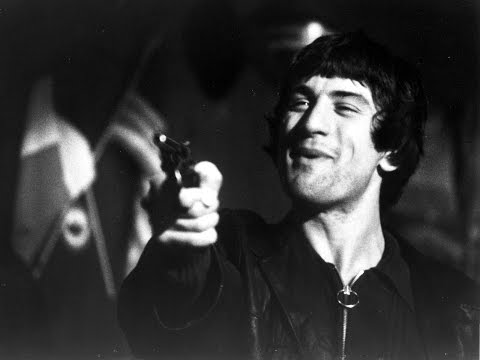
Beyond literal usage, 'streets' is a key term in popular culture, particularly in music and film. In hip-hop and rap, 'the streets' often represents a person's upbringing, a source of credibility, or a harsh reality that one must navigate. You might hear an artist say they are 'loyal to the streets' or that they 'came from the streets'. In cinema, the 'mean streets' is a common trope referring to dangerous urban environments. This cultural usage imbues the word with a sense of grit, toughness, and authenticity. It moves from being a simple noun to a symbol of identity and experience.
In many songs, the streets are portrayed as a place of both struggle and opportunity.
- Literature and Art
- Street photography is a popular genre that captures candid moments in public streets.
The streets of San Francisco are famous for their incredibly steep hills.
In a professional setting, such as a city council meeting or an urban planning seminar, 'streets' is used to discuss infrastructure projects, safety regulations, and zoning laws. You might hear phrases like 'street lighting', 'street furniture', or 'street hierarchy'. Here, the word is part of a technical vocabulary aimed at improving the livability and efficiency of urban spaces. Whether it is a casual conversation about where to meet for dinner or a serious discussion about social justice, 'streets' remains a versatile and essential word in the English language.
Local businesses are responsible for keeping the streets in front of their shops tidy.
During the marathon, the streets were lined with cheering spectators.
One of the most frequent mistakes learners make is confusing streets with 'roads'. While they are often used interchangeably in casual speech, there is a technical and traditional difference. A 'road' is a general term for any path connecting two places, often in rural areas or between cities. A 'street', however, is specifically a road within a town or city that has buildings on the sides. Calling a highway a 'street' would sound incorrect to a native speaker. Similarly, calling a quiet residential lane in a city a 'road' is acceptable but less precise than 'street'. Understanding this distinction helps in providing clearer descriptions and following directions more accurately.
- Street vs. Road
- Use 'streets' for urban areas with buildings; use 'roads' for paths connecting different towns or rural areas.
- Preposition Errors
- Avoid saying 'at the street' when you mean 'on the street' or 'in the street'.
Incorrect: We drove down the country streets to reach the farm. (Correct: country roads)
Another common error involves the use of prepositions. As mentioned earlier, American English favors 'on the street', while British English favors 'in the street'. However, using 'at the street' is almost always a mistake unless you are referring to a specific point, like 'at the street corner'. Furthermore, learners sometimes forget that 'streets' is plural. If you are talking about a specific location, you must use the singular 'street'. For example, 'I live on 5th Street', not 'I live on 5th Streets'. Conversely, if you are describing a general urban area, the plural 'streets' is necessary to convey the sense of a network.
Incorrect: The city has many beautiful street. (Correct: many beautiful streets)
- Confusing with Avenue/Boulevard
- While 'streets' is a broad term, 'avenues' and 'boulevards' usually imply wider, more grand thoroughfares, often with trees.
The streets in this neighborhood are very narrow and hard to park on.
Lastly, be wary of using 'streets' in idiomatic expressions where it doesn't fit. For example, 'hit the road' means to start a journey, but 'hit the streets' usually means to go out in public, often to protest or celebrate. Using one when you mean the other can lead to confusion. Also, remember that 'streets' refers to the physical ground and environment. If you want to talk about the people who live in a city, you might say 'the citizens' or 'the residents', although 'the people on the streets' is a valid way to describe the public in a more visceral, immediate way.
Incorrect: I am going to hit the streets for my long drive to Chicago. (Correct: hit the road)
The streets were quiet, but the atmosphere was tense.
While streets is a very common and versatile word, there are many alternatives that can provide more specific detail or a different tone. Choosing the right word depends on the size, location, and character of the thoroughfare you are describing. For example, an 'avenue' often suggests a wider street, sometimes lined with trees or grand buildings. A 'boulevard' is typically a very wide, major street, often with a landscaped median. On the other end of the spectrum, an 'alley' or 'lane' refers to a very narrow street, often located behind or between larger buildings. Using these specific terms can make your writing more descriptive and professional.
- Avenue vs. Street
- In many cities, like New York, 'streets' run east-west while 'avenues' run north-south. Generally, avenues are seen as more significant.
- Alley/Lane vs. Street
- Alleys and lanes are smaller, often used for service access or as quiet residential paths.
The narrow lanes of the village were not designed for modern cars.
In a more formal or technical context, you might use words like 'thoroughfare', 'artery', or 'conduit'. A 'thoroughfare' is a formal way to describe a road or path that is open at both ends. An 'artery' is a metaphorical term used in urban planning to describe a major street that carries a high volume of traffic, much like an artery carries blood in the body. If you are talking about the way streets are laid out, you might use the term 'grid' or 'network'. These words emphasize the structural and functional aspects of streets rather than their social or aesthetic qualities.
The city's main thoroughfares were clogged with commuters during rush hour.
- Road vs. Street
- Roads are for traveling between places; streets are for being in a place.
The boulevards of Madrid are famous for their beautiful fountains and statues.
Finally, consider the regional variations. In the UK, you might hear 'high street' for the main shopping street, whereas in the US, it is 'main street'. In some older cities, you might encounter 'mews', which were originally rows of stables converted into houses, located on small, private streets. Understanding these nuances not only enriches your vocabulary but also helps you sound more like a native speaker. Whether you are describing a 'bustling thoroughfare' or a 'quiet cul-de-sac', having a range of synonyms at your disposal allows for much more precise and evocative communication.
The high streets of England are facing challenges from online shopping.
The streets of the old quarter are a labyrinth of history and charm.
How Formal Is It?
Fun Fact
The word 'street' is one of the oldest words in the English language that was borrowed from Latin before the Anglo-Saxons even arrived in Britain. It shows how important Roman infrastructure was to the people of that time.
Pronunciation Guide
- Pronouncing it as 'e-streets' (common for Spanish speakers).
- Making the 'ee' sound too short, making it sound like 'strit-s'.
- Dropping the 's' at the end when referring to more than one street.
- Struggling with the 'str' consonant cluster.
- Pronouncing the 't' too softly.
Difficulty Rating
Very easy to recognize as it is a basic noun.
Simple spelling, though the 'str' cluster can be tricky for some.
Pronunciation of the 'ts' at the end requires some care.
Clearly pronounced and common in many contexts.
What to Learn Next
Prerequisites
Learn Next
Advanced
Grammar to Know
Pluralization of regular nouns
One street, two streets.
Use of definite article 'the' for specific locations
The streets in London are historic.
Prepositions of place (on/in)
On the streets (US) vs In the streets (UK).
Subject-verb agreement with plural nouns
The streets are (not is) wet.
Adjective placement before nouns
Busy streets, not streets busy.
Examples by Level
The streets are very long.
Las calles son muy largas.
Subject-verb agreement: 'streets' is plural, so use 'are'.
I see cars on the streets.
Veo coches en las calles.
Preposition 'on' is used for location on a surface.
The streets are clean today.
Las calles están limpias hoy.
Adjective 'clean' describes the noun 'streets'.
We walk in the streets.
Caminamos por las calles.
In British English, 'in the streets' is common.
Are the streets busy?
¿Están las calles ocupadas/concurridas?
Question form using the verb 'to be'.
The streets have many lights.
Las calles tienen muchas luces.
Plural noun 'streets' takes the plural verb 'have'.
I like the small streets.
Me gustan las calles pequeñas.
Adjective 'small' comes before the noun.
There are trees on the streets.
Hay árboles en las calles.
'There are' is used for plural existence.
The city streets are very noisy at night.
Las calles de la ciudad son muy ruidosas por la noche.
Compound noun 'city streets' acts as the subject.
You should cross the streets carefully.
Debes cruzar las calles con cuidado.
Adverb 'carefully' modifies the verb 'cross'.
Many streets in this town are narrow.
Muchas calles de este pueblo son estrechas.
Prepositional phrase 'in this town' describes 'streets'.
The streets were flooded after the heavy rain.
Las calles se inundaron tras la fuerte lluvia.
Passive voice: 'were flooded'.
He knows all the streets in London.
Él conoce todas las calles de Londres.
Quantifier 'all' used with plural 'streets'.
The streets are decorated for the festival.
Las calles están decoradas para el festival.
Past participle 'decorated' used as an adjective.
We found a cafe on one of the side streets.
Encontramos una cafetería en una de las calles laterales.
Phrase 'one of the' followed by plural noun.
The streets are safer now with more lights.
Las calles son más seguras ahora con más luces.
Comparative adjective 'safer'.
The word on the streets is that the mayor will resign.
El rumor en las calles es que el alcalde dimitirá.
Idiomatic expression 'word on the streets'.
If the streets were wider, there would be less traffic.
Si las calles fueran más anchas, habría menos tráfico.
Second conditional for hypothetical situations.
She enjoys wandering through the winding streets of the old city.
A ella le gusta deambular por las calles sinuosas de la ciudad vieja.
Gerund 'wandering' as the object of 'enjoys'.
The streets have been paved with cobblestones to maintain the historical look.
Las calles han sido pavimentadas con adoquines para mantener el aspecto histórico.
Present perfect passive: 'have been paved'.
Living on the streets is a reality for many people in large cities.
Vivir en la calle es una realidad para muchas personas en las grandes ciudades.
Gerund phrase 'Living on the streets' as a subject.
The streets were bustling with tourists during the summer holidays.
Las calles estaban llenas de turistas durante las vacaciones de verano.
Phrasal verb 'bustling with'.
He spent his youth roaming the streets with his friends.
Pasó su juventud recorriendo las calles con sus amigos.
Participle phrase 'roaming the streets' modifying the main clause.
The streets are often blocked during the annual marathon.
Las calles suelen estar bloqueadas durante el maratón anual.
Frequency adverb 'often' with passive voice.
The urban planners are focusing on creating more pedestrian-friendly streets.
Los planificadores urbanos se centran en crear calles más adaptadas a los peatones.
Compound adjective 'pedestrian-friendly'.
Despite the rain, the streets remained packed with enthusiastic fans.
A pesar de la lluvia, las calles permanecieron abarrotadas de fans entusiastas.
Concession 'Despite' followed by a noun phrase.
The streets are a canvas for many talented graffiti artists.
Las calles son un lienzo para muchos grafiteros con talento.
Metaphor: 'streets are a canvas'.
The documentary explores the harsh reality of life on the streets.
El documental explora la dura realidad de la vida en la calle.
Abstract noun 'reality' followed by 'of life on the streets'.
The streets were cordoned off by police following the suspicious discovery.
Las calles fueron acordonadas por la policía tras el sospechoso descubrimiento.
Phrasal verb 'cordoned off' in the passive voice.
The architecture along these streets reflects the city's colonial past.
La arquitectura a lo largo de estas calles refleja el pasado colonial de la ciudad.
Preposition 'along' used for linear location.
The streets are the lifeblood of the city's economy.
Las calles son el alma de la economía de la ciudad.
Metaphor: 'lifeblood of the economy'.
They took to the streets to demand better working conditions.
Salieron a las calles para exigir mejores condiciones laborales.
Idiom 'take to the streets' meaning to protest.
The labyrinthine streets of the medieval quarter can easily disorient the uninitiated.
Las laberínticas calles del barrio medieval pueden desorientar fácilmente a los no iniciados.
Sophisticated adjective 'labyrinthine'.
The streets are haunted by the echoes of a bygone era.
Las calles están habitadas por los ecos de una época pasada.
Personification and metaphorical language.
Gentrification is rapidly transforming the character of these historic streets.
La gentrificación está transformando rápidamente el carácter de estas calles históricas.
Abstract sociological term 'Gentrification'.
The streets serve as a microcosm of the city's diverse population.
Las calles sirven como un microcosmos de la diversa población de la ciudad.
Noun 'microcosm' used to describe the streets.
The streets were eerily silent in the wake of the catastrophic event.
Las calles estaban inquietantemente silenciosas tras el catastrófico suceso.
Adverb 'eerily' modifying 'silent'.
The streets are paved with good intentions, as the old adage goes.
El camino al infierno está empedrado de buenas intenciones, como dice el viejo refrán.
Allusion to a famous proverb.
The sheer scale of the streets in Dubai is a testament to modern engineering.
La magnitud de las calles de Dubái es un testimonio de la ingeniería moderna.
Noun phrase 'sheer scale' for emphasis.
The streets are the stage where the drama of urban life is perpetually enacted.
Las calles son el escenario donde se representa perpetuamente el drama de la vida urbana.
Metaphorical use of 'stage' and 'drama'.
The flâneur finds solace in the anonymity provided by the crowded city streets.
El flâneur encuentra consuelo en el anonimato que proporcionan las concurridas calles de la ciudad.
Use of the specialized term 'flâneur'.
The streets are imbued with a palpable sense of history and collective memory.
Las calles están impregnadas de un sentido palpable de historia y memoria colectiva.
Sophisticated verb 'imbued' and adjective 'palpable'.
The socioeconomic disparities are starkly visible when one traverses the city's streets.
Las disparidades socioeconómicas son claramente visibles cuando uno recorre las calles de la ciudad.
Academic tone and complex vocabulary.
The streets are a palimpsest, with each generation leaving its indelible mark.
Las calles son un palimpsesto, y cada generación deja su huella indeleble.
Advanced metaphor 'palimpsest'.
The streets were awash with the golden hue of the setting sun.
Las calles estaban inundadas por el tono dorado del sol poniente.
Literary phrase 'awash with'.
The streets act as the connective tissue of the urban fabric.
Las calles actúan como el tejido conectivo del tejido urbano.
Biological metaphor 'connective tissue'.
The streets are the locus of political dissent and grassroots mobilization.
Las calles son el lugar de la disidencia política y la movilización popular.
Academic term 'locus'.
The streets are often romanticized in literature as places of serendipitous encounters.
Las calles suelen ser idealizadas en la literatura como lugares de encuentros fortuitos.
Sophisticated vocabulary: 'romanticized', 'serendipitous'.
Synonyms
Antonyms
Common Collocations
Common Phrases
— Out in public or, in some contexts, being homeless.
He spent several years living on the streets before finding help.
— The British equivalent of 'on the streets', often used for location.
There were people dancing in the streets after the team won.
— To go out into the streets to protest or celebrate.
Thousands took to the streets to demand political change.
— To go out into the public, often to start an activity.
The sales team hit the streets early Monday morning.
— On the other side of the road.
The library is located just across the streets from the park.
— Further along the road.
If you walk down these streets, you will see the old church.
— Having the practical knowledge needed to survive in urban environments.
She is very street-smart and knows how to handle herself in the city.
— The ground floor of a building or the level of the road.
The shop is located at street level for easy access.
— Smaller streets that branch off from a main road.
Parking is usually easier to find on the side streets.
— Streets that are away from the main areas, often quiet or hidden.
We explored the back streets to find a more authentic restaurant.
Often Confused With
Roads connect places; streets are within a town and have buildings.
Avenues are usually wider and more important than regular streets.
Highways are for fast travel between cities, not for walking or local shops.
Idioms & Expressions
— The current rumor or public opinion about something.
The word on the street is that the company is going to be sold.
informal— Exactly the kind of thing that someone likes or is good at.
If you like historical novels, this book will be right up your street.
informal— Much better or more advanced than others.
Their new smartphone is streets ahead of the competition.
informal— An average person, representing typical public opinion.
The man on the street doesn't seem to care about the new tax law.
neutral— The dangerous or gritty parts of a city.
He grew up on the mean streets of the inner city.
literary/informal— A state of financial security and comfort.
After winning the lottery, they were finally on easy street.
informal— A situation where both parties must contribute or cooperate.
Respect in a relationship is a two-way street.
neutral— Not nearly as good as someone or something else.
As a pianist, he's not in the same street as his teacher.
informal— To remove criminals or undesirable elements from an area.
The new police chief promised to clean the streets.
informal— A place where it is very easy to become rich and successful.
Many immigrants came to America thinking the streets were paved with gold.
literaryEasily Confused
Both are paths for vehicles.
A street is in a city/town with buildings; a road is a general term for any path connecting two points.
We drove down the long country road to get to the city streets.
Both are urban thoroughfares.
Avenues are often wider, more grand, and sometimes run in a different direction than streets in a grid.
5th Avenue is one of the most famous streets in New York.
Both are types of streets.
A boulevard is specifically a very wide street, often with trees or a median strip.
The boulevard was lined with beautiful palm trees.
Both are paths for travel.
A lane is usually much narrower and often in a residential or rural area.
The car was too wide for the narrow country lane.
Both are urban paths.
An alley is a very narrow passage, often behind buildings, not meant for main traffic.
The cat ran down the dark alley between the two streets.
Sentence Patterns
The [plural noun] are [adjective].
The streets are big.
There are [noun] on the [plural noun].
There are cars on the streets.
I enjoy [verb-ing] through the [adjective] [plural noun].
I enjoy walking through the quiet streets.
The [plural noun] were [past participle] for the [noun].
The streets were decorated for the parade.
The [adjective] nature of the [plural noun] [verb] the [noun].
The labyrinthine nature of the streets disoriented the tourists.
The [plural noun] serve as a [noun] for [abstract concept].
The streets serve as a canvas for urban expression.
The word on the [plural noun] is that [clause].
The word on the streets is that the shop is closing.
Go past [number] [plural noun] and [verb].
Go past three streets and turn right.
Word Family
Nouns
Adjectives
Related
How to Use It
Extremely common in both spoken and written English.
-
The streets is busy.
→
The streets are busy.
'Streets' is a plural noun, so it requires the plural verb 'are'.
-
I live at Main Streets.
→
I live on Main Street.
When giving a specific address, use the singular 'Street' and the preposition 'on'.
-
We drove on the country streets.
→
We drove on the country roads.
'Streets' are for urban areas; 'roads' are for rural or connecting areas.
-
The word in the street is...
→
The word on the street is...
The correct idiom uses 'on the street', even in British English where 'in the street' is common for location.
-
I saw a beautiful street in the map.
→
I saw a beautiful street on the map.
We use the preposition 'on' for things shown on a map.
Tips
Plural Agreement
Always remember that 'streets' is plural. Use 'are' instead of 'is' and 'these/those' instead of 'this/that'. For example: 'These streets are clean.'
Be Specific
Instead of just saying 'streets', try using more descriptive words like 'avenue', 'boulevard', or 'alley' to give your reader a better picture of the setting.
Double 'E'
Don't forget the double 'e' in 'streets'. It's a common mistake to use only one, but the long vowel sound requires two.
Regional Differences
If you are in the UK, use 'in the streets'. If you are in the US, 'on the streets' is more natural. Both will be understood, but this small change makes you sound more native.
Word on the Street
Use the phrase 'the word on the street' when you want to share a rumor or something you've heard from several people. It's a great way to sound more fluent.
Sensory Details
When describing streets, include sensory details like the sound of sirens, the smell of rain on asphalt, or the sight of bright neon signs to bring your writing to life.
Cross Safely
In English-speaking countries, the phrase 'cross the streets' is often used in safety warnings. Always look both ways!
Street Performance
The term 'busking' refers to performing in the streets for money. It's a common sight in many large cities around the world.
Urban Planning
If you are interested in architecture, learn terms like 'streetscape' which refers to the visual elements of a street, including the road, adjoining buildings, and street furniture.
The 'str' Cluster
Practice saying 'string', 'strong', and 'streets' to get comfortable with the 'str' sound, which can be difficult for many English learners.
Memorize It
Mnemonic
Think of 'S-T-R-E-E-T-S' as 'Super Traffic Routes Every Evening Through Settlements'. This reminds you that they are routes in towns/cities.
Visual Association
Visualize a long line of buildings with a paved path in the middle and cars driving on it. The plural 'streets' looks like a grid of these paths from above.
Word Web
Challenge
Try to name five famous streets in the world and use the word 'streets' in a sentence to describe them collectively.
Word Origin
The word 'streets' comes from the Old English 'stræt', which was derived from the Late Latin 'strata'. The Latin term 'strata' literally means 'paved road', coming from 'sternere', which means 'to spread out' or 'to pave'. This reflects the Roman tradition of building high-quality, paved roads across their empire.
Original meaning: A paved way or road, specifically one built by the Romans.
Germanic (Old English) with Latin roots.Cultural Context
Be aware that 'living on the streets' is a sensitive way to refer to homelessness. Use it with empathy.
In the US, 'Main Street' symbolizes traditional, small-town American values. In the UK, the 'High Street' is the heart of local shopping.
Practice in Real Life
Real-World Contexts
Navigation
- Which streets lead to the park?
- Turn left after two streets.
- The streets are clearly marked.
- Follow the main streets.
Weather
- The streets are slippery.
- Flooded streets are dangerous.
- Snow-covered streets.
- Wet streets reflect light.
Social/Public Life
- Crowded streets.
- Empty streets.
- Festivals in the streets.
- Protests on the streets.
Urban Planning
- Paving the streets.
- Street lighting improvements.
- Residential streets.
- One-way streets.
Daily Routine
- Walking the streets.
- Driving through the streets.
- Living on these streets.
- Cleaning the streets.
Conversation Starters
"What are the streets like in your hometown? Are they busy or quiet?"
"Do you prefer walking on narrow, old streets or wide, modern avenues?"
"Have you ever seen a festival or parade in the streets of your city?"
"What is the most famous street you have ever visited?"
"Do you think the streets in your city are safe for pedestrians and cyclists?"
Journal Prompts
Describe the sounds and smells you encounter when walking through the streets of a busy city.
Write about a time you got lost in the streets of a place you didn't know.
How do the streets in your neighborhood change from day to night?
If you could redesign the streets of your city, what would you change to make them better?
Reflect on the phrase 'the word on the street'. What is the current rumor in your community?
Frequently Asked Questions
10 questionsA street is typically located in a town or city and is lined with buildings, serving as a social and commercial hub. A road is a more general term for any path connecting two places, often used for travel between cities or in rural areas. For example, you walk on city streets but drive on country roads.
Both are correct, but they are used differently. In American English, 'on the streets' is more common (e.g., 'I saw him on the streets'). In British English, 'in the streets' is often used (e.g., 'Children were playing in the streets'). 'On the streets' can also idiomatically mean being homeless.
You capitalize 'Street' when it is part of a specific proper name, such as 'Main Street' or 'Wall Street'. When you are using the word generally or in the plural, like 'the city streets', it should be lowercase.
Generally, no. In rural areas, you would use 'roads', 'lanes', or 'paths'. 'Streets' implies a built-up environment with houses or shops close together.
This is an idiom that refers to the current rumors, gossip, or general public opinion about a particular topic. For example, 'The word on the street is that the new restaurant is excellent.'
Side streets are smaller, usually quieter roads that branch off from a larger, busier main street. They are often residential and have less traffic.
A one-way street is a street where traffic is only allowed to move in one direction. This is common in busy city centers to help manage traffic flow.
Being 'street-smart' means having the practical knowledge and experience needed to deal with the potential difficulties or dangers of life in a big city. It is different from 'book-smart', which refers to academic knowledge.
It is pronounced as /striːts/. The 'str' is a cluster, the 'ee' is a long vowel like in 'see', and it ends with a sharp 'ts' sound. Be careful not to add an 'e' sound at the beginning.
Street art is visual art created in public locations, usually unsanctioned artwork executed outside of the context of traditional art venues. Common forms include graffiti, stencil art, and murals.
Test Yourself 200 questions
Describe the streets in your favorite city. Use at least three adjectives.
Well written! Good try! Check the sample answer below.
Write a short story about getting lost in the winding streets of an old town.
Well written! Good try! Check the sample answer below.
Explain the difference between a street and a road in your own words.
Well written! Good try! Check the sample answer below.
What does the phrase 'the streets are the lifeblood of the city' mean to you?
Well written! Good try! Check the sample answer below.
Write a formal letter to your city council about the poor condition of the streets in your area.
Well written! Good try! Check the sample answer below.
Describe a festival you have seen in the streets.
Well written! Good try! Check the sample answer below.
What are the advantages and disadvantages of living on a busy street?
Well written! Good try! Check the sample answer below.
How has the concept of 'the streets' changed with the rise of the internet?
Well written! Good try! Check the sample answer below.
Write five sentences using the word 'streets' in different contexts.
Well written! Good try! Check the sample answer below.
Describe a famous street you would like to visit and why.
Well written! Good try! Check the sample answer below.
What makes a street 'pedestrian-friendly'?
Well written! Good try! Check the sample answer below.
Write a poem or a few lines of prose about the streets at night.
Well written! Good try! Check the sample answer below.
How do streets contribute to the identity of a city?
Well written! Good try! Check the sample answer below.
Describe the most beautiful street you have ever seen.
Well written! Good try! Check the sample answer below.
What is the importance of street names?
Well written! Good try! Check the sample answer below.
Write a dialogue between two people giving and receiving directions through city streets.
Well written! Good try! Check the sample answer below.
Discuss the impact of cars on city streets over the last century.
Well written! Good try! Check the sample answer below.
What do you think 'the streets' will look like in 50 years?
Well written! Good try! Check the sample answer below.
Describe the atmosphere of a street market.
Well written! Good try! Check the sample answer below.
Why is it important to have clean streets?
Well written! Good try! Check the sample answer below.
Talk about the streets in your neighborhood for one minute.
Read this aloud:
You said:
Speech recognition is not supported in your browser. Try Chrome or Edge.
Explain how to get from your house to the nearest supermarket using street names.
Read this aloud:
You said:
Speech recognition is not supported in your browser. Try Chrome or Edge.
Discuss the pros and cons of pedestrian-only streets.
Read this aloud:
You said:
Speech recognition is not supported in your browser. Try Chrome or Edge.
Describe a famous street you have visited or want to visit.
Read this aloud:
You said:
Speech recognition is not supported in your browser. Try Chrome or Edge.
What does 'the word on the street' mean? Give an example.
Read this aloud:
You said:
Speech recognition is not supported in your browser. Try Chrome or Edge.
How do streets change during a major holiday or festival?
Read this aloud:
You said:
Speech recognition is not supported in your browser. Try Chrome or Edge.
Do you think streets should be more for cars or more for people?
Read this aloud:
You said:
Speech recognition is not supported in your browser. Try Chrome or Edge.
Describe the atmosphere of a city street at 3 AM.
Read this aloud:
You said:
Speech recognition is not supported in your browser. Try Chrome or Edge.
What is 'street-smart' and why is it important?
Read this aloud:
You said:
Speech recognition is not supported in your browser. Try Chrome or Edge.
Talk about the history of a famous street in your country.
Read this aloud:
You said:
Speech recognition is not supported in your browser. Try Chrome or Edge.
How does street art affect the look and feel of a neighborhood?
Read this aloud:
You said:
Speech recognition is not supported in your browser. Try Chrome or Edge.
What are the challenges of navigating narrow streets in an old city?
Read this aloud:
You said:
Speech recognition is not supported in your browser. Try Chrome or Edge.
If you could rename a street in your city, what would you call it and why?
Read this aloud:
You said:
Speech recognition is not supported in your browser. Try Chrome or Edge.
Discuss the role of streets in social movements and protests.
Read this aloud:
You said:
Speech recognition is not supported in your browser. Try Chrome or Edge.
What is your favorite street to walk on and why?
Read this aloud:
You said:
Speech recognition is not supported in your browser. Try Chrome or Edge.
How do you think technology will change the way we use streets?
Read this aloud:
You said:
Speech recognition is not supported in your browser. Try Chrome or Edge.
Describe the difference between a 'street' and an 'avenue'.
Read this aloud:
You said:
Speech recognition is not supported in your browser. Try Chrome or Edge.
What are the most important features of a safe street?
Read this aloud:
You said:
Speech recognition is not supported in your browser. Try Chrome or Edge.
Talk about a time you saw something unusual in the streets.
Read this aloud:
You said:
Speech recognition is not supported in your browser. Try Chrome or Edge.
How do streets reflect the wealth or poverty of an area?
Read this aloud:
You said:
Speech recognition is not supported in your browser. Try Chrome or Edge.
Listen to the directions: 'Go straight for two streets, then turn right.' Where do you turn?
The speaker says the streets are 'bustling'. What does that mean?
Identify the preposition used in this sentence: 'I saw them playing in the streets.'
The news report mentions 'cordoned off streets'. Why would they do this?
Does the speaker sound happy or annoyed about the 'noisy streets'?
What word does the speaker use for a very wide street?
Listen for the idiom: 'He's streets ahead of the others.' What does it mean?
The speaker is talking about 'Main Street'. Is this a general or specific place?
What is the condition of the streets according to the speaker? 'The streets are slick with rain.'
Why are the streets closed today according to the announcement?
Identify the plural noun in the sentence: 'The city streets are beautiful.'
What does the speaker mean by 'the streets are watching'?
Is the speaker talking about a city or the countryside? 'The streets are full of neon lights.'
What is the speaker's advice? 'Don't walk alone on these streets at night.'
What sound does the speaker describe on the streets?
/ 200 correct
Perfect score!
Summary
The word 'streets' refers to the interconnected public roads of a city or town, typically lined with buildings. For example: 'The streets of New York are always busy.' It is a fundamental term for describing urban environments and social activity.
- Streets are the essential public thoroughfares within towns and cities, providing space for both vehicles and pedestrians to move and interact safely.
- The word 'streets' is the plural form of 'street', emphasizing a network of urban paths rather than a single isolated road or highway.
- Beyond their physical function, streets serve as vital social hubs where community life, commerce, and historical events frequently take place and unfold.
- Commonly used in navigation, news, and popular culture, 'streets' can also metaphorically represent public opinion or the authentic reality of urban living.
Plural Agreement
Always remember that 'streets' is plural. Use 'are' instead of 'is' and 'these/those' instead of 'this/that'. For example: 'These streets are clean.'
Be Specific
Instead of just saying 'streets', try using more descriptive words like 'avenue', 'boulevard', or 'alley' to give your reader a better picture of the setting.
Double 'E'
Don't forget the double 'e' in 'streets'. It's a common mistake to use only one, but the long vowel sound requires two.
Regional Differences
If you are in the UK, use 'in the streets'. If you are in the US, 'on the streets' is more natural. Both will be understood, but this small change makes you sound more native.