









garlic em 30 segundos
- Garlic is a pungent bulbous plant essential in global cooking for its intense, savory flavor and aroma.
- It consists of a head or bulb made up of several individual segments known as cloves.
- Beyond its culinary uses, garlic is widely recognized for its numerous health benefits and historical medicinal roles.
- Garlic is a versatile ingredient that can be used raw, sautéed, or roasted to achieve different flavor profiles.
Garlic, known scientifically as Allium sativum, is a fundamental ingredient in global gastronomy, prized for its pungent aroma and sharp, savory flavor. At its most basic level, garlic is a bulbous plant belonging to the onion genus. When we speak of garlic in a culinary context, we are usually referring to the head or bulb, which is composed of several individual segments known as cloves. Each clove is encased in a papery skin that must be removed before the flesh can be crushed, sliced, or minced. The use of garlic spans thousands of years, with historical records indicating its presence in ancient Egyptian, Greek, and Chinese civilizations. It is not merely a food item; it is a cultural icon, often associated with health, protection, and intense flavor profiles. People use garlic in almost every stage of cooking, from the initial sautéing of aromatics to the final seasoning of a dish. Its chemical composition is fascinating; when garlic is cut or crushed, an enzyme called alliinase converts alliin into allicin, which is responsible for the characteristic 'garlic smell' and many of its purported health benefits. In modern kitchens, garlic is indispensable. Whether it is being roasted to a sweet, buttery consistency or used raw in a pungent Caesar dressing, garlic provides a depth of flavor that few other ingredients can match. It is the backbone of Mediterranean, Asian, and Latin American cuisines, acting as a bridge that connects various spices and herbs. Beyond the kitchen, garlic has a storied history in folklore, most famously as a deterrent against vampires and evil spirits, a testament to its perceived power and potency. Understanding garlic is essential for any language learner because it appears in recipes, health discussions, and cultural idioms alike.
- Culinary Identity
- Garlic is classified as both a vegetable and a spice, serving as the aromatic foundation for countless savory dishes worldwide.
The chef finely minced the garlic before adding it to the hot olive oil.
When discussing garlic, it is important to distinguish between its various forms. Fresh garlic is the most common, but you will also encounter garlic powder, granulated garlic, and garlic salt in many pantries. Each form offers a different intensity and texture. Fresh garlic provides a sharp, biting heat when raw, which mellows into a nutty sweetness when cooked. This transformation is a key concept in culinary arts. Furthermore, garlic is often discussed in the context of health. It is frequently cited for its antibacterial and antiviral properties, leading many to consume it as a supplement or a home remedy for the common cold. This dual role as a flavor enhancer and a medicinal herb makes it a versatile topic of conversation. In social settings, the 'garlic breath' phenomenon is a common lighthearted topic, referring to the lingering scent after a garlic-heavy meal. This social aspect highlights how garlic is not just a food but a shared experience. From the bustling street markets of Italy to the high-end restaurants of New York, the scent of garlic is a universal signifier of a meal being prepared with care and tradition. For a learner, mastering the word 'garlic' involves understanding these layers of meaning—from the physical clove to the cultural weight it carries in global society.
- Botanical Context
- Garlic is a perennial plant, but it is typically grown as an annual in most gardens, harvested when the lower leaves begin to turn brown.
Roasted garlic has a much milder and sweeter taste than raw cloves.
In addition to the bulb, other parts of the garlic plant are edible. Garlic scapes, the curly green shoots that appear in spring, are a seasonal delicacy with a mild garlic flavor. Even the leaves can be used in stir-fries. This versatility ensures that garlic remains a staple in sustainable and traditional cooking practices. In the United States, Gilroy, California, is famously known as the 'Garlic Capital of the World,' hosting an annual festival that celebrates everything related to this pungent bulb, including garlic ice cream. This demonstrates how garlic can transcend its traditional boundaries and become a focal point for community and creativity. Whether you are reading a menu, a history book, or a scientific study, the word 'garlic' serves as a gateway to understanding human interaction with the natural world through the lens of flavor and health. It is a word that carries the weight of tradition and the zest of modern innovation.
The aroma of sautéing garlic and onions is the starting point for many great recipes.
- Social Nuance
- While beloved by many, the strong odor of garlic can be polarizing, often leading to discussions about social etiquette and breath fresheners.
He added an extra clove of garlic to the pasta sauce for a bolder flavor.
You can buy garlic in many forms, including fresh bulbs, jars of minced cloves, or dried powder.
Using the word 'garlic' in a sentence is generally straightforward because it is a common noun, but there are nuances regarding its countability and typical collocations. In most contexts, 'garlic' is treated as an uncountable noun when referring to the substance or flavor. For example, you might say, 'There is too much garlic in this soup.' However, when referring to the physical units, we use specific counters like 'clove,' 'bulb,' or 'head.' You would say, 'I need three cloves of garlic,' rather than 'three garlics.' This distinction is crucial for sounding natural in English. Garlic often appears in the object position of a sentence, following verbs like 'add,' 'chop,' 'mince,' 'sauté,' or 'crush.' It can also function as an adjective in compound nouns, such as 'garlic bread,' 'garlic butter,' or 'garlic press.' These compound forms are extremely common in everyday English and should be memorized as single units of meaning. When describing the qualities of garlic, adjectives like 'pungent,' 'aromatic,' 'fresh,' 'roasted,' and 'raw' are frequently employed. For instance, 'The pungent aroma of garlic filled the kitchen' uses the adjective to provide sensory detail. In more advanced usage, garlic can be the subject of a sentence, especially when discussing its properties: 'Garlic is known for its health benefits.' This structure is common in scientific or nutritional writing. Furthermore, the word 'garlic' can be used in comparative structures to describe other flavors, such as 'This herb has a garlic-like taste.' Understanding these patterns allows a learner to move beyond simple identification to expressive and accurate communication. Whether you are giving instructions, describing a meal, or discussing nutrition, the word 'garlic' fits into a variety of grammatical structures that are essential for fluency.
- Grammatical Category
- Garlic is primarily an uncountable noun, requiring measure words like 'clove' or 'bulb' for quantification.
Could you please peel two cloves of garlic for the marinade?
Another important aspect of using 'garlic' in sentences is the use of prepositions. We often say something is 'seasoned with garlic' or 'cooked in garlic oil.' These prepositional phrases add detail to how the garlic is being used. In the context of shopping, you might ask, 'Where is the garlic?' or 'How much is a head of garlic?' In these cases, the word is used simply to identify the item. In culinary instructions, the imperative mood is common: 'Mince the garlic finely.' Here, the word 'finely' is an adverb that modifies the verb 'mince,' but it is intrinsically linked to the preparation of garlic. You will also see 'garlic' used in passive voice constructions, particularly in formal recipes or food science: 'The garlic is then sautéed until golden brown.' This shifts the focus from the cook to the ingredient itself. For learners, practicing these different sentence types—imperative, descriptive, and inquisitive—will build confidence in using the word in real-world scenarios. Additionally, understanding the common mistakes, such as saying 'a garlic' instead of 'a clove of garlic,' will help refine one's grammatical accuracy. The word is versatile enough to be used in simple A1-level sentences ('I like garlic') as well as complex C2-level academic discussions ('The pharmacological properties of garlic are attributed to its organosulfur compounds'). By exploring these various sentence structures, learners can appreciate the full range of the word's utility in the English language.
- Common Collocations
- Verbs: mince, crush, sauté, roast. Nouns: clove, bulb, breath, press, butter.
She prefers the taste of wild garlic to the store-bought variety.
Finally, consider the emotional or sensory weight 'garlic' can carry in a sentence. It is often used to evoke a sense of home, warmth, or specific cultural settings. A sentence like 'The house smelled of garlic and herbs' suggests a cozy, welcoming environment. Conversely, 'His breath reeked of garlic' uses the word in a more negative, critical context. This demonstrates how the same word can be used to convey very different tones depending on the surrounding vocabulary. For a student, learning these tonal shifts is a key part of moving toward advanced proficiency. By paying attention to the adjectives and verbs that accompany 'garlic,' you can better understand the speaker's intent and the overall mood of the conversation. Whether it's a positive culinary experience or a negative social observation, 'garlic' is a word that frequently carries strong connotations. Practicing with these varied contexts will help you use the word more naturally and effectively in your own English communication.
Always be careful not to burn the garlic, as it becomes very bitter.
- Phrasal Usage
- 'Rubbed with garlic' is a common phrase for preparing bread or meat to infuse it with flavor.
The recipe suggests using a garlic press to save time during preparation.
A little bit of garlic can transform a simple dish into something extraordinary.
You will encounter the word 'garlic' in a vast array of real-world settings, making it one of the most practical nouns to learn. The most obvious place is the kitchen or a restaurant. When dining out, you'll see it on menus in dishes like 'garlic prawns,' 'garlic knots,' or 'garlic mashed potatoes.' Servers might ask if you'd like 'garlic bread' with your meal. In these contexts, the word is a key descriptor of flavor. Beyond the dining table, you'll hear 'garlic' frequently in grocery stores. If you're looking for it, you might ask a clerk, 'In which aisle can I find the garlic?' or 'Do you have any fresh garlic left?' It's a staple item that appears on almost every shopping list. In the realm of health and wellness, 'garlic' is a common topic in pharmacies and health food stores. You might hear people discussing 'garlic supplements' or 'garlic oil' for heart health or immune support. Doctors or nutritionists might mention garlic when advising on a heart-healthy diet. This medicinal context adds a layer of seriousness to the word. Furthermore, 'garlic' pops up in popular culture and folklore discussions. If you're watching a movie about vampires, the word 'garlic' is almost certain to be mentioned as a protective charm. This cultural trope is so well-known that it's often used in jokes or casual references. In gardening circles, 'garlic' is a popular subject during the planting and harvesting seasons. You'll hear gardeners talk about 'planting garlic cloves' in the fall or 'harvesting garlic scapes' in the spring. This seasonal talk is common in community gardens or farmers' markets. Even in the workplace, 'garlic' might be mentioned in the breakroom—usually in a self-deprecating way if someone has eaten a particularly garlicky lunch. 'Sorry about my garlic breath!' is a common social lubricant to acknowledge the strong scent. Finally, in academic or scientific settings, 'garlic' is studied for its chemical properties and historical significance. Researchers might present findings on 'the antimicrobial effects of garlic extract.' Whether you're in a casual, professional, or academic environment, the word 'garlic' is a constant presence, reflecting its deep integration into human life. Understanding where you'll hear it helps you prepare for the various ways you might need to use it yourself.
- Culinary Settings
- Menus, cooking shows, and kitchen conversations are the most frequent places to hear the word 'garlic'.
'Would you like some freshly grated garlic on your pizza?' the waiter asked.
In the digital world, 'garlic' is a frequent keyword in recipe blogs, YouTube cooking tutorials, and social media food trends. If you follow food influencers, you'll see them 'confiting garlic' or making 'garlic-heavy' sauces. This online presence ensures that the word is constantly reinforced in the minds of English learners. In the news, you might hear about 'garlic shortages' or the 'garlic industry' in certain regions, highlighting its economic importance. During the COVID-19 pandemic, 'garlic' even appeared in news reports debunking myths about it being a cure for the virus, showing how it can be a focal point of public health information. In literature, garlic is often used as a sensory detail to ground a scene in reality. An author might describe a 'kitchen smelling of garlic and old wine' to create a specific atmosphere. This literary use shows the word's power to evoke imagery and mood. Even in music, though rare, garlic might appear in lyrics that celebrate food or cultural heritage. The word's versatility means it can transition from a simple ingredient to a symbol of health, a tool of folklore, or a topic of economic news. For a learner, being aware of these diverse contexts is key to achieving a high level of comprehension. You're not just learning a word for a vegetable; you're learning a word that is woven into the fabric of daily life, science, and culture. By listening for 'garlic' in these different arenas, you'll gain a richer understanding of how English speakers view and value this humble bulb.
- Cultural Contexts
- Folklore, festivals, and social jokes about breath are common cultural touchpoints for 'garlic'.
The documentary explored the history of garlic cultivation in Central Asia.
Another place you might hear 'garlic' is in the context of aromatherapy or natural cleaning. Some people use 'garlic spray' as a natural pesticide in their gardens, and you might hear this discussed in eco-friendly living circles. In historical documentaries, you'll hear about how 'garlic' was fed to the builders of the pyramids to give them strength, or how it was used as an antiseptic during World War I. These historical references show that the word has a deep timeline. In social etiquette classes or articles, 'garlic' is often mentioned when discussing 'foods to avoid before a date' or 'how to get rid of garlic smell on your hands.' This practical, social advice is a common part of lifestyle media. By paying attention to these various niches, you can see how 'garlic' is a word that connects disparate fields like history, science, cooking, and social behavior. It is a truly universal term that provides a wealth of learning opportunities for anyone looking to expand their English vocabulary and cultural knowledge.
'I can't believe how much garlic is in this dip!' she exclaimed happily.
- Health & Wellness
- Discussions about 'garlic pills' or 'garlic's role in lowering blood pressure' are common in wellness circles.
The gardener recommended planting garlic in the late autumn for a summer harvest.
The aroma of roasted garlic is often described as irresistible.
One of the most frequent mistakes learners make with the word 'garlic' involves its countability. As mentioned earlier, 'garlic' is typically an uncountable noun. Many students mistakenly say 'I bought two garlics' when they should say 'I bought two bulbs of garlic' or 'two heads of garlic.' This is a classic error that can immediately signal a non-native speaker. Similarly, when referring to the individual pieces inside the bulb, learners often say 'a piece of garlic' instead of the correct term, 'a clove of garlic.' Using the specific term 'clove' is essential for accuracy in recipes and general conversation. Another common mistake is related to pronunciation. The 'c' at the end of 'garlic' is a hard /k/ sound, and the 'i' is a short /ɪ/ sound. Some learners might over-emphasize the 'i' or mispronounce the 'gar' part, making it sound like 'gar-leek.' While 'leek' is a related vegetable, the pronunciation of 'garlic' should be distinct. In terms of spelling, some might confuse it with 'garlick,' an archaic spelling that is no longer used in modern English. Always stick to the six-letter 'garlic.' Furthermore, learners often struggle with the placement of 'garlic' in compound nouns. For example, they might say 'bread with garlic' instead of the more natural 'garlic bread.' While 'bread with garlic' is grammatically correct, it sounds less idiomatic. Understanding these common pitfalls will help you communicate more like a native speaker and avoid confusion in the kitchen or at the store.
- Countability Error
- Avoid saying 'three garlics'; instead, use 'three cloves' or 'three bulbs of garlic'.
Incorrect: I need a garlic for this recipe. Correct: I need a clove of garlic for this recipe.
Another area where mistakes occur is in the description of garlic's flavor. Some learners might use the word 'spicy' to describe garlic, which is partially true, but 'pungent' or 'sharp' are more accurate descriptors for raw garlic. 'Spicy' usually implies the heat found in chili peppers, whereas garlic has a different kind of chemical bite. Using the wrong adjective can lead to a misunderstanding of the dish's flavor profile. Additionally, there is a common confusion between 'garlic' and 'onion' in some languages where the words are similar or where garlic is seen as a type of onion. In English, they are distinct terms and should not be used interchangeably, even though they are related. In the context of cooking, burning garlic is a frequent culinary mistake that also translates into a linguistic one. If someone says, 'The garlic is cooked,' but it's actually burnt and bitter, they are missing the nuance of the word 'sautéed' or 'browned.' Being precise with the verbs used alongside 'garlic'—like 'minced' versus 'chopped'—is also important. A 'minced' clove is much finer than a 'chopped' one, and this difference affects the flavor of the dish. For a learner, paying attention to these small details in recipes will improve both their cooking and their English. Finally, some learners might use 'garlic' as a verb, saying 'I will garlic the bread.' While English is flexible, the correct way to say this is 'I will add garlic to the bread' or 'I will make garlic bread.' Avoiding these 'verbification' errors will make your speech sound more polished.
- Vocabulary Confusion
- Distinguish clearly between 'clove' (the segment) and 'bulb' (the whole head).
Incorrect: He has garlic breath. Correct: He has garlic breath. (Wait, this one is actually correct! The mistake is often thinking it needs an 's' or 'y'.)
One more subtle mistake involves the use of 'garlic' in the plural when referring to different types. While you might see 'garlics of the world' in a botanical book, in 99% of daily situations, 'garlic' remains singular. For example, 'I love all kinds of garlic' is better than 'I love all kinds of garlics.' This follows the rule for many food items that are treated as a collective category. Also, be careful with the word 'garlicky.' It is an adjective meaning 'tasting or smelling of garlic.' Some learners might try to say 'garlic-like' or 'garlic-ish,' but 'garlicky' is the standard and most natural-sounding term. For instance, 'This sauce is very garlicky' is perfect. By mastering these small grammatical and lexical points, you can avoid the most common errors and use the word 'garlic' with the confidence of a native speaker. Remember, the key is to treat it as an uncountable substance and use specific counters like 'clove' when you need to be precise. This simple rule will solve most of your 'garlic' related grammatical problems.
Be careful not to say 'a garlic' when you mean 'a bulb of garlic'.
- Spelling & Pronunciation
- Ensure you don't add a 'k' at the end (garlick) and keep the 'i' sound short and crisp.
Incorrect: The recipe calls for two garlics. Correct: The recipe calls for two cloves of garlic.
Remember, garlic powder is much more concentrated than fresh garlic.
While 'garlic' is a unique ingredient, there are several related words and alternatives that you should know to expand your culinary and linguistic repertoire. The most closely related plants are in the Allium genus, including onions, shallots, leeks, and chives. Each of these offers a different variation of the pungent, savory flavor profile that garlic is known for. Onions are the most common substitute, providing a similar aromatic base but with a sweeter, less intense bite. Shallots are often described as a cross between garlic and onion, offering a more delicate and sophisticated flavor that is prized in French cuisine. Leeks are much milder and have a woody, sweet taste, while chives provide a fresh, onion-like flavor often used as a garnish. Understanding these differences is key for any learner interested in cooking or food culture. In terms of flavor alternatives, 'asafoetida' (also known as 'hing') is a spice used in Indian cooking that, when sautéed, provides a flavor very similar to garlic and onions. This is a great word to know for advanced learners or those interested in international cuisines. Another term you might encounter is 'wild garlic' or 'ramsons,' which refers to a different species that grows in the wild and has a much softer, more herbal garlic flavor. In the context of seasonings, 'garlic salt' and 'garlic powder' are common alternatives to fresh garlic, though they lack the texture and complexity of the fresh bulb. Knowing when to use each term—'fresh,' 'dried,' 'powdered,' or 'granulated'—will make your English more precise. By exploring these similar words, you gain a deeper understanding of the 'flavor family' that garlic belongs to, allowing you to describe tastes and ingredients with much greater nuance.
- Allium Family
- Garlic, onion, shallot, leek, and chive are all related and often used together in recipes.
If you don't have garlic, shallots are the best substitute for a similar flavor.
When discussing alternatives in a more abstract sense, you might use words like 'aromatic' or 'seasoning.' Garlic is a type of 'aromatic,' a category that also includes ginger and celery. These are the ingredients that provide the base smell and flavor of a dish. In some contexts, you might use the word 'bulb' to refer to garlic, especially in a botanical or gardening context. For example, 'The garlic bulb should be firm to the touch.' Another interesting alternative is 'black garlic,' which is fresh garlic that has been aged under specific conditions until the cloves turn black and develop a sweet, balsamic-like flavor. This is a trendy culinary term that is useful for foodies to know. In medicinal discussions, you might hear garlic referred to by its active compound, 'allicin.' While this is a technical term, it's often used in health articles to explain how garlic works. For learners, knowing these synonyms and related terms—from the common 'onion' to the technical 'allicin'—provides a comprehensive view of the word 'garlic.' It allows you to participate in a wider range of conversations, whether you're at a dinner party, a doctor's office, or a gardening club. Furthermore, understanding the 'register' of these words—shallot is more formal/culinary, onion is everyday—helps you choose the right word for the right situation. This linguistic flexibility is a hallmark of advanced proficiency. By comparing and contrasting 'garlic' with its relatives, you'll not only remember the word better but also understand its unique place in the English language and global culture.
- Flavor Substitutes
- Asafoetida (hing) is a common garlic substitute in certain religious or dietary traditions.
Wild garlic leaves can be used to make a delicious and vibrant pesto.
Finally, consider the word 'pungency' as a way to describe the core characteristic of garlic. While not a synonym for the plant itself, it is the defining quality that garlic shares with other strong-smelling ingredients like horseradish or mustard. Using words like 'pungent' or 'aromatic' instead of just 'strong' or 'smelly' will elevate your English. Also, the term 'clove' is sometimes confused with the spice 'cloves' (the dried flower buds of a tropical tree). It's important to clarify that a 'clove of garlic' and the spice 'cloves' are completely unrelated, despite sharing the same name. This is a common point of confusion for learners. By being aware of these distinctions and alternatives, you can navigate the world of English food and flavor with much greater ease. Whether you're following a recipe that calls for 'minced garlic' or discussing the 'aromatic properties of the Allium family,' you'll have the vocabulary you need to express yourself clearly and accurately. This broad knowledge base is what transforms a basic understanding into true linguistic and cultural competence.
The recipe calls for a mix of garlic, ginger, and green onions.
- Technical Terms
- Allicin is the chemical compound that gives garlic its distinctive smell and health benefits.
Black garlic has a much softer texture and a sweeter, more complex flavor than fresh garlic.
Aromatic bases often start with the 'holy trinity' of onions, celery, and garlic.
How Formal Is It?
Curiosidade
The 'spear' part of the name refers to the spear-shaped leaves of the garlic plant.
Guia de pronúncia
- Pronouncing it like 'gar-leek'
- Adding an 's' to make it 'garlics'
- Silent 'c' at the end
- Over-emphasizing the 'i'
- Making the 'a' sound too flat
Nível de dificuldade
The word is short and common in many basic texts.
Spelling is simple, but countability rules can be tricky.
Pronunciation is mostly straightforward but requires a clear ending.
Easily recognizable in most contexts due to its distinct sound.
O que aprender depois
Pré-requisitos
Aprenda a seguir
Avançado
Gramática essencial
Uncountable Nouns
We say 'some garlic' or 'much garlic', not 'a garlic'.
Measure Words
We use 'clove' or 'bulb' to count garlic.
Compound Nouns
'Garlic bread' functions as a single noun.
Adjective Formation
Adding '-y' to 'garlic' creates the adjective 'garlicky'.
Order of Adjectives
We say 'fresh white garlic' (Opinion/Size/Color).
Exemplos por nível
I like garlic bread.
J'aime le pain à l'ail.
Garlic bread is a compound noun.
Is there garlic in this soup?
Y a-t-il de l'ail dans cette soupe ?
Garlic is uncountable here.
She chops the garlic.
Elle coupe l'ail.
Present simple tense.
Garlic is white.
L'ail est blanc.
Simple descriptive sentence.
I need one clove of garlic.
J'ai besoin d'une gousse d'ail.
'Clove' is the counter for garlic.
The garlic smells strong.
L'ail sent fort.
'Smells' is a linking verb.
Do you eat garlic?
Manges-tu de l'ail ?
Simple question form.
Put the garlic in the pan.
Mettez l'ail dans la poêle.
Imperative mood.
He added two cloves of garlic to the sauce.
Il a ajouté deux gousses d'ail à la sauce.
Plural 'cloves' with uncountable 'garlic'.
Roasted garlic tastes sweet and mild.
L'ail rôti a un goût sucré et doux.
Adjective 'roasted' modifies 'garlic'.
You should peel the garlic before cooking it.
Vous devriez peler l'ail avant de le cuire.
Modal verb 'should' for advice.
Garlic is very healthy for your heart.
L'ail est très sain pour votre cœur.
Prepositional phrase 'for your heart'.
I don't like the smell of raw garlic.
Je n'aime pas l'odeur de l'ail cru.
Adjective 'raw' used before the noun.
Where can I find the fresh garlic?
Où puis-je trouver l'ail frais ?
Question with 'where' and 'can'.
Garlic butter is delicious on steak.
Le beurre à l'ail est délicieux sur le steak.
Compound noun 'garlic butter'.
The recipe calls for minced garlic.
La recette demande de l'ail haché.
The phrase 'calls for' means 'requires'.
Sauté the garlic until it becomes fragrant.
Faites revenir l'ail jusqu'à ce qu'il devienne parfumé.
Use of 'until' to show a time limit.
The pungent aroma of garlic filled the entire house.
L'arôme âcre de l'ail a rempli toute la maison.
Adjective 'pungent' adds descriptive detail.
She used a garlic press to crush the cloves quickly.
Elle a utilisé un presse-ail pour écraser les gousses rapidement.
Instrumental use of 'with' or 'using'.
Garlic is a key ingredient in Mediterranean cuisine.
L'ail est un ingrédient clé de la cuisine méditerranéenne.
Adjective 'key' meaning 'essential'.
I prefer using fresh garlic over garlic powder.
Je préfère utiliser de l'ail frais plutôt que de l'ail en poudre.
Comparison using 'prefer... over...'.
The garlic was sautéed with onions and peppers.
L'ail a été sauté avec des oignons et des poivrons.
Passive voice construction.
Many people take garlic supplements for their health.
Beaucoup de gens prennent des compléments d'ail pour leur santé.
Noun 'supplements' modified by 'garlic'.
Be careful not to burn the garlic, or it will taste bitter.
Attention à ne pas brûler l'ail, sinon il aura un goût amer.
Conditional 'or' used for a warning.
The chemical allicin is what gives garlic its distinctive odor.
Le composé chimique allicine est ce qui donne à l'ail son odeur distinctive.
Relative clause 'what gives...'.
Wild garlic scapes are a seasonal delicacy in many regions.
Les tiges d'ail sauvage sont une délicatesse saisonnière dans de nombreuses régions.
Compound subject 'Wild garlic scapes'.
The sauce was infused with garlic and rosemary.
La sauce était infusée à l'ail et au romarin.
Past participle 'infused' used as an adjective.
Garlic's medicinal properties have been documented for centuries.
Les propriétés médicinales de l'ail sont documentées depuis des siècles.
Possessive form 'Garlic's'.
He was embarrassed by his persistent garlic breath after lunch.
Il était embarrassé par son haleine d'ail persistante après le déjeuner.
Adjective 'persistent' modifying 'garlic breath'.
The recipe suggests roasting the whole head of garlic.
La recette suggère de rôtir la tête d'ail entière.
Gerund 'roasting' after the verb 'suggests'.
Garlic cultivation requires well-drained soil and plenty of sun.
La culture de l'ail nécessite un sol bien drainé et beaucoup de soleil.
Uncountable noun 'cultivation'.
The pungent flavor of raw garlic can be overwhelming for some.
La saveur âcre de l'ail cru peut être accablante pour certains.
Modal 'can' expressing possibility.
The pervasive scent of garlic is a hallmark of traditional Italian kitchens.
L'odeur envahissante de l'ail est une marque de fabrique des cuisines italiennes traditionnelles.
Adjective 'pervasive' and noun 'hallmark'.
Garlic acts as a natural pest repellent in organic gardening.
L'ail agit comme un répulsif naturel contre les nuisibles dans le jardinage biologique.
Verb 'acts as' for function.
The study analyzed the antimicrobial effects of garlic extract.
L'étude a analysé les effets antimicrobiens de l'extrait d'ail.
Academic vocabulary: 'antimicrobial', 'extract'.
Black garlic offers a complex, balsamic-like sweetness that fresh garlic lacks.
L'ail noir offre une douceur complexe, semblable au balsamique, que l'ail frais n'a pas.
Comparative structure with 'lacks'.
The historical significance of garlic in ancient Egypt cannot be overstated.
L'importance historique de l'ail dans l'Égypte ancienne ne peut être surestimée.
Idiomatic expression 'cannot be overstated'.
The chef expertly balanced the acidity of the lemon with the richness of roasted garlic.
Le chef a équilibré avec expertise l'acidité du citron avec la richesse de l'ail rôti.
Adverb 'expertly' and abstract nouns 'acidity', 'richness'.
Garlic's reputation as a vampire deterrent is a staple of Gothic folklore.
La réputation de l'ail en tant que moyen de dissuasion contre les vampires est un élément de base du folklore gothique.
Noun 'deterrent' and 'staple'.
The economic impact of garlic production is vital for several rural communities.
L'impact économique de la production d'ail est vital pour plusieurs communautés rurales.
Abstract noun 'impact' and 'production'.
The enzymatic conversion of alliin to allicin occurs instantaneously upon crushing the garlic.
La conversion enzymatique de l'alliine en allicine se produit instantanément lors de l'écrasement de l'ail.
Highly technical vocabulary and structure.
Garlic's pungent organosulfur compounds are sequestered within the plant's cellular structure until damaged.
Les composés organosulfrés âcres de l'ail sont séquestrés dans la structure cellulaire de la plante jusqu'à ce qu'elle soit endommagée.
Passive voice 'are sequestered' and technical terms.
The nuanced application of garlic in haute cuisine requires a profound understanding of its flavor transformation.
L'application nuancée de l'ail dans la haute cuisine nécessite une compréhension profonde de sa transformation de saveur.
Abstract nouns 'application', 'transformation'.
In many cultures, garlic is imbued with symbolic power, transcending its role as a mere culinary ingredient.
Dans de nombreuses cultures, l'ail est imprégné d'un pouvoir symbolique, transcendant son rôle de simple ingrédient culinaire.
Verb 'imbued with' and participle 'transcending'.
The pharmacological efficacy of garlic as a hypotensive agent remains a subject of rigorous scientific debate.
L'efficacité pharmacologique de l'ail en tant qu'agent hypotenseur reste un sujet de débat scientifique rigoureux.
Academic terms: 'efficacy', 'hypotensive agent', 'rigorous'.
The pervasive aroma of garlic in the marketplace served as a sensory shorthand for the region's cultural heritage.
L'arôme envahissant de l'ail sur le marché servait de raccourci sensoriel pour l'héritage culturel de la région.
Metaphorical use of 'sensory shorthand'.
One must be judicious when incorporating raw garlic into a delicate emulsion to avoid overpowering other elements.
Il faut être judicieux lors de l'incorporation d'ail cru dans une émulsion délicate pour éviter de dominer les autres éléments.
Formal pronoun 'one' and adjective 'judicious'.
The linguistic evolution of the word 'garlic' mirrors the plant's historical migration across continents.
L'évolution linguistique du mot 'ail' reflète la migration historique de la plante à travers les continents.
Verb 'mirrors' used for comparison.
Colocações comuns
Frases Comuns
— The act of rubbing a cut clove of garlic onto something, like bread.
The bruschetta was rubbed with garlic before being toasted.
— Having the flavor of garlic absorbed into another substance, like oil.
This garlic-infused oil is perfect for salads.
— Garlic that has been smashed to release its juices.
Add the crushed garlic to the marinade.
— A concentrated form of garlic used for health or cooking.
He takes garlic extract every morning.
Frequentemente confundido com
A 'clove of garlic' is a vegetable segment, while 'cloves' are a dried spice from a tree.
They are related but distinct; garlic is much stronger and smaller.
Leeks are long and mild, whereas garlic is bulbous and pungent.
Expressões idiomáticas
— In some cultures, this can mean to be full of energy or health, though it is not a common English idiom.
He's full of garlic today!
Informal/Cultural— A reference to a T.S. Eliot poem, representing the mixture of the mundane and the precious.
The poem speaks of garlic and sapphires in the mud.
Literary— To protect oneself from something evil or unwanted, based on vampire folklore.
She tried to ward off the bad luck with garlic.
Informal/Metaphorical— An archaic and often derogatory term for someone from a culture that uses a lot of garlic.
In old literature, they were sometimes called garlic-eaters.
Archaic/Offensive— Used to describe something with a very powerful or overwhelming presence.
His personality is as strong as garlic.
Informal— To have a very obvious or tell-tale sign of something.
The whole plan smells of garlic (meaning it's suspicious).
Slang/Rare— Something that is basic, healthy, and grounding.
A good laugh is garlic for the soul.
Informal/Poetic— Something that is completely worthless.
His promises are not worth a clove of garlic.
Archaic— To not be listening or to be stubborn (translated from other languages).
It's like he has garlic in his ears!
Informal/Translated— While literal, it is used idiomatically to describe a social faux pas.
Watch out for the garlic breath!
InformalFácil de confundir
Both contain garlic flavor.
Garlic salt is a mixture of dried garlic and salt; fresh garlic is a whole vegetable.
Don't use garlic salt if the recipe calls for fresh garlic.
Both are used for seasoning.
Powder is dried and concentrated; fresh garlic has more moisture and a sharper bite.
I ran out of fresh garlic, so I used powder instead.
They look similar when peeled.
Shallots are milder and more onion-like; garlic is much more pungent.
The recipe uses shallots for a delicate flavor.
They share the name 'garlic'.
Wild garlic has edible leaves and a milder, herbal taste compared to the bulb of common garlic.
We made pesto with wild garlic leaves.
They come from the same plant.
Scapes are the green stems; garlic is the bulb under the ground.
Sauté the garlic scapes with some butter.
Padrões de frases
I like [garlic product].
I like garlic bread.
Add [number] cloves of garlic.
Add two cloves of garlic.
The [noun] smells of garlic.
The kitchen smells of garlic.
Garlic is known for [benefit].
Garlic is known for its health benefits.
The [adjective] aroma of garlic [verb].
The pungent aroma of garlic filled the room.
The [technical term] in garlic [verb].
The allicin in garlic provides antimicrobial properties.
Is there garlic in [food]?
Is there garlic in this soup?
I prefer [A] to [B].
I prefer fresh garlic to garlic powder.
Família de palavras
Substantivos
Verbos
Adjetivos
Relacionado
Como usar
Extremely high in culinary and health contexts.
-
I bought two garlics.
→
I bought two bulbs of garlic.
Garlic is uncountable. You must use 'bulbs' or 'heads' to count the whole units.
-
Add one piece of garlic.
→
Add one clove of garlic.
The specific word for a segment of garlic is 'clove'. 'Piece' is too general.
-
The soup tastes garlic.
→
The soup tastes garlicky.
You need the adjective 'garlicky' to describe the taste, not the noun 'garlic'.
-
I'm peeling a garlic.
→
I'm peeling a clove of garlic.
You peel a 'clove' or a 'bulb', but you cannot peel 'a garlic' because it's uncountable.
-
He has a garlic breath.
→
He has garlic breath.
We don't use an article ('a') with 'garlic breath' because 'breath' is uncountable here.
Dicas
Don't Burn It
Garlic cooks very quickly. Always add it toward the end of sautéing to prevent it from burning and becoming bitter.
Let It Rest
After chopping garlic, let it sit for 10 minutes before cooking. This helps the healthy allicin compound to form fully.
Keep It Dry
Moisture is the enemy of garlic. Keep your bulbs in a mesh bag or a basket, not a plastic bag, to prevent mold.
Mincing vs. Slicing
The more you break down garlic, the stronger the flavor. Minced garlic is much more pungent than sliced garlic.
Breath Check
If you're worried about garlic breath, try eating some yogurt or a slice of lemon after your meal to freshen up.
Plant in Fall
For the best results, plant your garlic cloves in the autumn. They need a cold period to grow into big bulbs by summer.
Roast for Sweetness
If you find raw garlic too strong, try roasting the whole bulb in the oven. It becomes sweet and spreadable like butter.
Check for Firmness
When buying garlic, squeeze the bulb gently. It should be firm. If it feels soft or hollow, it is likely old or drying out.
Powder Ratio
If a recipe calls for one clove and you only have powder, use about 1/8 to 1/4 of a teaspoon. It's very concentrated!
Stainless Steel Trick
To get the garlic smell off your hands, rub them against a stainless steel spoon or sink under cold water. It really works!
Memorize
Mnemônico
Think of a 'Gar' (spear) made of 'Leek' (the vegetable). Garlic is the spear-leek!
Associação visual
Imagine a vampire running away from a white, glowing bulb of garlic.
Word Web
Desafio
Try to use the word 'garlic' in three different sentences today: one about cooking, one about health, and one about a restaurant.
Origem da palavra
The word 'garlic' originates from the Old English word 'garleac'.
Significado original: It is a compound of 'gar' (meaning spear) and 'leac' (meaning leek).
Germanic / Indo-European.Contexto cultural
Be aware that the smell of garlic can be strong and some people may find it offensive in close social settings.
In many English-speaking countries, garlic bread is the most popular way to consume garlic.
Pratique na vida real
Contextos reais
Cooking a meal
- Mince the garlic
- Sauté the garlic
- Add a clove of garlic
- Don't burn the garlic
At the grocery store
- Where is the garlic?
- How much is a bulb?
- Is this garlic fresh?
- I need garlic powder
At a restaurant
- Does this have garlic?
- Can I have garlic bread?
- Extra garlic, please
- The garlic sauce is great
Discussing health
- Garlic is good for you
- I take garlic pills
- Garlic helps with colds
- Health benefits of garlic
Social situations
- Sorry about my garlic breath
- That smells like garlic
- I love garlic
- Do you like garlic?
Iniciadores de conversa
"Do you like the taste of raw garlic, or do you prefer it roasted?"
"What is your favorite dish that uses a lot of garlic?"
"Do you believe that garlic can really help you stay healthy?"
"Have you ever tried black garlic or wild garlic?"
"Is garlic a common ingredient in the food from your country?"
Temas para diário
Describe a meal you ate that had a very strong garlic flavor. How did it taste?
Write a short story about a chef who uses a secret garlic ingredient to win a competition.
Do you think the smell of garlic is pleasant or unpleasant? Explain why.
Research one health benefit of garlic and write about why it is important.
Imagine you are at a garlic festival. Describe the sights, sounds, and smells around you.
Perguntas frequentes
10 perguntasYou can crush the clove slightly with the flat side of a knife. This makes the papery skin pop off easily. Another way is to soak the cloves in warm water for a few minutes.
A clove is one of the small, individual segments that make up a whole head or bulb of garlic. Most recipes tell you how many cloves to use.
Yes, you can eat garlic raw, but it has a very strong and sharp taste. It is often used raw in dressings or salsas for a spicy kick.
Yes, garlic is very healthy. It contains vitamins and compounds like allicin that may help your heart and immune system. Many people use it as a natural remedy.
Eating fresh parsley, apples, or drinking milk can help neutralize the smell of garlic on your breath. Brushing your teeth and tongue is also important.
A bulb (or head) is the entire unit of garlic. A clove is just one of the small pieces inside that bulb. One bulb usually has 10 to 20 cloves.
This is a natural chemical reaction between the sulfur in the garlic and trace minerals like copper. It is safe to eat and usually happens with acidic ingredients.
Fresh garlic should be stored in a cool, dry, and dark place with good air circulation. Do not put whole bulbs in the refrigerator, as they might sprout.
Black garlic is regular garlic that has been aged at a high temperature for several weeks. It becomes black, soft, and has a sweet, balsamic flavor.
Yes, you can. Usually, 1/8 teaspoon of garlic powder is equal to one fresh clove. However, the flavor will be slightly different.
Teste-se 180 perguntas
Write a simple sentence about garlic bread.
Well written! Good try! Check the sample answer below.
Describe what garlic looks like.
Well written! Good try! Check the sample answer below.
Write a short instruction for using a clove of garlic.
Well written! Good try! Check the sample answer below.
Why do people use garlic in cooking?
Well written! Good try! Check the sample answer below.
Describe the smell of garlic in a kitchen.
Well written! Good try! Check the sample answer below.
What are the pros and cons of eating garlic?
Well written! Good try! Check the sample answer below.
Explain the difference between raw and roasted garlic.
Well written! Good try! Check the sample answer below.
Discuss the health benefits of garlic.
Well written! Good try! Check the sample answer below.
Write a short paragraph about the cultural significance of garlic.
Well written! Good try! Check the sample answer below.
Compare garlic to another aromatic like onion or ginger.
Well written! Good try! Check the sample answer below.
Do you like garlic? Why or why not?
Well written! Good try! Check the sample answer below.
What is your favorite garlic dish?
Well written! Good try! Check the sample answer below.
How do you make garlic bread?
Well written! Good try! Check the sample answer below.
Describe a time you had garlic breath.
Well written! Good try! Check the sample answer below.
Analyze the role of allicin in garlic.
Well written! Good try! Check the sample answer below.
List three foods that use garlic.
Well written! Good try! Check the sample answer below.
Where can you buy garlic?
Well written! Good try! Check the sample answer below.
What is a garlic press?
Well written! Good try! Check the sample answer below.
What are garlic scapes?
Well written! Good try! Check the sample answer below.
What is black garlic?
Well written! Good try! Check the sample answer below.
Say: 'I like garlic bread.'
Read this aloud:
Você disse:
Speech recognition is not supported in your browser. Try Chrome or Edge.
Say: 'One clove of garlic.'
Read this aloud:
Você disse:
Speech recognition is not supported in your browser. Try Chrome or Edge.
Say: 'Peel and chop the garlic.'
Read this aloud:
Você disse:
Speech recognition is not supported in your browser. Try Chrome or Edge.
Say: 'Garlic is very healthy.'
Read this aloud:
Você disse:
Speech recognition is not supported in your browser. Try Chrome or Edge.
Say: 'The garlic smells very pungent.'
Read this aloud:
Você disse:
Speech recognition is not supported in your browser. Try Chrome or Edge.
Say: 'I have garlic breath.'
Read this aloud:
Você disse:
Speech recognition is not supported in your browser. Try Chrome or Edge.
Say: 'Roasted garlic is sweet and mild.'
Read this aloud:
Você disse:
Speech recognition is not supported in your browser. Try Chrome or Edge.
Say: 'Garlic is a staple ingredient.'
Read this aloud:
Você disse:
Speech recognition is not supported in your browser. Try Chrome or Edge.
Say: 'The cultural significance of garlic is vast.'
Read this aloud:
Você disse:
Speech recognition is not supported in your browser. Try Chrome or Edge.
Say: 'Black garlic has a complex flavor profile.'
Read this aloud:
Você disse:
Speech recognition is not supported in your browser. Try Chrome or Edge.
Pronounce 'Garlic'.
Read this aloud:
Você disse:
Speech recognition is not supported in your browser. Try Chrome or Edge.
Pronounce 'Clove'.
Read this aloud:
Você disse:
Speech recognition is not supported in your browser. Try Chrome or Edge.
Pronounce 'Pungent'.
Read this aloud:
Você disse:
Speech recognition is not supported in your browser. Try Chrome or Edge.
Pronounce 'Allicin'.
Read this aloud:
Você disse:
Speech recognition is not supported in your browser. Try Chrome or Edge.
Pronounce 'Allium sativum'.
Read this aloud:
Você disse:
Speech recognition is not supported in your browser. Try Chrome or Edge.
Ask: 'Is there garlic in this?'
Read this aloud:
Você disse:
Speech recognition is not supported in your browser. Try Chrome or Edge.
Ask: 'Where is the fresh garlic?'
Read this aloud:
Você disse:
Speech recognition is not supported in your browser. Try Chrome or Edge.
Explain how to use a garlic press.
Read this aloud:
Você disse:
Speech recognition is not supported in your browser. Try Chrome or Edge.
Describe the taste of raw garlic.
Read this aloud:
Você disse:
Speech recognition is not supported in your browser. Try Chrome or Edge.
Discuss the history of garlic.
Read this aloud:
Você disse:
Speech recognition is not supported in your browser. Try Chrome or Edge.
Listen and write: 'Garlic is white.'
Listen and write: 'I like garlic.'
Listen and write: 'Two cloves of garlic.'
Listen and write: 'Peel the garlic.'
Listen and write: 'The garlic is pungent.'
Listen and write: 'Sauté the minced garlic.'
Listen and write: 'Garlic is a bulbous plant.'
Listen and write: 'Allicin provides health benefits.'
Listen and write: 'The aroma of garlic is pervasive.'
Listen and write: 'Black garlic is a delicacy.'
Listen and choose: 'Garlic' or 'Onion'?
Listen and choose: 'Clove' or 'Bulb'?
Listen and choose: 'Pungent' or 'Sweet'?
Listen and choose: 'Fresh' or 'Powder'?
Listen and choose: 'Allium' or 'Allium sativum'?
/ 180 correct
Perfect score!
Summary
Garlic is a fundamental aromatic ingredient used worldwide to provide a sharp, savory depth to dishes. For example, adding just one minced clove of garlic can significantly enhance the flavor of a simple pasta sauce.
- Garlic is a pungent bulbous plant essential in global cooking for its intense, savory flavor and aroma.
- It consists of a head or bulb made up of several individual segments known as cloves.
- Beyond its culinary uses, garlic is widely recognized for its numerous health benefits and historical medicinal roles.
- Garlic is a versatile ingredient that can be used raw, sautéed, or roasted to achieve different flavor profiles.
Don't Burn It
Garlic cooks very quickly. Always add it toward the end of sautéing to prevent it from burning and becoming bitter.
Let It Rest
After chopping garlic, let it sit for 10 minutes before cooking. This helps the healthy allicin compound to form fully.
Keep It Dry
Moisture is the enemy of garlic. Keep your bulbs in a mesh bag or a basket, not a plastic bag, to prevent mold.
Mincing vs. Slicing
The more you break down garlic, the stronger the flavor. Minced garlic is much more pungent than sliced garlic.
Exemplo
I always add two cloves of garlic to my pasta sauce for more flavor.
Conteúdo relacionado
Ver em vídeos
 9:39
9:39
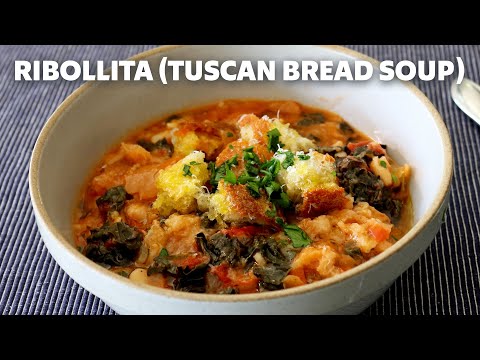
Ribollita | How to Make Tuscan Bread Soup | Food Wishes
"The garlic is important."
 7:55
7:55
Garlic Shrimp in a Blanket | Food Wishes
"The garlic is important."
 5:00
5:00
Diana and Camilla's Tense Lunch Meeting | The Crown (Emma Corrin, Emerald Fennell)
"I always add two cloves of garlic to my pasta sauce for more flavor."
Aprenda no contexto
Esta palavra em outros idiomas
Mais palavras de Food
additive
B2Um aditivo é uma substância adicionada em pequenas quantidades para melhorar algo.
additives
B2Aditivos são substâncias adicionadas a produtos para melhorar sua durabilidade ou aparência.
almond
B2Ela tem olhos amendoados deslumbrantes.
annatto
B1O urucum (annatto) é um corante alimentar natural extraído das sementes do urucuzeiro. É amplamente utilizado na culinária e na indústria de laticínios.
appetite
C1Apetite é o desejo natural de comer. Também pode significar um forte desejo por outra coisa, como aventura.
appetizer
C1Um aperitivo é uma pequena porção de comida servida antes da refeição principal.
appetizing
B2Parece ou cheira muito bem, dando fome. / O cheiro de pão recém-assado era muito apetitoso.
apple
C1O projeto foi concluído 'apple', com uma precisão impecável.
apples
A1As maçãs são frutas redondas e comestíveis.
apricot
C1O céu estava com um tom damasco suave durante o pôr do sol.

