nobler em 30 segundos
- Nobler is the comparative form of noble, used to describe something with higher moral or social value.
- It is often used in formal contexts like literature, political speeches, and ethical debates.
- In science, it describes metals or gases that are stable and resistant to chemical reactions.
- Avoid saying 'more nobler'; the word 'nobler' already includes the meaning of 'more'.
The word nobler is the comparative form of the adjective 'noble.' At its core, it describes something that possesses a higher degree of excellence, whether that excellence is found in moral character, social rank, or physical appearance. When we say one thing is nobler than another, we are often making a value judgment that places the subject on a higher ethical or aesthetic pedestal. Historically, the term was deeply rooted in the class systems of Europe, where 'noble' referred to the aristocracy—those born into families of high rank like dukes, earls, and barons. To be 'nobler' in that context meant to have a more ancient lineage or a higher title within the peerage. However, as democratic ideals spread, the word's meaning shifted from the 'nobility of birth' to the 'nobility of spirit.' Today, we use 'nobler' most frequently to describe actions, intentions, and characters that demonstrate exceptional virtue, selflessness, or dignity.
- Moral Superiority
- In modern ethics, 'nobler' is used to compare two choices where one requires more sacrifice or integrity. For example, 'It is nobler to admit a mistake than to hide it.'
He believed that seeking peace was a nobler pursuit than seeking revenge, even when the hurt was deep.
Beyond morality, 'nobler' can describe physical characteristics that suggest a sense of grandeur or impressive scale. A 'nobler' building might have more classical proportions, higher ceilings, or more refined materials than a standard structure. In the realm of biology or chemistry, the term was historically used to describe 'noble' metals or gases—those that are less reactive or more 'pure.' Thus, a 'nobler' metal like gold is more resistant to corrosion than iron. This sense of being 'untouched' or 'superior' permeates all uses of the word. People use this word when they want to elevate the tone of a conversation. It is not a casual word; you wouldn't typically use it to describe a better brand of soda. Instead, it is reserved for discussions about life's purpose, the quality of one's soul, or the grand designs of architecture and nature. It carries an air of formality and respect, suggesting that the speaker values high standards and traditional virtues.
- Aesthetic Refinement
- When comparing art or architecture, 'nobler' suggests a more sophisticated or dignified style that commands respect.
The architect argued that the marble columns gave the facade a nobler appearance than the original brick design.
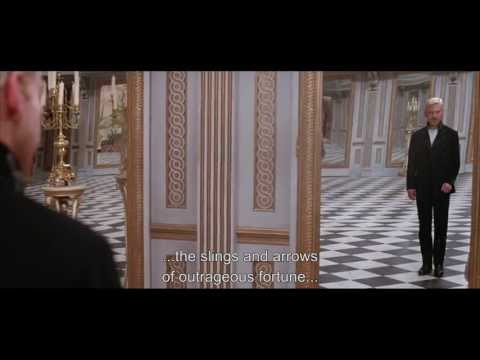
In literature, 'nobler' is a favorite of poets and playwrights. Shakespeare often used it to contrast the base instincts of humanity with our higher potential. To be 'nobler in the mind' is to suffer the 'slings and arrows of outrageous fortune' with dignity rather than giving in to despair. This literary heritage gives the word a timeless quality. When you use 'nobler,' you are tapping into a long history of human thought regarding what it means to be truly 'great.' It is a word that looks upward, away from the mundane and toward the ideal. Whether you are describing a nobler cause (like fighting for human rights), a nobler animal (like a lion compared to a hyena in heraldry), or a nobler sentiment (like compassion over greed), you are invoking a standard of excellence that transcends the ordinary.
- Historical Context
- In the past, 'nobler' was strictly a matter of genealogy. A person was nobler if their family tree contained more kings or lords.
The prince was considered nobler than the knight because of his direct lineage to the throne.
Finally, 'nobler' is often used in the context of sacrifice. We speak of a 'nobler sacrifice' when someone gives up something significant for a cause that is universally recognized as good. It suggests a lack of selfishness. If a person gives up their weekend to help a friend, it is kind. If they give up their career to serve the poor, it is a nobler path. This distinction between the 'good' and the 'nobler' is what makes the word so powerful in persuasive writing and inspirational speaking. It challenges the listener or reader to reach for the highest possible standard of conduct.
Using 'nobler' correctly requires an understanding of its comparative nature. Because it ends in '-er,' it is used to compare exactly two things, or one thing against a group. You would say 'This path is nobler than that one,' or 'He is the nobler of the two brothers.' It is important to avoid the common mistake of saying 'more nobler,' as 'nobler' already contains the comparative meaning. In formal writing, 'nobler' often appears in the predicate position after a linking verb like 'is,' 'seems,' or 'becomes.' For example, 'Her intentions became nobler as she grew older.' It can also function as an attributive adjective, modifying a noun directly: 'A nobler purpose guided his actions.'
- Comparing Actions
- When comparing two behaviors, 'nobler' highlights the one with higher moral value. 'Forgiving him was a nobler act than seeking justice.'
Is it nobler to stay and fight or to leave and preserve the peace?
The word is frequently paired with abstract nouns like 'purpose,' 'cause,' 'sentiment,' 'ambition,' and 'character.' When you describe a 'nobler purpose,' you are implying that the goal is not just about personal gain but about the greater good. This is a common trope in political rhetoric and graduation speeches. Speakers use 'nobler' to inspire their audience to look beyond their immediate needs. For instance, 'We must strive for a nobler society where every child has a chance to succeed.' Here, 'nobler' acts as a call to action, suggesting that the current state of society is 'base' or 'common' and needs to be elevated.
- Describing Character
- Use 'nobler' to describe a person who has improved their moral standing. 'He emerged from the crisis a nobler man.'
She possessed a nobler spirit than anyone I had ever met.
In scientific or technical contexts, specifically in chemistry, 'nobler' describes elements that are less likely to react chemically. For example, 'Gold is a nobler metal than copper because it does not tarnish.' This usage is very specific but follows the same logic: the 'nobler' element is more stable, 'purer,' and less affected by common environmental factors. Similarly, in the context of architecture, 'nobler' might describe materials like stone or marble compared to wood or plastic. 'The use of granite gave the monument a nobler feel.' In all these cases, 'nobler' conveys a sense of enduring quality and superiority.
- Scientific Usage
- In chemistry, 'nobler' refers to the electrochemical series. 'Platinum is nobler than silver.'
The nobler gases, like neon and argon, rarely form chemical bonds.
When using 'nobler' in a sentence, consider the contrast you are trying to create. Are you contrasting selfishness with altruism? Commonness with elegance? Instability with permanence? The word 'nobler' is most effective when the 'less noble' alternative is either explicitly stated or strongly implied. This creates a clear hierarchy of value that the reader can easily follow. For example, 'There is no nobler task than the education of the young.' This implies that while other tasks are important, education sits at the very top of the hierarchy of human endeavors.
While 'nobler' isn't a word you'll hear every day at the grocery store, it has several specific 'homes' in the English language where it thrives. The first and most prominent is in literature and classic drama. If you read Shakespeare, Milton, or the Romantic poets like Keats and Shelley, you will encounter 'nobler' frequently. In these contexts, it is used to explore the human condition and the struggle between our 'base' (animalistic or selfish) desires and our 'noble' (divine or selfless) potential. For example, in Hamlet's famous 'To be or not to be' soliloquy, he asks if it is 'nobler in the mind to suffer' the hardships of life. This literary usage has cemented the word's association with deep philosophical inquiry and high-stakes moral drama.
- In Classic Literature
- Authors use 'nobler' to describe characters who choose the path of integrity over the path of ease.
'Whether 'tis nobler in the mind to suffer the slings and arrows of outrageous fortune...' — William Shakespeare
Another place you will hear 'nobler' is in political and inspirational oratory. Presidents, activists, and motivational speakers often use the word to frame their goals as being of the highest order. When a politician speaks of a 'nobler vision for our country,' they are trying to lift the discourse above petty bickering and focus on shared, high-minded ideals. This usage is designed to make the audience feel like they are part of something grand and significant. It appeals to our desire to be better versions of ourselves. You might hear it in a commencement speech where a graduate is told to 'seek a nobler path than mere financial success.' In these settings, 'nobler' acts as a linguistic bridge between the reality of the present and the aspiration of the future.
- In Graduation Speeches
- Speakers use 'nobler' to encourage young people to pursue careers that benefit humanity.
'You are called to a nobler task than simply earning a living; you are called to make a difference.'
The word also appears in historical documentaries and period dramas. When discussing the knights of the Middle Ages or the founding fathers of a nation, historians and screenwriters use 'nobler' to describe the codes of conduct and the high-minded philosophies of the past. It helps to set the 'vibe' of a bygone era where honor was a primary social currency. For example, a narrator might say, 'The knights of the Round Table were bound by a nobler code than the marauding tribes of the north.' This reinforces the idea that 'noble' and 'nobler' are tied to a specific kind of historical dignity and structured morality.
- In Science and Nature
- In chemistry and materials science, 'nobler' is a technical term used to compare the reactivity of metals.
The engineer explained that using a nobler metal for the electrodes would prevent oxidation.
Finally, you might encounter 'nobler' in religious or spiritual texts. Many faiths emphasize the 'nobler' aspects of the human soul—the parts that are capable of divine love, total forgiveness, and ultimate sacrifice. In this context, 'nobler' is contrasted with 'worldly' or 'fleshly' desires. A sermon might encourage the congregation to 'cultivate nobler thoughts' to bring them closer to the divine. In all these varied contexts—from the lab to the pulpit, from the stage to the podium—'nobler' serves as a marker of quality, a signifier that we are dealing with the very best that humanity or nature has to offer.
One of the most frequent errors people make with the word 'nobler' is a grammatical one: using 'more nobler.' In English, comparative adjectives are formed in one of two ways: by adding the suffix '-er' (for shorter words) or by using the word 'more' (for longer words). 'Noble' is a two-syllable word that traditionally takes the '-er' suffix. Therefore, 'nobler' already means 'more noble.' Adding 'more' before 'nobler' is redundant and is considered a 'double comparative,' which is a common mistake in informal speech but should be avoided in writing. If you find 'nobler' sounds awkward, you can use 'more noble,' but never both together.
- The Double Comparative
- Incorrect: 'He chose the more nobler path.' Correct: 'He chose the nobler path' or 'He chose the more noble path.'
The student realized that 'more nobler' was a mistake in his essay and quickly corrected it.
Another mistake is using 'nobler' in too casual a context. Because the word carries such a heavy weight of history, morality, and dignity, using it to describe mundane things can sound sarcastic or unintentionally funny. For example, saying 'This is a nobler slice of pizza than the one I had yesterday' would likely be interpreted as a joke. 'Nobler' is best reserved for things that actually possess a degree of 'nobility'—character, purpose, art, or ancient lineage. Using it for everyday consumer goods or trivial choices can make the speaker seem like they are trying too hard to sound sophisticated, or that they don't understand the nuances of the word.
- Confusing with 'Nobel'
- A common spelling mistake is confusing 'noble' with 'Nobel' (as in the Nobel Prize). 'Nobler' has nothing to do with Alfred Nobel's awards, although many Nobel winners are indeed noble in character.
Winning a Nobel Prize is a great honor, but living a nobler life is a greater achievement.
A third mistake involves misunderstanding the comparison. Sometimes people use 'nobler' when they really mean 'more famous' or 'more successful.' While a noble person might be famous or successful, the word 'nobler' specifically refers to the *quality* of their character or the *dignity* of their status. A person who becomes famous by being scandalous is not 'nobler' than a quiet person who does good deeds in secret. In fact, the quiet person is the one who is 'nobler.' It is important to ensure that the comparison being made is based on virtue or inherent worth, not just external visibility or wealth.
- Misapplying to Wealth
- Don't assume someone is 'nobler' just because they are richer. In modern usage, 'nobler' is about character, not bank accounts.
The pauper's sacrifice was nobler than the billionaire's donation because it cost him everything he had.
Lastly, be careful with the chemistry definition. If you are writing a scientific paper, ensure you are using 'nobler' in the context of the galvanic series or chemical reactivity. Using it to mean 'morally better' in a chemistry context would be confusing. Conversely, using the technical chemistry sense in a moral discussion would likely be misunderstood. Always keep the domain of your conversation in mind to ensure the specific nuance of 'nobler' is clear to your audience.
When you want to express the idea of being 'nobler' but feel the word doesn't quite fit your tone or context, there are several alternatives you can use. Each has a slightly different nuance. For example, 'more virtuous' is a direct synonym when discussing moral character. It focuses specifically on the practice of virtue and following ethical principles. While 'nobler' has a sense of grandeur and dignity, 'more virtuous' is more focused on the 'goodness' of the action itself. If you are talking about someone who follows the rules and does the right thing consistently, 'more virtuous' might be the better choice.
- Nobler vs. More Virtuous
- 'Nobler' implies a grand, impressive kind of goodness. 'More virtuous' implies a strict adherence to moral laws.
His decision to help was nobler than expected, showing a depth of character that was more virtuous than his peers.
Another alternative is 'more dignified.' This word focuses on the *manner* in which someone carries themselves or handles a situation. A 'dignified' person is calm, controlled, and respectful. While 'nobler' can include these traits, 'more dignified' is more about the external appearance of self-respect and poise. If you are describing how someone reacted to an insult without getting angry, 'more dignified' is a very precise choice. It suggests they maintained their 'nobility' through their behavior and composure.
- Nobler vs. More Honorable
- 'Honorable' is closely tied to reputation and following a code of conduct. 'Nobler' is more about the inherent quality of the soul.
It was the nobler choice, and certainly the more honorable one in the eyes of the community.
In more modern or secular contexts, you might use 'more altruistic' or 'more selfless.' These words are excellent when you want to describe the 'nobler' act of putting others before oneself without the historical or aristocratic baggage that 'nobler' sometimes carries. 'Altruistic' is a more clinical, psychological term, while 'selfless' is a common, everyday word. If you say 'Her reasons for volunteering were more altruistic than his,' you are saying her motives were 'nobler' because they were focused entirely on the well-being of others rather than personal gain.
- Nobler vs. Loftier
- 'Loftier' is often used for ambitions or goals. A 'loftier' goal is high-reaching and grand, much like a 'nobler' ambition.
The poet sought a nobler theme, aiming for a loftier expression of human love.
Finally, for the physical or scientific sense of 'nobler,' you might use 'more stable' or 'more resistant.' In chemistry, a 'nobler' metal is simply one that is 'more resistant' to oxidation. In architecture, a 'nobler' material might be 'more enduring' or 'more refined.' Choosing the right alternative depends entirely on whether you want to emphasize the moral, the social, the behavioral, or the physical aspect of the comparison. By understanding these subtle differences, you can use 'nobler' and its synonyms to express your ideas with greater precision and impact.
How Formal Is It?
Curiosidade
The transition from 'well-known' to 'morally excellent' happened because society expected those of high rank (the 'well-known' people) to behave with superior character. This gave us the concept of 'noblesse oblige.'
Guia de pronúncia
- Pronouncing it like 'nob-ler' with a short 'o' (as in 'hot'). It should be a long 'o'.
- Adding an extra syllable like 'no-bel-er'.
- Confusing the pronunciation with 'Nobel' (as in the prize), which has stress on the second syllable.
- Swallowing the 'l' sound so it sounds like 'no-ber'.
- Over-emphasizing the 'er' sound at the end.
Nível de dificuldade
Common in literature and news, but requires understanding of context.
Hard to use without sounding overly formal or making grammar mistakes like 'more nobler'.
Rarely used in casual speech; can feel out of place.
Easily recognized but sometimes confused with 'Nobel'.
O que aprender depois
Pré-requisitos
Aprenda a seguir
Avançado
Gramática essencial
Comparative Adjectives (-er vs. more)
Use 'nobler' for two-syllable words ending in 'le'. Avoid 'more noble' unless for emphasis.
Predicate Adjectives
He is nobler. (The adjective follows a linking verb).
Attributive Adjectives
A nobler man. (The adjective comes before the noun).
Avoiding Double Comparatives
Never say 'more nobler'. Say 'nobler' or 'more noble'.
Comparisons with 'than'
This path is nobler than the other.
Exemplos por nível
The king was nobler than the mean giant.
Le roi était plus noble que le méchant géant.
Comparative adjective comparing two characters.
Is it nobler to share your toys?
Est-il plus noble de partager ses jouets ?
Using 'nobler' to describe a good action.
She wanted to be a nobler person.
Elle voulait être une personne plus noble.
Attributive use before the noun 'person'.
The white horse looked nobler than the brown one.
Le cheval blanc avait l'air plus noble que le brun.
Comparing the appearance of two animals.
Helping others is a nobler way to live.
Aider les autres est une façon de vivre plus noble.
Describing a lifestyle choice.
He felt nobler after telling the truth.
Il se sentait plus noble après avoir dit la vérité.
Predicate adjective after the linking verb 'felt'.
The castle was nobler than the small house.
Le château était plus noble que la petite maison.
Comparing two buildings.
A nobler heart always chooses love.
Un cœur plus noble choisit toujours l'amour.
Using 'nobler' to describe an abstract quality.
Returning the money was a nobler act than keeping it.
Rendre l'argent était un acte plus noble que de le garder.
Comparing two specific actions.
The older prince was nobler in his speech.
Le prince aîné était plus noble dans son discours.
Focusing on the quality of communication.
They sought a nobler purpose for their journey.
Ils cherchaient un but plus noble pour leur voyage.
Describing an abstract goal.
Is there a nobler animal than the lion?
Y a-t-il un animal plus noble que le lion ?
Interrogative form comparing animals.
She thought the piano was a nobler instrument than the drum.
Elle pensait que le piano était un instrument plus noble que le tambour.
Comparing the perceived status of objects.
He tried to have nobler thoughts about his enemies.
Il essayait d'avoir des pensées plus nobles envers ses ennemis.
Describing internal mental states.
The marble statue looked nobler than the clay one.
La statue de marbre paraissait plus noble que celle en argile.
Comparing materials and aesthetics.
A nobler life is not always an easy life.
Une vie plus noble n'est pas toujours une vie facile.
Making a general statement about life.
The judge believed that mercy was a nobler path than strict punishment.
Le juge pensait que la clémence était une voie plus noble que la punition stricte.
Comparing two legal or ethical approaches.
Gold is a nobler metal because it does not react with oxygen.
L'or est un métal plus noble car il ne réagit pas avec l'oxygène.
Technical usage in chemistry.
He was inspired by the nobler ideals of the revolution.
Il était inspiré par les idéaux plus nobles de la révolution.
Describing political or social concepts.
The architect wanted to create a nobler entrance for the museum.
L'architecte voulait créer une entrée plus noble pour le musée.
Focusing on architectural dignity.
She felt that teaching was a nobler profession than banking.
Elle estimait que l'enseignement était une profession plus noble que la banque.
Comparing the perceived value of careers.
It is nobler to admit you are wrong than to pretend you are right.
Il est plus noble d'admettre qu'on a tort que de prétendre qu'on a raison.
Infinitive phrase as the subject of comparison.
The hero's sacrifice was nobler because it was done in secret.
Le sacrifice du héros était plus noble parce qu'il était fait en secret.
Adding a condition to the nobility of an act.
The poet sought a nobler language to express his grief.
Le poète cherchait un langage plus noble pour exprimer son chagrin.
Describing the quality of expression.
The statesman appealed to the nobler instincts of the citizens.
L'homme d'État a fait appel aux instincts plus nobles des citoyens.
Using 'nobler' to describe psychological motivations.
They argued that a nobler society would prioritize health over profit.
Ils soutenaient qu'une société plus noble donnerait la priorité à la santé sur le profit.
Hypothetical comparison of social structures.
The character's development led him toward a nobler understanding of duty.
Le développement du personnage l'a mené vers une compréhension plus noble du devoir.
Describing an internal change in perspective.
Compared to the crude sketches, the oil painting had a much nobler quality.
Comparée aux croquis grossiers, la peinture à l'huile avait une qualité bien plus noble.
Comparing artistic quality and medium.
Is it nobler to suffer in silence or to speak out against injustice?
Est-il plus noble de souffrir en silence ou de dénoncer l'injustice ?
A classic ethical dilemma using 'nobler'.
The use of classical proportions gave the building a nobler silhouette.
L'utilisation de proportions classiques a donné au bâtiment une silhouette plus noble.
Aesthetic description in architecture.
He was the nobler of the two candidates, refusing to use negative ads.
Il était le plus noble des deux candidats, refusant d'utiliser des publicités négatives.
Using 'the nobler of the two' for specific comparison.
Her nobler ambitions often clashed with the practical needs of her family.
Ses ambitions plus nobles entraient souvent en conflit avec les besoins pratiques de sa famille.
Contrasting high ideals with mundane reality.
The philosopher posited that the search for truth is a nobler endeavor than the pursuit of pleasure.
Le philosophe a postulé que la recherche de la vérité est une entreprise plus noble que la quête du plaisir.
Comparing abstract human activities in a formal context.
In the electrochemical series, platinum is considered a nobler metal than silver.
Dans la série électrochimique, le platine est considéré comme un métal plus noble que l'argent.
Precise technical usage in science.
The tragedy lies in the hero's inability to live up to his nobler impulses.
La tragédie réside dans l'incapacité du héros à être à la hauteur de ses impulsions plus nobles.
Literary analysis of character conflict.
The move toward a nobler form of democracy requires the active participation of all citizens.
Le passage vers une forme de démocratie plus noble nécessite la participation active de tous les citoyens.
Using 'nobler' to describe political evolution.
He argued that the nobler sentiments of the heart are often suppressed by the demands of modern life.
Il soutenait que les sentiments plus nobles du cœur sont souvent étouffés par les exigences de la vie moderne.
Describing the tension between emotion and environment.
The cathedral's interior was designed to evoke a nobler sense of the divine.
L'intérieur de la cathédrale a été conçu pour évoquer un sens plus noble du divin.
Describing the psychological effect of architecture.
A nobler vision of the future would include the restoration of the natural world.
Une vision plus noble de l'avenir inclurait la restauration du monde naturel.
Proposing an idealistic future state.
The distinction between the base and the nobler arts was a central theme of the lecture.
La distinction entre les arts vils et les arts plus nobles était un thème central de la conférence.
Comparing categories of creative work.
The author explores the dialectic between our base instincts and our nobler aspirations.
L'auteur explore la dialectique entre nos instincts primaires et nos aspirations plus nobles.
Using high-level vocabulary ('dialectic', 'aspirations') with 'nobler'.
To choose the path of non-violence in the face of extreme provocation is perhaps the nobler course of action.
Choisir la voie de la non-violence face à une provocation extrême est peut-être la ligne de conduite la plus noble.
Evaluating a complex ethical decision.
The transition from feudalism to a nobler conception of human rights was a centuries-long process.
Le passage du féodalisme à une conception plus noble des droits de l'homme a été un processus de plusieurs siècles.
Describing historical and conceptual evolution.
His prose was marked by a nobler cadence, reminiscent of the great 19th-century essayists.
Sa prose était marquée par une cadence plus noble, rappelant les grands essayistes du XIXe siècle.
Aesthetic analysis of writing style.
The scientist's dedication to pure research, regardless of commercial application, was seen as a nobler pursuit.
Le dévouement du scientifique à la recherche pure, sans tenir compte des applications commerciales, était considéré comme une quête plus noble.
Comparing motivations in professional life.
One might argue that the nobler part of our nature is that which seeks connection over conquest.
On pourrait soutenir que la partie la plus noble de notre nature est celle qui cherche la connexion plutôt que la conquête.
Philosophical assertion about human nature.
The symphony's final movement reaches a nobler height, transcending the turmoil of the earlier sections.
Le mouvement final de la symphonie atteint une hauteur plus noble, transcendant l'agitation des sections précédentes.
Metaphorical use of 'height' and 'nobler' in music criticism.
The critique suggested that the film failed to engage with the nobler themes of the original novel.
La critique suggérait que le film n'avait pas réussi à aborder les thèmes plus nobles du roman original.
Comparing two different versions of a story.
Colocações comuns
Frases Comuns
— Refers to dying for a cause or with great dignity.
He believed there was no nobler way to die than in defense of his home.
— The part of a person that is virtuous and selfless.
She struggled to listen to her nobler self.
— Doing something for a higher or better goal.
The money was collected for a nobler end than just profit.
— Coming from a higher social or royal rank.
The princess was of nobler birth than her husband.
— An activity that is more meaningful or virtuous.
Science is often seen as a nobler pursuit than commerce.
— Having a more dignified or virtuous internal thought process.
Shakespeare asked if it was nobler in the mind to suffer.
— To a higher or more excellent extent.
He possessed the virtues of his father to a nobler degree.
— A higher or more virtuous goal.
The charity has a nobler aim than simply giving away food.
— Used to emphasize that something is the highest form of excellence.
There is nothing nobler than a life of service.
Frequentemente confundido com
A proper noun referring to Alfred Nobel or the prizes named after him. 'Nobler' is a comparative adjective.
A noun meaning something that makes another thing noble. 'Nobler' is the comparative adjective.
A rare or slang term for something with knobs. Completely unrelated to 'nobler'.
Expressões idiomáticas
— The idea that people with high rank or wealth have a duty to be generous and honorable.
He felt a sense of noblesse oblige to help the poor in his town.
formal— A literary concept of a person uncorrupted by civilization (often considered outdated or offensive).
The 18th-century novel depicted the character as a noble savage.
literary/historical— A type of fungus on grapes that is actually used to make high-quality sweet wine.
The vineyard was lucky to have a bit of noble rot this year.
technical/culinary— A failure that is still respected because the attempt was brave or for a good cause.
The mission was a noble failure; they didn't succeed, but they tried their best.
neutral— A metal that is resistant to corrosion and oxidation.
Gold is the most famous noble metal.
scientific— A group of chemical elements that are very stable and rarely react.
Helium and neon are noble gases.
scientific— Coming from an aristocratic or royal family.
He claimed to be of noble blood, though no one believed him.
formal/literary— A goal that is morally right and worth fighting for.
Protecting the environment is a noble cause.
neutral— A traditional nickname for the sport of boxing.
He spent his youth practicing the noble art in a local gym.
informal/journalistic— A person who is exceptionally kind, brave, and honorable.
She was a noble spirit who always put others first.
formal/literaryFácil de confundir
Both are comparative forms of 'noble'.
'Nobler' is the traditional, more common comparative form. 'More noble' is often used for emphasis or when 'nobler' sounds too archaic.
He is nobler than his brother. / He is more noble than he is rich.
It is the opposite of 'noble'.
'Nobler' means more noble; 'ignoble' means not noble at all (dishonorable).
His nobler side won over his ignoble impulses.
Both relate to high social class.
'Aristocratic' refers specifically to the social class; 'nobler' can refer to class but more often refers to character.
He had aristocratic manners but a nobler heart than most lords.
Both describe something impressive.
'Grand' is about scale and size; 'nobler' is about quality and dignity.
The grand palace had a nobler atmosphere than the modern hotel.
Both describe good character.
'Virtuous' is about following moral rules; 'nobler' is about having a high, dignified spirit.
She was a virtuous woman, but her sister was nobler in her sacrifices.
Padrões de frases
The [noun] is nobler than the [noun].
The king is nobler than the thief.
It is nobler to [verb].
It is nobler to help.
[Gerund] is a nobler [noun] than [gerund].
Forgiving is a nobler act than hating.
He sought a nobler [noun] for his [noun].
He sought a nobler purpose for his life.
The [noun] possessed a nobler [noun] than [noun].
The building possessed a nobler facade than the surrounding shops.
One might argue that [clause] is the nobler course.
One might argue that silence is the nobler course.
[Noun] is a nobler metal than [noun].
Gold is a nobler metal than lead.
By [verb]ing, she became a nobler person.
By volunteering, she became a nobler person.
Família de palavras
Substantivos
Verbos
Adjetivos
Relacionado
Como usar
Relatively low in daily speech, high in literature and formal writing.
-
Using 'more nobler'.
→
Using 'nobler' or 'more noble'.
Double comparatives are incorrect in English. You only need one way to show comparison.
-
Confusing 'nobler' with 'Nobel'.
→
Spelling it 'nobler' for character and 'Nobel' for the prize.
They are pronounced differently and have completely different meanings.
-
Using 'nobler' for small, everyday things.
→
Using 'better' or 'nicer' for casual things.
'Nobler' has a high, serious tone that doesn't fit with pizza or shoes.
-
Assuming 'nobler' only means 'richer'.
→
Using 'nobler' to mean 'more virtuous'.
In modern English, nobility is about character, not wealth.
-
Pronouncing it with a short 'o'.
→
Pronouncing it with a long 'o' (/noʊ/).
A short 'o' makes it sound like 'knobler,' which is not a standard word.
Dicas
Avoid Double Comparatives
Never say 'more nobler.' The '-er' ending already means 'more.' Stick to 'nobler' for a cleaner, more professional sound.
Use for Ethics
When you want to describe a choice that is morally better, 'nobler' is a powerful word. It suggests the choice requires more character.
Elevate Your Writing
Use 'nobler' in essays or formal letters to show a high level of vocabulary. It sounds more sophisticated than 'better' or 'nicer.'
Chemistry Usage
Remember that in science, 'nobler' means 'less reactive.' This is a specific technical meaning you might see in textbooks.
Be Serious
'Nobler' is a serious word. Don't use it for trivial things like food or fashion unless you want to be funny.
Shakespearean Connection
Think of Hamlet when you use 'nobler.' It helps you remember the word's association with deep thinking and high morals.
Synonym Choice
If 'nobler' feels too heavy, try 'more honorable' or 'more virtuous.' They are similar but slightly more common.
Long 'O'
Make sure the 'o' is long. If you say it with a short 'o,' it sounds like 'knob,' which is a different word entirely.
Class Roots
Keep in mind that the word used to be about social class. Today, it's mostly about how you act, not who your parents are.
The 'Than' Rule
Always make sure it's clear what you are comparing. 'This is nobler' needs a 'than [something]' to be fully understood.
Memorize
Mnemônico
Think of a King (Noble) who is even better than another King. He is the 'NOBLER' one because he is 'NO-B-L-E-R' (No Better Life Ever Reached).
Associação visual
Imagine two knights. One is helping a cat down from a tree. The other is helping a whole village. The second knight is 'nobler.' Visualize a gold bar (noble metal) next to a rusty iron nail.
Word Web
Desafio
Try to use 'nobler' in a sentence today to describe a choice you made. For example: 'I decided it was nobler to walk than to take the car and pollute the air.'
Origem da palavra
The word 'nobler' comes from the adjective 'noble,' which traces back to the Old French word 'noble,' and before that, the Latin 'nobilis.' In Latin, 'nobilis' meant 'well-known,' 'famous,' or 'noteworthy.' It was derived from the verb 'noscere,' which means 'to know.'
Significado original: Originally, it referred to people who were 'well-known' because of their high social rank or family history.
It belongs to the Indo-European language family, specifically the Italic branch via Latin.Contexto cultural
Be careful when using 'nobler' to compare social classes, as it can sound elitist or outdated in modern democratic societies.
In the UK, 'nobler' still has a faint connection to the actual aristocracy, while in the US, it is almost entirely used for moral character.
Pratique na vida real
Contextos reais
Ethics and Morality
- the nobler choice
- a nobler path
- nobler instincts
- it is nobler to...
Literature and Drama
- nobler in the mind
- a nobler hero
- nobler sentiments
- of nobler birth
Science (Chemistry)
- nobler metal
- nobler gas
- less reactive
- galvanic series
Architecture and Art
- nobler materials
- nobler proportions
- a nobler facade
- nobler style
Politics and Speeches
- a nobler vision
- a nobler cause
- nobler society
- nobler purpose
Iniciadores de conversa
"Do you think it's nobler to follow your heart or your head in a difficult situation?"
"In your opinion, what is the nobler profession: a doctor or a teacher?"
"Can you think of a character from a movie who became a nobler person by the end?"
"Is it nobler to work for a high salary or for a cause you believe in?"
"Do you agree that it is nobler to suffer in silence than to complain?"
Temas para diário
Write about a time you made a nobler choice than you usually would. What happened?
If you could dedicate your life to a nobler cause, what would it be and why?
Compare two people you admire. Who do you think has a nobler character?
Describe a 'nobler vision' for your city. What changes would you make?
How has your definition of a 'nobler life' changed as you have gotten older?
Perguntas frequentes
10 perguntasNo, 'more nobler' is a double comparative and is grammatically incorrect. You should use either 'nobler' or 'more noble.' 'Nobler' is the standard form.
Yes, you can use 'nobler' for objects like buildings, materials, or art to describe their superior quality or dignity. For example, 'Marble is a nobler stone than limestone.'
In chemistry, a nobler metal is one that is resistant to corrosion and oxidation in moist air. Examples include gold, silver, and platinum.
It can sound a bit formal or literary, but it is still used today in serious discussions about ethics, politics, and science. It's not 'dead,' just high-register.
It is pronounced NO-bler, with a long 'o' like in 'go.' The stress is on the first syllable.
The direct opposite would be 'more ignoble' or 'baser.' These words describe things that are less honorable or more selfish.
Yes, traditionally certain animals like lions or eagles are described as 'nobler' than others because of their appearance or perceived character in heraldry.
No, it is relatively rare in casual conversation. You are more likely to find it in books, speeches, or academic texts.
It is a phrase from Shakespeare's Hamlet, referring to having a more dignified or virtuous internal thought process when facing hardship.
Generally, yes. It implies superiority in a positive sense. However, it can be used sarcastically to mock someone who is acting superior.
Teste-se 190 perguntas
Write a sentence comparing two characters from a book using the word 'nobler'.
Well written! Good try! Check the sample answer below.
Describe a 'nobler' way to handle a disagreement with a friend.
Well written! Good try! Check the sample answer below.
Explain why gold is considered a 'nobler' metal than iron.
Well written! Good try! Check the sample answer below.
Write a short paragraph about a 'nobler cause' you would like to support.
Well written! Good try! Check the sample answer below.
Use 'nobler' in a sentence about architecture or art.
Well written! Good try! Check the sample answer below.
Write a sentence using 'nobler' in the context of a historical event.
Well written! Good try! Check the sample answer below.
Compare the 'nobler' and 'baser' instincts of human nature in two sentences.
Well written! Good try! Check the sample answer below.
Write a graduation speech sentence using the word 'nobler'.
Well written! Good try! Check the sample answer below.
Describe a 'nobler' version of your city or community.
Well written! Good try! Check the sample answer below.
Write a sentence using 'the nobler of the two'.
Well written! Good try! Check the sample answer below.
Explain the difference between 'noble' and 'nobler' in your own words.
Well written! Good try! Check the sample answer below.
Use 'nobler' to describe a person's reaction to a difficult situation.
Well written! Good try! Check the sample answer below.
Write a sentence using 'nobler' that sounds like it came from a classic novel.
Well written! Good try! Check the sample answer below.
Describe a 'nobler' ambition you have for your future career.
Well written! Good try! Check the sample answer below.
Use 'nobler' to compare two different types of materials.
Well written! Good try! Check the sample answer below.
Write a sentence using 'nobler' and 'sacrifice' together.
Well written! Good try! Check the sample answer below.
Explain why someone might be described as having a 'nobler spirit'.
Well written! Good try! Check the sample answer below.
Write a sentence using 'nobler' to describe a scientific concept.
Well written! Good try! Check the sample answer below.
Compare 'nobler' with 'more honorable' in a sentence.
Well written! Good try! Check the sample answer below.
Write a sentence about a 'nobler' vision for the environment.
Well written! Good try! Check the sample answer below.
Pronounce the word 'nobler' clearly. Focus on the long 'o' sound.
Read this aloud:
Você disse:
Speech recognition is not supported in your browser. Try Chrome or Edge.
Explain the meaning of 'nobler' to a friend who doesn't know the word.
Read this aloud:
Você disse:
Speech recognition is not supported in your browser. Try Chrome or Edge.
Give an example of a 'nobler choice' you have made recently.
Read this aloud:
Você disse:
Speech recognition is not supported in your browser. Try Chrome or Edge.
Discuss whether it is nobler to be famous or to be helpful.
Read this aloud:
Você disse:
Speech recognition is not supported in your browser. Try Chrome or Edge.
Describe a character from a movie who you think is 'nobler' than the others.
Read this aloud:
Você disse:
Speech recognition is not supported in your browser. Try Chrome or Edge.
Read a sentence with 'nobler' aloud with the correct stress (NO-bler).
Read this aloud:
Você disse:
Speech recognition is not supported in your browser. Try Chrome or Edge.
Argue why one profession might be considered 'nobler' than another.
Read this aloud:
Você disse:
Speech recognition is not supported in your browser. Try Chrome or Edge.
Tell a short story about a person who became a 'nobler' version of themselves.
Read this aloud:
Você disse:
Speech recognition is not supported in your browser. Try Chrome or Edge.
Use 'nobler' in a sentence about a historical figure you admire.
Read this aloud:
Você disse:
Speech recognition is not supported in your browser. Try Chrome or Edge.
Explain the difference between 'noble' and 'nobler' while speaking.
Read this aloud:
Você disse:
Speech recognition is not supported in your browser. Try Chrome or Edge.
Discuss a 'nobler vision' for the future of the world.
Read this aloud:
Você disse:
Speech recognition is not supported in your browser. Try Chrome or Edge.
Use 'nobler' to describe a beautiful building or piece of art.
Read this aloud:
Você disse:
Speech recognition is not supported in your browser. Try Chrome or Edge.
Answer the question: 'Is it nobler to give or to receive?' and explain why.
Read this aloud:
Você disse:
Speech recognition is not supported in your browser. Try Chrome or Edge.
Describe a 'nobler' way to respond to a mistake you made.
Read this aloud:
Você disse:
Speech recognition is not supported in your browser. Try Chrome or Edge.
Use 'nobler' in a sentence about a scientific element.
Read this aloud:
Você disse:
Speech recognition is not supported in your browser. Try Chrome or Edge.
Talk about a 'nobler cause' that is important to you.
Read this aloud:
Você disse:
Speech recognition is not supported in your browser. Try Chrome or Edge.
Use the phrase 'the nobler of the two' in a sentence.
Read this aloud:
Você disse:
Speech recognition is not supported in your browser. Try Chrome or Edge.
Explain why someone might say 'There is nothing nobler than service'.
Read this aloud:
Você disse:
Speech recognition is not supported in your browser. Try Chrome or Edge.
Use 'nobler' to compare two different animals.
Read this aloud:
Você disse:
Speech recognition is not supported in your browser. Try Chrome or Edge.
Discuss the 'nobler sentiments' found in a song you like.
Read this aloud:
Você disse:
Speech recognition is not supported in your browser. Try Chrome or Edge.
Listen to the sentence: 'He chose the nobler path.' Which path did he choose?
Listen for the word 'nobler' in a short audio clip. (Simulated: 'The architect wanted a nobler facade.') What part of the building is being discussed?
Listen to: 'Gold is a nobler metal than iron.' Why is gold better in this context?
Listen to: 'She had a nobler purpose for her life.' What does this imply about her previous goals?
Listen to: 'It is nobler to forgive.' What is the speaker encouraging?
Listen to: 'The nobler of the two candidates won.' How was the winner described?
Listen to: 'The nobler gases are stable.' What is a key feature of these gases?
Listen to: 'A nobler vision for our future.' What kind of vision is it?
Listen to: 'He was of nobler birth.' What does this mean about his family?
Listen to: 'The nobler sentiments of the heart.' What are these sentiments?
Listen to: 'Nothing is nobler than truth.' What is the most important thing according to the speaker?
Listen to: 'The nobler proportions of the hall.' What is being described?
Listen to: 'He felt nobler after helping.' When did his feeling change?
Listen to: 'The hero's nobler sacrifice.' What kind of sacrifice was it?
Listen to: 'The poet sought a nobler language.' What was the poet trying to do?
/ 190 correct
Perfect score!
Summary
The word 'nobler' allows you to rank actions or characters based on their virtue and dignity. For example, 'Seeking peace is a nobler pursuit than seeking war' emphasizes that peace is ethically superior.
- Nobler is the comparative form of noble, used to describe something with higher moral or social value.
- It is often used in formal contexts like literature, political speeches, and ethical debates.
- In science, it describes metals or gases that are stable and resistant to chemical reactions.
- Avoid saying 'more nobler'; the word 'nobler' already includes the meaning of 'more'.
Avoid Double Comparatives
Never say 'more nobler.' The '-er' ending already means 'more.' Stick to 'nobler' for a cleaner, more professional sound.
Use for Ethics
When you want to describe a choice that is morally better, 'nobler' is a powerful word. It suggests the choice requires more character.
Elevate Your Writing
Use 'nobler' in essays or formal letters to show a high level of vocabulary. It sounds more sophisticated than 'better' or 'nicer.'
Chemistry Usage
Remember that in science, 'nobler' means 'less reactive.' This is a specific technical meaning you might see in textbooks.