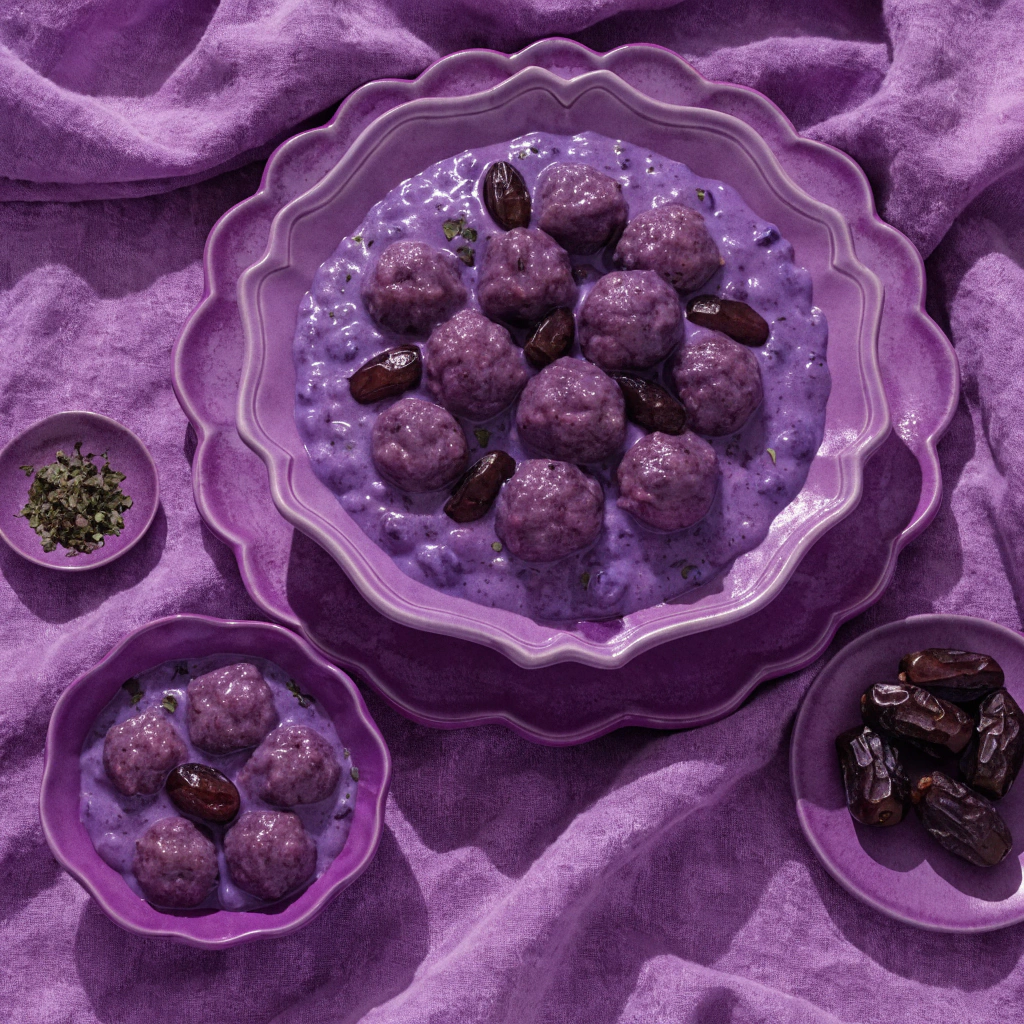
A Special Dish from Saudi Arabia
Saleeg is a famous food from Saudi Arabia. It comes from the Hejaz region. This region has big cities like Mecca and Jeddah. Many Saudi dishes are red or yellow. Saleeg is different. It is white and very creamy. It looks like a soft rice dish. People make Saleeg with rice, milk, and meat. They often use chicken or lamb. It is very soft and warm. Families eat Saleeg together at home. It is a very popular meal. Many people love this food because it is simple and delicious.
语法聚焦
句型: Present Simple 'To Be'
"Saleeg is a famous food from Saudi Arabia."
We use 'is' for singular subjects like Saleeg. It describes a fact or a state of being.
句型: Present Simple Action Verbs
"Families eat Saleeg together at home."
We use the base verb 'eat' for plural subjects like 'families'. This shows a regular habit or general truth.
测试你的理解
10 个问题 · A1 初学 · 1 次免费预览
测试你从这篇文章中学到的知识。回答所有问题即可获得经验值!
题目详情
Where does Saleeg come from?
你的回答:
正确答案: Saudi Arabia
Saleeg is usually a red dish.
你的回答:
正确答案: 错误
What does 'creamy' mean?
你的回答:
正确答案: Smooth and soft
Saleeg is white and very _____.
你的回答:
正确答案: creamy
Saleeg: The Creamy Comfort Food of Saudi Arabia
Saleeg is a very popular dish from the Hejaz region in Saudi Arabia. You can find it in cities like Mecca, Medina, and Jeddah. Most Saudi food is yellow or red because it has many spices. However, Saleeg is different. It is white and very creamy.
People often call Saleeg 'the Saudi risotto' because the rice is soft and smooth. To make it, cooks boil chicken or meat in water with spices. Then, they take the meat out and cook short-grain rice in the same water. Later, they add milk and butter. This makes the rice delicious.
In the past, families cooked Saleeg for special guests. Today, it is a famous comfort food. It is perfect for cold days because it is warm and healthy. Many people serve it with a spicy tomato sauce on the side. Saleeg is simpler than Kabsa, but many people think it is better because it tastes like home.
语法聚焦
句型: Comparatives
"Saleeg is simpler than Kabsa, but many people think it is better because it tastes like home."
We use the comparative form (adjective + -er + than) to compare two things. For short adjectives like 'simple', we add 'r' to the end.
句型: Past Simple
"In the past, families cooked Saleeg for special guests."
We use the past simple to talk about actions that finished in the past. For regular verbs like 'cook', we add 'ed' to the end.
测试你的理解
11 个问题 · A2 基础 · 1 次免费预览
测试你从这篇文章中学到的知识。回答所有问题即可获得经验值!
题目详情
Where is Saleeg originally from?
你的回答:
正确答案: The Hejaz region
Saleeg is usually yellow or red because of the spices.
你的回答:
正确答案: 错误
What does 'creamy' mean?
你的回答:
正确答案: Soft, smooth, and thick
Cooks add _____ and butter to the rice to make it smooth.
你的回答:
正确答案: milk
Why is Saleeg called 'the Saudi risotto'?
你的回答:
正确答案: Because the rice is soft and smooth
Saleeg: The Creamy Comfort Food of Saudi Arabia
Saleeg is a traditional dish from the Hejaz region of Saudi Arabia, which includes the famous cities of Jeddah, Mecca, and Medina. For many years, it has been a favorite comfort food for families. While most Saudi dishes are known for their strong spices and bright colors, Saleeg is famous for its simple, white appearance and creamy taste.
The preparation of Saleeg is quite unique. First, chicken or meat is boiled in water with spices like cardamom and mastic to create a flavorful broth. After the meat has been cooked, it is removed and roasted until it is crispy. Then, short-grain rice is added to the broth. The rice is cooked slowly until it becomes very soft. Finally, milk is added to the pot, which gives the dish its famous creamy texture. Because of this process, Saleeg is often described as the 'risotto of the Middle East.'
In Saudi culture, food is a way to show hospitality. Saleeg is usually served on a large round plate, and the roasted meat is placed on top of the soft rice. A spicy tomato sauce called 'duggus' and a salad are often served on the side to add a bit of heat and freshness. This combination creates a perfect balance of flavors that has been enjoyed by locals for centuries.
Today, Saleeg is still prepared for special occasions, but it is also a popular choice for a cozy family dinner. It has been passed down through generations, and it remains a symbol of the unique culinary history of the western coast. If you ever travel to Saudi Arabia, you should definitely try this delicious meal that has been loved by so many people. It is a dish that truly warms the heart.
语法聚焦
句型: Relative Clauses
"Saleeg is a traditional dish from the Hejaz region of Saudi Arabia, which includes the famous cities of Jeddah, Mecca, and Medina."
Relative clauses starting with 'which' or 'who' provide extra information about a noun. In this sentence, it gives more detail about the Hejaz region.
句型: Passive Voice
"The rice is cooked slowly until it becomes very soft."
The passive voice (is/are + past participle) is used when the action is more important than who is doing it. It is very common in recipes and descriptions of processes.
测试你的理解
11 个问题 · B1 中级 · 1 次免费预览
测试你从这篇文章中学到的知识。回答所有问题即可获得经验值!
Which region of Saudi Arabia is Saleeg originally from?
题目详情
Which region of Saudi Arabia is Saleeg originally from?
你的回答:
正确答案: The Hejaz region
Saleeg is known for having very bright colors and many heavy spices.
你的回答:
正确答案: 错误
What does the word 'unique' mean?
你的回答:
正确答案: Being the only one of its kind
Saleeg is often compared to Italian _____ because of its creamy rice.
你的回答:
正确答案: risotto
What ingredient is added at the end to give Saleeg its creamy texture?
你的回答:
正确答案: Milk
The Creamy Heart of Hejaz: Understanding Saleeg’s Culinary Significance
Saleeg is often described as the quintessential comfort food of the Hejaz region, a vast area that encompasses the historic western cities of Mecca, Medina, and Jeddah. While much of Saudi Arabian cuisine is characterized by its vibrant reds, deep yellows, and earthy browns—largely due to the heavy use of spices like cumin, coriander, and turmeric—Saleeg stands out for its pristine white appearance and delicate, milky flavor profile. To the uninitiated, the dish might seem deceptively simple; however, its preparation requires a meticulous approach to achieve the perfect balance of texture and taste.
The dish is frequently compared to Italian risotto because of its creamy consistency, yet its origins are purely local, reflecting the unique cultural heritage of the Arabian Peninsula’s western coast. Traditionally, the process begins by boiling meat—usually chicken or lamb—with whole spices such as cardamom, cinnamon sticks, and mastic. Once the meat is tender, it is removed and often roasted separately to give it a crispy exterior. The remaining broth, now infused with aromatic essences, is used to cook short-grain rice. As the rice absorbs the liquid, milk is gradually incorporated, and the mixture is stirred continuously until it reaches a velvety, porridge-like state.
Historically, Saleeg has remained a symbol of hospitality and domestic warmth. In contrast to the more assertive flavors of Kabsa or Mandi, Saleeg offers a sophisticated subtlety that appeals to both children and adults. The use of mastic, a resin obtained from the mastic tree, is a distinctive feature of Hejazi cooking, providing a hauntingly floral aroma that elevates the dish beyond a simple rice-and-milk combination.
Furthermore, the presentation of Saleeg is as specific as its preparation. It is typically served on a large communal platter, with the roasted meat placed prominently on top of the smooth rice. It is almost always accompanied by 'duggus'—a spicy tomato and chili salsa—and a side of fresh salad or pickled vegetables. This contrast between the mild, creamy rice and the sharp, spicy condiment is what makes the meal truly exceptional. Consequently, Saleeg is not merely a meal; it is a culinary reflection of the Hejaz’s historical role as a crossroads of trade and tradition, where simple ingredients are transformed through careful technique into something extraordinary.
语法聚焦
句型: Passive Voice
"The dish is frequently compared to Italian risotto because of its creamy consistency."
The passive voice is used here to focus on the dish (the object) rather than the person making the comparison. It is formed using the verb 'to be' plus the past participle.
句型: Non-defining Relative Clauses
"...the Hejaz region, a vast area that encompasses the historic western cities of Mecca, Medina, and Jeddah."
This provides extra information about the Hejaz region. It is separated by commas and adds detail without being essential to the sentence's basic meaning.
句型: Present Perfect Tense
"Historically, Saleeg has remained a symbol of hospitality and domestic warmth."
The present perfect (has + past participle) is used to describe a state that started in the past and continues to be true in the present.
测试你的理解
11 个问题 · B2 中高级 · 1 次免费预览
测试你从这篇文章中学到的知识。回答所有问题即可获得经验值!
What is the primary visual characteristic that distinguishes Saleeg from other Saudi dishes?
题目详情
What is the primary visual characteristic that distinguishes Saleeg from other Saudi dishes?
你的回答:
正确答案: Its pristine white appearance
Saleeg is originally an Italian dish that was imported to Saudi Arabia.
你的回答:
正确答案: 错误
Which word means 'showing great attention to detail'?
你的回答:
正确答案: Meticulous
Saleeg is often compared to Italian _____ because of its creamy texture.
你的回答:
正确答案: risotto
What ingredient provides the 'hauntingly floral aroma' mentioned in the text?
你的回答:
正确答案: Mastic
沙特阿拉伯的纯白飨宴:探寻海湾地区的萨利格文化精髓
在沙特阿拉伯这片广袤的土地上,其烹饪艺术以其丰富的香料、鲜明的色彩和浓郁的风味而闻名遐迩。然而,海湾地区的萨利格(Saleeg)却以一种截然不同的姿态,自成一派,成为当地人心中无可替代的“慰藉食物”。这道源自麦加、麦地那和吉达等西部城市的传统佳肴,以其纯白无瑕的外观和绵密细腻的奶香,在众多色彩斑斓的菜肴中脱颖而出,独树一帜。
萨利格的独特之处,首先在于其看似质朴却蕴含深意的口味。它常被比作意大利烩饭(risotto),两者皆以米饭的柔滑奶油质感著称。然而,萨利格的精髓远非简单的类比所能概括。它所承载的,是海湾地区数百年来的烹饪智慧与风土人情。其制作过程通常选用优质的短粒米,以牛奶、肉汤和少许酥油(ghee)慢火熬制,直至米粒充分吸收液体,变得膨胀软糯,最终呈现出洁白如雪、入口即化的美妙口感。这种纯粹的色泽与风味,恰恰衬托出其背后深厚的文化底蕴。
此等烹饪技艺,绝非一蹴而就,而是需要厨师耐心与经验的沉淀。米饭与牛奶、肉汤的比例,火候的掌控,以及搅拌的频率,无一不考验着制作者的匠心。正是这种对细节的极致追求,才使得萨利格能将简单的食材升华为一道令人心驰神往的佳肴。它不仅仅是满足口腹之欲的食物,更是家庭团聚、节日庆典上不可或缺的灵魂所在,象征着热情好客与世代相传的传统。
追溯萨利格的历史渊源,不难发现它与海湾地区的地理环境、生活方式紧密相连。在过去,牛奶和肉类是当地居民重要的营养来源,而米饭的引入则为这道菜肴的形成奠定了基础。经过漫长岁月的演变,萨利格逐渐定型,成为当地人日常饮食乃至节庆活动中不可或缺的一部分。其制作虽不复杂,却能予人以莫大的满足感与归属感,这或许正是它长盛不衰的魅力所在。
综上所述,萨利格不仅是沙特阿拉伯海湾地区一道令人垂涎的特色美食,更是一种文化符号,承载着当地人民对生活的热爱与对传统的敬畏。其纯粹的白色,恰如一面镜子,映照出海湾人民质朴而深情的内心世界。对于任何一位希望深入了解沙特文化的人而言,品尝萨利格,无疑是理解这片土地及其人民的绝佳途径。
语法聚焦
句型: “其……之处在于” (Its unique/special point lies in...)
"萨利格的独特之处,首先在于其看似质朴却蕴含深意的口味。"
这个句型用于强调某事物的主要特点或优势所在。“其”指代前文提到的事物,后面接一个名词性短语,表示“……的方面”。“在于”则引出该特点的具体内容,常用于书面语或正式语境,表达较为深入的分析。
句型: “正是……才……” (It is precisely...that...)
"正是这种对细节的极致追求,才使得萨利格能将简单的食材升华为一道令人心驰神往的佳肴。"
这是一个强调句型,用来突出原因或条件。句中的“正是”强调原因的唯一性或决定性,“才”则表示由这个原因或条件所导致的结果。这种结构能增强语势,使表达更具说服力,常用于解释或论证。
句型: “……所承载的,是……” (What...carries/embodies, is...)
"它所承载的,是海湾地区数百年来的烹饪智慧与风土人情。"
这个句型是一个典型的名词化结构,将动词或动词短语“所承载”变为名词性短语作主语,强调其内容。它常用于书面语,使表达更加凝练和正式,能够突出被强调的“内容”本身。
测试你的理解
12 个问题 · C1 高级 · 1 次免费预览
测试你从这篇文章中学到的知识。回答所有问题即可获得经验值!
题目详情
与其他沙特阿拉伯菜肴相比,萨利格最显著的特点是什么?
你的回答:
正确答案: 纯白无瑕,奶香绵密
文章指出萨利格的精髓可以简单地用“意大利烩饭”来概括。
你的回答:
正确答案: 错误
“自成一派”在文章中指什么?
你的回答:
正确答案: 形成自己独特的风格或体系
萨利格通常选用优质的短粒米,以牛奶、肉汤和少许_____慢火熬制。
你的回答:
正确答案: 酥油
文章认为萨利格长盛不衰的魅力主要源于什么?
你的回答:
正确答案: 其给予人的满足感与归属感
萨利格主要起源于沙特阿拉伯的东部城市。
你的回答:
正确答案: 错误
沙特阿拉伯的味蕾之诗:C2视角下的Saleeg及其文化意蕴
在沙特阿拉伯广袤的土地上,美食文化犹如一幅斑斓的画卷,其间充斥着香料的浓郁与色彩的张扬。然而,在诸多以红、黄、棕为主色调的菜肴中,一种名为Saleeg的佳肴却以其纯粹的洁白和温润的奶香独树一帜,宛若一股清流,涤荡着人们的味蕾与心灵。此道菜肴,毋庸置疑,乃汉志地区(涵盖麦加、麦地那、吉达等西部重镇)的标志性舒适美食,其地位之崇高,几乎可与中东地区的国民级主食相媲美。
揆诸历史,Saleeg的起源纯粹而本土化,它深刻地烙印着沙特西部沿海地区独特的烹饪印记。尽管其绵密醇厚的质地常被西方食客拿来与意大利烩饭(Risotto)相提并论,甚至有人认为两者在口感上异曲同工,但此种比较实则有失偏颇。烩饭往往追求米粒的“弹牙感”(al dente),且其风味多变,可融入海鲜、菌菇、藏红花等诸多元素;而Saleeg则更注重米饭与牛奶、高汤之间臻于完美的融合,使得每一粒米都浸润于乳白色的汤汁中,呈现出一种极致的软糯与细腻。可以说,Saleeg并非烩饭的沙特变体,而是一种拥有自身独立发展脉络与文化底蕴的独特存在。
Saleeg的制作过程看似简单,实则蕴含着匠心独运的技艺。选用优质大米(通常是埃及米或短粒米),以鸡肉或羊肉高汤文火慢炖,待米粒半熟时,加入新鲜牛奶或骆驼奶,并持续搅拌,直至米饭变得黏稠、柔滑,且充分吸收了汤汁与奶香。烹制过程中,火候的掌控与搅拌的力度至关重要,以确保米饭不会糊底,同时又能达到理想的 creamy 质地。最后,通常会佐以烤制或炖煮至软烂的鸡肉或羊肉,并撒上少许酥油(ghee)或橄榄油,有时还会点缀以炸洋葱或香菜,以增添风味与层次感。其色泽素雅,味道清淡而不失醇厚,既能作为主食饱腹,亦能作为滋补养生的佳品。
鉴于沙特阿拉伯多数传统菜肴以其丰富的香料使用而闻名,诸如卡布萨(Kabsa)和曼迪(Mandi)等,它们以辣椒、姜黄、孜然等香料调和出浓烈而奔放的风味,Saleeg的出现无疑形成了一种鲜明的对比。它以其温和、内敛的特质,在沙特餐桌上占据了一席之地,成为平衡整体味觉体验的关键。这种反差不仅体现了汉志地区独特的饮食偏好,更折射出当地人民对纯粹、本真生活方式的某种追求。可以说,Saleeg不仅仅是一道菜肴,它更是当地文化认同的一个缩影,承载着世代相传的味觉记忆与情感联结。
总而言之,Saleeg以其独特的风味、精湛的烹饪技艺和深厚的文化内涵,在沙特阿拉伯的饮食版图中占据着举足轻重的地位。它并非仅仅满足口腹之欲,更是一种心灵的慰藉,一种对家园和传统的眷恋。对于希望深入了解沙特阿拉伯,尤其是汉志地区文化精髓的人而言,品尝并理解Saleeg,无疑是开启这扇神秘大门的钥匙之一。它向我们诠释了,即便在香料横行的美食世界里,纯粹与素雅亦能绽放出令人惊艳的魅力,成为永恒的经典。
语法聚焦
句型: “毋庸置疑,乃…” 结构
"此道菜肴,毋庸置疑,乃汉志地区(涵盖麦加、麦地那、吉达等西部重镇)的标志性舒适美食。"
“毋庸置疑”意为“毫无疑问”,常作为插入语或状语,表达说话者对某事的高度确定性。后接“乃”字,意为“是”,进一步强调判断的肯定性,常用于书面语或正式语境中,使语气更为庄重和有力。
句型: “鉴于此…” 引导的原因状语从句
"鉴于沙特阿拉伯多数传统菜肴以其丰富的香料使用而闻名,诸如卡布萨(Kabsa)和曼迪(Mandi)等,它们以辣椒、姜黄、孜然等香料调和出浓烈而奔放的风味,Saleeg的出现无疑形成了一种鲜明的对比。"
“鉴于此”或“鉴于…”引导的从句,表示“考虑到这种情况”或“由于这个原因”,用于引出上下文的背景或前提,进而分析或推导出结论。这种结构常用于学术或正式语境中,表达严谨的逻辑关系。
句型: “并非…而是一种…” 强调句式
"可以说,Saleeg并非烩饭的沙特变体,而是一种拥有自身独立发展脉络与文化底蕴的独特存在。"
此句式通过“并非”(不是)否定前一分句,再用“而是一种”(而是一种)肯定后一分句,旨在纠正一种常见的误解或强调事物的真正本质。它具有很强的辨析和强调作用,常用于阐述观点或进行深入分析。
测试你的理解
12 个问题 · C2 精通 · 1 次免费预览
测试你从这篇文章中学到的知识。回答所有问题即可获得经验值!
文章中提到,与其他沙特传统菜肴相比,Saleeg最显著的特点是什么?
题目详情
文章中提到,与其他沙特传统菜肴相比,Saleeg最显著的特点是什么?
你的回答:
正确答案: 以其纯粹的洁白和温润的奶香独树一帜
文章认为,Saleeg与意大利烩饭在口感和烹饪理念上完全相同。
你的回答:
正确答案: 错误
“匠心独运”在文章中形容什么?
你的回答:
正确答案: 烹饪技艺构思精巧,富有创造力
Saleeg是沙特阿拉伯______地区标志性的舒适美食。
你的回答:
正确答案: 汉志
制作Saleeg时,除了大米和高汤,通常还会加入什么主要液体成分?
你的回答:
正确答案: 新鲜牛奶或骆驼奶
文章指出,Saleeg不仅仅是一道菜肴,更是当地文化认同的一个缩影。
你的回答:
正确答案: 正确

