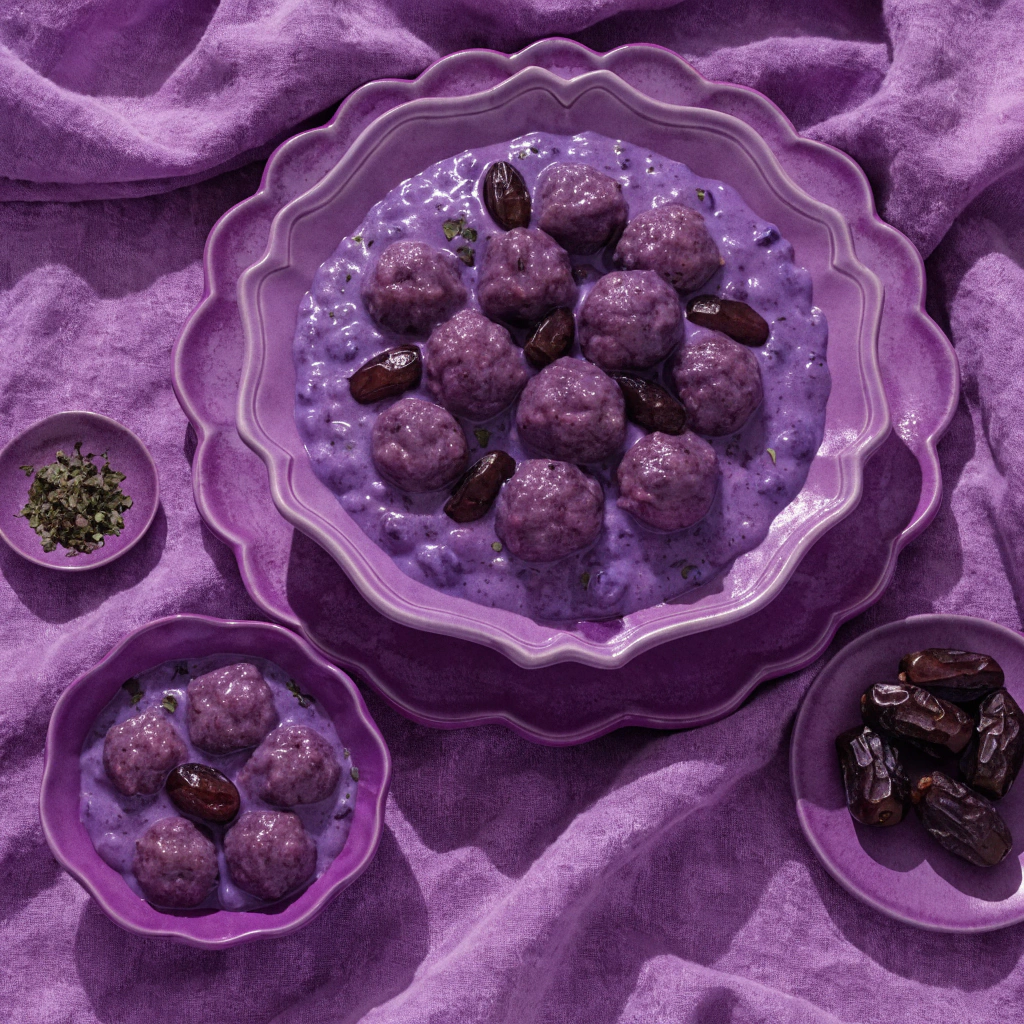
صلیق: غذای معروف حجاز
صلیق یک غذای معروف در عربستان سعودی است. این غذا در منطقه حجاز خیلی محبوب است. صلیق از برنج و شیر درست می شود. رنگ آن معمولاً سفید است. مردم صلیق را با مرغ یا گوشت می خورند. مزه آن ملایم و خوب است. صلیق مثل یک غذای گرم و راحت است. خانواده ها این غذا را دوست دارند. آن یک غذای سنتی و مهم است. شما می توانید آن را در شهرهای جده و مکه پیدا کنید. این غذا برای شام یا ناهار خوب است.
نکته دستوری
الگو: فعل 'است' (to be)
"صلیق یک غذای معروف در عربستان سعودی است."
این فعل 'بودن' است. ما از آن برای گفتن اینکه چیزی چیست یا چگونه است، استفاده می کنیم. برای مثال، 'این سیب قرمز است.'
الگو: از ... درست می شود (is made from)
"صلیق از برنج و شیر درست می شود."
این عبارت نشان می دهد که یک چیز چگونه ساخته شده است یا چه موادی دارد. 'از' یعنی 'from' و 'درست می شود' یعنی 'is made'. برای مثال، 'نان از آرد درست می شود.'
درک خود را بسنجید
10 سوال · A1 مبتدی · 1 پیشنمایش رایگان
آنچه از این مقاله آموختید را بسنجید. به همه سؤالات پاسخ دهید و XP کسب کنید!
رنگ صلیق معمولاً چیست؟
آیا میخواهید آزمون را تمام کنید؟
9 سؤال دیگر منتظر شماست. ثبتنام رایگان کنید تا آزمون کامل را باز کنید و XP کسب کنید!
ثبتنام رایگانقبلاً ثبتنام کردی؟ ورود
جزئیات سؤالات
رنگ صلیق معمولاً چیست؟
پاسخ شما:
پاسخ درست: سفید
صلیق از برنج و شیر درست می شود.
پاسخ شما:
پاسخ درست: درست
معنی کلمه 'محبوب' چیست؟
پاسخ شما:
پاسخ درست: دوست داشتنی
مردم صلیق را با ______ یا گوشت می خورند.
پاسخ شما:
پاسخ درست: مرغ
سالیق: غذای سفید و محبوب حجاز
سالیق یک غذای بسیار معروف و محبوب در کشور عربستان سعودی است. این غذای خوشمزه از منطقه حجاز میآید که شامل شهرهای مهمی مانند مکه، مدینه و جده میشود. سالیق با برنج و شیر یا آب درست میشود و به همین دلیل رنگ آن معمولاً سفید است. این غذا طعم بسیار ملایم و شیری دارد و برای بسیاری از مردم آرامشبخش است. در گذشته، این غذا در مراسمهای خاص بسیار محبوب بود.
بیشتر غذاهای عربستان سعودی رنگهای تند و پررنگ دارند، مثلاً قرمز یا قهوهای، اما سالیق ظاهری کاملاً متفاوت دارد. طعم سالیق از بسیاری غذاهای دیگر ملایمتر است. مردم اغلب سالیق را با یک غذای ایتالیایی به نام «ریزوتو» مقایسه میکنند، چون هر دو نرم و خامهای هستند. اما سالیق یک غذای قدیمی و سنتی است و در منطقه حجاز تاریخ طولانی و خاصی دارد.
سالیق فقط یک غذای ساده نیست، بلکه بخشی مهم از فرهنگ و تاریخ مردم این منطقه است. مردم حجاز این غذای سفید و خوشطعم را بسیار دوست دارند و آن را در خانههای خود یا در مهمانیها سرو میکنند.
نکته دستوری
الگو: ماضی ساده (Simple Past Tense)
"در گذشته، این غذا در مراسمهای خاص بسیار محبوب بود."
فعل ماضی ساده برای صحبت درباره کاری استفاده میشود که در زمان گذشته شروع شده و تمام شده است. برای ساختن آن، ریشه فعل را با شناسه مناسب میآوریم.
الگو: صفت تفضیلی (Comparative Adjective)
"طعم سالیق از بسیاری غذاهای دیگر ملایمتر است."
برای مقایسه دو چیز، از صفت تفضیلی استفاده میکنیم. برای ساختن آن، به آخر صفت، پسوند "-تر" اضافه میکنیم.
درک خود را بسنجید
11 سوال · A2 مقدماتی · 1 پیشنمایش رایگان
آنچه از این مقاله آموختید را بسنجید. به همه سؤالات پاسخ دهید و XP کسب کنید!
سالیق غذای کدام کشور است؟
آیا میخواهید آزمون را تمام کنید؟
10 سؤال دیگر منتظر شماست. ثبتنام رایگان کنید تا آزمون کامل را باز کنید و XP کسب کنید!
ثبتنام رایگانقبلاً ثبتنام کردی؟ ورود
جزئیات سؤالات
سالیق غذای کدام کشور است؟
پاسخ شما:
پاسخ درست: عربستان سعودی
سالیق طعم تند و قوی دارد.
پاسخ شما:
پاسخ درست: نادرست
کلمه "معروف" به چه معناست؟
پاسخ شما:
پاسخ درست: شناخته شده
سالیق با برنج و _____ یا آب درست میشود.
پاسخ شما:
پاسخ درست: شیر
منطقه حجاز شامل کدام شهرها میشود؟
پاسخ شما:
پاسخ درست: مکه و مدینه
سالیق: غذایی سفید با قلبی گرم از حجاز
سالیق، یکی از غذاهای سنتی و بسیار محبوب در منطقه حجاز عربستان سعودی است که در شهرهای مهمی مانند مکه، مدینه و جده جایگاه ویژهای دارد. برخلاف بسیاری از غذاهای منطقه که معمولاً با رنگهای تند و ادویههای فراوان شناخته میشوند، سالیق با رنگ سفید درخشان و طعم ملایم و شیری خود برجسته شده است. این غذا نه تنها یک وعده غذایی ساده است، بلکه بخشی جداییناپذیر از فرهنگ غنی و سنتهای دیرینه مردم این ناحیه به شمار میرود. بسیاری از خانوادهها آن را به عنوان یک غذای اصلی و دلپذیر برای گردهماییها و مناسبتهای خاص تهیه میکنند.
این غذای دلچسب عمدتاً از برنج سفید و شیر یا آب تهیه میشود و اغلب با مرغ پخته شده یا گوشت بره که به آرامی پخته شدهاند، سرو میشود. روش پخت آن به این صورت است که برنج را آنقدر با مایعات میپزند تا کاملاً نرم شود و بافت خامه ای و یکدستی پیدا کند. اضافه کردن کمی کره یا روغن حیوانی در پایان پخت، به آن طعمی غنیتر میبخشد. افرادی که آن را چشیدهاند، اغلب سالیق را با ریزوتوی ایتالیایی مقایسه کردهاند، به دلیل شباهت در بافت کرمی و نرمی آن. با این حال، باید دانست که ریشههای سالیق کاملاً محلی است و نشاندهنده تاثیرات آشپزی خاص و منحصربهفرد سواحل غربی عربستان سعودی است که تاریخچهای طولانی دارد.
در طول سالیان متمادی، سالیق جایگاه ویژهای در سفرههای مردم حجاز پیدا کرده است. این غذا اغلب در مراسم خاص، جشنها، اعیاد و حتی به عنوان یک وعده غذایی مقوی و آرامشبخش روزانه تهیه میشود. سادگی در عین حال لذیذ بودن آن، باعث شده است که سالیق نه تنها در میان مردم محلی، بلکه در بین گردشگرانی که از سراسر جهان به این منطقه سفر کردهاند نیز محبوبیت زیادی کسب کند. این غذای سفید و دلپذیر، نمونهای عالی از آشپزی اصیل و راحتی است که ریشه در تاریخ و فرهنگ غنی عربستان سعودی دارد و به خوبی نشان میدهد که چگونه یک غذای ساده میتواند به نمادی از هویت یک منطقه تبدیل شود.
نکته دستوری
الگو: فعل مجهول (Passive Voice)
"این غذای دلچسب عمدتاً از برنج سفید و شیر یا آب تهیه میشود."
فعل مجهول وقتی استفاده میشود که فاعل (انجامدهنده کار) مشخص نیست یا اهمیت کمتری نسبت به مفعول (کسی یا چیزی که کار روی آن انجام شده) دارد. برای ساختن آن، از فعل "شدن" به همراه قسمت سوم فعل اصلی (اسم مفعول) استفاده میکنیم.
الگو: جمله موصولی با "که" (Relative Clause with "ke")
"برخلاف بسیاری از غذاهای منطقه که معمولاً با رنگهای تند و ادویههای فراوان شناخته میشوند، سالیق با رنگ سفید درخشان و طعم ملایم و شیری خود برجسته شده است."
جملات موصولی اطلاعات بیشتری درباره یک اسم یا ضمیر میدهند. در زبان فارسی، معمولاً با کلمه "که" شروع میشوند و بعد از اسمی که توصیف میکنند، میآیند. این جملات به ما کمک میکنند تا جملات طولانیتر و دقیقتری بسازیم.
درک خود را بسنجید
11 سوال · B1 متوسط · 1 پیشنمایش رایگان
آنچه از این مقاله آموختید را بسنجید. به همه سؤالات پاسخ دهید و XP کسب کنید!
سالیق غذای کدام منطقه از عربستان سعودی است؟
آیا میخواهید آزمون را تمام کنید؟
10 سؤال دیگر منتظر شماست. ثبتنام رایگان کنید تا آزمون کامل را باز کنید و XP کسب کنید!
ثبتنام رایگانقبلاً ثبتنام کردی؟ ورود
جزئیات سؤالات
سالیق غذای کدام منطقه از عربستان سعودی است؟
پاسخ شما:
پاسخ درست: حجاز
سالیق مانند بسیاری از غذاهای عربی، رنگهای تند و ادویههای فراوان دارد.
پاسخ شما:
پاسخ درست: نادرست
معنی کلمه "دلچسب" چیست؟
پاسخ شما:
پاسخ درست: خوشایند و لذیذ
سالیق اغلب با مرغ پخته شده یا گوشت _____ سرو میشود.
پاسخ شما:
پاسخ درست: بره
چرا سالیق را با ریزوتوی ایتالیایی مقایسه کردهاند؟
پاسخ شما:
پاسخ درست: به دلیل شباهت در بافت کرمی آن
The Creamy Heart of Hejaz: Understanding Saleeg’s Culinary Significance
Saleeg is often described as the quintessential comfort food of the Hejaz region, a vast area that encompasses the historic western cities of Mecca, Medina, and Jeddah. While much of Saudi Arabian cuisine is characterized by its vibrant reds, deep yellows, and earthy browns—largely due to the heavy use of spices like cumin, coriander, and turmeric—Saleeg stands out for its pristine white appearance and delicate, milky flavor profile. To the uninitiated, the dish might seem deceptively simple; however, its preparation requires a meticulous approach to achieve the perfect balance of texture and taste.
The dish is frequently compared to Italian risotto because of its creamy consistency, yet its origins are purely local, reflecting the unique cultural heritage of the Arabian Peninsula’s western coast. Traditionally, the process begins by boiling meat—usually chicken or lamb—with whole spices such as cardamom, cinnamon sticks, and mastic. Once the meat is tender, it is removed and often roasted separately to give it a crispy exterior. The remaining broth, now infused with aromatic essences, is used to cook short-grain rice. As the rice absorbs the liquid, milk is gradually incorporated, and the mixture is stirred continuously until it reaches a velvety, porridge-like state.
Historically, Saleeg has remained a symbol of hospitality and domestic warmth. In contrast to the more assertive flavors of Kabsa or Mandi, Saleeg offers a sophisticated subtlety that appeals to both children and adults. The use of mastic, a resin obtained from the mastic tree, is a distinctive feature of Hejazi cooking, providing a hauntingly floral aroma that elevates the dish beyond a simple rice-and-milk combination.
Furthermore, the presentation of Saleeg is as specific as its preparation. It is typically served on a large communal platter, with the roasted meat placed prominently on top of the smooth rice. It is almost always accompanied by 'duggus'—a spicy tomato and chili salsa—and a side of fresh salad or pickled vegetables. This contrast between the mild, creamy rice and the sharp, spicy condiment is what makes the meal truly exceptional. Consequently, Saleeg is not merely a meal; it is a culinary reflection of the Hejaz’s historical role as a crossroads of trade and tradition, where simple ingredients are transformed through careful technique into something extraordinary.
نکته دستوری
الگو: Passive Voice
"The dish is frequently compared to Italian risotto because of its creamy consistency."
The passive voice is used here to focus on the dish (the object) rather than the person making the comparison. It is formed using the verb 'to be' plus the past participle.
الگو: Non-defining Relative Clauses
"...the Hejaz region, a vast area that encompasses the historic western cities of Mecca, Medina, and Jeddah."
This provides extra information about the Hejaz region. It is separated by commas and adds detail without being essential to the sentence's basic meaning.
الگو: Present Perfect Tense
"Historically, Saleeg has remained a symbol of hospitality and domestic warmth."
The present perfect (has + past participle) is used to describe a state that started in the past and continues to be true in the present.
درک خود را بسنجید
11 سوال · B2 بالاتر از متوسط · 1 پیشنمایش رایگان
آنچه از این مقاله آموختید را بسنجید. به همه سؤالات پاسخ دهید و XP کسب کنید!
What is the primary visual characteristic that distinguishes Saleeg from other Saudi dishes?
آیا میخواهید آزمون را تمام کنید؟
10 سؤال دیگر منتظر شماست. ثبتنام رایگان کنید تا آزمون کامل را باز کنید و XP کسب کنید!
ثبتنام رایگانقبلاً ثبتنام کردی؟ ورود
جزئیات سؤالات
What is the primary visual characteristic that distinguishes Saleeg from other Saudi dishes?
پاسخ شما:
پاسخ درست: Its pristine white appearance
Saleeg is originally an Italian dish that was imported to Saudi Arabia.
پاسخ شما:
پاسخ درست: نادرست
Which word means 'showing great attention to detail'?
پاسخ شما:
پاسخ درست: Meticulous
Saleeg is often compared to Italian _____ because of its creamy texture.
پاسخ شما:
پاسخ درست: risotto
What ingredient provides the 'hauntingly floral aroma' mentioned in the text?
پاسخ شما:
پاسخ درست: Mastic
The Pristine Elegance of Saleeg: A Hijazi Culinary Monolith
The Saudi Arabian culinary landscape is often perceived through a lens of monochromatic intensity, dominated by the fiery reds of Kabsa or the deep ambers of Mandi. However, tucked within the coastal and mountainous stretches of the Hejaz region lies a dish that defies this spicy homogeneity: Saleeg. Not only does Saleeg represent a departure from the spice-laden norms of the peninsula, but it also serves as a testament to the regional diversity of the Hejaz. This quintessential comfort food, primarily associated with the holy cities of Mecca and Medina and the cosmopolitan hub of Jeddah, offers a minimalist aesthetic that belies its complex depth of flavor.
At its core, Saleeg is a white-rice dish cooked in a rich meat broth—usually chicken or lamb—and subsequently finished with a generous infusion of milk. The choice of grain is paramount; unlike the long-grain Basmati favored in other Saudi staples, Saleeg necessitates short-grain rice. This variety possesses a higher starch content, which, through meticulous simmering, creates a velvety, porridge-like consistency. It is the inclusion of mastic and the meticulous simmering of short-grain rice that elevate the dish from a simple porridge to a culinary masterpiece. The mastic provides a subtle, resinous undertone that cuts through the creaminess of the milk, providing a nuanced flavor profile that is both evocative and sophisticated.
Critically, the comparison between Saleeg and Italian risotto is frequently invoked by international food critics. While the juxtaposition of creamy textures and savory proteins is shared, the preparation techniques diverge significantly. Risotto relies on the gradual addition of liquid and constant agitation to release starch, whereas Saleeg achieves its texture through an initial boil in broth followed by a secondary stage of milk absorption. This transition from a broth-based simmer to a milk-infused creaminess requires constant attention to ensure the rice remains tender without becoming cloying. Furthermore, the dish is traditionally served on a large platter known as a 'tabsi', with the rice forming a pristine bed for the roasted meat, often accompanied by 'duqqus'—a piquant tomato and chili salsa—to provide a sharp acidity against the mellow rice.
Beyond its gastronomic appeal, Saleeg functions as a cultural anchor. In a rapidly modernizing society, the persistence of such a specific regional heritage highlights the importance of culinary preservation. The preparation of Saleeg is an act of nostalgia, often reserved for family gatherings or to welcome guests during the cooler winter months. It challenges the reductionist view that Middle Eastern cuisine is a singular entity defined solely by heavy spices. Instead, Saleeg offers a more sophisticated narrative of Saudi gastronomy—one where subtlety, texture, and the purity of ingredients are held in the highest regard.
نکته دستوری
الگو: Negative Inversion
"Not only does Saleeg represent a departure from the spice-laden norms of the peninsula, but it also serves as a testament to the regional diversity of the Hejaz."
When a sentence starts with a negative adverbial like 'Not only', the auxiliary verb comes before the subject. This is used in formal writing to add emphasis.
الگو: It-Cleft Sentences
"It is the inclusion of mastic and the meticulous simmering of short-grain rice that elevate the dish from a simple porridge to a culinary masterpiece."
Cleft sentences use 'It + is/was + [emphasized part] + that/who' to focus the reader's attention on a specific detail. Here, it emphasizes the specific ingredients and technique.
الگو: Nominalization
"This transition from a broth-based simmer to a milk-infused creaminess requires constant attention."
Nominalization involves turning verbs or adjectives into nouns (e.g., 'transition', 'simmer', 'creaminess'). This creates a more formal, academic tone typical of C1 level texts.
درک خود را بسنجید
12 سوال · C1 پیشرفته · 1 پیشنمایش رایگان
آنچه از این مقاله آموختید را بسنجید. به همه سؤالات پاسخ دهید و XP کسب کنید!
What distinguishes Saleeg from other common Saudi dishes like Kabsa?
آیا میخواهید آزمون را تمام کنید؟
11 سؤال دیگر منتظر شماست. ثبتنام رایگان کنید تا آزمون کامل را باز کنید و XP کسب کنید!
ثبتنام رایگانقبلاً ثبتنام کردی؟ ورود
جزئیات سؤالات
What distinguishes Saleeg from other common Saudi dishes like Kabsa?
پاسخ شما:
پاسخ درست: It lacks the typical heavy spice profile and has a white appearance.
Saleeg is typically prepared using long-grain Basmati rice.
پاسخ شما:
پاسخ درست: نادرست
What does 'quintessential' mean in the context of the article?
پاسخ شما:
پاسخ درست: The most perfect or typical example
The higher _____ content in short-grain rice is essential for achieving Saleeg's texture.
پاسخ شما:
پاسخ درست: starch
How does the preparation of Saleeg differ from Italian risotto?
پاسخ شما:
پاسخ درست: Saleeg uses a two-stage liquid absorption process rather than gradual additions.
Mastic is added to the dish to provide a subtle, resinous flavor.
پاسخ شما:
پاسخ درست: درست
The Gastronomic Minimalism of Saleeg: An Ontological Inquiry into Hejazi Comfort
In the vast and varied landscape of Saudi Arabian culinary traditions, where the olfactory senses are typically besieged by a cacophony of cardamom, cloves, and saffron, Saleeg emerges as a serene, monochromatic counterpoint. Were one to traverse the historical crucible of the Hejaz region—encompassing the cosmopolitan hubs of Mecca, Medina, and Jeddah—one would encounter a dish that eschews the exuberant pigments of Kabsa or Mandi in favor of a pristine, milky ivory. This quintessential comfort food represents not merely a caloric necessity but a profound cultural palimpsest, reflecting the unique maritime and pilgrimage-driven influences of the western coast. While the cursory observer might dismiss Saleeg as a mere derivative of Italian risotto, such a comparison, though structurally convenient, fails to acknowledge the dish’s indigenous epistemology. The preparation of Saleeg demands a rigorous attention to viscosity and texture. It is the subtle infusion of mastic and the gradual incorporation of milk into short-grain rice that creates its signature velvety consistency. This process is less an act of cooking and more an exercise in patience, requiring the chef to coax the starch from the grain until it achieves a state of sublime cohesion. Never before has a dish so ostensibly simple commanded such reverence across social strata. The aesthetic of Saleeg—pure, white, and unadorned—is often interpreted as a culinary reflection of the purity sought by pilgrims visiting the Holy Cities. It might be posited that the dish’s lack of aggressive spice is an intentional subversion of the broader Peninsular penchant for intensity, offering instead a restorative neutrality. Furthermore, the juxtaposition of the creamy rice with the succulent, often roasted, poultry or meat provides a textural dialectic that is as intellectually satisfying as it is palatable. Despite the encroachment of globalized fast food, Saleeg remains an egalitarian staple, bridging the gap between the ancestral past and the precarious future. It is the subtle nuances of its preparation—the exact moment the milk is introduced, or the precise quantity of ghee drizzled atop—that define the culinary identity of a Hejazi household. Should the culinary historian seek to map the soul of the western province, they would find it encapsulated in this bowl of white rice: a testament to the enduring power of minimalism in an increasingly complex world. Ultimately, Saleeg serves as a reminder that the most profound expressions of culture are often found not in the ornate, but in the essential.
نکته دستوری
الگو: Inverted Conditionals (Subjunctive)
"Were one to traverse the historical crucible of the Hejaz region... one would encounter a dish that eschews the exuberant pigments."
This formal structure replaces 'If one were to traverse'. It is used in C2 academic writing to express hypothetical situations with a higher degree of formality and rhetorical flair.
الگو: Negative Inversion for Emphasis
"Never before has a dish so ostensibly simple commanded such reverence across social strata."
By placing a negative adverbial at the beginning of the sentence, the auxiliary verb 'has' is moved before the subject 'a dish'. This creates a dramatic, emphatic effect common in sophisticated prose.
الگو: Cleft Sentences for Focus
"It is the subtle infusion of mastic and the gradual incorporation of milk into short-grain rice that creates its signature velvety consistency."
This structure (It + is/was + [noun phrase] + that/who) is used to emphasize a specific part of the sentence, highlighting the exact cause or identity of the subject.
درک خود را بسنجید
12 سوال · C2 تسلط · 1 پیشنمایش رایگان
آنچه از این مقاله آموختید را بسنجید. به همه سؤالات پاسخ دهید و XP کسب کنید!
What does the author suggest by calling Saleeg a 'cultural palimpsest'?
آیا میخواهید آزمون را تمام کنید؟
11 سؤال دیگر منتظر شماست. ثبتنام رایگان کنید تا آزمون کامل را باز کنید و XP کسب کنید!
ثبتنام رایگانقبلاً ثبتنام کردی؟ ورود
جزئیات سؤالات
What does the author suggest by calling Saleeg a 'cultural palimpsest'?
پاسخ شما:
پاسخ درست: It reflects layers of historical and cultural influences despite its modern form.
The author argues that Saleeg is merely a local version of Italian risotto.
پاسخ شما:
پاسخ درست: نادرست
Which word describes the 'thickness' or 'stickiness' of the rice's texture?
پاسخ شما:
پاسخ درست: Viscosity
The author notes that Saleeg is a ______ counterpoint to the heavily spiced dishes typically found in Saudi Arabia.
پاسخ شما:
پاسخ درست: monochromatic
According to the text, what is the symbolic significance of the dish's white appearance?
پاسخ شما:
پاسخ درست: It reflects the spiritual purity sought by pilgrims.
The text suggests that the preparation of Saleeg is a quick and effortless process.
پاسخ شما:
پاسخ درست: نادرست

