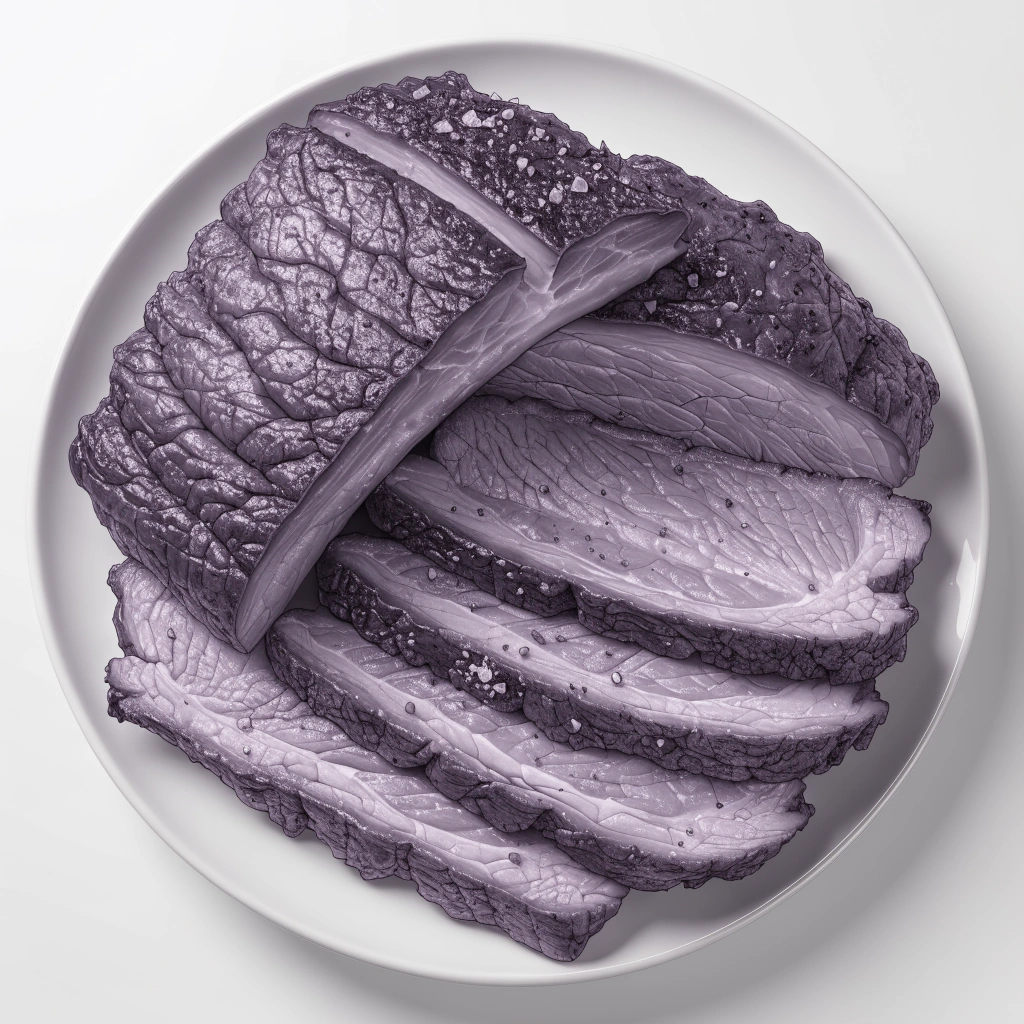
德克萨斯州的好食物
德克萨斯州是一个很大的地方。这里有一个很有名的食物。它叫烤牛胸肉。 烤牛胸肉是用火慢慢做的。它需要很多时间。这样,肉会变得很软,很好吃。 很多人喜欢吃烤牛胸肉。他们觉得它很棒。你喜欢吃肉吗?你喜欢吃烤牛胸肉吗?
语法聚焦
句型: "有" (yǒu)
"这里有一个很有名的食物。"
"有"表示存在或者拥有。我们可以用它来说“这里有”什么东西,或者“我有一个”东西。
句型: "很" (hěn) + 形容词
"它很好吃。"
"很"放在形容词前面,表示程度高,比如“好吃”、“大”、“小”。它让形容词的语气更强。
测试你的理解
10 个问题 · A1 初学 · 1 次免费预览
德州烤牛胸肉:慢火的美味
在美国,德州烤牛胸肉是一种非常有名且特别的食物。它不是简单地烤熟,而是要用很小的火,烤很长时间。人们常常说,这是“慢火慢烤”的艺术,需要很多耐心。
这种烤肉方法起源于很久以前。那时候,一些来自德国和捷克的人来到了美国德州。他们带来了自己国家烤肉的传统技术。牛胸肉本来是一块比较硬的牛肉,但是这些移民发现,如果用小火慢慢地烤,肉就会变得非常软,而且味道会变得特别香。
所以,德州烤牛胸肉的关键就是时间和火候。厨师会把牛胸肉放在特殊的烤炉里,用木头慢慢熏烤好几个小时,甚至一整天。最后,这块普通的牛肉就变成了一道非常美味、入口即化的佳肴。很多人都非常喜欢吃德州烤牛胸肉。
语法聚焦
句型: 不是... 而是...
"它不是简单地烤熟,而是要用很小的火,烤很长时间。"
这个句型用来强调否定前面的内容,肯定后面的内容。它表示‘不是A,而是B’,强调正确的信息是B。
句型: 变得
"如果用小火慢慢地烤,肉就会变得非常软,而且味道会变得特别香。"
'变得'表示事物的状态或性质发生了变化。它后面通常跟着形容词,说明变成了什么样子。这个词很常用,可以描述人、物或环境的变化。
测试你的理解
11 个问题 · A2 基础 · 1 次免费预览
测试你从这篇文章中学到的知识。回答所有问题即可获得经验值!
题目详情
德州烤牛胸肉最重要的方法是什么?
你的回答:
正确答案: 用小火长时间烤
德州烤牛胸肉只需要很短的时间就能做好。
你的回答:
正确答案: 错误
“软”是什么意思?
你的回答:
正确答案: 不硬
牛胸肉本来是一块比较____的牛肉。
你的回答:
正确答案: 硬
哪两个国家的人把烤肉技术带到了德州?
你的回答:
正确答案: 德国和捷克
德州烟熏牛腩:慢火细作的美味传奇
在美国广阔的烧烤世界里,德州烟熏牛腩无疑是“慢火细作”烹饪的王者。这种美食起源于德州中部地区,它不仅是一道菜,更是一门关于耐心和火候控制的艺术。它的历史可以追溯到19世纪中期,当时德国和捷克移民来到了德州,他们带来了欧洲传统的肉类烟熏技术。
这些移民发现,牛腩——一种来自牛胸部、质地较硬的肉——通过长时间的慢火烟熏,可以变得异常鲜嫩美味。牛腩通常会被用特制的香料腌制,然后放入烟熏炉中,用果木或橡木的烟慢慢熏制十几个小时。这个过程非常漫长,但正是这种“低而慢”的方法,使得牛腩内部的脂肪慢慢融化,肉质变得柔软多汁,并吸收了独特的烟熏风味。
今天,德州烟熏牛腩已经成为美国烧烤文化的标志之一。许多人为了品尝这道地道的美食,不惜长途跋涉来到德州的烧烤店。它通常被切成厚片,配上简单的白面包、酸黄瓜和洋葱一起享用。虽然准备牛腩需要很长时间,但当您尝到那入口即化的美味时,您会觉得一切等待都是值得的。这道菜不仅展现了德州独特的饮食文化,也传承了移民们带来的烹饪智慧。
语法聚焦
句型: 被字句 (Passive Voice with 被)
"牛腩通常会被用特制的香料腌制。"
“被”字句用来表示一个动作的承受者。它的基本结构是:主语 + 被 + 施动者(可选)+ 动词 + 其他成分。这个句子中,牛腩是动作的承受者,它被腌制了。
句型: 虽然…但是… (Although…but…)
"虽然准备牛腩需要很长时间,但当您尝到那入口即化的美味时,您会觉得一切等待都是值得的。"
“虽然…但是…”是一个表示转折关系的连词结构,用来连接两个有对比意义的句子。它表示前一个分句是一个事实或情况,而后一个分句表达了与前一个分句相反或出人意料的结果。
测试你的理解
11 个问题 · B1 中级 · 1 次免费预览
测试你从这篇文章中学到的知识。回答所有问题即可获得经验值!
题目详情
德州烟熏牛腩的烹饪特点是什么?
你的回答:
正确答案: 慢火细作
德州烟熏牛腩的历史与德国和捷克移民无关。
你的回答:
正确答案: 错误
“烟熏”的意思是什么?
你的回答:
正确答案: 用火和烟来制作食物
牛腩是一种来自牛______部、质地较硬的肉。
你的回答:
正确答案: 胸
为什么牛腩需要长时间的慢火烟熏?
你的回答:
正确答案: 让脂肪融化,肉质柔软多汁,并吸收烟熏风味
德州烟熏牛腩:美国烧烤文化的瑰宝
在美国广袤的烹饪版图中,德州烟熏牛腩无疑是“低温慢烤”艺术的巅峰之作。这道佳肴发源于德克萨斯州中部地区,是耐心与火候掌控的集大成者。其历史渊源可追溯至19世纪中期,当时德国和捷克移民涌入德州,他们带来了欧洲传统的肉类烟熏技艺。这些移民屠夫发现,牛腩——这块来自牛胸部、质地坚韧且富含纤维的肉——通过长时间的烟熏,可以变得异常柔嫩,风味独特。
德州烟熏牛腩的独特之处,不仅在于其悠久的历史,更在于其精湛的烹饪流程。传统上,牛腩只用盐和黑胡椒简单调味,然后置于橡木或山核桃木的烟熏炉中,以极低的温度(通常在107°C至135°C之间)慢烤长达12至18小时。这个过程至关重要,它使得牛腩内部的胶原蛋白逐渐分解,转化为明胶,从而赋予肉质无与伦比的柔嫩口感。与此同时,木材燃烧产生的烟雾渗透进肉的深层纤维,形成一层被称为“烟环”的粉红色区域,并赋予其独特的烟熏风味。
制作德州烟熏牛腩,不仅仅是一项烹饪技能,更是一种对时间和传统的尊重。它要求厨师对火候和烟雾有深刻的理解,并能根据牛腩的特性灵活调整。每一块牛腩都有其独特性,因此完美的烟熏牛腩是厨师经验与直觉的结晶。在德州,烟熏牛腩不仅仅是一道菜肴,它承载着社区精神和家庭团聚的意义,常在周末聚餐、节庆活动中扮演核心角色。
如今,德州烟熏牛腩已经超越了地域限制,在全美乃至世界范围内都享有盛誉。无数烧烤爱好者和专业厨师都在努力复刻这种经典的美味。尽管其制作过程耗时且复杂,但当一块完美的烟熏牛腩被切开,露出那诱人的烟环和汁水丰盈的肉质时,所有的付出都显得物有所值。它不仅代表着一种独特的烹饪方式,更是美国烧烤文化中不可或缺的象征,持续吸引着食客们去探索其深邃的魅力。
语法聚焦
句型: 不仅...而且...
"德州烟熏牛腩的独特之处,不仅在于其悠久的历史,更在于其精湛的烹饪流程。"
这个句式用于连接两个并列的方面或内容,表示“不只A,同时还有B”的意思。它强调了B是A的进一步补充或更深层次的特点。使用时,'不仅'后接第一个方面,'而且'后接第二个方面。
句型: 之所以...是因为...
"之所以德州烟熏牛腩能够达到如此高的水准,是因为它融入了多民族的烹饪智慧和漫长的历史沉淀。"
这个句式用于解释原因和结果,其中“之所以”引导结果,而“是因为”则引出导致该结果的原因。它常用于书面语或正式语境中,表达一种较为严谨的因果关系。这个句式可以帮助学习者更清晰地表达复杂原因。
句型: 被动句 (A被B...)
"尽管其制作过程耗时且复杂,但当一块完美的烟熏牛腩被切开,露出那诱人的烟环和汁水丰盈的肉质时,所有的付出都显得物有所值。"
在中文中,被动句常使用“被”字结构,表示动作的接受者(受事者)是句子的主语。当动作的施事者明确时,可以在“被”字后加上施事者(如A被B做...);如果施事者不重要或不明确,则可以直接说“A被做...”。这个结构在描述客观事实或避免强调施事者时非常有用。
测试你的理解
11 个问题 · B2 中高级 · 1 次免费预览
测试你从这篇文章中学到的知识。回答所有问题即可获得经验值!
题目详情
根据文章,德州烟熏牛腩的历史可以追溯到哪个时期?
你的回答:
正确答案: 19世纪中期
德州烟熏牛腩的制作过程中,通常只用盐和黑胡椒调味。
你的回答:
正确答案: 正确
“精湛”在文章中指的是什么?
你的回答:
正确答案: 技艺非常高超
烟熏牛腩内部的胶原蛋白逐渐分解,转化为_______,从而赋予肉质无与伦比的柔嫩口感。
你的回答:
正确答案: 明胶
德州烟熏牛腩的核心烹饪理念是什么?
你的回答:
正确答案: 低温慢烤
The Alchemical Art of Texas Smoked Brisket: A Study in Patience and Provenance
Rarely has a culinary tradition commanded such reverence as the Texas-style smoked brisket. To the uninitiated, it might appear to be merely a piece of beef subjected to heat. However, to the connoisseur, it represents a quintessential confluence of historical legacy and chemical mastery. Originating in the Central Texas region during the mid-19th century, the practice was pioneered by German and Czech immigrants whose butcher shops served as the crucible for this technique. These settlers, possessing a meticulous understanding of meat preservation, discovered that the brisket—a notoriously tough, fibrous cut from the lower chest—could be rendered succulent through the application of sustained, indirect heat. The alchemy involved in this transformation is nothing short of extraordinary.
Central to the process is the 'low and slow' philosophy, where temperatures are maintained with unwavering precision. It is the meticulous management of the fire that determines the final texture. As the wood burns, it releases complex aromatic compounds that penetrate the meat, while the subcutaneous fat undergoes a slow rendering, self-basting the muscle from within. Simultaneously, the Maillard reaction and the caramelization of the 'rub'—typically a minimalist blend of salt and black pepper—conspire to create the 'bark,' a dark, flavorful crust that is the hallmark of artisanal barbecue. This crust is not merely a byproduct but a deliberate objective, providing a textural contrast to the tender interior.
Furthermore, the veracity of a true Texas brisket is often judged by the 'smoke ring,' a pinkish hue just beneath the surface caused by the interaction of nitrogen dioxide and myoglobin. While some skeptics argue that the ring is purely aesthetic, purists maintain that its presence signifies a proper combustion environment. The most challenging phase for the pitmaster, however, is the 'stall.' This occurs when the internal temperature of the meat plateaus due to evaporative cooling. Navigating this period requires immense patience; any attempt to rush the process by increasing the heat would have a deleterious effect on the meat's tenderness, resulting in a parched and unpalatable product.
In the contemporary culinary landscape, brisket has moved beyond its humble origins to become a ubiquitous symbol of Texan identity. What distinguishes Central Texas barbecue from its regional counterparts is its minimalist approach. Unlike the sauce-heavy traditions of Kansas City or the vinegar-based styles of the Carolinas, Texas brisket relies solely on the provenance of the beef and the skill of the pitmaster. This reliance on intrinsic quality over extrinsic seasoning reflects a broader cultural appreciation for authenticity. The transformation of a discarded cut of meat into a world-renowned delicacy is a testament to human ingenuity and the enduring power of tradition.
语法聚焦
句型: Inversion after negative/restrictive expressions
"Rarely has a culinary tradition commanded such reverence as the Texas-style smoked brisket."
When restrictive words like 'rarely', 'seldom', or 'never' start a sentence, the subject and auxiliary verb are inverted for formal emphasis.
句型: Cleft Sentences
"It is the meticulous management of the fire that determines the final texture."
Cleft sentences use the structure 'It is/was + [subject] + that/who' to focus heavily on a specific piece of information within the sentence.
句型: Nominalisation
"The transformation of a discarded cut of meat into a world-renowned delicacy is a testament to human ingenuity."
Nominalisation involves turning verbs (transform) into nouns (transformation) to create a more formal, academic, and objective tone.
测试你的理解
12 个问题 · C1 高级 · 1 次免费预览
测试你从这篇文章中学到的知识。回答所有问题即可获得经验值!
What historical factor contributed to the development of Texas-style brisket?
题目详情
What historical factor contributed to the development of Texas-style brisket?
你的回答:
正确答案: The migration of German and Czech butchers to Central Texas.
The 'stall' is a phase where the meat's temperature increases rapidly due to fire management.
你的回答:
正确答案: 错误
What does 'deleterious' mean in the context of the article?
你的回答:
正确答案: Harmful or damaging
The pinkish hue found just beneath the surface of the meat is known as the smoke _____.
你的回答:
正确答案: ring
What is the primary characteristic of the 'bark'?
你的回答:
正确答案: A dark, flavorful crust formed by the rub and smoke.
Texas-style brisket is known for its heavy use of extrinsic seasonings and sauces.
你的回答:
正确答案: 错误
The Ontological Alchemy of the Texas Pit: A Study in Culinary Sovereignty
The ontological status of Texas-style smoked brisket transcends mere sustenance, occupying a hallowed space where history, topography, and thermodynamics converge. To the uninitiated, the brisket—a fibrous pectoral muscle from the lower chest of the bovine—is but a recalcitrant cut of beef, prone to toughness and resistant to conventional culinary interventions. Yet, within the crucible of a central Texas smokehouse, it undergoes a profound metamorphosis, emerging as the quintessential emblem of American barbecue. This transformation is not merely a matter of heat application; rather, it is a sophisticated exercise in connoisseurship and patience, requiring a near-monastic devotion to the management of fire and airflow.
The historical genealogy of this dish is inextricably linked to the mid-19th-century influx of German and Czech immigrants into the Texas Hill Country. These settlers brought with them vestigial smoking techniques rooted in European butchery, which were subsequently adapted to the local topography and available livestock. While their ancestors might have smoked sausages or hams, the abundance of beef in the burgeoning Texas cattle industry necessitated a shift in focus. The brisket, often discarded or relegated to the status of stew meat due to its connective tissue, became the primary subject of experimentation. It was discovered that through prolonged exposure to low-temperature smoke, the collagen within the meat would eventually dissolve, resulting in a texture that is both ethereal and profoundly visceral.
Central to the pitmaster's craft is an understanding of the thermodynamics involved in 'low and slow' cooking. Should the temperature fluctuate by even a few degrees, the delicate balance between tenderness and desiccation would be irrevocably compromised. The process typically spans twelve to sixteen hours, during which the meat is subjected to the 'stall'—a phenomenon where evaporative cooling on the surface of the meat causes the internal temperature to plateau. It is here that the pitmaster’s resolve is tested; resisted must be the urge to increase the heat. Instead, one must wait for the moisture to evaporate, allowing the temperature to rise once more and the Maillard reaction to complete its alchemical work, producing the dark, flavorful crust known as 'bark.'
Not only does the smoke serve as a preservative, but it also imparts a complex chemical signature that defines the dish's flavor profile. The use of post oak, native to the region, provides a subtle, nutty essence that does not overpower the inherent beefiness of the cut. This restraint is a hallmark of the Central Texas style, where the seasoning is often limited to a rudimentary 'Dalmatian rub' of salt and black pepper. Such simplicity underscores the belief that the meat and the smoke should maintain their sovereignty, unmasked by the saccharine sauces prevalent in other barbecue traditions.
Furthermore, the visual allure of the 'smoke ring'—a pinkish hue beneath the bark caused by the reaction of nitrogen dioxide with myoglobin—serves as a non-verbal signifier of quality. While it contributes nothing to the flavor, its presence is a requisite for the discerning eye. This aesthetic dimension further elevates the brisket from a simple meal to a work of art, subject to the rigorous standards of professional competition and amateur critique alike. Ultimately, the sovereignty of Texas-style brisket is maintained through a delicate synthesis of tradition and innovation. It stands as a defiant reminder that some things—perhaps the best things—cannot be rushed. It requires a surrender to the process, an acknowledgment that the fire, the wood, and the meat possess a temporal logic of their own.
语法聚焦
句型: Conditional Subjunctive with 'Should'
"Should the temperature fluctuate by even a few degrees, the delicate balance between tenderness and desiccation would be irrevocably compromised."
This formal structure is used to express a hypothetical or unlikely future condition. It replaces 'If the temperature should fluctuate' to add a scholarly, precise tone to the text.
句型: Negative Inversion
"Not only does the smoke serve as a preservative, but it also imparts a complex chemical signature that defines the dish's flavor profile."
When a sentence starts with a negative adverbial like 'Not only,' the subject and auxiliary verb are inverted. This is used for emphasis and is typical of high-level academic or rhetorical prose.
句型: Passive Fronting/Inversion
"Resisted must be the urge to increase the heat."
This involves moving the past participle to the beginning of the clause for dramatic or stylistic emphasis. It focuses the reader's attention on the action being resisted rather than the person doing the resisting.
测试你的理解
12 个问题 · C2 精通 · 1 次免费预览
测试你从这篇文章中学到的知识。回答所有问题即可获得经验值!
What historical factor primarily contributed to the development of Texas-style brisket?
题目详情
What historical factor primarily contributed to the development of Texas-style brisket?
你的回答:
正确答案: The synthesis of European smoking techniques with the local cattle industry
The 'smoke ring' is essential for enhancing the flavor of the brisket.
你的回答:
正确答案: 错误
What does 'recalcitrant' mean in the context of the article?
你的回答:
正确答案: Stubbornly resistant to cooking or control
Within the crucible of a central Texas smokehouse, the meat undergoes a profound _____, emerging as a quintessential emblem.
你的回答:
正确答案: metamorphosis
What is the 'stall' in the context of brisket cooking?
你的回答:
正确答案: A plateau in internal temperature caused by evaporative cooling
Central Texas style is known for using complex, sugary sauces to mask the meat's flavor.
你的回答:
正确答案: 错误

