avengers 30秒了解
- Avengers are people who seek justice by punishing those who have done wrong.
- The term is famously used for a team of Marvel superheroes who save the world.
- It differs from 'revenge' by often implying a more noble or justified motivation.
- Grammatically, it is a plural noun and requires plural verbs and possessive forms.
The term avengers refers to individuals who take action to inflict harm or punishment on someone who has previously caused an injury or committed a wrong against them or a group they represent. Historically and linguistically, the word is rooted in the concept of justice being served through retribution. Unlike a simple 'victim,' an avenger is an active participant in the aftermath of a crime or slight, seeking to balance the scales of morality by ensuring the perpetrator suffers a proportional consequence. In classical literature, avengers were often tragic figures, driven by a singular focus on 'righting' a perceived wrong, often leading to a cycle of violence known as a blood feud. This traditional use emphasizes the personal and often emotional nature of the act. However, in the 21st century, the word has undergone a massive cultural shift. While the core definition remains the same—those who respond to a wrong—it is now almost inextricably linked to the 'superhero' archetype. In this modern context, avengers are seen as a collective force for good, stepping in when traditional systems of law and order fail. They are the 'last line of defense' who do not just prevent crime, but ensure that those who threaten the world face the consequences of their actions. People use this word in daily conversation most frequently when discussing pop culture, but it also appears in political rhetoric to describe nations or groups seeking payback for historical grievances, or in literature to describe a protagonist's motivation.
- Retributive Justice
- The philosophical framework where avengers operate, believing that punishment is a necessary response to wrongdoing to restore moral balance.
The historical novel depicted the brothers as silent avengers, tracking down the bandits who had raided their village years before.
When using the word, it is important to distinguish between 'revenge' and 'avenging.' While revenge is often seen as selfish or spiteful, 'avenging' usually carries a connotation of justified retribution or standing up for those who cannot defend themselves. This nuance is why the term is so popular for heroes. An avenger isn't just angry; they are a tool of accountability. In a professional or academic setting, you might hear about 'avengers of the poor' or 'avengers of civil rights,' referring to activists who dedicate their lives to punishing systemic injustice. The word evokes a sense of power, determination, and inevitable consequence. It suggests that no matter how powerful the wrongdoer is, there is a force coming to collect the debt of their actions. This psychological weight makes 'avengers' a potent word in storytelling, as it sets up a clear conflict between a past action and a future consequence. Whether in the halls of a Greek tragedy or the panels of a comic book, the presence of avengers signals that the story will focus on the resolution of a deep-seated conflict through action rather than just negotiation.
- Collective Identity
- Often used in the plural to suggest a team or a movement, rather than a lone individual, emphasizing strength in numbers.
In the aftermath of the scandal, the whistleblowers were hailed as the avengers of the public interest.
Furthermore, the word 'avengers' carries a heavy weight of finality. Once an avenger is set on their path, the implication is that they will not stop until the goal is achieved. This makes it a common theme in 'vigilante' narratives where the legal system is portrayed as inadequate. The avengers become the judge, jury, and executioner. This duality—being both a hero and a potentially dangerous force outside the law—is a central theme in modern media. When you hear the word in a news context, it is often metaphorical, describing a group that is 'getting even' in a market competition or a political race. For example, a sports team that lost a championship the previous year might be called 'the avengers' when they return to face the same opponent. This usage strips away the literal violence but keeps the emotional core of returning to settle a score. Understanding this word requires looking past the capes and masks to the ancient human desire for fairness and the belief that bad deeds must be met with equal force to maintain the order of the world.
The environmental activists saw themselves as the avengers of the dying forest, taking direct action against the loggers.
- Mythological Roots
- The concept traces back to deities like the Furies in Greek mythology, who were the original divine avengers of family crimes.
The play's protagonists acted as avengers for their murdered father, seeking blood for blood.
The fans waited in line for hours to see their favorite avengers on the big screen one last time.
Using the word avengers correctly requires an understanding of its plural nature and its grammatical role as a noun. Since it is the plural form of 'avenger,' it always takes a plural verb (e.g., 'The avengers are coming,' not 'is coming'). It functions as the subject or object of a sentence, often followed by a prepositional phrase like 'of the oppressed' or 'for the fallen.' When you use it, you are identifying a group by their shared purpose: retribution. This purpose-driven identity is what distinguishes 'avengers' from a simple 'group' or 'team.' For example, saying 'The team arrived' is neutral, but 'The avengers arrived' immediately adds a layer of conflict and justice-seeking to the narrative. You can use it to describe historical groups, fictional characters, or even metaphorical entities like 'the avengers of truth.' The word is versatile because it can be used in high-stakes, dramatic contexts as well as more casual, figurative ones. In formal writing, it is often used to discuss themes of justice and morality, while in informal writing, it is a staple of pop culture discussion. It is also important to consider the 'the' that often precedes it. 'The avengers' usually refers to a specific, known group, whereas 'avengers' without the article refers to the general category of people who seek vengeance.
- Subject-Verb Agreement
- Always use plural verbs: 'The avengers have gathered' or 'These avengers represent the people.'
The court of public opinion acted as the ultimate avengers for the victims of the corporate fraud.
Another key aspect of using 'avengers' is the emotional tone. It is a word that carries 'weight.' If you use it to describe a small, petty act of payback, it might sound sarcastic or hyperbolic. For instance, if a friend eats your sandwich and you hide their keys, calling yourself one of the 'avengers' is a joke. However, if you are writing a serious essay about the French Revolution, calling the revolutionaries 'the avengers of the Third Estate' highlights the perceived righteousness of their cause. The word also works well in the possessive form: 'the avengers' mission' or 'the avengers' wrath.' Note the placement of the apostrophe after the 's' because it is a plural noun ending in 's.' When constructing sentences, think about the 'wrong' that was done. An avenger cannot exist without a prior injury. Therefore, a well-constructed sentence using 'avengers' often hints at or explicitly mentions the reason for their actions. This provides the necessary context for the reader to understand why these individuals are acting. You might say, 'Driven by the loss of their homeland, the refugees became the avengers of their ancestors.' This sentence clearly links the identity (avengers) to the motivation (loss of homeland), creating a powerful image of retributive action.
- Possessive Form
- The plural possessive is 'avengers'.' Example: 'The avengers' goal was clear: total restoration of the stolen artifacts.'
Many young readers see the avengers as symbols of hope in a world that often feels unfair.
In terms of sentence structure, 'avengers' often appears in the predicate as a complement. For example, 'They were the avengers of the night.' It can also be used in apposition to clarify who a group is: 'The soldiers, the self-appointed avengers of the border, patrolled the area.' This adds descriptive depth to your writing. Furthermore, you can use 'avengers' in comparative structures. 'They fought like avengers,' implies a level of intensity and righteous fury that 'they fought like soldiers' does not. The word is inherently dramatic. It is also useful to consider the 'agency' of avengers. They are not passive; they are the ones who initiate the response. This makes 'avengers' a great word for active voice sentences. Instead of saying 'The wrong was righted by the avengers,' say 'The avengers righted the wrong.' This emphasizes their power and initiative. Whether you are describing a group of lawyers taking on a corrupt corporation or a team of mythical warriors, 'avengers' provides a specific, high-impact way to describe people who are motivated by a sense of duty to punish wrongdoing and restore a sense of balance to their world.
The community acted as avengers for the park, cleaning up the graffiti and repairing the broken benches.
- Metaphorical Use
- Using the term to describe non-human forces, like 'The storms were the avengers of the neglected earth.'
History will remember them as the avengers who stood up when everyone else stayed silent.
The documentary explored the lives of the avengers who hunted down war criminals after the conflict ended.
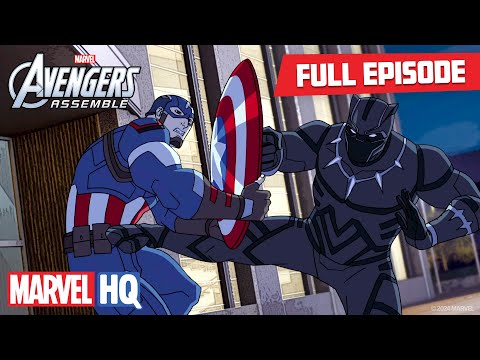
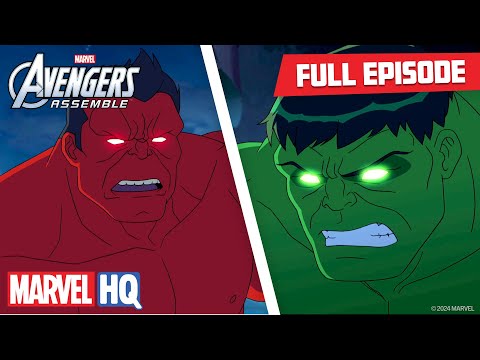
The most common place you will hear the word avengers today is in the context of global entertainment, specifically the Marvel Cinematic Universe (MCU). Since the release of the first 'Avengers' movie in 2012, the word has become a household name, synonymous with a diverse group of superheroes like Iron Man, Captain America, and Thor. In this context, you hear it in movie trailers, toy commercials, fan theories, and news reports about box office records. It has become a brand. However, if you look beyond the blockbuster films, you will find the word in many other spheres of life. In literature, it is a frequent term in 'revenge tragedies' or historical fiction. For example, in discussions of Alexandre Dumas' 'The Count of Monte Cristo,' the protagonist is often described as an avenger. In these academic or literary settings, the word is used to analyze the moral complexity of the character's journey. You might hear a professor say, 'The protagonist's role as one of the avengers of his own past leads to his eventual isolation.' This highlights the word's deeper, more philosophical roots in human storytelling.
- Pop Culture Dominance
- The word is now a multi-billion dollar brand, often used to describe any group of high-profile people collaborating on a project.
The news anchor referred to the team of elite lawyers as the avengers of the legal world.
In the world of sports, the word 'avengers' is frequently used by commentators and journalists to describe a team that is seeking to redeem themselves after a humiliating defeat. You might hear, 'After last year's loss, they have returned as the avengers of their own reputation.' This usage taps into the emotional narrative of a 'comeback' fueled by a desire to set things right. Similarly, in political discourse, the word can be used as a rhetorical tool. A politician might claim to be one of the 'avengers of the middle class,' promising to punish those they claim have exploited the common people. Here, the word is used to evoke a sense of protection and righteous anger. It is a powerful way to frame a political platform as a moral crusade. You will also encounter the word in historical documentaries, particularly those focusing on the aftermath of wars. 'The Avengers' (Nakam) was a real-life group of Jewish assassins who targeted Nazi war criminals after World War II. Hearing the word in this context brings a chilling, real-world gravity to the term, reminding us that the concept of avenging is not just for fiction but has played a role in the darkest chapters of human history.
- Sports Journalism
- Used to describe a 'revenge match' or a team looking to overcome a previous failure.
The headline read: 'The avengers of the court return for the championship title.'
Furthermore, the word appears in the titles of various media beyond Marvel. There was a famous British television series in the 1960s called 'The Avengers,' which featured secret agents. This shows that the term has long been a favorite for stories involving justice and clandestine operations. In video games, you might find characters or factions named 'The Avengers' or 'The Avenging Order,' usually representing a group that seeks to punish players or NPCs for their actions. This interactive use of the word reinforces the idea of 'consequence.' Even in music, you might find song lyrics or band names that use the word to project an image of toughness and retribution. For example, the punk rock band 'The Avengers' used the name to signal their rebellious, anti-establishment stance. In all these contexts—from the heights of Hollywood to the grit of the punk scene—the word 'avengers' serves as a shorthand for a specific type of character: one who is defined by their response to an injury. It is a word that resonates because it speaks to a universal human experience: the desire to see justice done when we have been wronged.
In the video game, the 'Dark avengers' are a faction that hunts players who have committed crimes in the city.
- Historical Reality
- Real groups, like the 'Nakam' avengers, show the serious and often tragic side of the word's meaning.
The poet described the falling leaves as the avengers of the summer, burying the green world in gold.
During the protest, the marchers called themselves the avengers of the future, fighting for climate justice.
One of the most frequent mistakes people make with the word avengers is confusing it with the word 'revengers.' While both words exist and share a similar root, they carry different connotations in modern English. 'Avenging' is generally seen as a more noble or justified act—it is about seeking justice for a wrong done to someone else or for a moral cause. 'Revenging' (or seeking revenge), on the other hand, is often viewed as more personal, selfish, and potentially malicious. If you call a group 'the revengers,' you might be implying they are petty or acting out of pure spite. If you call them 'the avengers,' you are framing them as heroes or agents of justice. Another common error is failing to capitalize the word when referring to the specific Marvel superhero team. In a formal essay about cinema, writing 'the avengers' in lowercase when you mean the movie franchise is a stylistic error. Conversely, capitalizing 'Avengers' when you are just talking about a general group of people seeking retribution (e.g., 'The Avengers of the local park') can be confusing, as it makes the reader look for a connection to comic books that isn't there.
- Avenge vs. Revenge
- Avenge is usually for others/justice; Revenge is usually for oneself/spite. Avengers are the 'good' version.
He didn't want to be one of the avengers; he just wanted his money back.
Grammatically, a common mistake is using 'avengers' as a singular noun. Because it ends in 's,' some learners might treat it like 'news' or 'mathematics' and use a singular verb. However, 'avengers' is a standard plural count noun. You must say 'The avengers are...' and not 'The avengers is...' unless you are specifically referring to the title of a single movie (e.g., 'The Avengers is a great film'). Another subtle mistake is the misuse of the preposition that follows the word. People often say 'avengers to' a crime, but the correct preposition is usually 'of' or 'for.' You are an 'avenger of' a victim or 'avenger for' a cause. Using the wrong preposition can make the sentence sound clunky and non-native. Additionally, some writers use 'avengers' when they actually mean 'vigilantes.' While many avengers are vigilantes, the words are not perfectly synonymous. A vigilante is someone who takes the law into their own hands, often for any crime. An avenger is specifically focused on a past injury or wrong. An avenger's motivation is always retrospective, whereas a vigilante might be proactive. Using 'avengers' to describe a group that is just 'patrolling' without a specific wrong to right is a slight misuse of the term's core meaning.
- Singular vs. Plural
- Remember: One avenger, two avengers. Use 'are,' 'were,' 'have,' and 'do' with the plural form.
The avengers of the fallen king were relentless in their pursuit of the usurper.
Finally, there is the mistake of overusing the word in contexts where it doesn't fit the scale of the situation. Because of its association with epic superheroes and grand historical retribution, using 'avengers' for minor social slights can come across as overly dramatic or even ridiculous. For example, if a group of students complains about a slightly difficult test, calling them 'the avengers of the classroom' is clearly hyperbolic. While this can be used for comedic effect, in serious writing, it's better to use more grounded terms like 'protesters,' 'advocates,' or 'critics' unless the situation truly involves a significant 'wrong' being 'avenged.' Understanding the 'register' or the level of intensity associated with 'avengers' is key to using it effectively. It is a high-intensity word. Use it when the stakes are high, the emotions are deep, and the sense of justice is paramount. By avoiding these common pitfalls—confusing it with revenge, failing to capitalize when necessary, making grammatical errors, and misjudging the scale—you can use 'avengers' to add power and precision to your English communication.
Some critics argue that the avengers in the story are no better than the villains they fight.
- Register and Scale
- 'Avengers' is a 'big' word. Use it for big events, big emotions, and big consequences.
The avengers of the environment are often ordinary people doing extraordinary things.
He mistakenly thought 'the avengers' was a singular entity, like a single person's name.
When you want to describe people who are seeking justice or retribution, avengers is a powerful choice, but it isn't the only one. Depending on the context and the 'flavor' of the action, you might choose a different word. A common alternative is retaliators. This word is more neutral and often used in military or political contexts. While an 'avenger' sounds like they are on a moral mission, a 'retaliator' is simply someone who hits back after being hit. It is a more mechanical, less emotional term. Another close synonym is punishers. This emphasizes the consequence rather than the motivation. If you call a group 'the punishers,' you are focusing on the fact that they are dealing out pain or penalties. This word is often associated with a more brutal, less 'heroic' form of justice. Then there is vigilantes. As mentioned before, vigilantes take the law into their own hands. This word often carries a negative or controversial connotation, suggesting that the group might be breaking the law themselves or acting without proper authority. Use 'vigilantes' if you want to highlight the illegality or the danger of their actions.
- Avenger vs. Retaliator
- Avenger: Moral, justice-focused, often heroic. Retaliator: Reactive, often military/political, neutral tone.
The avengers sought to restore the family's honor, while the retaliators just wanted to destroy the enemy's base.
For a more formal or literary tone, you might use vindicators. To vindicate someone is to clear them of blame or to prove that they were right. Therefore, 'vindicators' are those who act to restore someone's reputation or to prove that a cause was just. This is a much 'cleaner' and more intellectual word than 'avengers.' It suggests a battle of ideas or legal standing rather than a physical confrontation. On the other hand, if the motivation is purely personal and driven by anger, revengers is the technically correct (though less common) term. In Shakespearean studies, you will often hear about 'revengers' in plays like 'Hamlet' or 'The Spanish Tragedy.' In these cases, the focus is on the psychological toll that the desire for revenge takes on the individual. If you want to describe a group that is protecting the weak, defenders or guardians are excellent alternatives. These words shift the focus from 'punishing the bad guy' to 'keeping the good people safe.' They are more positive and less focused on the past injury.
- Avenger vs. Vigilante
- Avenger: Focused on a specific past wrong. Vigilante: Focused on general law enforcement outside the system.
The town didn't need avengers to look back at old crimes; it needed guardians to prevent new ones.
In a modern, corporate, or competitive setting, you might hear the term disruptors. While not a direct synonym, disruptors are often seen as 'avenging' a stagnant market or 'punishing' old, inefficient companies by providing a better alternative. This is a very 'business-speak' way of using the concept. Another interesting alternative is nemeses (the plural of nemesis). A nemesis is a long-standing rival or an arch-enemy who seems destined to bring about one's downfall. If a group acts as the 'avengers' of a certain person, they effectively become that person's nemesis. Finally, consider the word champions. A champion fights on behalf of someone else. While an avenger fights to punish a wrong, a champion fights to win a victory for their cause. The two roles often overlap, but 'champion' is almost always purely positive, whereas 'avenger' always has that dark edge of retribution. Choosing between these words allows you to fine-tune the moral and emotional landscape of your writing, ensuring that your readers understand exactly what kind of 'justice' is being sought.
They were the avengers of the lost cause, refusing to let the memory of the movement die.
- Avenger vs. Champion
- Avenger: Focuses on the past (the injury). Champion: Focuses on the present/future (the victory).
The legal avengers worked pro bono to ensure the victims received their settlements.
The story follows a group of avengers who are more interested in fame than actual justice.
How Formal Is It?
趣味小知识
The word 'avenge' and 'vindicate' share the same Latin root 'vindicare'. This is why an avenger is often seen as someone who 'vindicates' the victim by punishing the criminal.
发音指南
- Pronouncing the 'g' like a hard 'g' in 'go'. It should be a 'j' sound.
- Putting the stress on the first syllable: A-vengers (incorrect).
- Missing the final 'z' sound and saying 'avenger-ss'.
- Pronouncing the first 'a' too strongly like 'ay' in 'day'.
- Forgetting the 'r' sound in the US pronunciation.
难度评级
Easy to recognize due to pop culture, but literary uses can be more complex.
Requires careful use of plural verbs and possessive apostrophes.
The 'j' sound and final 'z' can be tricky for some learners.
Very common in media, making it easy to pick out in conversation.
接下来学什么
前置知识
接下来学习
高级
需要掌握的语法
Plural Noun Agreement
The avengers *are* (not is) ready.
Plural Possessive Apostrophe
The avengers' headquarters is secret.
Collective Noun Treatment
The team of avengers *has* (singular team) or *have* (plural members) arrived.
Capitalization of Proper Names
I saw *The Avengers* (movie) vs. I saw the *avengers* (general group).
Prepositional Phrases with 'Of'
They are the avengers *of* the poor.
按水平分级的例句
The avengers are very strong.
Los vengadores son muy fuertes.
Use 'are' because 'avengers' is plural.
I like the movie about the avengers.
Me gusta la película sobre los vengadores.
The word 'the' often comes before 'avengers'.
The avengers help the city.
Los vengadores ayudan a la ciudad.
Simple present tense for a general fact.
Are the avengers your friends?
¿Son los vengadores tus amigos?
Question form with 'are'.
The avengers wear cool clothes.
Los vengadores usan ropa genial.
Plural noun + plural verb.
Many avengers have special powers.
Muchos vengadores tienen poderes especiales.
'Many' is used with plural count nouns.
The avengers fight the bad man.
Los vengadores luchan contra el hombre malo.
Action verb 'fight' in plural form.
We want to be avengers.
Queremos ser vengadores.
Plural complement after 'to be'.
The avengers arrived after the monster left.
Los vengadores llegaron después de que el monstruo se fue.
Past tense 'arrived' shows they came later.
They are the avengers of the small village.
Ellos son los vengadores de la pequeña aldea.
Using 'of' to show who they protect.
The avengers want to find the stolen gold.
Los vengadores quieren encontrar el oro robado.
'Want' is the plural verb form.
He called his friends the 'school avengers'.
Él llamó a sus amigos los 'vengadores de la escuela'.
Using a nickname in quotes.
The avengers worked together to win.
Los vengadores trabajaron juntos para ganar.
Focus on teamwork.
Who are the real avengers in this story?
¿Quiénes son los verdaderos vengadores en esta historia?
Question word 'who' with plural 'are'.
The avengers do not like mean people.
A los vengadores no les gusta la gente mala.
Negative form 'do not'.
The avengers' base is hidden in the mountains.
La base de los vengadores está escondida en las montañas.
Plural possessive 'avengers''.
The avengers sought justice for the victims of the fire.
Los vengadores buscaron justicia para las víctimas del incendio.
Sought is the past tense of seek.
In the book, the avengers are not always the good guys.
En el libro, los vengadores no siempre son los buenos.
Contrasting identity and morality.
The community saw the lawyers as the avengers of their rights.
La comunidad vio a los abogados como los vengadores de sus derechos.
Metaphorical use of the word.
They became avengers after their home was destroyed.
Se convirtieron en vengadores después de que su hogar fuera destruido.
Shows the cause of their new identity.
The avengers' mission was to catch the thief.
La misión de los vengadores era atrapar al ladrón.
Possessive plural noun.
Do you think the avengers were right to take the law into their hands?
¿Crees que los vengadores tenían razón al tomar la ley en sus manos?
Asking about moral judgment.
The avengers of the forest fought against the loggers.
Los vengadores del bosque lucharon contra los leñadores.
Specific group identity.
The legend tells of three avengers who saved the kingdom.
La leyenda habla de tres vengadores que salvaron el reino.
Using a number with the noun.
The avengers were driven by a deep sense of moral obligation.
Los vengadores estaban impulsados por un profundo sentido de obligación moral.
Passive voice 'were driven by'.
Critics argue that the avengers' actions only led to more violence.
Los críticos argumentan que las acciones de los vengadores solo llevaron a más violencia.
Discussing consequences.
The film portrays the avengers as flawed individuals with complex motives.
La película retrata a los vengadores como individuos con defectos y motivos complejos.
Describing character depth.
Unlike simple vigilantes, these avengers sought to restore the legal order.
A diferencia de los simples vigilantes, estos vengadores buscaban restaurar el orden legal.
Comparison using 'unlike'.
The avengers of the oppressed rose up against the dictator.
Los vengadores de los oprimidos se levantaron contra el dictador.
Phrasal verb 'rose up'.
Their reputation as avengers made their enemies fear them.
Su reputación como vengadores hizo que sus enemigos les temieran.
Noun phrase as a subject.
The avengers' goal was not profit, but the restoration of honor.
El objetivo de los vengadores no era el beneficio, sino la restauración del honor.
Contrast using 'not... but'.
Are the avengers truly heroes if they break the law to achieve justice?
¿Son los vengadores verdaderamente héroes si rompen la ley para lograr justicia?
Conditional 'if' clause.
The narrative explores the psychological burden carried by the avengers.
La narrativa explora la carga psicológica que llevan los vengadores.
Advanced vocabulary: 'narrative', 'psychological burden'.
The avengers of the truth refused to be silenced by the corrupt regime.
Los vengadores de la verdad se negaron a ser silenciados por el régimen corrupto.
Metaphorical application.
In the play, the avengers are ultimately consumed by their own quest for retribution.
En la obra, los vengadores son finalmente consumidos por su propia búsqueda de retribución.
Thematic analysis.
The historian described the group as the 'avengers of a forgotten generation'.
El historiador describió al grupo como los 'vengadores de una generación olvidada'.
Using quotes for a specific title.
The avengers' intervention prevented a total collapse of the social order.
La intervención de los vengadores evitó un colapso total del orden social.
Abstract noun 'intervention'.
Society often has a love-hate relationship with its self-appointed avengers.
La sociedad a menudo tiene una relación de amor-odio con sus vengadores autoproclamados.
Compound adjective 'self-appointed'.
The poem depicts the winter winds as the avengers of the dying year.
El poema describe los vientos de invierno como los vengadores del año que muere.
Personification.
Could the avengers be considered agents of divine will?
¿Podrían los vengadores ser considerados agentes de la voluntad divina?
Modal verb 'could' for possibility.
The ethical dilemma lies in whether the avengers possess the moral authority to act.
El dilema ético radica en si los vengadores poseen la autoridad moral para actuar.
Complex sentence structure with 'whether'.
The avengers of historical grievances often find themselves trapped in an endless cycle of violence.
Los vengadores de agravios históricos a menudo se encuentran atrapados en un ciclo interminable de violencia.
Discussing systemic issues.
The protagonist's transition from victim to one of the avengers marks the story's turning point.
La transición del protagonista de víctima a uno de los vengadores marca el punto de inflexión de la historia.
Gerund phrase as a subject.
The avengers' quest for justice was inextricably linked to their own personal trauma.
La búsqueda de justicia de los vengadores estaba inextricablemente ligada a su propio trauma personal.
Adverb 'inextricably'.
The film deconstructs the myth of the avengers as purely altruistic saviors.
La película deconstruye el mito de los vengadores como salvadores puramente altruistas.
Academic verb 'deconstructs'.
In the absence of a functioning judiciary, the avengers became the de facto law of the land.
En ausencia de un poder judicial que funcione, los vengadores se convirtieron en la ley de facto de la tierra.
Latin phrase 'de facto'.
The avengers of the disenfranchised sought to dismantle the structures of power.
Los vengadores de los marginados buscaron desmantelar las estructuras de poder.
Sophisticated vocabulary: 'disenfranchised', 'dismantle'.
The sheer scale of the avengers' retaliation was unprecedented in modern history.
La magnitud de la represalia de los vengadores no tuvo precedentes en la historia moderna.
Noun 'retaliation' used with the possessive.
常见搭配
常用短语
— A call for a team to gather and take action. Originally from Marvel comics.
The manager shouted, 'Avengers, assemble!' to start the emergency meeting.
— To take on the role of punishing a specific wrong. It defines one's purpose.
He wanted to be an avenger of his family's lost reputation.
— An ancient term for family members who punish a killer. It refers to tribal justice.
In the old laws, the avengers of blood were allowed to seek the murderer.
— Taking on the responsibility of retribution. It implies a temporary role.
The students were acting as avengers for their favorite teacher who was fired.
— A group united by the goal of righting a wrong. It emphasizes collective action.
The investigation was led by a team of avengers from different departments.
— The coming back of a group to settle a score. Often used in sports or sequels.
The fans are eagerly awaiting the avengers' return to the stadium.
— Those who seek justice quietly or without public recognition. It implies mystery.
The hackers were the silent avengers of the internet, exposing scams.
— The act of righting old wrongs. It connects current actions to history.
The new law was a way of avenging the past injustices of the city.
— The most powerful or final group to seek justice. It implies a peak level.
They were considered the ultimate avengers of civil liberties.
— A poetic way to describe those who act in secret or at night. Often used in fiction.
The owls were the avengers of the night, hunting the rodents.
容易混淆的词
Revengers seek personal, often petty revenge. Avengers seek more justified or noble retribution.
Vigilantes take the law into their own hands generally. Avengers respond to a specific past injury.
Retaliators hit back in a neutral or military sense. Avengers have a stronger moral or emotional drive.
习语与表达
— To act as if one has the right to punish others for a wrong. Often used critically.
Stop trying to play the avenger; let the police handle the investigation.
informal— The idea that a wrong must be repaid with a punishment. It is a metaphorical debt.
He felt he owed the avengers' debt to his ancestors.
literary— A person who punishes someone for a wrong, often seen as a divine or pure act.
She was like an avenging angel, exposing the CEO's lies to the world.
literary— To bring together a group of experts or strong people to solve a major problem.
We need to assemble the avengers of the marketing world for this launch.
informal/humorous— The core philosophy of many avengers: a life for a life or equal punishment.
The avengers' motto was 'blood for blood' in the ancient legends.
archaic— The goal of avengers: to make things fair again. It refers to the scales of justice.
The avengers fought not for hate, but to right the scales of the city.
literary— Often associated with avenging: the idea that retribution is better when planned carefully.
The avengers waited years to strike; revenge is a dish best served cold.
informal— What avengers do: to pay someone back for a past injury.
The avengers arrived at the castle to finally settle the score with the wizard.
informal— The idea that an avenger will eventually find and punish the wrongdoer, no matter where they hide.
The criminal soon felt the long arm of the avenger reaching into his hiding place.
dramatic— The principle of retributive justice that drives many avengers.
The avengers lived by the rule of an eye for an eye.
formal/biblical容易混淆
Both relate to the same root.
Vengeance is the abstract noun (the act), while avengers are the people who do it.
The avengers sought vengeance for the crime.
Very similar meaning.
Revenge is often more personal and negative. Avenging is seen as more righteous.
He wanted revenge, but the avengers wanted justice.
Both involve righting a wrong.
Vindication is about proving someone was right or innocent. Avenging is about punishing the person who was wrong.
The avengers' victory provided the victims with the vindication they needed.
Both involve punishment.
Retribution is the punishment itself. Avengers are the ones who deliver it.
The avengers were the instruments of the city's retribution.
They are often used together.
Justice is the fair outcome. Avengers are one (sometimes controversial) way to get there.
The avengers believed they were the only ones who could bring justice.
句型
The avengers are [adjective].
The avengers are brave.
They are the avengers of [place].
They are the avengers of the town.
The avengers sought to [verb].
The avengers sought to help the victims.
Acting as avengers, they [verb in past].
Acting as avengers, they exposed the truth.
The avengers' quest for [noun] was [adjective].
The avengers' quest for retribution was relentless.
Whether the avengers were [adjective] remains a [noun].
Whether the avengers were justified remains a subject of debate.
The [noun] became the avengers of [noun].
The workers became the avengers of their own rights.
Driven by [noun], the avengers [verb].
Driven by anger, the avengers attacked.
词族
名词
动词
形容词
相关
如何使用
Very high in pop culture; moderate in general literature and news.
-
The avengers is coming.
→
The avengers are coming.
'Avengers' is a plural noun and requires a plural verb.
-
He is an avengers.
→
He is an avenger.
Use the singular 'avenger' when referring to only one person.
-
The avenger's mission was to save the world.
→
The avengers' mission was to save the world.
If referring to the whole team, the apostrophe must go after the 's'.
-
They are the avengers to the crime.
→
They are the avengers of the crime.
The preposition 'of' is typically used to link avengers to the wrong they are addressing.
-
I love the avengers movies.
→
I love the Avengers movies.
When referring to the specific movie franchise, 'Avengers' should be capitalized.
小贴士
Plural Agreement
Always remember that 'avengers' is plural. Use 'they', 'their', and plural verbs like 'are' or 'have'.
Capitalization
Capitalize 'The Avengers' for the movie team. Use lowercase 'avengers' for general groups seeking justice.
Avenge vs. Revenge
Use 'avengers' when the cause feels just or noble. Use 'revengers' if the motive feels petty or purely personal.
Use with 'Of'
To make your writing more specific, follow 'avengers' with 'of' and the name of the victim or cause (e.g., 'avengers of the poor').
The 'J' Sound
The 'g' in 'avengers' is soft, like the 'j' in 'jump'. Avoid a hard 'g' sound like in 'goat'.
Cultural Awareness
Be aware that in some cultures, 'avenging' is a serious real-world concept related to family honor, not just a movie term.
Possessive Plural
The possessive form is 'avengers''. The apostrophe goes after the 's' because it is a plural noun.
Archetypes
When reading literature, look for the 'avenger' archetype—a character driven by a past wrong. It helps you understand their motives.
Metaphorical Fun
You can use 'avengers' jokingly for a group of people fixing a small problem, like 'the avengers of the spilled milk'.
Retrospective Action
Remember that avengers always act *after* something bad has happened. They are reactive, not proactive.
记住它
记忆技巧
Think of 'A-V-E-N-G-E-R-S': Always Vigilant, Ensuring No Great Evil Remains Safe. This helps you remember they are a team that acts against evil.
视觉联想
Imagine a giant set of scales (like the scales of justice). On one side is a 'wrong deed.' On the other side, a group of heroes (the avengers) is jumping on to make the scales level again.
Word Web
挑战
Try to use 'avengers' in three different ways today: once about a movie, once about a sports team, and once metaphorically about a group of people you know (like 'the avengers of the messy kitchen').
词源
The word 'avengers' comes from the Middle English 'avengen', which was borrowed from the Old French 'avengier'. This French word was built from the prefix 'a-' (meaning 'to') and 'vengier' (meaning 'to take revenge'). Going further back, it traces to the Latin 'vindicare', which means 'to lay claim to', 'to set free', or 'to punish'.
原始含义: The original meaning was centered on the idea of claiming justice or vindicating someone who had been wronged. It was a legal and moral term before it became a dramatic one.
It is part of the Indo-European family, specifically the Romance branch via French, but integrated into the Germanic-rooted English language.文化背景
Be careful when using 'avengers' in real-world conflict zones, as it can imply a support for vigilante violence or blood feuds.
In the US and UK, the word is currently dominated by the Marvel franchise. Using it in other contexts might require more explanation to avoid confusion.
在生活中练习
真实语境
Movies and Entertainment
- blockbuster avengers
- superhero avengers
- the latest avengers film
- fan-favorite avengers
Literature and Mythology
- tragic avengers
- divine avengers
- the avenger archetype
- seeking to avenge
Sports and Competition
- the avengers of the court
- seeking to avenge a loss
- the team's avenging spirit
- settling the score
Social Justice and Activism
- avengers of the environment
- avengers of civil rights
- fighting for the oppressed
- righting the wrongs
Legal and Historical
- avengers of the law
- historical avengers
- the role of the avenger
- retributive avengers
对话开场白
"Who is your favorite character among the movie avengers and why?"
"Do you think real-life avengers are necessary when the law fails?"
"If you could be one of the avengers of a certain cause, what would it be?"
"Why do you think the concept of 'avenging' is so popular in stories?"
"Can you think of a time when a group acted as the avengers of a small mistake?"
日记主题
Write about a fictional team of avengers you would create to solve a problem in your city.
Reflect on the difference between seeking revenge and being one of the avengers of justice.
Describe a historical event where a group acted as avengers for their people.
How has the meaning of the word 'avengers' changed for you after learning its history?
Imagine you are a journalist interviewing a group of self-appointed avengers. What questions would you ask?
常见问题
10 个问题No. You only capitalize it when referring to the specific Marvel team or a specific title like 'The Avengers'. When using it as a general noun for people seeking justice, use lowercase.
The singular form is 'avenger'. For example, 'He was a lone avenger.' However, the word is very commonly used in the plural to suggest a team or collective effort.
No, 'avengers' is plural. If you are talking about one person, you must use 'avenger'. If you are talking about a group, use 'avengers'.
In modern culture, they are usually heroes. However, in literature and history, avengers can be morally complex or even villains if their pursuit of retribution causes too much harm.
For more than one avenger, it is 'avengers''. For example, 'The avengers' plan worked.' For one avenger, it is 'avenger's'. For example, 'The avenger's sword was sharp.'
'Avenge' is usually a verb meaning to seek justice for someone else. 'Revenge' is often a noun or verb meaning to get back at someone for a personal slight. Avengers are generally seen as more 'noble'.
In the comics, the character Wasp suggested the name, saying they should be 'something colorful and dramatic, like the Avengers.' It implies they will avenge the wrongs that no single hero could handle.
Yes. You can call any group that 'punishes' a failure or rights a wrong 'avengers'. For example, 'The new laws were the avengers of the old, corrupt system.'
It is very common when talking about movies. In other contexts, it is less common but still used in news, sports, and literature to add drama and emphasis.
Common synonyms include retaliators, punishers, vigilantes, and vindicators. Each has a slightly different meaning and 'feeling'.
自我测试 200 个问题
Write a sentence using 'avengers' to describe a team of heroes.
Well written! Good try! Check the sample answer below.
Explain the difference between 'avengers' and 'vigilantes' in your own words.
Well written! Good try! Check the sample answer below.
Write a metaphorical sentence using 'avengers of the truth'.
Well written! Good try! Check the sample answer below.
Use the possessive plural 'avengers'' in a sentence.
Well written! Good try! Check the sample answer below.
Describe a time when you and your friends acted like 'avengers'.
Well written! Good try! Check the sample answer below.
Write a short story (3 sentences) about a group of avengers.
Well written! Good try! Check the sample answer below.
Use the word 'avengers' in a formal context.
Well written! Good try! Check the sample answer below.
Create a slogan for a team of avengers.
Well written! Good try! Check the sample answer below.
Discuss the moral complexity of avengers in one paragraph.
Well written! Good try! Check the sample answer below.
Write a sentence using 'avengers' and 'justice'.
Well written! Good try! Check the sample answer below.
Write a dialogue between two people talking about the Avengers movie.
Well written! Good try! Check the sample answer below.
Use 'avengers' to describe a sports team.
Well written! Good try! Check the sample answer below.
Write a sentence using 'avengers' and 'retribution'.
Well written! Good try! Check the sample answer below.
Describe the appearance of a group of avengers.
Well written! Good try! Check the sample answer below.
Explain why 'avengers' is a plural noun.
Well written! Good try! Check the sample answer below.
Write a sentence using 'avengers' and 'oppressed'.
Well written! Good try! Check the sample answer below.
Use 'avengers' in a sentence about history.
Well written! Good try! Check the sample answer below.
Write a sentence about 'silent avengers'.
Well written! Good try! Check the sample answer below.
Explain the etymology of 'avengers' in one sentence.
Well written! Good try! Check the sample answer below.
Write a sentence using 'avengers' and 'assemble'.
Well written! Good try! Check the sample answer below.
Pronounce the word 'avengers' correctly.
Read this aloud:
你说的:
Speech recognition is not supported in your browser. Try Chrome or Edge.
Describe your favorite member of the Avengers team.
Read this aloud:
你说的:
Speech recognition is not supported in your browser. Try Chrome or Edge.
Talk about why people like stories about avengers.
Read this aloud:
你说的:
Speech recognition is not supported in your browser. Try Chrome or Edge.
Discuss the difference between 'avenge' and 'revenge' out loud.
Read this aloud:
你说的:
Speech recognition is not supported in your browser. Try Chrome or Edge.
Explain the metaphorical use of 'avengers of the truth'.
Read this aloud:
你说的:
Speech recognition is not supported in your browser. Try Chrome or Edge.
Say 'Avengers, assemble!' with enthusiasm.
Read this aloud:
你说的:
Speech recognition is not supported in your browser. Try Chrome or Edge.
Describe a situation where you might need a team of avengers.
Read this aloud:
你说的:
Speech recognition is not supported in your browser. Try Chrome or Edge.
Discuss whether avengers are always 'good' people.
Read this aloud:
你说的:
Speech recognition is not supported in your browser. Try Chrome or Edge.
Summarize the history of the word 'avengers'.
Read this aloud:
你说的:
Speech recognition is not supported in your browser. Try Chrome or Edge.
Tell a short joke using the word 'avengers'.
Read this aloud:
你说的:
Speech recognition is not supported in your browser. Try Chrome or Edge.
Explain the plural possessive form 'avengers''.
Read this aloud:
你说的:
Speech recognition is not supported in your browser. Try Chrome or Edge.
Talk about the role of avengers in Ancient Greek myths.
Read this aloud:
你说的:
Speech recognition is not supported in your browser. Try Chrome or Edge.
Describe a sports team as 'avengers'.
Read this aloud:
你说的:
Speech recognition is not supported in your browser. Try Chrome or Edge.
Use 'avengers' in a sentence about your family.
Read this aloud:
你说的:
Speech recognition is not supported in your browser. Try Chrome or Edge.
Discuss the impact of the Avengers movies on the world.
Read this aloud:
你说的:
Speech recognition is not supported in your browser. Try Chrome or Edge.
Explain the 'j' sound in 'avengers'.
Read this aloud:
你说的:
Speech recognition is not supported in your browser. Try Chrome or Edge.
Talk about 'silent avengers' in real life.
Read this aloud:
你说的:
Speech recognition is not supported in your browser. Try Chrome or Edge.
Say the rhymes for 'avengers'.
Read this aloud:
你说的:
Speech recognition is not supported in your browser. Try Chrome or Edge.
Describe the moral duty of an avenger.
Read this aloud:
你说的:
Speech recognition is not supported in your browser. Try Chrome or Edge.
Explain the word 'avengers' to a child.
Read this aloud:
你说的:
Speech recognition is not supported in your browser. Try Chrome or Edge.
Listen and identify the word: 'The avengers are here.'
Listen for the stress: 'a-VEN-gers'. Which syllable is stressed?
Listen and identify the possessive: 'The avengers' plan.'
Listen and identify the singular: 'He is an avenger.'
Listen for the 'j' sound in 'avengers'. Is it hard or soft?
Listen and identify the phrase: 'Avengers, assemble!'
Listen for the schwa sound at the start of 'avengers'.
Listen and identify the synonym used: 'The retaliators arrived.'
Listen and identify the context: 'The avengers of the forest.'
Listen and identify the plural: 'Three avengers.'
Listen for the final 'z' sound in 'avengers'.
Listen and identify the metaphorical use: 'The avengers of summer.'
Listen and identify the proper noun: 'The Avengers movie.'
Listen and identify the verb form: 'They will avenge the wrong.'
Listen and identify the tone: 'The self-appointed avengers.'
/ 200 correct
Perfect score!
Summary
The word 'avengers' describes those who act as agents of retribution. While it has deep roots in literature and mythology as a term for justice-seekers, it is now a global cultural icon representing teamwork, heroism, and the restoration of order after a crisis. Example: 'The avengers of the truth worked tirelessly to expose the scandal.'
- Avengers are people who seek justice by punishing those who have done wrong.
- The term is famously used for a team of Marvel superheroes who save the world.
- It differs from 'revenge' by often implying a more noble or justified motivation.
- Grammatically, it is a plural noun and requires plural verbs and possessive forms.
Plural Agreement
Always remember that 'avengers' is plural. Use 'they', 'their', and plural verbs like 'are' or 'have'.
Capitalization
Capitalize 'The Avengers' for the movie team. Use lowercase 'avengers' for general groups seeking justice.
Avenge vs. Revenge
Use 'avengers' when the cause feels just or noble. Use 'revengers' if the motive feels petty or purely personal.
Use with 'Of'
To make your writing more specific, follow 'avengers' with 'of' and the name of the victim or cause (e.g., 'avengers of the poor').