doom 30秒了解
- Doom is a powerful noun and verb that describes an inescapable, disastrous fate or the act of condemning something to such an end.
- It is frequently used in literature, news, and pop culture to evoke a sense of finality, tragedy, and overwhelming negativity.
- Commonly found in phrases like 'impending doom,' 'doom and gloom,' and the modern term 'doomscrolling' for consuming negative news.
- Unlike 'fate,' which can be positive, 'doom' is exclusively negative and implies that the bad outcome is already decided and certain.
The word doom is a heavy, evocative term that carries the weight of finality and unavoidable misfortune. In its noun form, it describes a destiny that is overwhelmingly negative—think of a total collapse, death, or a catastrophic failure that cannot be escaped. When we speak of someone's doom, we aren't just talking about a bad day; we are talking about a definitive end or a ruinous fate. Historically, the word comes from the Old English 'dom,' which meant judgment or law. Over centuries, the meaning shifted from a neutral legal judgment to the ultimate negative judgment: condemnation and destruction. Today, it is used to describe feelings of existential dread or the certain failure of a project, relationship, or even a civilization.
- Existential Context
- In modern psychological terms, 'doom' often appears in the context of 'doomscrolling'—the act of continuously consuming bad news on social media, leading to a sense of impending disaster for the world.
The ancient prophecies spoke of a great fire that would bring doom to the kingdom.
As a verb, 'to doom' means to fix the fate of someone or something as unhappy or disastrous. If a plan is 'doomed from the start,' it means that failure was inevitable because of a fundamental flaw. It is a powerful word because it removes the element of hope; once something is doomed, the outcome is settled. In literature and film, 'doom' is a central theme in tragedies where the protagonist's flaws or external forces lead them toward a predetermined, catastrophic end. It is also a staple in science fiction and environmental discourse, where 'doomsday' scenarios explore the potential end of human life on Earth due to climate change or nuclear war.
- Literary Usage
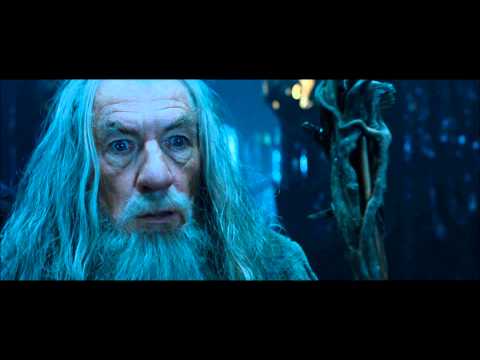
- Authors like J.R.R. Tolkien used the word to evoke a sense of ancient, unchangeable destiny, such as 'Mount Doom' in The Lord of the Rings.
His arrogance would eventually doom the entire expedition to failure.
The emotional resonance of 'doom' is what makes it so effective in headlines and storytelling. It taps into a primal human fear of the unknown and the uncontrollable. When we use it, we are signaling that the situation has moved beyond the point of simple correction. It is a word of finality. Whether it is a 'sense of doom' felt before a storm or a 'doomed romance' in a classic novel, the word consistently points toward a dark horizon. It is also frequently paired with 'gloom' in the phrase 'doom and gloom,' which describes a general state of pessimism and negativity about the future.
Despite the doom and gloom of the news, she remained optimistic about the community's resilience.
- Theological Roots
- Historically, 'Doomsday' refers to the Day of Judgment in Christian theology, the final accounting of all souls.
The heavy clouds seemed to signal the doom of the small coastal village.
To ignore the warning signs is to doom ourselves to repeating history.
Using 'doom' correctly requires an understanding of its dramatic weight. As a noun, it often functions as the object of a preposition or the subject of a sentence describing a dark fate. You might say someone 'met their doom' or that 'doom hangs over' a place. It is frequently used with adjectives like 'impending,' 'certain,' or 'inevitable' to emphasize that the bad outcome is coming soon and cannot be stopped. In academic or formal writing, 'doom' can be used to describe the failure of a policy or a theory, though it remains a highly emotive word that should be used sparingly to maintain its impact.
- Noun Phrases
- Common structures include 'a sense of doom,' 'the crack of doom,' and 'prophecies of doom.'
A sudden sense of doom washed over him as the engine sputtered and died.
When using 'doom' as a verb, it is most commonly found in the passive voice: 'to be doomed.' This construction emphasizes that the subject is the victim of fate or poor circumstances. For example, 'The project was doomed by a lack of funding.' You can also use it in the active voice to describe an action that causes a negative outcome: 'This decision will doom the company.' It is often followed by the preposition 'to' and a noun or infinitive verb, such as 'doomed to failure' or 'doomed to repeat the past.' This 'doomed to [something]' pattern is one of the most frequent ways English speakers use the word in daily conversation and literature.
- Verb Patterns
- The most common pattern is [Subject] + [be] + doomed + [to + noun/verb].
Without proper maintenance, the bridge is doomed to collapse within a decade.
In more creative or hyperbolic contexts, 'doom' can be used to describe minor inconveniences for comedic effect. For instance, a student might say, 'I forgot my calculator; I'm doomed!' This usage plays on the word's extreme meaning to highlight the speaker's stress. However, in professional or serious contexts, 'doom' should be reserved for genuinely catastrophic outcomes. It is also important to distinguish 'doom' from 'fate.' While 'fate' can be good or bad, 'doom' is almost exclusively negative. You wouldn't say someone was 'doomed to win the lottery,' unless you were making a very specific point about the negative consequences of wealth.
The explorers felt they were doomed when their last radio battery failed.
- Passive vs. Active
- Passive: 'The ship was doomed.' (Focus on the state). Active: 'The icebergs doomed the ship.' (Focus on the cause).
He walked toward the principal's office with a look of quiet doom.
The heavy reliance on a single crop doomed the economy when the blight struck.
'Doom' is a word that thrives in environments of high stakes and dramatic tension. You will most frequently encounter it in news media, particularly in headlines regarding climate change, economic crises, or geopolitical conflicts. Journalists often use 'doomsday' to describe worst-case scenarios, such as the 'Doomsday Clock,' a symbolic device maintained by scientists to represent how close humanity is to global catastrophe. In this context, the word serves as a call to action, emphasizing the severity of the situation. It is also common in political rhetoric, where opponents might claim that a certain policy will 'doom the nation' to poverty or social unrest.
- Pop Culture
- From Marvel's 'Doctor Doom' to the 'Doom' video game franchise, the word is a staple for villains and apocalyptic settings.
The scientist warned that the melting ice caps were a sign of impending doom for coastal cities.
In the world of entertainment, 'doom' is everywhere. It is a central element of the fantasy and horror genres. Characters in epic movies often speak of 'the doom of men' or 'bringing doom upon the world.' This usage leans into the word's archaic, mythical roots, providing a sense of grandeur and ancient power. In music, particularly in genres like heavy metal, 'doom metal' is a specific subgenre characterized by slow tempos, low-tuned guitars, and lyrics that explore themes of despair, death, and—unsurprisingly—doom. Here, the word is used to evoke a specific atmosphere of crushing weight and melancholy.
- News & Media
- Headlines like 'Economic Doom Averted' or 'The Doomsday Scenario' are common in financial and political reporting.
Stop doomscrolling and go for a walk; it's better for your mental health.
On a more personal level, you might hear people use 'doom' in everyday conversation to express a strong feeling of anxiety. If someone says they have a 'sense of impending doom,' they are describing a physical and psychological feeling that something terrible is about to happen, often without a clear reason. This is a recognized symptom in medical contexts, sometimes preceding a panic attack or a serious health event like a heart attack. In this sense, the word 'doom' moves from the realm of metaphor and mythology into the realm of clinical observation, describing a very real and terrifying human experience.
The protagonist in the movie felt a strange sense of doom as she entered the abandoned house.
- Medical Context
- A 'sense of impending doom' is a clinical term used to describe a specific type of intense anxiety.
The villain laughed, claiming that the hero's doom was finally at hand.
Many critics predicted doom for the new startup, but it ended up being a huge success.
One of the most common mistakes learners make with 'doom' is using it for situations that are merely 'bad' rather than 'catastrophic.' Because 'doom' implies finality and inescapability, using it for a minor mistake—like getting a low grade on a small quiz—can sound overly dramatic or even sarcastic. While native speakers do this for humor, a learner might accidentally convey a level of despair they don't actually feel. It's important to match the intensity of the word to the intensity of the situation. If there is a way to fix the problem, 'doom' is probably not the right word; 'trouble' or 'difficulty' would be more appropriate.
- Over-Dramatization
- Avoid: 'I am doomed because I forgot my pen.' Use: 'I am in a bit of a spot because I forgot my pen.'
Many people confuse doom with simple bad luck, but doom is much more permanent.
Another frequent error is confusing 'doom' with 'fate' or 'destiny.' While all three words deal with the future, 'fate' and 'destiny' can be positive, neutral, or negative. You can have a 'glorious destiny,' but you can never have a 'glorious doom.' 'Doom' is inherently dark. If you want to describe a pre-determined positive outcome, use 'destined' or 'fated.' Additionally, learners sometimes struggle with the preposition that follows the verb 'doom.' Remember that the standard pattern is 'doomed to [something negative].' Using 'doomed for' is much less common and often sounds slightly off to a native ear.
- Confusing Fate and Doom
- Fate: 'It was his fate to become king.' Doom: 'It was his doom to be the last king.'
He was doomed to fail from the moment he stopped listening to advice.
Finally, be careful with the word 'doomed' when describing people. Calling a person 'doomed' implies they have no agency and their life is effectively over. This is a very strong statement. In social or professional settings, it's better to describe the *situation* as doomed rather than the *person*. For example, 'The candidate's campaign is doomed' is a political observation, whereas 'The candidate is doomed' sounds like a personal curse. Understanding these nuances of register and tone will help you use 'doom' effectively without sounding unintentionally harsh or melodramatic.
The captain's refusal to turn back doomed the crew to a winter in the ice.
- Preposition Pitfall
- Correct: 'Doomed to failure.' Incorrect: 'Doomed at failure' or 'Doomed with failure.'
The ancient city met its doom when the volcano erupted without warning.
It is a mistake to think that we are doomed to repeat the mistakes of our ancestors.
If 'doom' feels too intense or dramatic for your context, there are several alternatives that carry similar meanings but with different nuances. 'Fate' and 'destiny' are the closest relatives, but as discussed, they are neutral. 'Ruin' is a great alternative when you are talking about the destruction of something physical or a person's reputation. While 'doom' is the *fate* of being destroyed, 'ruin' is the *state* of being destroyed. 'Catastrophe' and 'disaster' are better suited for sudden, violent events. You might say a hurricane was a disaster, but the 'doom' of the city was its location below sea level.
- Doom vs. Ruin
- Doom is the inevitable future; Ruin is the resulting wreckage. You are doomed to ruin.
The ruin of the company was inevitable after the scandal broke.
In a more formal or literary context, you might use 'perdition' or 'damnation.' These words have strong religious overtones, referring specifically to spiritual ruin or being condemned to hell. 'Downfall' is another excellent alternative, often used to describe the loss of power or status of a high-ranking individual or a nation. While 'doom' sounds like a cosmic force, 'downfall' often implies that the person's own actions led to their end. For example, 'His pride was his downfall' is a common way to describe a tragic hero. 'Calamity' is another synonym that emphasizes the great distress and damage caused by an event.
- Doom vs. Downfall
- Downfall focuses on the process of losing power; Doom focuses on the final, dark end.
The sudden market crash was a calamity for small investors.
When you want to describe the feeling of 'doom' without using the word itself, you can use adjectives like 'ominous,' 'foreboding,' or 'sinister.' These words describe the *atmosphere* that suggests doom is coming. For example, 'an ominous silence' or 'a foreboding sky.' In the verb form, instead of 'doomed,' you could use 'condemned,' 'destined for failure,' or 'ill-fated.' 'Ill-fated' is particularly useful for describing journeys or projects that ended badly, such as 'the ill-fated Titanic.' It carries the same sense of a bad destiny but feels slightly more descriptive and less apocalyptic than 'doomed.'
The ill-fated expedition never returned from the mountains.
- Doom vs. Fate
- Fate is what is written; Doom is the dark ink it is written in.
The dark clouds were an ominous sign of the storm to come.
He felt condemned to a life of mediocrity until he found his true passion.
How Formal Is It?
趣味小知识
The 'Domesday Book' (1086) was named so because its judgments on land ownership were considered as final as the Last Judgment on 'Doomsday.'
发音指南
- Pronouncing it with a short 'u' like 'dumb'.
- Not holding the 'm' sound long enough.
- Confusing the spelling with 'dome'.
难度评级
Common in literature and news, but has specific nuances.
Requires careful use of passive voice and prepositions.
Easy to pronounce but easy to over-use dramatically.
Distinct sound, usually clear in context.
接下来学什么
前置知识
接下来学习
高级
需要掌握的语法
Passive Voice with 'Doomed'
The ship was doomed by the storm.
Infinitive after 'Doomed to'
He was doomed to wait forever.
Noun after 'Doomed to'
The plan was doomed to failure.
Prepositional Phrases with 'Doom'
In the face of doom, they stood tall.
Compound Noun Formation
Doomsday is a compound of doom and day.
按水平分级的例句
The monster brought doom to the village.
The monster brought a very bad end to the village.
Doom is used as a noun here.
The hero saved them from doom.
The hero saved them from a very bad thing.
Doom is the object of the preposition 'from'.
Is this our doom?
Is this our very bad end?
A simple question using 'doom' as a noun.
The bad king's plan was doom.
The bad king's plan was a disaster.
Doom is used as a predicate nominative.
They felt doom was near.
They felt a very bad thing was coming.
Doom is the subject of the clause 'was near'.
The dragon's fire is doom.
The dragon's fire is destruction.
Simple metaphor.
Do not bring doom here.
Do not bring a bad end here.
Imperative sentence.
The story ends in doom.
The story ends very badly.
Prepositional phrase 'in doom'.
He felt a sense of doom before the test.
He felt like he was going to fail very badly.
'Sense of doom' is a common phrase.
The heavy rain doomed our trip.
The rain ruined our trip completely.
Doom is used as a verb in the past tense.
The movie is about the doom of the world.
The movie is about the end of the world.
Noun usage.
Stop all this doom and gloom!
Stop being so negative!
Idiomatic expression.
The old house was doomed to fall down.
The house was definitely going to fall.
Passive voice: 'was doomed to'.
The hero met his doom in the cave.
The hero died or failed in the cave.
'Met his doom' is a common expression.
A dark cloud of doom hung over the city.
The city felt like something bad was coming.
Metaphorical noun usage.
The broken engine doomed the flight.
The broken engine made the flight fail.
Active verb usage.
The project was doomed from the very start.
The project had no chance of success from the beginning.
Common B1 structure: 'doomed from the start'.
She spent the whole night doomscrolling on her phone.
She spent the night reading bad news online.
Modern slang/verb usage.
The scientist spoke of the impending doom of the planet.
The scientist talked about the coming destruction of Earth.
'Impending doom' is a frequent collocation.
Without water, the plants were doomed to die.
The plants were definitely going to die without water.
'Doomed to [verb]' pattern.
He ignored the warnings and sealed his own doom.
He did something that made his own failure certain.
'Seal someone's doom' is a strong idiom.
There was a feeling of doom in the air as the storm approached.
Everyone felt like something terrible was about to happen.
Noun usage describing an atmosphere.
The company's reliance on one product doomed it to failure.
The company failed because it only had one product.
Active verb with 'to failure'.
The prophecy of doom came true after many years.
The prediction of disaster finally happened.
Noun usage.
The captain's arrogance doomed the entire crew to a watery grave.
The captain's pride caused everyone on the ship to die.
Active verb with a complex object.
Despite the doom and gloom of the media, the economy is actually recovering.
Even though the news is very negative, things are getting better.
Using 'doom and gloom' as a noun phrase.
He was haunted by a persistent sense of impending doom.
He constantly felt like something catastrophic was about to happen.
Clinical/psychological context.
The peace treaty was doomed by the lack of trust between the two nations.
The treaty failed because the countries didn't trust each other.
Passive voice with an agent ('by the lack of trust').
Critics were quick to pronounce doom on the new technology.
Critics said the new technology would definitely fail.
'Pronounce doom on' is a formal expression.
The ancient city met its doom when the volcano finally erupted.
The city was destroyed by the volcanic eruption.
Standard 'met its doom' phrase.
To ignore these climate warnings is to doom future generations.
If we ignore these warnings, we will cause a disaster for our children.
Infinitive as a subject and object.
The protagonist's fatal flaw would eventually lead him to his doom.
The main character's mistake would cause his downfall.
Literary context.
The inherent flaws in the system doomed the experiment to obsolescence.
The system's problems meant the experiment would soon be useless.
High-level vocabulary ('obsolescence').
The Domesday Book was not a book of doom, but a record of judgment and land.
The historical book was about taxes and law, not the end of the world.
Historical/etymological reference.
His refusal to compromise effectively doomed the negotiations.
Because he wouldn't change his mind, the talks failed.
Active verb with an adverb ('effectively').
The landscape was filled with a sense of ancient, inescapable doom.
The place felt like it had a very old and unavoidable dark fate.
Descriptive literary usage.
The media's obsession with doomsday scenarios can lead to collective anxiety.
When news talks too much about the end of the world, everyone gets worried.
Compound noun 'doomsday scenarios'.
She felt doomed to a life of mediocrity until she discovered her artistic talent.
She thought she would always be average until she started painting.
Passive voice with a state of being.
The crack of doom sounded as the glacier finally broke apart.
A very loud, final sound was heard when the ice broke.
Idiomatic 'crack of doom'.
Political prophets of doom are often ignored until it is too late.
People who predict political disasters are usually not listened to.
Metaphorical 'prophets of doom'.
The protagonist's hubris served as the catalyst that would ultimately doom his house.
The main character's extreme pride caused the destruction of his family.
Sophisticated vocabulary ('hubris', 'catalyst').
In the existentialist view, man is doomed to be free, carrying the weight of his own choices.
Philosophically, humans must be free, which is a heavy responsibility.
Philosophical context (Sartre).
The treaty's failure was seen by many as the final knell of doom for the regional peace process.
The treaty failing meant the end of any hope for peace in the area.
Metaphorical 'knell of doom'.
The author weaves a narrative of impending doom that permeates every chapter.
The writer makes the reader feel like a disaster is coming throughout the book.
Literary analysis.
To suggest that we are doomed to repeat history is to deny the possibility of human progress.
Saying we must repeat the past means we can't get better.
Complex argumentative structure.
The eerie silence of the abandoned city was a testament to its sudden and violent doom.
The quiet city showed how quickly and badly it had been destroyed.
Noun usage with 'testament to'.
The heavy, low-tuned riffs of the band epitomized the sound of doom metal.
The band's music was the perfect example of the doom metal style.
Cultural/musical context.
The decision to bypass the safety protocols effectively doomed the mission to a catastrophic end.
Ignoring safety rules meant the mission was certain to end in disaster.
Precise technical/formal usage.
常见搭配
常用短语
— A general feeling of pessimism or a situation that is very negative.
The news is full of doom and gloom these days.
— Something that was never going to succeed because of a fundamental problem.
Their marriage was doomed from the start.
— A strong feeling that something terrible is about to happen.
He woke up with a sense of impending doom.
— To do something that makes your future failure or destruction certain.
One more mistake will seal your doom in this company.
— To die or experience a final, catastrophic failure.
The villain finally met his doom in the final act.
— A person who always predicts that things will go badly.
Ignore that prophet of doom; the economy is fine.
— The end of the world, or a very loud noise like thunder.
The thunder sounded like the crack of doom.
— The act of continuously scrolling through bad news on social media.
I need to stop doomscrolling before bed.
— The worst possible thing that could happen in a situation.
The government is preparing for a doomsday scenario.
容易混淆的词
Fate can be good or bad; doom is always bad.
Ruin is the state of destruction; doom is the destiny of destruction.
A disaster is an event; doom is an inescapable outcome.
习语与表达
— Extreme pessimism or a very negative outlook on a situation.
Despite the doom and gloom, there are reasons to be hopeful.
Informal/Neutral— A metaphor for the end of the world or a final judgment.
I'll wait for you until the crack of doom.
Literary— To ensure that someone will fail or be destroyed.
His confession sealed his doom.
Neutral— Someone who constantly predicts disaster.
He's such a prophet of doom, always worrying about the future.
Neutral— The idea that if you don't learn from the past, you will make the same mistakes.
Without education, we are doomed to repeat history.
Formal/Neutral— Facing one's death or ultimate failure.
The empire met its doom in the fifth century.
Literary/Formal— An intense feeling of anxiety that a catastrophe is imminent.
The patient reported a sense of impending doom.
Medical/Neutral— To be a sign that something will fail or be destroyed.
The new regulations could spell doom for the industry.
Neutral— A symbolic clock representing how close the world is to a global catastrophe.
The Doomsday Clock was moved closer to midnight.
Journalistic— The habit of consuming a large amount of negative news online.
Doomscrolling is affecting people's mental health.
Modern/Informal容易混淆
Similar spelling.
A dome is a rounded roof; doom is a bad fate.
The capitol has a gold dome, but the war brought doom.
Similar sound to some learners.
Dumb means stupid or unable to speak; doom is a bad fate.
It was a dumb mistake that doomed the project.
Similar meaning of being condemned.
Damned is usually religious or used as a swear word; doomed is about fate.
He was doomed to fail, not damned by a ghost.
Similar sound and both involve judgment.
Deem means to judge or consider; doom is the result of a bad judgment.
The judge may deem the evidence insufficient, which would doom the case.
Similar spelling.
A dorm is a place where students sleep; doom is destruction.
He felt a sense of doom in his messy dorm room.
句型
Subject + be + doomed.
We are doomed.
Subject + be + doomed + to + verb.
The plants are doomed to die.
Subject + be + doomed + to + noun.
The project was doomed to failure.
A sense of + impending + doom.
She felt a sense of impending doom.
Subject + seal + possessive + doom.
His actions sealed his doom.
Subject + meet + possessive + doom.
The empire met its doom.
Subject + spell + doom + for + object.
The law spells doom for the company.
Prophets of + doom + predict + object.
Prophets of doom predict a collapse.
词族
名词
动词
形容词
相关
如何使用
Common in specific contexts like news, literature, and gaming.
-
Using 'doom' for positive things.
→
Using 'destiny' or 'fate'.
Doom is always negative. You cannot be 'doomed to win' unless winning is a disaster.
-
Saying 'doomed for failure'.
→
Saying 'doomed to failure'.
The correct preposition to use after 'doomed' is 'to'.
-
Confusing 'doom' with 'dumb'.
→
Check pronunciation.
Doom has a long 'u' sound (/duːm/); dumb has a short 'u' sound (/dʌm/).
-
Using 'doom' as a synonym for 'sadness'.
→
Using 'misery' or 'gloom'.
Doom refers to the outcome or fate, not just the feeling of being sad.
-
Overusing 'doom' in professional emails.
→
Using 'risk' or 'failure'.
Doom is very dramatic and can sound unprofessional if used for minor business risks.
小贴士
Use the Passive
When using 'doom' as a verb, the passive form 'be doomed to' is much more common and sounds more natural in most contexts. For example, 'The plan was doomed' sounds better than 'The lack of money doomed the plan' in many cases.
Pair with Gloom
If you want to describe a person who is very negative, use the phrase 'doom and gloom'. It is a very common idiomatic expression that native speakers use all the time to talk about pessimism.
Doom vs. Fate
Remember that 'doom' is the 'evil twin' of 'fate'. Use 'fate' when the outcome could be anything, but use 'doom' when you want to emphasize that the outcome is definitely going to be disastrous.
Modern Slang
Use 'doomscrolling' in conversations about social media or mental health. It's a very current word that will make your English sound very modern and up-to-date with current trends.
Dramatic Impact
Save 'doom' for big things. If you use it for small problems, like losing your keys, people will think you are being very dramatic or funny. Use 'trouble' or 'problem' for smaller issues.
Preposition Choice
Always use 'to' after the verb 'doomed' when followed by another verb or a noun. 'Doomed to fail' or 'Doomed to failure' are the correct patterns to follow.
Impending Doom
The phrase 'sense of impending doom' is actually a medical term. If you hear someone use it, they are describing a very specific and intense feeling of anxiety, not just a general worry.
Etymology Tip
Remember that 'doom' comes from a word for 'judgment'. This helps you understand why it feels so final—like a judge has made a decision that cannot be changed.
Genre Knowledge
If you like heavy music, knowing 'doom metal' helps you describe a specific sound. It's a great way to use the word in a cultural context outside of just 'disaster'.
Metaphorical Use
You can use 'doom' metaphorically for things like 'the doom of a relationship' or 'the doom of a career'. It adds a tragic, serious tone to your writing that words like 'end' don't have.
记住它
记忆技巧
Think of 'Doom' rhyming with 'Gloom' and 'Boom'. A 'Boom' (explosion) leads to 'Gloom' (sadness) and 'Doom' (the end).
视觉联想
Imagine a giant, dark, heavy iron door closing forever. Once it shuts, there is no way out—that is doom.
Word Web
挑战
Try to use 'doom' in a sentence about a fictional character, a historical event, and a modern habit like using a phone.
词源
Derived from the Old English word 'dōm,' which primarily meant 'judgment,' 'law,' or 'statute.' It is related to the Old Norse 'dómr' and the German 'Tum.'
原始含义: Originally, it was a neutral term for a formal decision or a legal judgment, whether positive or negative.
Germanic文化背景
Be careful using 'doom' when talking about real-life tragedies or health issues, as it can sound overly fatalistic or insensitive.
The phrase 'doom and gloom' is very common in UK and US media to describe economic pessimism.
在生活中练习
真实语境
Environmental Science
- doomsday scenario
- impending doom
- doomed ecosystems
- climate doom
Business & Finance
- doomed merger
- spell doom for the market
- economic doom and gloom
- doomed to fail
Literature & Film
- met his doom
- prophecy of doom
- doomed hero
- sense of doom
Psychology
- sense of impending doom
- doomscrolling
- doomer mindset
- feeling doomed
History
- doomed dynasty
- seal the doom of an empire
- Domesday Book
- doomed expedition
对话开场白
"Do you think people are doomscrolling more often these days than in the past?"
"Have you ever felt a sense of impending doom before a big event?"
"In movies, do you prefer stories where the hero escapes doom or meets it?"
"Do you think we are doomed to repeat the mistakes of previous generations?"
"How do you deal with 'doom and gloom' in the news cycle?"
日记主题
Describe a time when you felt a project was doomed to failure. What happened?
Write a short story about a character who receives a prophecy of doom but tries to change it.
Reflect on the term 'doomscrolling'. How does consuming negative news affect your mood?
What does the phrase 'doomed to be free' mean to you in your daily life?
If you were a 'prophet of doom' for a day, what funny or minor things would you predict?
常见问题
10 个问题Yes, in modern English, 'doom' is exclusively negative. It refers to death, destruction, or failure. While its ancestor word meant 'judgment' (which could be good), that meaning is no longer used. You would never say you were 'doomed to win' unless winning was actually a bad thing for you.
Doomscrolling is a modern term for the habit of continuously reading bad news on social media or news sites. It is called this because the news makes you feel like the world is facing 'doom.' It is often discussed in the context of mental health and anxiety.
Yes, 'doom' is a very common verb. It means to make a bad outcome certain. It is most often used in the passive voice, such as 'The mission was doomed.' You can also use it in the active voice: 'This mistake will doom us all.'
This is a common idiom used to describe a very pessimistic attitude or a situation that seems hopeless. If someone is 'all doom and gloom,' they only talk about bad things that might happen. It's often used to criticize someone for being too negative.
Doomsday is a specific noun that refers to the end of the world or the Day of Judgment. 'Doom' is a more general word for any bad fate. All doomsdays involve doom, but not every doom is a doomsday. For example, a business failing is its 'doom,' but not 'doomsday' for the world.
It is pronounced /duːm/. It has a long 'u' sound, like in 'moon' or 'spoon'. Make sure not to pronounce it like 'dumb' (/dʌm/), which has a short 'u' sound. It rhymes with 'boom', 'zoom', and 'room'.
The Doomsday Clock is a symbolic clock maintained by scientists. It represents how close humanity is to a global catastrophe, like nuclear war or climate change. 'Midnight' on the clock represents 'doom' or the end of civilization.
Technically yes ('dooms'), but it is very rare. Usually, 'doom' is used as an uncountable noun when referring to the concept of fate, or as a singular noun when referring to a specific person's fate. You almost never hear 'many dooms'.
Doom metal is a subgenre of heavy metal music. It is characterized by very slow tempos, heavy, low-pitched guitar sounds, and lyrics that focus on themes of despair, death, and impending doom. It is meant to sound very 'heavy' and 'dark'.
They are similar, but 'fated' is neutral—you can be fated for greatness. 'Doomed' is always negative—you are only doomed for something bad. If you say someone is 'doomed to succeed,' it sounds like a joke or a very strange situation.
自我测试 180 个问题
Write a sentence using 'doomed to failure'.
Well written! Good try! Check the sample answer below.
Write a sentence using 'sense of impending doom'.
Well written! Good try! Check the sample answer below.
Write a sentence using 'doomscrolling'.
Well written! Good try! Check the sample answer below.
Write a sentence using 'doom and gloom'.
Well written! Good try! Check the sample answer below.
Write a sentence using 'seal his doom'.
Well written! Good try! Check the sample answer below.
Write a sentence using 'doomed from the start'.
Well written! Good try! Check the sample answer below.
Write a sentence using 'prophet of doom'.
Well written! Good try! Check the sample answer below.
Write a sentence using 'meet their doom'.
Well written! Good try! Check the sample answer below.
Write a sentence using 'spell doom for'.
Well written! Good try! Check the sample answer below.
Write a sentence using 'doomsday scenario'.
Well written! Good try! Check the sample answer below.
Describe a fictional character who is doomed.
Well written! Good try! Check the sample answer below.
Write a formal sentence about a failed policy using 'doomed'.
Well written! Good try! Check the sample answer below.
Write a sentence about history using 'doomed to repeat'.
Well written! Good try! Check the sample answer below.
Write a sentence using 'doom' as a noun describing an atmosphere.
Well written! Good try! Check the sample answer below.
Write a sentence using 'doomed' in the active voice.
Well written! Good try! Check the sample answer below.
Write a sentence about climate change using 'doomsday'.
Well written! Good try! Check the sample answer below.
Write a sentence using 'doomily'.
Well written! Good try! Check the sample answer below.
Write a sentence using 'the crack of doom'.
Well written! Good try! Check the sample answer below.
Write a sentence about a doomed romance.
Well written! Good try! Check the sample answer below.
Write a sentence using 'doom' to describe a feeling of failure.
Well written! Good try! Check the sample answer below.
Explain the meaning of 'doomscrolling' to a friend.
Read this aloud:
你说的:
Speech recognition is not supported in your browser. Try Chrome or Edge.
Use 'doomed to failure' in a sentence about a bad plan.
Read this aloud:
你说的:
Speech recognition is not supported in your browser. Try Chrome or Edge.
Describe a movie scene that felt full of 'doom'.
Read this aloud:
你说的:
Speech recognition is not supported in your browser. Try Chrome or Edge.
Tell a short story about a 'doomed' expedition.
Read this aloud:
你说的:
Speech recognition is not supported in your browser. Try Chrome or Edge.
How would you tell someone to stop being so negative using 'doom and gloom'?
Read this aloud:
你说的:
Speech recognition is not supported in your browser. Try Chrome or Edge.
Discuss whether you think we are 'doomed to repeat history'.
Read this aloud:
你说的:
Speech recognition is not supported in your browser. Try Chrome or Edge.
What does 'impending doom' sound like to you?
Read this aloud:
你说的:
Speech recognition is not supported in your browser. Try Chrome or Edge.
Explain the 'Doomsday Clock' concept.
Read this aloud:
你说的:
Speech recognition is not supported in your browser. Try Chrome or Edge.
Use 'doom' as a verb in a sentence about a business.
Read this aloud:
你说的:
Speech recognition is not supported in your browser. Try Chrome or Edge.
Describe a time you felt 'doomed' (hyperbolically).
Read this aloud:
你说的:
Speech recognition is not supported in your browser. Try Chrome or Edge.
What is a 'prophet of doom' in your own words?
Read this aloud:
你说的:
Speech recognition is not supported in your browser. Try Chrome or Edge.
Use 'seal his doom' in a sentence about a game or sport.
Read this aloud:
你说的:
Speech recognition is not supported in your browser. Try Chrome or Edge.
Talk about a 'doomsday scenario' in a science fiction movie.
Read this aloud:
你说的:
Speech recognition is not supported in your browser. Try Chrome or Edge.
Why do people like 'doom metal'?
Read this aloud:
你说的:
Speech recognition is not supported in your browser. Try Chrome or Edge.
Explain the phrase 'the crack of doom'.
Read this aloud:
你说的:
Speech recognition is not supported in your browser. Try Chrome or Edge.
Use 'doomed to' with a noun.
Read this aloud:
你说的:
Speech recognition is not supported in your browser. Try Chrome or Edge.
Describe the feeling of a 'sense of doom'.
Read this aloud:
你说的:
Speech recognition is not supported in your browser. Try Chrome or Edge.
How can a decision 'doom' a project?
Read this aloud:
你说的:
Speech recognition is not supported in your browser. Try Chrome or Edge.
What is the difference between 'doom' and 'fate'?
Read this aloud:
你说的:
Speech recognition is not supported in your browser. Try Chrome or Edge.
Use 'doom' in a sentence about a volcano.
Read this aloud:
你说的:
Speech recognition is not supported in your browser. Try Chrome or Edge.
Listen for the word 'doom' in this sentence: 'The forecast was full of doom and gloom.'
Is the speaker optimistic or pessimistic? 'We are doomed if we don't act now!'
What word follows 'doomed' in this phrase: 'doomed to failure'?
Identify the noun: 'A sense of doom filled the air.'
Does the speaker mean 'doom' or 'dome'? 'The doom of the city was certain.'
What is the adjective in: 'The doomed ship sank quickly.'
Is 'doom' used as a noun or verb? 'His arrogance doomed him.'
What is the compound word? 'He was worried about doomsday.'
What is the idiom? 'It's all doom and gloom with you.'
Identify the long 'u' sound: 'The doom of the moon.'
What is the phrase? 'A sense of impending doom.'
Is the speaker talking about a game? 'Your doom awaits!'
What word rhymes with 'doom' in: 'The gloom of the doom.'
Is 'doom' the subject or object? 'Doom came to the valley.'
What is the verb tense? 'The project was doomed.'
/ 180 correct
Perfect score!
Summary
The word 'doom' is your go-to term for describing a situation where failure or destruction is not just possible, but certain and unavoidable. Whether you are describing a 'doomed' project or a 'sense of doom,' you are emphasizing that the end is near and it is not going to be good. For example: 'The ship was doomed the moment it hit the iceberg.'
- Doom is a powerful noun and verb that describes an inescapable, disastrous fate or the act of condemning something to such an end.
- It is frequently used in literature, news, and pop culture to evoke a sense of finality, tragedy, and overwhelming negativity.
- Commonly found in phrases like 'impending doom,' 'doom and gloom,' and the modern term 'doomscrolling' for consuming negative news.
- Unlike 'fate,' which can be positive, 'doom' is exclusively negative and implies that the bad outcome is already decided and certain.
Use the Passive
When using 'doom' as a verb, the passive form 'be doomed to' is much more common and sounds more natural in most contexts. For example, 'The plan was doomed' sounds better than 'The lack of money doomed the plan' in many cases.
Pair with Gloom
If you want to describe a person who is very negative, use the phrase 'doom and gloom'. It is a very common idiomatic expression that native speakers use all the time to talk about pessimism.
Doom vs. Fate
Remember that 'doom' is the 'evil twin' of 'fate'. Use 'fate' when the outcome could be anything, but use 'doom' when you want to emphasize that the outcome is definitely going to be disastrous.
Modern Slang
Use 'doomscrolling' in conversations about social media or mental health. It's a very current word that will make your English sound very modern and up-to-date with current trends.