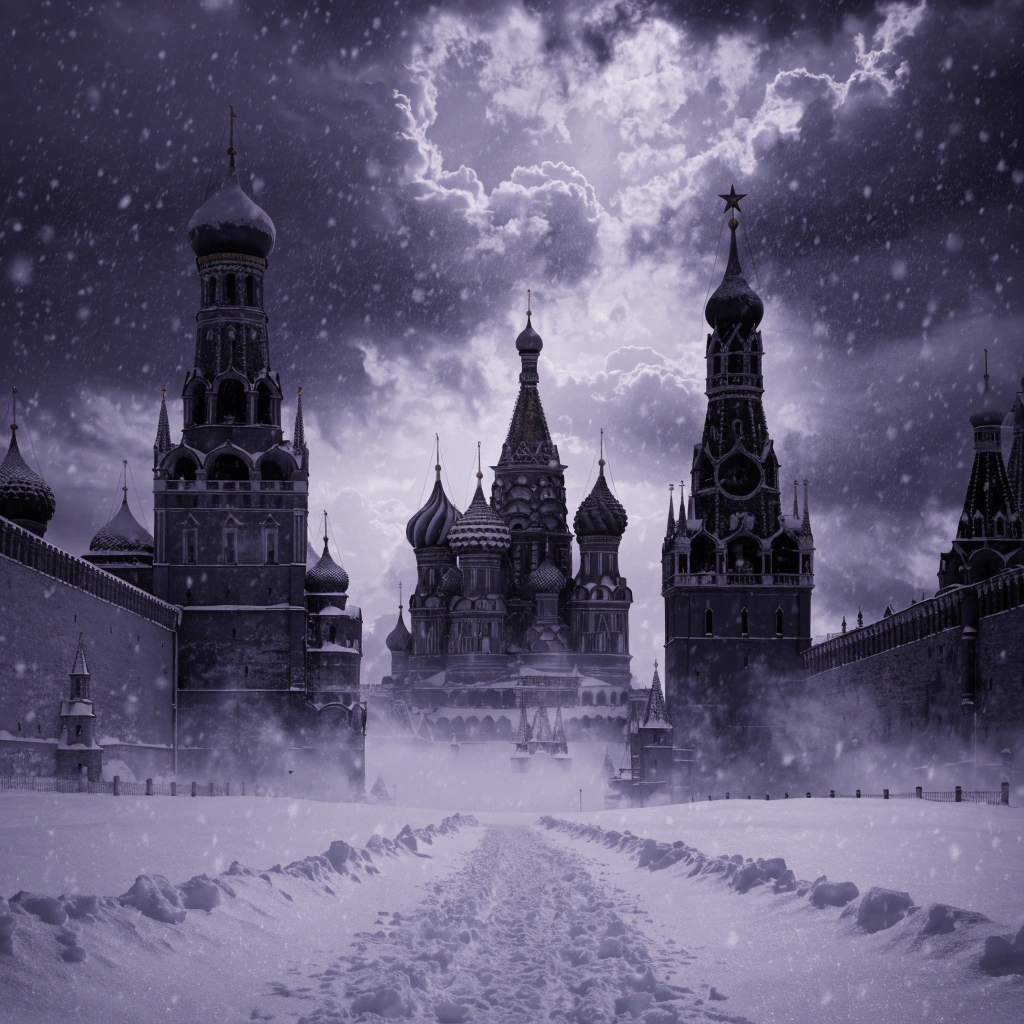
الميدان الأحمر والكرملين في روسيا
الميدان الأحمر مكان مشهور جداً في مدينة موسكو، روسيا. هو قلب موسكو ورمز لروسيا. هذا الميدان كبير وجميل جداً. الناس يزورون الميدان الأحمر كل يوم. إنه مكان مهم للتاريخ الروسي.
بجانب الميدان الأحمر يوجد الكرملين. الكرملين بناء قديم ومهم. هو قصر كبير. في الكرملين، توجد متاحف وكنائس جميلة. الناس يستطيعون رؤية أشياء قديمة هناك.
الميدان الأحمر والكرملين مكانان مهمان جداً للسياح. كثير من الناس يحبون زيارتهما. إنهما يعرضان تاريخ روسيا الجميل.
تسليط الضوء على القواعد
نمط: الجملة الاسمية (Nominal Sentence)
"الميدان الأحمر مكان مشهور."
الجملة الاسمية تبدأ باسم. لا يوجد فعل "يكون" في المضارع. تتكون من مبتدأ (الاسم الأول) وخبر (الاسم الثاني الذي يصف الأول).
نمط: حروف الجر (Prepositions)
"في مدينة موسكو."
حرف الجر يربط الاسم بكلمة أخرى في الجملة. أمثلة: في (in)، بجانب (next to)، لـ (for). الاسم بعد حرف الجر يكون مجروراً.
اختبر فهمك
10 أسئلة · A1 مبتدئ · معاينة مجانية واحدة
اختبر ما تعلمته من هذا المقال. أجب على جميع الأسئلة لكسب نقاط خبرة!
أين يوجد الميدان الأحمر؟
هل تريد إنهاء الاختبار؟
9 أسئلة أخرى بانتظارك. سجّل مجاناً لفتح الاختبار الكامل وكسب نقاط خبرة!
سجل مجاناًلديك حساب بالفعل؟ دخول
تفصيل الأسئلة
أين يوجد الميدان الأحمر؟
إجابتك:
الإجابة الصحيحة: في روسيا
الكرملين بناء جديد جداً.
إجابتك:
الإجابة الصحيحة: خطأ
ماذا تعني كلمة "سياح"؟
إجابتك:
الإجابة الصحيحة: الناس الذين يزورون مكاناً جديداً
الميدان الأحمر _____ مشهور جداً.
إجابتك:
الإجابة الصحيحة: مكان
الميدان الأحمر والكرملين: قلب روسيا
الميدان الأحمر ليس فقط مركز مدينة موسكو، بل هو أيضًا قلب روسيا الرمزي. تاريخه طويل ومثير للاهتمام. في نهاية القرن الخامس عشر، أمر القيصر إيفان الثالث بتنظيف منطقة واسعة خارج أسوار الكرملين. كان هدفه إنشاء مساحة مفتوحة للدفاع عن المدينة وحمايتها.
بعد ذلك، تحول هذا المكان من منطقة دفاعية إلى سوق كبير حيث كان الناس يبيعون ويشترون أشياء كثيرة. مع مرور الوقت، أصبح الميدان الأحمر مسرحًا لأهم الأحداث التاريخية في روسيا، مثل الاحتفالات الكبيرة والعروض العسكرية.
اسم "أحمر" (كراسنيا) في اللغة الروسية القديمة لم يكن يعني اللون الأحمر الذي نعرفه اليوم، بل كان يعني "جميل". هذا الوصف مناسب جدًا للميدان بسبب المباني الرائعة والجميلة التي تحيط به، مثل كاتدرائية القديس باسيل الملونة. اليوم، الميدان الأحمر والكرملين هما من أشهر الأماكن في العالم، ويزورهما ملايين السياح كل عام ليروا تاريخ روسيا العظيم وجمالها.
تسليط الضوء على القواعد
نمط: فعل الماضي (كان) + اسم/صفة
"كان هدفه إنشاء مساحة مفتوحة."
نستخدم "كان" مع الاسم أو الصفة لنتحدث عن حالة أو وصف في الماضي. "كان" تأتي قبل الاسم أو الصفة لتدل على أن هذا الشيء حدث في الماضي.
نمط: ليس فقط... بل هو أيضًا...
"الميدان الأحمر ليس فقط مركز مدينة موسكو، بل هو أيضًا قلب روسيا الرمزي."
نستخدم هذا التعبير لإظهار أن هناك شيئين أو صفتين لشيء واحد، وأن الصفة الثانية ربما تكون أهم أو أوسع. هو يربط فكرتين معًا.
اختبر فهمك
11 أسئلة · A2 ابتدائي · معاينة مجانية واحدة
اختبر ما تعلمته من هذا المقال. أجب على جميع الأسئلة لكسب نقاط خبرة!
ماذا كان هدف القيصر إيفان الثالث عندما أمر بتنظيف المنطقة؟
هل تريد إنهاء الاختبار؟
10 أسئلة أخرى بانتظارك. سجّل مجاناً لفتح الاختبار الكامل وكسب نقاط خبرة!
سجل مجاناًلديك حساب بالفعل؟ دخول
تفصيل الأسئلة
ماذا كان هدف القيصر إيفان الثالث عندما أمر بتنظيف المنطقة؟
إجابتك:
الإجابة الصحيحة: إنشاء مساحة للدفاع عن المدينة
اسم "أحمر" في اللغة الروسية القديمة كان يعني اللون الأحمر.
إجابتك:
الإجابة الصحيحة: خطأ
ماذا تعني كلمة "أسوار"؟
إجابتك:
الإجابة الصحيحة: جدران عالية تحيط بمكان للحماية
الميدان الأحمر ليس فقط مركز مدينة موسكو، بل هو أيضًا قلب روسيا ال_____.
إجابتك:
الإجابة الصحيحة: رمزي
ماذا أصبح الميدان الأحمر بعد أن كان منطقة دفاعية؟
إجابتك:
الإجابة الصحيحة: سوقًا كبيرًا
الساحة الحمراء والكرملين: قلب روسيا النابض
تُعتبر الساحة الحمراء ليست فقط مركز موسكو، بل هي القلب الرمزي للأمة الروسية بأكملها. يعود تاريخ هذه الساحة العريقة إلى أواخر القرن الخامس عشر، عندما قام إيفان الثالث بإزالة المباني لإنشاء مساحة دفاعية خارج أسوار الكرملين. لقد تطورت الساحة منذ ذلك الحين من سوق بسيط إلى مسرح لأهم الأحداث التاريخية في البلاد. اسمها "الحمراء" (كراسنيا) كان يعني في الأصل "الجميلة" في اللغة الروسية القديمة، وهو اسم مناسب للعمارة المذهلة التي تحيط بها.
على مر القرون، شهدت الساحة الحمراء العديد من التغييرات. كانت تُستخدم كمكان للتجمعات العامة والاحتفالات، وكذلك موقعًا للإعلانات الرسمية. يقع الكرملين، وهو مجمع حصين يضم قصورًا وكنائس، بجانب الساحة مباشرةً. لقد كان الكرملين المقر الرسمي لرؤساء روسيا، وهو يمثل السلطة والتاريخ العريق للبلاد. تُعد الجدران الحمراء الشهيرة للكرملين وأبراجه التي تعلوها القمم من أبرز المعالم التي تجذب الزوار من جميع أنحاء العالم.
اليوم، لا تزال الساحة الحمراء والكرملين وجهة سياحية رئيسية وموقعًا للتجمعات الوطنية. يمكن للزوار استكشاف كاتدرائية القديس باسيليوس ذات القباب الملونة، وضريح لينين، والمتحف التاريخي الحكومي. إنها أماكن تروي قصصًا عن ماضي روسيا وحاضرها، وتُقدم لمحة فريدة عن الثقافة والتاريخ الروسي الغني. لقد أصبحت هذه المواقع رموزًا خالدة لروسيا، وتشهد على عظمة تاريخها.
تسليط الضوء على القواعد
نمط: الفعل المضارع المبني للمجهول (Passive Present Tense)
"تُعتبر الساحة الحمراء ليست فقط مركز موسكو، بل هي القلب الرمزي للأمة الروسية بأكملها."
يُستخدم الفعل المضارع المبني للمجهول عندما لا يكون الفاعل معروفاً أو عندما يكون التركيز على الفعل نفسه أو على المفعول به. يُصاغ بضم أول الفعل وفتح ما قبل آخره للمضارع، مثل "تُعتبر" بدلاً من "يعتبر الناس".
نمط: الجملة الموصولة (Relative Clause)
"يقع الكرملين، وهو مجمع حصين يضم قصورًا وكنائس، بجانب الساحة مباشرةً."
تُستخدم الجملة الموصولة لإضافة معلومات إضافية عن اسم سبقها. تبدأ عادةً بضمير موصول مثل "الذي"، "التي"، "الذين"، أو بضمير منفصل مثل "هو" كما في المثال هنا، وهو يعود على "الكرملين".
اختبر فهمك
11 أسئلة · B1 متوسط · معاينة مجانية واحدة
اختبر ما تعلمته من هذا المقال. أجب على جميع الأسئلة لكسب نقاط خبرة!
ماذا كان يعني اسم "الحمراء" في اللغة الروسية القديمة؟
هل تريد إنهاء الاختبار؟
10 أسئلة أخرى بانتظارك. سجّل مجاناً لفتح الاختبار الكامل وكسب نقاط خبرة!
سجل مجاناًلديك حساب بالفعل؟ دخول
تفصيل الأسئلة
ماذا كان يعني اسم "الحمراء" في اللغة الروسية القديمة؟
إجابتك:
الإجابة الصحيحة: الجميلة
الكرملين هو المقر الرسمي لرؤساء روسيا.
إجابتك:
الإجابة الصحيحة: صحيح
ماذا تعني كلمة "مذهلة"؟
إجابتك:
الإجابة الصحيحة: جميلة جداً ومدهشة
لقد تطورت الساحة منذ ذلك الحين من سوق بسيط إلى _____ لأهم الأحداث التاريخية.
إجابتك:
الإجابة الصحيحة: مسرح
متى بدأ تاريخ الساحة الحمراء؟
إجابتك:
الإجابة الصحيحة: في أواخر القرن الخامس عشر
The Pulse of Moscow: Analyzing the History of Red Square and the Kremlin
Situated at the very heart of Moscow, Red Square serves as a profound testament to the intricate layers of Russian history and its enduring national identity. Although modern tourists frequently associate the name 'Red' with the socialist ideology of the 20th century, the adjective 'Krasnaya' originally signified 'beautiful' in Old Russian. This linguistic transition mirrors the structural evolution of the square itself, which has transformed from a humble marketplace into a global landmark of immense political significance.
The origins of the square date back to the late 15th century when Ivan III ordered the demolition of wooden buildings surrounding the Kremlin. This area had been cleared to establish a defensive buffer zone against potential fires and invaders, ensuring the safety of the fortress. Over time, this open space became the center of public life, hosting everything from royal decrees to religious processions. The Kremlin, a formidable fortress adjacent to the square, remains the seat of Russian political power, housing the executive branch within its ancient, red-brick walls and golden-domed cathedrals.
Architecturally, the square is a mosaic of different eras, showcasing a blend of traditional Russian styles and later European influences. To the south stands the iconic St. Basil’s Cathedral, whose vibrant, onion-shaped domes commemorate the military victories of Ivan the Terrible. Opposite this, the State Historical Museum showcases the nation's cultural heritage, while the GUM department store represents the transition toward modern commerce. The presence of Lenin’s Mausoleum adds a somber layer to the site, representing the Soviet era's lasting impact on the collective memory. Scholars have been debating the preservation of such monuments for decades, highlighting the tension between historical recognition and modern political shifts.
Beyond its physical structures, Red Square serves as a symbolic arena where the Russian state asserts its sovereignty through grand displays of power. It has witnessed countless military parades and political demonstrations, each contributing to its status as the nation's primary stage for self-expression. By analyzing its historical trajectory, one can observe how the square has adapted to reflect the changing priorities of the Russian leadership. Ultimately, Red Square and the Kremlin are not merely tourist attractions; they are the living pulse of a nation that continues to navigate its complex past while looking toward its future. Visitors who walk across its historic cobblestones are often struck by the sheer scale of the site, realizing that every stone has likely witnessed a moment of historical transformation.
تسليط الضوء على القواعد
نمط: Past Perfect Passive
"This area had been cleared to establish a defensive buffer zone against potential fires and invaders."
This structure (had + been + past participle) is used to describe an action that was completed before another point in the past, focusing on the recipient of the action.
نمط: Non-defining Relative Clauses
"This linguistic transition mirrors the structural evolution of the square itself, which has transformed from a humble marketplace into a global landmark."
These clauses add extra information about a noun (the square). They are separated by commas and use 'which' for things.
نمط: Present Perfect Continuous
"Scholars have been debating the preservation of such monuments for decades."
This tense (have/has + been + -ing) emphasizes the duration of an activity that started in the past and is still continuing or has just finished.
اختبر فهمك
11 أسئلة · B2 فوق المتوسط · معاينة مجانية واحدة
اختبر ما تعلمته من هذا المقال. أجب على جميع الأسئلة لكسب نقاط خبرة!
What was the original meaning of the word 'Krasnaya' in Old Russian?
هل تريد إنهاء الاختبار؟
10 أسئلة أخرى بانتظارك. سجّل مجاناً لفتح الاختبار الكامل وكسب نقاط خبرة!
سجل مجاناًلديك حساب بالفعل؟ دخول
تفصيل الأسئلة
What was the original meaning of the word 'Krasnaya' in Old Russian?
إجابتك:
الإجابة الصحيحة: Beautiful
Red Square was initially cleared by Ivan III to create a space for religious processions.
إجابتك:
الإجابة الصحيحة: خطأ
What does the word 'formidable' mean in the context of the Kremlin?
إجابتك:
الإجابة الصحيحة: Impressively powerful and large
This linguistic _____ mirrors the structural evolution of the square itself.
إجابتك:
الإجابة الصحيحة: transition
Which building on Red Square commemorates military victories?
إجابتك:
الإجابة الصحيحة: St. Basil’s Cathedral
The Palimpsest of Power: Decoding Red Square and the Kremlin
Standing at the epicenter of Moscow, Red Square serves as an architectural palimpsest, where layers of imperial grandeur, Soviet austerity, and modern commercialism coalesce into a singular, breathtaking vista. Seldom has a city square witnessed such a profound transformation from a humble 15th-century marketplace into the monolithic heart of a global superpower. To understand Red Square is to engage with the Russian soul—a complex tapestry woven from threads of resilience, piety, and an unyielding thirst for monumentalism. This space is not merely a geographical center but a symbolic stage where the nation's identity is perpetually performed and contested.
The Kremlin, a formidable bastion of political authority, looms over the square, its crenellated walls acting as a silent witness to centuries of political intrigue. It is the juxtaposition of the Kremlin’s stoic red brick and the whimsical, multi-colored domes of Saint Basil’s Cathedral that creates the square’s unique aesthetic tension. While the former represents the rigid, often impenetrable structure of the state, the latter embodies the spiritual and artistic exuberance of the Russian Orthodox tradition. This visual dichotomy serves as a poignant reminder of the nation’s historical struggle between secular power and religious devotion, a theme that resonates through the centuries of Russian governance.
The very name of the square, 'Krasnaya,' offers a fascinating insight into linguistic evolution. Originally meaning 'beautiful' in Old Russian, the term only later became synonymous with 'red' in the modern tongue. This shift in meaning mirrors the square’s own metamorphosis during the 20th century, when it became the stage for the Red Army’s formidable military parades. These spectacles were not merely displays of hardware; they were carefully choreographed performances of ideological dominance designed to project strength to both domestic and international audiences. The preservation of these traditions, even in a post-Soviet context, underscores the square's role in maintaining a sense of national continuity.
The commercial aspect of the square is represented by the GUM department store, a glass-roofed arcade that reflects the opulence of the late 19th century. Its survival through the Soviet era and its current status as a luxury shopping destination highlight the enduring nature of Russian consumerism. What remains striking is the way the square balances these disparate elements. One might argue that the square’s true power lies in its ability to absorb these contradictions without losing its cohesive identity. In the contemporary era, the square has transitioned from a site of exclusive state power to a more accessible public space, yet vestiges of its tumultuous past remain. The presence of Lenin’s Mausoleum serves as a somber anchor to the Soviet legacy, prompting ongoing debates regarding the ethics of preservation versus the necessity of moving forward. Ultimately, Red Square remains a site of constant negotiation between the past and the present, a place where the weight of history is palpable in every cobblestone.
تسليط الضوء على القواعد
نمط: Negative Inversion
"Seldom has a city square witnessed such a profound transformation from a humble 15th-century marketplace into the monolithic heart of a global superpower."
Inversion occurs when the auxiliary verb comes before the subject after a negative or restrictive adverbial. This is used in formal writing to add emphasis and dramatic flair.
نمط: Cleft Sentences
"It is the juxtaposition of the Kremlin’s stoic red brick and the whimsical, multi-colored domes of Saint Basil’s Cathedral that creates the square’s unique aesthetic tension."
Cleft sentences (It + is/was + focus + relative clause) are used to focus on specific information. Here, it emphasizes that the 'juxtaposition' is the specific cause of the tension.
نمط: Nominalisation
"The preservation of these traditions, even in a post-Soviet context, underscores the square's role in maintaining a sense of national continuity."
Nominalisation involves turning verbs or adjectives into nouns (e.g., 'preserve' to 'preservation'). This makes the writing more concise, abstract, and typical of advanced academic or analytical English.
اختبر فهمك
12 أسئلة · C1 متقدم · معاينة مجانية واحدة
اختبر ما تعلمته من هذا المقال. أجب على جميع الأسئلة لكسب نقاط خبرة!
What does the author suggest by calling Red Square an 'architectural palimpsest'?
هل تريد إنهاء الاختبار؟
11 أسئلة أخرى بانتظارك. سجّل مجاناً لفتح الاختبار الكامل وكسب نقاط خبرة!
سجل مجاناًلديك حساب بالفعل؟ دخول
تفصيل الأسئلة
What does the author suggest by calling Red Square an 'architectural palimpsest'?
إجابتك:
الإجابة الصحيحة: It consists of multiple layers reflecting different historical eras.
The name 'Krasnaya' has always exclusively meant 'red' in the Russian language.
إجابتك:
الإجابة الصحيحة: خطأ
Which word describes the quality of being essentially different and not allowing comparison?
إجابتك:
الإجابة الصحيحة: Disparate
The Kremlin is described as a formidable _____ of political authority.
إجابتك:
الإجابة الصحيحة: bastion
What is the primary function of the military parades mentioned in the text?
إجابتك:
الإجابة الصحيحة: To project ideological dominance and national strength.
The author argues that the square has lost its cohesive identity due to its many contradictions.
إجابتك:
الإجابة الصحيحة: خطأ
The Architectural Palimpsest: Deciphering the Symbolic Nexus of Red Square and the Kremlin
To contemplate the architectural ensemble of Moscow’s Red Square is to engage with a historical palimpsest that transcends the mere materiality of brick and mortar. Were one to stand at its center, the weight of centuries of socio-political metamorphosis would become almost palpable. Originally conceived in the late 15th century by Ivan III, the square was initially a tactical void—a defensive clearing outside the Kremlin walls designed to mitigate the perennial threat of fire and to provide a clear line of sight for the fortress’s defenders. However, it was not long before this vacuum was filled by the vibrant, chaotic energy of a marketplace, eventually evolving into the symbolic heart of the Russian state.
The etymology of the square’s nomenclature provides an intriguing insight into the Russian psyche. While the contemporary observer might associate 'Red' with the crimson banners of the Soviet era, the term 'Krasnaya' historically denoted 'beautiful.' This linguistic nuance underscores an aesthetic appreciation that predates modern political ideologies. It is imperative that the visitor perceive the Kremlin not merely as a fortress, but as an enduring palimpsest of Russian sovereignty, where the ecclesiastical splendor of the cathedrals stands in stark juxtaposition to the austere, functionalist lines of the Soviet period.
Scarcely had the defensive ramparts been established than the square began to metamorphose into a commercial hub. This transition marked the beginning of its role as a public forum, a site where the tsars’ edicts were proclaimed and where the populace gathered to witness the unfolding of national destiny. The Kremlin, a formidable citadel of power, serves as the anchor of this space. Its red-brick walls, punctuated by towers of varying architectural provenance, encapsulate the shift from medieval fortification to the seat of modern hegemony. Within these walls, the interplay of secular and sacred power is manifest, reflecting a uniquely Russian synthesis of authority.
The 20th century further layered this space with ideological significance. The construction of Lenin’s Mausoleum introduced a somber, monumental aesthetic that redefined the square’s northern axis. Here, the rituals of the Soviet state—most notably the grand military parades—transformed the cobblestones into a stage for the projection of global power. It was Ivan III who originally cleared the area, thereby laying the groundwork for what would become the nation’s symbolic epicenter, but it was the subsequent centuries of conflict and triumph that imbued it with its current gravitas. Furthermore, the State Historical Museum, with its neo-Russian revivalist style, acts as a guardian of the square’s northern entrance, bridging the gap between the medieval past and the imperial future.
Moreover, the presence of the GUM department store, with its ornate glass roof and neo-Russian façade, offers a fascinating counterpoint to the sobriety of the Kremlin. It represents the bourgeois aspirations of the late 19th century, surviving through the planned economy of the USSR to emerge once more as a temple of luxury. This idiosyncratic blend of commerce, religion, and politics makes Red Square a microcosm of the Russian experience. The juxtaposition of St. Basil’s Cathedral—a riot of color and form—against the monolithic granite of the Mausoleum serves as a visual testament to the country’s tumultuous journey through time.
In conclusion, Red Square and the Kremlin remain indispensable to any profound understanding of Russian identity. The vestiges of the past are not merely preserved here; they are actively integrated into the narrative of the present. As one traverses the square, the echoes of the past—from the clamor of medieval merchants to the rhythmic tread of soldiers—resonate with a persistent intensity. It is this enduring relevance, this capacity to absorb and reflect the changing tides of history, that ensures its status as a site of global significance. Should the visitor look closely, they will find that every stone tells a story of power, piety, and persistence.
تسليط الضوء على القواعد
نمط: Negative Inversion
"Scarcely had the defensive ramparts been established than the square began to metamorphose into a commercial hub."
Inversion is used for rhetorical emphasis. When 'scarcely' starts a sentence, the auxiliary verb 'had' precedes the subject 'the defensive ramparts'.
نمط: Mandative Subjunctive
"It is imperative that the visitor perceive the Kremlin not merely as a fortress, but as an enduring palimpsest of Russian sovereignty."
The subjunctive mood 'perceive' (base form) is used after adjectives of urgency or importance like 'imperative' or 'essential'.
نمط: It-Cleft Sentence
"It was Ivan III who originally cleared the area, thereby laying the groundwork for what would become the nation’s symbolic epicenter."
A cleft sentence focuses on a specific piece of information (Ivan III) by splitting the clause into two parts, starting with 'It was'.
اختبر فهمك
12 أسئلة · C2 إتقان · معاينة مجانية واحدة
اختبر ما تعلمته من هذا المقال. أجب على جميع الأسئلة لكسب نقاط خبرة!
According to the article, what was the primary reason Ivan III originally cleared the area that became Red Square?
هل تريد إنهاء الاختبار؟
11 أسئلة أخرى بانتظارك. سجّل مجاناً لفتح الاختبار الكامل وكسب نقاط خبرة!
سجل مجاناًلديك حساب بالفعل؟ دخول
تفصيل الأسئلة
According to the article, what was the primary reason Ivan III originally cleared the area that became Red Square?
إجابتك:
الإجابة الصحيحة: To create a defensive space and firebreak for the Kremlin
The name 'Red Square' was originally chosen to honor the Bolshevik Revolution.
إجابتك:
الإجابة الصحيحة: خطأ
What does the term 'palimpsest' imply in the context of the article?
إجابتك:
الإجابة الصحيحة: A site that shows layers of history over time
The Kremlin's walls encapsulate the shift from medieval fortification to the seat of modern _____.
إجابتك:
الإجابة الصحيحة: hegemony
How does the GUM department store contrast with the Kremlin in the author's view?
إجابتك:
الإجابة الصحيحة: It represents bourgeois aspirations versus political sobriety
The author suggests that the square remains relevant because it reflects the changing tides of history.
إجابتك:
الإجابة الصحيحة: صحيح

