Carnival in Brazil
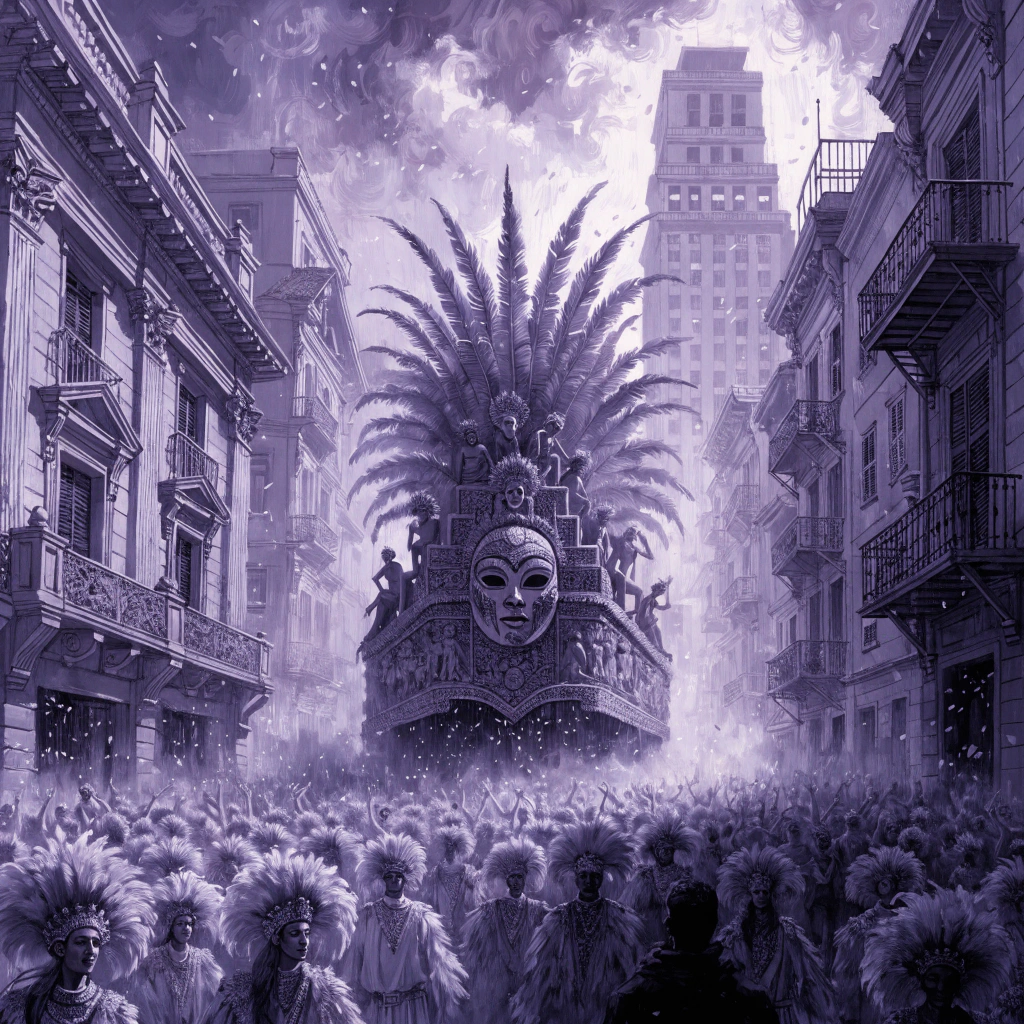
Carnival is a very big party in Brazil. It happens every year in February or March. The celebration lasts for four days. People wear colorful clothes and masks. They dance in the streets with their friends. There is loud music everywhere.
In the city of Rio de Janeiro, there is a famous parade. Many people watch the dancers. The dancers move to fast samba music. They wear beautiful costumes with many feathers.
Families celebrate together at this time. They eat delicious food and drink juice. Everyone is very happy during Carnival. It is a special and famous holiday for the whole country.
نکته دستوری
الگو: حال ساده فعل 'To Be'
"Carnival is a very big party in Brazil."
ما از 'is' برای فاعلهای مفرد مثل 'Carnival' استفاده میکنیم تا حقایق رو بیان کنیم. این کلمه توصیف میکنه که چیزی چیست یا کجاست.
الگو: اسمهای جمع
"People wear colorful clothes and masks."
ما به اسمهایی مثل 'mask' یک '-s' اضافه میکنیم تا نشون بدیم بیشتر از یکی هست. بعضی کلمات مثل 'people' و 'clothes' خودشون جمع هستن.
درک خود را بسنجید
10 سوال · A1 مبتدی · 1 پیشنمایش رایگان
آنچه از این مقاله آموختید را بسنجید. به همه سؤالات پاسخ دهید و XP کسب کنید!
کارناوال معمولاً کی برگزار میشه؟
آیا میخواهید آزمون را تمام کنید؟
9 سؤال دیگر منتظر شماست. ثبتنام رایگان کنید تا آزمون کامل را باز کنید و XP کسب کنید!
ثبتنام رایگانقبلاً ثبتنام کردی؟ ورود
جزئیات سؤالات
کارناوال معمولاً کی برگزار میشه؟
پاسخ شما:
پاسخ درست: فوریه یا مارس
کارناوال ده روز طول میکشه.
پاسخ شما:
پاسخ درست: نادرست
کلمهی 'holiday' یعنی چی؟
پاسخ شما:
پاسخ درست: یک روز خاص برای جشن گرفتن
رقصندهها با موسیقی تند _____ حرکت میکنند.
پاسخ شما:
پاسخ درست: samba
Carnival: The Biggest Party in Brazil
Carnival is the most famous festival in Brazil. Every year, millions of people go to the streets to celebrate. It usually happens in February or March, before the Catholic season of Lent. People wear beautiful costumes with many colors.
The history of Carnival is very interesting. A long time ago, Portuguese people brought their traditions to Brazil. Later, African music and dance changed the festival. Today, the samba is the most important part of Carnival. Samba is faster and more energetic than other types of music.
In big cities like Rio de Janeiro, there are huge parades. People dance for many hours and play drums. They are happy because they love their traditions. Last year, more than two million people visited Rio for the party. It was bigger than the year before. Carnival is a special time for everyone in Brazil.
نکته دستوری
الگو: Superlative Adjectives (صفات عالی)
"Carnival is the most famous festival in Brazil."
ما از 'the most' همراه با صفات طولانی (چندبخشی) استفاده میکنیم تا یک چیز را با همه چیزهای دیگر در یک گروه مقایسه کنیم. این نشان میدهد که کارناوال بالاترین سطح شهرت را دارد.
الگو: Comparative Adjectives (صفات تفصیلی)
"Samba is faster and more energetic than other types of music."
ما از صفات مقایسهای برای بررسی تفاوتهای بین دو چیز استفاده میکنیم. برای کلمات کوتاه مثل 'fast'، به آخرشان '-er' اضافه میکنیم؛ برای کلمات طولانی مثل 'energetic'، از 'more' قبل از کلمه استفاده میکنیم.
درک خود را بسنجید
11 سوال · A2 مقدماتی · 1 پیشنمایش رایگان
آنچه از این مقاله آموختید را بسنجید. به همه سؤالات پاسخ دهید و XP کسب کنید!
کارناوال معمولاً چه زمانی برگزار میشود؟
آیا میخواهید آزمون را تمام کنید؟
10 سؤال دیگر منتظر شماست. ثبتنام رایگان کنید تا آزمون کامل را باز کنید و XP کسب کنید!
ثبتنام رایگانقبلاً ثبتنام کردی؟ ورود
جزئیات سؤالات
کارناوال معمولاً چه زمانی برگزار میشود؟
پاسخ شما:
پاسخ درست: در فوریه یا مارس
سنتهای پرتغالی به شروع کارناوال در برزیل کمک کردند.
پاسخ شما:
پاسخ درست: درست
معنی کلمه 'huge' چیست؟
پاسخ شما:
پاسخ درست: بسیار بسیار بزرگ
مردم در طول جشنواره _____ِ زیبایی با رنگهای فراوان میپوشند.
پاسخ شما:
پاسخ درست: costumes
چرا مردم در طول رژهها خوشحال هستند؟
پاسخ شما:
پاسخ درست: چون سنتهایشان را دوست دارند
Carnival: The Heart and Soul of Brazil
Carnival is the most famous celebration in Brazil, which transforms the entire country into a massive party every year. It has been celebrated for centuries and traditionally marks the period before the Catholic season of Lent. While the early roots of the festival come from Portuguese traditions, it has evolved into a unique spectacle that combines African rhythms with indigenous dance.
In famous cities like Rio de Janeiro and Salvador, the streets are filled with "blocos," which are organized street parties. These lively events are enjoyed by millions of people who wear creative costumes and dance to the energetic beat of drums. The music that defines Carnival is Samba, a rhythmic style that was developed by Afro-Brazilian communities in the early 20th century. Samba schools, which are large community organizations, spend the entire year preparing for the grand parades held in the Sambadrome.
During these four days of music and dance, the nation's economy is significantly boosted by tourism. Visitors from every corner of the globe arrive to experience the electric atmosphere. The parades are judged by a panel of experts who carefully evaluate the costumes, the music, and the complex choreography. Consequently, the event is often described as the "greatest show on Earth" because of its incredible scale and artistic creativity.
Even though it is a time of intense celebration, Carnival also represents the diverse and complex history of Brazil. These traditions have been passed down through many generations, ensuring that the spirit of the festival remains vibrant. For most Brazilians, Carnival is not simply a public holiday; it is a powerful expression of their shared cultural identity and a celebration of life itself.
نکته دستوری
الگو: حال کامل (ماضی نقلی)
"It has been celebrated for centuries and traditionally marks the period before the Catholic season of Lent."
زمان حال کامل (has + been) اینجا برای توصیف کاری استفاده شده که در گذشته شروع شده و هنوز هم ادامه داره. این زمان روی سنت خیلی قدیمی کارناوال تاکید میکنه.
الگو: حالت مجهول
"The parades are judged by a panel of experts who carefully evaluate the costumes, the music, and the complex choreography."
حالت مجهول (are + judged) استفاده شده تا تمرکز رو ببره روی اتفاقی که برای رژهها میافته. توی سطح B1، توصیف فرآیندهای رسمی که در اون انجامدهندهها (داورها) اهمیت کمتری نسبت به خودِ فعالیت دارن، خیلی رایجه.
درک خود را بسنجید
11 سوال · B1 متوسط · 1 پیشنمایش رایگان
آنچه از این مقاله آموختید را بسنجید. به همه سؤالات پاسخ دهید و XP کسب کنید!
کدوم سبک موسیقی بیشتر با کارناوال برزیل در ارتباطه؟
آیا میخواهید آزمون را تمام کنید؟
10 سؤال دیگر منتظر شماست. ثبتنام رایگان کنید تا آزمون کامل را باز کنید و XP کسب کنید!
ثبتنام رایگانقبلاً ثبتنام کردی؟ ورود
جزئیات سؤالات
کدوم سبک موسیقی بیشتر با کارناوال برزیل در ارتباطه؟
پاسخ شما:
پاسخ درست: سامبا
کارناوال به عنوان جشنی شروع شد که فقط توسط قبایل بومی برزیل ابداع شده بود.
پاسخ شما:
پاسخ درست: نادرست
کلمه 'boosted' توی متن این مقاله چه معنیای میده؟
پاسخ شما:
پاسخ درست: افزایشیافته یا بهبودیافته
میلیونها نفر که _____ خلاقانه میپوشند از این رویدادهای پرشور لذت میبرند.
پاسخ شما:
پاسخ درست: costumes
چرا کارناوال برزیل رو معمولاً «بزرگترین نمایش روی زمین» صدا میکنن؟
پاسخ شما:
پاسخ درست: به دلیل مقیاس باورنکردنی و خلاقیتش
کارناوال برزیل: جشن رنگ، موسیقی و رقص
کارناوال برزیل، پدیدهای فرهنگی و اجتماعی منحصر به فرد است که هر ساله با شور و هیجان فراوان، تمام کشور را به مدت چهار روز فرا میگیرد. این جشن، که در سراسر جهان به واسطه عظمت و پویاییاش شناخته شده است، نه تنها یک رویداد تفریحی، بلکه تجلیگاه تاریخ غنی و تنوع فرهنگی برزیل است. درک ریشهها و تکامل این کارناوال برای فهم جایگاه آن در هویت ملی برزیل حیاتی است.
ریشههای اولیه کارناوال برزیل را میتوان در سنتهای «انترودو» (Entrudo) پرتغالی جستجو کرد. انترودو یک جشن خیابانی پر سر و صدا و گاهی بینظم بود که مهاجران پرتغالی آن را با خود به برزیل آوردند. با این حال، کارناوال کنونی برزیل بسیار فراتر از این ریشههای اروپایی رفته است. در طول قرون نوزدهم و بیستم، این جشن به تدریج عناصر بومی و به ویژه ریتمها و آیینهای آفریقایی را در خود جای داد. این تلفیق فرهنگی، به کارناوال برزیل هویتی کاملاً جدید و متمایز بخشید که آن را از سایر کارناوالهای جهان متمایز میکند. موسیقی سامبا، که اکنون نماد اصلی کارناوال است، از دل همین آمیزشهای فرهنگی برخاسته است.
زمانبندی کارناوال بر اساس تقویم کاتولیک تعیین میشود. این جشن از جمعه پیش از چهارشنبه خاکستر آغاز شده و در سهشنبه چرب (یک روز قبل از چهارشنبه خاکستر) به اوج خود میرسد و پایان مییابد. این دوره، پیش از آغاز چهل روز روزهداری مسیحیان (لنت) قرار دارد و به نوعی فرصتی برای آخرین خوشگذرانیها پیش از ایام ریاضت است. شهرهای مختلف برزیل، هر یک به شیوه خود کارناوال را برگزار میکنند، اما دو شهر ریودوژانیرو و سالوادور، شهرت جهانی دارند.
کارناوال ریو، با رژههای باشکوه مدارس سامبا در سامبادرم (Sambadrome)، میلیونها گردشگر را به خود جذب میکند. این رژهها نه تنها نمایشهای بصری خیرهکنندهای هستند، بلکه مسابقات جدی بین مدارس سامبا نیز محسوب میشوند که هر یک تلاش میکنند بهترین اجرا را از نظر رقص، موسیقی، لباس و طراحی ارائه دهند. در مقابل، کارناوال سالوادور به خاطر جشنهای خیابانی خودجوش و پرشور معروف است که در آن جمعیت زیادی به دنبال کامیونهای موسیقی متحرک (Trio Elétrico) به رقص و آواز میپردازند. این رویکرد متفاوت، تجربههای گوناگونی را برای شرکتکنندگان فراهم میآورد.
در مجموع، کارناوال برزیل فراتر از یک تعطیلات صرف است؛ این یک بیان هنری، یک سنت عمیقاً ریشهدار و یک نیروی وحدتبخش است که نه تنها مردم برزیل را گرد هم میآورد، بلکه میراث فرهنگی غنی و چندوجهی آنها را به جهانیان معرفی میکند. این جشن، با تمام رنگها، صداها و انرژی بیحد و حصرش، نمادی زنده از روحیه شاد و پر جنب و جوش مردم برزیل است که هر ساله به اوج خود میرسد.
نکته دستوری
الگو: عبارات موصولی با «که» (Relative Clauses with 'ke')
"این جشن، که در سراسر جهان به واسطه عظمت و پویاییاش شناخته شده است، نه تنها یک رویداد تفریحی، بلکه تجلیگاه تاریخ غنی و تنوع فرهنگی برزیل است."
عبارات موصولی با «که» برای اضافه کردن اطلاعات بیشتر در مورد یک اسم یا ضمیر در جمله استفاده میشوند. این عبارات معمولاً بعد از اسم میآیند و با «که» شروع میشوند تا جزئیات بیشتری را بدون شروع یک جمله جدید ارائه دهند. فعل در این جملات میتواند در زمانهای مختلف باشد.
الگو: ساختار «به واسطه...» (Due to/By means of...)
"این جشن، که در سراسر جهان به واسطه عظمت و پویاییاش شناخته شده است..."
این ساختار برای بیان علت یا دلیل انجام یک عمل یا وقوع یک وضعیت به کار میرود. «به واسطه» به معنای «به دلیل» یا «از طریق» است و نشان میدهد که چیزی توسط عامل یا خصوصیتی خاص اتفاق افتاده است. این عبارت معمولاً قبل از فاعل یا مفعول دلیلساز میآید.
الگو: مصدر مرخم (Truncated Infinitive)
"درک ریشهها و تکامل این کارناوال برای فهم جایگاه آن در هویت ملی برزیل حیاتی است."
مصدر مرخم شکل کوتاهشدهای از مصدر است که با حذف «-ن» پایانی ساخته میشود (مثلاً از «فهمیدن» به «فهم»). این شکل بیشتر در نوشتار رسمی و ادبی به جای مصدر کامل به کار میرود و معنای «عملِ انجام دادن» را میرساند. استفاده از آن به متن حالت رسمیتری میدهد.
درک خود را بسنجید
11 سوال · B2 بالاتر از متوسط · 1 پیشنمایش رایگان
آنچه از این مقاله آموختید را بسنجید. به همه سؤالات پاسخ دهید و XP کسب کنید!
کدام یک از موارد زیر دلیل اصلی شهرت کارناوال سالوادور است؟
آیا میخواهید آزمون را تمام کنید؟
10 سؤال دیگر منتظر شماست. ثبتنام رایگان کنید تا آزمون کامل را باز کنید و XP کسب کنید!
ثبتنام رایگانقبلاً ثبتنام کردی؟ ورود
جزئیات سؤالات
کدام یک از موارد زیر دلیل اصلی شهرت کارناوال سالوادور است؟
پاسخ شما:
پاسخ درست: جشنهای خیابانی خودجوش و پرشور
کارناوال برزیل منحصراً از سنتهای اروپایی نشأت گرفته است و هیچ تأثیر آفریقایی یا بومی ندارد.
پاسخ شما:
پاسخ درست: نادرست
معنی کلمه «تجلیگاه» چیست؟
پاسخ شما:
پاسخ درست: مکانی برای نشان دادن چیزی
کارناوال برزیل، پدیدهای فرهنگی و اجتماعی _____ به فرد است.
پاسخ شما:
پاسخ درست: منحصر
موسیقی ____ که اکنون نماد اصلی کارناوال است، از دل همین آمیزشهای فرهنگی برخاسته است.
پاسخ شما:
پاسخ درست: سامبا
The Kaleidoscope of Carnaval: Brazil’s Syncretic Symphony of Rhythms and Resistance
Seldom has a national celebration managed to capture the global imagination quite as viscerally as Brazil’s Carnival. While the untrained eye might perceive merely a cacophony of sound and a riot of color, the event represents a profound synthesis of disparate historical narratives. Its genesis lies in the Portuguese 'entrudo', a raucous street play characterized by water fights and practical jokes that often bordered on the chaotic. However, what started as a colonial import underwent a radical transformation through the osmosis of African rhythmic structures and indigenous aesthetic traditions. The resulting amalgam is not merely a festive interlude before Lent but a testament to the resilient spirit of a multi-ethnic populace striving for cultural expression.
At the heart of Rio de Janeiro’s iteration lies the Samba School—a misnomer for what are effectively massive community organizations. These institutions serve as the bedrock of local identity, often emerging from the most disenfranchised neighborhoods. The culmination of a year’s labor is the parade in the Sambadrome, where precision is paramount. It is the meticulous choreography and the conceptual depth of the 'enredo' (theme) that determine the victor. Such is the prestige of the competition that it often functions as a vehicle for biting social commentary, critiquing everything from environmental degradation to political corruption.
To view Carnival solely through the lens of Rio, however, would be a gross oversimplification. In Salvador da Bahia, the celebration takes a distinctively Afro-centric turn. Here, the 'Trio Elétrico'—colossal trucks laden with sound systems—navigates through surging throngs of revelers. Meanwhile, in the historic streets of Olinda and Recife, the air is thick with the frantic energy of Frevo, a dance characterized by acrobatic agility and tiny umbrellas. The ubiquity of the 'Bonecos de Olinda'—giant papier-mâché puppets—adds a touch of surrealism to the festivities, highlighting the regional idiosyncrasies that preclude a singular definition of the event.
Underlying the glitz and glamour is a complex socio-economic reality that warrants critical examination. The increasing commercialization of the event has led to growing concerns regarding the exclusion of the very communities that birthed it. What was once an organic street party is now, in some sectors, a high-priced commodity marketed primarily to international tourists and the domestic elite. Yet, despite these encroaching market forces, the grassroots 'blocos' (street bands) continue to reclaim public spaces with defiance, ensuring that the democratization of joy remains central to the experience. It is this tension between institutional spectacle and communal spontaneity that keeps the tradition in a state of constant, vibrant flux.
Ultimately, Carnival is far more than a hedonistic escape. It is a period of 'liminality', where social hierarchies are temporarily inverted and the marginalized take center stage. Through the sophisticated interplay of percussion, pageantry, and political satire, Brazil narrates its own story to itself and the world. As the last echoes of the drums fade on Ash Wednesday, what remains is the enduring power of cultural syncretism to foster a sense of collective belonging in an increasingly fragmented world.
نکته دستوری
الگو: وارونگی با قیدهای منفی/محدودکننده
"Seldom has a national celebration managed to capture the global imagination quite as viscerally as Brazil’s Carnival."
وارونگی برای ایجاد تأکید استفاده میشه. وقتی جملهای با یک قید محدودکننده مثل 'seldom' (به ندرت)، 'hardly' (به سختی)، یا 'never' (هرگز) شروع میشه، فعل کمکی قبل از فاعل میاد.
الگو: جملات تأکیدی (Cleft با It)
"It is the meticulous choreography and the conceptual depth of the 'enredo' that determine the victor."
جملات تأکیدی برای تمرکز روی اطلاعات خاصی استفاده میشن. ساختار 'It is' + [بخش مورد تأکید] + 'that' به نویسنده کمک میکنه تا علت یا دلیل دقیق رو در یک جمله پیچیده برجسته کنه.
الگو: اسمسازی (Nominalisation)
"The increasing commercialization of the event has led to growing concerns..."
اسمسازی یعنی تبدیل فعلها یا صفتها به اسم (مثلاً تبدیل 'commercialize' به 'commercialization'). این یکی از ویژگیهای نوشتار سطح C1 هست چون متن رو رسمیتر و خلاصهتر میکنه.
درک خود را بسنجید
12 سوال · C1 پیشرفته · 1 پیشنمایش رایگان
آنچه از این مقاله آموختید را بسنجید. به همه سؤالات پاسخ دهید و XP کسب کنید!
نویسنده در مورد مدارس سامبا در ریو چه چیزی را مطرح میکند؟
آیا میخواهید آزمون را تمام کنید؟
11 سؤال دیگر منتظر شماست. ثبتنام رایگان کنید تا آزمون کامل را باز کنید و XP کسب کنید!
ثبتنام رایگانقبلاً ثبتنام کردی؟ ورود
جزئیات سؤالات
نویسنده در مورد مدارس سامبا در ریو چه چیزی را مطرح میکند؟
پاسخ شما:
پاسخ درست: آنها سازمانهای مبتنی بر جامعه هستند که در مناطق محروم ریشه دارند.
نویسنده استدلال میکند که کارناوال در ریو تنها نسخهای است که این جشن ملی را تعریف میکند.
پاسخ شما:
پاسخ درست: نادرست
کلمه 'amalgam' در متن به چه معناست؟
پاسخ شما:
پاسخ درست: ترکیبی از عناصر فرهنگی مختلف.
چیزی که زمانی یک جشن خیابانی خودجوش بود، حالا در برخی بخشها به یک _____ گرانقیمت تبدیل شده که عمدتاً برای گردشگران بینالمللی بازاریابی میشود.
پاسخ شما:
پاسخ درست: commodity
طبق متن، جشن در سالوادور چه تفاوتی با جشن در ریو دارد؟
پاسخ شما:
پاسخ درست: رویکردی آفریقایی-محورتر دارد که شامل کامیونهای 'Trio Elétrico' است.
اصطلاح 'entrudo' به ریشههای اصلی پرتغالی کارناوال اشاره دارد.
پاسخ شما:
پاسخ درست: درست
The Brazilian Carnival: A Dionysian Synthesis of Sacred Rites and Secular Revelry
To approach the Brazilian Carnival merely as a sequence of boisterous parades would be to do a profound disservice to its intricate socio-cultural architecture. Occurring at the temporal threshold between the indulgence of the secular year and the asceticism of Lent, Carnival operates as a liminal space where the conventional hierarchies of Brazilian society are—at least ostensibly—inverted. This annual explosion of pageantry is not merely a modern iteration of the Portuguese 'entrudo,' but rather a sophisticated syncretism that reflects the nation's arduous history of colonization, resistance, and cultural fusion. Throughout the streets of Rio de Janeiro and Salvador, the event manifests as a bacchanalian celebration that nonetheless retains a deeply structured set of traditions.
Historically, the evolution of Carnival mirrors the shifting paradigms of Brazilian identity. The 'entrudo,' a rowdy and often violent street play introduced by Portuguese settlers in the 17th century, eventually met the visceral rhythms and spiritual motifs brought by enslaved Africans. It was within this crucible that the Samba schools emerged in the early 20th century, providing a marginalized population with a platform for collective expression and artistic legitimacy. Were one to scrutinize the meticulous craftsmanship of the 'barracões'—the workshops where colossal floats are constructed—one would discover a level of technical precision and narrative complexity that rivals any traditional academic discipline. These schools do not merely dance; they articulate a 'pedagogy of the streets,' teaching history and social commentary through polyrhythmic percussion.
Furthermore, the Sambadrome, designed by the modernist architect Oscar Niemeyer, functions as a modern-day amphitheater where the aesthetics of excess are institutionalized. It is through the rhythmic pulse of the 'bateria' (drum section) that the 'escolas de samba' narrate stories of national myth, historical grievance, and utopian futures. This 'total work of art' demands that the viewer acknowledge the profound dedication of the 'passistas' and 'ritmistas' who labor throughout the year for a performance that is inherently ephemeral. The paradox of Carnival lies in this very transience: months of painstaking labor culminate in a fleeting moment of transcendence that vanishes with the first light of Ash Wednesday.
Sociologically, Carnival is often theorized as a 'safety valve'—a mechanism for social catharsis that allows for a temporary suspension of class stratification. Influenced by Mikhail Bakhtin’s theory of the 'carnivalesque,' scholars suggest that the mask allows the subaltern to mock the powerful, if only for four days. While some critics argue that the increasing commercialization of the event has reinforced the hegemony of the elite, others maintain that the spontaneous street 'blocos' represent a reclaimed egalitarianism. In these interstices of the urban landscape, the rigid boundaries of the everyday are dissolved, and the city becomes a playground of polyphonic voices. Scarcely had the first drum sounded when the streets are transformed into a kaleidoscope of bodies, challenging the notions of public and private space.
In the northeastern city of Salvador, the celebration takes a different form, focusing on the 'Trio Elétrico'—massive mobile sound systems that navigate through crowds of millions. Here, the African heritage is even more pronounced, with 'afoxé' groups bringing Yoruba-inspired spirituality to the pavement. This regional diversity underscores that there is no singular 'Brazilian Carnival,' but rather a mosaic of local interpretations that share a common primordial energy. Whether in the choreographed precision of Rio or the chaotic fervor of Bahia, the event remains a visceral display of national pride that navigates the tension between the sacred and the profane.
In conclusion, the Brazilian Carnival remains an enigma, a sophisticated cultural performance that defies simple categorization. It is imperative that the observer look beyond the superficial glitter and recognize the profound cultural synthesis at play. As the last echoes of the parade fade into the Ash Wednesday morning, what remains is not merely a vestigial memory of revelry, but a reinforced sense of collective identity that continues to define the Brazilian spirit. Complex as the event may be, it remains the quintessential expression of a nation that finds its soul in the dance, perpetually regenerating itself through the ritual of the mask.
نکته دستوری
الگو: شرطیهای معکوس (Inverted Conditionals)
"Were one to scrutinize the meticulous craftsmanship of the 'barracões', one would discover a level of technical precision..."
این ساختار رسمی کلمه 'if' رو با جابجایی فاعل و فعل کمکی (were/had/should) حذف میکنه. در متون سطح C2 برای دادن لحن آکادمیک یا فرضی به بحث استفاده میشه.
الگو: وجه التزامی (Subjunctive Mood)
"It is imperative that the observer look beyond the superficial glitter..."
وجه التزامی بعد از افعال یا صفاتی میاد که ضرورت یا فوریت رو نشون میدن. دقت کنید که 'look' به صورت ساده میاد حتی با اینکه فاعل 'observer' سوم شخص مفرده.
الگو: وارونگی منفی برای تأکید (Negative Inversion)
"Scarcely had the first drum sounded when the streets are transformed into a kaleidoscope of bodies..."
وقتی جملهای با یک قید منفی یا محدودکننده (مثل scarcely, hardly, never) شروع میشه، جای فاعل و فعل کمکی عوض میشه تا اثر دراماتیکتر و ادبیتری ایجاد کنه.
درک خود را بسنجید
12 سوال · C2 تسلط · 1 پیشنمایش رایگان
آنچه از این مقاله آموختید را بسنجید. به همه سؤالات پاسخ دهید و XP کسب کنید!
دیدگاه اصلی نویسنده درباره کارناوال برزیل چیه؟
آیا میخواهید آزمون را تمام کنید؟
11 سؤال دیگر منتظر شماست. ثبتنام رایگان کنید تا آزمون کامل را باز کنید و XP کسب کنید!
ثبتنام رایگانقبلاً ثبتنام کردی؟ ورود
جزئیات سؤالات
دیدگاه اصلی نویسنده درباره کارناوال برزیل چیه؟
پاسخ شما:
پاسخ درست: این یک ترکیب پیچیده اجتماعی-فرهنگیه که تاریخ و هویت رو منعکس میکنه.
'انترودو' (Entrudo) یک راهپیمایی مذهبی ساکت و صلحآمیز بود که توسط پرتغالیها معرفی شد.
پاسخ شما:
پاسخ درست: نادرست
کدوم کلمه تعلیق موقت یا رهاسازی احساسات اجتماعی قوی رو توصیف میکنه؟
پاسخ شما:
پاسخ درست: Catharsis
نویسنده به کارناوال به عنوان یک '____ ایمنی' برای تنشهای اجتماعی اشاره میکنه.
پاسخ شما:
پاسخ درست: valve
واژه 'ephemeral' (زودگذر) در مورد رژههای مدرسه سامبا به چی اشاره داره؟
پاسخ شما:
پاسخ درست: ماهیت کوتاه و گذرای اجرای واقعی.
نویسنده میگه که کارناوال سالوادور از نظر فرم دقیقاً مثل کارناوال ریو دو ژانیرو هست.
پاسخ شما:
پاسخ درست: نادرست

