A Special Day in Mexico
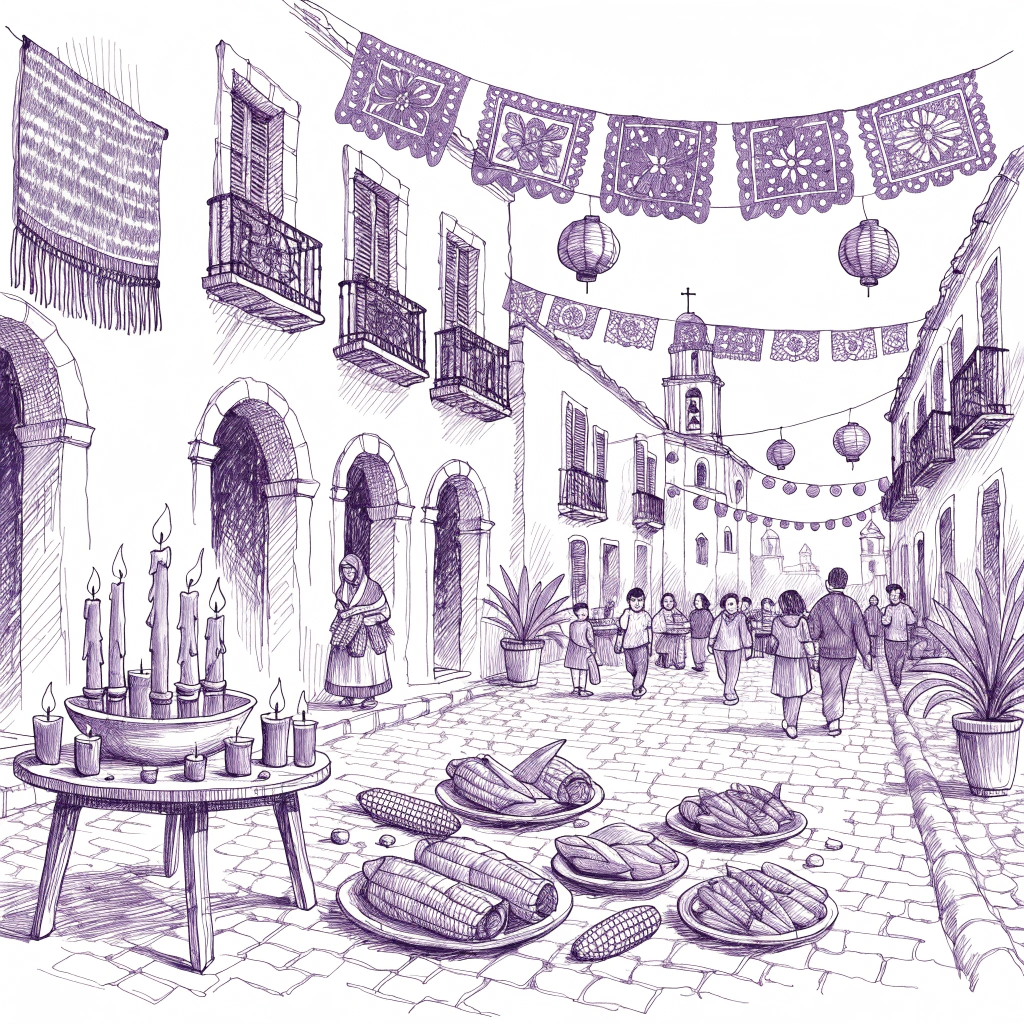
February 2nd is a special day in Mexico. People call it "Día de la Candelaria". It is the end of the Christmas season.
Families and friends meet for a big party. They eat tamales together. Tamales are a traditional Mexican food made of corn. People drink hot chocolate.
This day is also about the baby Jesus. People dress a small baby Jesus doll in new clothes. They take the doll to the church. It is a happy time with family.
نکته دستوری
الگو: Present Simple (to be)
"February 2nd is a special day in Mexico."
We use 'is' with singular subjects like dates. It is used here to state a fact about a specific day.
الگو: Present Simple (Action Verbs)
"They eat tamales together."
For plural subjects like 'they', we use the base form of the verb. It describes a regular tradition or habit.
درک خود را بسنجید
10 سوال · A1 مبتدی · 1 پیشنمایش رایگان
آنچه از این مقاله آموختید را بسنجید. به همه سؤالات پاسخ دهید و XP کسب کنید!
When is Día de la Candelaria?
آیا میخواهید آزمون را تمام کنید؟
9 سؤال دیگر منتظر شماست. ثبتنام رایگان کنید تا آزمون کامل را باز کنید و XP کسب کنید!
ثبتنام رایگانقبلاً ثبتنام کردی؟ ورود
جزئیات سؤالات
When is Día de la Candelaria?
پاسخ شما:
پاسخ درست: February 2nd
People eat pizza during this celebration.
پاسخ شما:
پاسخ درست: نادرست
What does 'church' mean?
پاسخ شما:
پاسخ درست: A religious building
People drink hot _____.
پاسخ شما:
پاسخ درست: chocolate
A Special Day in Mexico: Día de la Candelaria
In Mexico, February 2nd is a very special day called Día de la Candelaria. This day marks the official end of the Christmas season. It is a time for families to get together and eat delicious food.
The tradition started on January 6th, the Day of the Three Kings. On that day, families ate a special cake called 'Rosca de Reyes.' Inside the cake, there was a small plastic figure of baby Jesus. If you found the figure in your piece of cake, you were the 'godparent.' This means you must buy tamales for everyone on February 2nd. Because of this, tamales are the most important food on this day.
People also go to church. They bring small dolls of the baby Jesus. They dress the dolls in beautiful new clothes. This tradition is older than you might think. Long ago, the Aztecs also celebrated this time because it was the beginning of the planting season. Today, Día de la Candelaria is a mix of different cultures. Families eat together and enjoy flavors like atole, a warm drink. It is a happy celebration.
نکته دستوری
الگو: Past Simple
"The tradition started on January 6th."
We use the past simple to talk about things that finished in the past. To form regular verbs, we usually add '-ed' to the end of the word.
الگو: Comparatives
"This tradition is older than you might think."
We use comparatives to compare two things. For short adjectives like 'old', we add '-er' and use the word 'than'.
درک خود را بسنجید
11 سوال · A2 مقدماتی · 1 پیشنمایش رایگان
آنچه از این مقاله آموختید را بسنجید. به همه سؤالات پاسخ دهید و XP کسب کنید!
What food is the most important on February 2nd?
آیا میخواهید آزمون را تمام کنید؟
10 سؤال دیگر منتظر شماست. ثبتنام رایگان کنید تا آزمون کامل را باز کنید و XP کسب کنید!
ثبتنام رایگانقبلاً ثبتنام کردی؟ ورود
جزئیات سؤالات
What food is the most important on February 2nd?
پاسخ شما:
پاسخ درست: Tamales
Día de la Candelaria marks the beginning of the Christmas season.
پاسخ شما:
پاسخ درست: نادرست
What does 'delicious' mean?
پاسخ شما:
پاسخ درست: Having a very good taste
Families ate a special cake called 'Rosca de ____.'
پاسخ شما:
پاسخ درست: Reyes
Who must buy the tamales?
پاسخ شما:
پاسخ درست: The person who found the figure in the cake
Día de la Candelaria: Mexico’s Unique Winter Festival
February 2nd is a very special day in Mexico. It is called "Día de la Candelaria," or Candlemas. For many people, this date marks the official end of the Christmas season. While some countries finish their celebrations in early January, Mexicans have continued the festivities for forty days after Christmas.
This holiday has a long and fascinating history. It commemorates the presentation of Jesus at the Temple, but it also has deep roots in ancient Aztec rituals. In the past, this time of year was known as the beginning of the "Atlcahualo," or the sowing season. Today, the day is celebrated with a unique blend of religious faith and delicious food.
The most famous part of the tradition involves the "Rosca de Reyes," a sweet bread eaten on January 6th. Hidden inside the bread is a small plastic figurine that represents the baby Jesus. The person who finds the figurine in their slice is named the "godparent." This person is responsible for hosting a party and providing tamales for everyone on February 2nd.
Tamales are traditional corn-based dishes that are steamed in husks. They have been prepared in Mexico for thousands of years. On Día de la Candelaria, families and friends gather to share these meals together. It is a social event that brings people closer.
Furthermore, many people take their "Niño Dios" (Baby Jesus) figures to church to be blessed. These figures are often dressed in beautiful new clothes, which are carefully chosen by the family. Some outfits are very simple, while others are extremely elegant. In conclusion, Día de la Candelaria is a vibrant festival where ancient and modern cultures meet. It is a time when community bonds are strengthened through shared responsibilities and traditional flavors that have been passed down for generations.
نکته دستوری
الگو: زمان حال کامل (Present Perfect)
"Mexicans have continued the festivities for forty days after Christmas."
با 'have' یا 'has' و قسمت سوم فعل (past participle) ساخته میشود. در اینجا برای توصیف عملی استفاده میشود که در گذشته شروع شده و تا زمان حال ادامه دارد.
الگو: حالت مجهول (Passive Voice)
"Tamales are traditional corn-based dishes that are steamed in husks."
با فعل 'to be' و قسمت سوم فعل (past participle) ساخته میشود. ما زمانی از این استفاده میکنیم که مفعول (تامالس) مهمتر از شخصی باشد که آنها را میپزد.
درک خود را بسنجید
11 سوال · B1 متوسط · 1 پیشنمایش رایگان
آنچه از این مقاله آموختید را بسنجید. به همه سؤالات پاسخ دهید و XP کسب کنید!
جشن «Día de la Candelaria» چه زمانی در مکزیک برگزار میشود؟
آیا میخواهید آزمون را تمام کنید؟
10 سؤال دیگر منتظر شماست. ثبتنام رایگان کنید تا آزمون کامل را باز کنید و XP کسب کنید!
ثبتنام رایگانقبلاً ثبتنام کردی؟ ورود
جزئیات سؤالات
جشن «Día de la Candelaria» چه زمانی در مکزیک برگزار میشود؟
پاسخ شما:
پاسخ درست: ۲ فوریه
«Día de la Candelaria» نشاندهنده شروع رسمی فصل کریسمس است.
پاسخ شما:
پاسخ درست: نادرست
کلمه «vibrant» در این مقاله به چه معناست؟
پاسخ شما:
پاسخ درست: پر از انرژی و زندگی
شخصی که مجسمه پلاستیکی را پیدا میکند، برای تهیه غذا _____ است.
پاسخ شما:
پاسخ درست: responsible
کدام غذای خاص، غذای اصلی است که در طول این جشنواره تقسیم میشود؟
پاسخ شما:
پاسخ درست: تامالس
Día de la Candelaria: A Synthesis of Faith and Ancient Tradition
Día de la Candelaria, celebrated annually on February 2nd, represents a fascinating synthesis of religious devotion and cultural heritage in Mexico. While its origins are rooted in the Catholic tradition of the Presentation of Jesus at the Temple, the holiday has evolved into a unique expression of Mexican identity. This date marks the official conclusion of the Christmas season, occurring exactly forty days after the birth of Christ. This transition from the festivities of the Nativity to the start of the agricultural cycle reflects the resilient spirit of a nation that has successfully blended diverse influences into a cohesive cultural fabric.
The celebration is perhaps most famous for its connection to the 'Rosca de Reyes' eaten on January 6th. According to custom, anyone who finds a small plastic figurine representing the baby Jesus in their slice of cake is designated as the 'godparent.' This individual is then responsible for hosting a feast featuring tamales on Candlemas. This social obligation, though lighthearted, reinforces communal bonds and ensures that hospitality remains a central pillar of the festivities. It is a time when friends and family gather to share a meal, fulfilling a promise made weeks earlier.
Beyond the culinary aspects, the day is characterized by intricate religious rituals. Families often dress figurines of the 'Niño Dios' (Child God) in elaborate costumes, ranging from traditional baptismal gowns to outfits representing various professions or saints. These figures are then taken to church to be blessed during special masses. This practice illustrates the deep personal connection many Mexicans maintain with their faith, treating the figurines with a level of care that reflects genuine parental devotion. In some regions, the tradition involves a year-long community effort to care for a shared figurine, highlighting the collective nature of this spiritual responsibility.
Historically, the timing of Día de la Candelaria is not coincidental. It aligns closely with the beginning of 'Atlcahualo,' the Aztec season for sowing crops. In pre-Hispanic times, corn—the literal and spiritual lifeblood of Mesoamerican civilizations—was offered to the gods to ensure a bountiful harvest. When the Spanish arrived, these indigenous agrarian rites merged with the Christian feast. Consequently, the consumption of tamales, which are made from corn dough, serves as a symbolic bridge between Mexico’s ancient past and its colonial history.
In contemporary Mexico, the holiday continues to thrive, even in urban centers where agricultural ties have weakened. It serves as a moment of reflection and collective joy. By participating in these traditions, younger generations inherit a legacy that values both religious observance and the preservation of ancestral roots. Ultimately, Día de la Candelaria is more than just a religious event; it is a vibrant testament to the enduring power of cultural fusion.
نکته دستوری
الگو: وجه مجهول (Passive Voice)
"anyone who finds a small plastic figurine representing the baby Jesus in their slice of cake is designated as the 'godparent.'"
در اینجا از وجه مجهول استفاده شده چون خودِ عمل (تعیین کردن) مهمتر از کسی است که آن را انجام میدهد. این ساختار با فعل 'to be' (اینجا is) و قسمت سوم فعل (designated) ساخته میشود.
الگو: حال کامل (Present Perfect)
"the holiday has evolved into a unique expression of Mexican identity."
این الگو کاری را توصیف میکند که در گذشته شروع شده و اثرش هنوز باقی است. اینجا روی نتیجهی فرآیند تکامل تأکید دارد.
الگو: جملات موصولی غیرضروری (Non-defining Relative Clauses)
"tamales, which are made from corn dough, serves as a symbolic bridge between Mexico’s ancient past and its colonial history."
این جمله اطلاعات اضافهای درباره «تامالس» میدهد که برای فهمیدن معنی اصلی جمله ضروری نیست، به همین دلیل با ویرگول از بقیه جمله جدا شده است.
درک خود را بسنجید
11 سوال · B2 بالاتر از متوسط · 1 پیشنمایش رایگان
آنچه از این مقاله آموختید را بسنجید. به همه سؤالات پاسخ دهید و XP کسب کنید!
چه چیزی مشخص میکند که چه کسی مسئول میزبانی ضیافت تاماله در ۲ فوریه است؟
آیا میخواهید آزمون را تمام کنید؟
10 سؤال دیگر منتظر شماست. ثبتنام رایگان کنید تا آزمون کامل را باز کنید و XP کسب کنید!
ثبتنام رایگانقبلاً ثبتنام کردی؟ ورود
جزئیات سؤالات
چه چیزی مشخص میکند که چه کسی مسئول میزبانی ضیافت تاماله در ۲ فوریه است؟
پاسخ شما:
پاسخ درست: پیدا کردن یک مجسمه کوچک در کیک مخصوص روز ۶ ژانویه.
روز «دیا د لا کاندلاریا» (Día de la Candelaria) شروع فصل کریسمس در مکزیک است.
پاسخ شما:
پاسخ درست: نادرست
کلمه 'legacy' در متن مقاله چه معنایی دارد؟
پاسخ شما:
پاسخ درست: میراث فرهنگی یا سنتهایی که از اجداد رسیده است.
این مقاله تعطیلات را به عنوان یک _____ جذاب از ارادت مذهبی و میراث فرهنگی توصیف میکند.
پاسخ شما:
پاسخ درست: synthesis
فصل پیش از اسپانیایی «اتلکاهوالو» (Atlcahualo) چطور با تعطیلات مدرن مرتبط است؟
پاسخ شما:
پاسخ درست: نشاندهنده شروع فصل کاشت بود که با جشن مسیحی همزمان میشد.
The Syncretic Tapestry of Candelaria: Mexico’s Cultural Coda
The culmination of Mexico’s festive winter cycle finds its most profound expression in 'Día de la Candelaria,' a celebration that defies simple categorization. While nominally a Christian feast commemorating the presentation of Jesus at the Temple, the reality of the event reveals a complex syncretism. Seldom does a tradition so effectively bridge the chasm between the pre-Hispanic past and the colonial era, creating a cultural tapestry that remains as vibrant today as it was centuries ago. This date, falling forty days after Christmas, marks the definitive conclusion of the holiday season, yet its significance is rooted as much in the soil as it is in the sanctuary.
Central to the day’s rituals is the 'Tamaliza,' a social obligation born from the 'Rosca de Reyes' shared on January 6th. Whosoever discovers the hidden figurine of the infant Jesus in their slice of bread is designated as the 'padrino' or godfather, assuming the responsibility of hosting a feast for friends and family. It is the communal sharing of tamales that serves as the cornerstone of this February celebration. This practice is not merely a culinary preference but a historical vestige of the sacred status of corn. In Mesoamerican mythology, humans were believed to be fashioned from corn, making the consumption of tamales a symbolic act of spiritual and physical sustenance.
Furthermore, the timing of Candelaria aligns perfectly with the ancient Aztec month of 'Atlcahualo,' which signaled the onset of the sowing season. The blessing of seeds and the petition for rain were historically paramount during this window. Consequently, the modern manifestation of the holiday represents a seamless layering of the Catholic liturgical calendar over indigenous agricultural cycles. The meticulous preparation of the 'Niño Dios' figurines reflects a deep-seated devotion that transcends mere religious formality. Families often dress these statues in elaborate costumes, ranging from traditional robes to contemporary outfits, before taking them to church for a formal blessing.
From a sociological perspective, the endurance of Candelaria highlights the resilience of community bonds in an increasingly atomized world. The holiday reinforces the 'compadrazgo' system—a network of ritual kinship that provides a social safety net and fosters collective identity. At the vanguard of cultural preservation, these traditions resist the homogenizing forces of globalization. The palpable excitement in the markets, filled with the aroma of steaming corn husks and artisanal textiles, serves as a reminder that culture is a living, breathing entity. Only by examining the agricultural roots of the Aztec calendar can one truly appreciate the depth of Candelaria’s connection to the Mexican landscape.
In conclusion, Día de la Candelaria is far more than a simple religious observance; it is a nuanced testament to the country’s history of adaptation and survival. The convergence of these distinct temporalities—the liturgical and the agricultural—creates a unique cultural synthesis. As Mexico continues to navigate the complexities of the 21st century, the continued relevance of such rituals ensures that the echoes of the past remain audible in the present, providing a sense of continuity and belonging for generations to come.
نکته دستوری
الگو: وارونگی منفی (Negative Inversion)
"Seldom does a tradition so effectively bridge the chasm between the pre-Hispanic past and the colonial era."
این ساختار شامل قرار دادن یک قید منفی یا محدودکننده در ابتدای جمله است که پس از آن فعل کمکی و فاعل میآید. برای تأکید و ایجاد لحنی رسمیتر و ادبی استفاده میشود.
الگو: جملات گسسته با It (It-Cleft Sentence)
"It is the communal sharing of tamales that serves as the cornerstone of this February celebration."
جملات گسسته برای تمرکز بر اطلاعات خاص با تقسیم یک جمله به دو بخش استفاده میشوند. در اینجا، تأکید میکند که «تقسیم اشتراکی» مهمترین عنصر جشن است.
الگو: اسمسازی (Nominalisation)
"The meticulous preparation of the 'Niño Dios' figurines reflects a deep-seated devotion that transcends mere religious formality."
اسمسازی، افعال یا صفات را به اسم تبدیل میکند (مثلاً 'preparation' از 'prepare'). این کار امکان نوشتن متون آکادمیک انتزاعیتر، فشردهتر و پیچیدهتر را با تمرکز بر مفاهیم به جای اعمال فراهم میکند.
درک خود را بسنجید
12 سوال · C1 پیشرفته · 1 پیشنمایش رایگان
آنچه از این مقاله آموختید را بسنجید. به همه سؤالات پاسخ دهید و XP کسب کنید!
موضوع اصلی مقاله در مورد «روز شمع» (Día de la Candelaria) چیست؟
آیا میخواهید آزمون را تمام کنید؟
11 سؤال دیگر منتظر شماست. ثبتنام رایگان کنید تا آزمون کامل را باز کنید و XP کسب کنید!
ثبتنام رایگانقبلاً ثبتنام کردی؟ ورود
جزئیات سؤالات
موضوع اصلی مقاله در مورد «روز شمع» (Día de la Candelaria) چیست؟
پاسخ شما:
پاسخ درست: ادغام ترکیبی (تلفیقی) سنتهای کاتولیک و بومی
«روز شمع» پایان رسمی فصل تعطیلات در مکزیک را مشخص میکند.
پاسخ شما:
پاسخ درست: درست
کلمه 'syncretism' در این متن چه معنایی دارد؟
پاسخ شما:
پاسخ درست: ادغام باورها یا فرهنگهای مختلف
در اساطیر آمریکای میانه، اعتقاد بر این بود که انسانها از _____ خلق شدهاند.
پاسخ شما:
پاسخ درست: corn
طبق مقاله، تاریخ ۲ فوریه با چه رویدادی در تقویم آزتک همزمان است؟
پاسخ شما:
پاسخ درست: آغاز فصل کاشت
شخصی که مجسمه را در «نان شاهان» (Rosca de Reyes) در ۲ فوریه پیدا میکند، باید میزبان جشن باشد.
پاسخ شما:
پاسخ درست: نادرست
Syncretic Sanctity: The Palimpsestic Evolution of Día de la Candelaria in Contemporary Mexico
The observance of Día de la Candelaria in Mexico represents a profound cultural confluence, where the rigid structures of the Catholic liturgical calendar mesh with the enduring vestiges of pre-Hispanic agrarian rites. Falling on the second of February, exactly forty days post-Nativity, the festival ostensibly commemorates the Presentation of Jesus at the Temple and the Purification of the Virgin Mary. Yet, to categorize it merely as a Christian rite is to overlook the palimpsestic nature of Mexican identity. Historically, this period aligned with the Aztec month of Atlcahualo, a time dedicated to the propitiation of Tlaloc for the coming rains. Consequently, the contemporary celebration is less a replacement of indigenous thought and more a sophisticated synthesis. Seldom does a tradition encapsulate such a wide spectrum of historical eras as Día de la Candelaria.
Central to the ritual is the veneration of the 'Niño Dios' (God Child). This practice involves a meticulous vestimentary tradition; the figure is arrayed in elaborate garments, ranging from traditional robes to contemporary outfits reflecting various professions or even sports teams. This act of dressing the doll is not merely pious; it reinforces the social fabric through the system of 'compadrazgo', or godparenting. It is imperative that the participant acknowledge the weight of the social obligation incurred during the preceding Epiphany. Should a participant discover the plastic figurine within the Rosca de Reyes, it becomes incumbent upon them to host the Candelaria feast. This social contract, predicated on the provision of tamales, serves as a mechanism of communal cohesion and commensality.
The choice of tamales is hardly arbitrary. Corn, the quintessential Mesoamerican staple, carries sacred connotations that predate the arrival of Europeans by millennia. In the Aztec worldview, humans were fashioned from corn; thus, offering tamales during the season of sowing is a symbolic return to origins and an insurance policy for the harvest. While modern observers might perceive the day as a mere culinary excuse, a more scholarly lens reveals a persistent dialogue between the colonial past and a resilient, indigenous present. Were one to analyze the ritual without its pre-Hispanic context, the logic of the corn offering would remain obscured. The corn serves as the bridge between the Catholic blessing of seeds and the ancient appeasement of the rain gods.
Furthermore, the celebration underscores a unique vernacular Catholicism. It is an arena where the sacred and the profane dance in a delicate equilibrium. The public processions and the private domestic rituals constitute a lived theology that transcends official dogma. This hybridization of belief systems allows for a flexible interpretation of faith, where the 'Niño Dios' becomes a member of the family, requiring care, clothing, and celebration. It is a testament to the Mexican capacity to absorb, adapt, and ultimately thrive through cultural hybridization.
Beyond the domestic sphere, the festival manifests in public spaces with vibrant markets dedicated solely to vestimentary accessories for the 'Niño Dios'. Here, the specialized vocabulary of the trade—referring to lace, satin, and miniature props—illustrates the depth of the tradition’s material culture. Scholars argue that such displays are not merely ornamental but represent a reclamation of agency by the laity over the rigid hierarchies of the Church. By taking the religious icons into their homes and dressing them according to local taste, the people transform the 'Niño Dios' into a symbol of local identity and personal devotion.
In conclusion, Día de la Candelaria serves as a compelling case study in cultural longevity. It is a living tapestry where every thread—from the liturgical chants to the steam rising from a pot of tamales—contributes to a larger narrative of syncretic sanctity. As Mexico continues to navigate the complexities of the 21st century, these rituals provide a necessary anchor, grounding the population in a shared history that is both ancient and ever-evolving. It remains an essential expression of the Mexican soul, proving that traditions are most vibrant when they allow for the palimpsestic layering of new meanings over old truths.
نکته دستوری
الگو: Negative Inversion (وارونگی منفی)
"Seldom does a tradition encapsulate such a wide spectrum of historical eras as Día de la Candelaria."
وقتی جملهای با یک قید منفی یا محدودکننده مثل «seldom» شروع میشود، فعل کمکی قبل از فاعل میآید. این ساختار در متون رسمی سطح C2 برای تأکید ادبی استفاده میشود.
الگو: The Subjunctive Mood (وجه التزامی)
"It is imperative that the participant acknowledge the weight of the social obligation incurred during the preceding Epiphany."
در انگلیسی رسمی، وجه التزامی بعد از افعال یا صفاتِ نشاندهنده ضرورت استفاده میشود. به استفاده از شکل پایه «acknowledge» به جای سوم شخص «acknowledges» دقت کنید.
الگو: Inverted Conditionals (جملات شرطی معکوس با Were/Should)
"Were one to analyze the ritual without its pre-Hispanic context, the logic of the corn offering would remain obscured."
جایگزین کردن «if» با ترتیب کلمات معکوس (Were + فاعل) لحنی علمیتر و فرضیتر ایجاد میکند که معمولاً در نوشتار دانشگاهی سطح C2 دیده میشود.
درک خود را بسنجید
12 سوال · C2 تسلط · 1 پیشنمایش رایگان
آنچه از این مقاله آموختید را بسنجید. به همه سؤالات پاسخ دهید و XP کسب کنید!
طبق مقاله، چرا جشن «Día de la Candelaria» به عنوان «palimpsestic» (چندلایه) توصیف شده است؟
آیا میخواهید آزمون را تمام کنید؟
11 سؤال دیگر منتظر شماست. ثبتنام رایگان کنید تا آزمون کامل را باز کنید و XP کسب کنید!
ثبتنام رایگانقبلاً ثبتنام کردی؟ ورود
جزئیات سؤالات
طبق مقاله، چرا جشن «Día de la Candelaria» به عنوان «palimpsestic» (چندلایه) توصیف شده است؟
پاسخ شما:
پاسخ درست: چون لایههای قابل مشاهدهای از هر دو سنت مسیحی و پیشا-هیسپانیک را حفظ کرده است.
تاریخ این فستیوال طوری انتخاب شده که با ماه آزتکی «Atlcahualo» همزمان باشد.
پاسخ شما:
پاسخ درست: درست
کلمه «incumbent» در زمینه جشن Candelaria چه معنایی دارد؟
پاسخ شما:
پاسخ درست: یک وظیفه یا مسئولیت اجباری.
انتخاب _____ به دلیل تاریخ مقدس مزوآمریکاییاش اصلاً تصادفی نیست.
پاسخ شما:
پاسخ درست: tamales
مفهوم «commensality» (همسفرگی) چه نقشی در این فستیوال دارد؟
پاسخ شما:
پاسخ درست: به عنوان مکانیسمی برای انسجام جمعی از طریق وعدههای غذایی مشترک عمل میکند.
لباس پوشاندن به «Niño Dios» سنتی است که به شدت توسط سلسله مراتب کلیسا نظارت و اجرا میشود.
پاسخ شما:
پاسخ درست: نادرست

