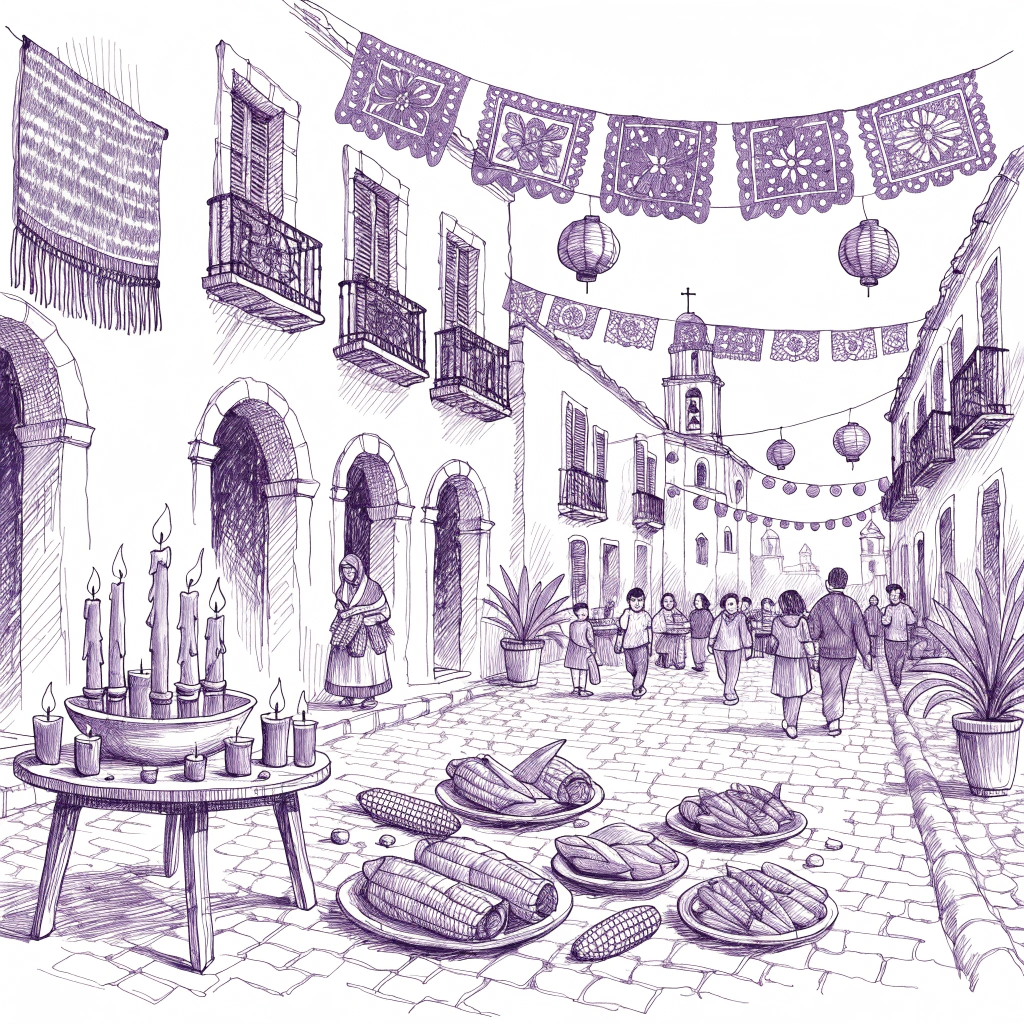
A Special Day in Mexico
February 2nd is a special day in Mexico. People call it "Día de la Candelaria". It is the end of the Christmas season.
Families and friends meet for a big party. They eat tamales together. Tamales are a traditional Mexican food made of corn. People drink hot chocolate.
This day is also about the baby Jesus. People dress a small baby Jesus doll in new clothes. They take the doll to the church. It is a happy time with family.
تسليط الضوء على القواعد
نمط: Present Simple (to be)
"February 2nd is a special day in Mexico."
We use 'is' with singular subjects like dates. It is used here to state a fact about a specific day.
نمط: Present Simple (Action Verbs)
"They eat tamales together."
For plural subjects like 'they', we use the base form of the verb. It describes a regular tradition or habit.
اختبر فهمك
10 أسئلة · A1 مبتدئ · معاينة مجانية واحدة
اختبر ما تعلمته من هذا المقال. أجب على جميع الأسئلة لكسب نقاط خبرة!
When is Día de la Candelaria?
هل تريد إنهاء الاختبار؟
9 أسئلة أخرى بانتظارك. سجّل مجاناً لفتح الاختبار الكامل وكسب نقاط خبرة!
سجل مجاناًلديك حساب بالفعل؟ دخول
تفصيل الأسئلة
When is Día de la Candelaria?
إجابتك:
الإجابة الصحيحة: February 2nd
People eat pizza during this celebration.
إجابتك:
الإجابة الصحيحة: خطأ
What does 'church' mean?
إجابتك:
الإجابة الصحيحة: A religious building
People drink hot _____.
إجابتك:
الإجابة الصحيحة: chocolate
A Special Day in Mexico: Día de la Candelaria
In Mexico, February 2nd is a very special day called Día de la Candelaria. This day marks the official end of the Christmas season. It is a time for families to get together and eat delicious food.
The tradition started on January 6th, the Day of the Three Kings. On that day, families ate a special cake called 'Rosca de Reyes.' Inside the cake, there was a small plastic figure of baby Jesus. If you found the figure in your piece of cake, you were the 'godparent.' This means you must buy tamales for everyone on February 2nd. Because of this, tamales are the most important food on this day.
People also go to church. They bring small dolls of the baby Jesus. They dress the dolls in beautiful new clothes. This tradition is older than you might think. Long ago, the Aztecs also celebrated this time because it was the beginning of the planting season. Today, Día de la Candelaria is a mix of different cultures. Families eat together and enjoy flavors like atole, a warm drink. It is a happy celebration.
تسليط الضوء على القواعد
نمط: الماضي البسيط
"The tradition started on January 6th."
نستخدم الماضي البسيط للتحدث عن أشياء انتهت في الماضي. لتكوين الأفعال المنتظمة، عادة ما نضيف '-ed' إلى نهاية الكلمة.
نمط: صيغ المقارنة
"This tradition is older than you might think."
نستخدم صيغ المقارنة للمقارنة بين شيئين. بالنسبة للصفات القصيرة مثل 'old'، نضيف '-er' ونستخدم كلمة 'than'.
اختبر فهمك
11 أسئلة · A2 ابتدائي · معاينة مجانية واحدة
اختبر ما تعلمته من هذا المقال. أجب على جميع الأسئلة لكسب نقاط خبرة!
ما هو الطعام الأهم في 2 فبراير؟
هل تريد إنهاء الاختبار؟
10 أسئلة أخرى بانتظارك. سجّل مجاناً لفتح الاختبار الكامل وكسب نقاط خبرة!
سجل مجاناًلديك حساب بالفعل؟ دخول
تفصيل الأسئلة
ما هو الطعام الأهم في 2 فبراير؟
إجابتك:
الإجابة الصحيحة: التاماليس
يوم الشموع يمثل بداية موسم عيد الميلاد.
إجابتك:
الإجابة الصحيحة: خطأ
ماذا تعني كلمة 'delicious'؟
إجابتك:
الإجابة الصحيحة: له طعم جيد جداً
أكلت العائلات كعكة خاصة تسمى 'Rosca de ____.'
إجابتك:
الإجابة الصحيحة: Reyes
من يجب أن يشتري التاماليس؟
إجابتك:
الإجابة الصحيحة: الشخص الذي وجد التمثال في الكعكة
Día de la Candelaria: Mexico’s Unique Winter Festival
February 2nd is a very special day in Mexico. It is called "Día de la Candelaria," or Candlemas. For many people, this date marks the official end of the Christmas season. While some countries finish their celebrations in early January, Mexicans have continued the festivities for forty days after Christmas.
This holiday has a long and fascinating history. It commemorates the presentation of Jesus at the Temple, but it also has deep roots in ancient Aztec rituals. In the past, this time of year was known as the beginning of the "Atlcahualo," or the sowing season. Today, the day is celebrated with a unique blend of religious faith and delicious food.
The most famous part of the tradition involves the "Rosca de Reyes," a sweet bread eaten on January 6th. Hidden inside the bread is a small plastic figurine that represents the baby Jesus. The person who finds the figurine in their slice is named the "godparent." This person is responsible for hosting a party and providing tamales for everyone on February 2nd.
Tamales are traditional corn-based dishes that are steamed in husks. They have been prepared in Mexico for thousands of years. On Día de la Candelaria, families and friends gather to share these meals together. It is a social event that brings people closer.
Furthermore, many people take their "Niño Dios" (Baby Jesus) figures to church to be blessed. These figures are often dressed in beautiful new clothes, which are carefully chosen by the family. Some outfits are very simple, while others are extremely elegant. In conclusion, Día de la Candelaria is a vibrant festival where ancient and modern cultures meet. It is a time when community bonds are strengthened through shared responsibilities and traditional flavors that have been passed down for generations.
تسليط الضوء على القواعد
نمط: زمن المضارع التام
"Mexicans have continued the festivities for forty days after Christmas."
يتكون هذا الزمن باستخدام 'have' أو 'has' مع التصريف الثالث للفعل. يُستخدم هنا لوصف فعل بدأ في الماضي وما زال مستمراً حتى الوقت الحالي.
نمط: المبني للمجهول
"Tamales are traditional corn-based dishes that are steamed in husks."
يتكون باستخدام فعل الكينونة 'to be' مع التصريف الثالث للفعل. نستخدم هذا الأسلوب عندما يكون المفعول به (التماليس) أكثر أهمية من الشخص الذي قام بطبخها.
اختبر فهمك
11 أسئلة · B1 متوسط · معاينة مجانية واحدة
اختبر ما تعلمته من هذا المقال. أجب على جميع الأسئلة لكسب نقاط خبرة!
متى يتم الاحتفال بـ 'يوم كانديلاريا' (Día de la Candelaria) في المكسيك؟
هل تريد إنهاء الاختبار؟
10 أسئلة أخرى بانتظارك. سجّل مجاناً لفتح الاختبار الكامل وكسب نقاط خبرة!
سجل مجاناًلديك حساب بالفعل؟ دخول
تفصيل الأسئلة
متى يتم الاحتفال بـ 'يوم كانديلاريا' (Día de la Candelaria) في المكسيك؟
إجابتك:
الإجابة الصحيحة: 2 فبراير
يمثل 'يوم كانديلاريا' البداية الرسمية لموسم عيد الميلاد.
إجابتك:
الإجابة الصحيحة: خطأ
ماذا تعني كلمة 'vibrant' في المقال؟
إجابتك:
الإجابة الصحيحة: مليء بالطاقة والحياة
الشخص الذي يجد التمثال البلاستيكي يكون _____ عن توفير الطعام.
إجابتك:
الإجابة الصحيحة: responsible
ما هو الطعام المحدد الذي يعتبر الطبق الرئيسي المشترك خلال هذا المهرجان؟
إجابتك:
الإجابة الصحيحة: تماليس
Día de la Candelaria: A Synthesis of Faith and Ancient Tradition
Día de la Candelaria, celebrated annually on February 2nd, represents a fascinating synthesis of religious devotion and cultural heritage in Mexico. While its origins are rooted in the Catholic tradition of the Presentation of Jesus at the Temple, the holiday has evolved into a unique expression of Mexican identity. This date marks the official conclusion of the Christmas season, occurring exactly forty days after the birth of Christ. This transition from the festivities of the Nativity to the start of the agricultural cycle reflects the resilient spirit of a nation that has successfully blended diverse influences into a cohesive cultural fabric.
The celebration is perhaps most famous for its connection to the 'Rosca de Reyes' eaten on January 6th. According to custom, anyone who finds a small plastic figurine representing the baby Jesus in their slice of cake is designated as the 'godparent.' This individual is then responsible for hosting a feast featuring tamales on Candlemas. This social obligation, though lighthearted, reinforces communal bonds and ensures that hospitality remains a central pillar of the festivities. It is a time when friends and family gather to share a meal, fulfilling a promise made weeks earlier.
Beyond the culinary aspects, the day is characterized by intricate religious rituals. Families often dress figurines of the 'Niño Dios' (Child God) in elaborate costumes, ranging from traditional baptismal gowns to outfits representing various professions or saints. These figures are then taken to church to be blessed during special masses. This practice illustrates the deep personal connection many Mexicans maintain with their faith, treating the figurines with a level of care that reflects genuine parental devotion. In some regions, the tradition involves a year-long community effort to care for a shared figurine, highlighting the collective nature of this spiritual responsibility.
Historically, the timing of Día de la Candelaria is not coincidental. It aligns closely with the beginning of 'Atlcahualo,' the Aztec season for sowing crops. In pre-Hispanic times, corn—the literal and spiritual lifeblood of Mesoamerican civilizations—was offered to the gods to ensure a bountiful harvest. When the Spanish arrived, these indigenous agrarian rites merged with the Christian feast. Consequently, the consumption of tamales, which are made from corn dough, serves as a symbolic bridge between Mexico’s ancient past and its colonial history.
In contemporary Mexico, the holiday continues to thrive, even in urban centers where agricultural ties have weakened. It serves as a moment of reflection and collective joy. By participating in these traditions, younger generations inherit a legacy that values both religious observance and the preservation of ancestral roots. Ultimately, Día de la Candelaria is more than just a religious event; it is a vibrant testament to the enduring power of cultural fusion.
تسليط الضوء على القواعد
نمط: Passive Voice
"anyone who finds a small plastic figurine representing the baby Jesus in their slice of cake is designated as the 'godparent.'"
The passive voice is used here because the action (designating) is more important than who is doing it. It is formed with the verb 'to be' (is) followed by the past participle (designated).
نمط: Present Perfect
"the holiday has evolved into a unique expression of Mexican identity."
This pattern describes an action that started in the past and continues to be relevant now. It emphasizes the result of the evolution process.
نمط: Non-defining Relative Clauses
"tamales, which are made from corn dough, serves as a symbolic bridge between Mexico’s ancient past and its colonial history."
This clause adds extra information about tamales that is not essential to the sentence's meaning. It is separated from the main sentence by commas.
اختبر فهمك
11 أسئلة · B2 فوق المتوسط · معاينة مجانية واحدة
اختبر ما تعلمته من هذا المقال. أجب على جميع الأسئلة لكسب نقاط خبرة!
What determines who is responsible for hosting the tamale feast on February 2nd?
هل تريد إنهاء الاختبار؟
10 أسئلة أخرى بانتظارك. سجّل مجاناً لفتح الاختبار الكامل وكسب نقاط خبرة!
سجل مجاناًلديك حساب بالفعل؟ دخول
تفصيل الأسئلة
What determines who is responsible for hosting the tamale feast on February 2nd?
إجابتك:
الإجابة الصحيحة: Finding a small figurine in a specific cake on January 6th.
Día de la Candelaria marks the beginning of the Christmas season in Mexico.
إجابتك:
الإجابة الصحيحة: خطأ
What does 'legacy' mean in the context of the article?
إجابتك:
الإجابة الصحيحة: Cultural heritage or traditions passed down from ancestors.
The article describes the holiday as a fascinating _____ of religious devotion and cultural heritage.
إجابتك:
الإجابة الصحيحة: synthesis
How is the pre-Hispanic 'Atlcahualo' season connected to the modern holiday?
إجابتك:
الإجابة الصحيحة: It marked the start of the sowing season, coinciding with the Christian feast.
"يوم الشمعة": تمازج التقاليد وتجليات الروح المكسيكية
يُعَدُّ يوم الشمعة، أو "Día de la Candelaria" كما يُعرف في المكسيك، احتفالاً ذا دلالات عميقة تتجاوز مجرد كونه نهاية لمواسم أعياد الميلاد. فليس هو بالاحتفال العادي، بل هو تجسيد حي لروح المكسيك التي تَتَّسِمُ بالقدرة الفريدة على صهر الثقافات والتقاليد المتنوعة في بوتقة واحدة. يحل هذا اليوم تحديدًا بعد أربعين يومًا من عيد الميلاد، وهو ما يُوافق الثاني من فبراير، ليشكل بذلك خاتمة رسمية لموسم بهيج من الاحتفالات التي تَعُمُّ البلاد.
إن ما يميز هذا اليوم هو تعانق جذوره الدينية العريقة مع طقوس ما قبل الغزو الإسباني. فمن الناحية المسيحية، يُحتفى فيه بذكرى تقديم السيد المسيح إلى الهيكل وتطهير السيدة العذراء مريم، وذلك وفقًا للشريعة الموسوية. تُعرف هذه المناسبة في التقليد الكنسي باسم "عيد تطهير مريم العذراء" أو "عيد الشموع"، حيث تُضاء الشموع كرمز للنور الذي جاء به المسيح إلى العالم. لهذه الطقوس مكانة جليلة في قلوب المكسيكيين المتدينين، إذ يرونها جزءًا لا يتجزأ من إيمانهم وتاريخهم الروحي.
لكن القصة لا تكتمل دون الإشارة إلى التراث الأصيل الذي أضفى على هذا العيد بعدًا مكسيكيًا خالصًا. ففي التقويم الأزتيكي القديم، كان هذا الوقت من العام يتزامن مع بداية فترة "أتلكاوالو" (Atlcahualo)، وهي الموسم الذي تُزرع فيه المحاصيل، ويُقدم فيه الشكر للآلهة على وفرة الماء لضمان حصاد وفير. كانت هذه الفترة تُعدّ حاسمة بالنسبة للمجتمعات الزراعية القديمة، ومما لا شك فيه أن هذا التناغم الزمني بين التقليدين أسهم في مزج الاحتفالين وتداخل دلالاتهما، ليُصبح يوم الشمعة رمزًا للخصوبة والتجديد، لا الروحي فحسب، بل الزراعي أيضًا.
تتجلى مظاهر الاحتفال بيوم الشمعة في المكسيك بطرق بهيجة ومفعمة بالحياة. من أبرز هذه المظاهر إعداد وتناول كميات وفيرة من "التماليس" (Tamales)، وهي أكلة مكسيكية تقليدية تُصنع من دقيق الذرة وتُطهى على البخار. تُعَدُّ هذه الوجبة جزءًا لا يتجزأ من الاحتفال، وغالبًا ما يكون من يقع عليه الاختيار لتقديمها هو من وجد تمثال "الطفل يسوع" الصغير مخبأً داخل كعكة "روسكا دي رييس" (Rosca de Reyes) التي تُقدم في عيد الغطاس. هذا التقليد يضفي عنصرًا من المفاجأة والمسؤولية الاجتماعية على الاحتفالات.
وما يُضفي على الاحتفال بهجة خاصة هو تقليد إلباس تماثيل الطفل يسوع الصغيرة ملابس جديدة وزاهية، ثم حملها إلى الكنائس لتُبارك. هذا الفعل الرمزي يُمثل اعتناء المجتمع بالطفل المقدس وتجديد العهد معه. ليست هذه الطقوس مجرد ممارسات دينية، بل هي مناسبات لتعزيز الروابط الاجتماعية والتكافل بين أفراد المجتمع، حيث تتجمع العائلات والأصدقاء لتبادل الطعام والضحكات والقصص، في أجواء احتفالية تُجسد جوهر الثقافة المكسيكية.
بهذا، يُصبح يوم الشمعة ليس مجرد عيد ديني أو زراعي، بل هو مرآة تعكس التوفيق الثقافي الفريد الذي يميز المكسيك. إنه احتفال يجمع بين القديم والحديث، بين الإيمان والتقاليد، ويُظهر كيف أن التاريخ يمكن أن يُنسج في نسيج غني من الممارسات المعاصرة. إنها حقًا مناسبة تستحق التأمل في عمقها الثقافي والروحي، وتُقدم لمحة ثرية عن الهوية المكسيكية المتفردة. فما أروع هذا الاحتفال الذي لا يزال يُلهم الأجيال ويُحافظ على جذوره المتشعبة في تربة المكسيك الغنية بالقصص والحضارات.
تسليط الضوء على القواعد
نمط: المصدر المؤول (Nominalization with أن/ما)
"إن ما يميز هذا اليوم هو تعانق جذوره الدينية العريقة مع طقوس ما قبل الغزو الإسباني."
يُستخدم المصدر المؤول (ما يميز) لتحويل الفعل والجملة الفعلية إلى اسم. هذا يُضيف قوة وتأكيدًا للمعنى، ويسمح بوضع الجملة كفاعل أو خبر. في هذا المثال، 'ما يميز' تعمل عمل الاسم في جملة اسمية.
نمط: تقديم الخبر على المبتدأ (Inversion of predicate and subject)
"للاحتفال دلالات عميقة تتجاوز مجرد كونه نهاية لمواسم أعياد الميلاد."
يُستخدم هذا الأسلوب لتقديم الخبر (للاحتفال) على المبتدأ (دلالات) عندما يكون الخبر شبه جملة (جار ومجرور أو ظرف) والمبتدأ نكرة. يُضيف هذا الأسلوب نوعًا من التأكيد أو التركيز على الخبر المقدم، ويُعد أسلوبًا بلاغيًا شائعًا في العربية.
نمط: جملة الفصل (Cleft Sentence equivalent)
"فليس هو بالاحتفال العادي، بل هو تجسيد حي لروح المكسيك."
هنا، تُستخدم 'ليس هو بالاحتفال العادي، بل هو...' لتمييز شيء ما وتحديده بدقة، وهو ما يُشبه جملة الفصل في الإنجليزية. يُركز هذا الأسلوب على المعلومة الجديدة أو التصحيح، ويُعطي الجملة قوة إيضاحية وتأكيدية.
اختبر فهمك
12 أسئلة · C1 متقدم · معاينة مجانية واحدة
اختبر ما تعلمته من هذا المقال. أجب على جميع الأسئلة لكسب نقاط خبرة!
متى يُحتفل بيوم الشمعة في المكسيك؟
هل تريد إنهاء الاختبار؟
11 أسئلة أخرى بانتظارك. سجّل مجاناً لفتح الاختبار الكامل وكسب نقاط خبرة!
سجل مجاناًلديك حساب بالفعل؟ دخول
تفصيل الأسئلة
متى يُحتفل بيوم الشمعة في المكسيك؟
إجابتك:
الإجابة الصحيحة: بعد عيد الميلاد بأربعين يومًا
يُعد يوم الشمعة احتفالاً دينيًا خالصًا لا يمتزج بأي تقاليد أخرى.
إجابتك:
الإجابة الصحيحة: خطأ
ماذا تعني كلمة "بوتقة" في سياق المقال؟
إجابتك:
الإجابة الصحيحة: مكان تتجمع فيه الثقافات وتندمج
في التقويم الأزتيكي، تزامن يوم الشمعة مع بداية فترة __________، وهي موسم زراعة المحاصيل.
إجابتك:
الإجابة الصحيحة: أتلكاوالو
ما هي الأكلة التقليدية التي تُعد جزءًا أساسيًا من احتفالات يوم الشمعة؟
إجابتك:
الإجابة الصحيحة: التماليس
من التقاليد أن من يجد تمثال الطفل يسوع في كعكة "روسكا دي رييس" هو من يُعد التماليس.
إجابتك:
الإجابة الصحيحة: صحيح
Syncretic Sanctity: The Palimpsestic Evolution of Día de la Candelaria in Contemporary Mexico
The observance of Día de la Candelaria in Mexico represents a profound cultural confluence, where the rigid structures of the Catholic liturgical calendar mesh with the enduring vestiges of pre-Hispanic agrarian rites. Falling on the second of February, exactly forty days post-Nativity, the festival ostensibly commemorates the Presentation of Jesus at the Temple and the Purification of the Virgin Mary. Yet, to categorize it merely as a Christian rite is to overlook the palimpsestic nature of Mexican identity. Historically, this period aligned with the Aztec month of Atlcahualo, a time dedicated to the propitiation of Tlaloc for the coming rains. Consequently, the contemporary celebration is less a replacement of indigenous thought and more a sophisticated synthesis. Seldom does a tradition encapsulate such a wide spectrum of historical eras as Día de la Candelaria.
Central to the ritual is the veneration of the 'Niño Dios' (God Child). This practice involves a meticulous vestimentary tradition; the figure is arrayed in elaborate garments, ranging from traditional robes to contemporary outfits reflecting various professions or even sports teams. This act of dressing the doll is not merely pious; it reinforces the social fabric through the system of 'compadrazgo', or godparenting. It is imperative that the participant acknowledge the weight of the social obligation incurred during the preceding Epiphany. Should a participant discover the plastic figurine within the Rosca de Reyes, it becomes incumbent upon them to host the Candelaria feast. This social contract, predicated on the provision of tamales, serves as a mechanism of communal cohesion and commensality.
The choice of tamales is hardly arbitrary. Corn, the quintessential Mesoamerican staple, carries sacred connotations that predate the arrival of Europeans by millennia. In the Aztec worldview, humans were fashioned from corn; thus, offering tamales during the season of sowing is a symbolic return to origins and an insurance policy for the harvest. While modern observers might perceive the day as a mere culinary excuse, a more scholarly lens reveals a persistent dialogue between the colonial past and a resilient, indigenous present. Were one to analyze the ritual without its pre-Hispanic context, the logic of the corn offering would remain obscured. The corn serves as the bridge between the Catholic blessing of seeds and the ancient appeasement of the rain gods.
Furthermore, the celebration underscores a unique vernacular Catholicism. It is an arena where the sacred and the profane dance in a delicate equilibrium. The public processions and the private domestic rituals constitute a lived theology that transcends official dogma. This hybridization of belief systems allows for a flexible interpretation of faith, where the 'Niño Dios' becomes a member of the family, requiring care, clothing, and celebration. It is a testament to the Mexican capacity to absorb, adapt, and ultimately thrive through cultural hybridization.
Beyond the domestic sphere, the festival manifests in public spaces with vibrant markets dedicated solely to vestimentary accessories for the 'Niño Dios'. Here, the specialized vocabulary of the trade—referring to lace, satin, and miniature props—illustrates the depth of the tradition’s material culture. Scholars argue that such displays are not merely ornamental but represent a reclamation of agency by the laity over the rigid hierarchies of the Church. By taking the religious icons into their homes and dressing them according to local taste, the people transform the 'Niño Dios' into a symbol of local identity and personal devotion.
In conclusion, Día de la Candelaria serves as a compelling case study in cultural longevity. It is a living tapestry where every thread—from the liturgical chants to the steam rising from a pot of tamales—contributes to a larger narrative of syncretic sanctity. As Mexico continues to navigate the complexities of the 21st century, these rituals provide a necessary anchor, grounding the population in a shared history that is both ancient and ever-evolving. It remains an essential expression of the Mexican soul, proving that traditions are most vibrant when they allow for the palimpsestic layering of new meanings over old truths.
تسليط الضوء على القواعد
نمط: تقديم الفعل على الفاعل للنفي (Negative Inversion)
"Seldom does a tradition encapsulate such a wide spectrum of historical eras as Día de la Candelaria."
عندما تبدأ الجملة بظرف نفي أو تقييد مثل 'seldom'، يأتي الفعل المساعد قبل الفاعل. يُستخدم هذا الأسلوب في النصوص الرسمية (C2) لإضافة توكيد بلاغي.
نمط: صيغة المصدر الشرطي (Subjunctive Mood)
"It is imperative that the participant acknowledge the weight of the social obligation incurred during the preceding Epiphany."
في الإنجليزية الرسمية، تُستخدم صيغة المصدر (subjunctive) بعد أفعال أو صفات الضرورة. لاحظ استخدام الصيغة الأساسية للفعل 'acknowledge' بدلاً من صيغة الغائب 'acknowledges'.
نمط: الجمل الشرطية المعكوسة (Were/Should)
"Were one to analyze the ritual without its pre-Hispanic context, the logic of the corn offering would remain obscured."
استبدال 'if' بترتيب كلمات معكوس (Were + الفاعل) يخلق نبرة أكثر أكاديمية وافتراضية، وهي نموذجية للكتابة الأكاديمية بمستوى C2.
اختبر فهمك
12 أسئلة · C2 إتقان · معاينة مجانية واحدة
اختبر ما تعلمته من هذا المقال. أجب على جميع الأسئلة لكسب نقاط خبرة!
وفقاً للمقال، لماذا يُعتبر احتفال 'ديا دي لا كانديلاريا' (Día de la Candelaria) 'متعدد الطبقات' (palimpsestic)؟
هل تريد إنهاء الاختبار؟
11 أسئلة أخرى بانتظارك. سجّل مجاناً لفتح الاختبار الكامل وكسب نقاط خبرة!
سجل مجاناًلديك حساب بالفعل؟ دخول
تفصيل الأسئلة
وفقاً للمقال، لماذا يُعتبر احتفال 'ديا دي لا كانديلاريا' (Día de la Candelaria) 'متعدد الطبقات' (palimpsestic)؟
إجابتك:
الإجابة الصحيحة: لأنه يحتفظ بطبقات مرئية من التقاليد المسيحية وما قبل الإسبانية معاً.
تم اختيار تاريخ المهرجان ليتماشى مع شهر 'أتل كاهوالو' (Atlcahualo) لدى الأزتيك.
إجابتك:
الإجابة الصحيحة: صحيح
ماذا تعني كلمة 'incumbent' في سياق وليمة كانديلاريا؟
إجابتك:
الإجابة الصحيحة: واجب أو مسؤولية إلزامية.
إن اختيار _____ ليس عشوائياً نظراً لتاريخه المقدس في أمريكا الوسطى.
إجابتك:
الإجابة الصحيحة: tamales
ما الذي تساهم به 'المؤاكلة' (commensality) في المهرجان؟
إجابتك:
الإجابة الصحيحة: تعمل كآلية للتماسك المجتمعي من خلال الوجبات المشتركة.
إلباس 'نيينيو ديوس' (Niño Dios) هو تقليد يخضع لرقابة صارمة وتطبيق من قبل التسلسل الهرمي للكنيسة.
إجابتك:
الإجابة الصحيحة: خطأ

