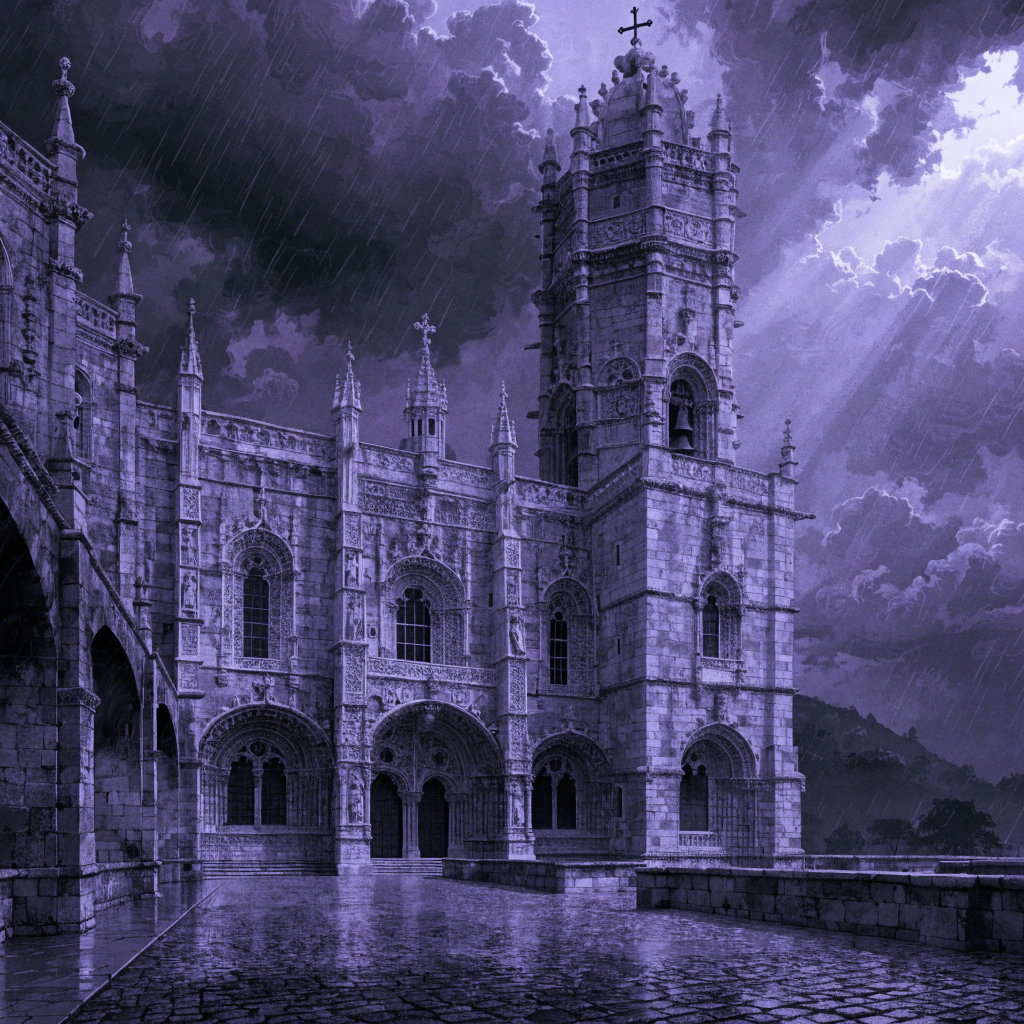
A Visit to Jerónimos Monastery
Jerónimos Monastery is a very big and beautiful building. It is in Lisbon, Portugal. It is very old. King Manuel I built it a long time ago. The monastery is near the river. It is white and has many decorations. Many people visit it every year. They see the tombs of famous people. One famous person is Vasco da Gama. He was a great explorer. The monastery is a special place. It is a UNESCO World Heritage site. Visitors like the garden and the big church. It is a peaceful place to walk.
نکته دستوری
الگو: The Verb 'To Be' (Present Simple)
"It is in Lisbon, Portugal."
We use 'is' for singular subjects like 'it' or 'he'. It describes location, state, or identity.
الگو: Present Simple (Regular Verbs)
"Many people visit it every year."
We use the base form of the verb for plural subjects like 'people'. This shows a regular action or a fact.
درک خود را بسنجید
10 سوال · A1 مبتدی · 1 پیشنمایش رایگان
آنچه از این مقاله آموختید را بسنجید. به همه سؤالات پاسخ دهید و XP کسب کنید!
Where is the Jerónimos Monastery?
آیا میخواهید آزمون را تمام کنید؟
9 سؤال دیگر منتظر شماست. ثبتنام رایگان کنید تا آزمون کامل را باز کنید و XP کسب کنید!
ثبتنام رایگانقبلاً ثبتنام کردی؟ ورود
جزئیات سؤالات
Where is the Jerónimos Monastery?
پاسخ شما:
پاسخ درست: Lisbon
The monastery is a new building.
پاسخ شما:
پاسخ درست: نادرست
What is a 'church'?
پاسخ شما:
پاسخ درست: A religious building
The monastery is near the _____.
پاسخ شما:
پاسخ درست: river
The Beautiful Jerónimos Monastery
The Jerónimos Monastery is a very famous building in Lisbon, Portugal. It is in the historic area called Belém. King Manuel I started the construction in 1501. He wanted to celebrate the return of Vasco da Gama from India. Vasco da Gama was a famous explorer who traveled by sea.
The monastery was very expensive to build. The King used money from the spice trade to pay for it. There was a special tax on pepper from Africa and Asia. Because the trade was successful, the King had a lot of money. The building is larger and more beautiful than other monuments in the city.
Today, many tourists visit the monastery every year. They look at the amazing stone carvings and the big church. It is a symbol of the Portuguese Age of Discovery. People like it because it tells an important story about the past. It is one of the most important places in Portugal.
نکته دستوری
الگو: Past Simple
"King Manuel I started the construction in 1501."
We use the past simple to talk about finished actions in the past. To form it for regular verbs, we usually add '-ed' to the verb.
الگو: Comparatives
"The building is larger and more beautiful than other monuments in the city."
We use comparatives to compare two things. For short words, we add '-er', and for long words, we use 'more' before the adjective.
درک خود را بسنجید
11 سوال · A2 مقدماتی · 1 پیشنمایش رایگان
آنچه از این مقاله آموختید را بسنجید. به همه سؤالات پاسخ دهید و XP کسب کنید!
Where is the Jerónimos Monastery located?
آیا میخواهید آزمون را تمام کنید؟
10 سؤال دیگر منتظر شماست. ثبتنام رایگان کنید تا آزمون کامل را باز کنید و XP کسب کنید!
ثبتنام رایگانقبلاً ثبتنام کردی؟ ورود
جزئیات سؤالات
Where is the Jerónimos Monastery located?
پاسخ شما:
پاسخ درست: Lisbon, Portugal
The construction of the monastery began in 1501.
پاسخ شما:
پاسخ درست: درست
What does 'explorer' mean?
پاسخ شما:
پاسخ درست: A person who travels to find new places
The King used money from the _____ trade to pay for the monastery.
پاسخ شما:
پاسخ درست: spice
Why was the monastery built?
پاسخ شما:
پاسخ درست: To celebrate the return of Vasco da Gama
صومعه ژرونیموس: نگین تاریخی لیسبون
صومعه ژرونیموس، یکی از باشکوهترین و پایدارترین بناهای تاریخی پرتغال، در محله تاریخی بِلِم شهر لیسبون قرار دارد. این صومعه نه تنها یک شاهکار معماری است، بلکه نمادی برجسته از دوران طلایی اکتشافات پرتغال به شمار میرود. ساخت این بنا بیش از پانصد سال پیش آغاز شد و تا به امروز، داستانهای زیادی از گذشته پرفراز و نشیب این کشور را در خود جای داده است و به عنوان یادبودی از آن دوره باشکوه باقی مانده است.
پادشاه مانوئل اول دستور ساخت این صومعه را در سال ۱۵۰۱ میلادی صادر کرد. هدف اصلی از ساخت آن، گرامیداشت بازگشت موفقیتآمیز واسکو دا گاما از سفر تاریخیاش به هند بود. واسکو دا گاما در این سفر، راه دریایی جدیدی را به شرق باز کرده بود که برای پرتغال بسیار مهم بود. هزینههای ساخت این صومعه عظیم، عمدتاً از مالیاتی به نام 'وینتِنا دا پیمِنتَا' تأمین میشد. این مالیات پنج درصدی بر تجارت پرسود ادویه از آفریقا و شرق تعلق میگرفت که دلیل اصلی شکوه و عظمت فوقالعاده این بنا است. به همین دلیل، صومعه با بهترین مصالح و با هنرمندی بینظیری ساخته شده است.
معماری صومعه ژرونیموس به سبک منحصربهفرد مانوئلین است که ترکیبی از عناصر گوتیک، رنسانس و دریایی را به زیبایی نشان میدهد. جزئیات حکاکی شده در سنگ، بهویژه در کلیسا، رواقها و نمای بیرونی آن، بسیار چشمگیر و دیدنی هستند. بسیاری از شخصیتهای مهم تاریخی پرتغال، از جمله واسکو دا گاما و پادشاه مانوئل اول، در این صومعه به خاک سپرده شدهاند. امروزه، این صومعه یکی از پربازدیدترین مکانهای گردشگری لیسبون است و در فهرست میراث جهانی یونسکو نیز ثبت شده است. بازدیدکنندگان میتوانند از زیباییهای بینظیر آن لذت ببرند و با تاریخ غنی پرتغال آشنا شوند.
نکته دستوری
الگو: فعل مجهول (Passive Voice)
"به همین دلیل، صومعه با بهترین مصالح و با هنرمندی بینظیری ساخته شده است."
این ساختار زمانی استفاده میشود که فاعل (انجام دهنده کار) مهم نیست، ناشناخته است، یا نمیخواهیم آن را بیان کنیم. برای ساخت آن، از اسم مفعول (participle) فعل اصلی به همراه فعل کمکی «شدن» (به شکل مناسب) استفاده میکنیم.
الگو: جمله موصولی با "که" (Relative Clause with "ke")
"واسکو دا گاما در این سفر، راه دریایی جدیدی را به شرق باز کرده بود که برای پرتغال بسیار مهم بود."
جمله موصولی اطلاعات بیشتری درباره یک اسم در جمله اصلی ارائه میدهد. «که» به عنوان رابط بین جمله اصلی و جمله موصولی عمل میکند و معمولاً به معنای «که» یا «آنچه» در انگلیسی است.
درک خود را بسنجید
11 سوال · B1 متوسط · 1 پیشنمایش رایگان
آنچه از این مقاله آموختید را بسنجید. به همه سؤالات پاسخ دهید و XP کسب کنید!
صومعه ژرونیموس در کدام شهر قرار دارد؟
آیا میخواهید آزمون را تمام کنید؟
10 سؤال دیگر منتظر شماست. ثبتنام رایگان کنید تا آزمون کامل را باز کنید و XP کسب کنید!
ثبتنام رایگانقبلاً ثبتنام کردی؟ ورود
جزئیات سؤالات
صومعه ژرونیموس در کدام شهر قرار دارد؟
پاسخ شما:
پاسخ درست: لیسبون
واسکو دا گاما پادشاهی بود که دستور ساخت صومعه را داد.
پاسخ شما:
پاسخ درست: نادرست
معنی کلمه "باشکوه" چیست؟
پاسخ شما:
پاسخ درست: بزرگ و زیبا
هزینههای ساخت صومعه عمدتاً از مالیات بر تجارت پرسود ____ تأمین میشد.
پاسخ شما:
پاسخ درست: ادویه
معماری صومعه ژرونیموس چه سبکی دارد؟
پاسخ شما:
پاسخ درست: مانوئلین
The Jerónimos Monastery: A Stone Testament to the Age of Discovery
Standing as a monumental testament to the Portuguese Age of Discovery, the Jerónimos Monastery is located in the historic Belém district of Lisbon. This magnificent structure, which was designated a UNESCO World Heritage site in 1983, serves as a permanent reminder of the era when Portuguese navigators explored the unknown corners of the globe. Consequently, it remains one of the most visited landmarks in Portugal, attracting scholars and tourists alike who wish to admire its unique architectural style.
The monastery was commissioned by King Manuel I in 1501, shortly after Vasco da Gama had returned from his pioneering voyage to India. The primary intention behind this ambitious project was to commemorate the success of the expedition and to provide a spiritual home for the monks of the Order of Saint Jerome. These monks were tasked with praying for the King’s soul and offering guidance to sailors who were about to embark on dangerous journeys across the Atlantic.
Interestingly, the opulence of the monastery was made possible by the enormous wealth generated during this period. The construction was largely funded by the 'Vintena da Pimenta,' a five percent tax levied on the lucrative spice trade from Africa and the Orient. This steady stream of income allowed for the use of high-quality limestone and the employment of the most skilled craftsmen of the time. As a result, the building flourished into a masterpiece that far exceeded the initial expectations of the royal court.
Architecturally, the Jerónimos Monastery is the quintessential example of the Manueline style. This specific Portuguese variant of Late Gothic architecture is characterized by its intricate carvings and maritime motifs. Throughout the cloisters and the church, one can observe stone decorations shaped like ropes, corals, and sea creatures, all of which reflect the nation’s deep connection to the ocean. Furthermore, the interior of the church features soaring columns and delicate vaulting that create a sense of weightlessness, despite the massive scale of the stone blocks used.
In conclusion, the Jerónimos Monastery is not merely a religious building; it is a symbol of national pride and historical achievement. Its legacy continues to influence Portuguese culture, serving as a bridge between the medieval past and the modern era. While it was built to celebrate maritime conquest, it now stands as a place of reflection on the complex history of global exploration.
نکته دستوری
الگو: Past Perfect for Sequential Events
"The monastery was commissioned by King Manuel I in 1501, shortly after Vasco da Gama had returned from his pioneering voyage to India."
The Past Perfect 'had returned' is used to show that this action was completed before another action in the past (the commissioning). This clarifies the historical timeline for the reader.
الگو: Reduced Relative Clause (Passive Participle)
"The construction was largely funded by the 'Vintena da Pimenta,' a five percent tax levied on the lucrative spice trade from Africa and the Orient."
The phrase 'levied on' acts as a reduced relative clause (which was levied on). Using the past participle directly after the noun is a formal way to provide additional details concisely.
الگو: Future in the Past (Be about to)
"These monks were tasked with praying for the King’s soul and offering guidance to sailors who were about to embark on dangerous journeys across the Atlantic."
The structure 'were about to' indicates an action that was intended or expected to happen immediately after a specific moment in the past. It highlights the tension and proximity of the sailors' departure.
درک خود را بسنجید
11 سوال · B2 بالاتر از متوسط · 1 پیشنمایش رایگان
آنچه از این مقاله آموختید را بسنجید. به همه سؤالات پاسخ دهید و XP کسب کنید!
What was the primary reason King Manuel I commissioned the monastery?
آیا میخواهید آزمون را تمام کنید؟
10 سؤال دیگر منتظر شماست. ثبتنام رایگان کنید تا آزمون کامل را باز کنید و XP کسب کنید!
ثبتنام رایگانقبلاً ثبتنام کردی؟ ورود
جزئیات سؤالات
What was the primary reason King Manuel I commissioned the monastery?
پاسخ شما:
پاسخ درست: To celebrate the successful return of Vasco da Gama
The construction of the monastery was funded by local property taxes in Lisbon.
پاسخ شما:
پاسخ درست: نادرست
What does the word 'intricate' mean in the context of the article?
پاسخ شما:
پاسخ درست: Very detailed and complicated
The monastery is located in the historic _____ district of Lisbon.
پاسخ شما:
پاسخ درست: Belém
Which architectural style is the Jerónimos Monastery the best example of?
پاسخ شما:
پاسخ درست: Manueline
دیر ژرونیموش: تجلی شکوه عصر کاوش پرتغال
در قلب منطقه تاریخی بِلِم در لیسبون، پایتخت پرتغال، بنایی باشکوه و جاودانه قد برافراشته که گواه عظمتی بیبدیل از دوران طلایی اکتشافات جغرافیایی این کشور است: دیر ژرونیموش (Mosteiro dos Jerónimos). این شاهکار معماری، نه تنها نمادی از قدرت و ثروت پرتغال در قرن شانزدهم میلادی است، بلکه به عنوان یک میراث جهانی یونسکو، داستانهایی از سفرهای پرمخاطره و پیروزیهای شگرف را در دل خود نهفته دارد.
ساخت این دیر عظیم به دستور پادشاه مانوئل اول، در سال ۱۵۰۱ میلادی آغاز شد. انگیزهی اصلی برای این اقدام بلندپروازانه، تجلیل از بازگشت موفقیتآمیز واسکو دا گاما از اولین سفر دریاییاش به هند بود. واسکو دا گاما، دریانورد نامی پرتغالی، با کشف مسیر دریایی جدید به هند، دروازههای ثروت سرشار شرق را به روی اروپا گشود و دوران جدیدی از تجارت و توسعه را رقم زد. این دیر قرار بود پناهگاهی باشد برای دریانوردان پیش از عزیمت به اقیانوسهای ناشناخته و نیز مکانی برای شکرگزاری پس از بازگشت از سفرهای اکتشافی.
آنچه به این بنای عظیم امکان ساخت با چنین مقیاس و شکوهی را بخشید، نه تنها اراده پادشاهی، بلکه پشتوانه مالی بیسابقهای بود که از «وینتنا دا پیمنتا» (Vintena da Pimenta) تأمین میشد. این مالیات پنج درصدی بر تجارت پرسود ادویه و کالاهای لوکس از آفریقا و شرق، منبعی بیپایان از ثروت را به خزانه سلطنتی سرازیر میکرد. این درآمد هنگفت، به معماران و صنعتگران اجازه داد تا با نهایت دقت و خلاقیت، جزئیات خیرهکنندهای را در هر گوشه از این مجموعه بیافرینند، که تجلیبخش رونق بیمانند عصر کاوش بود.
سبک معماری دیر ژرونیموش، که به «مانوئلینی» شهرت دارد، ترکیبی منحصر به فرد از گوتیک متأخر پرتغالی با عناصر رنسانس و نقوش دریایی است. این سبک، با تزئینات پرکار و پیچیده، ستونهای مارپیچ، و استفاده فراوان از نقوش مرتبط با دریا همچون مرجانها، طنابها، و حیوانات دریایی، حال و هوای اکتشافات اقیانوسی را به وضوح منعکس میکند. شبستان اصلی کلیسا، با طاقهای بلند و ستونهای باشکوهش، فضایی روحانی و در عین حال پر ابهت را پدید آورده که هر بینندهای را به تأمل وامیدارد.
دیر ژرونیموش، فراتر از یک بنای مذهبی، به یک نماد ملی تبدیل شده است. این مکان، مدفن واسکو دا گاما، کاموئنـس (شاعر ملی پرتغال) و چندین پادشاه پرتغالی است که خود بر اهمیت تاریخی آن میافزاید. گویی روح عصر کاوش در هر سنگ و ستون آن دمیده شده است. بازدید از این دیر، تنها مشاهده یک اثر معماری نیست، بلکه سفری است به گذشتهای پر افتخار که در آن پرتغال، نقش محوری در گشودن مرزهای جهان ایفا کرد.
امروزه، دیر ژرونیموش نه تنها مقصد گردشگران از سراسر جهان است، بلکه همچنان به عنوان یک مرکز فرهنگی و تاریخی، به حیات خود ادامه میدهد. این بنا، با پیوند ناگسستنیاش با تاریخ دریانوردی و اکتشافات، یادآور این نکته است که چگونه اراده و جسارت انسان میتواند مسیر تاریخ را تغییر دهد و میراثی ماندگار برای نسلهای آینده به جای گذارد. به راستی که این دیر، اوج شکوه عصر کاوش پرتغال و اثری جاودان از نبوغ بشری است.
نکته دستوری
الگو: اسمسازی با پسوند «ـش» (Nominalization with '-eš')
"بازگشتِ موفقیتآمیزِ واسکو دا گاما از هند، انگیزهای شد..."
در فارسی، میتوان با افزودن پسوند «ـش» به ریشه فعل، از فعل اسم ساخت. در این مثال، «بازگشت» از فعل «بازگشتن» (به معنی برگشتن) ساخته شده و به یک اسم (بازگشتن) تبدیل شده است که مفهوم عمل برگشت را میرساند. این ساختار به فشردهسازی اطلاعات و بیان مفاهیم پیچیدهتر کمک میکند.
الگو: جملهبندی معکوس (Inversion)
"نمادی است از اوجگیریِ قدرتِ دریاییِ پرتغال، این دیر باشکوه."
در جملهبندی معمول فارسی، فاعل در ابتدای جمله و فعل در انتها قرار میگیرد. اما در جملهبندی معکوس، ترتیب اجزا تغییر میکند تا بر بخش خاصی از جمله (مانند خبر یا مفعول) تأکید شود یا به منظور زیبایی کلامی. در این مثال، فاعل (این دیر باشکوه) بعد از فعل (است) و خبر (نمادی) آمده تا بر ویژگی نمادین دیر تأکید کند.
الگو: جملات موصولی پیچیده با «آنچه که» (Complex Relative Clauses with 'آنچه که')
"آنچه این بنا را بیش از پیش برجسته میسازد، پیوند ناگسستنی آن با عصر زرین اکتشافات است."
«آنچه که» (یا فقط «آنچه») برای اشاره به یک چیز یا مفهوم کلی به کار میرود و معمولاً در ابتدای یک جمله پیرو میآید که نقش فاعل یا مفعول را در جمله اصلی دارد. این ساختار برای تأکید بر یک عامل یا ویژگی خاص و معرفی آن به عنوان هسته اصلی مفهوم استفاده میشود. این جمله بر «پیوند ناگسستنی» به عنوان دلیل اصلی برجستگی بنا تأکید میکند.
درک خود را بسنجید
12 سوال · C1 پیشرفته · 1 پیشنمایش رایگان
آنچه از این مقاله آموختید را بسنجید. به همه سؤالات پاسخ دهید و XP کسب کنید!
دیر ژرونیموش در کدام شهر پرتغال واقع شده است؟
آیا میخواهید آزمون را تمام کنید؟
11 سؤال دیگر منتظر شماست. ثبتنام رایگان کنید تا آزمون کامل را باز کنید و XP کسب کنید!
ثبتنام رایگانقبلاً ثبتنام کردی؟ ورود
جزئیات سؤالات
دیر ژرونیموش در کدام شهر پرتغال واقع شده است؟
پاسخ شما:
پاسخ درست: لیسبون
ساخت دیر ژرونیموش پیش از بازگشت واسکو دا گاما از هند آغاز شد.
پاسخ شما:
پاسخ درست: نادرست
«تجلی» به چه معناست؟
پاسخ شما:
پاسخ درست: ظاهر شدن و نمایان گشتن
منبع اصلی تأمین مالی ساخت دیر ژرونیموش، مالیات بر تجارت پرسود __________ از آفریقا و شرق بود.
پاسخ شما:
پاسخ درست: ادویه
سبک معماری «مانوئلینی» چه ویژگیهایی دارد؟
پاسخ شما:
پاسخ درست: ترکیبی از گوتیک، رنسانس و نقوش دریایی
واسکو دا گاما و کاموئنـس (شاعر ملی پرتغال) در دیر ژرونیموش دفن شدهاند.
پاسخ شما:
پاسخ درست: درست
An Architectural Epitome of Lusitanian Grandeur: Deciphering the Jerónimos Monastery
Should one venture into the historic Belém district of Lisbon, one is immediately confronted by the Jerónimos Monastery, a structure that transcends mere religious utility to become a profound ontological statement of Portuguese maritime identity. Commissioned in 1501 by King Manuel I, the monastery serves as an enduring testament to the Age of Discovery, specifically commemorating Vasco da Gama’s epoch-making voyage to India. To perceive the monastery solely as a place of worship would be to overlook its role as a monumental ledger of the 'Vintena da Pimenta'—the five percent tax on the lucrative spice trade from Africa and the Orient that bankrolled its construction.
The architectural style, often termed 'Manueline,' represents a late Gothic exuberance infused with idiosyncratic nautical motifs. Here, the stone appears to have been rendered fluid, as if the very limestone were susceptible to the ebb and flow of the Atlantic. Intricate carvings of ropes, corals, and armillary spheres are not merely decorative; they are semiotic markers of a nation that viewed the ocean as its sovereign domain. Were the monastery to be stripped of these ornaments, it would lose the very essence of its historical narrative.
The interior of the Santa Maria church offers a masterclass in spatial dynamics. The slender, octagonal columns rise like petrified palms, supporting a vaulted ceiling of such complexity that it seems to defy the laws of gravity. This ethereal lightness is achieved through a sophisticated understanding of structural engineering, a feat that allowed the building to survive the devastating earthquake of 1755. It is through this resilience that the monastery has maintained its status as a pinnacle of European architecture.
Furthermore, the cloister warrants a meticulous examination. Widely regarded as one of the most beautiful in the world, its two-story structure exhibits a harmonious juxtaposition of Manueline and Renaissance elements. Each archway is uniquely detailed, ensuring that no two perspectives are identical. It is imperative that the scholar recognize the subtle shifts in stylistic influence, from the ornate plateresque details to the more restrained classical forms that began to permeate Portuguese art during the long construction period.
The Hieronymite Order, for whom the monastery was built, played a pivotal role in providing spiritual solace to the sailors who departed from the nearby docks. The monks were tasked with praying for the king's soul and for the safe passage of the maritime expeditions. This symbiotic relationship between the ecclesiastical and the imperial is palpable in every corner of the cloisters.
The Jerónimos Monastery is also a necropolis of sorts, housing the tombs of luminaries such as Vasco da Gama and the poet Luís de Camões. Their presence underscores the monastery’s function as a secular shrine to Portuguese genius. It is not merely the stones that speak, but the collective memory of a people who once stood at the vanguard of global exploration. Seldom does a single edifice encapsulate the geopolitical ambitions and spiritual aspirations of an entire era so succinctly.
In contemporary discourse, the monastery’s inclusion as a UNESCO World Heritage site is frequently cited as a justification for its preservation. However, its significance extends far beyond institutional labels. It remains a living archive of the human impulse to reach beyond the horizon. For the modern observer, the Jerónimos Monastery serves as a reminder that prosperity is often the catalyst for artistic innovation, provided that such wealth is channeled into the creation of enduring beauty. To contemplate its facade is to engage with a history that is as turbulent as the seas that once carried the Portuguese caravels toward the unknown.
نکته دستوری
الگو: Negative Inversion
"Seldom does a single edifice encapsulate the geopolitical ambitions and spiritual aspirations of an entire era so succinctly."
When a negative or restrictive adverbial (like 'seldom') starts a sentence, the auxiliary verb and subject are inverted. This is used for rhetorical emphasis and formal tone.
الگو: Inverted Second Conditional (Subjunctive)
"Were the monastery to be stripped of these ornaments, it would lose the very essence of its historical narrative."
The word 'were' is used at the beginning of the clause to replace 'if' in a hypothetical condition. This structure is highly formal and common in academic or literary English.
الگو: Cleft Sentences for Focus
"It is through this resilience that the monastery has maintained its status as a pinnacle of European architecture."
This structure uses 'It is... that' to emphasize a specific part of the sentence, in this case, the reason ('through this resilience') for the outcome.
درک خود را بسنجید
12 سوال · C2 تسلط · 1 پیشنمایش رایگان
آنچه از این مقاله آموختید را بسنجید. به همه سؤالات پاسخ دهید و XP کسب کنید!
What was the primary fiscal source for the monastery’s construction?
آیا میخواهید آزمون را تمام کنید؟
11 سؤال دیگر منتظر شماست. ثبتنام رایگان کنید تا آزمون کامل را باز کنید و XP کسب کنید!
ثبتنام رایگانقبلاً ثبتنام کردی؟ ورود
جزئیات سؤالات
What was the primary fiscal source for the monastery’s construction?
پاسخ شما:
پاسخ درست: The Vintena da Pimenta
The Jerónimos Monastery was built primarily to celebrate the discovery of the Americas.
پاسخ شما:
پاسخ درست: نادرست
What does the term 'edifice' most accurately describe in the context of the article?
پاسخ شما:
پاسخ درست: A large, imposing building
The presence of luminaries like Vasco da Gama underscores the monastery’s function as a secular _____ to Portuguese genius.
پاسخ شما:
پاسخ درست: shrine
How did the monastery's architecture respond to the 1755 earthquake?
پاسخ شما:
پاسخ درست: It survived due to sophisticated structural engineering
The Manueline style is characterized by the use of nautical motifs such as ropes and corals.
پاسخ شما:
پاسخ درست: درست

