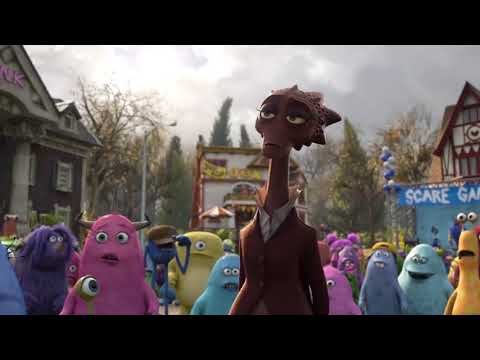
behold در ۳۰ ثانیه
- A formal and dramatic verb meaning to see or observe something truly remarkable or significant.
- Often used as an imperative ('Behold!') to draw immediate attention to a surprising or grand sight.
- Commonly found in literature, fantasy, religious texts, and the idiom 'lo and behold'.
- The past tense is 'beheld', and it implies a deeper emotional or aesthetic engagement than 'see'.
The verb behold is a powerful, evocative word that transcends the simple act of seeing. While 'see' or 'look' describes the basic sensory input of light hitting the retina, behold suggests a deeper level of engagement. It implies that what is being observed is of such magnitude, beauty, or significance that it demands the observer's full attention and perhaps even a sense of awe or reverence. In modern English, we don't use it to describe looking at a grocery list or a mundane street sign; we use it when we are confronted with something truly remarkable.
- The Essence of Observation
- To behold is to hold something in one's gaze. It is a deliberate, conscious act. When you behold a sunset, you aren't just noticing that the sun is going down; you are absorbing the colors, the atmosphere, and the fleeting nature of the moment. It is a word that bridges the gap between the physical act of sight and the emotional experience of perception.
The explorers climbed the final ridge to behold a valley untouched by modern civilization.
Historically, the word has deep roots in literature and religious texts. It often serves as a dramatic imperative—a command to pay attention. When a narrator says, 'Behold!', they are signaling to the reader or listener that something vital is about to be revealed. This dramatic flair is why the word is so common in epic poetry, fantasy novels, and historical dramas. It sets a tone of gravity and importance that 'look at' simply cannot match.
- Modern Ironic Usage
- Interestingly, because 'behold' is so grand, it is frequently used today in a humorous or ironic way. A friend might say, 'Behold! My messy room!' to mock the grandiosity of the word while presenting something distinctly unimpressive. This contrast between the word's formal history and its application to everyday life creates a comedic effect.
"Behold," he said with a smirk, pointing to the slightly burnt toast he had managed to make.
In academic and artistic contexts, 'behold' is used to discuss the relationship between the viewer and the object. The phrase 'beauty is in the eye of the beholder' is perhaps the most famous use of the word's derivative, emphasizing that the value of what is seen depends entirely on the person doing the seeing. This highlights the subjective, personal nature of beholding.
To truly behold a masterpiece, one must understand the context in which it was created.
- Visual Impact
- The word carries a visual weight. It suggests a panoramic view or a sudden revelation. When you behold something, you are often standing still, taking it all in. It is a static word in terms of physical movement but a dynamic word in terms of mental and emotional processing.
The crowd stood in silence to behold the launch of the rocket into the morning sky.
As the curtain rose, the audience was invited to behold the intricate set design for the first time.
Using behold correctly requires an understanding of its register and grammatical patterns. It is a transitive verb, meaning it usually takes a direct object—the thing that is being seen. However, its most iconic use is as a standalone imperative, often followed by a comma or an exclamation mark to draw immediate attention to something.
- The Imperative Form
- When used as a command, 'Behold' acts as a dramatic 'Look!' or 'See!'. It is almost always used at the beginning of a sentence to introduce a surprising or magnificent sight. Example: 'Behold, the king has arrived!' This usage is rare in casual speech but common in storytelling.
Behold! The ancient ruins are finally within our reach.
In standard narrative sentences, 'behold' functions like 'observe' or 'view'. It is often paired with infinitive constructions, such as 'to behold'. For instance, 'It was a sight to behold' is a very common idiomatic expression meaning something was incredibly impressive. Here, 'behold' emphasizes the visual impact of the scene.
- Tense and Conjugation
- The past tense of behold is 'beheld'. This is an irregular verb. You might say, 'They beheld the aurora borealis for the first time.' The present participle is 'beholding', used in continuous tenses or as a gerund: 'Beholding such beauty changed his perspective on life.'
She beheld her newborn child with a mixture of exhaustion and pure joy.
The word is also frequently used in the passive voice in formal descriptions, though less commonly than the active. 'The landscape was beheld by many but understood by few.' This places the emphasis on the object being seen rather than the person seeing it, adding to the sense of mystery or grandeur.
- The 'Lo and Behold' Idiom
- This is perhaps the most common way 'behold' appears in everyday modern English. It is used to express surprise at a sudden event or discovery. 'I thought I lost my keys, and then, lo and behold, they were in my pocket the whole time!'
I searched everywhere for the cat, and lo and behold, he was sleeping on top of the refrigerator.
In poetry, 'behold' can be used to personify nature or abstract concepts. A poet might ask the reader to 'behold the passing of time' or 'behold the winter's breath.' In these cases, the word encourages a contemplative, slow reading, asking the audience to visualize the abstract.
The traveler paused to behold the vastness of the desert stretching toward the horizon.
- Combining with Adverbs
- 'Behold' is often paired with adverbs that describe the manner of looking, such as 'silently,' 'wondrously,' or 'solemnly.' These pairings further reinforce the emotional weight of the action. 'He silently beheld the ruins of his former home.'
They beheld with wonder the intricate patterns carved into the cave walls.
While behold isn't a word you'll hear every day at the coffee shop, it occupies specific niches in the English language that make it recognizable to most native speakers. Understanding these contexts helps you know when it's appropriate to use and when it might sound out of place.
- Fantasy and Epic Storytelling
- If you watch movies like 'The Lord of the Rings' or play games like 'Elden Ring,' you will encounter 'behold' frequently. It is the language of prophecy, kings, and ancient magic. Characters use it to announce grand events or to describe legendary artifacts. It builds an atmosphere of high stakes and timelessness.
"Behold the sword that was broken!" cried the ranger as he revealed the blade.
In religious settings, particularly those using older translations of the Bible like the King James Version, 'behold' is ubiquitous. It is used to introduce divine revelations or important figures. Because of this, the word carries a 'biblical' or 'sacred' connotation for many people, even if they aren't religious themselves.
- Art Galleries and Museums
- Curators and art critics often use 'behold' to describe the experience of viewing a significant piece of art. It suggests that the art requires more than just a glance; it requires a deep, appreciative looking. You might see it in exhibition titles or descriptive plaques: 'Behold the Masters of the Renaissance.'
Visitors are invited to behold the sculpture from every angle to appreciate its complexity.
In the world of magic and stage performance, 'behold' is a classic part of the performer's vocabulary. A magician might say, 'And now, behold!' before revealing a disappeared object. Here, the word is used to build suspense and direct the audience's focus to a specific point in space.
- Sarcastic Social Media
- On platforms like Twitter or Reddit, users often use 'behold' to mock something they find ridiculous. By using such a formal word for something trivial, they highlight the absurdity. For example, posting a photo of a very small, sad-looking sandwich with the caption 'Behold: My $20 airport lunch.'
Behold, the peak of human engineering: a fork that is also a spoon.
Finally, you will hear it in the phrase 'a sight to behold.' This is a fixed expression used to describe anything exceptionally beautiful or impressive. A mountain range, a perfectly choreographed dance, or even a chaotic but impressive mess can all be 'sights to behold.'
The city lights from the airplane window were truly a sight to behold.
- Nature Documentaries
- Narrators with deep, authoritative voices (like David Attenborough) might use 'behold' to emphasize the majesty of the natural world. It frames the animal or landscape as something worthy of our profound respect and attention.
Few humans have ever beheld the elusive snow leopard in its natural habitat.
Because behold is a formal and somewhat archaic word, it is easy to misuse. The most common errors involve tone, grammar, and confusion with similar-sounding or similar-meaning words. Understanding these pitfalls will help you use the word with precision and avoid sounding unnatural.
- Mistake 1: Misjudging the Register
- The biggest mistake is using 'behold' in a casual, everyday context where 'look at' or 'see' is more appropriate. Saying 'Behold my new shoes' to a friend while walking down the street sounds overly dramatic or even strange, unless you are clearly joking. It is a 'high-register' word, reserved for significant moments.
Incorrect: I beheld the email in my inbox this morning.
Instead, use 'saw' or 'noticed' for mundane things. Reserve 'behold' for the Grand Canyon, a masterpiece of art, or a life-changing event. The word implies a sense of scale and importance that an email simply doesn't have.
- Mistake 2: Adding Unnecessary Prepositions
- Learners often treat 'behold' like 'look' and add the preposition 'at'. However, 'behold' is a transitive verb that takes its object directly. You behold a sight; you do not 'behold at' a sight. This is a subtle but important grammatical distinction.
Incorrect: We stood on the cliff to behold at the ocean.
Correct: 'We stood on the cliff to behold the ocean.' The object 'the ocean' follows the verb directly. This mistake often happens because learners are translating from languages where the equivalent verb requires a preposition.
- Mistake 3: Confusing 'Behold' with 'Hold'
- While 'behold' contains the word 'hold,' and historically meant 'to hold in view,' it does not mean to physically hold something in your hands. You cannot 'behold a cup of coffee' if you mean you are carrying it. This confusion is rare but can occur due to the word's etymology.
Incorrect: Please behold this bag while I tie my shoes.
In this case, the correct word is simply 'hold.' 'Behold' is strictly about visual perception and mental observation.
- Mistake 4: Overusing 'Lo and Behold'
- The phrase 'lo and behold' is a great idiom, but using it too frequently can make your speech sound repetitive or overly theatrical. It should be saved for moments of genuine (or mock) surprise. If you use it for every small discovery, it loses its impact.
I opened the door and, lo and behold, it was raining. (Fine, but 'it was raining' might not be surprising enough for this idiom).
Finally, be careful with the past tense. Some people mistakenly use 'beholded' instead of the correct irregular form 'beheld.' Always remember: Behold, Beheld, Beheld.
Incorrect: They beholded the miracle.
To truly master behold, it's helpful to compare it with other verbs of perception. Each of these words has a slightly different nuance, and choosing the right one can significantly change the tone of your sentence.
- Behold vs. See
- 'See' is the most neutral and common word. It describes the basic ability of the eyes. 'Behold' is much more intense. You 'see' a bird, but you 'behold' a phoenix. 'See' is passive; 'behold' is active and appreciative.
You can see the mountain from here, but you must climb it to truly behold its glory.
'Look' implies direction. You look at something specific. 'Behold' implies a more holistic experience. When you 'look' at a painting, you might be checking for a specific detail. When you 'behold' a painting, you are taking in the entire work and its emotional impact.
- Behold vs. Observe
- 'Observe' is clinical and scientific. It suggests watching something carefully to gather information or follow a rule. 'Behold' is emotional and aesthetic. A scientist observes a chemical reaction; a poet beholds the stars. 'Observe' is about the head; 'behold' is about the heart.
The astronomer observed the planet's orbit, while the dreamer beheld the mystery of the cosmos.
'Witness' is another close synonym, but it often carries a legal or historical weight. You witness an accident or a historical signing. 'Witness' implies being present for an event. 'Behold' is more focused on the visual beauty or significance of the object itself.
- Behold vs. Gaze
- 'Gaze' describes a long, steady look, often one that is dreamy or lost in thought. 'Behold' is more focused and intentional. You might gaze out a window while thinking of something else, but if you behold the view, the view is the only thing on your mind.
She gazed at the old photograph, but when she looked up, she beheld the person she had been thinking of.
'View' is a good alternative for formal but non-poetic contexts, such as real estate or tourism. 'Perceive' is more about the mental recognition of something through the senses. 'Behold' remains the most dramatic and appreciative of the group.
The architect wanted the public to view the building as a symbol of progress.
- Summary Table
-
- See: Basic, neutral sensory input.
- Look: Directed attention.
- Observe: Scientific, clinical, detailed.
- Gaze: Long, steady, often dreamy.
- Witness: Present for an event, often formal.
- Behold: Awe-inspiring, significant, appreciative.
چقدر رسمی است؟
نکته جالب
The word originally meant 'to hold' in a physical sense, but over time it shifted to mean 'holding' something with your eyes.
راهنمای تلفظ
- Pronouncing the 'h' too softly.
- Stressing the first syllable (BE-hold).
- Confusing it with the word 'beheld' in the present tense.
سطح دشواری
Common in literature and stories.
Hard to use without sounding too dramatic.
Rarely used in casual speech.
Easy to recognize in context.
بعداً چه یاد بگیریم؟
پیشنیازها
بعداً یاد بگیرید
پیشرفته
گرامر لازم
Irregular Past Tense
Behold -> Beheld (not beholded).
Transitive Verb
You behold the mountain (no 'at').
Imperative Use
Behold! The star is rising.
Infinitive of Purpose
They stopped to behold the view.
Passive Voice
The miracle was beheld by the whole village.
مثالها بر اساس سطح
Behold the king!
Look at the king!
Imperative form.
They behold the big tree.
They look at the big tree.
Present tense.
Behold, a gift for you!
Look, a gift for you!
Introductory use.
We behold the stars.
We look at the stars.
Simple present.
Behold the beautiful flowers.
Look at the beautiful flowers.
Imperative with adjective.
He beheld the cat.
He looked at the cat.
Past tense (beheld).
Behold! The sun is rising.
Look! The sun is rising.
Exclamatory use.
She beheld the ocean.
She looked at the ocean.
Past tense.
Behold the power of magic!
Look at how strong magic is!
Abstract object.
The children beheld the circus with joy.
The children watched the circus happily.
Past tense with prepositional phrase.
Behold, the new car is here.
Look, the new car has arrived.
Introductory 'Behold'.
They beheld the mountain from the car.
They saw the mountain while driving.
Past tense.
Behold the painting on the wall.
Look at the painting on the wall.
Imperative.
He beheld his prize with a smile.
He looked at his trophy and smiled.
Past tense with emotion.
Behold, the door is open!
Look, the door is open!
Surprise element.
We beheld the parade in the street.
We watched the parade in the street.
Past tense.
The waterfall was a sight to behold.
The waterfall was very impressive to look at.
Idiomatic expression 'a sight to behold'.
Lo and behold, the missing keys were in the drawer.
Surprisingly, the keys were in the drawer.
Idiom 'lo and behold'.
She stood still to behold the sunset.
She stopped to watch the sunset carefully.
Infinitive of purpose.
The explorers beheld a hidden city.
The explorers saw a city that was hidden.
Past tense.
Behold the results of your hard work.
Look at what you achieved by working hard.
Formal imperative.
He beheld the ancient ruins with wonder.
He looked at the old buildings with amazement.
Past tense with 'with wonder'.
It is a marvel to behold.
It is something amazing to see.
Adjective + infinitive.
They beheld the northern lights for the first time.
They saw the aurora borealis for the first time.
Past tense.
The artist invited the public to behold his latest creation.
The artist asked people to view his new work.
Formal infinitive.
To behold such beauty is a rare privilege.
Seeing something this beautiful is a special opportunity.
Gerund-like infinitive subject.
He beheld the destruction of the city with a heavy heart.
He watched the city being destroyed and felt very sad.
Past tense with emotional context.
Behold, I show you a mystery.
Look, I am going to reveal a secret to you.
Biblical/literary style.
The mountain range was truly a sight to behold from the summit.
The mountains looked amazing from the top.
Idiomatic use.
She beheld her reflection and didn't recognize herself.
She looked at herself in the mirror and felt different.
Reflexive object.
They beheld the vastness of the desert stretching before them.
They saw how huge the desert was in front of them.
Past tense.
Beholding the truth can sometimes be painful.
Seeing the reality of a situation can hurt.
Present participle as subject.
The philosopher urged his students to behold the world without prejudice.
The teacher told students to see the world objectively.
Metaphorical use.
The cathedral's architecture is a magnificent sight to behold.
The building's design is wonderful to see.
Formal description.
He beheld the unfolding events with a sense of impending doom.
He watched what was happening and felt something bad would occur.
Complex emotional state.
The beauty of the poem is only revealed to those who truly behold it.
Only people who really pay attention see the poem's beauty.
Passive voice context.
Behold the man who would be king.
Look at the person who wants to be the ruler.
Literary allusion.
She beheld the intricate patterns of the snowflake under the microscope.
She observed the detailed shapes of the snowflake.
Scientific but appreciative.
The sheer scale of the project was something to behold.
The project was so big it was impressive to see.
Abstract sight.
In that moment, they beheld the fragility of human life.
Then, they realized how easily human life can end.
Philosophical object.
To behold the sublime is to experience a terrifying kind of beauty.
Seeing something truly great makes you feel small and amazed.
Aesthetic theory context.
The witness beheld the crime from a distance, paralyzed by fear.
The person saw the crime but was too scared to move.
Narrative past tense.
Behold, the era of peace has finally dawned upon us.
Look, a time of no war has finally started.
Rhetorical imperative.
He beheld the ruins of his ambition in the faces of his failed followers.
He saw his failure reflected in the people who followed him.
Highly metaphorical.
The sheer audacity of the plan was a wonder to behold.
The plan was so bold it was amazing to see.
Abstract noun as object.
She beheld the cosmos not as a void, but as a vibrant tapestry of light.
She saw space as full of life and light, not empty.
Contrastive use.
The king's coronation was a spectacle beheld by millions across the globe.
Millions of people around the world watched the king being crowned.
Passive participle.
One must behold the work in its entirety to grasp its profound meaning.
You have to see the whole thing to understand it.
Formal necessity.
ترکیبهای رایج
عبارات رایج
— Used to present a new scene or situation as a surprise.
I opened the box and, lo and behold, it was empty.
— Something that is very impressive or beautiful to look at.
The mountain range at sunset is a sight to behold.
— A phrase often used to draw attention to a person's character or state (Ecce Homo).
Behold the man who saved the village.
— A dramatic announcement of a leader's presence.
The herald cried, 'Behold your king!'
— Seeing something makes you believe it is true.
I didn't think it was possible, but to behold is to believe.
— A phrase used to introduce a new invention or era.
Behold the future of transportation: the electric jet.
— Often used metaphorically for finding truth or hope.
After years of darkness, he finally beheld the light.
— To look at the achievements or creations of someone.
Behold the works of the great architects.
— To watch a grand or public event.
The crowd gathered to behold the spectacle.
اغلب اشتباه گرفته میشود با
Hold is physical; behold is visual.
Beheld is the past tense; behold is the present.
Beholden means owing someone, not looking at them.
اصطلاحات و عبارات
— Different people have different ideas about what is beautiful.
I don't like that painting, but beauty is in the eye of the beholder.
proverbial— An expression of surprise at a sudden discovery.
I looked under the bed and, lo and behold, there was my shoe.
informal/ironic— Something exceptionally beautiful or impressive.
The garden in full bloom was a sight to behold.
standard— Owing thanks or having a duty to someone (related word).
I am beholden to you for your help.
formal— A dramatic way to mark a significant occasion.
Behold the day of our victory!
literary— To look at the big picture or have high ambitions.
Don't just look at the ground; behold the stars.
metaphorical— To meet or see someone very important.
He finally beheld the face of his rival.
dramatic— To see the result of someone's labor.
Behold the handiwork of a master craftsman.
formal— To be confronted with something unexplainable.
Behold the mystery of the deep sea.
poetic— To finally realize or see the reality of a situation.
Behold the truth that you have been hiding from.
rhetoricalبهراحتی اشتباه گرفته میشود
Both mean looking closely.
Observe is scientific/clinical; behold is emotional/appreciative.
Observe the experiment; behold the sunrise.
Both mean seeing an event.
Witness is about being present (often for a crime/event); behold is about the visual quality.
Witness the accident; behold the beauty.
Both mean looking for a long time.
Gaze can be mindless or dreamy; behold is always intentional and focused.
Gaze out the window; behold the masterpiece.
Both are formal ways to say see.
View is more functional (view a house); behold is more aesthetic (behold a valley).
View the property; behold the vista.
Both involve directed sight.
Look is common and neutral; behold is rare and dramatic.
Look at the time; behold the king.
الگوهای جملهسازی
Behold the [noun]!
Behold the dog!
They behold the [adjective] [noun].
They behold the big castle.
It was a sight to behold.
The garden was a sight to behold.
Lo and behold, [sentence].
Lo and behold, it started to snow.
To behold [noun] is [adjective].
To behold the ocean is peaceful.
[Noun] was beheld by [noun].
The comet was beheld by astronomers.
Beholding [noun], [subject] [verb].
Beholding the damage, he sighed.
One must behold [noun] to [verb].
One must behold the truth to find peace.
خانواده کلمه
اسمها
فعلها
صفتها
مرتبط
نحوه استفاده
Low in daily speech, High in literature/fantasy.
-
I beholded the sunset.
→
I beheld the sunset.
The past tense of behold is irregular: beheld.
-
Behold at the mountain.
→
Behold the mountain.
Behold is a transitive verb and does not take the preposition 'at'.
-
Behold my new pen!
→
Look at my new pen!
Using 'behold' for mundane objects sounds strange unless it's a joke.
-
He was beholden the view.
→
He was beholding the view.
'Beholden' is an adjective meaning 'indebted'; 'beholding' is the verb form.
-
The sight was a behold.
→
The sight was something to behold.
'Behold' is a verb, not a noun. Use the full idiom 'a sight to behold'.
نکات
Use for Grandeur
Save 'behold' for things that are truly large, beautiful, or important to make your writing more powerful.
Direct Object
Never use 'at' after behold. It's 'behold the moon', not 'behold at the moon'.
Dramatic Effect
Use 'Behold!' at the start of a sentence in a story to create suspense.
Master 'Lo and Behold'
Use this phrase when telling a story about a funny or surprising discovery.
Beholder
Remember the noun 'beholder' (the person looking) to understand the famous beauty proverb.
Past Tense
Memorize 'beheld' as the past tense. It's irregular and very common in literature.
Tone Check
If you use 'behold' in a text message, make sure your friend knows you are being dramatic or funny.
Sight to Behold
This is the most natural way to use the word. Use it to describe a great vacation spot.
Fantasy Context
When reading fantasy, 'behold' usually signals that a magical or important item is being shown.
Root Word
Knowing it comes from 'hold' helps you remember that it means to 'hold' something in your sight.
حفظ کنید
روش یادسپاری
Think of 'BE' + 'HOLD'. You 'HOLD' the image in your eyes to 'BE' amazed.
تداعی تصویری
Imagine a person standing on a mountain peak with their arms wide open, looking at a huge valley.
شبکه واژگان
چالش
Try to use 'behold' in a sentence about your favorite place in nature.
ریشه کلمه
From the Old English word 'bihaldan', which meant 'to hold', 'to keep', or 'to observe'.
معنای اصلی: To hold in one's view or to keep something in sight.
Germanic (related to German 'behalten').بافت فرهنگی
No specific sensitivities, but avoid using it in very informal or tragic situations unless appropriate.
Commonly associated with formal or religious language.
تمرین در زندگی واقعی
موقعیتهای واقعی
Nature
- behold the view
- behold the sunset
- a sight to behold
- behold the wilderness
Art
- behold the masterpiece
- eye of the beholder
- behold the detail
- behold the creation
Surprise
- lo and behold
- behold, a surprise
- behold the truth
- behold the discovery
Fantasy/Stories
- behold the king
- behold the sword
- behold the dragon
- behold the magic
History
- behold the ruins
- behold the monument
- behold the past
- behold the change
شروعکنندههای مکالمه
"Have you ever seen a view that was truly a sight to behold?"
"What is the most beautiful thing you have ever beheld in nature?"
"Do you agree that beauty is in the eye of the beholder?"
"When was the last time you said 'lo and behold' about a surprise?"
"If you could behold any historical event, what would it be?"
موضوعات نگارش
Describe a moment in your life that was a 'sight to behold'. What did you see and how did you feel?
Write a short fantasy story using the word 'behold' at least three times.
Reflect on the phrase 'beauty is in the eye of the beholder'. Give an example from your own life.
What is something ordinary that you think is actually a wonder to behold if we look closely enough?
Imagine you are an explorer discovering a new world. Write a journal entry about what you behold.
سوالات متداول
10 سوالYes, but mostly in literature, fantasy stories, and specific idioms like 'lo and behold'. It is rarely used in casual conversation.
The past tense is 'beheld'. For example: 'He beheld the beautiful valley.'
No, 'behold' is a transitive verb. You should say 'behold the sight', not 'behold at the sight'.
It is an idiom used to express surprise when something unexpected happens. 'I opened the door and, lo and behold, my cat was there!'
It is often found in religious texts like the Bible, which gives it a formal and serious tone, but it can be used in any context involving something impressive.
It means that different people have different opinions about what is beautiful.
Yes, you can behold a person, usually if they are looking very impressive or if you are seeing them for the first time in a significant way.
Yes, it is the present participle. 'Beholding the sunset, she felt at peace.'
It is used similarly in both, mostly in formal or literary contexts.
You can use it to introduce something very small or unimportant, like 'Behold! My half-eaten sandwich!'
خودت رو بسنج 200 سوال
Write a sentence using 'behold' to describe a beautiful landscape.
خوب نوشتید! تلاش خوبی بود! پاسخ نمونه را ببینید.
Use the idiom 'lo and behold' in a short story about finding something lost.
خوب نوشتید! تلاش خوبی بود! پاسخ نمونه را ببینید.
Write a dramatic sentence starting with the word 'Behold!'.
خوب نوشتید! تلاش خوبی بود! پاسخ نمونه را ببینید.
Explain the meaning of 'beauty is in the eye of the beholder' in your own words.
خوب نوشتید! تلاش خوبی بود! پاسخ نمونه را ببینید.
Describe a famous piece of art using the word 'behold'.
خوب نوشتید! تلاش خوبی بود! پاسخ نمونه را ببینید.
Write a sentence using the past tense 'beheld'.
خوب نوشتید! تلاش خوبی بود! پاسخ نمونه را ببینید.
Use 'behold' in a sentence about a scientific discovery.
خوب نوشتید! تلاش خوبی بود! پاسخ نمونه را ببینید.
Write a sentence using 'behold' in an ironic or funny way.
خوب نوشتید! تلاش خوبی بود! پاسخ نمونه را ببینید.
Describe a historical event using the word 'behold'.
خوب نوشتید! تلاش خوبی بود! پاسخ نمونه را ببینید.
Write a sentence using 'beholding' as a gerund or participle.
خوب نوشتید! تلاش خوبی بود! پاسخ نمونه را ببینید.
Create a dialogue between two characters where one uses 'Behold!'.
خوب نوشتید! تلاش خوبی بود! پاسخ نمونه را ببینید.
Write a sentence using 'a sight to behold'.
خوب نوشتید! تلاش خوبی بود! پاسخ نمونه را ببینید.
Describe a person using the word 'behold'.
خوب نوشتید! تلاش خوبی بود! پاسخ نمونه را ببینید.
Write a sentence about a surprise using 'behold'.
خوب نوشتید! تلاش خوبی بود! پاسخ نمونه را ببینید.
Use 'behold' in a sentence about the future.
خوب نوشتید! تلاش خوبی بود! پاسخ نمونه را ببینید.
Write a sentence using 'behold' in the passive voice.
خوب نوشتید! تلاش خوبی بود! پاسخ نمونه را ببینید.
Describe a moment of realization using 'behold'.
خوب نوشتید! تلاش خوبی بود! پاسخ نمونه را ببینید.
Write a sentence using 'behold' to describe a miracle.
خوب نوشتید! تلاش خوبی بود! پاسخ نمونه را ببینید.
Use 'behold' in a sentence about a garden.
خوب نوشتید! تلاش خوبی بود! پاسخ نمونه را ببینید.
Write a short poem (2-4 lines) using the word 'behold'.
خوب نوشتید! تلاش خوبی بود! پاسخ نمونه را ببینید.
Describe a beautiful place you have visited using 'a sight to behold'.
این را بلند بخوانید:
تو گفتی:
تشخیص گفتار در مرورگر شما پشتیبانی نمیشود. از کروم یا اج استفاده کنید.
Tell a short story that ends with 'and lo and behold...'.
این را بلند بخوانید:
تو گفتی:
تشخیص گفتار در مرورگر شما پشتیبانی نمیشود. از کروم یا اج استفاده کنید.
How would you use 'behold' to show a friend something you are proud of?
این را بلند بخوانید:
تو گفتی:
تشخیص گفتار در مرورگر شما پشتیبانی نمیشود. از کروم یا اج استفاده کنید.
Practice saying 'Behold!' with a dramatic voice. What kind of situation would fit this?
این را بلند بخوانید:
تو گفتی:
تشخیص گفتار در مرورگر شما پشتیبانی نمیشود. از کروم یا اج استفاده کنید.
Discuss whether you think beauty is really in the eye of the beholder.
این را بلند بخوانید:
تو گفتی:
تشخیص گفتار در مرورگر شما پشتیبانی نمیشود. از کروم یا اج استفاده کنید.
Use 'behold' to describe a sunrise or sunset.
این را بلند بخوانید:
تو گفتی:
تشخیص گفتار در مرورگر شما پشتیبانی نمیشود. از کروم یا اج استفاده کنید.
Describe a famous landmark using 'behold'.
این را بلند بخوانید:
تو گفتی:
تشخیص گفتار در مرورگر شما پشتیبانی نمیشود. از کروم یا اج استفاده کنید.
Tell someone about a surprise discovery using 'lo and behold'.
این را بلند بخوانید:
تو گفتی:
تشخیص گفتار در مرورگر شما پشتیبانی نمیشود. از کروم یا اج استفاده کنید.
Explain why 'behold' is different from 'look'.
این را بلند بخوانید:
تو گفتی:
تشخیص گفتار در مرورگر شما پشتیبانی نمیشود. از کروم یا اج استفاده کنید.
Use 'beheld' in a sentence about something you saw yesterday.
این را بلند بخوانید:
تو گفتی:
تشخیص گفتار در مرورگر شما پشتیبانی نمیشود. از کروم یا اج استفاده کنید.
What is something you would love to behold in person one day?
این را بلند بخوانید:
تو گفتی:
تشخیص گفتار در مرورگر شما پشتیبانی نمیشود. از کروم یا اج استفاده کنید.
Describe a messy room using 'behold' ironically.
این را بلند بخوانید:
تو گفتی:
تشخیص گفتار در مرورگر شما پشتیبانی نمیشود. از کروم یا اج استفاده کنید.
Use 'beholding' in a sentence about a peaceful moment.
این را بلند بخوانید:
تو گفتی:
تشخیص گفتار در مرورگر شما پشتیبانی نمیشود. از کروم یا اج استفاده کنید.
How would a narrator in a movie use the word 'behold'?
این را بلند بخوانید:
تو گفتی:
تشخیص گفتار در مرورگر شما پشتیبانی نمیشود. از کروم یا اج استفاده کنید.
Use 'behold' to describe a scientific achievement.
این را بلند بخوانید:
تو گفتی:
تشخیص گفتار در مرورگر شما پشتیبانی نمیشود. از کروم یا اج استفاده کنید.
What does 'a sight to behold' mean to you?
این را بلند بخوانید:
تو گفتی:
تشخیص گفتار در مرورگر شما پشتیبانی نمیشود. از کروم یا اج استفاده کنید.
Use 'behold' in a sentence about a wedding.
این را بلند بخوانید:
تو گفتی:
تشخیص گفتار در مرورگر شما پشتیبانی نمیشود. از کروم یا اج استفاده کنید.
Tell a joke using the word 'behold'.
این را بلند بخوانید:
تو گفتی:
تشخیص گفتار در مرورگر شما پشتیبانی نمیشود. از کروم یا اج استفاده کنید.
Describe a historical monument using 'behold'.
این را بلند بخوانید:
تو گفتی:
تشخیص گفتار در مرورگر شما پشتیبانی نمیشود. از کروم یا اج استفاده کنید.
Use 'behold' in a sentence about a new invention.
این را بلند بخوانید:
تو گفتی:
تشخیص گفتار در مرورگر شما پشتیبانی نمیشود. از کروم یا اج استفاده کنید.
Listen for the stress: is it BE-hold or be-HOLD?
Does the speaker sound excited or bored when they say 'Behold!'?
In the phrase 'lo and behold', which word is stressed the most?
How many syllables are in the word 'beholding'?
Does 'beheld' rhyme with 'cold' or 'held'?
Is the 'h' in behold silent or pronounced?
Listen to the sentence: 'The sight was a sight to behold.' How many times is a form of 'see' implied?
Does the speaker use 'behold' for a sandwich or a mountain?
In the word 'beholder', what is the suffix?
Does 'behold' sound more like 'beehive' or 'below' at the start?
Is 'behold' a short or long vowel sound in the second syllable?
Can you hear the difference between 'behold' and 'beheld' in a sentence?
Does 'behold' sound formal or informal?
In 'lo and behold', is 'lo' a common word today?
What is the last sound in the word 'beheld'?
/ 200 درست
نمره کامل!
Summary
The word 'behold' is more than just seeing; it is about witnessing something with awe or deep attention. Use it for grand landscapes, great art, or dramatic revelations, but avoid it in casual, everyday contexts unless you are being ironic.
- A formal and dramatic verb meaning to see or observe something truly remarkable or significant.
- Often used as an imperative ('Behold!') to draw immediate attention to a surprising or grand sight.
- Commonly found in literature, fantasy, religious texts, and the idiom 'lo and behold'.
- The past tense is 'beheld', and it implies a deeper emotional or aesthetic engagement than 'see'.
Use for Grandeur
Save 'behold' for things that are truly large, beautiful, or important to make your writing more powerful.
Direct Object
Never use 'at' after behold. It's 'behold the moon', not 'behold at the moon'.
Dramatic Effect
Use 'Behold!' at the start of a sentence in a story to create suspense.
Master 'Lo and Behold'
Use this phrase when telling a story about a funny or surprising discovery.